
My Salvadoran Curtido Recipe
Well, here’s the deal. I grew up seeing this on the table all the time. A Salvadoran curtido recipe is a simple pickled cabbage slaw from El Salvador. It tastes tangy, crunchy, and just a little spiced. I always serve this traditional curtido with pupusas, because curtido for pupusas just makes sense.
This is homemade curtido done the classic way. It is quick pickled, not fermented. And yeah, it’s fresh, bold, and easy to love. El Salvador food is a flavorful journey you don’t want to miss.
Key Takeaways
- Curtido is a traditional Salvadoran pickled cabbage slaw, not fermented
- Vinegar, salt, and time create the classic crunchy curtido texture
- Raw curtido is the most authentic and commonly used method in El Salvador
- Curtido is best served with pupusas and other rich or fried foods
- Refrigerated curtido stays safe to eat for up to two weeks
- Simple ingredients and balance matter more than speed
- Small prep mistakes can change flavor, crunch, and safety
So, What Exactly Is Curtido?
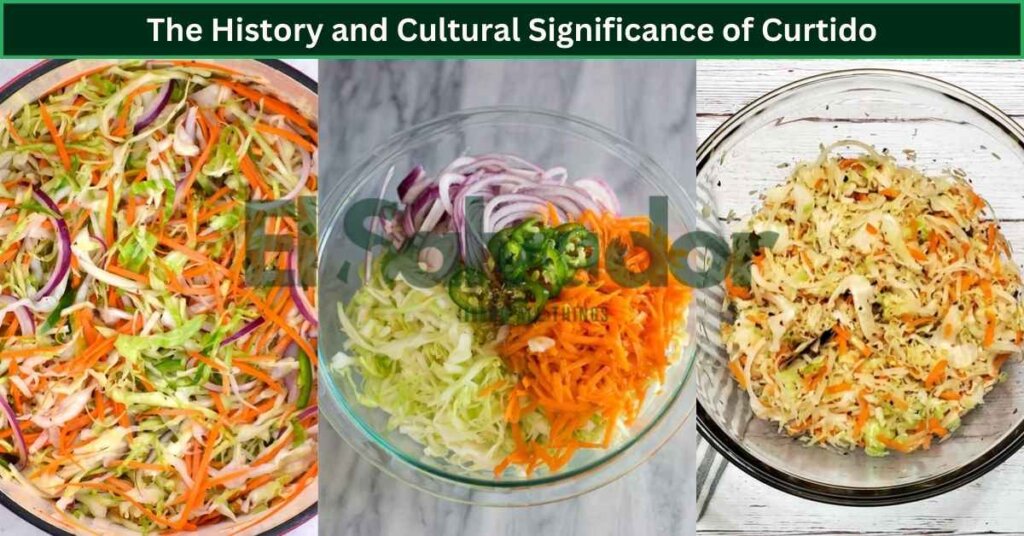
I get asked this a lot. What is curtido? Salvadoran curtido is a traditional cabbage slaw made with cabbage, vinegar, oregano, and carrots. It’s lightly pickled, not fully fermented like sauerkraut. According to common food references like Wikipedia, curtido comes from El Salvador and is closely tied to pupusas. I like it because it feels fresh, light, and easy to digest. Curtido for pupusas is still the most classic way to eat it.
Ingredients You’ll Need
- 1 small green cabbage, thin sliced (pickled cabbage base)
- 1 medium carrot, grated
- 1 small white onion, thin sliced
- 2 garlic cloves, minced
- 1 jalapeño, thin sliced (remove seeds for less heat)
- 2 cups white vinegar (5% acidity recommended for vinegar slaw)
- 1 teaspoon dried oregano
- 1 teaspoon cumin seed (use seed, not ground, for crunch)
- 1 teaspoon sugar
- 1½ teaspoons salt
Instructions
- I start by shredding the cabbage, julienne the carrots, and thin slice the onion, garlic, and jalapeño. I put everything in a bowl. Then I add salt, oregano, and cumin seed. I mix it well with clean hands so the veggies soften a bit.
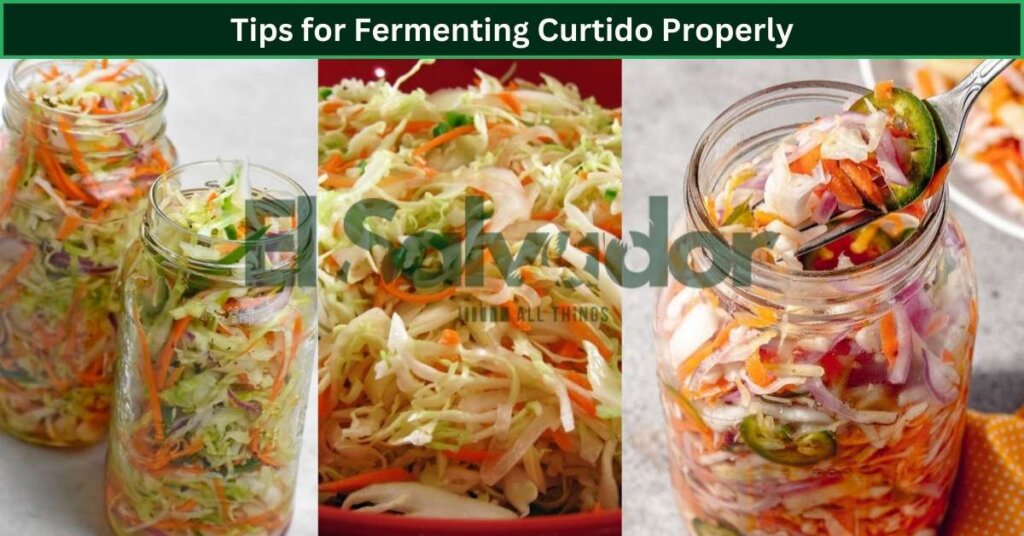
- I heat the white vinegar with sugar in a pot until it boils. Then I pour this hot vinegar brine over the veggies. Use a heatproof jar or bowl. Do not seal it while hot. Trapped steam can cause pressure and break the jar.
- I let the quick pickled cabbage cool on the counter. Once cool, I cover it and place it in the fridge. This is how refrigerator pickles work, not canning.
- I serve this curtido recipe cold. It stays good for up to 2 weeks when kept refrigerated.
Cumin seed matters here. It adds crunch and smell. Salvadoran curtido is oregano forward, and this method keeps it fresh and true to tradition.
What to Eat With Curtido (Serving Pairings)
I usually think of curtido as that crunchy, acidic side that cuts through heavy food. Salvadoran curtido works best with rich or fried dishes. That sharp bite balances things out. So yeah, it fits more meals than people think.
- Pupusas and curtido, the traditional pairing
- Grilled or roasted meats, like chicken or pork
- Fried foods that need contrast, like empanadas
- Tacos and burritos, for crunch and tang
- Sandwiches, especially with meat or cheese
- Beans and rice dishes as a fresh pickled cabbage side dish
You can also serve curtido with hearty Salvadoran soups. I like it on the side of mondongo soup because the tangy crunch balances the rich broth and tender meat really well. It works the same way it does with pupusas.
Is Curtido Fermented or Just Pickled?
I’ve made curtido enough times to see how these three work together. Vinegar, salt, and time each do a job. Skip one, and the curtido texture feels off. This is quick pickling, not full fermentation.
- Vinegar
Curtido vinegar brings acid preservation and that sharp bite. Most white vinegar sits at about 5 percent acid. That level is enough to keep quick pickled cabbage safe and bright without cooking it. - Salt
Salt curing cabbage pulls water out through cabbage osmosis. This softens the leaves just enough. It keeps the crunch while seasoning the slaw all the way through. - Time
Resting time for pickles lets flavors mix. A few hours starts it. A day makes it better.
Food sources like Serious Eats explain that traditional curtido can ferment over days, but quick-pickled curtido uses vinegar to get similar flavor fast.
Is Curtido Cooked or Raw in Traditional Salvadoran Recipes?
I’ve heard people ask this a lot. Is curtido cooked, or is it raw? Traditional Salvadoran curtido uses raw vegetables. The cabbage, carrots, and onion stay uncooked from start to finish.
What happens instead is acid and salt do the work. Vinegar softens the raw curtido without heat. Salt pulls moisture out and makes the cabbage tender but still crunchy. This uncooked cabbage slaw keeps that fresh bite Salvadoran food is known for.
Some modern recipes blanch the cabbage to save time. That changes the texture and taste. Traditional Salvadoran curtido relies on this raw curtido preparation method to stay crisp and bright.
Different Curtido Preparation Methods Explained
I’ve seen a few curtido preparation methods over the years. People change it based on time and texture. But all curtido variations come from the same base idea of Salvadoran cabbage slaw.
- Traditional raw curtido
This is the classic way. Raw cabbage cures in vinegar and salt, then rests. The texture stays crisp, and the flavor feels bright and authentic. - Quick-pour hot brine method
This quick curtido recipe uses hot vinegar poured over veggies. It speeds flavor absorption but softens the cabbage a bit. - Lightly blanched method
Some modern cooks blanch first. It saves time, but it loses crunch.
Traditional curtido remains the most authentic version.
🏄♂️ Download Your Free El Salvador Itinerary
Download PDFRaw Pickled Curtido vs Blanched Curtido: What’s the Difference?
I’ve tried both, so here’s how I see it. These two methods exist because people want different textures and timing. But they don’t taste the same.
- Raw pickled curtido
This uses no heat at all. Vinegar and salt soften the cabbage over time. The curtido texture stays crunchy and sharp. This traditional curtido method is what most Salvadoran homes use for pupusas. - Blanched curtido
This starts with quick boiling. Cabbage blanching breaks down pectin, so the leaves turn softer. Flavor absorbs faster, but it tastes milder.
If authenticity matters, raw pickled curtido is the clear choice.
Should You Soak Curtido for Hours, Days, or Weeks?
I’ve tested this more than once. Curtido soaking time really changes the taste and bite. Acid keeps working as it sits, even in the fridge.
- Few hours
Lightly pickled. Very crunchy. Sharp and fresh. - 1 to 3 days
This is the sweet spot. Flavor feels balanced. Texture is still crisp. Most people serve it here. - Up to 2 weeks
Deeper sour taste. Softer cabbage. Still safe with cold storage.
Curtido refrigerator life is about two weeks. I’d say 1 to 3 days works best.
Common Mistakes to Avoid When Making Curtido
I’ve messed this up before, so I get it. Small curtido mistakes can change the crunch, taste, and even safety. Most pickled cabbage errors come from rushing or using the wrong balance.
- Overcooking or blanching too long
This causes curtido texture issues. The cabbage turns soft and loses its bite. - Sealing the container while the brine is hot
This can trap steam. Pressure buildup may crack the jar or lid. - Skipping the resting time
Curtido needs time. Without resting, flavors stay flat. - Over-sweetening or under-salting
Too much sugar hides the tang. Too little salt hurts texture and taste. - Using low-acidity vinegar
Standard pickling vinegar is about 5% acidity. Lower levels reduce preservation.
Honestly, most curtido troubleshooting fixes are easy once you spot them.
Conclusion
Honestly, this recipe stays simple for a reason. Curtido works because of balance. Crunch, acid, and time all play their part. Once you get that, the rest feels easy. And yeah, it’s forgiving if you don’t rush it.
I keep a jar in the fridge whenever I can. It makes meals better without much effort. If you stick to the basics, you’ll get that fresh, classic flavor every time. Totally worth it.
FAQs About Curtido
Can You Eat Curtido by Itself?
Yeah, you can. I snack on it sometimes. It’s crunchy, sour, and refreshing. But most people use it as a side. Curtido shines best next to rich foods.
Is Curtido Good for Gut Health?
Curtido is not fermented, so it has fewer probiotics than sauerkraut. But it still helps digestion. The vinegar and fiber from cabbage support gut movement. I’d say it’s light and easy on the stomach.
What’s the Difference Between Curtido and Sauerkraut?
Curtido is quick pickled with vinegar. Sauerkraut is fermented with salt only. Curtido tastes fresh and sharp. Sauerkraut tastes sour and funky from fermentation. They are not made the same way.
How to Make Quick Curtido?
Quick curtido skips long waiting. You pour hot vinegar over shredded vegetables. This speeds up flavor soaking. It’s ready faster, but the cabbage turns a bit softer than traditional curtido.
What’s the Difference Between Coleslaw and Curtido?
I get this mix-up a lot. Coleslaw usually uses mayo or cream and tastes mild. Curtido uses vinegar and salt. It tastes tangy and sharp. Curtido is pickled. Coleslaw is not.
What Are the Ingredients in Curtido?
Curtido uses simple vegetables and pantry items. The base ingredients are green cabbage, carrot, onion, vinegar, salt, oregano, and cumin seed. Some versions add garlic and jalapeño. That’s it. No cooking needed.
Why Curtido Is Traditionally Served With Pupusas
I’ve seen this pairing my whole life. Pupusas are thick, cheesy, and rich. Curtido adds crunch and acid. That tang cuts through the fat and balances every bite. In El Salvador, pupusas and curtido are served together because they work better as a pair, not separately.
About Author
Hi, I’m Diana Alferez, a proud Salvadoran passionate about helping travelers discover the true beauty and culture of my country.
At All Things El Salvador, we provide accurate guides, practical tips, and fresh insights from both locals and adventurers, helping you explore confidently while breaking outdated perceptions of this incredible destination.