
Must-Try El Salvador Foods for an Authentic Taste!
El Salvador cuisine showcase their mixture of tradition, culture and falvor. Savory to sweet, El Salvador always offers a huge vairety of food that make you difficult to choose what to eat but each dishes gives you authentic Salvadoran tastes. Now you are thinking then what to eat in El Salvador or plan your trip, here are some typical food in El Salvador which you must try on you trip if you want to experience El Salvador traditional food at its best.
- Pupusas: El Salvador’s national dish, these El Salvador trademarks stuffed tortillas with the filling of cheese, beans and pork.
- Tamales: My personal favourite steamed corn dough which is filled with meat, vegetables or sometime sweet ingredients.
- Yuca con Chicharrón: Its a flavorful dish which offers fired yuca (cassava) and crispy pork.
- Torta: Its a Salvadoran sandwich which made with fresh bread and have a filling of meat and pickled vegetables.
I just show you that starting or famous dishes lets dive into core of Salvadoran food, which give you experience of unique flavors. I will make it easy for you to find the most iconic dishes of El Salvador like pupusas to seasonal specialties. I will try to make it easy for you to find Popular foods in El Salvador, which every tourist should try. On this site, you will find everything you need to know about El Salvador.
Key Takeways
- Pupusas are the national dish of El Salvador, stuffed with cheese, beans, and pork, served with curtido and salsa roja.
- Salvadoran cuisine reflects deep cultural traditions and family heritage.
- Common foods include tamales, yuca con chicharrón, tortas, fried plantains, grilled meats, and traditional soups like Sopa de Pata and Mondongo.
- Coastal regions offer fresh seafood options such as fried fish, ceviche, and black clams.
- Seasonal and holiday specialties include Tenquique mushrooms and Panes con Pavo.
- Desserts like Pastel de Plátano and quesadilla, along with drinks such as horchata, coffee, and rum, are widely enjoyed.
- Dining customs are family-focused, welcoming, and often include eating pupusas with your hands.
How Famous Foods in El Salvador Preserved
I found that Salvadoran food is not only about taste but it shows the country rich culture, history and traditions, which is why El Salvador culture food is closely connected to identity, family, and heritage. Writers like Karla T. Vasquez, featured in Salon, document that how Salvadoran women have preserved their reciped and traditions generations and still connected to roots.
Core of El Salvador Foods
Most of Salvadoran cuisine is made around the famous or key dishes, and these dishes represent the centuries old country’s traditions, making traditional food in El Salvador deeply rooted in history and family culture.
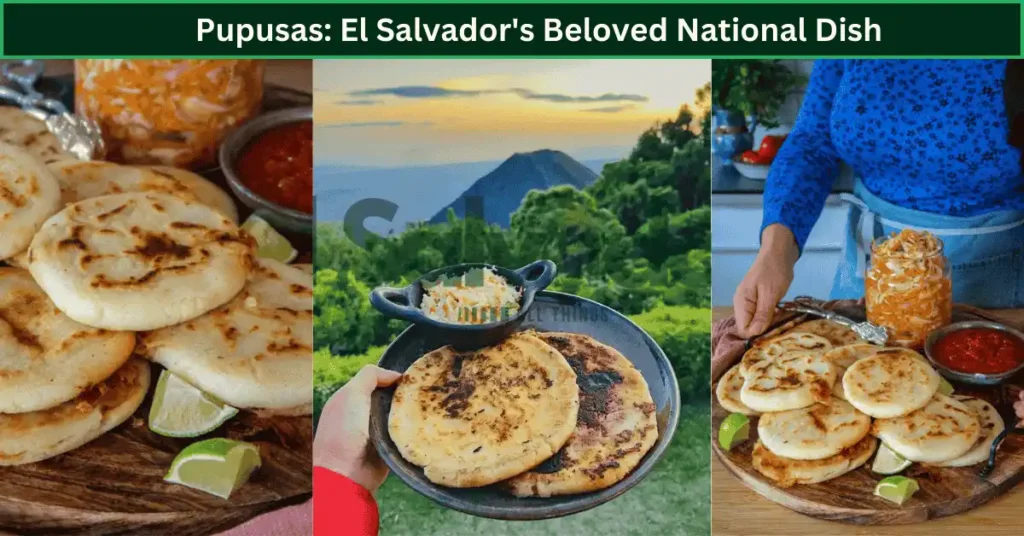
Pupusas: El Salvador’s Beloved National Dish
Iconic and national dish of El Salvador, these thick and hand made tortialls are filled with a variety of savory ingredients and are considered the most El Salvador famous food among locals and travelers alike. According to Wikipedia’s Pupusa entry, this national dish is from pre-Columbian times and remains a symbol of Salvadoran pride today. This dish includes:
- Cheese and beans: Simple but tasty combiantion and love of all Salvadoran homes.
- Pork (chicharrón): Full of flavor and crispy filling made from slow cooked pork.
- Revuelta: A mix of cheese, beans, and pork, make it rainbow of flavours.
I rate it as heart of Salvador foods and this introduce the perfect local flavors. Pupusas are often served with curtido, a tangy cabbage slaw, and salsa roja, a mild tomato sauce. Its common to see our locals enjoying them at family events, streed food and any celebrations.
According to the Smithsonian Institution, pupusas date back to pre-Columbian Indigenous communities and remain a core symbol of Salvadoran identity, highlighting their deep historical and cultural significance.
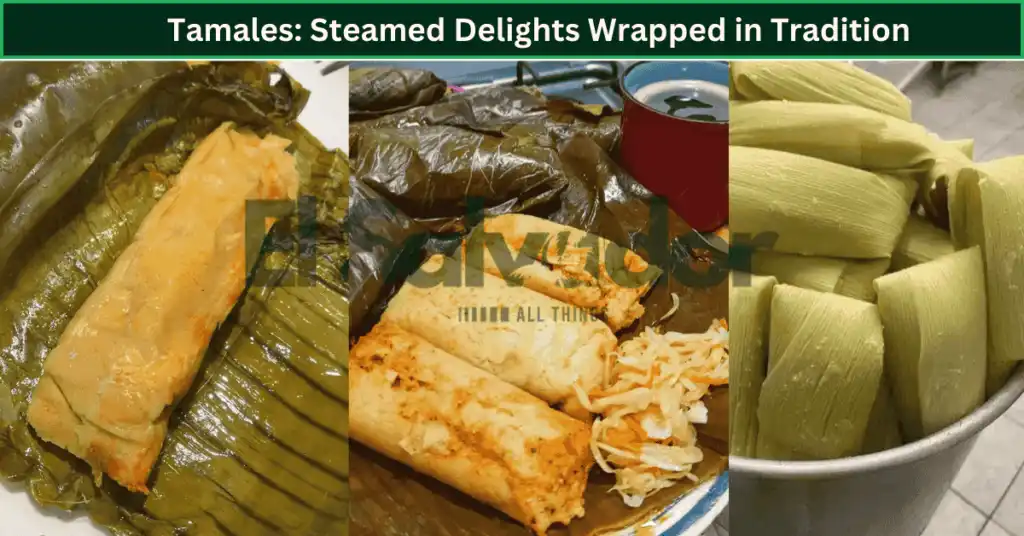
Tamales: Steamed Delights Wrapped in Tradition
Ahh! my personal favourite Tamales is another beloved Salvadoran cuisine, most of time made on festivals or events. I also found that according to Wikipedia on Tamales, this dihs is origianly from Mesoamerica and have mutilplr variations. El Salvador specializing in tamales de elote and tamales pisques. Made from corn dough, these tamales are filled with a variety of savory or sweet fillings, such as:
- Chicken or pork: Wrapped in corn husks and steamed to perfection.
- Sweet tamales: Filled with cinnamon and sugar, often served for dessert.
Tamales are typically served with a warm drink like atol de elote (corn-based drink), making them a comforting meal for any time of the day. We serve Tamales with a warm drink like atol de elote (corn-based drink), and I must say its a comfortable meal of any time of day.
According to Encyclopaedia Britannica, tamales originated in ancient Mesoamerica and evolved regionally, with El Salvador developing distinctive styles such as tamales de elote and pisques, reinforcing their deep cultural and historical roots.
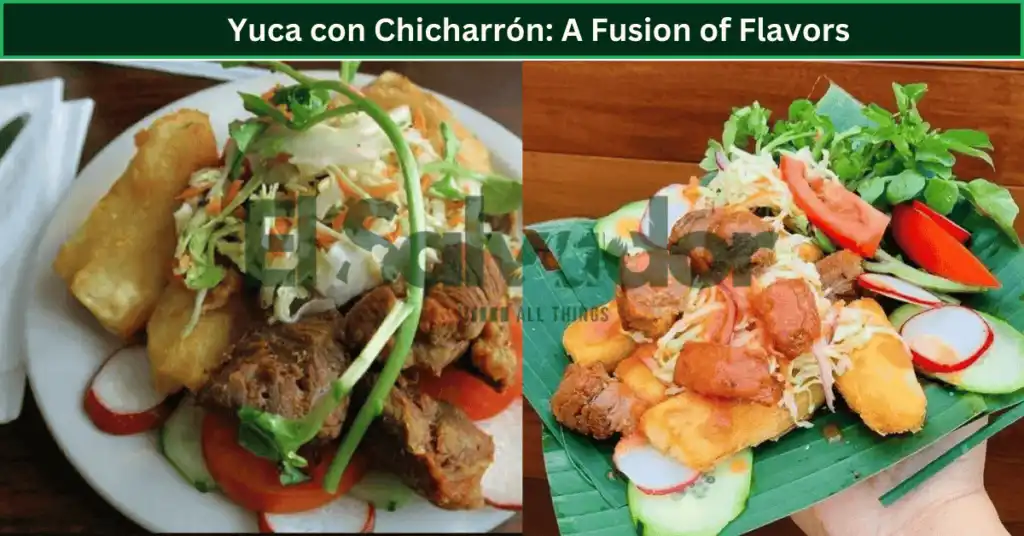
Yuca con Chicharrón: A Fusion of Flavors
Yuca con Chicharrón is a hearty dish which is a combination of soft texture of yuca (cassava) and crispy chicharrón (fried pork). THis tradiotnal dish serve with a side of tomato salsa or curtido to balance pork.Its popular and comfort food in El Salvador, and loved for its perfect mix of textures and flavors.
Essential Ingredients in Salvadoran Cuisine
| Ingredient | Used In (Examples) | Flavor Profile | Easy Substitutes (Outside El Salvador) |
|---|---|---|---|
| Corn (Maíz) | Pupusas, tamales, tortillas, atoles | Mild, earthy, slightly sweet | Masa harina, cornmeal (nixtamalized preferred) |
| Red Beans | Pupusas, casamiento, soups | Creamy, savory | Pinto beans, kidney beans |
| Loroco (Edible Flower Bud) | Pupusas, tamales, sauces | Floral, mildly bitter, herbal | Broccoli rabe, spinach (for texture only) |
| Yuca (Cassava) | Yuca frita, nuegados | Neutral, starchy | Potatoes (texture differs) |
| Plantains | Fried plantains, desserts | Sweet (ripe), starchy (green) | Bananas (for sweet dishes only) |
| Alguashte (Ground Squash Seeds) | Eggs, seafood, chicken dishes | Nutty, smoky | Ground pumpkin seeds (pepitas) |
| Crema Salvadoreña | Pupusas, plantains, yuca | Tangy, rich, mild | Sour cream thinned with milk |
| Quesillo / Salvadoran Cheese | Pupusas, quesadilla | Mild, creamy, salty | Mozzarella, Oaxaca cheese |
| Banana Leaves | Tamales, steamed dishes | Subtle herbal aroma | Parchment paper + foil |
| Pork (Cerdo) | Chicharrón, soups, stews | Rich, savory | Chicken or beef |
| Chicken (Pollo) | Soups, tamales, stews | Mild, comforting | Turkey |
| Rice | Casamiento, drinks | Neutral | Long-grain white rice |
| Piloncillo (Unrefined Cane Sugar) | Desserts, syrups, drinks | Deep caramel sweetness | Brown sugar + molasses |
| Herbs (Cilantro, Mint) | Soups, salpicón | Fresh, aromatic | Parsley (partial substitute) |
| Tomatoes | Sauces, soups, curtido | Bright, acidic | Canned tomatoes |
| Cabbage | Curtido | Crunchy, tangy | Napa cabbage |
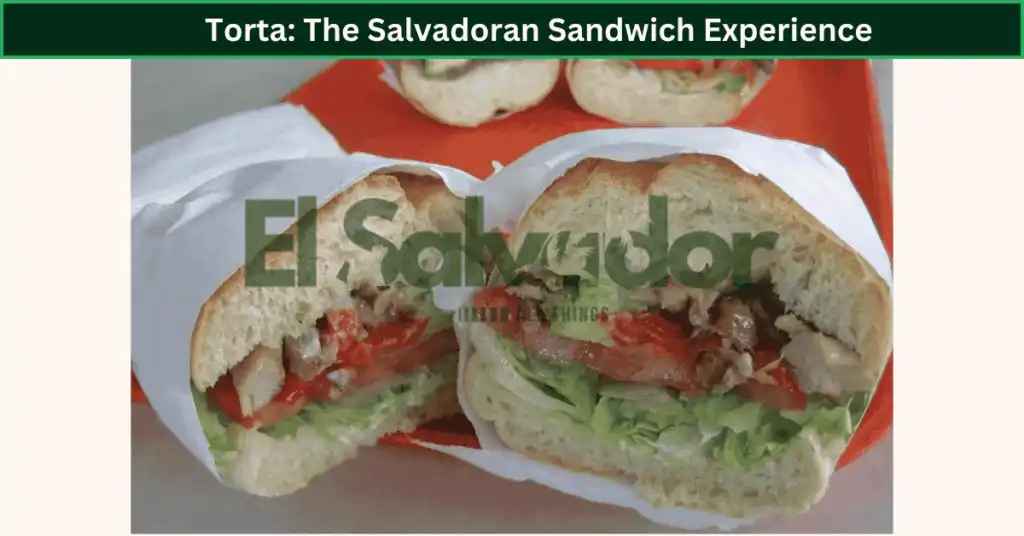
Torta: The Salvadoran Sandwich Experience
Thereason why we list torta here is its a Salvadoran sandwich offers unique twist compared to typical sandwiches. Locally we eart Tortas in any meal like breakfast, lunch, or dinner. Made with fresh, soft bread, these sandwiches are filled with:
- Steak, chicken, or pork: Savory meats, often grilled or fried.
- Pickled vegetables: Adds a tangy, crunchy texture.
- Avocado: A creamy addition that complements the other fillings.
These dishes are not only enjoyed locally but are also recognized worldwide as El Salvador popular food, often recommended to first-time visitors.
Most Popular Salvadoran Foods
| Dish Name | Category | Key Ingredients | When It’s Commonly Eaten | Region / Occasion |
|---|---|---|---|---|
| Pupusas | Main / Street Food | Corn masa, cheese, beans, chicharrón, loroco | Any time of day | Nationwide; daily staple |
| Tamales Salvadoreños | Main | Corn masa, chicken or pork, vegetables, banana leaves | Breakfast, holidays | Nationwide; festivals & celebrations |
| Yuca con Chicharrón | Main / Street Food | Cassava (yuca), fried pork, curtido, salsa | Lunch, street food | Common in markets & towns |
| Panes con Pollo / Pavo | Main / Street Food | Bread, chicken or turkey, curtido, tomato sauce | Lunch, holidays | Christmas & special events |
| Desayuno Típico | Breakfast | Eggs, beans, fried plantains, cheese, tortillas | Morning meals | Home-cooked, daily |
| Elote Loco | Street Food | Corn, mayonnaise, ketchup, Worcestershire sauce, cheese | Snacks, evenings | Street vendors & fairs |
| Pastelitos | Street Food | Corn dough, ground beef, vegetables | Snacks, lunch | Markets & street stalls |
| Sopa de Gallina India | Soup / Main | Free-range hen, vegetables, herbs | Lunch, weekends | Rural areas & family gatherings |
| Sopa de Pata | Soup / Main | Cow’s feet, corn, tripe, vegetables | Lunch | Traditional celebrations |
| Fried Fish | Main | Whole fish, garlic, lime, oil | Lunch | Coastal regions |
| Ceviche Salvadoreño | Seafood | Fish or shrimp, lime, onion, tomato | Lunch, hot days | Coastal areas |
| Nuegados | Dessert | Yuca or corn dough, panela syrup | Afternoon snacks | Festivals & holidays |
| Quesadilla Salvadoreña | Dessert | Rice flour, cheese, eggs, milk | Breakfast, coffee time | Bakeries & homes |
| Pastel de Plátano | Dessert | Ripe plantains, milk, eggs, sugar | Dessert | Home cooking |
| Horchata Salvadoreña | Drink | Seeds, rice, cocoa, spices | Any time | Nationwide |
| Atol (Corn-based) | Drink | Corn, water or milk, sugar | Breakfast, evenings | Nationwide |
| Coffee | Drink | Salvadoran coffee beans | Morning | Nationwide; daily ritual |
Traditional Breakfasts and Street Foods
Now if your’e looking for breakfast in El Salvador it offers variety of breakfast dishes and also street food. El Salvador breakfast are perfect for starting a day or enjoying a quick, delicious breakfast while out and about.
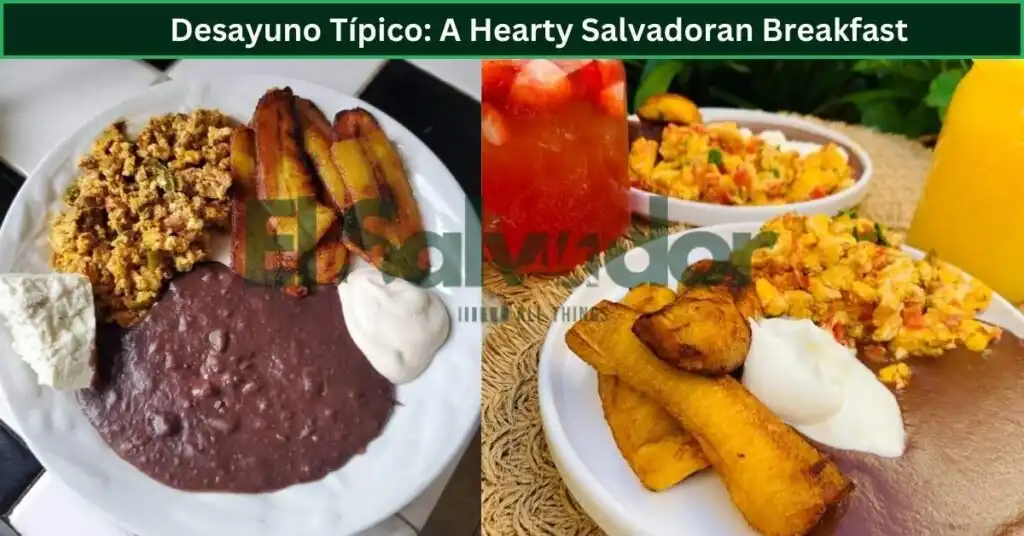
Desayuno Típico: A Hearty Salvadoran Breakfast
The Desayuno Típico is a traditional Salvadoran breakfast thats perfect for morning fueling and represents El Salvador typical food enjoyed daily by local families. This includes:
- Scrambled eggs: Cooked with tomatoes, onions, and sometimes peppers.
- Fried plantains: Sweet and crispy
- Refried beans: A creamy side dish often served with cheese and sour cream.
- Pupusas: Sometimes included for an extra dose of Salvadoran flavor.
Desayuno Típico are also enjoyed with coffee or horchata (a traditional rice-based drink), offers full fledge start.
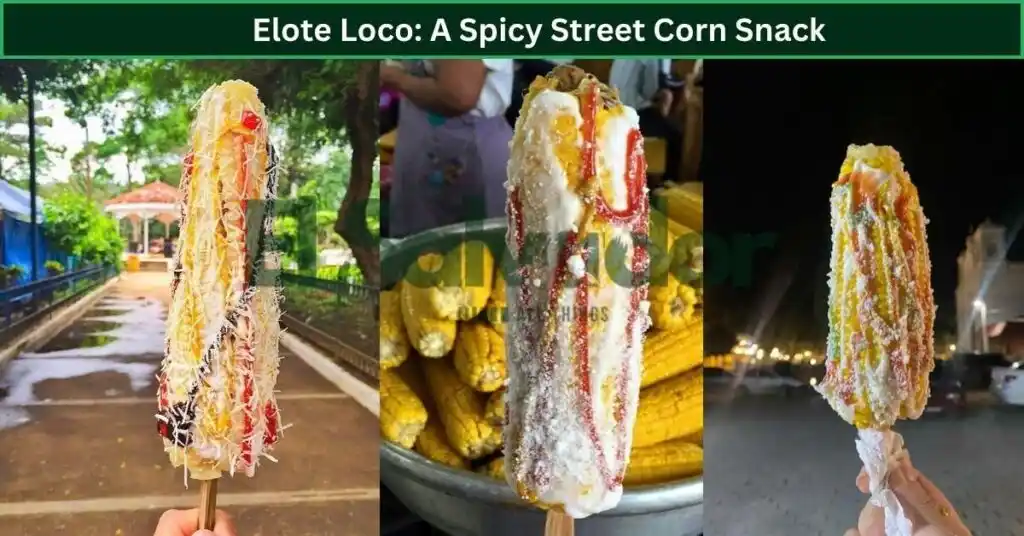
Elote Loco: A Spicy Street Corn Snack
Elote Loco is popular street food snack in El Salvador. Its a corn which have a toppings to give unforgettable taste. Some common toppings include:
- Mayonnaise: Gives a creamy texture.
- Cheese: A crumbly, salty variety.
- Hot sauce: A spicy kick.
- Lime: A fresh citrusy finish to balance the flavors.
We Salvadorians love this street food snack and often favourite among visitors. You can enjoy this at food stalls or street corners and its a perfect on-the-go snack.
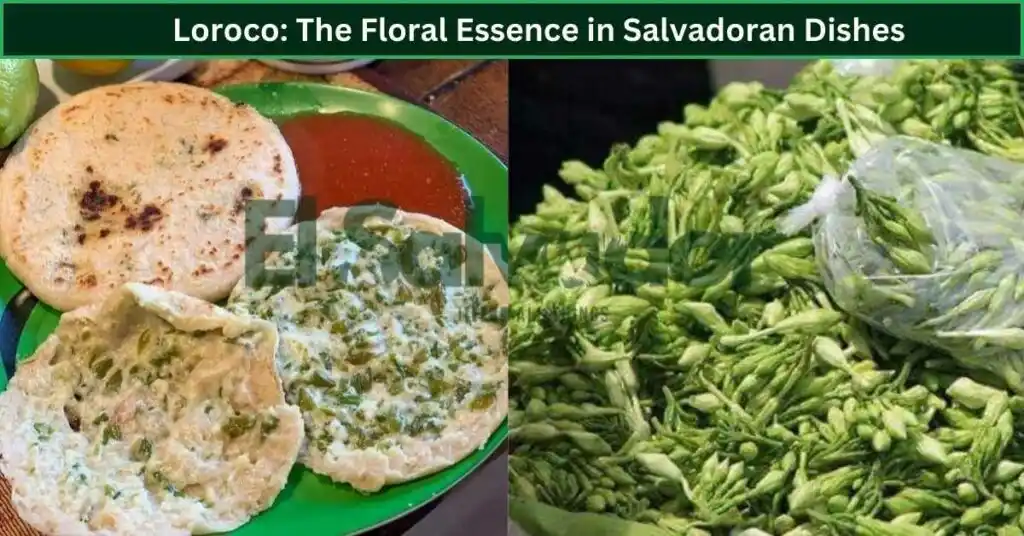
Loroco: The Floral Essence in Salvadoran Dishes
Loroco is fragnant edible flower that is often used in Salvadoran cooking. With a mild, slightly earthy flavor, loroco is use to compliment a variety of dishes, including:
- Pupusas: In Pupusas loroco is often added as a filling.
- Tamales: In Tamales it mixed with other ingredients for floral flavor.
Beyond its culinary appeal, loroco holds strong cultural importance in El Salvador and throughout Central America. Ethnobotanical research published in a peer-reviewed journal highlights loroco as a culturally significant edible flower native to Central America, valued for both its flavor and its role in regional food traditions, reinforcing its importance in Salvadoran identity and heritage.
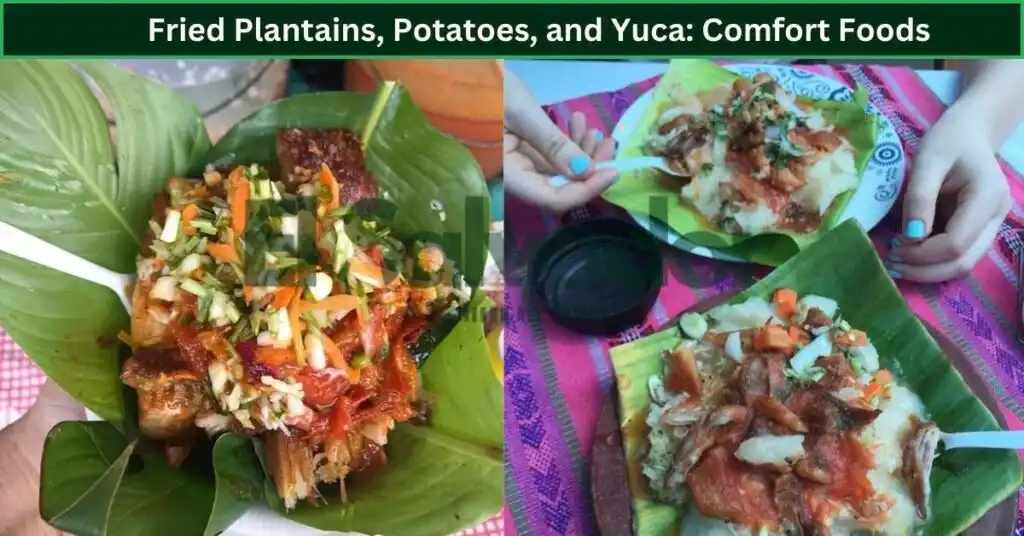
Fried Plantains, Potatoes, and Yuca: Comfort Foods
Fired plantains, potatoes, and yuca are found in Salvadoran comfort food. Moslty these dishes are sreved as side with other meals and or as a snacks.
- Fried Plantains: Sweet and crispy.
- Fried Potatoes: Crispy and golden fries.
- Fried Yuca: Yuca is a root vegetable that, when fried, becomes crispy on the outside and soft on the inside.
Now these simple and light foods are enjoyed with curtido (a tangy cabbage slaw) or salsa roja, but limited to them only and also enjoyed with variety of Salvadoran meals.
Exploring the Meats of El Salvador
Meat is one of the core ingridient of El Salvador food, from grilled to traditional sausages, Salvadoran dishes offer a variety of different options for meat lovers.
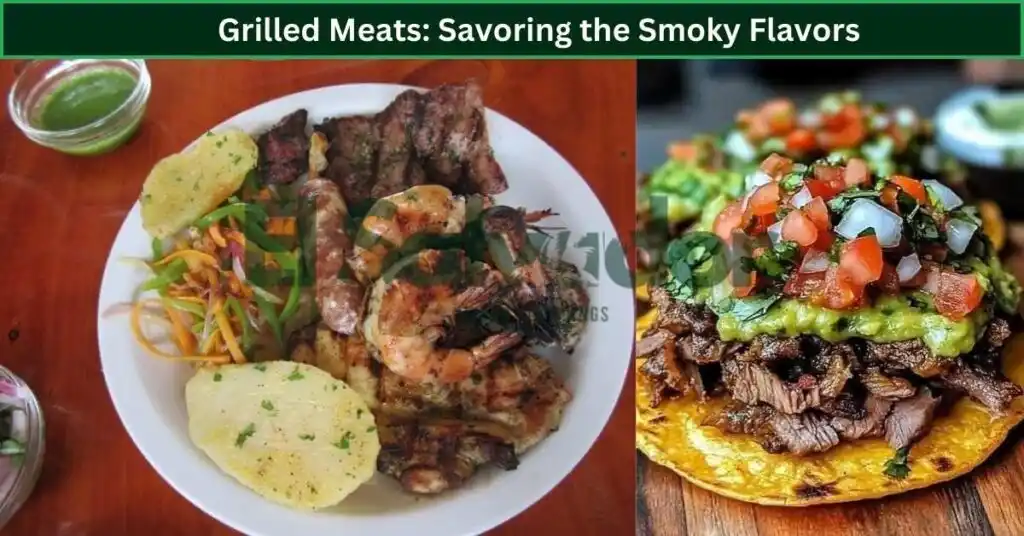
Grilled Meats: Savoring the Smoky Flavors
Grilled meats are center of Salvadoran dining, they are mostly cooked on open flame, which adds an irresistible smoky flavors. Common grilled meats include:
- Beef steaks: Tender cuts of beef, which are marinated with spices.
- Pork chops: Juicy and often seasoned with a mixture of garlic, citrus, and other spices.
- Chicken: Usually marinated in a tangy, savory sauce.
In our traditions grilled meats are usually served with sides like rice, beans, fried plantains, and salsa.
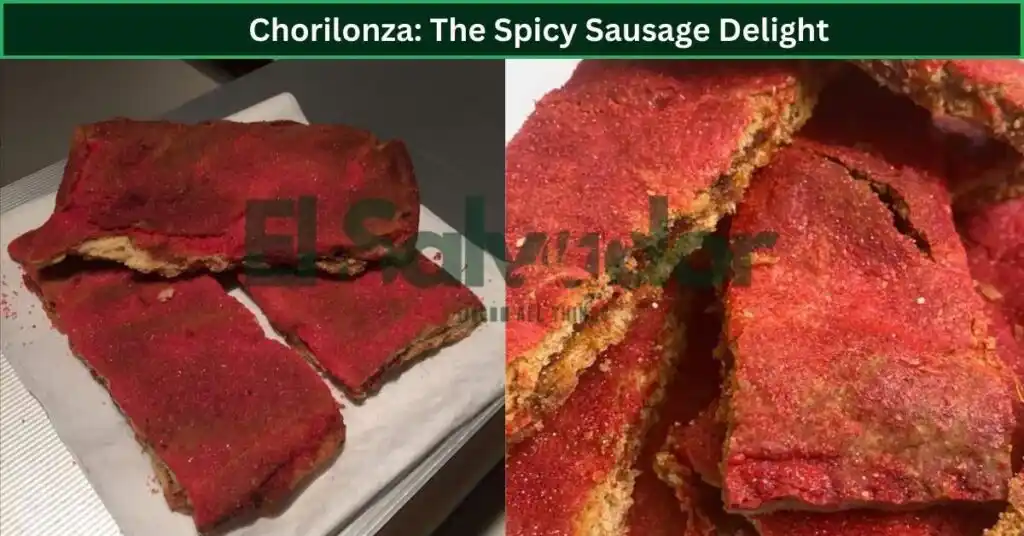
Chorilonza: The Spicy Sausage Delight
Chorilonza is a spicy Salvadoran sausage made from pork and it is marinated with blend of spices and herbs, which give it a bold taste. Most of time it grilled untill outer part becomes crispy but inner still soft. It’s typically enjoyed as:
- A snack: Often served alone.
- As a topping: Added to pupusas or tortas.
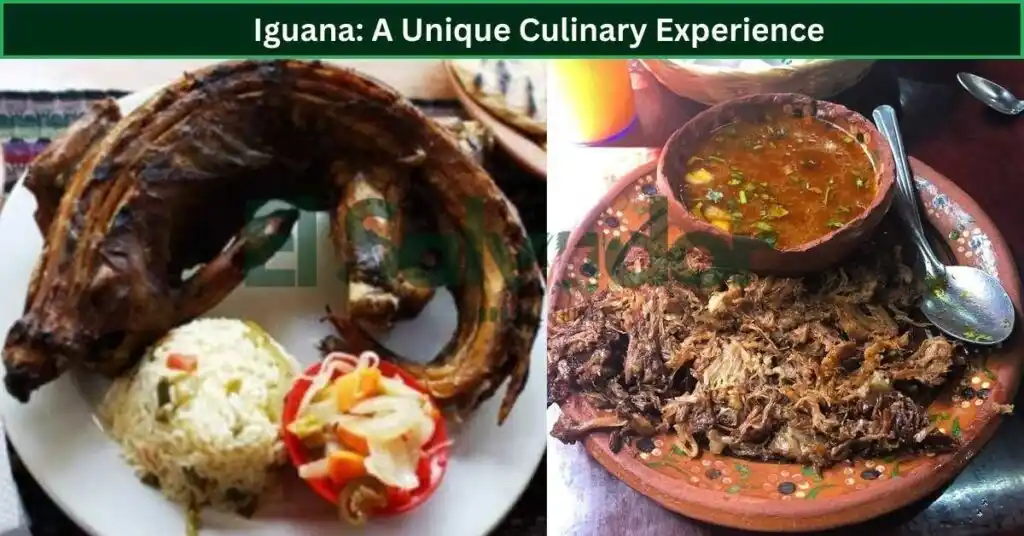
Iguana: A Unique Culinary Experience
Gallo en Chicha is cultural dish cokked with chicha, a fermented corn beverage. Wikipedia highlights how it is deeply enrooted in Salvadoran tradition. Its mostly prepared for family gathering and events. It is typically:
- Slow-cooked: with tomatoes, onions, and spices.
- Grilled: Sometimes grilled on the bone for a smoky flavor.
I personallu love Iguana meat with rice, beans, and tortillas. But one thing I must want to tell its not commonly found everywhere.
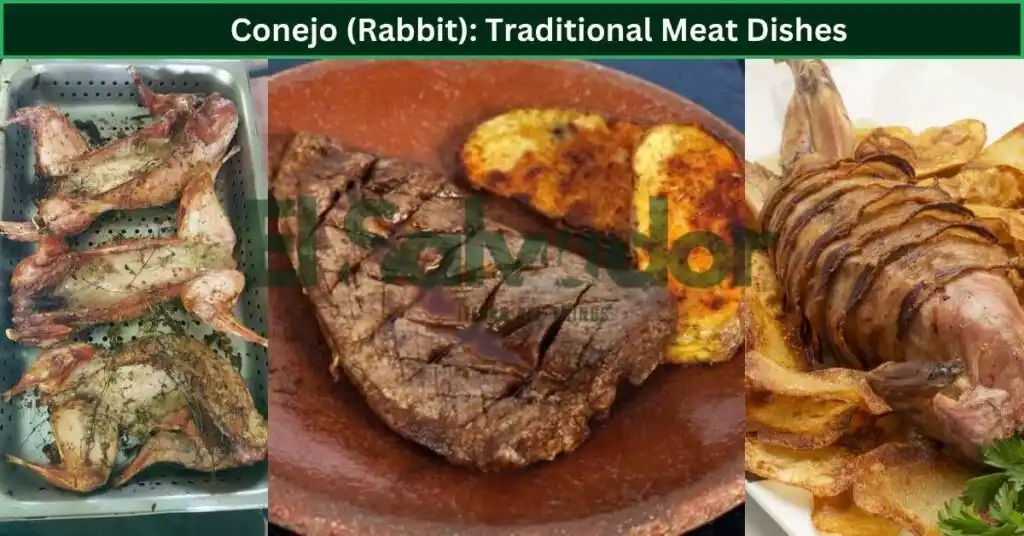
Conejo (Rabbit): Traditional Meat Dishes
Conejo, or rabbit, its another traditional meat dish in El Salvador. It’s usually:
- Stewed: Cooked in a savory broth with vegetables and herbs.
- Grilled: Marinated with spices and grilled until it becomes crispy .
My mother love to serve rabbit dishe with rice or fried plantains. Conejo is more popular in rural regions, where locals love to hunting and farming and make this tradition alive.
Hearty Soups and Stews of El Salvador
Now comes the favoruite of El Salvador foods which are Salvadoran soups like Sopa de Gallina India, Sopa de Pata, and Mondongo and core of traditional culture. Our families prepare these in home-style meals and are classic example of traditional foods.
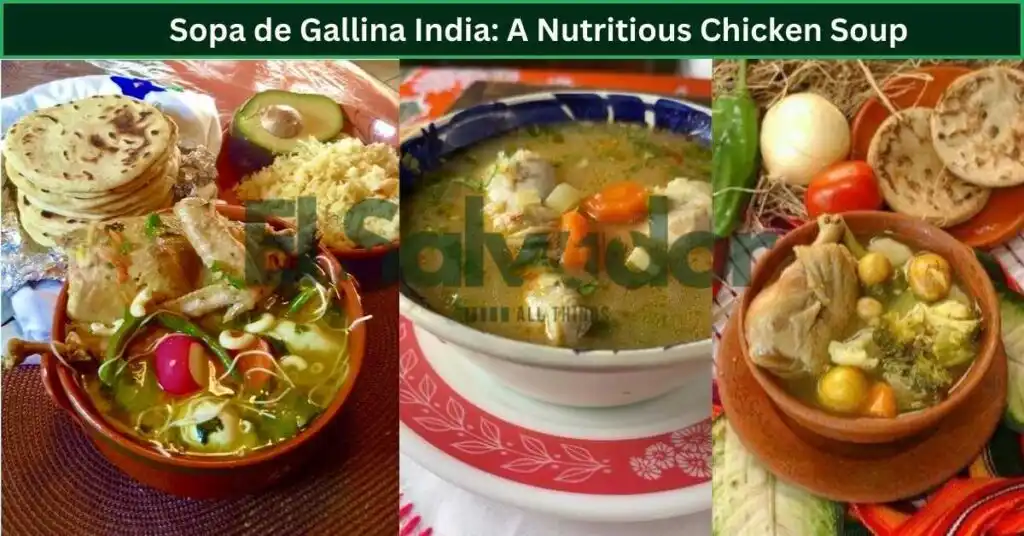
Sopa de Gallina India: A Nutritious Chicken Soup
I love cooking Sopa de Gallina India in traditional style of Salvadoran chicken soup whic his made with free-range hens (gallina india). we tyoically served with:
- Vegetables: Potatoes, carrots, corn, and squash.
- Herbs and spices: Cilantro and garlic
- Rice: Added to make the soup more filling.
Traditionally it is cooked slowly, allowing chichken to becometender or soft and make the soup full of flavor. Most of time its enjoyed in family gatherings and its a comfortable meal.
Sopa de Pata: A Rich Cow’s Foot Soup
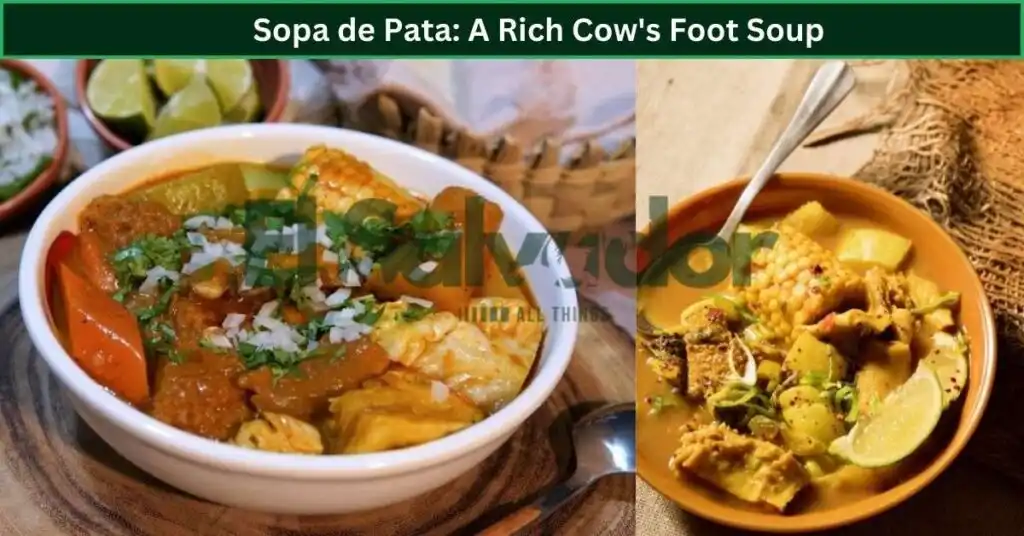
Sopa de Pata is a rich and flavorful soup made from cow’s feet, a delicacy in El Salvador. This dish has a unique texture, thanks to the gelatinous collagen from the bones. It’s usually cooked with:
El salvador’s special Sopa de Pata is a rich and flavorful soup made from cow’s feet. FIrst time you will see it have a unique texture, thanks to the gelatinous collagen from the bones. It’s usually cooked with:
- Vegetables: like potatoes, carrots, and corn.
- Herbs and spices: Garlic, oregano, and bay leaves.
- Tripe: Some variations of the soup include tripe.
My mom specially cook this for a very long time which allows the cow’s feet to release all of their natural flavors,make it thick. Salvadorian people often love to served Sopa de Pata with tortillas or rice to complete the meal.
Mondongo: A Flavorful Tripe Stew
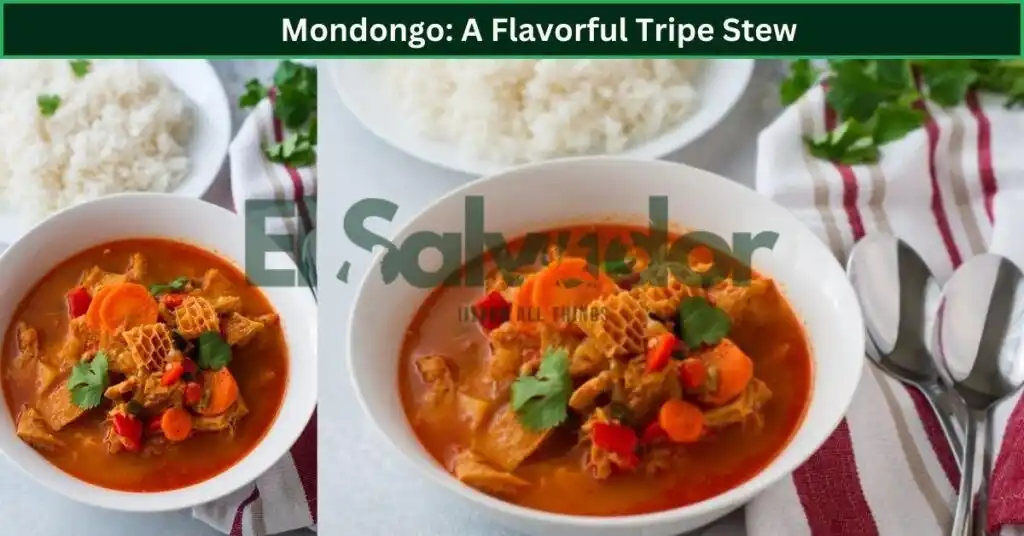
Mondongo is a savory, hearty stew made from beef tripe (stomach lining), and it’s considered a comfort food in Salvadoran cuisine. The dish is simmered for hours to achieve a deep, rich flavor and is often prepared with:
Another deep Salvadorian traditional meal Mondongo, made from beef stripe and one of the comfortable meal. Mondongo is boiled for hours to get a deep and rich flavors. It prepared with:
- Vegetables: Carrots, potatoes, and corn.
- Herbs and spices: Garlic, cilantro, and chili peppers.
- Homemade broth: The tripe is slow-cooked in a savory broth.
In our culture Mondongo is specially enjoyed as filling and often serve with rice and tortillas. Salvadoran soups like Sopa de Gallina India, Sopa de Pata, and Mondongo Allows you to experience the coutnry centuries old dishes whichare still preserved.
Coastal Inspirations – Salvadoran Seafood
Now we come to the coastal region of El Salvador which offers plenty of fresh seafood. From fried fish to ceviche, Salvadoran seafood will reflect the vibrant colors of Pacific Ocean and will provide you a refreshing expreience.
Fried Fish: A Simple Coastal Favorite
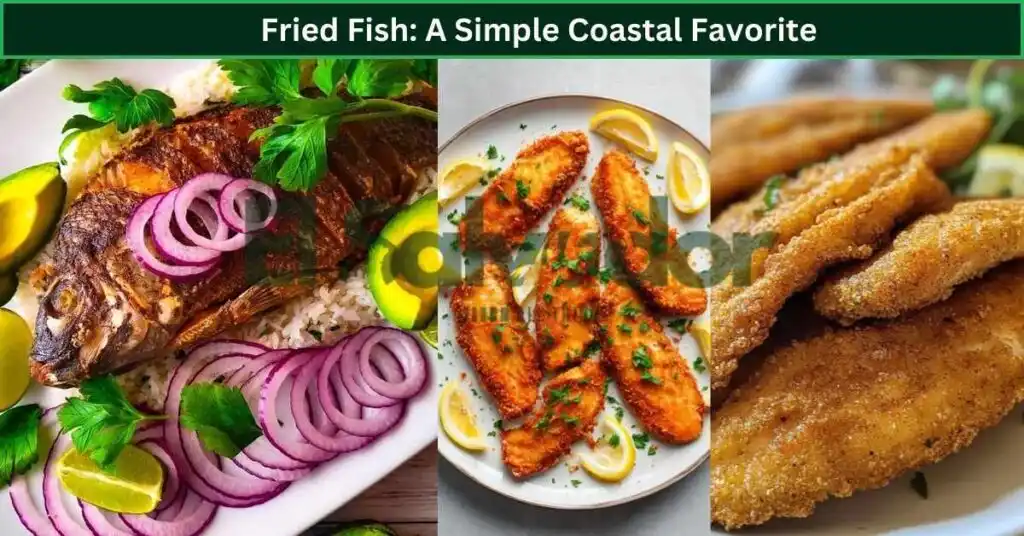
Fried fish is most beloved and specially mine most favourite Salvadorian sea food. We cooked this with whole fish like tilapia or snapper, most important very easy to cock. Here’s how it’s usually served:
- Golden and crispy: Seasoned, coated in flour, and deep-fried until crispy on the outside.
- Accompaniments: Often served with rice, fried plantains, or salad.
- Simple seasoning: Usually seasoned with salt, garlic, and lime.
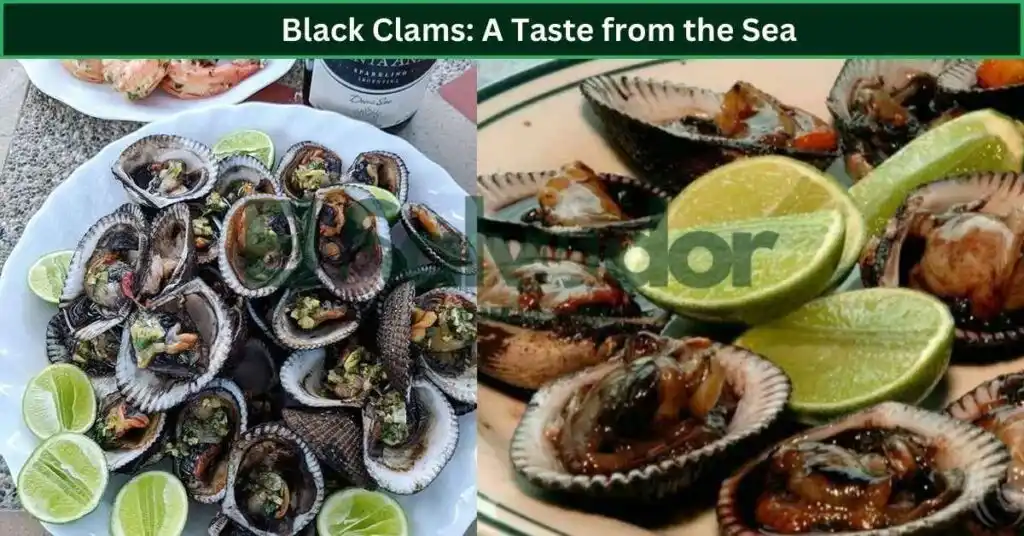
Black Clams: A Taste from the Sea
People living in costal areas of El Salvador will tell you that Black clams (known as almejas negras) is the most popular dish. People of El Salvador get clams which are harvested from the ocean and liked because of thier soft meat and flavor. We typically prepared them in a few different ways:
- Steamed or grilled: Some people often steamed or grilled the clams, allowing their natural juices to combine with seasonings and herbs.
- In soups: Black clams are sometimes added to broths.
- Topped with garlic and lemon: Serve them with a garlic-based sauce and a squeeze of fresh lime.
Black clams are a true taste of the sea, and their delicate texture makes them a favorite among seafood aficionados.
Cocteles & Ceviche: Fresh and Zesty Seafood Mixes
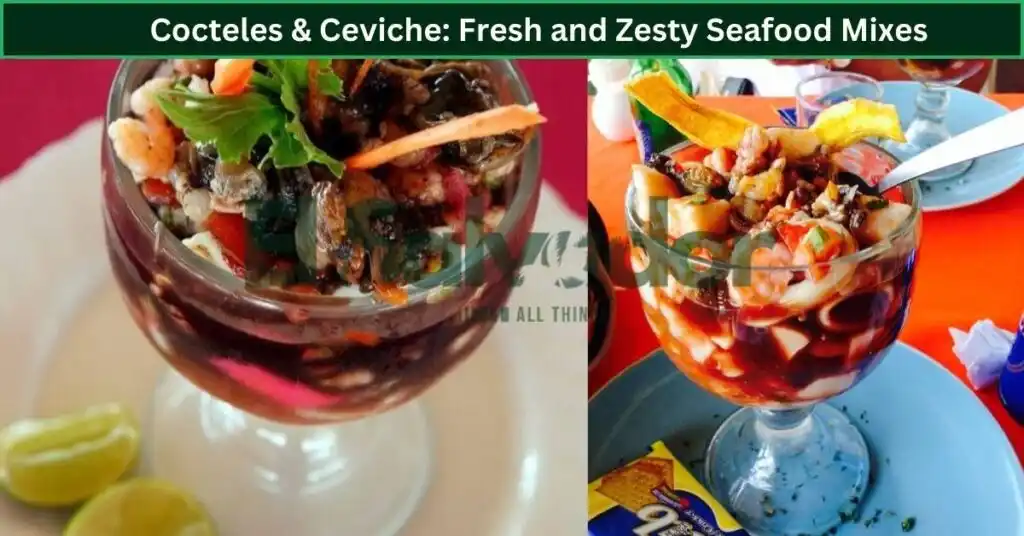
Cocteles and ceviche are refreshing and perfect for hot days. Both dishes feature fresh, raw seafood marinated in citrus juice. Here’s what makes them special:
- Cocteles: Salvadorian people made these seafood cocktails with shrimp, clams, or fish mixed with tomato sauce, lime juice, onions, cilantro, and avocado. It’s often served cold.
- Ceviche: Ceviche in El Salvador typically consists of raw fish or shrimp marinated in lime juice and mixed with chopped onions, cilantro, tomatoes, and chili peppers.
Seasonal and Festive Delicacies
People of Salvador are are lucky interm of food options. El Salvador food includes a range of seasonal and festive dishes whichmake festivals and events more enjoyable. From Mashrooms which are appear only at certain time of year to traditonal sandwiches loved during festivals.
Tenquique Mushrooms: A Seasonal Treat
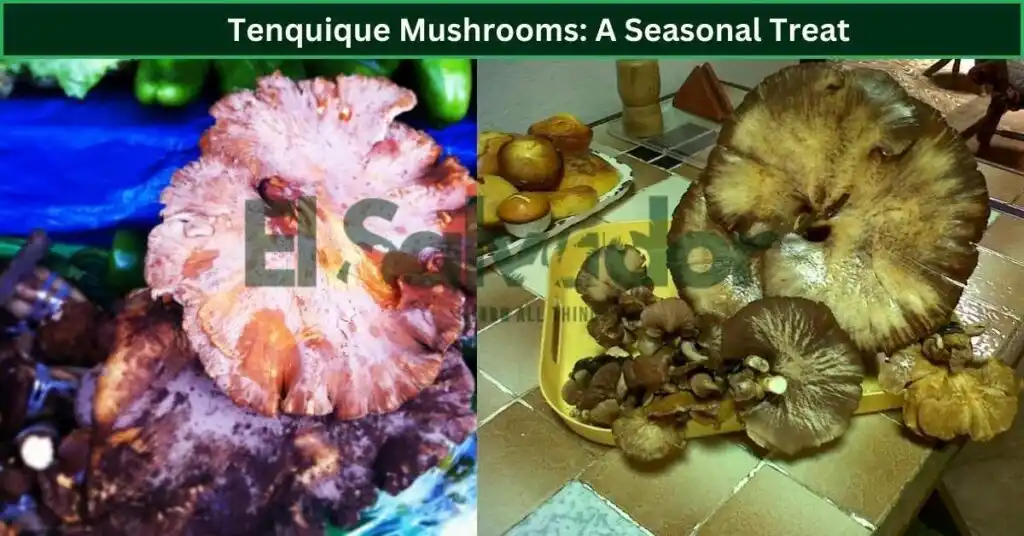
Tenquique mushrooms (also known as tenquiques) are a seasonal delicacy in El Salvador, often found during the rainy season. Salvadorains rate these mashrooms highlyrated due to their unique flavor and these are typically harvested in the wild. Here’s what makes them special:
- Flavor: Tenquique mushrooms pairs well with both meat and vegetable dishes.
- Cooking methods: Usually sautéed with onions, garlic, and herbs.
- Limited availability: These mushrooms are only available during certain months of the year.
Tenquique mushrooms are liked for their fresh, wild taste, and their seasonal nature makes them a true delicacy in Salvadoran cuisine.
Panes con Pavo: Traditional Turkey Sandwiches
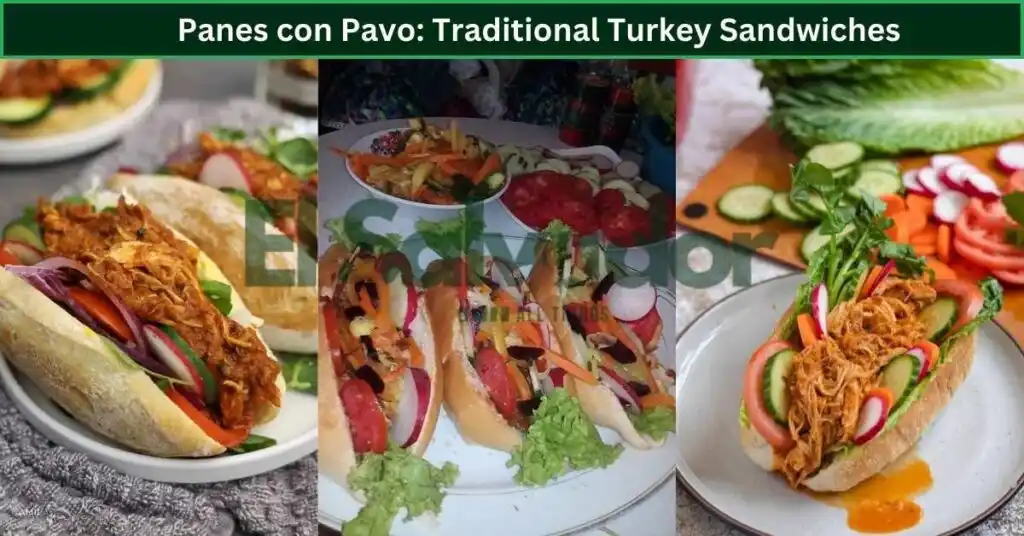
Panes con Pavo is another one on list of traditional Salvadoran sandwich which enjoyed during festive season especially on Christmas and New Year. It have a roast turkey as a main ingredient and combined with:
- Tender turkey: The turkey is marinated with spices and herbs, slow-roasted to perfection.
- Bread: The sandwich is typically made with a soft bolillo or French bread roll.
- Toppings: Toppings include tomatoes, avocados, pickled vegetables, and salsa roja.
- Festive dish: Served during holiday gatherings and celebrations.
Panes con Pavo is not just a sandwich; it’s a part of Salvadoran tradition, bringing people together during the holiday season for a delicious, comforting meal.
Panes con Pavo not only a sandwich but its part of our traditions and bring people together during holiday season. I feel proud to have such unique dishes like Tenquique mushrooms and Panes con Pavo which show the deep rooted culture of El Salvador.
Decadent Desserts of El Salvador
We have a variety of sweet treats that reflects country’s love with their preserved dishes. Also According to Wikipedia’s article on Nuegado, these treats are especially popular during Holy Week. We have a range from moist plantain to savory rice-flour poundcakes, Salvadoran desserts are delightful mix of flavors.
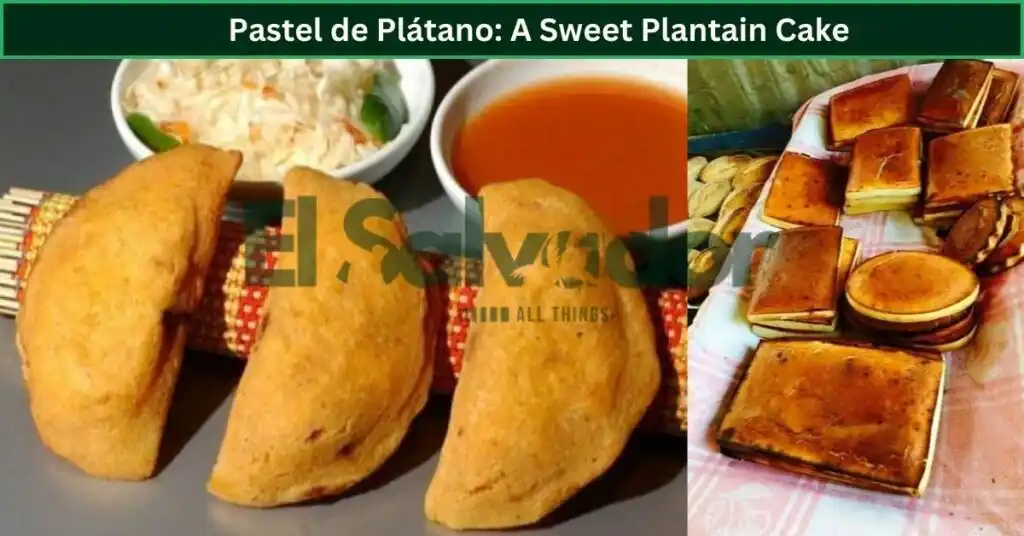
Pastel de Plátano: A Sweet Plantain Cake
At top I will rate Pastel de Plátano which is famous Salvadoran dessert made with ripe plantains. You will find this cake sweet and moist, make it perfect dessert for those who love fruity desserts. Here’s what makes it special:
- Main ingredient: This cake is the plantain, which is mashed and blended into the batter to create a naturally sweet and moist texture.
- Flavors: Often flavored with cinnamon, vanilla, and a clove.
- Topping: A light dusting of sugar or cinnamon on top for a little extra sweetness.
- Served warm: This cake is often served warm.
Quesadilla: A Savory Rice-Flour Poundcake
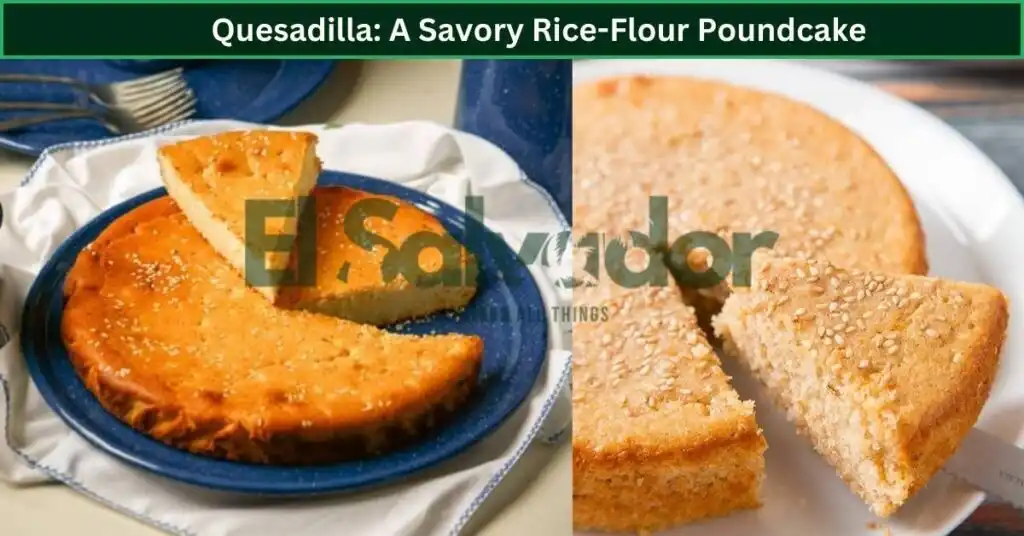
Quesadilla is a unique Salvadoran dessert that’s quite different from the typical sweet treats. It’s a savory rice-flour poundcake that combines rich, buttery flavors with a slightly crumbly texture. Here’s what you need to know about it:
Now this will make difference because Quesadilla is quite different from the typical sweet treats. It’s a rice-flour poundcake that combines rich, buttery flavors with a slightly crumbly texture. Its like:
- Savory twist: Despite its name, quesadilla is not a cheese-filled snack. It’s a dense, moist cake made with rice flour, butter, and cheese.
- Texture: The cake is soft and crumbly with a golden crust.
- Flavor: Cheese flavor, complemented by a hint of vanilla and cinnamon.
- Toppings: Topped with sesame seeds.
Now I as a native Salvadorian will rate is as a snack or dessert, perfect with coffee and warm drink. It give you unique blend of savory and sweet, offer something different from typical cakes.
Refreshing Beverages and Spirits
Now come to Refreshing Beverages as El Salvador’s culture have diversity and offer wide range of refreshing flavors. From craft beers to sweet, spiced drinks, Salvadorans know which drink is suitable to which meal.
Salvadoran Craft Beer: Brewing Traditions
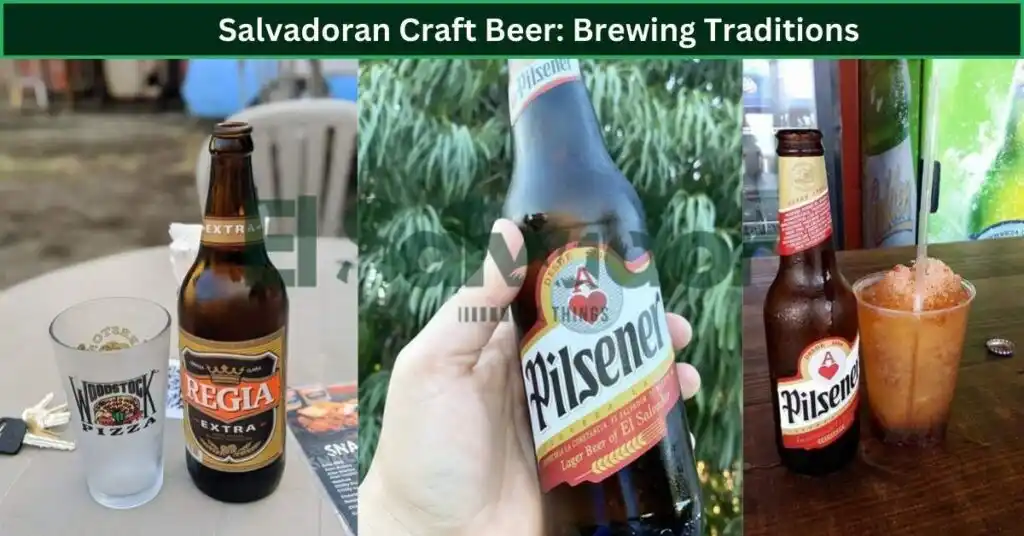
First of all I will discuss Salvadoran craft beer, which gain alot of popularity in recent time as local breweries have launch different styles and flavors. Why Salvadoran craft beer stands out:
- Variety: Local breweries across El Salvador offer a wide range of craft beer options, from light lagers to rich stouts and hoppy IPAs.
- Local ingredients: Many Salvadoran craft beers use local ingredients like maize, tropical fruits, and coffee.
- Community-driven: The craft beer scene in El Salvador is still growing.
- Pairing: These beers pair wonderfully with dishes like pupusas and grilled meats.
Horchata: A Traditional Rice-Based Drink
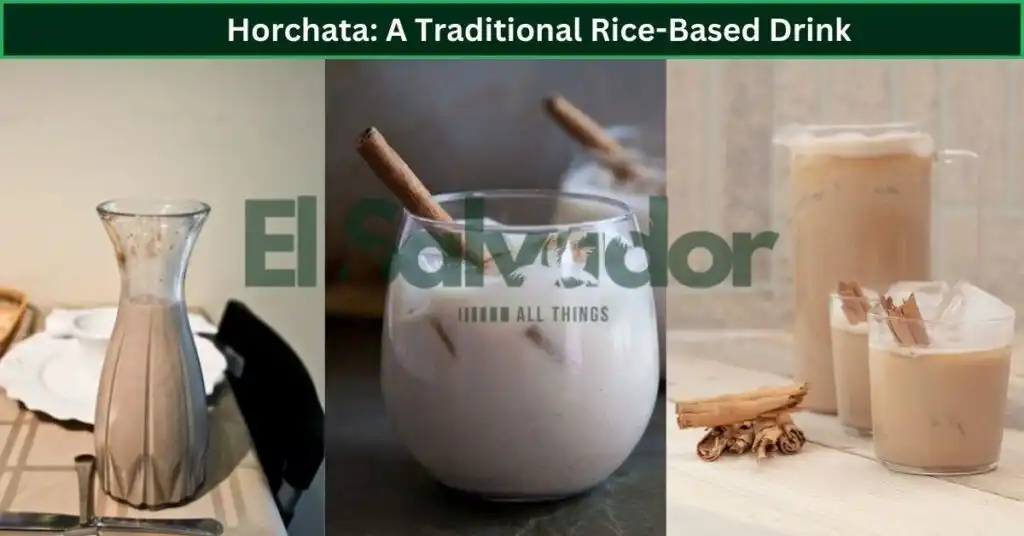
Now come to local made drink Horchata which is made with rice, make it refreshing and nourishing. This beverage is perfect for cooling down on a hot day, has a unique and creamy flavor.Which includes:
- Main ingredients: Made with rice, cinnamon, and vanilla, and often sweetened with sugar to taste.
- Flavor profile: The drink is smooth and creamy, with a touch of spice from the cinnamon.
- Chilled treat: Typically served cold, horchata is the perfect drink to accompany meals.
- Versatility: Some variations include additional ingredients like almonds or cashews.
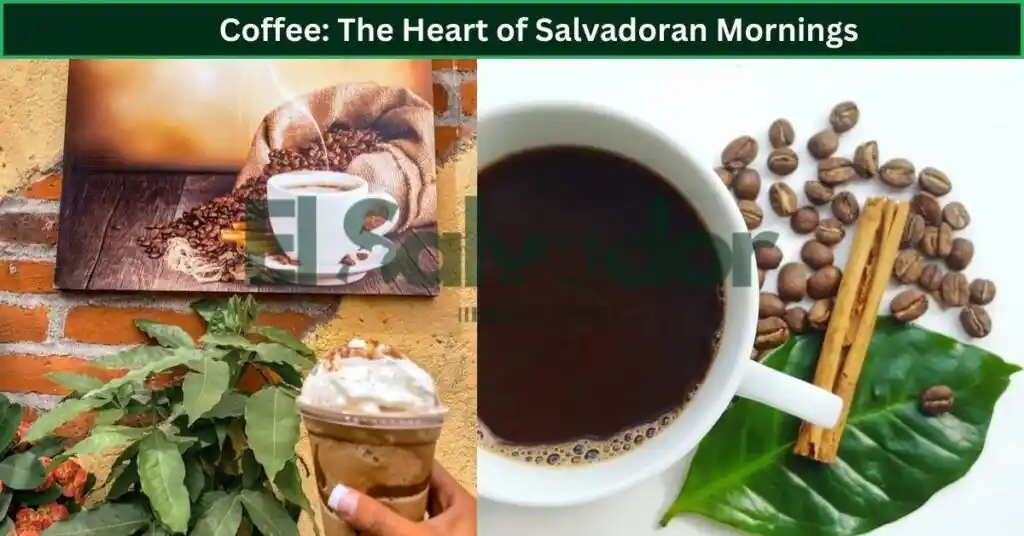
Coffee: The Heart of Salvadoran Mornings
You can found people online communities rating Salvadoran coffee some of the best in the world, which have high quality and rich flavor. But as a Salvadorian I will say that coffee is more than just a drink, its a part of our daily rituals. Here is what make Salvadoran coffee different:
- Grown in high altitudes: El Salvador’s volcanic soil and high-altitude regions provide the perfect environment for growing flavorful coffee beans.
- Flavor profile: Salvadoran coffee have a balanced flavor.
- Brewing methods: Salvadorans often brew their coffee in traditional methods such as a drip filter or French press.
- Morning staple: Coffee is an essential part of many Salvadorans’ morning routines, enjoyed with a simple breakfast of panes con pavo or quesadilla.
Ponche: A Warm, Spiced Beverage
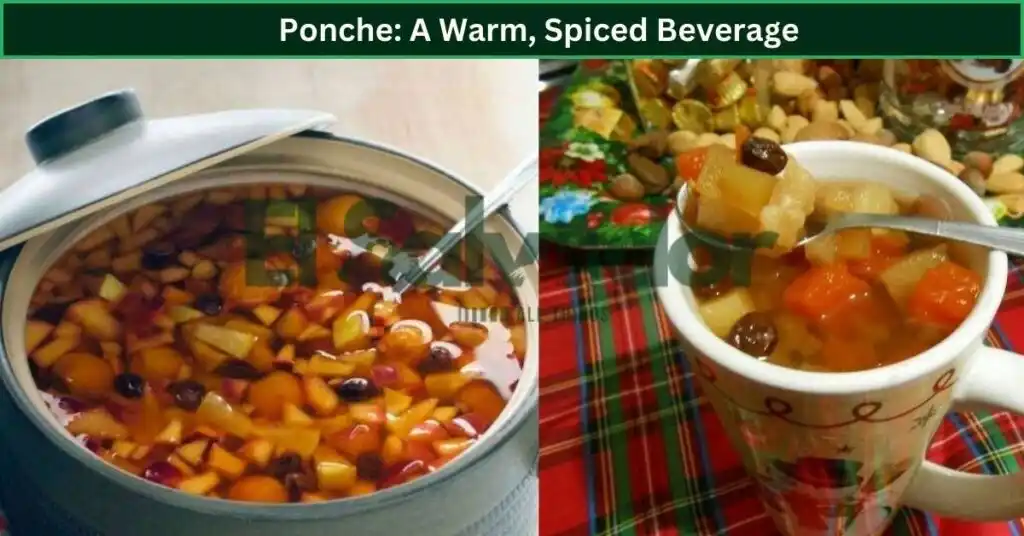
Lets talk about colder seasons, now we have Ponche, a warm beverage. It’s a spiced drink perfect after a long day. Here’s why ponche is so special:
- Ingredients: Ponche is typically made with fruits, spices like cinnamon and cloves.
- Flavor profile: Balance of sweetness and spice.
- Festive drink: Popular during holidays and celebrations.
- Varieties: There are many versions of ponche, with some recipes adding pineapple, guava, or apples for extra fruitiness.
Ponche is the ultimate winter drink, bringing warmth and comfort to any gathering.
Salvadoran Rum: A Sip of History
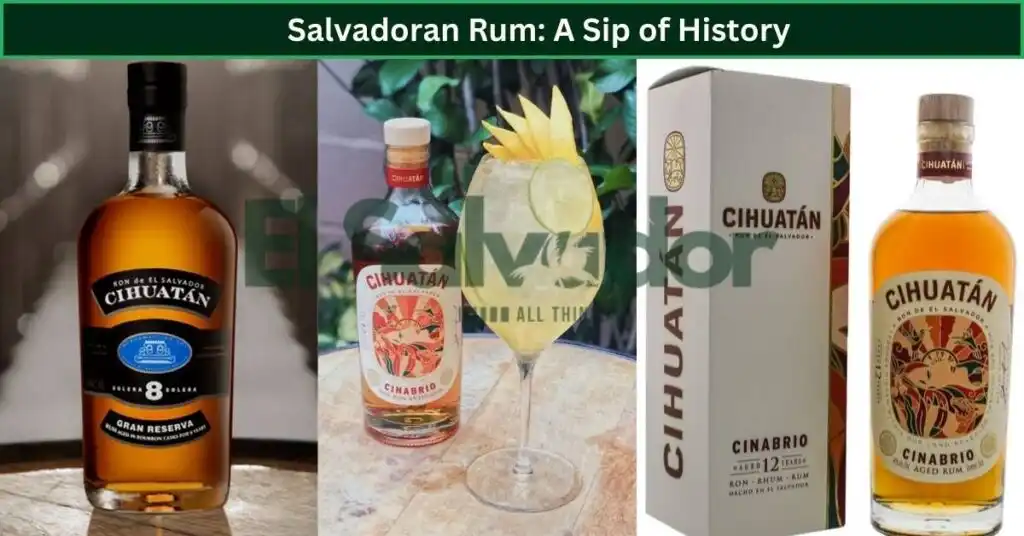
Salvadoran rum also showcase the country’s unique culture. People renowned for its smoothness and rich flavors, which make it perfect drink to savor after a meal or also in festive celebrations. How Salvadoran rum made with:
- Distilled from sugarcane: Salvadoran rum is made from sugarcane, a key crop in the country’s agricultural sector.
- Aged to perfection: The best rums are aged in oak barrels, which gives them a smooth and complex flavor with hints of vanilla, spice, and caramel.
- Cultural significance: Ooften enjoyed as a part of cocktails, but can also be served neat.
- Popular brands: There are a few well-known Salvadoran rum brands like Flor de Caña.
Single sip will make you understand how rich country’s rich history and distillation traditions are, making it a perfect way to relax and enjoy the evening.
Dining Etiquette and Culinary Customs
As a traveler or tourist you love to discover new cultures and their traditions just like that understanding Salvadoran dining etiquette and culinary customs are essential to fully experiece country culture.
Understanding Salvadoran Dining Etiquette
Our Salvadoran dining etiquette are rooted in respect, family values and hospitality , a cultural dynamic also highlighted in Iowa HHS’s El Salvador cultural food guide. Here is what you should know about Salvadoran Dining Etiquette:
- Family-centered meals: Meals are shared with family or friends. When dining, it’s customary to wait for the eldest or the host to start eating before you do.
- Casual setting: In many places, dining is a relaxed, informal affair, with everyone gathering around the table to enjoy food together.
- Offering food: If your’e invited try to accept their invitation/hospitality always when if your’e not hungry, it is sign of respect.
- Hands and utensils: Salvadorans often use utensils like forks and knives, pupusas, a popular dish, are traditionally eaten with the hands. It’s important to eat with your right hand.
Understanding these customs ensures you can engage with Salvadoran dining culture respectfully and enjoy the true essence of the food.
Must-Visit Eateries for Authentic Experiences
Now if youre are travelling alone and dont know much about where to eat out, dont worry I have a list of places for you. Start from capital of country San Salvador, has some amazing markets and restaurants that showcase food in San Salvador, from street pupuserías to traditional home-style eateries. If you’re exploring food in El Salvador, you can’t miss:
- Pupuserías: These small, family-owned restaurants are dedicated to serving the iconic pupusas. Here, you can try a variety of fillings, from cheese and beans to chicharrón (fried pork) and loroco. Some of the best pupuserías are found in towns like Santa Tecla and San Salvador.
- Mercado de San Miguelito (San Salvador): A vibrant food market where you can sample a wide range of traditional Salvadoran foods. Try sopa de gallina india and yuca con chicharrón from the food stalls, or enjoy freshly made tamales.
- Restaurante El Lago (Lake Coatepeque): Located by the beautiful Lake Coatepeque, this restaurant offers both fresh seafood and traditional Salvadoran dishes, including grilled fish and ceviche.
- Comedor Tía Cuca (San Salvador): Famous for its sopa de pata (cow’s foot soup) and pupusas, it’s a great place to stop for lunch in El Salvador, offering authentic home-style dishes packed with flavor.
- La Pampa (Antiguo Cuscatlán): A place to experience grilled meats, tortas, and other barbecue-style dishes, paired with refreshing Salvadoran craft beer.
These are the places to discover El Salvador foods in their most authentic form and to try some of the best food in El Salvador side by side with locals.
For the Adventurous Palate
Step beyond well-known El Salvador dishes and try gallo en chicha, atol de elote, or queso de hoja for a deeper look at the country’s culinary traditions. Here’s how you can step outside the usual and explore Salvadoran cuisine beyond the popular picks.
Lesser-Known Dishes to Expand Your Taste
If youre willing to find beyond classics, there are a few Salvadoran dishes that will delight your tour and make it remeberable until your next trip.
- Gallo en Chicha: A traditional chicken dish cooked with chicha, a fermented corn beverage. The dish combines the earthy flavor of chicken with the sweet and tangy notes of chicha.
- Atol de Elote: A warm, creamy corn drink made from fresh corn, milk, and sugar. It’s both a drink and a dessert and offers a rich, sweet flavor.
- Pipián: A spicy, savory sauce made from pumpkin seeds, tomatoes, and chilies, often served with meats like chicken or pork.
- Chirmol: A tangy tomato-based salsa made with peppers, onions, and cilantro.
- Queso de Hoja: This is a local cheese made from cow’s milk, often wrapped in banana leaves. It has a soft texture and a mild flavor, perfect for pairing with fresh tortillas or pupusas.
These lesser-known dishes offer a deeper dive into Salvadoran cuisine, showcasing regional flavors and cooking methods that give a fuller picture of the country’s food culture.
How to Try Salvadoran Food at Home
Trying Salvadoran food at home is easiest when you start simple, focus on staples like pupusas, fried plantains, beans, and curtido using basic ingredients from a Hispanic grocery store. You don’t need special equipment beyond a skillet or griddle, and many authentic flavors come from just corn masa, cheese, beans, and mild seasonings rather than heavy spices. Begin with one dish, use easy substitutes if needed, and build from there as you get comfortable with the techniques and flavors.
Salvadoran Foods Tied to Holidays and Traditions
In El Salvador, food plays a central role in holidays and family traditions, with special dishes prepared for religious and seasonal celebrations. During Holy Week, seafood dishes, torrejas, and fish-based soups are common, while Christmas is marked by panes con pavo, tamales, and sweet breads shared with extended family. These traditional foods are closely tied to togetherness, faith, and community, making holiday meals an important way Salvadorans preserve cultural identity and pass down traditions.
Is Salvadoran Food Healthy? Nutrition & Balance
Salvadoran food can be both nourishing and hearty, as it is traditionally designed to fuel physically active lifestyles. Many dishes are based on whole ingredients like corn, beans, vegetables, and fresh proteins, providing fiber, energy, and essential nutrients. While some foods are fried or high in calories, balance comes from portion sizes, homemade preparation, and pairing rich dishes with lighter sides like curtido, soups, and fresh drinks, making Salvadoran cuisine adaptable to modern, health-conscious eating.
Is Salvadoran food similar to Mexican food?
Salvadoran food and Mexican food share common roots in corn and beans, but they are not the same. Salvadoran cuisine is generally milder, heartier, and centered around dishes like pupusas, while Mexican food is more diverse in spices, chilies, and regional flavors.
| Aspect | Salvadoran Food | Mexican Food |
|---|---|---|
| Primary Staple | Corn (maíz) and beans | Corn and beans |
| Signature Dish | Pupusas | Tacos |
| Tortilla Thickness | Thick, handmade corn tortillas | Thin corn or flour tortillas |
| Common Fillings | Cheese, beans, chicharrón, loroco | Beef, chicken, pork, seafood |
| Spice Level | Mild to moderately seasoned | Often spicy |
| Use of Chili Peppers | Limited, mainly for flavor | Central to many dishes |
| Typical Sauces | Mild tomato sauce, curtido | Salsa roja, salsa verde, mole |
| Street Food Style | Hearty, filling, simple | Diverse, bold, layered |
| Cooking Fats | Lard, oil | Oil, lard |
| Pickled Sides | Curtido (fermented cabbage slaw) | Pickled onions, jalapeños |
| Cheese Usage | Mild, melty cheeses | Wide variety, from mild to aged |
| Soups & Stews | Rustic, protein-heavy | Brothy, chili-based |
| Seafood Influence | Coastal but limited inland | Strong coastal and regional presence |
| Desserts | Corn, plantain, milk-based | Cinnamon, chocolate, fruit-based |
| Drinks | Atoles, horchata, coffee | Aguas frescas, tequila, mezcal |
| Cultural Focus | Home-style, community-centered | Regional diversity, culinary complexity |
Keep Tasting! Embark on a Flavorful Journey
As you dive deeper into the world of El Salvador food, you’ll find that food from El Salvador offers a perfect blend of traditional flavors, local ingredients, and family-centered meals. The Salvador foods scene is rich, diverse, and full of hidden treasures waiting to be discovered.
So, whether you’re savoring a delicious pupusa, sipping a refreshing glass of horchata, or exploring the coastal seafood delights, there’s always something new and exciting to try in El Salvador.
FAQ’s
What language is spoken in El Salvador?
The official language of El Salvador is Spanish, spoken by the majority of the population.
What does El Salvador eat for breakfast?
A typical food in El Salvador, many Salvadorans enjoy desayuno típico, which includes eggs, beans, cheese, tortillas, and fried plantains.
What is a traditional drink in El Salvador?
A traditional drink in El Salvador is horchata, a sweet, rice-based drink flavored with cinnamon and sometimes a hint of vanilla.
What is the most famous food in El Salvador?
The most famous food in El Salvador is pupusas. These thick corn tortillas are filled with cheese, beans, and pork, making them not only the national dish but also the answer if you’re wondering what is a popular food in El Salvador.
What is El Salvador best known for?
El Salvador is best known for its pupusas, beautiful beaches, and rich coffee production. It’s also famous for its vibrant culture and history.
What is the traditional food of El Salvador?
The traditional food of El Salvador includes pupusas, a stuffed corn tortilla filled with cheese, beans, and pork. Alongside pupusas, other famous foods in El Salvador include tamales, yuca con chicharrón, and tortas, which are all part of the country’s culinary heritage.
What are some common foods in El Salvador?
Besides pupusas, Salvadorans often enjoy tamales, yuca frita (fried cassava), empanadas, and sopa de res (beef soup). These dishes are staples in everyday meals.
What is a traditional El Salvador Christmas food?
During Christmas, Salvadoran families usually prepare panes con pollo (chicken sandwiches with homemade bread), turkey, tamales, and festive desserts like torrejas. These dishes make holiday celebrations special.
What is El Salvador’s national dish?
El Salvador’s national dish is the pupusa, a thick handmade corn tortilla stuffed with cheese, beans, pork (chicharrón), or loroco, and served with curtido and tomato sauce.
What is the most popular food in San Salvador?
The most popular food in San Salvador is pupusas, which are eaten daily and widely available at pupuserías, street stalls, and restaurants throughout the city.
Is Salvadoran food similar to Mexican food?
Salvadoran food and Mexican food share ingredients like corn and beans, but Salvadoran cuisine is generally milder, simpler, and centered on pupusas, while Mexican food uses more chilies and regional spices.
How far does $100 go in El Salvador?
In El Salvador, $100 can typically cover several days of basic expenses, including meals, local transportation, and modest accommodations, especially outside major tourist areas.
What’s my race if I’m Salvadoran?
Salvadoran is a nationality, not a race. People from El Salvador can belong to many racial backgrounds, including Indigenous, Mestizo, Afro-descendant, European, or mixed heritage.
About Author
Hi, I’m Diana Alferez, a proud Salvadoran passionate about helping travelers discover the true beauty and culture of my country.
At All Things El Salvador, we provide accurate guides, practical tips, and fresh insights from both locals and adventurers, helping you explore confidently while breaking outdated perceptions of this incredible destination.