
What Is Christmas and New Year Like in El Salvador?
Christmas in El Salvador feels warm, bright, and busy, even at night. Streets glow with lights, sweet smells drift from kitchens, and the air stays mild enough for open doors and late visits.
You’ll see shared Christian traditions like midnight Mass, family prayers, and nativity scenes, but there are also distinctly Salvadoran habits that make the season feel local. I remember a taxi driver pointing out neighborhoods with the best decorations, and a hotel staff member telling me, half laughing, that the real party starts after the church service.
Christmas Eve and New Year’s Eve both tend to center on family, food, and long gatherings. People often stay up late, eat together, and mark the night with fireworks, music, and a lot of noise that rolls through the streets.
Key Takeaways
- Christmas Eve is the big night, and it usually feels packed from start to finish. Families gather for a long meal, head to church, light fireworks, and open gifts after midnight.
- The food is a huge part of it too. I still remember the smell of panes con pollo and warm tamales, with chirimol on the side, while everyone talked over the noise from the street.
- New Year’s Eve has the same loud, family-first energy. So if you visit, expect late-night celebrations, noisy fireworks, and holiday closures that can catch you off guard.
- And if you want a small but meaningful note, Compassion helps children by giving personalized Christmas gifts. It’s a simple reminder that the season is about family, care, and showing up for one another.
How Salvadorans Prepare for Christmas
Before December 24, many Salvadoran families start with a deep house cleaning. Floors get swept, windows wiped, and patios cleared, because people want the home ready for guests, food, and prayer.
After that, decorations come out little by little. Some families hang lights or set up a nativity scene, while others keep it simple with a few familiar touches. On the street, you may notice more movement in the evenings, but inside the home, the work stays practical, with people checking chairs, dishes, and space for Nochebuena.
Shopping for food usually happens early, too. Markets and neighborhood shops get crowded as families buy ingredients for dinner and sweets, then plan around prayer services and novenas tied to the holiday calendar and official observances and church calendar and Catholic traditions. In one neighborhood, I heard a taxi driver say the real rush starts when everyone realizes they still need one last item.
Traditions Inspired by the U.S. Holiday Season
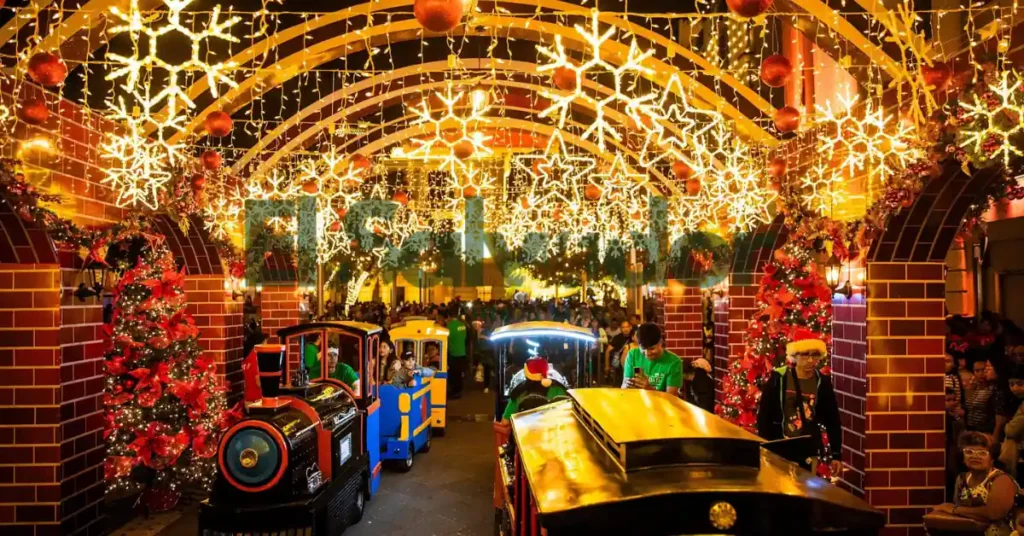
Christmas in El Salvador often looks very familiar if you grew up seeing U.S. holiday movies. You’ll spot Santa, Rudolph, Frosty, bright lights, and artificial trees in homes and seasonal retail and holiday decoration trends that fill store windows with red, green, and gold. I remember hearing Christmas music from a shop doorway while the smell of pine drifted out, even though the air outside was warm.
Here’s the thing, though, there’s no real snow in most places, so the snowy look usually comes from white paint, cotton, or other fake decorations. The scene can feel wintry, but it’s really a local version of Christmas customs, mixed with imported holiday visuals and a few clever stand-ins. We almost didn’t notice that difference at first, until a taxi driver pointed at a “snowy” display and laughed, saying, “Eso aquí no cae.”
Salvadoran Food at Christmastime
Christmas meals in El Salvador usually bring the whole family to the table, and the spread feels as important as the gifts. People often eat turkey, chicken, roasted meats, salads, and plenty of bread, while the kitchen fills with the smell of garlic, spices, and warm dough.
The meal matters because it is part of the celebration itself. Families talk, laugh, and keep passing plates long after the first serving, and that shared time is what people remember most.
Some dishes feel especially Salvadoran. Tamales, or corn dough packets wrapped and steamed in leaves, show up on many Christmas tables. So do bright salads with crisp vegetables and chirmol, a tomato-based salsa that adds a fresh, smoky bite. One favorite story is the Christmas chicken sandwich, simple but beloved, with bread, chicken, and the kind of toppings that disappear fast once everyone arrives.
If you grew up with these flavors, the holiday can smell like home before you even sit down. That mix feels a little like a holiday buffet, but warmer and more personal.
Nathalie’s Favorite Chicken Sandwich
Chicken sandwiches show up a lot at Christmas because they’re simple, filling, and easy to share after a long day of cooking. Families can season the chicken ahead of time, fry it or bake it, and build a meal that still feels special without taking all night.
For Nathalie, that smell means home. She remembers the kitchen getting busy, the oil warming, and voices moving around the table while everyone helped.
Her favorite was always panes con pollo, a simple chicken sandwich with seasoned chicken tucked into soft bread. The bread soaked up the juices just enough, and every bite tasted warm, salty, and a little messy in the best way.
Someone was always slicing, another person was mixing, and the smallest hands usually got the job of passing plates. That family effort made the sandwich taste even better.
For her, the memory stays with the crunch, the warmth, and the feeling of sitting close while everyone ate together. It was never just chicken and bread. It was the taste of a Christmas made by many hands.
What to Expect During Christmas Week and New Year’s in El Salvador
December 24 is when things really start to buzz. Families gather late, food smells drift out into the street, and fireworks usually start building near midnight.
December 25 tends to be quieter by morning. After the late-night rush, many people sleep in, and shops may open later or stay closed. If you are planning anything, check holiday dates and closures and expect a slower day overall.
December 31 follows the same pattern, but louder. Dinner stretches late, music spills out of homes, and fireworks peak at midnight again. If you are near a hotel or busy neighborhood.
January 1 is usually calm and slow. Routines shift after midnight, so streets empty out, breakfast comes late, and many places run on a holiday schedule. For travelers, the safest bet is to plan around short hours and confirm anything important the day before, using public holiday planning notes and the Christmas and New Year holiday timeline.
Salvadoran Christmas Celebrations
Christmas Eve in El Salvador is prayerful, but it is never truly quiet. Families gather after church services and Christmas Eve worship, and the night feels warm with candles, rosaries, sweet bread, and the smell of dinner drifting through the house.
Then midnight hits, and the whole neighborhood seems to wake up at once. Fireworks crack over the roofs, children laugh in the street, radios play loud cumbia and Christmas songs, and neighbors call out greetings from door to door. The birth of Jesus stays at the center of everything, so the noise feels joyful instead of random, like the whole block is celebrating one shared faith and one big family.
If you visit, expect a late night and a little chaos in the best way. Keep an eye on the sky, stay aware around fireworks, and not be surprised by the volume, because in Salvadoran homes, love often sounds like celebration. And that same spirit can carry into the New Year, with more music, more food, and more neighbors lingering outside long after midnight.
Christmas Mass and Faith Traditions
Church services are a big part of Christmas Eve for many families, especially the midnight Mass that marks the start of Christmas Day. People gather to pray, sing, and hear the Christmas story, and the quiet candles, soft music, and crowded pews give the night a calm, hopeful feeling. The Vatican describes midnight Mass and Catholic practice as a meaningful way to welcome Christmas, while other Christian holiday observances often focus on worship, prayer, and time together as a family.
You might leave church and hear kids yawning in the car, smell wax from the candles, and then come home to a late snack or a small family meal. That mix of prayer and togetherness is what gives Christmas Eve its special meaning for many homes.
Regional Christmas Customs Across El Salvador
Christmas customs in El Salvador can change from one town to the next. In some communities, the night feels loud and bright with fireworks crackling overhead, while other neighborhoods keep things quieter and more family centered.
Food also shifts by place and household. Some tables lean on tamales and sweet drinks, while others bring out different local dishes or church shared snacks.
Decorations and gathering styles vary too. One family may fill the house with lights, a nativity scene, and music, while another keeps things simple and meets after church or in a neighbor’s patio. Truth is, not every family celebrates the same way, and that mix is part of the holiday’s charm.
Christmas Gifts in El Salvador
In El Salvador, Christmas gifts are usually exchanged late on Nochebuena, the evening of December 24. Many families wait until midnight has passed, so the house feels quiet and excited all at once, with children listening for footsteps and wrapping paper rustling in the dark.
Children usually receive small toys, clothes, or treats, depending on what a family can manage. One especially loved tradition is El Estreno, which means wearing new clothes for Christmas.
7.1 Christmas for Children Living in Poverty
Christmas can feel heavy for families facing poverty. When money is tight, the season can highlight what is missing, from food on the table to a small gift under the tree. UNICEF child poverty data and World Bank multidimensional poverty research both show that poverty reaches beyond income, shaping daily choices and simple moments of joy.
Compassion’s centers respond with care that fits each child, not a pile of random presents. Staff and volunteers choose thoughtful, individualized gifts that reflect a child’s age, needs, and interests, so the moment feels personal and kind. It’s a small act with a big message, you are seen, you matter, and Christmas can still hold joy, warmth, and dignity.
How Compassion Supports Children at Christmas
At Christmas, staff who know the children well choose gifts based on each child’s needs and preferences. That can mean toys, clothing, school supplies, or even a Bible, and the gift feels personal because it is chosen with care.
There’s something special about that moment, the paper crinkle, the quiet laughter, the bright look on a child’s face. Christmas joy matters, and so does the steady support that continues through Support children year-round, helping children grow in safety, faith, and hope long after the holiday ends.
Visiting El Salvador During the Holiday Season: Tips for Travelers and Families
- Churches get busy fast. I saw people dress neatly, keep voices low, and wait quietly near the back. If you join a service, turn off your phone and follow the crowd’s lead.
- Plan for late-night noise. Holiday celebrations often run late, and fireworks can start with little warning.
- Expect some closures. Small shops, offices, and even a few restaurants may close early or shut for holiday dates. Check Travel planning around holiday closures before you build your schedule.
- Fireworks can be intense. They may be loud, frequent, and close to neighborhoods. If you’re sensitive to noise, pack earplugs or choose a room away from the street.
- Families with children should plan bedtime early. A quiet walk, then snacks and pajamas, helped more than one tired kid we saw at our hotel. Ask staff for a room on an inner courtyard if you can.
- Keep a simple backup plan. Store hours and holiday events can shift, so check travel safety and alerts and local notices the day before moving around.
Closing Thoughts
The holiday air feels easiest to remember in the small things, the warm family meals, the smell of food drifting through the house, and the crackle of midnight fireworks outside.
And through all of it, the heart of the celebration stays clear, Jesus’ birth gives the season its true light. If you’re still curious, the FAQ below answers the little questions that usually come next.
Frequently Asked Questions About
How do they celebrate Christmas in El Salvador?
Families usually gather on Christmas Eve for dinner, fireworks, and late-night visits with relatives. The air can feel smoky and sweet at once, with tamales, hot drinks, and music drifting through the streets.
What is the most important holiday in El Salvador?
Christmas, especially Nochebuena on December 24, is one of the biggest celebrations. Many families treat that night as the main holiday moment, with church, dinner, and gifts.
Why is Nochebuena important in El Salvador?
Nochebuena matters because it brings the family together on Christmas Eve. It is the night most people share dinner, attend mass, and wait for midnight celebrations.
What do Salvadorans eat at Christmas?
Tamales are a classic Christmas food, often served with pan dulce, roast meats, and sweet drinks. The smell of corn husks and spices from a busy kitchen before dinner is unforgettable.
How do people celebrate New Year’s in El Salvador?
People ring in New Year’s with fireworks, family meals, and plenty of noise. Some stay home with relatives, while others step outside to watch the sky light up.
What is El Estreno in El Salvador?
El Estreno is the custom of wearing new clothes for Christmas or New Year’s. Kids especially love it, because the new outfit is part of the celebration and feels like a fresh start.
Are fireworks common in El Salvador during Christmas and New Year?
Yes, fireworks are very common during both holidays. They can be loud and constant, so the nights often feel bright, noisy, and a little wild.
Do people go to church on Christmas Eve in El Salvador?
Yes, many families attend church on Christmas Eve. Some go before dinner, then head home for the long meal and fireworks after midnight.
What is Christmas like in El Salvador for children?
For children, Christmas often means new clothes, gifts, sweets, and staying up late. They usually love the fireworks most, even if the loud pops make them jump at first.
What should visitors know before spending Christmas in El Salvador?
Expect late dinners, noisy fireworks, and a strong family focus around Nochebuena. Plan ahead for transport and food, because once the streets fill up, everything gets busier fast.