
El Salvador Photography: Best Spots and Travel Tips
El Salvador is small, but it shoots big. You can wake up near a smoking volcano, eat pupusas by noon, then chase surf light, colonial streets, and loud market scenes before dark.
That mix makes planning matter. The distances look short on a map and the weather can flip fast. For photographers, the sweet spot is knowing where the light lands, which roads are easiest, and how to move without rushing or guessing.
Here’s the thing, this country gives you a lot in a tight loop. Volcano views, coastal scenery, old-town corners, surf culture, and everyday street life all sit close enough for a smart route. You can build a trip around golden hour, then fill the middle of the day with markets, food stalls, and details that feel lived in, not staged.
Pack light, keep gear simple, and leave room for slow moments. A small camera bag, a fast lens, and respect go a long way here. Talk to taxi drivers, greet shop owners, and ask before you shoot close portraits, because the best frames usually start with a real conversation.
If you’re planning a photo trip, think about safety, transport, and timing first. Then let the volcanoes, coast, towns, and street scenes do the rest.
Key Takeaways for a Photo Tour Guide to El Salvador
- Best shots: Volcanoes, surf beaches, colorful towns, and coffee hills give you the strongest frames.
- Dry season wins for light: Skies are clearer, but the rainy season can bring moody clouds and wild color.
- Route planning matters: Distances look short on a map, then the roads laugh at you.
- Safety first: Stick to known routes, keep gear low-key, and avoid late, empty drives.
- Guide and driver help: A local guide plus a steady driver saves time and cuts stress fast.
- Best fit traveler: This trip suits patient, flexible photographers who want real scenes, not polished postcards.
Why El Salvador Is Worth a Photography Trip
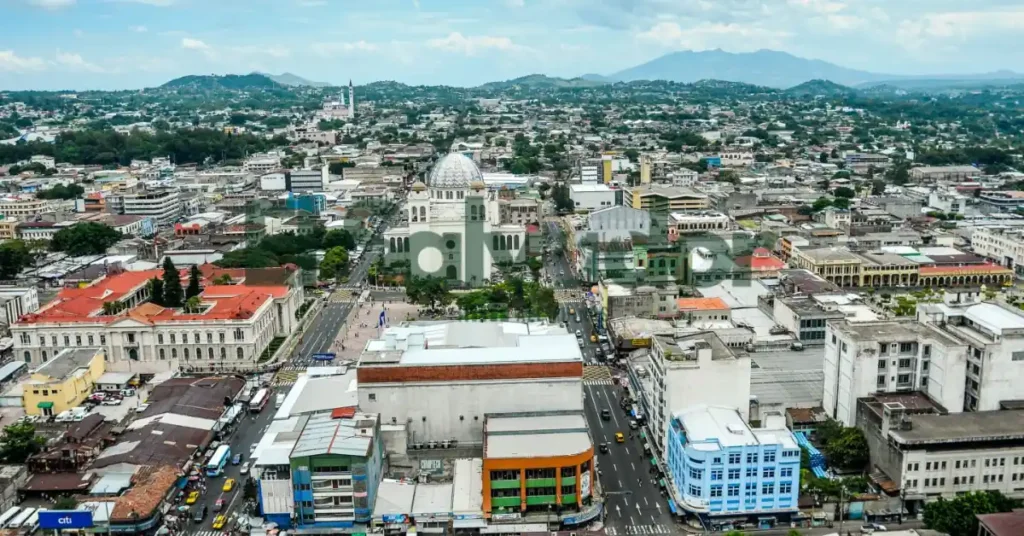
El Salvador packs a weird amount of visual variety into a small space. You can shoot volcanoes at sunrise, surfy coastline by afternoon, then end the day in colonial streets with peeling paint, loud murals, and vendors calling out over traffic. Everything sits close together.
That compact layout is gold for destination photography. You can build efficient itineraries if you plan well, which means less time in transit and more time chasing light, food stalls, quiet farm roads, and messy street scenes. It suits landscape photographers, street shooters, and anyone who likes a place that keeps changing every few miles.
- Volcanoes and highlands, for dramatic wide shots and morning haze.
- Coastline, for waves, fishing boats, and salty light.
- Colonial towns and streets, for architecture, color, and daily life.
- Agricultural scenery, for coffee fields, roadside farms, and open country frames.
Best Time of Year for Photography in El Salvador
Dry season usually gives the cleanest skies, sharper visibility, and easier road access, which matters a lot when you’re chasing volcano views or a beach sunrise that doesn’t look washed out. Rainy season, on the other hand, brings greener hills, fuller waterfalls, and those dramatic cloud layers that can make a frame feel alive, but afternoon storms can cut trips short and muddy rural roads fast.
I stood around with a damp lens cloth and a grumpy taxi driver in the backroads, waiting for the sky to stop acting dramatic. For planning, keep an eye on [El Salvador Weather by Month], and if the forecast looks hazy or stubbornly gray, shift to closer subjects, shoot details, or wait for early morning light, which usually behaves better than the afternoon.
| Season | Best subjects | What changes for photos |
|---|---|---|
| Dry season | Volcanoes, coastlines, city views, long landscapes | Clear skies, better sunrise and sunset color, stronger visibility, and easier road access |
| Rainy season | Waterfalls, coffee country, green hills, moody cloud scenes | Lush color, softer light, more haze risk, and more weather delays after lunch |
The best time depends on the subject, not one magic month. If you want crisp horizons and easier travel, dry season usually wins. If you want deep greens and stormy mood, rainy season can be the better bet, just with more patience and wet shoes.
Dry Season vs. Rainy Season: Which Is Better for Your Shots?
Dry season usually means easier road access, cleaner horizons, and fewer muddy excuses from the driver. Rainy season brings lush scenery, dramatic skies, afternoon storms, and that humid, sticky air that can make your lens feel like it needs a nap.
| Subject | Dry Season | Rainy Season |
|---|---|---|
| Landscape | Better for wide views, sharper layers, and less haze. Roads are usually easier to reach. | Greener hills, fuller waterfalls, and moodier light. Reduced visibility can hide distant peaks. |
| Street | More walking, fewer rain delays, and often steadier crowds. Some places feel a little too dusty and bright. | Colorful umbrellas, reflections, and honest daily life under cover. But sudden downpours can empty streets fast. |
| Surf | Cleaner beach access and easier shooting conditions. The sky can be plain, though. | Storm energy can bring bigger drama and heavier seas. Wet roads and rough access can be a pain. |
| Scenic | Best for long-range vistas and clear coastlines. Fewer crowds help you wait for the right frame. | Best for moody sunsets, dark clouds, and rich color. Haze and reduced visibility can flatten far-off scenes. |
Weather changes the shot almost more than the location. One taxi driver once laughed and said, “Same mountain, different mood,” and honestly, he was right.
Simple recommendation: choose dry season for access, distant views, and cleaner travel days. Pick rainy season if you want lush scenery, dramatic skies, and less crowd chaos.
- Landscape: dry season for clarity, rainy season for green and drama.
- Street: dry season for easier movement, rainy season for reflections and real-life chaos.
- Surf: rainy season for stormy energy, dry season for easier beach logistics.
- Scenic: dry season for visibility, rainy season for mood.
According to meteorological and tourism sources, regional weather can shift photo strategy a lot, so the “best” season depends on what you’re chasing and how much mud you want on your shoes.
Sunrise, Sunset, and Midday Light: What to Expect
Sunrise and sunset usually give the softest light, especially on coastlines, in town squares, and up on volcano viewpoints. Midday is harsher, but it can still work for street scenes, shaded alleys, and interiors with window light.
- Coastlines: Aim for sunrise or the last hour before sunset. The water gets that calm, silver look, and the rocks stop looking like blown-out chalk.
- Towns: Blue hour and early morning are best for warm lamps, empty streets, and fewer cars.
- Volcano viewpoints: Go for sunrise if you want clear layers and long shadows. Sunset can work too, but clouds often stack up fast.
- Midday: Use it for markets, doorways, arcades, and interiors with side light. A taxi driver once told me, “Noon is for shade, not hero shots,” and he was annoyingly right.
Cloud cover changes everything. Thin clouds can soften harsh light and save a scene, but heavy cloud can wipe out your sunrise color fast, so check the sky and plan a backup. If you’re doing a sunrise hike or an early village shoot, start earlier than feels sane.
Weather and Landscape Shifts by Region
The coast, highlands, volcano zones, and lake areas can all act like different planets on the same day. One spot feels damp and hazy, another is clear, and a volcano ridge can disappear into cloud before lunch. We sat in a taxi driver’s back seat, staring at a gray wall where a crater view should’ve been.
- Coast: Usually warmer and stickier, with haze that can soften distant views. Beach scenes, markets, and street life usually still work well when the sky looks messy.
- Highlands: Cooler air and quick cloud changes are common, especially after midday. Portraits, village scenes, and close-up landscape shots are more forgiving here when visibility drops.
- Volcano zones: These areas can switch fast, from sharp morning views to foggy slopes a few hours later. Wide landscape shots are the first to suffer, but road scenes, lava fields, and texture-heavy details still hold up.
- Lake areas: Humidity and mist often hang around the water, especially early and late. Reflections, boats, and shoreline photos can still look beautiful even when the far hills vanish.
Because regional weather and visibility change so fast, it helps to check local tourism or weather updates before you head out. If the sky turns cloudy, I’d save the big panoramas for another time and lean into the messier, closer subjects instead.
Best Places to Photograph in El Salvador
Volcanoes, lake edges, and old plazas do the heavy lifting here. If you only chase one photo route, start with the places that give you big views and real street life, not just postcard stuff.
Pack patience for the road. Some of the best frames in El Salvador need an early start, a bumpy ride, or a sweaty climb, but the light and the textures are worth it.
| Place | Photo value | Access | Best subject |
|---|---|---|---|
| Santa Ana Volcano | Very high | Moderate hike, start early | Crater views, rugged landscapes |
| Suchitoto | Very high | Easy to medium | Colonial streets, lake views |
| El Tunco and the surf coast | High | Easy | Surf action, sunsets, beach scenes |
| Santa Ana city markets | High | Easy | Street scenes, color, food |
| Lake Coatepeque | High | Easy by road | Water reflections, volcano backdrop |
Santa Ana Volcano
This is the big one. The crater view is the reason photographers drag themselves uphill before breakfast, and yes, the climb can sting. Go early for softer light and fewer people, because the clouds usually start showing off later.
It works best for wide landscape shots and that raw volcanic texture you can almost feel in the photo. Access usually depends on trail rules and local conditions, so verify details with official tourism or municipal sources before going.
Suchitoto
Suchitoto gives you stone streets, bright walls, and calm lake light without much drama getting there. The town feels quiet in the morning, then livelier around plazas and cafes, when shutters open and the coffee smell starts drifting out.
It is best for colonial architecture, doorways, and everyday street scenes. Late afternoon is usually the nicest time, when the light turns warm and the shadows get long.
El Tunco and the surf coast
El Tunco is where the ocean does half the work for you. Surfers, black sand, and a sunset sky can all land in one frame if you stay long enough and don’t get distracted by the sound of the waves.
Shoot near sunset for the best color, and try early morning for quieter beach scenes. It’s easy to reach, but surf towns are messy in a good way, so expect crowds, wet feet, and a lot of movement.
Lake Coatepeque
Lake Coatepeque is all about reflection and that deep blue water sitting under the volcanoes. On a still morning, the whole place feels almost too pretty, like it knows you’re about to take the same photo everyone else took.
Go early for calm water and cleaner light. Some viewpoints are easiest by car, so plan extra time if you want more than one angle.
Santa Ana city markets
If you want real life, not just pretty backdrops, hit the markets. The colors, fruit stacks, smoke from food stalls, and fast-moving faces give you the kind of street photography that feels alive and a little chaotic.
Morning is best before things thin out. Be quick, be polite, and keep your camera ready, because good moments disappear fast in market light.
Best route if you only have a few days
Grouping Santa Ana Volcano, Santa Ana city, and Lake Coatepeque saved a ton of time. Then add Suchitoto for one slower day, and end with the surf coast if you want sunset frames and salt in your shoes.
- For volcano views: Santa Ana Volcano first.
- For colonial charm: Suchitoto at sunrise or late afternoon.
- For beach energy: El Tunco at sunset.
- For local street life: Santa Ana markets in the morning.
According to the official El Salvador tourism board or local municipality pages, location details and access information should be verified before visiting.
Santa Ana Volcano and Its Viewpoints
Santa Ana Volcano gives you one of the best crater views in the country, with that wild turquoise lake sitting right in the bowl. The surrounding scenery is huge and sharp, with coffee fields, ridges, and the line of Lake Coatepeque showing up in the distance when the sky behaves.
Morning is usually the safest bet for clear photos, before haze builds and the light gets harsh. Late afternoon can be pretty too, with softer color on the slopes.
The hike is not light, especially if you’re hauling camera gear. The trail can feel long and a little rude on the legs, so a heavy bag turns every incline into a small argument. Official park and tourism guidance is worth checking first for access rules and viewpoint updates, since conditions can change fast.
Suchitoto for Colonial Streets and Culture
Suchitoto’s cobblestone streets have a way of making you walk slower, whether you planned to or not. The colonial facades are soft colors, peeling a little in places, and that rough texture looks great in morning light. The stones can be slick, because my shoes had a tiny argument with gravity.
The plaza is where the town feels most alive. You’ll usually catch locals chatting on benches, kids weaving past, and vendors setting up with the kind of calm that says they’ve done this a thousand times. For photos, try the edges of the square first, where you can frame the church, the trees, and people moving through the scene without crowding them.
For architecture shots, look for doorways, balconies, and worn window grilles. Side streets often give cleaner angles than the main blocks, and late afternoon light tends to flatter the walls. If you want candid people photos, linger near cafés or the plaza and wait for natural moments instead of asking everyone to pose like a passport photo.
Here’s the thing, a little courtesy goes a long way here. Ask before photographing residents up close, and be extra careful around homes, shops, and private courtyards. According to local tourism or cultural resources, town-specific etiquette and access guidance should be checked before shooting, and that advice is worth following if you want the welcome to stay warm.
A taxi driver once pointed out a quieter street for me, and it was the best photo stop of the day. That’s usually how Suchitoto works, small, friendly, and full of details you notice only when you stop rushing.
El Tunco, El Zonte, and the Surf Coastline
El Tunco and El Zonte are where the surf coast starts feeling alive before sunrise. Boards lean outside sleepy hostels, taxis cough by the roadside, and the ocean throws foam at the rocks like it’s got a grudge.
Surf photography here is never just about time of day. The best shots depend on swell, tide, and safe access, because a pretty sunset means nothing if the reef is angry or the entry is sketchy. According to local surf reports or coastal tourism sources, check surf conditions and beach access before heading out.
The wave action changes the whole mood. Some mornings give you clean, fast lines for shortboard silhouettes, while other days suit longer boards and slower turns.
By late afternoon, the beach turns gold and the whole place slows down. People rinse salt off at beach showers, share cold drinks, and watch the horizon go pink over the water. It’s the kind of sunset that makes even the grumpiest traveler stand still for a minute.
What I liked most was the in-between stuff. A shop owner wiping sand off a counter, a surfer carrying wax and a board under one arm, a couple laughing over cheap seafood while the surf kept barking in the background. That’s the real story here, not just the perfect wave.
Lake Coatepeque and Other Scenic Water Views
Lake Coatepeque is one of those rare spots where the view does most of the work for you. The water can look glassy in the morning, then turn silver-blue when the sun shifts, with volcano slopes framing the whole scene.
Wide-angle shots work best here, especially from an overlook where the shoreline curves away and the lake fills the frame. On calm days, the reflections are the star, and on hazy days the edges go soft in a nice, lazy way instead of looking flat.
Clear air gives you crisp layers and sharp mountain lines, but light haze can hide the far shore and still make the scene feel moody.
If you do not want a long, sweaty volcano trek, a lake viewpoint is often the easier win. I heard a taxi driver say people come for the same reason I did, quick scenery, less effort, and no one pretending they are not tired.
For access and lookout ideas, local tourism pages and viewpoint notes are worth a quick check, since road conditions and best stops can change by area. A short stop with a strong view beats forcing a bigger hike when the sky is already doing the pretty work for you.
Markets, Villages, and Everyday Street Photo Spots
Markets are loud, messy, and usually packed with editorial gold. Look for stacked fruit, faded awnings, dusty crates, steaming food, and the quick blur of hands counting change or bagging spices.
- Start with motion. Vendors slicing, lifting, waving, hauling, or arguing over prices always give the frame life.
- Chase texture. Net bags, worn wood, cracked plastic stools, wet pavement, and fabric stalls add real grit.
- Watch the light. Morning markets often give softer color, while late day stalls feel richer and a little grimier in a good way.
- Use everyday scenes. Taxi drivers waiting, kids running errands, aunties weighing produce, and shopkeepers leaning in tell the story fast.
Permission and discretion matter more than gear in street settings. A small camera won’t save you if you’re rude, obvious, or acting like the photo police.
Then a shop owner nodded, smiled, and pointed us toward the best corner near the bread stall, where the hands, smoke, and chatter were perfect.
How to Plan a Photography Tour in El Salvador
Start with light, not a random pin-drop map. The cleanest photo tour in El Salvador usually follows this rule: sunrise for volcano and highland viewpoints, late morning for towns and markets, sunset for the coast.
We spent one hot, sleepy hour chasing a market shot that looked flat as a tortilla. Build each day around one theme, like volcano ridges, colonial streets, or fishing villages, then keep the drive short between them.
- Pick one visual theme per day. That keeps your edits tighter and your legs less angry.
- Sequence by light. Volcanoes and highlands first, towns and markets later, coast last.
- Leave buffer time. Weather shifts fast, and reshoots happen when clouds roll in or a road slows down.
- Check access rules early. Verify site permissions, entry fees, and drone rules with official tourism, park, transportation, and civil aviation sources before you go.
For transport, self-drive works best if you want full control and can handle steep roads, early starts, and quick detours. Hire a driver if you want to stay fresh for sunrise and not spend the day white-knuckling curves. A local guide helps most at markets, villages, and private or less obvious spots, because people warm up faster when someone local makes the intro.
My rough checklist looked like this: permission, fee, route, light, backup plan. That extra buffer saved the whole day when clouds swallowed the volcano by 7 a.m.
Sample 3-Day, 5-Day, and 7-Day Photo Itineraries
| Trip length | Photo objective | Simple route logic | What to shoot |
|---|---|---|---|
| 3 days | Focused highlights | Stay tight, pick one base, and skip the zigzagging. | Golden-hour views, one town, one coast stop, and one backup indoor scene for bad weather. |
| 5 days | Balanced landscape, town, and coast | Use a loop that keeps driving sane and light-catching simple. | One landscape morning, one slow town day, one coastal sunset, plus a spare half-day for weather. |
| 7 days | More flexibility for light and weather | Build in buffers so the sky can be moody without ruining the trip. | Repeat favorite spots, wait for better light, and keep one extra day open for storms or fog. |
3-day plan: I’d keep this brutal and simple. Pick the strongest photo base, then chase sunrise, midday details, and sunset without trying to be everywhere.
5-day plan: This is the sweet spot for most photo trips. You get a landscape morning, a slow town lunch, and a coast evening without feeling like you’ve been thrown into the back of a rental car for punishment.
7-day plan: Use the extra time for light, not more chaos. One stormy day can turn into a gift if you have backup spots, and a local hotel clerk once told me the fog only hangs around after breakfast, which was weirdly correct. Keep one day loose, because weather has a sense of humor.
How to Pick Between a Local Guide, Driver, or Self-Drive
If the road gets weird fast, a local guide usually earns their keep. They help with access, language, timing, and the kind of cultural context that keeps you from looking like a lost tourist with a camera bag.
| Option | Best for | Why it works |
|---|---|---|
| Local guide | Remote spots, tricky permits, local customs, tight schedules | Helps with access, translates on the fly, and knows when light, traffic, or ceremonies will change the plan |
| Private driver | Long days, busy roads, first-time visitors, heavy gear | Usually the safest and simplest choice, since someone else handles traffic, parking, and route stress |
| Self-drive | Open roads, flexible timing, repeatable stops, slow photo hunts | Gives the most freedom, so you can chase sunrise, pull over, or wait for better light without asking anyone |
The local driver knew a back road that saved us an hour, and the hotel staff laughed when we asked about it later, like it was the most obvious thing in the world.
Pick a guide if your photo style depends on people, places, and stories. Pick a driver if you want a calm day and don’t want to wrestle with maps, horns, or confusing signs. Go self-drive if you like freedom, your language comfort is decent, and the route isn’t a maze.
Truth is, the best option depends on your photo style, language comfort, and route complexity. If the road looks simple on paper but feels messy in real life, the driver or guide usually wins.
Safety, Etiquette, and Responsible Photos
Visible cameras can make you look like a target if you wander around half-alert, so I kept my gear discreet and moved in daylight whenever possible. A taxi driver in San Salvador told me, flat out, to treat sunset like a deadline, not a suggestion.
The practical stuff matters most. Check current travel advisories and local tourism or park guidance right before you go, because site rules can change fast. That’s the boring part nobody posts on Instagram, but it saves headaches.
For portraits and street shots, ask first when you can, and keep your camera low when people say no. A nod, a smile, and a quick thank-you go a long way.
Respect the place as much as the picture. Don’t step into crops, block paths, touch fragile ruins, or ignore posted signs just because the light looks dreamy. The best shot is usually the one that doesn’t leave a mess behind.
- Travel with a light kit and keep straps close to your body.
- Stick to busy routes and daylight hours when you can.
- Ask before photographing people, markets, or religious sites.
- Follow local customs, dress codes, and park rules.
That balance, careful, polite, and a little low-key, usually gets better photos anyway. Locals notice when you move with respect, and they tend to open up more when you do.
Is El Salvador Safe for Photographers?
Safety in El Salvador changes a lot by place, time of day, transport mode, and your own behavior. A quiet beach at sunrise can feel very different from a packed bus stop after dark.
For photographers, the biggest risks are usually around gear, movement, and shooting hours.
Here’s what helped me most: keep gear low-key, move with a local driver when possible, and avoid shooting alone late at night. Hotel staff and taxi drivers usually know which streets feel fine and which ones get sketchy fast.
- Gear: Use a plain bag, keep expensive lenses out of sight, and carry only what you need.
- Movement: Stick to known routes, use trusted transport, and don’t wander far while distracted by the viewfinder.
- Shooting hours: Daylight is simpler. Early morning and late afternoon are often the calmest times.
- Behavior: Stay aware, avoid flashing cash, and ask before photographing people or private spaces.
Truth is, most trouble comes from looking unsure, lost, or too focused on the shot. A local shop owner once told me, “If you look busy but calm, people leave you alone,” and that stuck.
How to Photograph People Respectfully
Close portraits work best when people feel seen, not hunted. I stood in a noisy market with my camera half-raised and a guy selling mangoes staring me down like, really?
- Ask first for close portraits, kids, and anyone in a quiet mood.
- Observe first in religious spaces, private areas, and tense scenes. Watch faces, hands, and body language.
- Avoid shooting if someone looks busy, upset, exposed, or cornered.
- Use a smile or small gesture if the moment feels open. If they smile back or nod, one or two frames is usually enough.
- Move on fast if the answer is no, even a soft no. No photo is worth making a scene.
With children, I usually wait for the parent or guardian first. Kids may smile at your lens, but that does not mean they can consent. Same with markets, where people are working, counting cash, or shouting prices over the smell of grilled meat and dust.
In religious spaces, keep your camera low unless it is clearly allowed. Be extra careful near prayer, prayer books, offerings, or private corners. According to ethics guidance from professional photo organizations, consent and cultural respect should guide people photography.
Private areas are a hard stop. Bedrooms, bathrooms, clinic spaces, and changing rooms are off limits. If you have to wonder whether it feels invasive, it probably does.
Gear, Packing, and Photo Workflow Tactics
Humid air, dust, and salt spray can wreck a lazy camera bag fast. I learned that after a taxi driver in Sri Lanka laughed at my open bag on the back seat, then pointed at the sand like it was personal.
- Landscapes: I usually packed a wide zoom or wide prime. For big skies and coastlines, that was the workhorse.
- Street: A small, fast prime felt less bossy and drew less attention. It also made cramped markets easier.
- Surf: I wanted reach, so a telephoto zoom made more sense. Salt hangs in the air, so I kept a cloth ready.
- Details: A short macro or close-focusing lens was great for hands, food, textures, and old paint that smelled like sun-baked metal.
Weather protection mattered more than gear bragging rights. I kept a rain cover, a microfiber cloth, and a zip bag in the top pocket, because tropical showers can show up like they own the place. According to camera manufacturer travel guidance, weather protection and battery and storage planning are important for tropical trips.
Batteries went down faster in heat and on long days. I carried at least one spare in a dry pocket, plus a small power bank for the phone and charger chain. For storage, two memory cards were safer than one giant card, and I rotated them instead of dumping everything in one place.
A tripod only came out for dawn, dusk, and slow shutter water shots. If it was a crowded beach, I skipped it unless I wanted to fight sand and kids with kites. Here’s the thing, a lighter tripod gets used more than a fancy one that stays in the room.
For long shooting days, I shot in small bursts, checked the frame, then took a quick break for water and a snack. That kept me from ending up sweaty, cranky, and missing the one good wave. Back at the hotel, I copied files to a laptop or drive, charged everything, and kept one backup card untouched until the next day.
Recommended Lenses and Accessories by Shooting Style
Wide-angle lenses fit volcanoes, lakes, and architecture best, because they grab the big scene without forcing you to back into a cliff. I stood near a windy crater with my neck half twisted and my camera bag smelling like sulphur.
| Shooting style | Best lens choice | Why it works | Must-have accessories |
|---|---|---|---|
| Volcanoes, lakes, architecture | Wide-angle lens | Shows the full scale, strong lines, and big skies | Polarizer, travel tripod, microfiber cloth |
| Street, portraits | Midrange zoom or prime | Keeps subjects natural and easy to frame fast | Spare batteries, microfiber cloth, rain cover |
| Surf, wildlife, compressed landscape layers | Telephoto lens | Brings distant action close and stacks scene layers | Polarizer, rain cover, spare batteries |
A polarizer helps with glare on water and wet stone, and it made a slick lake edge look way less like a mirror. Rain cover matters too, because weather has a nasty habit of changing right when your lens cap is off.
Bring spare batteries and a microfiber cloth, because cold mornings and salty spray chew through both. And if you only pack one tripod, make it a travel tripod, since hotel staff, taxi drivers, and your own shoulders will all thank you later.
Drones, Batteries, and Weather Protection
Drones can get shut down by parks, towns, or plain bad safety conditions. Check permissions before arrival, because a ranger once gave me that very polite, very final “nope” look.
According to civil aviation authority rules and park regulations, drone permissions and location rules should be confirmed before traveling. Don’t assume a pretty overlook means you’re clear to fly.
Batteries also drain faster in heat and on long hiking days. That extra climb, plus warm air and constant takeoffs, can chew through power way quicker than you expect.
And protect your gear from rain, salt spray, dust, and sudden weather changes. I’ve felt that salty ocean mist on a case zipper, and it’s not a cute souvenir.
Common Mistakes on a Photography Trip to El Salvador
- Overpacking too many stops into too few days. We almost did this, and it would’ve been a mess. The easiest fix is cutting one location, because the most expensive mistake is missing sunrise light while you’re stuck in traffic or hauling a bag like a donkey.
- Ignoring weather and terrain differences. A cool morning in the hills can turn into sticky heat near the coast, and wet roads get slick fast. Pack for mud, sun, and sudden rain in the same day.
- Treating every area like it’s the same for safety. It’s not. A taxi driver in San Salvador gave us a blunt warning, and that tiny chat saved us a bad detour. The easiest fix is asking locals and your hotel staff before you head out.
- Forgetting etiquette or a backup plan. Quiet respect matters, especially around people, homes, and small shops. And if the sky goes gray or a trail closes, have a second spot ready, or you lose the day chasing a photo that won’t happen.
Trying to Shoot Too Many Spots in One Day
Travel time eats shooting time fast. One extra taxi ride, one wrong turn, one “we’re almost there” from a driver, and your golden hour is already packing up.
I learned that the hard way while the city smelled like diesel, hot pavement, and street coffee.
Fewer locations usually means better images because you arrive calmer, scout better, and wait for the light instead of chasing it. One major shoot area per light window gives you room to notice small things, like reflections in a puddle, a quiet alley, or a local shop owner opening the shutters.
Sunrise and sunset deserve the best spots, full stop. If the light is soft and brief, don’t burn it on a long ride across town.
Here’s what happened to me: the strongest shots came when I stayed put and worked one neighborhood hard. You get more frames, less stress, and a better chance of catching that warm glow before it disappears.
Ignoring Local Conditions, Customs, or Access Rules
Photo-friendly spots still have real rules, and they change fast. A trail can close after rain, a beach can turn into private access only, and a quiet lane can be off-limits if locals say so. I once showed up with my camera and learned, the hard way, that a muddy path was basically a no-go after overnight storms. The ranger’s face said, really?
Respecting site rules and private property boundaries keeps you out of trouble and keeps access open for everyone. Local customs matter too, especially in small towns where a tripod in the wrong place can feel rude fast. If someone says no, just back off. No photo is worth turning a friendly place sour.
Weather can also change the game. Wind, rain, fire risk, surf, or snow can close roads, shorten hours, or make a viewpoint unsafe. Before you shoot, check current local advice from the park, city, or official site, like NPS or your local municipal page. A five-minute check can save a wasted trip and a grumpy walk back to the car.
Why a Photography Tour of El Salvador Matters Right Now
El Salvador packs a lot into a small map. You can shoot volcano ridges, black-sand beaches, lake views, and street life without spending half your trip in transit.
That mix is the whole point, though. The best photos usually come from matching light, place, and logistics, not from racing around like your camera has caffeine in it.
I tried to chase sunrise, markets, and surf in one day. Pick one or two core subjects, then build around them. Check local rules, ask around, and use current location-specific guidance from official tourism sources before you go. That’s how you avoid dumb misses, bad timing, and closed gates.
So plan realistically, leave space for weather, and don’t try to photograph everything. El Salvador gives you enough beauty, grit, and color for a full trip, if you slow down long enough to see it.
Frequently Asked Questions
What is the best time of year for a photography tour in El Salvador?
The dry season, usually November to April, gives you cleaner skies and easier road travel. The wet season can still work, especially for moody volcano shots, but plan around afternoon showers and check official weather updates.
Do I need a local guide for a photo trip?
I’d say yes for most trips, especially if you want hidden spots and smoother logistics. A local guide saves time, helps with photo etiquette, and knows which places are worth the dusty detour.
Can I use a drone for landscape photography?
Sometimes, but rules can be strict near airports, parks, and sensitive sites. Check civil aviation rules before flying, and ask locally before you launch, because one bad guess can ruin a perfectly good sunrise.
What gear should I bring for a photo tour?
Bring a wide lens, a zoom, extra batteries, and a rain cover. A small cloth for dust is gold, because El Salvador can get hot, gritty, and sweaty fast.
Is El Salvador good for street photography and portraits?
Yes, especially in markets, small towns, and busy plazas. People are often open and warm, Ask first and keep the camera low until they nod.
How many days do I need for a good photo itinerary?
Seven to ten days works well for most travelers. That gives you time for coast, volcanoes, towns, and a little breathing room when the light or traffic gets weird.
What are the best places to photograph in El Salvador?
The usual winners are volcanoes, lake views, colonial streets, surf towns, and market scenes. The official tourism board and park pages can help you match your route to current access and opening hours.
Is El Salvador safe for photographers?
It can be safe with smart planning, daytime movement, and local advice. Follow the current travel advisory, keep gear discreet, and don’t wander into empty areas just because the light looks pretty.
What should I shoot if the weather is cloudy or hazy?
Go for street scenes, portraits, textures, food, and layered mountain views. Clouds can be a gift, honestly, because they soften harsh light and make colors feel richer.
Should I self-drive, hire a driver, or book a local guide?
For most photo trips, a driver-guide is the easiest choice. Self-driving gives freedom, but a local driver cuts stress, and that matters when you’re chasing dawn after three bad coffees.
Are permits or entry fees needed for photo locations?
Some parks, protected areas, and private sites do ask for fees or permits. Check ahead with the site or the official tourism sources, because a quick call beats getting turned away at the gate.
How do I photograph people respectfully in markets or villages?
Start with a smile, ask before shooting, and keep your body language relaxed. If someone says no, thank them and move on, because respect gets you better photos and better stories later.