
Vegan Food in El Salvador: What to Eat and Order
About 75% of Salvadoran food feels vegan-friendly already, which is why Central America is easier than people expect. We mostly found beans, rice, vegetables, corn, and fruit sellers in busy street markets, and honestly, I was afraid I’d gain weight just from the smell alone. The good news is, many dishes are naturally vegan or easy to adapt, so the tasty stuff comes fast.
Key Takeaways
- Salvadoran food is often vegan-friendly.
- Beans, corn, and rice show up everywhere.
- Pupusas can be the main meal.
- Ask about cheese, crema, butter, and lard.
- Street stalls and markets had the best picks.
- Cheap meals made vegan eating easy.
- We kept daily food costs low.
What makes Salvadoran food so vegan-friendly?
Salvadoran food is often about simple staples, and that makes it ~75% vegan-friendly by default. Beans, corn, rice, vegetables, and fresh market produce show up everywhere, especially in street markets where I kept seeing bright squash, ripe tomatoes, and herbs beside steaming corn.
That pattern means many dishes are already vegan without special changes, which is such a relief for first-time travelers. I wish someone had told me that before I watched a taxi driver point me toward a busy stall and say, “Just ask for the bean one.” The dishes below follow that same easy rhythm.
How to order vegan in El Salvador
Street food changes from stall to stall, and family recipes do too. Ask every time, because the smell of grilled dough and beans can hide no cheese or no cream issues fast.
- Ask about ingredients first. A simple “¿Qué lleva?” works well, and it helps you spot hidden dairy or animal fat.
- Say no cheese, no cream, no butter, no lard. Those are the big ones to check in El Salvador, especially at a market stall.
- Double-check fillings at street food stalls. Pupusas, tamales, and snacks with beans, corn, or vegetables can still come with cheese or pork fat.
- Confirm the cooking fat. Even plain beans or corn dishes may be cooked with butter or lard, so ask how they’re made.
- Keep it simple for first-time travel. Say you want vegan-friendly food and repeat the key words if needed.
When I ordered at a busy counter, the local next to me heard my question and pointed out which items were safe. That tiny pause saved me from guessing, and it made the meal feel a lot easier.
Traditional, typical Salvadoran vegan foods
These are traditional, typical Salvadoran vegan foods you can actually find.
Casamiento (beans and rice)
Casamiento translates as marriage, the quiet marriage of beans and rice on your plate. In El Salvador, it feels central to everyday vegan eating, simple, warm, and deeply familiar.
Pupusas
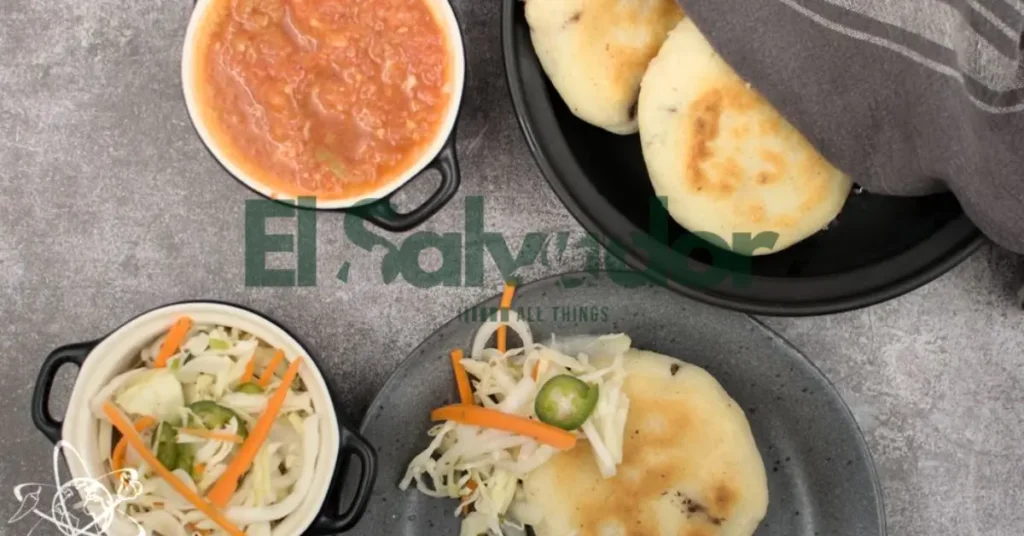
Pupusas are lightly fried, flat soft pockets made with maiz/corn or rice flour, then stuffed with whatever filling you want. I ate bean pupusas all day more than once, usually 3 to 6 a day, because they were cheap and hot from the pan, just $0.30 to $0.50 each. The smell of toasted corn, the soft chew, and the salty frijoles made them one of my favorite street food finds.
One block can have about 10 pupusa sellers, and on busy blocks they’re everywhere, calling out orders and pressing dough by hand. If you need a safe version, Ask for bean, pumpkin filling, or vegetables, and to confirm there’s no cheese, crema, butter, or animal fat in the cooking.
Best vegan-friendly street foods beyond pupusas
Street food and market food often goes far beyond the named dishes. Watch for bean-based fillings, grilled corn-based snacks, and simple sides that are already vegan-friendly.
One vendor’s tortilla pocket or fried bite can look different from the next, but the ingredients usually follow the same pattern. That’s the fun part of eating at the stall, you start spotting the same good snacks everywhere.
Yucca, fried and lightly seasoned
Yucca is one of those guilty pleasure bites, kind of like a yam or potato, but usually fried and lightly seasoned.
Tamales, the heavy street food
I’m not really into the hype around tamales, because they can be heavy and thick, with flour and corn that sit like a full meal in your stomach. But when you’re hungry, they do the job fast. Sold street-side for about $0.50 to $1, they’ll fill you up, and recipes can vary by stall or household, so strict vegans should always confirm the ingredients.
Atol de Maiz
Atol de Maiz is a liquid corn pudding or drink, and honestly, it’s not my thing at all. You get corn on the cob, cornflour, sugar, salt, water, and cinnamon, so it leans sweet and very corn-heavy, whatever you want to call it.
Where to Find These Vegan Foods?
Most of these vegan foods are street-side, especially on blocks with 10 to 20 pupusa sellers packed close together. I remember walking past one stretch where the smell of corn masa hit before the carts did, and it was not difficult to find vegan food at all. If you’re nearby, a quick stop at a market or a local food street usually does the trick, and spending about $2 can fill you up.
Budget Tips for Eating Vegan in Central America
The cheap eats are the real travel savings here. On street-side stops, we paid about $0.30 to $0.50 each, and a few pupusa sellers handed over plates that, with casamiento, were enough to fill you up for about $2. Affordable food can be part of the fun, because budget vegan travel feels easy once you plan meals around these tiny prices.
Closing Thoughts
Salvadoran food stays vegan-friendly, easy to find, and kind on the budget. From street-side stalls to busy markets in El Salvador, the same simple dishes show up fast, filling, and affordable.
Frequently Asked Questions
Is Salvadoran food vegan-friendly?
Yes, a lot of it can be. The easy wins are beans, rice, yucca, and some pupusas, but cheese, cream, and pork show up a lot. The smell of fresh masa can trick you into ordering too fast.
What Salvadoran foods are vegan?
Look for frijoles, rice, fried plantains, yucca, curtido, and simple tortillas. Some street stalls also make bean pupusas if the filling and dough are kept plain.
How do I order vegan in El Salvador?
Say, “Sin carne, sin queso, sin crema, y sin manteca.” That usually gets the point across fast. Pointing at the ingredients at a busy stall works well too.
Are pupusas vegan?
Sometimes, yes, but many are not. Ask for frijol or loroco only, and check that no cheese, cream, or lard went into the masa.
What should vegans avoid in Salvadoran food?
Avoid cheese, crema, pork, chicken broth, and lard (often called manteca). Tamales, soups, and fried foods are the biggest surprise spots. Even beans can be cooked with animal fat, so it helps to ask.
Where can I find vegan food in El Salvador?
Larger cities, beach towns, and busy markets usually have the best odds. Hotel areas and food stalls where staff are used to travelers asking questions tend to be easiest.
What is casamiento?
Casamiento is a mix of rice and beans, often eaten at breakfast. It can be vegan if no lard, meat, or broth was used. The flavor is simple, warm, and filling.
Are tamales vegan in El Salvador?
Usually not, since many use meat, lard, or chicken broth. Some stalls may have plant-based versions, but you need to ask carefully.
What are the best vegan-friendly street foods beyond pupusas?
Yucca with curtido, casamiento, fried plantains, fresh fruit, and plain tortillas are solid options. Some markets also sell beans, rice plates, or sweet corn snacks that are easy to make vegan.
What ingredients should I double-check at street food stalls?
Double-check cheese, crema, lard, chicken broth, and butter. Also ask about sauces, masa, and beans, since those can hide animal ingredients. A quick question up front saves you from guessing later.