
How to Bring Coffee or Food Back from El Salvador
Customs rules for coffee and food items from El Salvador depend on your destination country, not just the rules where you’re leaving from. Coffee is often simpler to bring back, while fresh, homemade, or unpackaged foods can get messy fast. I wish someone had said that before I stood in a bright airport line, holding a bag that smelled like roasted beans and mild panic.
The safe move is to check import rules before you fly, then make your declaration if it’s required. That usually keeps your personal use items from turning into an expensive airport lesson.
Key Takeaways: What You Need to Know Before Bringing Food or Coffee Back
- Declare all food items and coffee. A customs declaration is the safe move, even if the snack looks harmless.
- Coffee is usually easier than fresh food. Coffee beans for personal use often face fewer issues than fresh, homemade, or animal-based food items.
- Fresh produce, meat, dairy, and unpackaged foods are the risky ones. Those often land in restricted items or need extra import rules.
- Do not trust the “sealed means allowed” myth. A sealed bag is not a free pass if the destination country bans it.
- Destination-country rules matter most. El Salvador departure rules are not the final word, so check the arrival country’s customs website before you pack.
- Airport security is not customs. TSA-style screening does not replace customs import rules, and that mix-up can get messy fast.
What Customs Officials Usually Care About When You Bring Food Back
Customs officers are mainly doing food inspection for risk, not for fun. They look for pests, plant diseases, animal disease risk, and public health problems, because one bad snack can cause a much bigger mess than your suitcase smells like after a long flight.
- Allowed means the item is usually fine to bring in, often with normal rules and no drama.
- Declared means you tell the officer about it, even if you think it’s okay. That can matter for plant products, animal products, and packaged food.
- Prohibited means it’s not allowed, even if it looks harmless in your bag.
Why does coffee often get treated differently from fresh fruit or meat? Coffee is usually shelf-stable and roasted, so it tends to pose less agricultural risk than fresh food. But that does not make every bag of beans legal everywhere. The origin country, ingredients, and packaging still matter a lot.
A sealed packaged food item may look safer than something loose or homemade, but customs still checks what’s inside. If it has dairy, meat, seeds, or raw plant material, the rules can change fast. One hotel clerk in a tiny airport once told me, “If it grows, breeds, or spoils, they care.” Honestly, fair.
When officers open a bag, they’re asking three things: Where did it come from? What’s in it? How was it packed? That’s the part people miss, and it’s why a sweet little jar can get more attention than you expected.
For official guidance, check CBP agriculture guidance and USDA APHIS import rules, plus your destination-country customs FAQ.
Can You Bring Coffee Back from El Salvador?
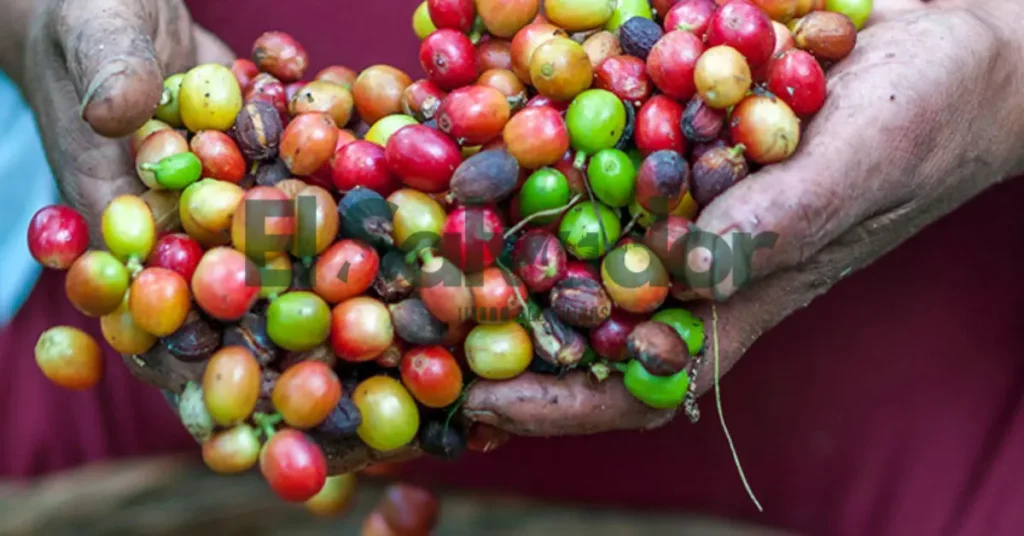
Yes, coffee from El Salvador is often allowed back, but the coffee type matters a lot. Commercially packaged roasted coffee, ground coffee, and instant coffee are usually simpler to bring than raw green coffee beans, which can face tighter agricultural import checks.
I wish someone had told me this before I stood in a warm airport line, clutching a bag that smelled like fresh beans and trouble. The bag was sealed, the label was clear, and the customs officer still cared about what was inside, not just how cute the package looked.
| Coffee form | Typical risk level | What matters most |
|---|---|---|
| Roasted coffee | Usually safer | Keep it sealed and clearly labeled. |
| Ground coffee | Usually safer | Commercial packaging helps inspection. |
| Instant coffee | Usually safest | Check for added ingredients or flavorings. |
| Green coffee beans | Riskier | May face extra agriculture controls. |
Here’s the practical rule I kept hearing from travelers and border staff: packaging helps inspection, but it does not guarantee entry. Customs rules can still care about origin, processing, and whether the product looks like a finished food item or a raw agricultural item.
- Safer: sealed roasted coffee, sealed ground coffee, plain instant coffee.
- Riskier: green coffee beans, bulk unpackaged beans, anything with plant material attached.
- Double-check: flavored coffee or mixes with milk powder, spices, or other added ingredients.
Truth is, the messy stuff is where people get burned. If your coffee has syrups, herbs, or mystery flavor dust, that can change how it’s treated under customs rules and destination-country agriculture authority checks. For the strictest cases, start with the rules from CBP, USDA APHIS, and the country you’re entering.
Roasted, Ground, and Instant Coffee: What Is Usually the Least Risky
- Roasted coffee in a sealed package is usually the easiest to explain. The label shows what it is, and customs can inspect it fast.
- Ground coffee is also usually low fuss, especially if the ingredient label is clear and the bag is factory sealed.
- Instant coffee is often the simplest of the three. It looks processed, packaged, and easy to declare in personal quantity.
- Raw beans, leaves, or anything loose can feel messier at the border. More plant material means more questions, and nobody wants that sleepy airport chat.
Low-risk does not mean automatically allowed. I stared at a customs desk with a hot coffee in one hand and no patience in the other.
For a quick check, I’d trust the package, the label, and how much you’re carrying. A small, sealed bag usually raises fewer eyebrows than a mystery jar from the market.
CBP food import guidance is a useful sanity check before you fly, even if your coffee smells like pure vacation.
Green Coffee Beans: Why They May Face Extra Scrutiny
Green coffee beans are untreated plant material, so they can get treated differently from roasted coffee. That matters because raw beans may trigger agricultural restrictions, phytosanitary checks, or even quarantine rules if officials worry about pests or plant disease.
I saw a little bag of green beans in a market and thought, “Cute souvenir.” Cute, maybe. Simple, no. Before buying them, check the destination-country plant import rules and USDA APHIS guidance, because what’s fine in one place can be stopped in another.
What Foods Are Usually Allowed, Restricted, or Banned
Food rules are messy, and the annoying part is that allowed foods still often need to be declared. I once watched a sleepy traveler at the airport fumble through a bag of coffee and sealed snacks while a customs officer pointed at the form like, yes, this part matters too.
| Category | Usually allowed | Usually restricted | Usually prohibited items |
|---|---|---|---|
| Coffee | Roasted coffee beans, ground coffee, sealed retail packs, usually if declared | Bulk or unpackaged coffee, flavored blends with tricky ingredients | Anything mixed with banned animal ingredients or unclear additives |
| Sealed snacks | Factory-sealed chips, crackers, candy, dried snacks, packaged baked goods | Homemade or open snacks, items with fresh cream or meat fillings | Snacks containing restricted meat, dairy, or fresh fruit components |
| Fruit and dried goods | Some dried goods and shelf-stable fruit products, depending on destination | Fresh fruit, fruit with seeds, dried fruit with untreated bits or pits | Fresh produce and plant items banned by the destination-country customs list |
| Meat and cheese | Shelf-stable, commercially sealed items in some places | Soft cheese, cured meat, dairy-heavy sauces, animal-based fillings | Fresh meat, many cheese products, and anything with hidden animal products |
| Homemade food | Rarely, and only if clearly permitted | Most homemade food, especially with eggs, dairy, or meat | Homemade items that look simple but hide restricted ingredients |
Here’s the blunt part. Restricted foods can look harmless and still cause trouble. A pastry with a meat filling, a sauce with fish paste, or candy with gelatin can flip from fine to flagged fast.
Rules change by destination and by ingredient, so check both. A bag of baked goods may pass one border and fail the next. Same with coffee, cheese, or dried snacks.
My best packing rule is boring but safe: keep food sealed, label it if possible, and declare it. If you’re not sure, don’t play guess-the-filling with customs. That game is expensive.
Foods That Commonly Cause Trouble at Customs
- Fresh fruit and vegetables, especially anything with soil or seeds stuck on. These fresh produce items may be fine in some countries, but they’re often refused fast at the border.
- Meat products, poultry, and seafood, including jerky, sausages, smoked fish, and vacuum-packed leftovers. What looked harmless in your bag can end in customs seizure.
- Dairy, like milk, yogurt, and soft cheeses. A wedge of gooey cheese might pass somewhere, then get tossed in another airport bin.
- Homemade or unlabeled food, such as cookies from a relative, spice mixes, or a mystery snack in foil. If the label is missing, customs may not trust it.
- Seeds, herbs, and plant-based souvenirs, including tea blends, dried flowers, and packets of garden seeds. Check the destination-country agriculture authority, because USDA APHIS rules do not always match local rules.
Why Homemade and Street-Food Items Are Harder to Bring Back
Homemade food and street food are often the trickiest things to bring back. The big problem is unlabeled ingredients, so customs inspection may not be able to tell what’s inside.
Moisture, perishable items, and shared prep surfaces also raise food safety risks fast. I’ve had a vendor hand me a warm snack wrapped in paper that smelled amazing, but I still had to pass. Even dry-looking homemade foods can be restricted if the ingredients aren’t clear, because customs can’t verify what’s in that bag.
What’s the Safest Packing Strategy If You Want to Bring Food Back?
Buy sealed products first, then go for shelf-stable snacks and jars with clear ingredient labels. I learned fast that customs likes inspection-ready bags, not mystery lunch. Keep the original packaging intact, and do not split food into random containers unless you enjoy a rude airport moment.
- Pick low-risk packing first. Skip homemade, fresh, and unlabeled items if you want the easiest trip through customs.
- Keep everything visible. Put food where officers can see it fast, not buried under socks and chargers.
- Separate food from clothes and electronics. That made my bag easier to check, and the airport guy barely even sighed.
- Save receipts and label photos. If the box gets tossed, you still have proof of what you bought.
Before leaving El Salvador, I’d also check the destination-country customs site, because rules can be weirdly picky. A little customs-friendly prep saves you from standing there while your bag smells like coffee, cheese, and regret.
How to Declare Food and Coffee at Customs Step by Step
- Check the destination-country food rules before you fly. Some places are picky about meat, dairy, fresh fruit, seeds, and even certain snacks. I stared at a customs line with a half-eaten bag of coffee beans and a sweaty backpack.
- Keep everything in original packaging when possible. That means sealed bags, clear labels, and, if you have them, the ingredient list. Customs officers care less about your snack story and more about what’s inside.
- Fill out the customs form honestly and declare food if you’re asked. If there’s a yes or no box for food, answer it. If a form is confusing, pick the safer route and declare it.
- Save receipts for anything unusual or expensive. If you bought coffee at a market, or picked up packaged treats at the airport, keep the receipt handy. It helps if someone at screening wants to match the item to where it came from.
- Be ready for inspection. Customs officers usually look for restricted foods, unlabeled items, plant products, and anything that could carry pests or disease. They may ask to see the bag, the label, or the ingredient list, so don’t bury everything under your socks.
- If you’re not sure, declare it and let the customs officer decide. That “when in doubt, declare” rule saves a lot of weird airport stress. I’d rather answer one extra question than lose a snack I was emotionally attached to.
If an officer asks what you have, keep it simple: “I have packaged snacks and coffee, and I declared them on the customs form.” If they want more, show the original packaging, receipts, or ingredient list. Calm wins here. Nervous flailing does not.
Before You Leave El Salvador: What to Check and Pack
- Check import rules for your final destination, not just El Salvador departure rules. We were standing by a taxi driver with a bag of snacks and a bad plan.
- Buy commercial, sealed products if you want the lowest-risk option. Opened food looks harmless, but luggage inspection can get weird fast.
- Keep receipts and save the packaging until you land. I also snap photos of labels in case the box gets tossed mid-trip.
- Separate food items in your luggage so they’re easy to see. That made our bag quicker to open and saved a lot of fumbling.
- Check your travel checklist one last time before you head out. A five-minute scan beats a long customs chat with sleepy eyes and stale airport air.
At the Airport and at Arrival: What to Say If Asked
If an officer asks about your food items, keep it simple and honest. Say what it is, where it came from, and whether it’s for personal use. A plain script works: “I’m bringing declared coffee/snacks for personal use.”
If you don’t know an ingredient or quantity, don’t guess. Say that you’re not sure and show the item for inspection. Vague answers tend to make a customs declaration feel messier than it needs to be, and honest disclosure usually keeps things calm.
What Happens If You Don’t Declare Food or Coffee
Undeclared items can turn a normal arrival into a slow, annoying mess. First comes inspection delay, then possible confiscation, and then, in some cases, fines or a warning. I’ve stood near a customs desk with that stale airport coffee smell in the air, watching one traveler try the classic “I forgot” line. It didn’t help much.
Food is usually treated more seriously than a sealed snack or coffee you honestly declared. The reason is simple: undeclared food can trigger a customs violation or, in stricter cases, an agricultural violation. That’s where the rules get sharper, because agricultural enforcement is about protecting farms, plants, and animals, not just checking your bag.
Here’s the rough escalation ladder I’ve seen people run into: inspection delay, then confiscation, then possible penalties or fines. Sometimes you get a warning. Sometimes you don’t. The “I forgot” excuse may soften the mood, but it usually doesn’t erase the outcome.
Truth is, conservative disclosure is cheaper than gambling with undeclared items. If you’re unsure, declare it and let customs decide. That’s usually the calmer path, and it saves you from arguing over a sandwich you packed at 5 a.m.
What If Your Food or Coffee Gets Taken at Customs?
Customs confiscation usually starts with a simple refusal, a hold, or a seizure for review. If a customs officer or airport agriculture inspection flags your snack stash, stay calm and ask which one it is, refused items, inspection outcome, or temporary hold.
- Ask politely: Is it being refused, destroyed, or held for review?
- Stay honest: Don’t argue or guess. Mixed stories make things worse.
- Keep proof: Save receipts or any reference numbers they give you.
- Watch for fees: Customs confiscation does not always mean a fine, but fine risk can happen.
- Learn from it: Adjust future packing so the same coffee or food doesn’t get snagged again.
I watched a bag of coffee disappear into a gray bin with a very serious flap. Most traveler rights situations are about getting clear answers, not making a scene.
Special Cases: Connecting Flights, Checked Bags, and Other Countries’ Rules
A connecting flight can change the rules fast. Your final destination is often what matters for customs, not just where you boarded or where you stopped for coffee and limp airport fries.
- Transit screening is not the same as import permission. A bag can be screened in the transit country and still get held up by customs control later.
- Checked bags still count. They may pass through another airport, but they are still part of your trip and can be checked again at arrival.
- Import rules can follow the route. If you connect through another country, that transit country’s rules may matter too, especially for items you collect, recheck, or carry onward.
- Rules vary by destination. The U.S., Canada, the EU, the UK, and other countries all handle customs differently, so don’t guess based on one trip you took years ago.
I wish someone had told me this before I watched a tired traveler at the counter ask, “But I’m only transiting.” Yeah, the airport agent did not care. The airline guidance and the destination-country customs authority are the better places to check, especially if you’re unsure about your destination country guide.
Warning: a bag cleared at a transit airport does not mean it is approved for entry. If your route is messy, check the import rules for every country on the ticket, not just the one with the beach and the good sandwiches.
Does TSA or Airport Security Decide What Food You Can Bring?
TSA and airport security decide what can go in your carry-on, not what can enter a country. That’s the mix-up. A jar of coffee or sealed snack might clear security screening just fine, then get stopped later because customs or agriculture rules say no.
Think of it like two doors. TSA checks the bag at the airport. Customs checks the food at the border for import permission. I wish someone had told me that before I watched a traveler breeze through security with a box of fruit, then get pulled aside near baggage claim.
How to Check the Rules for Your Destination Country Before You Fly
Check the final destination first, not just the rules for leaving El Salvador. That mix-up gets people all the time, and it can turn a normal trip into a bag-search mess at the airport.
Start on the destination country’s official customs rules page. Then look for the agriculture authority site too, since food, plant, and animal product pages often hide the real rules. I once watched a traveler in a sticky airport line because his snacks were fine at home, but not there.
Next, open your airline’s baggage and travel guidance. Airlines usually flag common import rules issues before you board. Save screenshots or links, because airport Wi-Fi is flaky and the official page might be hard to find when you’re rushing.
Quick travel checklist:
- Check the destination country’s customs page.
- Check the agriculture authority page for food, plant, and animal items.
- Read your airline’s baggage and import guidance.
- Save the rules for your final destination on your phone.
Truth is, five minutes of checking now beats arguing with a bored officer later.
Frequently Asked Questions
Can I bring coffee beans home in my bag?
In many cases, yes, coffee beans for personal use are allowed, but they can still get flagged during luggage inspection. I’d keep them sealed, easy to find, and ready to mention if an officer asks.
Do I need to make a food declaration for coffee or snacks?
Usually, yes if the form asks about food, plants, or agricultural items. A quick food declaration is better than pretending that trail mix never happened, because customs officers care more about honesty than snack drama.
What foods are usually allowed, restricted, or prohibited?
Rules depend on the item and the country, but sealed snacks are often easier than homemade foods. Fruit, cheese, and meat can be a problem, even if they look innocent and sit there like they paid rent.
What counts as sealed food, and why does it matter?
Sealed food usually means unopened, factory-packed items with clear labels. That matters because sealed foods are often simpler to review than loose or homemade foods, which can raise more questions at customs and during luggage inspection.
Are homemade foods okay in checked luggage?
Sometimes, but often not if they include ingredients that fall under prohibited foods rules. A sealed bag of cookies is one thing, but grandma’s homemade tamales or cheese-filled pastries can get complicated fast. If you’re unsure, treat homemade foods like they might cause a customs headache.
What about fruit, cheese, and meat?
These are the sneaky troublemakers. Many countries restrict them, and officers may care even more if they’re fresh, unpackaged, or stuffed in a carry-on by accident. Your destination-country customs authority decides the final call, not the airport snack aisle.
Why does TSA seem different from customs?
TSA checks security rules, while customs checks what’s entering the country. That’s why something can be fine at the checkpoint and still get stopped later for food declaration or agricultural reasons. I watched another traveler explain a bag of cheese like it was evidence in a crime show.
What happens with connecting flights?
If you connect through another country, you may face another round of rules, even if you never leave the airport much. That’s why it helps to check Special Cases: Connecting Flights, Checked Bags, and Other Countries’ Rules before you pack anything suspicious. A calm five minutes now can save a very stupid airport moment later.
What should I do if items are confiscated?
Stay calm, ask what rule applies, and do not argue like the airport snack police owe you money. If something is taken, ask whether it can be discarded, returned, or declared properly next time, then note the rule for your next trip. That way, you don’t repeat the same expensive mistake with coffee beans, fruit, or that one mystery cheese.
Where can I check the official rules before I fly?
For U.S. trips, CBP, USDA APHIS, and TSA are the main starting points. For arrival rules, always check the destination-country customs authority, because that’s the rulebook that actually matters when your bag gets opened.