
5 Myths About El Salvador That Stop Tourism
El Salvador tourism gets stuck on old rumors, and that’s a shame. We almost didn’t go, mostly because the internet loves a dramatic scare story more than a plane ticket.
Myth 1: It’s all danger, all the time. Reality is messier and way less dramatic. In the places we visited, we saw normal life, not a movie scene. Taxi drivers chatted, hotel staff joked around, and one shop owner handed us a cold drink with a grin.
Myth 2: There’s nothing to do. That one is lazy. Beaches, surf towns, volcano views, and colorful towns make trip planning pretty easy if you want variety. I still remember the smell of grilled corn near a busy market and the sound of waves hitting the shore.
Myth 3: You need a huge budget. Not really. Travelers we met were splitting rides, eating simple local meals, and staying in small places that felt personal, not stiff.
Myth 4: It’s hard to get around. Sometimes it can feel that way if you wing it. But with a little planning, moving between spots felt doable, even for first-timers.
Myth 5: People won’t be welcoming. Honestly, this was the nicest surprise.
Key Takeaways
- Colombia’s old reputation sticks, but it’s not the full picture.
- Safety is real, just messy, local, and always changing.
- There’s way more here than surf and beach towns.
- Good trip planning matters more than blind confidence.
- Checked sources beat rumors every time.
- We almost didn’t go, and that would’ve been a mistake.
Why El Salvador Gets Misread by Travelers
Old headlines stick around longer than airport coffee. For a lot of travelers, El Salvador still feels frozen in the worst moments they remember, even when their information is years out of date.
Then we got there and the air felt different, the streets were busier, and the fear some people expected just wasn’t the whole story.
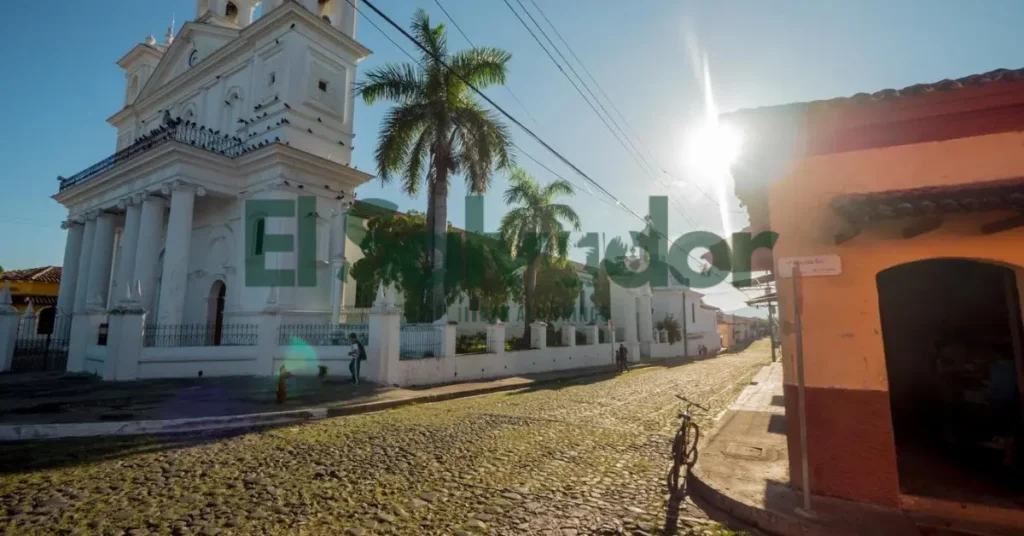
Truth is, El Salvador still needs a careful look, not a lazy headline. The real story sits between old news, fresh firsthand experience, and the small details you only notice once you’re actually on the ground.
How to Decide if El Salvador Matches Your Travel Style
El Salvador can fit a lot of travel styles, but some are a smoother match than others. I remember a hotel clerk in San Salvador handing me a coffee and saying, “People expect one thing, then the country shows them another.” That’s pretty much the vibe.
Cautious planners usually do well here if they like clear plans, private transport, and a tight itinerary. You’ll feel better with bookings set early and day trips mapped out before the first pupusa hits the table.
Couples often enjoy the mix of beaches, volcano views, and small-city dinners. It can feel romantic in a low-key way, with warm evenings and not too much hassle between stops.
Families can make it work, especially with older kids and a slower pace. That said, some parts are easier than others, so family travel usually feels best with short drives and simple logistics.
Solo travelers may love the friendly local interactions and the freedom to move at their own pace. Still, solo travel tends to fit best if you’re comfortable staying alert and keeping your plans fairly structured.
Adventure travelers might be the happiest of all. Surf spots, volcano hikes, and rough-around-the-edges towns give the trip a real edge, and honestly, we almost didn’t do one hike because the heat felt like soup.
Best fit, in plain terms:
- Cautious planners: yes, with extra prep.
- Couples: yes, especially for a laid-back trip.
- Families: yes, but keep the itinerary simple.
- Solo travelers: yes, if you like independence and staying aware.
- Adventure travelers: yes, this is where El Salvador shines.
If you like a trip that feels a little raw, a little real, and not overly polished, El Salvador may fit you just fine. If you need every detail to be easy, predictable, and soft around the edges, you might want a gentler first pick.
Myth #1: El Salvador Is Too Dangerous for Any Tourist
That old label sticks hard, but it’s too blunt. El Salvador does have real safety concerns, yet risk changes a lot by area, route, time of day, and the kind of trip you’re taking.
Some places feel calm and tourist-friendly, while others can be a bad idea after dark or far off the usual path. I’ve had taxi drivers go quiet fast when I named certain neighborhoods, then chat happily about beach towns and volcano trails. That told me plenty.
Myth: the whole country is off-limits. Reality: most travelers plan around current conditions, stick to known areas, and move smart.
- Check the exact area. City, beach, and mountain routes can feel very different.
- Check the time. Daylight travel is usually a better bet than late-night rides.
- Check the route. A direct transfer can be safer than random stops and detours.
- Check your trip style. Backpacking, guided tours, and solo road trips carry different risks.
- Check advisories twice. Look before you book, then again right before you go.
So yes, go with open eyes, not panic. El Salvador is not uniformly unsafe, and that matters a lot when you’re deciding where to stay, how to move, and what to skip.
What cautious travelers should check before booking
Before you pay, check the current advisory level from your embassy or official travel advisory page.
- Read the advisory level twice. Look for entry rules, protest warnings, health notices, and any local trouble spots.
- Check the neighborhood, not just the hotel. Zoom in on the map, read recent reviews, and see what’s nearby after dark.
- Plan the airport transfer before booking. Ask the hotel if they arrange pickups, or confirm a licensed taxi, train, or shuttle in advance.
- Book a daylight arrival if you can. Landing when it’s still light makes finding the place easier, and honestly, less weird.
- Save emergency contacts now. Keep the local embassy, police, hotel, and your bank on your phone and on paper.
According to embassy and official travel advisory pages, travelers should confirm current guidance and local contact information before arrival. That tiny bit of homework tends to make the whole trip feel a lot calmer.
Myth #2: There’s Nothing to Do in El Salvador Besides Surfing
Surfing gets the headlines, sure. But El Salvador is the kind of place where one morning you’re watching waves, and by afternoon you’re smelling coffee beans, climbing a volcano, or dodging scooters in a noisy market.
- Volcanoes and crater views: Hike for wide-open views, black rock, and that dry, smoky air near the top. It feels wild in the best way.
- Colonial towns: Places like Suchitoto bring cobblestone streets, bright facades, and a slower pace that feels like stepping into a postcard.
- Coffee regions: Green hills, cool air, and the rich smell of roasting beans. Some farms feel quiet enough to hear your own shoes on the dirt.
- Markets and local food: Fresh pupusas, fruit stands, steam, chatter, and the kind of lunch that makes a taxi driver grin when you ask for “the good place.”
- Lakes and museums: Lake views give you a breather, while museums in San Salvador and beyond add context to what you’re seeing on the street.
According to the official tourism board and UNESCO site pages, the coast is only one part of the story. And honestly, that checks out. The real trick is leaving room in your plans for the random stop, the extra coffee, and the market snack you didn’t mean to buy but absolutely did.
Best non-beach experiences to mention
- Volcanoes: Head inland for crater views, lava fields, and that weird quiet you only get near old rock that once exploded. Go early, before the heat starts bullying everyone.
- Historic centers: Wander the old town streets, where the paint is chipped, the churches are pretty, and every corner feels like it has a story. For official details, check the Costa Rica Tourism Board and local municipality pages.
- Coffee: Tour a coffee farm, smell the roasted beans, and sip something way better than hotel lobby sludge. The best stops are usually small and a little scrappy, which makes them feel real.
- Parks: National parks are where you get birds, monkeys, giant trees, and the occasional “did that leaf just move?” moment. UNESCO-listed areas and park info are worth a look before you go.
- Scenic drives: Mountain roads, valley views, and random fruit stands make the drive half the fun. A taxi driver once pointed out a lookout I would’ve missed, and honestly, he saved the day.
- Local cuisine: Try the casado, fresh ceviche, or whatever’s bubbling in the nearest soda kitchen. The smell alone can pull you in, and the best bites are often the simplest.
- Urban culture: If you want an unexpected angle, spend time in a city market or small museum. It’s loud, messy, and full of life, which is kind of the point. A local museum or municipal site usually has the best current hours and exhibits.
Myth #3: El Salvador Is Only for Hardcore Adventurers
Yes, you can chase volcano hikes, surf breaks, and zipline thrills here. But El Salvador is not stuck in adrenaline mode, and that’s the part people miss.
I’ve had lazy mornings in San Salvador with strong coffee and pupusas, then spent the afternoon wandering easy plazas, beach towns, and little markets where the only rush was deciding what to snack on next. A taxi driver once laughed when I asked if everything here was “extreme” and said, “No, people live here too.” Fair point.
The country works well for casual travelers, couples, families, and short-stay visitors. If you want a lighter pace, you can keep things simple with beach time, scenic drives, city eats, and day trips that don’t leave you sweaty and questioning your life choices.
- Adventure travelers: Best if you want surfing, volcanoes, and bigger outdoor days.
- Casual travelers: Great if you prefer food, beaches, and low-key sightseeing.
- Couples: Easy to mix cozy stays, sunset views, and relaxed day trips.
- Families: Works well for simple outings and flexible schedules.
So no, you don’t need to be a hardcore adventurer to enjoy it. You just need a good appetite, a little curiosity, and maybe room for one more pupusa.
Myth #4: Traveling There Is Too Hard, Expensive, or Complicated
The messy truth is that travel costs and hassle change a lot based on season, transport choice, lodging location, and how many bases you use.
Here’s what usually makes the biggest difference:
| What you choose | What it changes |
|---|---|
| Peak season vs. shoulder season | Prices and crowds can jump fast. |
| Train, bus, rental car, or flight | Speed, comfort, and total cost change a lot. |
| Hotel in the center vs. outside town | You may pay more up front, or more in transit. |
| One base vs. many stops | More bases can mean more packing and more transfers. |
According to official tourism resources and local transport information, trip logistics are manageable with advance planning. That matched what I saw on the ground, too. The taxi driver knew the main routes by heart, the hotel staff circled the best pickup spot, and the bus stop smelled like hot brakes and coffee.
Simple trip-planning factors that change cost and ease
A cheap trip can get weirdly expensive fast. The usual culprits are the boring bits, like airport transfers, where you sleep, and whether you book early.
| Factor | Budget impact | Effort level |
|---|---|---|
| Airport transfer | Taxi or private pickup costs more than a bus or train. | Less hassle if you land tired with bags. |
| Base choice | Central spots usually cost more than outer neighborhoods. | Closer to sights means less time on transit. |
| Peak season | Flights and rooms often jump during busy holidays. | More crowds, longer lines, and less wiggle room. |
| Guided tours vs self-directed travel | Tours add guide fees, but can bundle transport and tickets. | Self-directed takes more planning and map checking. |
| Booking ahead | Early flights and hotels are often cheaper. | Less last-minute stress, more choices. |
The airport transfer is where the first little money leak starts. On one trip, a taxi driver quoted one price, then my jet-lagged brain nodded like a goldfish. A quick check on IATA and the airport’s transport page would have saved me that sleepy mistake.
Base choice matters too. Stay near the sights, and you may pay more up front, but you spend less on rides and less time hearing buses groan past your window at 6 a.m.
- Peak season: Expect higher prices and bigger crowds.
- Guided tours: Easier, but usually cost more than going solo.
- Book ahead: Good for flights, hotels, and busy train routes.
And for transport, the local tourism office or rail site is worth a look before you go. A five-minute check can turn a messy day into a normal one, which is honestly the dream.
Myth #5: El Salvador Has No Real Culture or History to Explore
El Salvador has deep indigenous roots, and you can feel them in the small details. I’m talking woven textiles, painted pottery, and the kind of local craft stalls where someone will happily explain how a pattern got passed down through a family. Then the colonial side shows up too, in churches, plazas, and old facades that still anchor whole towns.
Truth is, culture here is not sitting behind glass. It’s on the street, in the smell of fresh tortillas, in pupusas sizzling on a griddle, and in the loud, joyful mess of a festival parade. We almost didn’t make time for museums, and that would’ve been dumb, because places tied to El Salvador culture and history help the whole trip make sense fast.
UNESCO and national cultural institutions both point to the country’s heritage value, and that shows up in real life. You’ll see religion, architecture, and local traditions blending in a way that feels lived in, not staged. So if you care about more than beaches, this is the good stuff, the part that gives the trip memory and texture.
When Is the Best Time to Visit El Salvador?
Dry season, from roughly November to April, is the easy pick for most trips. The skies are clearer, roads are usually kinder, and beach days feel less like a gamble. I remember a taxi driver in San Salvador grinning and saying, “This is the calm season,” while the air smelled hot and dusty instead of wet.
Rainy season, from about May to October, can still be a great time to go if you do not mind afternoon showers. The hills turn greener, waterfalls look fuller, and the air can feel lighter after the rain. But some roads get slick, and volcano hikes can be muddy, cloudy, or flat-out annoying when the weather turns fast.
For beaches, dry season usually means better sun and easier swimming. For volcano hikes, mornings matter in both seasons, but dry months give you a better shot at views instead of fog and slippery trails. During rainy months, trip comfort can dip a little, since you may end up packing around wet shoes, damp clothes, and a schedule that keeps changing.
Truth is, the best time depends on your goal. If you want easy beach lounging and smoother travel, dry season usually wins. If you want fewer crowds and do not mind a little weather drama, rainy season can be just fine.
Where First-Time Visitors Should Base Themselves
For a short trip, where you sleep can matter as much as your budget. I once watched a taxi driver grin at me while I crossed town for the third time, and honestly.
Beach bases work best if your whole trip smells like salt, sunscreen, and slow mornings. Pick this if you want lazy swims, sunset walks, and fewer moving parts. A beach stay can be perfect, but it usually adds time if you also want museums or nightlife.
Central or city bases are the safest bet for first-timers who want to see the most with the least hassle. You’re closer to restaurants, transit, and the main sights, so you spend less time in taxis and more time actually doing things. If you only have a few days, this usually keeps the trip cleaner and calmer.
Nature-focused bases fit trips built around trails, bird calls, hot springs, or quiet mornings with coffee and mist. They’re great for slower itineraries, but they can mean longer rides to beaches or town centers. I booked a cute cabin that was basically one beautiful, faraway detour.
How to Build a Balanced 3 to 5 Day El Salvador Itinerary
Short trips work best here when you pick one home base and stop overthinking it. According to official tourism resources, multi-stop trips are easier when you plan around a clear base, and that matched what I saw on the ground. One taxi driver in San Salvador even laughed and said, “People try to do too much and spend half the day in traffic.”
- Day 1: Land, settle into San Salvador, and keep it light. Grab pupusas, walk a bit, and let the city noise, horns, and late-afternoon heat tell you you’re not in a rush anymore.
- Day 2: Add culture or a volcano day trip. A day away from the coast keeps the trip from turning into one long beach blur.
- Day 3: Move to the beach or surf stop, like El Tunco, and stay there for sunset. The black sand, loud music, and salty air do most of the work for you.
- Day 4: Keep the pace slow with another surf session or a nearby scenic outing. If you’re tired, just eat, swim, and talk to the other travelers by the water.
- Day 5: Use your last morning for coffee, a market stop, or a quick city wrap-up before heading out.
If you have 3 days, skip one overnight and do a city plus beach combo. With 4 or 5 days, the trip feels less like a sprint and more like a real week, even if it’s short.
What Travelers Should Know Before Visiting El Salvador
Current reality beats old reputation here. The advice changes, so I checked the latest guidance before planning anything. According to the U.S. Department of State, UK FCDO, and Government of Canada travel advice, current guidance matters more than outdated opinions.
- Check advisories first. Read the latest government travel advice before you book or move around.
- Plan routes carefully. Keep transfers simple, and avoid guessing your way across the country after dark.
- Carry cash and cards. Card use works in many places, but small shops, taxis, and rural spots may prefer cash.
- Expect transport quirks. Buses can be slow and informal, and rideshares or taxis may be the easier call.
- Leave room to adjust. Flights, weather, traffic, and local advice can change your day fast.
- Use plain common sense. Stick to busy areas, keep valuables out of sight, and trust the vibe of a place.
What not to do: don’t flash cash, don’t wander alone late at night in unfamiliar areas, don’t assume every card will work, and don’t lock your whole plan to one tight schedule. That old, dramatic reputation can make people overreact, but the real trick is calm, boring, practical travel.
Why These Myths Matter Now
El Salvador deserves informed consideration, not automatic dismissal. A lot of the scary stuff people repeat comes from old headlines, half-remembered stories, or someone’s cousin who “knew a guy.” That’s not travel advice, that’s gossip in a loud shirt.
Here’s the thing, current verification matters. Check recent conditions, compare sources, and separate myth from reality before you book. The difference between a rumor and the street outside your hotel can be huge, and the smell of fresh pupusas at night tells a very different story.
Frequently Asked Questions
Is El Salvador safe for tourists right now?
It depends on where you go and how you move around. Tourist areas can feel calm and normal, but I still checked local advice before each day out, and that saved me from a few dumb mistakes. For planning help, see our safety guide.
What are the biggest myths about El Salvador?
One big myth is that the whole country is one scary headline. Another is that there’s nothing beyond beaches and surf, which is just lazy thinking. I heard that a lot, then met hotel staff and taxi drivers who were shocked I expected so little.
Is El Salvador only worth visiting for surfing?
No, not even close. The coast gets the hype, but there are volcanoes, markets, coffee towns, and old churches that give the trip more texture. Surf is great, but it’s not the whole plate.
Can you travel around El Salvador without a car?
Yes, but you need patience. Buses, shuttles, and taxis can get you around, though some routes are slower than a rental car. If you like easy planning, check our itinerary guide.
Is El Salvador expensive for tourists?
Usually not, especially compared with pricier beach spots in the region. Costs rise if you stay in resort areas or use private rides a lot. Food, local transport, and simple stays can still be pretty kind to your wallet.
What is the best time of year to visit El Salvador?
The dry season is usually the easiest for travel, with less rain and smoother road trips. If you want green hills and fewer crowds, the rainy season has its own mood, though storms can mess with plans. Pack light clothes either way, because it stays warm.
How many days do you need in El Salvador?
Five to seven days is a solid start. That gives you time for the coast, one inland town, and a cultural stop without rushing like you missed your bus by ten seconds. If you’ve got less time, pick one region and stick with it.
What should first-time visitors know before going?
A little planning goes a long way. Keep an eye on transport times, carry small cash, and don’t assume every place takes cards. I stood in a hot roadside shop holding a card like a fool.
Are there cultural or historical places worth seeing?
Yes, and some are the best parts of the trip. You’ll find historic towns, churches, museums, and ruins that show a side of the country beyond the beach. The food stalls outside those places are usually half the fun, too.
What should I check before booking a trip?
Check the latest official travel guidance, your route, and where you’re sleeping each night. I’d also look at airport transfer times, weekend traffic, and whether your hotel area is easy to reach after dark. The surprise stuff is usually what eats your time.
What are the myths of El Salvador?
People often think it’s only dangerous, only for surfers, or somehow not worth the time. Those ideas miss the full picture, and they’re usually based on old headlines or nothing at all. The country has real travel limits, sure, but it also has real rewards.
What are 5 facts about El Salvador?
It’s the smallest country in Central America. It uses the U.S. dollar, and Spanish is the main language. It has volcanoes, Pacific beaches, and a strong coffee culture, which makes for a very busy little country.