
Salvadoran Sweet Bread, or Semitas De Dulce
Salvadoran sweet bread is a soft sweet stuffed bread that feels like a cozy treat from the first bite. Known as Semitas De Dulce or simply Sweet Bread, this homemade yeast bread brings together a tender dough and a sweet filling in a style that fits right into Salvadoran baking traditions. The name can shift by region, but the idea stays the same, a warm slice of pan dulce that is worth making from scratch.
We almost didn’t make this one the first time, because stuffed breads can sound tricky. But the dough smells rich as it rises, and the sweet filling bakes into soft, golden layers that feel simple and special at once. Published in 2018 and modified in 2020, this recipe keeps the homemade angle clear and beginner-friendly.
Key Takeaways
- Semitas de dulce are a classic Salvadoran bread with a sweet center.
- The dough is a soft yeast dough, so patience matters.
- A good sweet filling should stay tucked inside, not leak out.
- Proper proofing helps the bread rise light and even.
- Seal the edges well before baking, or the filling can escape.
- Let the bread cool before slicing, so the filling sets nicely.
- Homemade semitas de dulce taste best when the loaf is fully baked and gently handled.
What Makes Salvadoran Pan Dulce Different from Other Sweet Breads
Salvadoran pan dulce is a little different from the sweet bread people use as a catch-all name. In El Salvador, the term can overlap with semitas de dulce and other Central American bread styles, so the names can get confusing fast. The easiest way to spot it is by the texture and the filling style, which are usually softer, lightly sweet, and often more delicate than a heavier stuffed bread.
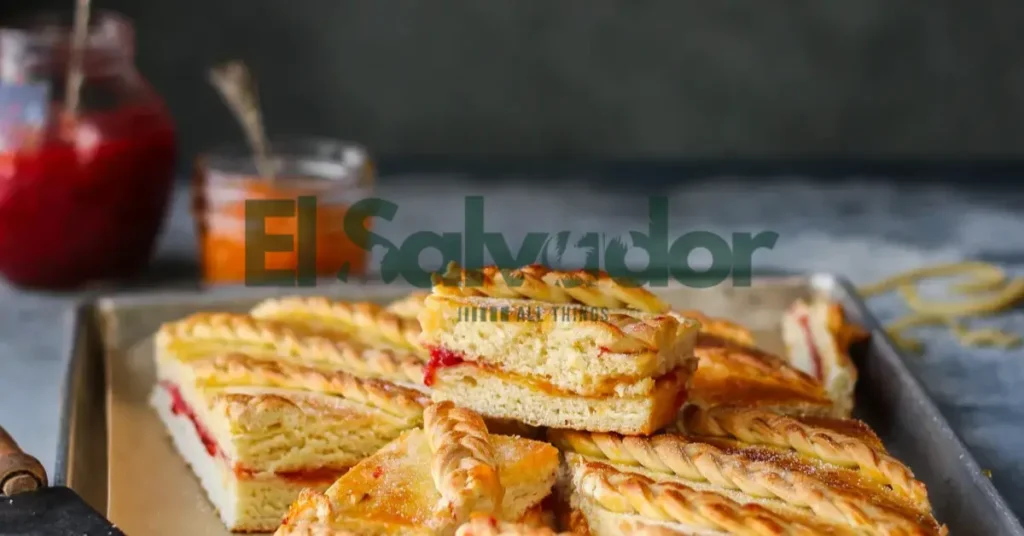
What stands out in traditional Salvadoran baking is the balance. The dough tends to be tender, the sweetness stays mild, and the filling, when there is one, feels simple rather than overloaded. That makes it different from many generic sweet bread versions, which can be denser, richer, or packed with a thicker filling. If you’ve ever wondered why one bakery label can mean three different things, that’s the reason.
Ingredients for Sweet Stuffed Salvadoran Bread
Start with two parts, a yeast dough and a sweet filling. The dough needs flour, sugar, butter, and yeast to make a soft enriched dough, while the filling should be thick and cooled so it stays put inside the loaf.
Yeast wakes up best with gentle warmth, and a cool filling keeps the bread from turning soggy before baking.
| Ingredient | Amount | Why it matters |
|---|---|---|
| Flour | Use the amount listed in your final recipe source | Builds the dough’s structure and helps it hold the filling. |
| Sugar | Use the amount listed in your final recipe source | Adds sweetness and feeds the yeast for a better rise. |
| Butter | Use the amount listed in your final recipe source | Enriches the dough and keeps the crumb tender. |
| Yeast | Use the amount listed in your final recipe source | Helps the dough rise and gives the bread its light texture. |
| Sweet filling | Use the amount listed in your final recipe source | Should be thick, so it does not leak during baking. |
Ingredient Notes and Smart Swaps
- Flour options: The recipe works best as written, but if you need substitutions, keep in mind that flour options can change the dough’s feel and hydration. King Arthur Baking notes that swaps may affect dough strength, so use the flour you have with care.
- Dairy alternatives: If you don’t have the dairy listed, a simple dairy swap can work in most cases. Just expect a slightly different texture and flavor, since ingredient flexibility always changes the final bite a little.
- Sweetener and filling swaps: If you’re out of one sweetener, use the closest one you have, and keep the filling balanced. A filling swap is fine as long as it stays thick enough to hold its shape.
- Why filling thickness matters: A thicker filling stays put better and helps the recipe bake up neatly. If it’s too loose, it can spread or leak, and that’s usually where things get messy fast.
A small swap can change more than the taste. That little bit of texture shift is normal, so make the substitutions that fit your pantry and keep the filling thick enough to spoon, not pour.
How to Make Salvadoran Semitas de Dulce
- Mix the yeast bread ingredients until a shaggy dough forms. It should look rough, soft, and a little sticky.
- Knead the dough until smooth and elastic. The dough should feel supple, not dry or stiff.
- Cover and let it rise until doubled. The dough should look puffy and feel light when you press it.
- While it rises, make the sweet filling. It should be thick enough to spread without running.
- Divide the dough and shape each piece into a round or oval.
- Flatten each piece slightly, then add the filling. Seal the edges well so the stuffed bread holds together while baking.
- Set the shaped semitas aside to proof again. They should look a bit fuller and feel airy, not dense.
- Bake at [insert exact temperature] for [insert exact time], until the tops are golden and the bread sounds hollow when tapped.
- Cool on a clean surface or rack before serving. According to USDA Food Safety and Inspection Service guidance, baked goods should be handled with clean surfaces and proper cooling practices.
According to King Arthur Baking, yeast dough is best judged by texture and rise, not the clock alone. That was true here too, because the dough changed from tacky to silky fast.
Mixing and Kneading the Dough
Mix until the dough comes together, then knead until it looks smooth dough and feels elastic dough.
It should still be slightly tacky, not dry. Don’t add too much flour here, because enriched dough stays a little soft before the first rise.
Look for a dough that springs back slowly when you press it. If it feels sticky, keep kneading a little longer before reaching for more flour.
First Rise and Proofing Clues
- Let the yeast dough rise in a warm spot until it has doubled in size. Watch the dough, not the clock, because room temperature can change proofing speed a lot.
- Look for a puffed, lighter dough with a smooth top and tiny bubbles underneath. It should feel airy and jiggly, not dense or tight.
- Do the fingertip test. Gently press the dough with one finger, and if the dent springs back slowly, it’s ready for the next step.
If the dent snaps back fast, give the dough more rise time. If it sinks and stays there, it may be overproofed, so keep an eye on it as it rests.
Shaping, Filling, and Sealing the Bread
Use cooled filling first. Warm or loose filling is the most common reason the bread opens during baking, and that leads to filling leakage.
- Roll or shape the dough evenly.
- Spoon in a thick filling, but keep it light.
- Leave space at the edges so the seam can close.
- Seal the edges tightly with your fingers or a fork.
- Place seam-side down if the shape allows it.
The bread should feel snug, not stuffed, before it goes to the oven.
Final Bake and Doneness Signs
- Bake until the loaf turns a deep golden brown. The top should look set, not pale or shiny, and the kitchen usually smells rich and toasty.
- Check the crumb at the center. It should look cooked through and no longer wet or gummy, with the finished bread holding its shape when you gently press it.
- Watch the filling. It should stay contained, with no bubbling over the edges or looking loose in the middle.
- Don’t slice too early. The crumb and filling keep setting as the bread cools, and cutting too soon can make it seem underdone.
Quick visual checklist:
- Deep golden brown on top and sides
- Set crumb with no wet center
- Contained filling with no spillover
- Loaf feels firm when gently pressed
- Cooled enough to slice cleanly
According to USDA-style food safety guidance, let hot baked goods cool before slicing. That pause helps the structure settle, and you get cleaner slices with better texture.
How to Keep the Filling Inside and the Dough Light
- Use a thick filling. If it feels loose or runny, it’s more likely to cause filling leakage.
- Cool the filling first. Warm filling softens the dough and makes sealing harder.
- Don’t overfill. A smaller scoop gives the dough room to close without tearing during shaping.
- Seal well. Pinch the edges firmly, then check for thin spots or gaps before baking.
- Stop after shaping. Do not let it sit too long, because overproofing can weaken the seal and make the dough less light.
Leakage usually comes from one of three things: warm filling, overfilling, or weak sealing. The first time I tried stuffed bread, the filling had that too-soft, glossy look and I could already smell trouble.
Keep the shaping tight, but don’t press so hard that you squeeze out the filling. According to King Arthur Baking, dough structure depends on proper shaping and balanced moisture, and that matters even more with filled breads.
Tips, Storage, and Make-Ahead Notes
Fresh breakfast bread stays soft best when it cools fully, then goes into a clean, airtight container.
- Storage: Keep it at room temperature for short-term freshness, wrapped well or sealed tight.
- Freeze: Slice first if you can, then wrap and freeze so you can grab just what you need.
- Reheating: Warm slices gently in the oven or toaster oven, and cover loosely with foil if the top starts drying out.
- Make-ahead: Bake it a day ahead, or prep the batter or dough early if your recipe allows it.
Serving Ideas for Salvadoran Sweet Bread
Salvadoran sweet bread is often served at breakfast with a hot cup of coffee or creamy hot chocolate. That was the smell I kept noticing, warm bread and sweet cocoa, drifting from small bakeries in the morning.
- Breakfast: Enjoy it plain with coffee for a simple, cozy start.
- Hot chocolate: Pair it with a rich cup for a classic sweet treat.
- Family gatherings: Set it out on a shared table and let everyone grab a piece.
Closing Thoughts
Salvadoran sweet bread like these semitas de dulce is one of those homemade treats that feels extra special. The soft yeast bread, the sweet filling, and the careful proofing all work together for that tender bite.
Seal the edges well, give the dough time to rise, and you’ll get bread that bakes up golden and cozy. Try it for breakfast or share it with family, and enjoy every warm slice.
Frequently Asked Questions
Does pan dulce mean sweet bread?
Yes, pan dulce usually means sweet bread in Spanish. The name can cover many soft, lightly sweet breads and pastries, so the exact item changes by region.
What is a popular dessert in El Salvador?
Semitas de dulce is one of the most loved sweet breads in El Salvador. It has a soft dough and a sweet filling that makes it feel like dessert and bread together.
What is semitas de dulce?
Semitas de dulce is a Salvadoran sweet stuffed bread, usually filled with jam or a sweet paste. The dough is soft, and the filling gives it a rich, bakery-style flavor.
Is Salvadoran pan dulce the same as Mexican pan dulce?
Not exactly, though they share some ingredients and looks. Regional bread names often overlap, so the same name can mean different treats depending on the country.
What are different types of pan dulce?
Pan dulce includes many styles, like conchas, semitas, orejas, and filled sweet breads. The names and shapes vary a lot, which is why regional bakery labels can overlap.
Why is my stuffed bread filling leaking out?
The dough may be too thin, overfilled, or not sealed well. A tight pinch and a small amount of filling matter more than you think.
How do I know when yeast dough is fully proofed?
Fully proofed dough looks puffy and feels airy, with a gentle spring when touched. Proofing, shaping, and hydration all shape the final texture.
What makes the bread soft instead of dense?
Soft bread usually comes from well-proofed dough, good hydration, and gentle shaping. If the dough feels tight or underproofed, the crumb tends to bake up heavy.
Can I use a different filling in pan dulce?
Yes, you can switch fillings as long as they are not too wet. Fruit jam, sweet paste, or thick preserves usually work better than loose fillings that can leak while baking.
What should I serve with Salvadoran sweet bread?
It pairs well with coffee, hot chocolate, or milk. Warm bread and bitter coffee together is one of those combinations that just works perfectly.