
El Salvador Residency by Investment and the Bitcoin Visa: What It Means
El Salvador’s residency by investment route is best known as the Freedom Visa, the program tied to Bitcoin branding. It’s a real pathway, but it is not the same as a casual tourist stop where you hand over cash and walk out with a residency card.
Here’s the thing, the name sounds flashy, but the process still needs paperwork, background checks, and follow-through. I wish someone had told me that before people started tossing around “Bitcoin visa” like it was a vending machine receipt.
Key Takeaways
- This route is mostly a visa or residency path, not a classic tourist stamp. The exact label depends on the current official rules.
- The Bitcoin or Freedom Visa idea points to a Bitcoin-friendly entry option, tied to El Salvador’s broader crypto image.
- It tends to fit investors, remote workers, and crypto-forward travelers who want a legal longer stay, not just a quick visit.
- The paperwork can be the annoying part. Expect identity documents, background checks, and proof of funds or income.
- Some applicants may need extra support documents from sponsors, employers, or banks, depending on the route.
- Before applying, verify the current rules on official El Salvador consular resources and the official government immigration pages.
Is El Salvador’s Freedom Visa Actually Live Right Now?
Status: The Freedom Visa has been officially announced by El Salvador, but the live, day-to-day rollout can be fuzzy. Some official and consular pages show it as available, while the details can shift, so I’d treat it as confirmed in principle, but still subject to change in practice.
What’s clear from official government and consular sources is that El Salvador has promoted the Freedom Visa as a real residency path tied to investment. What’s less clear, and what trips people up, is exactly how broadly it’s operating at any given moment, which offices are processing it, and whether every step matches the marketing copy you see online.
That means the safest move is to trust the official immigration and consular pages first, not reposted social media screenshots or old blog posts.
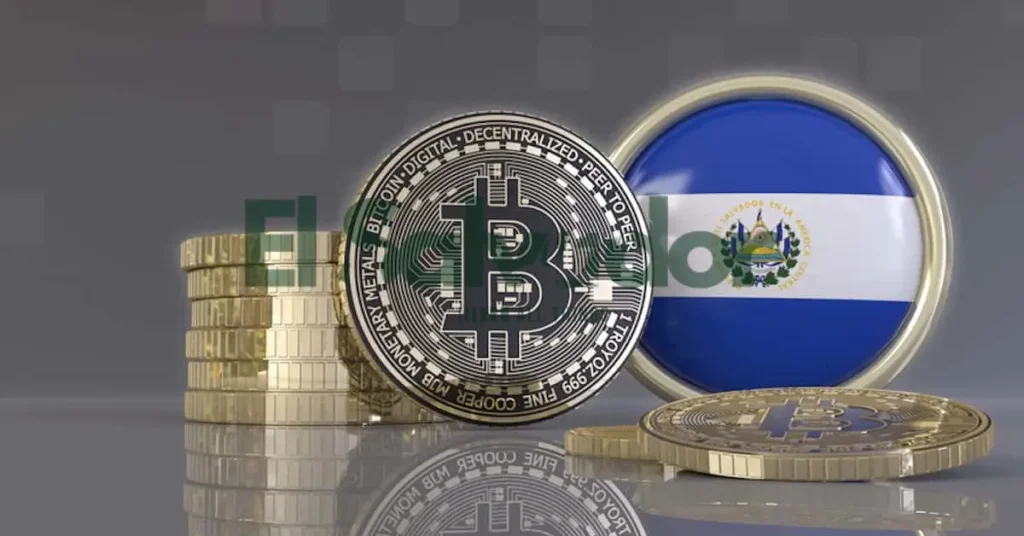
What’s confirmed: the program has been announced by the Salvadoran government. What’s still unclear: current processing speed, local appointment availability, and whether every applicant route is open everywhere yet.
For the freshest check, use the official immigration site and your nearest Salvadoran consular resource. If those sources disagree with older promotion pages, trust the official live pages and any current presidential or legal notice first.
What Is El Salvador’s Bitcoin and Freedom Visa?
El Salvador’s Freedom Visa is a residency route tied to a financial contribution, not a normal tourist visa. The government has described it as a way for investors and Bitcoin users to get a legal path into the country, with a focus on the nation’s Bitcoin branding and pro-investment message.
From official government and presidential communications, the usual headline is a Bitcoin-related contribution of about $1 million, often described as a mix of Bitcoin and U.S. dollars. That money is the big gatekeeper. It is not the same thing as buying a passport at the airport, no matter how much the name sounds like that after one too many airport coffees.
Here’s the part that trips people up. A visa, temporary residency, permanent residency, and citizenship are not the same thing. The Freedom Visa is usually talked about as a legal entry or residency pathway. It does not automatically mean permanent status or citizenship.
| What it is | What it is not |
|---|---|
| A Bitcoin-branded legal route linked to a financial contribution | A tourist stamp or casual entry permit |
| A pathway that may lead to residency | Automatic permanent residency |
| A government program aimed at investors and Bitcoin supporters | Citizenship by default |
So the simple version is this, it’s a high-cost immigration route with Bitcoin marketing wrapped around it.
What Bitcoin Actually Has to Do With the Application
Bitcoin is usually part of the payment story, not the whole legal story. The official messaging from El Salvador has tied the Freedom Visa and similar programs to a Bitcoin-based donation or investment, but the exact requirement can be more about how you pay than whether you already hold crypto.
| Question | What it usually means | Why it matters |
|---|---|---|
| Is Bitcoin mandatory? | Often yes for the payment path, but sometimes the branding sounds bigger than the rule. | Don’t assume you need to be a crypto trader just to qualify. |
| How do you pay? | Payment may be made in Bitcoin or converted value, depending on the official program setup. | Exchange rates can move fast, so the amount in dollars can change by the time you pay. |
| Do you need to custody Bitcoin yourself? | Sometimes yes, sometimes no, depending on whether you hold it before sending it. | If you self-custody, a slip in wallet handling can turn into a very expensive facepalm. |
| Does holding crypto affect eligibility? | Usually no by itself. | Eligibility is normally about the application rules, identity checks, and payment, not your personal crypto balance. |
Here’s the blunt part: Bitcoin can be mandatory as a payment method, but that does not always mean it is the reason you qualify. The legal requirement and the marketing narrative are not the same thing. One is the rule. The other is the shiny poster in the airport.
I wish someone had told me to watch the exchange rate before sending anything. That tiny number can wobble while you’re still waiting on a confirmation, and nobody wants to be the traveler squinting at a phone outside a hot office with sweaty palms.
For the cleanest reading, check the official El Salvador immigration or investment communications first, then match that against the Freedom Visa wording. That’s the part that tells you whether Bitcoin is a real requirement, an optional route, or mostly a branding hook.
Who This Route Fits Best
Some people land here and instantly relax. Others hear the paperwork talk and reach for a coffee, because this route is not the easy button.
- Crypto investors: This can be a good match if you want a place that takes digital assets seriously.
- Remote founders: If your laptop is your office and your team is spread out, this route can make sense. You get a real base without needing a fancy local office that just collects dust.
- Geographically flexible families: If school, weather, and day-to-day life matter more than old-school status, this can work well. The pace feels lighter, and yes, even the taxi drivers seem to have an opinion about everything.
- Early movers: People who like getting in before the crowd may see the upside first. That usually means more patience, more paperwork, and a little faith that the market hasn’t caught up yet.
| Best fit | Poor fit |
|---|---|
| Crypto investors, remote founders, flexible families, early movers | Anyone wanting a fast EU passport, minimal paperwork, or guaranteed tax benefits |
Eligibility Requirements and What You Need to Qualify
The first gate is simple, but strict, you need to prove who you are and where your money came from. The officer did not care about my fancy folder, only the boring paper trail.
- Identity: A valid passport is the usual starting point, along with any forms named in the official application instructions.
- Lawful source of funds: You need to show the money came from legal income, savings, business activity, investments, or another allowed source.
- Clean background: Many programs ask for police clearance and related checks, often with apostille or legalization.
- Basic documents: Expect passport copies, photos, civil records, and application forms listed by the government.
Source of funds
This is usually the real bottleneck. Bank statements, transaction trails, and proof of wealth origin are what slow people down, not the signature page.
Family inclusion
If the official rules allow family members, they usually need their own documents too. That can include marriage and birth records, plus proof tying everyone to the main applicant.
Requirements checklist
- Valid passport and identity details match across all forms.
- Proof that your funds came from a lawful source.
- Bank statements and transaction records that support the story.
- Police clearance and any apostille or legalization required.
- Basic civil documents, photos, and application forms.
- Family documents, if dependents are allowed under the official rules.
Requirements can change, so always check the official Government of El Salvador immigration pages and the latest official application instructions before you file.
Can You Bring a Spouse or Dependents?
- Check the official rule first: spouse and dependents can usually be included only if the program allows family inclusion.
- Separate or bundled: some applications are filed together, while others need each family member listed and screened separately.
- Bring the core documents: marriage certificate for a spouse, birth certificates for children, and valid passports.
- Use certified translations: any non-Spanish papers often need official translations.
- Plan for extras: family members may face extra background checks, medical steps, or added fees.
Spouse and dependents can be included only if the official rules say yes, so this is one of those spots where the fine print matters more than the glossy brochure. We sat with a sleepy taxi driver outside the office, paper stack in hand, smelling like rain and panic.
Check the official immigration pages and the application instructions, then gather the usual family proof, marriage certificate, birth certificates, translations, and any extra screening or fee forms, because missing one small page can slow the whole thing down.
How to Apply for El Salvador Residency by Investment
- Start with the official rules. Check the current eligibility criteria on the government application portal or the nearest embassy or consulate. The details can shift, and nobody wants a surprise from a missing requirement.
- Gather your paperwork early. You’ll usually need identity records, proof of funds, and investment documents.
- Check what needs apostille or notarization. Some papers must be legalized before filing, and mixing those up is a classic headache. If you’re unsure, compare your documents with Apostille vs notarization and the relevant Hague apostille guidance.
- Submit through the right channel. File your application through the official government route, or through the embassy or consulate if that is the required path for your case.
- Complete due diligence and pay the fees. Expect background checks and review of your source of funds. After that, pay the required contribution or filing fees exactly as instructed, because small payment mistakes can stall the whole thing.
- Wait for approval, then follow the next steps. Processing can take time, so keep copies of everything and watch for official updates. Once approved, you usually receive residency status that lets you live in El Salvador under the terms of the permit, with the rights and limits set by the program.
Documents You’ll Usually Be Asked For
Paperwork can feel boring until one tiny mismatch sends it back to the pile. I watched a clerk in a hot, noisy office flip through passports with the kind of face that says, “Yep, this one’s missing something.” Here’s the usual checklist.
| Document | Why it matters |
|---|---|
| Passport copy | Used to confirm identity and travel details. |
| Photos | Usually needed in the right size and format. |
| Proof of funds and source of wealth | Shows where your money came from and that you can support yourself. |
| Police clearance | Checks your criminal record status, if required. |
| Civil status documents for family members | Marriage, birth, or similar records may be needed for dependents. |
| Apostilles | Needed when documents must be legalized for another country. |
| Certified translations | Required if your papers are not in the accepted language. |
Expiration dates matter more than people expect. A passport photo that looks fine, a police clearance that’s expired, or a marriage record with a name mismatch can slow everything down. I stared at a printer jam in a government office, smelling burnt dust and bad coffee.
Common Application Mistakes to Avoid
- Mixing up visa, residency, and citizenship terms. Those words sound close, but they are not the same thing. A taxi driver in Lisbon once told me, “Paperwork loves confusion,” and honestly, he was right.
- Using old blog posts or random social media tips. Immigration rules change, and a post from last year can send you down the wrong road.
- Sending weak financial proof. Incomplete bank statements, blurry scans, or money that does not match your forms can trigger extra questions. If the funds look odd, the reviewer will probably notice before you finish your coffee.
- Missing apostilles, translations, or signatures. These are the tiny details that cause the biggest headaches. A missing stamp or unsigned page can stall the whole file, even when everything else looks fine.
- Skipping the final document check. I’ve seen travelers pack their bags faster than they check their forms. Verify every page, every date, and every required attachment before submitting.
Truth is, most delays come from small avoidable mistakes, not big dramatic ones. If something feels unclear, compare it with official instructions or immigration attorney guidance pages, then verify before submitting.
Costs, Fees, and Minimum Investment Questions
The headline number is usually just the government contribution, and that’s only part of the bill. The real cost usually includes legal fees, translation and apostille costs, travel costs, and sometimes payment friction if Bitcoin is involved.
Quoted minimums can vary across sources, so I’d treat them like a starting point, not the final number. The true all-in cost, because the surprise stuff shows up fast, especially with documents and flights. For a plain-English breakdown of legal work, see Immigration legal fees explained.
| Cost item | What it covers | Notes |
|---|---|---|
| Government contribution | The official minimum investment or donation | Often the headline figure people quote first |
| Legal fees | Application prep, review, filing support | Varies by firm and case complexity |
| Translation and apostille costs | Certified translations and document legalization | Can add up if you have many records |
| Travel costs | Flights, hotels, local transport, meals | Depends on how many trips your route needs |
| Payment-related costs | Bank fees or Bitcoin custody and transfer steps | Check handling rules before moving funds |
Official fee schedules and government payment instructions are the cleanest place to verify the base amount, then law firm fee pages help show the usual add-ons. If Bitcoin is part of the process, the wallet side matters too, so keep Bitcoin custody basics handy. Refundability should only be stated if the official rules or fee page clearly say so, because guessing here is a good way to get burned.
Timeline, Approval, and What Happens After You’re Approved
First comes the submission. Then the waiting game, which can feel weirdly loud and boring at the same time. Official processing guidance says timelines vary, so nobody honest can promise a fast result.
After that, you may get an approval notice from the immigration office or consular channel. Approval means your residency request was accepted. But that does not always mean every status step is fully active right away.
Next comes the resident card or other issuance step, if your case requires one. That is the bit that usually turns a green light into something you can actually carry around. If the office gives you pickup or mailing instructions, follow them exactly and keep every receipt.
Once approval lands, read the next steps fast. I’d also bookmark What to do after residency approval and How to maintain residency status. Some offices also post updates through official processing guidance or consular communications, and those notes matter when timing shifts.
After approval, your job is simple: keep your documents safe, watch for card issuance, and follow any reporting or address rules tied to your status. If renewal or extension is allowed under the official rules for your residency type, the office will spell out when to file. If not, don’t guess, because guesswork is how people end up in a painful line at 8 a.m. with cold coffee.
What Approval Means in Practice
Approval date is the first real milestone. That’s the day the office says yes, but your status usually turns active only when their system updates it, not the moment you stop refreshing your inbox like a maniac.
After that, the resident card gets issued, often later, through the immigration office or consular channel. This part can feel weirdly slow, because approval and card pickup are not always the same day.
Once approved, you still have ongoing obligations. In most cases, you need to keep your card valid, report changes if your address or job changes, and follow any instructions in the official processing guidance or office notice. The rule is simple: approval is the green light, but the card and the follow-up paperwork are what keep you in good standing.
El Salvador Residency by Investment vs Other Latin American Options
Speed is where the mess starts. El Salvador can feel quick on paper, but the real winner changes once you compare paperwork, fees, and family needs.
| Option | Speed | Cost | Document burden | Family fit | Lifestyle | Crypto-friendliness |
|---|---|---|---|---|---|---|
| El Salvador | Usually fast for the region | Often lower than Panama, but varies by route | Moderate, with route-specific checks | Can work, but rules are less known than Panama | Beach, city, and a very live-now feel | Very strong |
| Panama | Fast and well-trodden | Higher overall | Moderate to high | Strong for families and expats | Polished, practical, international | Moderate |
| Paraguay | Usually steady, not flashy | Lowest cost for many routes | Low | Good if you want simplicity | Quiet, simple, less built for expats | Low to moderate |
| Costa Rica | Slower and more document heavy | Often higher living and setup costs | High | Excellent for family life | Green, comfortable, outdoorsy | Low |
| Other regional routes | Varies a lot | Varies a lot | Often high | Depends on the country | Depends on the country | Usually low to moderate |
For the paper chase, Panama and Costa Rica usually ask for more. Paraguay is often the easiest. If you want a deeper side-by-side on those two, see our Panama vs Paraguay residency guide.
- Lowest cost: Paraguay usually wins.
- Easiest documentation: Paraguay, then El Salvador in many cases.
- Strongest crypto brand: El Salvador, no contest.
- Best family relocation: Panama or Costa Rica.
- Tax alignment: Depends on your home country and income type, not just the visa.
If I were choosing over coffee, I’d say this: El Salvador is for crypto-minded people who want a bold story and decent speed. Panama fits families and people who want a more polished landing. Paraguay is the cheap, quiet one that barely asks questions.
Costa Rica feels nicest for everyday life, but the paperwork can get old fast. The “best” option really depends on your goals, and if you want a broader lifestyle view, our Best countries for expats in Latin America guide helps make the tradeoffs less blurry.
Is El Salvador a Good Crypto-Friendly Relocation Base?
El Salvador is good for crypto branding, but it’s a mixed bag for full-time living. You’ll hear Bitcoin talk in airport taxis, hotels, and investor circles, and that’s the point. But the daily stuff, like banking, paperwork, and finding reliable services, can still feel a bit scrappy.
Banking access is usually the first reality check. Some foreigners get by with local accounts and fintech tools, but opening and keeping accounts can be slower than people expect, especially if your income is crypto-linked. For the official picture, check El Salvador tourism and investment sources, plus your home country’s consular guidance before you move.
Day to day, life can be comfortable if you like a warm climate, beach time, and a simpler pace. But services vary by area, and the better restaurants, internet, and health care are not always where the cheapest rentals are. The polished social media version and the real commute are two very different things.
For business, it can work well if you want a visible crypto base and easy networking. For safety and mobility, use the same caution you would anywhere, and read the U.S. State Department travel advice before booking anything long term.
Verdict: El Salvador is a solid fit if your goal is crypto visibility, regional travel, and a lower-key lifestyle with a strong brand story. It is less ideal if you need effortless banking, big-city services, and a very polished expat setup. If you want a base that feels bold and a little rough around the edges, it can work. If you want easy mode, it probably won’t.
Conclusion: Is El Salvador Residency by Investment Worth It?
El Salvador residency by investment is a real path for people who want a legal foothold in the country through money already going into the local economy, usually through approved investment routes. It can make sense if you want a simpler move, a base in Central America, or a second residency plan that does not feel like a full-scale life reset.
Worth it if you want clear residency options, can meet the investment rules, and are happy to do careful paperwork with official guidance. Skip it if you want a hands-off process, hate legal gray areas, or are hoping one permit will magically solve immigration, tax, and asset-protection questions all at once. Those three things sit in different buckets, and the taxi driver outside the hotel understood that faster than most first-timers.
The biggest caveats are changing rules, document checks, and the need to confirm everything with current official sources or a licensed advisor, like the Dirección General de Migración y Extranjería. Before you move money or sign anything, verify the latest government requirements and treat immigration, tax, and asset-protection decisions as separate calls.
Frequently Asked Questions
Is the Freedom Visa real?
Yes, it is a real immigration pathway tied to El Salvador’s official government process. I’d still check the latest rules on the official immigration and consular pages, because these programs can shift faster than a taxi driver changing lanes in San Salvador.
Can you bring a spouse or dependents?
Often yes, but each person may need their own supporting documents.
Is El Salvador’s Freedom Visa actually available right now?
Check the official immigration and consular pages before you act, because availability can change. I wouldn’t trust a random Telegram post or a “friend of a friend” who heard it from a hotel bartender.