
El Salvador with Kids: Family Travel Tips and Ideas
El Salvador with kids can be easy enough, if you keep the days simple. That meant picking kid-friendly stops, keeping rides short, and having cash handy for small buys.
I still remember a taxi driver in San Salvador pointing out the fastest route while my kid munched on a soggy cracker in the back seat.
For most families, safety and logistics matter more than packing every sight into one day. Choose places with shade, bathrooms, and food nearby, and don’t count on long museum marathons unless your kids are weirdly into that.
Here’s the thing, a little planning goes a long way here. Build in downtime, start early, and keep your expectations loose, because happy kids usually make the whole trip feel a lot smoother.
Key Takeaways for Visiting El Salvador with Kids
- Best family fit: Great for active families who like beach time, easy hikes, and a little adventure.
- Kid-friendly spots: El Tunco for easy waves and snacks, Ruta de las Flores for cooler towns, and the volcano views near Santa Ana.
- Safety basics: Stick to known areas, keep valuables low-key, and ask hotel staff about the safest routes. That saved us one very awkward taxi guess.
- Best season: Dry season usually works best, with less rain and simpler beach days.
- Transport note: Private drivers or prearranged transfers are easier with kids than figuring out buses after a long travel day.
- Big mistake to avoid: Packing too much into one day. Distances can feel short, but slow roads and tired kids say otherwise.
Is El Salvador a Good Place for Families?
El Salvador can work well for families who like beaches, volcano views, and short trips between stops. The country’s tourism board highlights easy day-trip style travel, and that matters when you’ve got kids who get cranky after two hours in a car. I remember a driver in San Salvador pointing out pupusa stands like it was a sport, and honestly, that kind of simple, local rhythm makes travel feel less stressful.
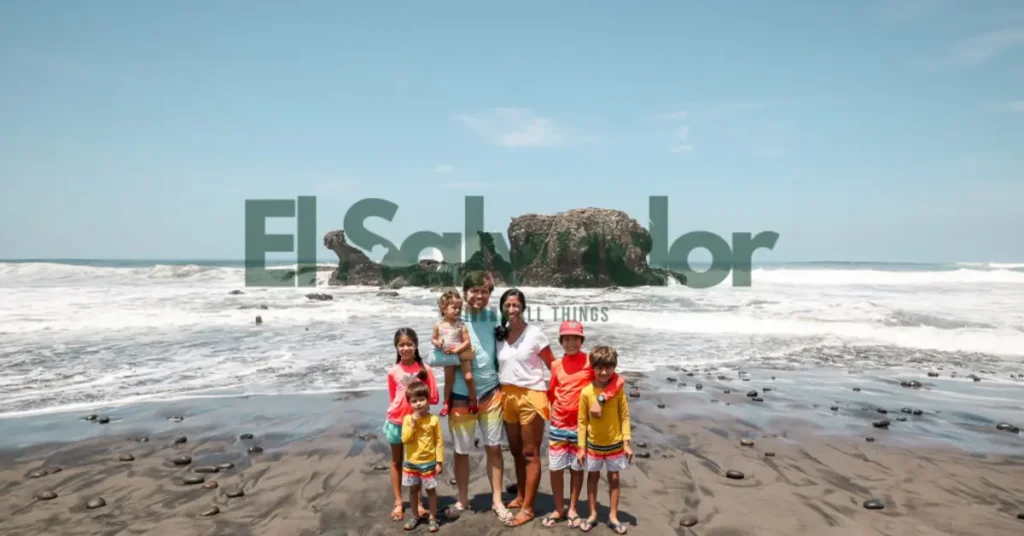
That said, the Central America travel safety tips matter here. The U.S. State Department advisory for El Salvador is a good reminder to check current guidance, especially for road travel and neighborhood choices. Families who do best here usually want beach time, are okay with planning ahead, and don’t mind keeping days fairly low-key.
| Pros | Cons |
|---|---|
| Short distances between many sights | Some routes and areas need extra caution |
| Good for relaxed beach and nature days | Not as easy for very young kids on busy travel days |
| Friendly local service in many tourist spots | Families need to stay on top of safety advice |
Family Trip Planning by Age Bands
Toddler trips run on naps, snacks, and the short memory of a goldfish. If the day gets too hot, too long, or too loud, the wheels come off fast.
| Age group | Attention span | Nap needs | Heat tolerance | Realistic activities |
|---|---|---|---|---|
| Toddlers | Very short. Plan 15 to 30 minute stops. | Usually need a nap or quiet time. | Low. Midday heat gets ugly fast. | Playgrounds, splash pads, stroller walks, short zoo visits. |
| School-age children | Medium. They can handle a few hours. | Usually no nap, but they still need breaks. | Better than toddlers, but shade still matters. | Museums, boat rides, city walks, beach time, guided tours. |
| Teens | Longer, if the activity feels worth it. | No nap, just food and downtime. | Higher, though they still get grumpy and dehydrated. | Adventure parks, longer hikes, food tours, markets, day trips. |
Toddlers do best with one big thing and a backup plan. The hotel staff saved us with a shady courtyard and a very patient fan.
- Toddlers: Keep transfers short and pick one main activity.
- School-age kids: Mix one activity with one easy meal stop.
- Teens: Give them choice, longer outings, and some free time.
For most families, the sweet spot changes fast by age. A two-hour museum can feel perfect for a seven-year-old and like pure prison for a three-year-old. Teens usually want more freedom, a later start, and fewer forced photo stops.
Safety Tips for Families Traveling in El Salvador
Safety in El Salvador really depends on where you are, how you get around, and what time you move. A busy city block at dusk feels very different from a beach town at breakfast, and a long road trip after dark is its own little headache.
- Keep valuables low-key. Use a day bag, not an open purse, and leave flashy jewelry at the hotel.
- Travel in daylight when possible. Roads are easier to judge, and you’re not arriving tired and distracted.
- Choose reputable transport. Ask your hotel, trusted guides, or official tourism staff for taxi and transfer options.
- Stay aware in cities and beach areas. Busy zones can feel calm one minute and messy the next, especially after dark.
According to current U.S. State Department and UK FCDO advice, families should check official guidance before each trip and keep plans flexible. Local tourism or emergency guidance can also help with route changes, road conditions, and area-specific advice.
How to Choose Safe Transport for Kids
Private drivers can be a nice break, especially after a long flight when everyone smells like sunscreen and airport coffee. The good part is door-to-door comfort and less hauling kids across busy streets. The catch is child-seat availability can be hit or miss, so I’d confirm it before booking.
Rental cars give you more control over stops, snacks, and nap meltdowns. But you also handle the seat yourself, the traffic, and the joy of figuring out where the wipers are in a new car. According to rental car company policy pages and local transfer provider child-seat policies, confirm seat availability and installation help before travel.
- Private drivers: Easy and direct, but ask about the exact seat type and whether they install it.
- Rental cars: Best for flexibility, but you may need to bring or fit the child seat yourself.
- Taxi or ride-hailing: Handy where available, but child seats are often limited or missing.
- Public transport: Cheap and simple, but not great with sleepy kids and heavy bags.
Daytime travel usually feels safer and less stressful. Roads are easier to read, help is easier to find, and you’re not squinting at signs while a child asks for crackers for the ninth time. Plan the route first, because a five-minute shortcut can turn into a goat-road drama fast.
Before you book, check the route, travel time, and pickup point. And if a provider says they have a child seat, ask who installs it and whether it fits your child’s age and size. That tiny question can save a very grumpy ride.
Best Family-Friendly Places in El Salvador
Family trips here work best when the day is simple and the roads are not a headache. After a few sweaty rides in the back of a taxi, I learned that the easiest places are the ones with short drives, easy food stops, and not much drama.
| Destination | Best for | Why it works for families | Caution points |
|---|---|---|---|
| San Salvador | single-base itinerary | Best for city days, museums, and easy restaurant access. Good if you want one hotel and less packing. | Traffic can be rough, so plan shorter outings with younger kids. |
| Lake Coatepeque | low-effort beach days | Calm water, boat views, and a slower pace. It feels like a reset after noisy city time. | Watch little kids near the water, and check swimming access at your exact spot. |
| Santa Ana volcano area | active kids | Great for older kids who like a hike and a big payoff view. The scenery is the loud part here, not the trail. | Best with sturdy shoes and decent fitness. Very small kids may get tired fast. |
| El Tunco and nearby surf towns | older kids and teens | Easy for beach time, sunset walks, and casual meals. | Big surf means stronger water conditions. Not ideal for toddlers or weak swimmers. |
| Suchitoto | easy cultural stop | Nice for a slower half day with pretty streets, local food, and low walking stress. | Best as a short stop or overnight, not a high-energy kid trip. |
If I had to rank them for pure family ease, I’d start with San Salvador, then Lake Coatepeque, then Suchitoto. The volcano areas and surf towns are better once kids can handle longer walks, heat, or rougher water.
Pick the place that matches your kids’ energy, not your fantasy itinerary. That saves a lot of tired faces, sticky snacks, and one very grumpy taxi ride.
Best Beaches for Families
- Calmer, shallow beaches are usually best for beginners and little kids. The water feels less wild, and parents can actually breathe for a second.
- Beaches with shade, toilets, and easy parking save the day. Trust me, a pretty stretch of sand gets old fast when someone needs a bathroom now.
- Wide sandy beaches with gentle entries work well for younger children. I noticed these spots felt less stressful when kids were running in and out like tiny caffeinated crabs.
- Older kids may enjoy beaches with a bit more surf, especially if they can swim well and follow rules. They tend to want bodyboards, waves, and room to roam.
- Beautiful beaches are not always the easiest. Some have strong surf, steep drop-offs, or tricky access, so the postcard view can hide a headache.
- Check surf strength and local safety notices before you go. Even calm-looking water can turn rough, and kids need close supervision near every tide line.
The nicest beach on photos can be the most annoying with children. Ask at the local tourism office or beach page for family-friendly access and current safety cautions, because a short walk, a lifeguard, and a calm inlet can beat a gorgeous but punchy shore every time.
Best Volcano and Nature Stops for Kids
Some stops are easy, breezy, and perfect for little legs. Others are full hikes, sweaty faces, and a few dramatic “I need a snack now” moments.
- Scenic viewpoint at a volcano park, easy visit. Best for younger kids and stroller-adjacent wandering. You get the big lava-field views without committing to a trail.
- Park visitor area or crater overlook, easy visit. Good for shorter attention spans.
- Short nature path, easy to moderate. Works well for mixed ages. Usually fine for younger kids who like walking, but plan for slow stops, rocks, and plenty of water.
- Full crater or forest hike, moderate to hard. Better for older, more active kids. These trails tend to be longer, steeper, and less forgiving if someone decides their shoes are suddenly “too annoying.”
- Guided trail to a lava tube or old volcanic feature, moderate. Best for older kids who can handle uneven ground. Here’s what happened to me: the guide kept a close eye on footing, and that made the whole thing feel a lot safer.
- Lookout stop with a short walk, easy visit. Great for younger children and tired parents. You still get the view, the breeze, and a quick win without the full hike drama.
For younger children, stick to viewpoints, visitor centers, and short paths. For older kids, save the bigger hikes for mornings, pack water, and expect dusty shoes, sore legs, and a lot of “are we there yet?”
Best Towns and Cultural Stops for a Slower Pace
For families who need naps, early dinners, and a stroller that doesn’t hate them, these places make life easier. We almost didn’t pick a calmer base on one trip, and wow, did our feet complain later.
| Place | Why it works for a slower family pace |
|---|---|
| Split old town | Flat, walkable streets, lots of cafés, and easy food stops between sights. |
| Trogir | Small and compact, with a calm waterfront and short sightseeing loops. |
| Zadar | Good for an easy base, with a relaxed promenade and simple sunset wandering. |
| Šibenik | Less rushed than bigger cities, with culture close together and plenty of slow breaks. |
| Korčula Town | Pretty for strolling, with quiet evenings and a gentle pace after lunch. |
| Rovinj | Easy to roam on foot, with a sleepy, coastal feel and lots of gelato stops. |
Pick the place with the easiest lunch-to-nap rhythm. A small town with good bakeries, shaded streets, and a short walk back to the room usually beats a bigger, “must-see everything” base.
According to official tourism pages, these towns are set up well for strolling and culture, without turning your day into a sprint. That means fewer meltdowns, more coffee, and a better chance the kid actually sleeps.
Where to Stay in El Salvador with Kids
Family base choice in El Salvador usually comes down to one thing, how much moving around you can handle before everyone gets cranky.
| Base type | Walkability | Quiet nights | Beach access | Day-trip ease |
|---|---|---|---|---|
| Beach base | Low to medium | Usually quieter once you’re tucked in | Best | Good for coastal stops |
| Central city base | High | Mixed, depends on the street | Poor | Best for mixed sightseeing routes |
| Quieter inland base | Low | Best | Poor | Strong for volcano, lake, and culture day trips |
Beach bases tend to work best with younger kids who need sand, snacks, and a nap without a lot of driving. Central bases suit older kids and families doing museums, food stops, and shorter hops. Quieter inland bases are good when you want cool evenings and calmer sleep, which can save everyone’s mood by day two.
If your trip is mostly beach time, stay near the coast and keep it there. If you’re mixing volcanoes, towns, and a little beach, one central base often beats three hotel moves and a pile of suitcase drama.
According to official destination pages and tourism board resources, the best base usually follows route access and family-friendly areas, not just the prettiest photo. That matched what we heard from a taxi driver who laughed when we asked about “doing it all” in one day.
For families with toddlers, fewer hotel moves is usually the smart call. For school-age kids, one or two bases can work better, but only if the drives stay short and the nights stay calm.
How to Plan the Right Family Trip Itinerary
Family trips usually need more breathing room than solo trips. A good rule from local tourism itineraries and route maps is to plan around real drive times, not map distance, because 80 quiet miles can still eat half a day once you add snack stops, bathroom breaks, and one kid who suddenly hates car seats.
| Family type | Minimum viable trip | Pacing rule |
|---|---|---|
| With toddlers | 3 days | One base, one main outing a day, no long transfer days |
| With school-age kids | 4 days | Two bases max, keep drive days under half the trip |
| With teens | 5 days | One bigger move is fine, but not back-to-back transfers |
My minimum viable trip rule is simple: if the family can’t handle at least one full easy day after arrival, it’s too tight. And if moving between places takes more than the actual fun part, the itinerary is too busy.
- Pick fewer stops. Two great bases beat four rushed ones.
- Cluster nearby sights. Keep each day in one zone if you can.
- Build in one lazy block. Pool time, park time, or a long lunch saves everyone.
- Check destination guides first. See the details in destination-specific guides before locking the route.
For pace, I’d keep toddlers and younger kids on a low-transfer trip, usually two nights minimum per stop. School-age kids can handle a little more movement, but the best days still feel like the ride was short and the snacks were close.
For example, if a guide says a route looks short on paper, trust the drive time more than the mileage. The road, the ferry, the mountain pass, or that one “quick” detour to a viewpoint can turn a cute plan into a cranky car full of crumbs.
Sample 5-Day Family Itinerary
Day 1: Arrive, drop bags, and keep it easy. We usually do one simple beach stop, then a low-key dinner close to the hotel because jet lag is rude.
Day 2: Spend the morning on the water or by the shore. After lunch, do one short cultural stop, like a market or old town walk, then head back before the kids start melting.
Day 3: Go for a nature outing with limited transfers. A short trail, boat ride, or park visit works well, as long as you leave time for snacks and a lazy afternoon.
Day 4: Keep this one flexible. Plan pool time, reading, or a slow café stop.
Day 5: Save one final easy activity near your base, then pack up without rushing. If rain hits or the kids are done with life, swap in a museum, aquarium, or indoor play spot. According to destination pages and transfer timing guidance, short hops like these usually keep the day sane.
Best Time to Visit El Salvador with Kids
Dry season, usually the easier pick, tends to mean sunnier beach days and simpler road trips. That dry weather helps kids spend longer at the coast and makes hikes less muddy and slippery.
Rainy season can still work, but you get more afternoon showers, sticky heat, and that heavy humidity that makes everybody cranky fast. Beach plans can get cut short, and mountain trails may feel slick or foggy. Roads can also slow down after hard rain, so travel between towns takes more patience than usual.
A short walk can feel much bigger once the air turns thick, so early starts help a lot. Pack light clothes, hats, water shoes, and extra snacks, because a grumpy kid in a hot car is a whole mood.
If I were planning again, I’d lean toward the dry months for the easiest family trip. But if you travel in the green season, keep the days loose and the expectations softer. According to official tourism and travel health guidance, the real trick is matching weather to your comfort level, not chasing perfect conditions.
Getting Around El Salvador with Kids
Private transfers and rental cars were the easiest moves for us with kids and luggage. Public buses can work, but they get cramped fast, and nobody wants a sleeping child wedged between a backpack and a chicken basket.
- Private transfers: Best for airport runs, long drives, and tired kids. Ask about comfort, luggage space, and child seats before you book, just like rental car companies and local transfer operators recommend.
- Rental cars: Good if you want flexibility and you’re fine driving. Check road conditions, insurance, and child-seat setup before you pay.
- Public buses: Cheapest, but they can be rough with small kids, strollers, and big bags. Stops can be slow, seats fill up, and there’s not much room for chaos.
| Option | Kid comfort | Luggage space | Best for |
|---|---|---|---|
| Private transfer | High | Good | Airport trips, longer rides, nap time |
| Rental car | High if seats fit well | Good | Flexible family days and multiple stops |
| Public bus | Low to medium | Poor | Light travel, short hops, patient adults |
Roads, traffic, snack stops, and sleepy kid meltdowns make everything longer. Build in extra time, then add more.
If a route says two hours, plan for two and a half or more, and keep water, snacks, and a backup shirt handy. Your future self will thank you when the car smells like crackers instead of panic.
Do You Need a Car Seat or Booster?
Yes, maybe. But don’t assume it comes with the ride. Child seats are not always standard, and that caught me off guard once while dragging a sleepy kid through a hot airport pickup lane.
The smart move is to confirm the seat type before you book. Ask if they have an infant seat, a car seat, or a booster, because those are not the same thing.
Also check installation help. Some transport providers and rental car policy pages say seats are available, but that does not mean someone will install it for you. I wish someone had told me that before I stood there with a plastic buckle and a stranger shrugging at me.
And don’t forget the vehicle size. A booster in a tiny sedan can feel like stuffing a winter coat into a carry-on. If you have more than one child seat, or a bigger kid who still needs one, make sure the car actually fits everyone safely.
Before booking, confirm these three things:
- Seat type, infant seat, car seat, or booster.
- Installation help, who provides it and when.
- Vehicle size, especially for multiple seats or tall kids.
It only takes one quick call or message, and it saves a lot of sweaty curbside drama.
What to Pack for El Salvador with Kids
Heat, humidity, and surprise rain showed up fast for us, so the bag had to work hard. I wish someone had told me to pack like we’d be sweating, splashing, and waiting around an airport gate with cranky kids all in one day.
- Light clothes: Thin tees, shorts, and one long-sleeve layer for cool buses or over-air-conditioned places.
- Rain gear: Pack a small rain jacket or poncho and quick-dry clothes. Afternoon showers can hit hard and leave everything damp.
- Sun protection: Bring reef-safe sunscreen, hats with brims, and kid-sized sunglasses. The sun feels sharp even on cloudy days.
- Hydration: Refillable water bottles for everyone, plus electrolyte packets if your kids get wiped out fast. Warm weather makes water disappear fast.
- Footwear: Sandals with straps, comfy walking shoes, and one pair that can get wet. Flip-flops alone got tossed in our bag after one muddy curb.
- Snacks and transfers: Crackers, fruit pouches, granola bars, and one very bribable treat for long rides.
- Entertainment: Headphones, a few downloaded shows, crayons, cards, or a tiny toy. Transfers get long when kids are staring out the window counting chickens.
- Documents and health items: Passports, copies, travel insurance details, and any kid medicines in the original packaging.
- Family extras: Wet bags, wipes, a spare outfit for each child, and a small first-aid kit.
Food, Water, and Health Tips for Families
Bottled water was the first thing we grabbed after a long taxi ride. Kids get cranky fast when the air feels hot and sticky, so keep water close, not buried in a day bag.
- Buy sealed bottled water from busy shops or hotel staff you trust.
- Keep a spare bottle in the room for nighttime thirst.
- Check caps before you hand bottles to kids.
Food safety matters just as much. The CDC Yellow Book and WHO travel guidance both push the boring but smart stuff, like washing hands, eating food that’s cooked hot, and skipping anything that sat out too long. Street snacks can be great, but I once watched a hotel clerk sniff a mystery pastry like a detective, and that felt like a message.
For snack gaps, pack backup foods your kids will actually eat. Crackers, cereal bars, plain biscuits, and fruit that can be peeled are usually easier than a full sit-down meal when everyone is tired and weirdly dramatic.
Meal timing helps with the meltdowns. Try a light breakfast, an early lunch, and a calm dinner before everyone turns into a puddle. If your child gets heat-tired, offer water often, keep them in shade, and watch for dry lips, headache, or that flat, sleepy look.
Truth is, tired kids need more than snacks. They need shade, a break, and something familiar in their stomach before the day gets too loud.
What to Do If a Child Gets Sick
Fever, vomiting, and dehydration can show up fast on the road. Pack for that before we were stuck in a tiny hotel room with a cranky child and a dead phone charger.
- Check symptoms early. If your child has trouble breathing, won’t wake up, has a seizure, or seems very dehydrated, get help right away.
- Know your insurance details. Keep the policy number, emergency number, and claim steps in your day bag.
- Bring prescriptions. Pack medicines in original bottles, plus a written list of doses and allergies.
- Find care before you need it. Look up nearby clinics and pharmacies before arrival, and save the addresses offline.
- Keep a small sick-day kit. Add fever medicine, oral rehydration packets, a thermometer, wipes, tissues, and a spare outfit.
Ask the hotel front desk or a local shop worker where the nearest clinic is. On one trip, a taxi driver pointed us to a pharmacy that smelled like mint and soap, and that saved us a lot of panic.
If your child can drink, offer small sips often and keep them cool and rested. And if something feels off, trust that gut feeling and get medical help sooner rather than later.
Common Mistakes Families Make in El Salvador
El Salvador looks tiny on a map, and that’s where families get tricked. The roads can be slow, hot, and a little tired, and one driver once told me, “That’s close, but not fast.” He was right.
- Thinking short distances mean short drive times. A beach, volcano, or town can look close and still eat up your day. The fix is simple, build in extra time and treat road trips like part of the trip.
- Using too many bases. Packing bags every other night gets old fast, especially with kids and sweaty clothes that never quite dry.
- Stacking activity days back-to-back. Two hikes, a hot market, and a long beach day can leave everyone cranky by dinner. Mix in slow mornings, pool time, or one “do nothing” afternoon so nobody melts down.
- Underestimating the heat. The sun can feel brutal by midday, even on a day that starts out mild. Carry water, start early, and keep the hardest stuff for the morning.
- Picking activities that don’t match your kids. A big zipline day sounds fun until someone is hungry, scared, or over it by 10 a.m. Match the plan to your crew, not the glossy photos, and leave room to bail early.
Truth is, families do better here when they plan less and breathe more.
Budget Tips for a Family Trip to El Salvador
Food in El Salvador can be cheap, fast, and really good if you skip the touristy spots. We ate at small comedores near busier streets, and the pupusas smelled like a griddle dream before they even hit the plate.
- Save on food: Eat where locals line up. Pupusas, soups, and fruit drinks usually cost less than hotel meals, and kids can share plates.
- Save on accommodation: Pick a well-located base for a few nights instead of moving every day. A central spot cuts taxi time and saves your sanity, which matters when someone is tired and sticky by 4 p.m.
- Save on activities: Mix free beach time, town wandering, and one or two paid tours. Many family-friendly stops are low-cost, so you do not need to spend every day like it’s a theme park.
- Spend more here: Private transfers make sense for airport runs, long drives, or late arrivals. Official tourism and booking info tends to back comfort and route efficiency for families, and honestly, after a long travel day, that extra money feels well spent.
A quiet room, an easy pickup, and a base near what you want to see can save more energy than money, and that’s the real family budget trick.
Why El Salvador Can Work Well for Families
El Salvador can be a good fit for families because it’s compact, sunny, and easy to shape into a simple trip.
The best parts usually come from keeping days short and predictable. Beach stops, coffee towns, and easier city outings can work well if you avoid packing too much into one day.
That said, logistics matter. Traffic can be slow, sidewalks can be rough, and some areas make more sense than others, so smart transport beats random wandering every time.
I still remember a taxi driver in San Salvador laughing when we tried to cram too much into one afternoon. He basically told us, gently, that kids don’t care about your grand itinerary, they care about snacks, shade, and getting back before the mood turns ugly.
If you keep the route simple, El Salvador can feel warm, manageable, and surprisingly family-friendly. Fewer transitions, smarter transport, and age-appropriate activities.
Frequently Asked Questions
Is El Salvador safe for families?
Mostly, yes, if you stick to the usual common sense stuff. I’d still check the latest advice from the U.S. State Department and the UK FCDO before you go, because local conditions can change fast.
What is the best area to stay with kids?
San Salvador and beach areas with family resorts are the easiest bets. We liked places with short drives, decent restaurants, and staff who didn’t blink when kids got sandy, sticky, and loud.
How many days do you need in El Salvador with kids?
Five to seven days works well for most families. That gives you room for one beach stop, one volcano day, and one slow day where nobody has to be heroic.
Can you visit beaches and volcanoes in one trip?
Yes, and that mix is half the fun. Just keep travel days short, because kids get cranky fast in a hot car with snack crumbs everywhere.
What should kids wear in El Salvador?
Go with light, breathable clothes, sun hats, and closed shoes for volcano hikes.
What is the best time to visit El Salvador with children?
The dry season is usually the easier choice for families. Fewer rain delays means less drama, fewer muddy shoes, and fewer “why is everyone miserable?” moments.
Do you need a car seat or booster in El Salvador?
Yes, if your child still needs one, bring it or arrange one ahead of time. For transport rules and safety, I’d double-check local guidance and read back through the transport section before booking.
What are the best family-friendly places in El Salvador?
Beach towns, volcano viewpoints, and a few easy cultural stops work best with kids. The official tourism board has solid ideas, and I’d pair that with the earlier family itinerary picks so you’re not guessing on the fly.
What should you pack for El Salvador with kids?
Pack sunscreen, hats, water bottles, insect repellent, light layers, and a small first-aid kit. The packing section has the full list, but honestly, snacks and wipes deserve their own tiny suitcase.