
El Salvador for Solo Female Travelers in 2026: Safety + Tips
El Salvador is doable for solo female travelers in 2026, but it is not a place to wing it. The best trips here still run on planning, daylight moves, and a little street smarts, especially if you are traveling alone for the first time.
That said, it can feel surprisingly easy once you get the basics right. I’ve had hotel staff point me to the safe taxi, a shop owner warn me which street to skip, and a driver tell me, bluntly, “don’t be out here late.” That kind of honesty helps.
Here, we’ll keep it real about safety, where to stay, how to get around, what to avoid, and whether El Salvador is worth the trip right now. Because the answer is not a simple yes or no, it depends on how you travel.
Key Takeaways for Solo Female Travel in El Salvador
- Good fit in 2026? Yes, for careful travelers, especially if you want a shorter, planned trip. It’s not a casual wander-and-see-everything place.
- Safest travel style: Base yourself in known spots, book ahead, and move in daylight. Quiet hotel staff and honest taxi drivers can be gold when you ask the right questions.
- Biggest risks: Street crime, sketchy areas after dark, and transport mix-ups. The random cheap ride that “should be fine” is usually the one that gets weird.
- Best bases: San Salvador for logistics, Santa Ana for volcano trips, and select beach areas like El Tunco if you want a social, easygoing base. Pick places with strong reviews and easy access.
- Transport caution: Use trusted transfers or rides arranged by your hotel when possible. Long bus rides can be slow and awkward, and late arrivals are bad news.
- Remember the top five: check current advisories from the U.S. State Department and UK FCDO, stay in safer neighborhoods, avoid night travel, keep valuables low-key, and trust your gut.
Is El Salvador Safe Enough for Solo Female Travelers in 2026?
Generally, yes, with planning, but it’s not a carefree destination. Safety here depends a lot on street movement, transport, nighttime conditions, and the tourist zones you stick to. “Safe enough” in El Salvador often means clean, busy, and calm by day, then a whole different vibe after dark.
Here’s the simple rule I kept hearing from hotel staff and drivers: green means daytime in known tourist areas with pre-booked transport, yellow means moving carefully in less familiar neighborhoods or after sunset, and red means empty streets, late-night solo rides, or places that local advice says to skip. Green is usually worth it. Yellow needs real judgment. Red is not worth the risk, even if the view looks cute on Instagram.
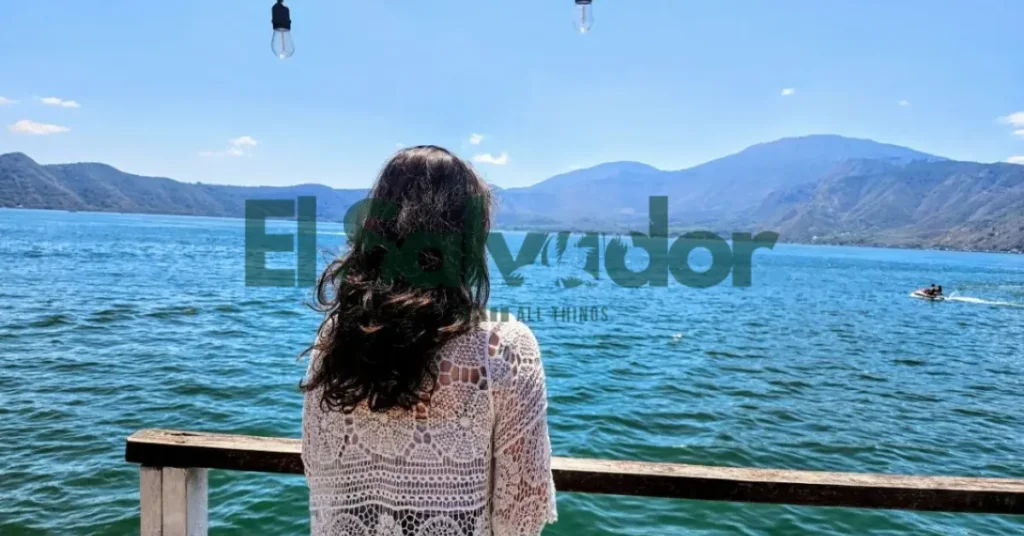
That’s the big difference between “safe enough” and “not worth it.” Safe enough feels normal, like walking from your hotel to dinner in a busy area or taking a trusted ride to a beach town. Not worth it is wandering alone at night, using random transport, or treating every part of the country like a tourist bubble. Official travel advice from the U.S. State Department and UK FCDO still urges caution, so the smarter move is pairing that reality with local advice from your hotel and the El Salvador Ministry of Tourism.
What experienced solo travelers wish they knew first
- Give yourself an arrival buffer. My worst solo-travel mistake was landing tired, hungry, and running late. Flights slip, trains crawl, and a “20 minute” taxi can turn into a sweaty hour with traffic and a driver who swears he knows a shortcut.
- Prebook the first night. After a long day, the last thing you want is dragging a bag through a weird neighborhood while every hotel sign looks vaguely fake.
- Test the route before dark. If you can, do your first walk or taxi run in daylight. Streets feel totally different after sunset, and that quiet corner by the station can suddenly feel too quiet.
- Don’t trust vague hotel assurances. “Safe area,” “easy walk,” and “just around the corner” can mean almost anything. I’ve had front desks shrug, smile, and send me toward a road with no sidewalk and one flickering lamp.
- Check transport details yourself. For ride times, last trains, and airport links, I always compare official transport pages with traveler chatter. The crowd usually catches the stuff the brochure skips.
Truth is, the first few hours set the tone. If you land with a plan, a booked bed, and a route you’ve already tested, you breathe easier and move smarter.
Where Solo Female Travelers Should Stay in El Salvador
The best place to stay is not just about the neighborhood name. Lighting, walkability, reception hours, and how close you are to transport matter just as much. I’ve seen a pretty street turn sketchy after dark, and a plain hotel with a night desk feel like a tiny victory.
- San Salvador: Good for first nights, airport runs, and easier transport. Pick busy, well-lit streets and check that reception is open late.
- Santa Ana: Handy for the historic center and day trips. Stay near the main square or transport links, not down a dark side street with one flickering bulb.
- El Tunco or El Sunzal: Best for beach time and other travelers. Walkability can be great, but choose a property close to the main road or beach path.
- Suchitoto: Calm, pretty, and easy to manage on foot in the center. A small inn near town is usually nicer than a flashy place far out.
Here’s the thing, a good property in a mixed area can beat a weak property in a trendy one.
Quick solo-female checklist: bright entrance, staff on-site at night, clear reviews about safety, easy access to taxis or buses, walkable food options, and a room that locks properly. I always check lodging reviews on Google Maps and then compare them with local hotel or hostel sites.
Best bases for first-time visitors: San Salvador, El Tunco, and Santa Ana
For a first trip, these are the three bases that make the most sense. Each one has a different vibe, and your bus rides will thank you for picking the right one.
| Base | Best for | What it feels like |
|---|---|---|
| San Salvador | Logistics, airport access, and easy transport | Busy, practical, and best if you want to keep moving without drama |
| El Tunco | Beach time and social ease | Laid-back, walkable, and full of backpackers, boards, and sunset chatter |
| Santa Ana | Inland day trips and volcano access | Smaller, calmer, and a smart base for the western highlands |
- San Salvador works best if you want the easiest logistics and the widest transport options.
- El Tunco is the beach pick. It’s the easiest place to settle in fast, grab pupusas, hear the waves, and meet other travelers without trying too hard.
- Santa Ana is great for day trips and volcano access, especially if you want to pair nature with a quieter town.
Best for solo women without a car: El Tunco, because it’s the easiest place to move around on foot and meet people. If your trip is more about transport ease than beach time, San Salvador is the next easiest bet.
Places and Situations to Be More Cautious About
Some places feel fine in daylight, then get weird fast after dark. The biggest risk is usually not the map pin, it’s the conditions, poor lighting, few people around, and no easy way out if plans change.
- Nighttime walking in unfamiliar areas. If you don’t know the streets, dark makes every corner feel farther away. A lively block can turn quiet fast after 9 p.m.
- Remote beaches after sunset. They can be beautiful and empty in the best way, but that emptiness also means fewer eyes, fewer rides, and less help nearby if you need it.
- Isolated roads. Long stretches with little traffic sound peaceful until you need fuel, a phone signal, or a lift. One local driver once told me, “It’s nice here, until it isn’t.”
- Unlit streets and alleys. Even short walks can feel off when you can’t see who’s around, and shops are shut. A street that feels harmless at noon can feel much riskier after dark.
- Late arrivals without a plan. Landing late, missing the last bus, or showing up after midnight is where people get caught out. If your hotel pickup, taxi, or route isn’t sorted, the whole arrival can turn into a messy little circus.
Truth is, the safer move is usually simple: check local transport guidance, ask hotel staff what feels normal at night, and trust the people who live there. Official travel advisories are worth a look too, especially for night travel and remote areas.
Getting Around Safely as a Solo Woman
The airport ride is where a lot of solo trips get weird fast. I’ve had drivers wave me over, names spelled wrong on signs, and one guy who claimed my hotel was “just around the corner” when it was absolutely not.
Here’s the cleanest way to choose by situation:
| Situation | Best choice | Why it works | Watch for |
|---|---|---|---|
| Airport arrival after dark | Prebooked transfer or official airport taxi | You avoid bargaining in the arrivals crush. | Match the driver name, car plate, and price before you get in. |
| City movement in daylight | Ride-hailing or walking short blocks | Fast, easy, and less awkward than street hails. | Check the route on your phone before moving. |
| Intercity travel | Reputable bus or shuttle operator | Usually clearer on prices and schedules than random taxis. | Use the official operator site and confirm pickup points. |
| Beach hops | Hotel shuttle, ride-hailing, or licensed taxi | Better for hot roads, long walks, and gear in your bag. | Agree on the fare first if the app is spotty. |
| Evening returns | Ride-hailing or a booked taxi | You can track the car and avoid street confusion. | Don’t accept a “cheaper” ride from someone who finds you. |
For airport arrivals, I liked having the hotel send a driver or using the airport’s official transport info first. That way, I knew the pickup spot, the price, and the car type before I stepped outside into the warm, loud chaos.
Before you get in any car, check three things: the driver’s name, the route on your map, and the total price. If the driver gets vague, changes the route, or says “trust me,” I’d pass and wait for the next one.
For city movement, ride-hailing is usually the least annoying option if you’re alone and it’s hot. Walking works for short daylight hops with busy streets, open cafés, and people around, but I wouldn’t do long empty stretches while staring at my phone like a lost tourist snack.
If your Spanish is limited, save your hotel name, destination, and fare in a notes app. Then show the screen, point to the map, and keep it simple. A driver at the curb once smiled, saw my terrible pronunciation, and said, “No worries,” which honestly saved everyone a headache.
Airport Arrival, Night Arrivals, and First-Night Safety
Late landings are where trips get messy fast. The baggage carousel hums, the air smells like stale coffee, and suddenly every bad taxi decision looks tempting.
- Book the first night in advance. A confirmed room means you are not hunting for beds at midnight with dead-tired eyes.
- Save your booking details offline. Keep the hotel name, address, check-in notes, and confirmation email on your phone and on paper.
- Keep cash easy to reach. Put a little local currency in a front pocket or small wallet. Night arrivals are not the time to dig through your whole bag.
- Use official airport transport. Check the airport official website before you fly, then stick to approved taxis, shuttles, or prebooked rides after dark.
- Avoid improvised transport. If someone at the curb says “trust me,” that is your sign to walk away. I’ve heard that pitch from more than one sleepless driver.
- Share your itinerary with a trusted contact. Send your flight number, arrival time, hotel address, and ride plan before you leave home.
- Check your accommodation policy. Save the confirmation from your booking site or hotel, so you know late check-in rules and who to call if plans slip.
Before you go, make sure a trusted person knows where you’ll sleep, how you’re getting there, and when you expect to check in. That small step can save a lot of panic in a dim airport lot.
Public transport, shuttles, and taxis: what solo travelers should know
Public transport is cheap and lively, but it can be a pain when you’re tired, jet-lagged, or dragging a bag that feels made of bricks. I’ve stood in a bus station at dusk, smelling diesel and fried food, while a hotel clerk pointed me toward the wrong platform. Fun memory. Not.
| Option | Best for | Watch out for |
|---|---|---|
| Verified taxi | First-time solo travelers, late arrivals, short city hops | Higher cost, ask for the official meter or fare first |
| Arranged shuttle | Airport runs, hotel pickups, unfamiliar routes | Fixed pickup times, less flexible if you miss it |
| Public transport | Daytime travel, simple routes, low-budget trips | Crowds, transfers, and less help if something goes wrong |
Verified taxis or booked shuttles are easier when you land late, feel wiped out, or just want one less thing to think about. On my first solo trip, because the driver who met me at the curb knew the hotel lane, the bags, and the local chaos without me saying a word.
Public transport can work well if the route is direct, the schedule is clear, and you’re moving in daylight. It’s usually less ideal if you arrive after dark, have multiple transfers, or need to be somewhere on the dot. A packed bus with luggage and no clear signs is not the vibe.
- If you land late, then take a verified taxi or arranged shuttle.
- If the route is simple and runs often, then public transport can be fine.
- If you’re tired, lost, or carrying too much, then pay for the easier option.
- If you’re unsure, then check official tourism transport guidance or your hotel first.
What to Wear, Carry, and Share as a Solo Female Traveler
Heat, humidity, and long walks will humble you fast. I learned that the hard way in a sticky beach town where my shirt clung like wet paper and my day bag felt like a brick.
- Wear clothes that move with you. Loose, breathable fabrics beat cute-but-sweaty outfits. Think light layers, comfy shoes, and one modest layer for temples, churches, or dinner in town.
- Plan for beach-to-city swaps. A sarong, dry shirt, and simple sandals make it easier to go from sand to taxi without looking like you just got dragged out of the ocean.
- Keep it low attention. Skip flashy logos, giant jewelry, and anything that screams “tourist with a shopping budget.” Locals notice more than you think.
- Carry the boring safety stuff. Phone, small cash, card, passport copy, offline maps, translated address info, emergency contacts, and a power bank. The unglamorous pile is the one that saves your day.
- Protect valuables without making a scene. Use a zipped crossbody or money belt under clothes for backups. Keep one easy pocket for tiny cash so you are not fishing around at every snack stop.
So charge your phone at night, save offline maps and a few key contacts, and keep your hotel address translated in your notes. If you get turned around, a taxi driver or shop clerk can read it fast, which is worth its weight in cold bottled water.
Simple personal safety habits that make a big difference
The little stuff matters most. I learned that on a noisy bus where the driver had one hand on the wheel and the radio blasting, and the woman across from me kept glancing up from her phone like she had a sixth sense.
- Do keep your headphones low or off in busy spots. You catch more than you think, like a bike bell, a shouted name, or the sound of someone coming up behind you.
- Don’t stare at your phone while crossing streets or walking on sidewalks. I’ve seen too many people drift like sleepwalkers, and that’s usually when curb edges and scooter wheels show up.
- Do sit near the driver, staff, or other travelers when it makes sense. On shared rides and buses, that simple choice can make you feel more settled, and it’s easier to ask a question if something feels weird.
- Don’t ignore that quiet off feeling in your gut. If a street, taxi, or room gives you bad vibes, leave early and move on. I’ve done the awkward “sorry, changed my mind” shuffle more than once.
Most of this is just staying aware without acting scared. A hotel clerk once told me, “Trust the small signal,” and honestly, that stuck.
How to stay connected and ready without overcomplicating your trip
- Get data sorted before you land. An eSIM or local mobile data plan saved us from airport Wi-Fi chaos and that sad little loading wheel.
- Turn on live location or set quick check-ins. We shared ours with one trusted person, so someone always knew where we were after dark or after a long taxi ride.
- Save the boring stuff offline. Keep your hotel name, address, and phone number on your phone, plus emergency numbers from official sources like official emergency number resources.
- Keep a backup way to pay. One extra card and a small cash reserve saved us when a card reader in a tiny shop gave up with zero warning.
- Know your stay details by heart and on screen. Save your accommodation contact page and booking info offline, because hotel staff don’t always speak fast, and your signal may not either.
Tech failsafe
Battery: carry a charged power bank and a cable you actually tested.
Signal: if your carrier or eSIM provider has coverage notes, read them before you go.
Offline access: save maps, screenshots, and key contacts on your phone, not just in the cloud.
Our first trip, when my phone hit 2% and the station smelled like wet fries and diesel. A little prep kept us calm, and that matters more than fancy travel gear.
Common Scams, Harassment, and Red Flags to Watch For
One taxi driver once said, “special price, just for you,” and I knew we were already in goofy territory. That’s the vibe to watch for, weirdly smooth talk, rushed decisions, and prices that shift like bad Wi-Fi.
- Overfriendly strangers: Someone is suddenly your best friend and wants to “help” with directions, money exchange, or a ride. A real local may be kind, but pressure usually shows up fast.
- Pressure to change plans: “Your hotel is closed,” “that street is unsafe,” or “this place is better.” Sometimes it’s just a scammy detour to a commission stop.
- Unlicensed transport: No meter, no visible license, no company name, or a car that looks like it found you by accident.
- Unclear pricing: If the price keeps changing, ask again before you move another step. Reputable U.S. State Department travel guidance and local tourism sites both push this same boring, useful advice.
- Harassment basics: If someone follows, blocks, grabs, or keeps touching you after a clear no, treat it as serious. Raise your voice, move toward staff or other travelers, and don’t worry about being polite.
What to say / what to do: “No thanks, I’m set.” “Please stop.” “I already booked.” Then step into a shop, hotel lobby, or busy spot, and call a trusted number or use a reputable booking platform. If the person keeps pushing after that, leave immediately. No debate, no extra smile, no hero move.
What to do if someone makes you uneasy
- Move toward a public or staffed space right away. I’ve done the awkward little walk toward a hotel desk or a busy shop counter, and it helps fast. More eyes, more noise, less weirdness.
- Use a firm exit line. Keep it short: I’m leaving now, or Back off, please. No big speech. The goal is to end it, not win a debate with a stranger who already lost the plot.
- Ask hotel or shop staff for help. Say exactly what’s happening, and stay near them. Most staff know how to call security, watch the door, or help you get a taxi.
- Escalate if you need to. If the person follows you, keeps touching you, or blocks your path, call local emergency contacts or ask staff to do it. If you’re staying somewhere with a security policy, check it and use it.
Best Things to Do in El Salvador for Solo Female Travelers
- Watch the sunset at El Tunco beach. Go late afternoon, when the light gets gold and the surf noise does half the talking. It’s easy by taxi or shuttle from San Salvador, and the beach strip feels social without being complicated.
- Join a guided day trip to Santa Ana Volcano. This is the one I’m glad I didn’t try to wing alone. A reputable operator keeps the hike simple, safer, and daylight-friendly, plus you’re usually back before dark.
- Spend a slow morning in Suchitoto. The town is walkable, pretty, and low-stress for solo wandering.
- Take a coffee-and-lunch food tour in San Salvador. Great for solo travelers who want easy transport and a built-in plan. You’ll also meet other travelers, which helps if you’re craving company after a few solo meals.
- Do a guided visit to Ruta de las Flores towns. Pick a day trip with set stops, since remote stretches are simpler with an operator. Best in the morning, when the air is cooler and the streets feel lively but not rushed.
- Relax at a beach club or day-use spot in El Zonte or El Tunco. This works well if you want ocean time without a full logistics headache. Stick to daylight hours, keep transport prebooked, and ask your hotel about trusted drivers.
Truth is, the easiest solo wins here are the ones with clear pickup times, daylight plans, and a crowd nearby. Save the wild, far-off stuff for a guided day, and keep the rest nice and simple.
Day trips that work especially well without a car
Short day trips are the sweet spot here. You get the pretty views, the bus or shuttle back to your base, and way less overnight risk. No dragging a bag through a sleepy town after dark while wondering if the last ride already ghosted you.
- Easier: Coastal or city-based outings with frequent transport. These are the low-stress ones, usually with buses, shuttles, or taxis you can book the day before.
- Easier: Places with a clear return window. If you can leave in the morning and be back by late afternoon, the day stays simple and safer.
- More ambitious: Remote beaches, volcano areas, or small towns with sparse transport. These can be great, but only if you pre-book the ride back.
- More ambitious: Trips with multiple transfers. That’s where DIY gets messy fast, especially if one bus runs late and the whole plan starts sweating.
Day trips reduce overnight risk because you’re not stuck hunting a room, a taxi, or a working ATM after dark. You also keep your base city familiar, which helps a lot when you’re traveling solo.
For anything remote, I’d usually pick a guided trip over DIY. Local tour operators and destination tourism pages are handy when transport is patchy, roads are rough, or the last leg feels confusing. And honestly, if the bus schedule looks like a rumor, book the guided option.
Book transport in advance whenever you can. A confirmed shuttle, driver, or tour seat beats standing around with a backpack and a dead phone, listening to three different people give you three different answers.
Sample 5-Day Solo Female Itinerary for El Salvador
Day 1 is your easy landing in San Salvador. Keep it light, get cash, buy water, and sleep early. I once arrived thinking I was “fine” and then spent 20 minutes staring at a pupusa menu like it was a tax form.
Night 1: Stay in a well-rated central area of San Salvador, close to your next-day transport.
Day 2, move by daylight to Suchitoto. It’s a calmer base, with cobblestones, lake views, and that sleepy-town sound where even the dogs seem relaxed. Leave after breakfast, add buffer time for traffic, and don’t plan anything tight.
Spend the afternoon walking the center, then keep dinner simple near your hotel.
Night 2: Stay in Suchitoto.
Day 3 is for a slow morning in Suchitoto, then a daytime transfer back toward San Salvador or a nearby practical base if your next stop needs it. This keeps the route clean and avoids late changes when you’re tired and carrying a backpack that suddenly feels twice as heavy.
Night 3: Stay in San Salvador.
Day 4, head out in daylight to Santa Ana. It’s a good move for a solo trip because the city is straightforward, and it works well as a base for nearby sights and day tours. Build in a lunch stop and a little extra time for bus delays, because buses do what buses want.
Night 4: Stay in Santa Ana.
Day 5 is your final short transfer or full day from Santa Ana, depending on your flight plan. Keep it flexible, leave a buffer before airport travel, and don’t book anything that cuts it close. That one last rushed connection is usually where the trip gets stupid.
Night 5: Stay in Santa Ana, or return to San Salvador if your departure is the next morning.
What to Know Before You Go: Money, Internet, Weather, and Health
Quick prep checklist
- Cards and cash: Bring at least two cards, and keep some local cash for taxis, markets, and tiny shops that look like they survived three wars.
- SIM or eSIM: Check your phone is unlocked before you fly. I once landed and realized my “easy” plan was not, in fact, easy.
- Weather and terrain: Look up the forecast from a weather service and check if roads, heat, rain, altitude, or rough trails change solo safety. Weather and terrain can matter as much as crime.
- Hydration and sun: Pack water, a bottle you’ll actually carry, sunscreen, and a hat. Dry air and hard sun can hit fast.
- Insect protection: Bring repellent and cover up at dusk, especially if bugs seem to think you’re the buffet.
- Travel insurance: Buy it before you go, and read what it covers. Look at provider details and compare the fine print.
Cash rules vary a lot. Some places love tap-to-pay, others want crisp bills only, and some card machines act moody for fun. I learned that from a taxi driver who just laughed, pointed at his card reader, and said, “No signal.”
For health prep, check official travel health advice from a government travel health page or your own national health site. Bring any meds you need, plus basics like electrolyte packets, because a long hot day can sneak up on you.
Emergency Numbers, Embassy Planning, and Travel Insurance Basics
- Save local emergency numbers before you land. Don’t wait until your phone is screaming at you in a taxi. I keep police, fire, and ambulance numbers in my notes app and on paper.
- Know your embassy or consulate contact details. I once asked a hotel clerk for help, and she had the number faster than I could find my charger. Check the official embassy and consulate websites for the right office and hours.
- Confirm your insurance covers active trips. Hiking, diving, scooters, and even “just one easy boat ride” can be excluded. Read the policy before you go, not after the headache starts.
- Keep proof of coverage offline. Save your policy number, insurer contact, and claim steps as screenshots and a PDF on your phone. I also print one copy, because phones love dying right when you need them.
- Have a phone-dies backup plan. Put key numbers on a card in your wallet, and tell one travel buddy where they are. If your battery quits in the rain, you’ll still know who to call.
Truth is, these tiny prep steps feel boring until they’re the whole game. I stood outside a noisy pharmacy, clutching a dead phone and a very expensive juice box.
Final Verdict: Should You Travel to El Salvador Solo as a Woman?
Yes, if you love adventure and you travel with intention. El Salvador can be a strong solo female travel choice for the right person, especially if you stay in the safer, well-reviewed areas, plan transport ahead, and keep your nights simple. I still remember a hotel receptionist in Santa Ana who looked me dead in the eye and said, “Take the taxi, not the walk.” Honestly, solid advice.
This is not the place for “I’ll figure it out when I land” energy. The U.S. State Department travel advisory and UK FCDO travel advice both make it clear that smart planning matters here. If you’ve read the safety notes, chosen your stay carefully, and thought through getting around safely as a solo woman, the trip usually feels far better than the headlines suggest.
Frequently Asked Questions
Is El Salvador safe for solo female travelers in 2026?
It can be, but I wouldn’t call it a sleepy no-brainer. Current advice from official travel advisories still says to stay alert and avoid risky areas, especially after dark.
What areas should I stay in as a first-time visitor?
I’d stick to well-known, tourist-friendly spots and book a place with good reviews. The official tourism authority for El Salvador is a handy place to start for trip ideas and areas that see more visitors.
Can I get around safely without renting a car?
Yes, usually, but plan ahead. Taxis and rides arranged by your hotel tend to feel easier than random street options, and I’d avoid winging long rides after dark.
Is it okay to travel alone between cities?
It can be, but I’d be picky about timing and transport. Daylight travel is the safer bet, and I’d rather pay a little more than end up stranded with a dead phone and a nervous stomach.
What should I wear to avoid unwanted attention?
I kept it simple, relaxed, and not flashy. Think light clothes that feel comfortable in the heat, plus shoes you can walk in, because nothing says “leave me alone” like looking like you know where you’re going.
Is it safe to go to the beach alone?
Sometimes, yes, but solo beach time needs extra common sense. Go when it’s busy, keep your things close, and don’t let that pretty water trick you into forgetting your surroundings.
How do I handle harassment or uncomfortable situations?
Keep your response short, firm, and boring. Ignoring weird energy early is better than trying to be polite to someone who’s making you uneasy.
Is El Salvador beginner-friendly for solo women?
It can be, especially if it’s your first solo trip and you like structure. A lot depends on planning, daylight moves, and choosing places where staff, drivers, and other travelers are used to visitors.
Can you travel El Salvador solo without Spanish?
Yes, but it helps to know basic phrases. I got by with a few words, a translation app, and a lot of pointing at menus that smelled amazing and confused me anyway.
Should you book a tour, hostel, or private room as a solo woman?
If you want easy social time, a good hostel or small tour can help. If you want more sleep and less noise, a private room is worth it, because shared dorms can be a snoring circus.