
Banking as a Foreigner in El Salvador: Documents, Eligibility, and the Fastest Path
Foreigners can often open a bank account in El Salvador, but approval depends on your residency, documents, and the bank’s KYC rules, not just your passport.
The big myth is that a passport alone is enough. Sometimes it helps get you in the door, but banks still want proof of address, tax info, and a clear reason for the account.
That’s the reality I wish someone had spelled out before I saw a line of tired faces at the branch, all clutching folders and hoping for the best. Some banks are friendlier to non-resident applicants than others, and the fastest path usually depends on whether you live, work, retire, invest, or just arrived for a short stay.
- Residents: usually have the easiest approval path with residency paperwork.
- Non-residents and tourists: may face tighter screening and stricter deposit rules.
- Workers, retirees, freelancers, and investors: often need extra support documents showing local ties.
- Business owners: should expect deeper KYC checks on the company and source of funds.
If you get rejected, it usually means the bank wants a different document mix, not that banking in El Salvador is impossible. A second branch, a stronger proof of address, or a clearer explanation of your income can change the answer fast.
The trick is to match your status to the bank’s policy before you waste a morning in the heat, coffee going cold, wondering why the form has so many boxes. If you know what banks ask for, opening a bank account in El Salvador gets a lot less messy.
Key Takeaways
- Foreigners can often open a bank account in El Salvador, but approval is not automatic.
- Residency usually makes the process easier, while a non-resident may face more checks and slower review.
- A passport alone is usually not enough. Banks want documents, proof of address, and KYC details.
- That passport-only idea is a myth, and it trips people up fast. Legal eligibility and practical approval are not the same thing.
- If local banking gets delayed, I’d look at other payment options first while you gather the right paperwork.
- Bank rules can vary by institution, so checking the bank’s onboarding page and the SSF guidance can save a wasted trip.
Can Foreigners Open Bank Accounts in El Salvador?
Yes, a foreigner may be able to open a bank account in El Salvador, but it depends on the bank, the account type, and the compliance review. Nationality alone is not the main issue. The bank wants to see who you are, where you live, and where your money comes from.
For a resident, the odds are usually better because local address and ID checks are easier. A non-resident can still be eligible, but the bank may ask for extra documents or a stronger local link. For a tourist or short-stay visitor, opening a personal account is often harder, and some banks may simply say no.
Business account rules can be stricter. If you want to open a bank account for a company, the bank will usually review the business structure, ownership, and source of funds. That compliance step matters a lot, and it can slow things down even when you look fully eligible on paper.
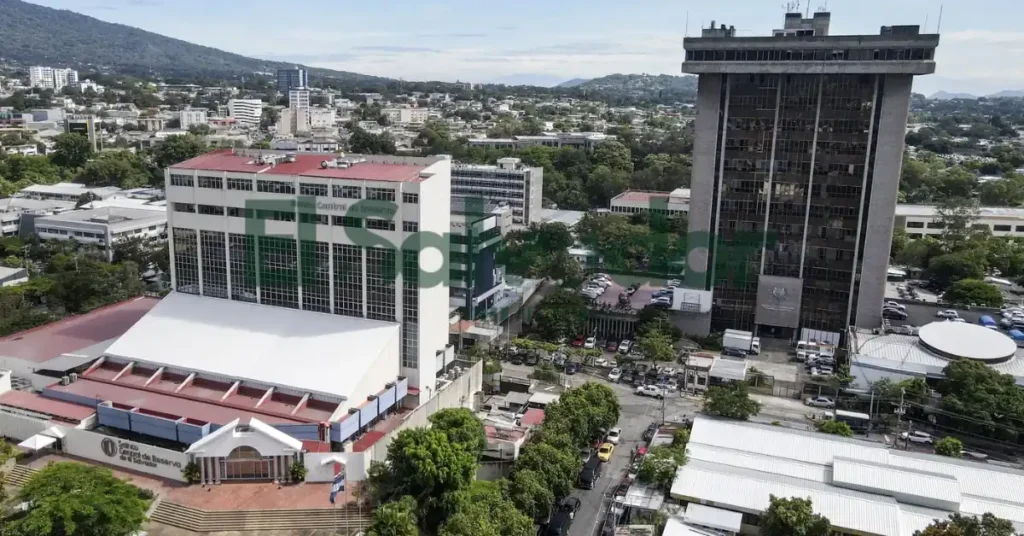
I wish someone had told me this sooner: legal possibility and practical approval are not the same thing. Bank terms vary, so one branch may accept a file that another rejects after a deeper review. For the latest rules, check the bank’s terms and conditions, plus public guidance from the SSF and BCR.
| Status | Typical chance to open | What usually matters most |
|---|---|---|
| Resident | Usually eligible | Local ID, address, compliance review |
| Non-resident | Sometimes eligible | Bank policy, documents, local footprint |
| Tourist | Often difficult | Short stay, limited local ties, bank rules |
Do Tourists or Short-Term Visitors Qualify?
A tourist or short-term visitor can sometimes open a bank account, but physical presence alone is not the same as eligibility. No fixed rule applies across all banks, and policies vary by institution and customer profile.
In most cases, a resident has better odds than a non-resident. People with work, retirement, or investment status usually have a cleaner path, while a short-stay visitor may face extra checks or a straight no from the bank.
| Visitor Type | Usual Eligibility |
|---|---|
| Tourist | Limited, depends on bank policy |
| Short-term visitor | May need stronger documents |
| Resident or long-stay non-resident | Usually better odds |
A sweaty afternoon at a branch desk, where the agent barely looked up from her papers. The bank account decision often comes down to the bank, not the passport stamp.
Personal Account vs. Business Account: What Changes for Foreigners?
Personal accounts are usually the easier road. You show your ID, proof of address, and basic source of funds, and the bank moves on faster.
| Feature | Personal account | Business account |
|---|---|---|
| Documents | Basic ID and address proof | Company documents, registration papers, and ownership details |
| KYC check | Usually lighter | Stronger compliance review |
| Beneficial owner review | Usually not needed | Required, with extra checks on who really controls the company |
| Source of funds | Basic review | Deeper review of business income and payments |
A business account asks for more because the bank needs to know who owns the company, what it does, and where the money comes from. Foreign-owned companies can face extra scrutiny on purpose and ownership, so the questions can feel a bit nosy. Truth is, it’s the bank doing compliance homework before anything gets messy.
The folder of company documents is where many people stall. If your paperwork is clean, though, the process gets a lot less annoying.
Can You Open the Account Remotely or Need to Visit in Person?
Some banks let you start the remote opening process, but in person verification is still common. Traditional bank onboarding often begins with email or online pre-screening, then moves to an appointment at the branch.
- Can start remotely: You may send ID copies, proof of address, and foreign documents for a first check.
- Usually needs a branch visit: Many banks want face-to-face verification before they approve the account.
- Depends on the account type: Simple accounts may be easier, while higher-risk cases face more review.
Truth is, the bank’s compliance team decides a lot here. The easy part often happens before you ever smell the branch coffee. If your papers are clean and readable, remote pre-screening can save time. If not, expect a follow-up visit and a few extra questions.
What Documents You Need to Open a Bank Account
Most banks ask for a few core required documents first. Then they may ask for more bank paperwork if your profile looks a little more complex, which happens more than people expect.
- Passport, usually the main ID for foreigners.
- Immigration status documents, such as a visa, residency card, or entry permit.
- Proof of address, like a utility bill, rental contract, or bank statement.
- Tax ID or local tax number, where applicable.
- Source of funds evidence, such as payslips, employment letters, invoices, or business records.
- Certified copies of documents, if the bank asks for them.
- Translations, apostilles, or legalization, when foreign paperwork is not accepted as-is.
- References or employment letters, sometimes requested for added screening.
Proof of funds and source of funds are not the same thing. Proof of funds shows you have money right now. Source of funds explains where that money came from, like salary, savings, or business income. Banks care about both, and the exact mix depends on the bank and your profile.
| Resident | Non-resident |
|---|---|
| Passport, proof of address, tax ID, and local immigration status if relevant. | Passport, visa or entry status, proof of address abroad or in-country, and source-of-funds evidence. |
Here’s the annoying part. The minimum documents on paper are not always the same documents that get your account approved. One banker may want just your passport and address proof. Another may ask for certified copies, translations, or an apostille from your home country. I sat in a hot lobby smelling like old coffee and printer toner.
If your papers are foreign, check apostille and legalization rules for documents before you go. And if you want the bank’s exact list, check the individual Salvadoran bank requirements and the guidance from the Dirección General de Migración y Extranjería and the Ministry of Foreign Affairs.
Documents for Residents vs. Non-Residents
| Resident | Non-Resident |
|---|---|
| Usually gets smoother account opening with standard ID and proof of residence. | Often faces extra bank compliance checks and a longer review. |
| May only need local ID, address proof, and basic tax details. | Can be asked for passport copies, visa status, local address proof, and stronger local footprint. |
| Residency is tied to legal status, not just being physically present in the country. | Being there on a trip does not count as resident status. |
Here’s the thing, banks care about requirements and risk. I once heard a clerk say, “Paper beats vibes,” while flipping through a stack that smelled like coffee and printer toner.
If you’re a resident, proof of residence often helps move things along. If you’re a non-resident, be ready for slower account opening and, in some cases, a possible denial. Check bank onboarding requirements and immigration authority sources before you go.
Documents Banks Commonly Ask For, But Many Guides Skip
- Bank statements, usually the last 3 to 6 months, to show regular activity and where the money really comes from.
- Employment letter or contract, since banks often want proof you actually earn what you say you earn.
- Tax returns or tax authority records, especially if your income is self-employed or comes from more than one place. Tax authority pages can help you find the right version.
- Source of funds papers, like sale records, savings history, or transfer slips. This is the part many people miss, and banks care a lot.
- Local phone number and full contact details, because a bank officer may actually call or text. I landed with a dead SIM and a very patient clerk.
- Translations for any non-local document, and sometimes an apostille or notarized copy if the bank wants legalized paperwork. Check bank FAQs and local apostille guidance before you print everything twice.
What Banks Usually Mean by Proof of Funds and Source of Funds
Proof of funds shows you have the money right now. Source of funds shows where that money came from. Banks ask for both during compliance checks, and they get picky fast if the story does not match the paperwork.
For salaried applicants, that usually means bank statements, salary slips, and a contract. For a freelancer, the paper trail may include invoices, tax returns, and client agreements. Retired applicants may need pension statements, while an investor or business owner may be asked for sale documents, dividend records, or company accounts.
The big thing is consistency. If your bank statements show steady deposits, but your tax returns or contract do not support them, the bank may ask more questions. Same if the dates, amounts, or names do not line up. That is where source of wealth can come in too, especially for larger balances or long-held assets.
- Proof of funds: bank statements or savings balances showing available money.
- Source of funds: salary, contract, tax returns, pension, or sale documents.
- Source of wealth: how you built your overall assets over time.
- Consistency: details should match across every document.
- Higher scrutiny: freelancers, investors, and business owners often face extra checks.
What to Do Before You Arrive in El Salvador
Before you arrive, do a quick pre-check with the bank or office you’ll use for onboarding. Email or call ahead to confirm the document preparation rules. Ask whether your papers need an apostille, a certified translation, duplicate copies, or an appointment, and check if an in-person visit is mandatory.
Some places want a local contact, too, so get that name and number saved before you travel.
Truth is, preparing documents before travel saves rework and cuts down on branch visits that go nowhere. A little document prep now can save a lot of sweating later.
Step-by-Step: How to Open a Bank Account as a Foreigner
Bank account opening is usually a paper chase, not a magic trick. I sat in a quiet branch, clutching a passport and pretending I knew what every form meant.
- Pick the bank and account type first. Some banks are friendlier to foreigners than others, and the account rules can change fast. A basic current account is often easier than anything fancy.
- Pre-check the requirements before you book. Call, email, or use the bank’s website to confirm what they want. This can save you from starting over if one document is missing or too old.
- Organize your documents early. Bring your passport, proof of address, visa or residence papers, and any tax or employment details the bank asks for. Keep copies handy, because compliance review teams love paperwork almost as much as they love asking for one more page.
- Book the appointment if the bank requires one. Some branches will not see you without it, and some will still send you back for a second visit. I’ve seen people show up early, only to hear the clerk say, “Come back tomorrow with a different proof of address.” Brutal.
- Submit the application and answer every question clearly. The bank may ask where your money comes from, how much you expect to deposit, and why you need the account. That is part of the compliance review, and it can feel nosy, but it is normal.
- Wait for approval, then activate the account. If the bank approves you, follow its steps for activation, card pickup, online banking, or your first deposit. Sometimes the account opens in the system before it fully works, so ask what is live and what is still pending.
Truth is, the fastest bank account opening process usually starts with a good pre-check. If you do that, you lower the odds of a sweaty second visit and a restart that makes you want to laugh and cry at the same time.
Before You Apply: Prep Checklist
Before you head to the bank, do a quick prep checklist. A missing page can turn a simple visit into a long, sweaty wait by the counter.
- Verify the current requirements with the bank or branch. Rules can change, and they can differ by branch or officer.
- Bring current documents, not old copies with faded dates or expired IDs.
- If a paper is not in the local language, check whether a certified translation is needed.
- Prepare a short, clear income explanation for income verification, especially if your pay comes from more than one source.
- Confirm whether you must appear in person, or if someone else can handle part of the process.
- Pack duplicate copies of every key document. The teller will thank you, or at least stop giving you that tired look.
What Happens at the Bank
You hand over your papers, and the bank starts a review. They usually check identity verification, ask about the account purpose, and may want details on your source of funds. A quick yes at the counter can still mean back-office approval later, so don’t be shocked if you don’t leave with everything done.
- Document review: Staff check your ID and supporting paperwork for anything missing or unclear.
- Questions: Expect simple questions about why you want the account and how you’ll use it.
- Source of funds: They may ask where your money comes from, especially if deposits look unusual.
- Follow-up requests: After you submit, the bank can ask for more documents before approval.
- Next steps: Once approved, the account can be activated and a debit card may be issued.
Vague answers can slow the process, so keep your replies clear and consistent.
Which Banks in El Salvador Feel More Foreigner-Friendly?
The easiest bank for one foreigner can be a headache for another. Resident status, account purpose, and branch rules matter more than fancy ads, and easier onboarding does not mean guaranteed acceptance. I’ve seen people walk in with a neat folder and still get the “come back later” shrug.
So the best foreigner-friendly banks in El Salvador are usually the ones that keep onboarding friction low, explain requirements clearly, and have decent customer service at the branch. If you want a deeper side-by-side look, our expat banking comparison guide breaks down the trade-offs.
| Bank comparison criteria | Why it matters for foreigners | What to check before applying |
|---|---|---|
| Onboarding friction | Some banks ask for more local paperwork or proof of income. | Ask which documents are needed for a personal account or business account. |
| Resident status rules | Requirements can change if you are a resident, temporary resident, or non-resident. | Confirm whether your visa or residency card is accepted. |
| English support | Clear English at the branch can save a lot of awkward hand gestures. | Call ahead and ask if English-speaking staff are available. |
| Online banking | Useful if you want fewer branch visits and easier day-to-day access. | Check login setup, transfer limits, and mobile app access. |
| Branch experience | Service can differ from one branch to another, even inside the same bank. | Use branch locator pages and read recent local feedback. |
| Account type fit | Some banks are better for a simple personal account, others for business banking. | Match the bank to your actual use, not just the name. |
Truth is, there are no perfect foreigner-friendly banks, only better fits. A bank that opens a personal account quickly may still be awkward for a business account, and the nicest clerk in one office might not match the next branch down the road. I wish someone had told me that before I stood in a hot lobby that smelled like paper, coffee, and impatience.
So compare banks by friction first, not promises. Check the bank’s fee schedule, account terms, and branch locator page, then decide whether the paperwork, online banking, and service style fit your real life.
How to Compare Banks Without Getting Misled
- Opening rules matter. The cheapest bank is not always the easiest one to open. Check ID rules, residency limits, and any minimum deposit before you get stuck in a slow signup.
- Look at online banking. A low fee means little if the app is clunky or the website keeps logging you out. Good online banking should make balance checks, card controls, and transfers simple.
- Compare transfers, not just fees. Some banks charge less upfront but make transfers awkward, slow, or limited by country. Read the transfer rules closely, especially for same-day payments and international sends.
- Check cash access and cash withdrawal costs. A bank can look cheap until you need cash and get hit with ATM charges or strict withdrawal limits.
- Review card support. See whether the card works for online shopping, travel, and cash withdrawal, and whether replacements or freezes are easy.
- Watch FX policy pages. Hidden exchange rates and transfer costs can sting harder than headline fees. A bank with low fees may still be pricey if its exchange rates are poor or it adds spread on currency handling.
A friendly fee schedule can hide ugly surprise costs, and those tiny FX differences add up fast. Start with the product disclosures and fee schedules, then check the bank’s FX policy before you trust the shiny number on the homepage.
Common Problems Foreigners Run Into, and How to Fix
Rejection usually starts with boring paperwork, not drama. I sat in a bank lobby, sweating through a shirt while a printer kept coughing out the same form.
- Incomplete documents: Missing pages, unsigned forms, or old copies often trigger a rejection or delay. Before you resubmit, check every page and ask the bank what they want in writing.
- Weak proof of income: If your salary trail is messy, the bank may not trust it. Clean up payslips, contracts, and statements so the money flow is easy to follow.
- Translation gaps: Some banks want certified translations, not your friend’s quick fix after lunch. If the document is not in the local language, ask whether certification is required first.
- Address or residency confusion: Foreign address formats can look odd on paper, even when they are real. Match your proof of address exactly to your application details, and keep every name and number consistent.
- Risk screening concerns: Sometimes the issue is policy-based, not paperwork. If the bank says no after review, a cleaner file may not help, so it is worth asking for the specific reason before you chase ghosts.
For fixable admin problems, I had better luck with a short, calm reply. Try: “Thanks for the update. I’ve attached the missing document and corrected the translation. Please let me know if anything else is needed.”
Why Applications Get Delayed or Denied
- Expired or missing documents are the usual troublemaker. A passport copy, visa page, or proof of address that’s even slightly outdated can stall everything.
- Mismatched details trip people up fast. If your address, name, or employer info doesn’t line up across forms, the file gets parked.
- Unclear income trail raises questions. Banks want to see where money comes from, not just that it exists.
- Weak local footprint can make an application look thin. A local address, lease, or regular activity often helps show you’re реально based there.
- Risk screening can flag a file even when the paperwork looks fine. Denial is often about risk, not nationality, and bank staff may read the policy differently at branch level.
- Policy interpretation changes by employee. One person may approve a file another person delays, which is maddening, but common.
A delayed application usually means “needs more proof,” not “you’re out.” A little extra cleanup on the docs can save weeks of waiting.
How to Boost Your Approval Odds
- Bring more than the minimum. I watched one clerk slide my first stack back like it was lunch at a bad motel, so I added extra proof right there.
- Keep consistent documents. Make sure your name, address, and dates match across every form. Tiny mismatches can slow approval odds fast.
- Organize everything in one folder, with translations on top and the originals behind them. Keep both digital and printed copies, because printers fail at the worst time.
- Be ready to explain your source of funds in plain words. Say where the money came from, how your employment works, or what your business activity is.
- Keep your story simple and steady. If a bank asks about account purpose or recent activity, answer clearly and stick to the facts.
What to Do If the Bank Rejects You
A bank rejection usually comes from documents or a risk review, not nationality alone. That sting is real, though, especially after you’ve sat there with sweaty palms and a stack of papers that felt too important to wrinkle.
- Ask for the exact reason. Say, “Can you tell me what was rejected and which document or compliance rule needs fixing?”
- Check the gap. Common fixes include missing documents, unclear source of funds, or a mismatch in names and addresses.
- Fix first, then reapply. If the issue is fixable, wait until every document is corrected before sending a new application or filing an appeal.
- Stop reapplying if it’s policy-based. If the bank says no because of internal risk rules, switch to an alternative bank instead of hitting refresh on the same door.
- Use a temporary backup. While you wait, keep proof of funds handy and, if needed, ask another bank or payment provider about short-term options.
What exactly needs to be corrected, and when can I reapply?” If they can’t name the problem, ask for the bank’s FAQ or consumer complaint process. That kept me from wasting weeks on guesswork and one very stale coffee.
Fees, Minimum Balances, and Banking Costs to Watch
Bank fees can look tiny on paper, then eat your lunch later. The real trick is comparing the total cost of ownership, not just the headline number on the sign-up flyer.
Some accounts ask for an opening deposit, a minimum balance, or a monthly maintenance fee if your balance drops too low. Others look cheap until you hit transfer fees, card charges, cash withdrawal costs, or foreign transaction fees on purchases abroad. I watched a teller shrug at the fine print like it was a weather report.
| Fee category | What to check | Why it matters |
|---|---|---|
| Opening deposit | Minimum amount needed to start the account | Can block access before you even open it |
| Monthly maintenance | Flat fee or waiver rules | Adds up fast if you keep a low balance |
| Minimum balance | Required average or ending balance | Missing it may trigger fees |
| Transfer fees | Local, bank-to-bank, and international charges | Important if you send money often |
| Foreign transaction fees | Card charges for purchases outside the country | Can make travel and online spending pricier |
Alternatives If You Can’t Open a Local Account Yet
If the bank is dragging its feet, you still need a way to pay rent, buy groceries, and send money home. I’ve been there, standing in a lobby that smelled like printer ink and bad coffee, waiting on one more document like it was a passport to sanity.
The best alternatives depend on how long you’ll stay. For a short stay, a fintech card solution or a multi-currency account usually works best. For long-term relocation, you may want something that handles salary, bill pay, and local transfers more cleanly. For business use, look for international transfer support and better card controls.
- Multi-currency account: Good for holding and spending in different currencies, especially if you move often.
- Fintech debit or prepaid card: Handy for travel, online shopping, and fast setup, but merchant acceptance can be patchy.
- Home-country bank card: Fine as a bridge, yet ATM fees and foreign exchange costs can sting.
- Payment apps and cash: Useful in a pinch, but don’t rely on them for bills or larger transfers.
| Alternative | Best fit | Main limit |
|---|---|---|
| Multi-currency account | Short stays, frequent travelers, expat banking | May not cover local bill pay |
| Fintech card solution | Fast backup for spending and international transfer needs | Some ATMs and merchants reject it |
| Home-country banking | Bridge option while papers are pending | Fees and exchange rates can bite |
Keep a small cash stash and test every card before a big purchase. A hotel clerk once swiped mine three times and gave me that look that says, “Your bank is the problem, not me.”
Conclusion: What Foreigners Should Do Next
Foreigners can often open a bank account in El Salvador, but the story is never just about having a passport. The real gatekeepers are your status, your documents, and how ready you are for compliance checks.
A hot afternoon run between branches, with a tired taxi driver asking why I looked so stressed. First, confirm the requirements with the bank you plan to use. Then get your documents lined up, because missing one paper can slow everything down fast.
For relocation or business setup, pick the bank that fits your situation, not just the one with the nicest lobby. And keep backup options in mind, because delays happen and paperwork can take a while.
Do this today:
- Check the bank’s current rules for foreigners.
- Gather your documents and make copies.
- Compare two or three banks before you go.
- Leave room in your next steps for delays.
That passport-only banking myth? Not enough. In El Salvador, preparation usually wins.
Frequently Asked Questions
Can a foreigner open a bank account in El Salvador?
Yes, a foreigner can usually open an account, but the bank will ask for ID and other basic documents. A passport is often the first thing they want to see, and some banks may also ask for a local address or proof of income.
What US banks have branches in El Salvador?
No major US banks operate retail branches in El Salvador. The market is led by local banks like Banco Agrícola, Cuscatlán, Davivienda, and BAC. US travelers can use debit or credit cards at local ATMs, since El Salvador already uses the US dollar.
Is it illegal for a US citizen to have a foreign bank account?
No, a US citizen can generally have a foreign bank account. The bigger issue is reporting, since foreign account rules can apply depending on balance, income, and filing status.