
Cheap Eats in El Salvador: Under $5 Meal Guide
Under $5 meals in El Salvador are real, not fantasy-menu stuff. The trick is knowing where you are, what time you eat, and what comes with the plate.
This is a practical cheap-eats field guide, not a fancy-food parade. The best value usually shows up at lunch, when locals pile into simple spots that smell like beans, grilled meat, and hot tortillas.
In San Salvador, beach towns, and small market areas, prices can swing fast. A meal that looks cheap can get less cheap once drinks, sides, or taxes show up, so the real win is figuring out what is included before you sit down.
And yes, you can eat well without blowing your budget. The under-$5 game here is about solid portions, fast service, and food that actually fills you up.
Key Takeaways: Cheap Eats in El Salvador Below $5
- Under-$5 meals are real, and they’re common outside fancy spots.
- Lunch specials usually give the best bang for your buck.
- Pupusas are the easy win, hot, filling, and cheap.
- Market food is another safe bet for low prices and big portions.
- Tourist zones can jump fast, sometimes for the same plate.
Can You Really Eat Cheap in El Salvador?
Can you really eat cheap in El Salvador? Usually yes, especially outside tourist-heavy areas. In local towns, I saw simple lunches that smelled like fried plantains, beans, and fresh tortillas drifting out of tiny kitchens.
But cheap does not always mean good value. Cheap, sure. Filling? Not so much.
According to official El Salvador tourism resources, prices and meal styles can shift a lot by region, so coastal stops, city centers, and smaller inland towns can feel very different. That matters more than the sticker price.
| Meal type | What you get | Best for |
|---|---|---|
| Cheap but small | Low price, small portion, maybe just a snack | Quick bite, not a full meal |
| Cheap and filling | Simple plate with rice, beans, tortillas, and protein | Best budget value |
| Slightly pricier with extras | Meal plus drink or side dish | Better balance and less hunger later |
Compare fullness, not just the number on the menu. A meal with a drink or side can cost a little more and still feel cheaper, because you’re not hunting for food again an hour later.
- Cheap but small: Good if you just want a taste.
- Cheap and filling: Usually the best everyday choice.
- Slightly pricier with extras: Often better value for long travel days.
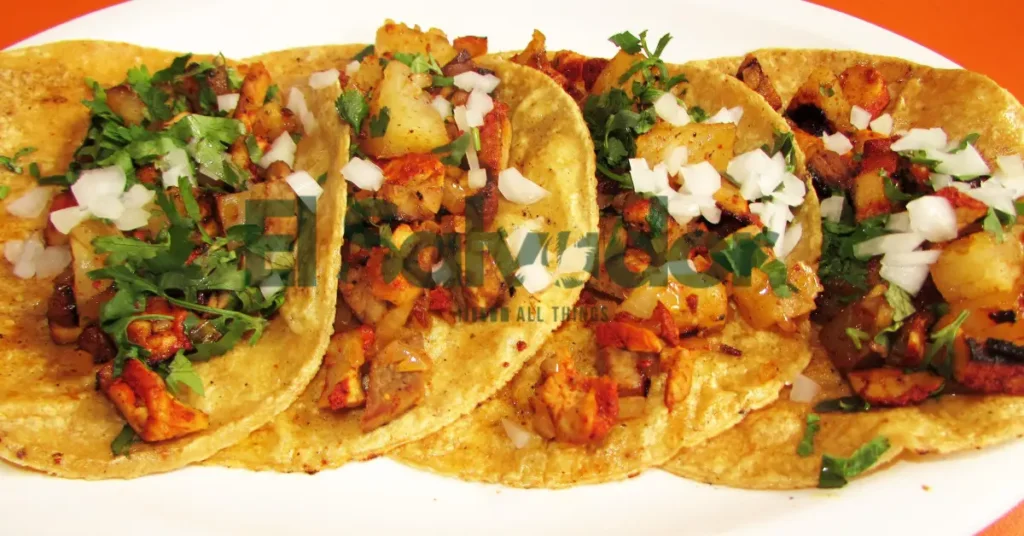
What Under $5 Normally Buys You
- One filling main dish, like rice and beans, a simple taco plate, or a basic sandwich. It’s usually the whole show, not a fancy lineup.
- A small drink, often water, soda, or fresh juice. If the drink is included, that’s a sneaky good deal.
- One or two sides, such as salad, tortillas, soup, or a scoop of rice. That’s the part that makes the plate feel less sad and more real.
- Lunch is the sweet spot, because the best value usually shows up before dinner. I’ve seen the same place look pricier later, like it got offended by the sun.
Under $5 usually means a single hearty plate, not a multi-course feast.
Best Budget Dishes to Keep an Eye On
- Pupusas, thick stuffed corn cakes that are cheap, hot, and weirdly filling for a snack-sized price.
- Casados or similar plate lunches, the classic rice, beans, salad, plantain, and meat combo that usually leaves you full for hours.
- Breakfast plates, often eggs, gallo pinto, cheese, and tortillas, and they tend to be the best value if you eat early.
- Soups or stews, especially if they come with rice or tortillas on the side, because broth plus chunks of meat adds up fast.
- Market snacks, like empanadas, tamales, or fried bites, which are easy on the wallet but better as a light meal or second breakfast.
The most filling for the price are usually casados, breakfast plates, and soups or stews.
How to Tell If a $5 Meal Is Good Value or Just Cheap
A $5 meal can be a steal, or it can feel like sad desk food in a paper boat. The trick is simple, check whether it actually fills you up and fits the place you’re in.
- Filling enough? If you’re still hungry an hour later, it was cheap, not good value.
- Any useful extras? A drink, sides, sauce, or fruit can make a small price go much further.
- Does it match the local setting? A $5 lunch in a busy city market is one thing. A $5 plate at a sit-down cafe is another.
- Snack or meal? Cheap snacks are meant to tide you over. A true lunch special should feel like lunch, not a polite teaser.
I’ve ordered the bargain box that smelled amazing and still left me hunting for chips two blocks later. Sometimes the slightly pricier option is better value, especially if it comes with a drink and sides.
So if two meals are close in price, pick the one that saves you from buying more food right after. That’s the real math.
The Cheapest Local Meals to Try in El Salvador
Cheap eats in El Salvador are usually the meals that show up hot, fast, and a little messy, which is honestly the best kind.
Most budget meals come with simple sides, extra salsa, curtido, or a drink on the side. The best buys are the dishes that fill you up without draining your wallet, and they usually smell like a griddle, garlic, and fried corn before you even sit down.
| Dish | Meal format and usual add-ons | Best for | Value and watch-outs |
|---|---|---|---|
| Pupusas | Thick corn cakes stuffed with cheese, beans, or pork, usually with curtido and tomato salsa. | Quick lunch, snack, or late-night bite. | Big value for the price. Order a mix, but they can be heavy fast. |
| Casamiento | Rice and beans, often with eggs, cheese, plantains, or a small meat side. | Breakfast or a plain, filling lunch. | Usually cheap and steady. Watch for small portions if you want a full meal. |
| Yuca frita con chicharrón | Fried cassava with pork cracklings, cabbage, and salsa. | Street food runs and afternoon hunger. | Strong buy if you want crunch and salt. It can get greasy, so pace yourself. |
| Pollo con tajadas | Fried chicken with sliced fried plantains, curtido, and sauce. | Lunch plates that feel bigger than they cost. | Good value when you need a real meal. Ask how spicy the sauce is. |
| Sopa de res or sopa de gallina | Beef or chicken soup with vegetables, rice, and tortillas. | Slow lunches and rainy-day comfort food. | Often a smart buy because it fills you up. It can take longer than street snacks. |
| Tamales | Steamed corn dough wrapped in leaves, sometimes with chicken or pork. | Breakfast, holidays, or a cheap grab-and-go bite. | Good when fresh and hot. Some are small, so two may be the real meal. |
For ordering, keep it simple. Say what you want, ask for con curtido if it fits the dish, and don’t be shy about checking the price first. I heard that same advice from a taxi driver and a hotel clerk, and both were right for once.
Pupusas: The Most Famous Cheap Meal
Pupusas are thick Salvadoran corn cakes stuffed with fillings like cheese, beans, or meat. They show up everywhere because they’re simple to make, filling, and easy to sell hot from a griddle without fancy extras.
- What they are: A warm, stuffed masa cake with a soft center and crisp edges.
- Why they’re cheap: The ingredients are basic, and small pupuserías can turn them out fast all day.
- How they’re served: Usually with curtido, a tangy cabbage slaw, and salsa roja on the side.
- Snack or meal: One or two can be a snack, but three or more, with curtido and salsa, turns into a full meal.
Cultural and heritage sources on pupusas always circle back to the same point, they’re a big deal in Salvadoran food culture. I saw them come off the griddle with that smoky, buttery smell, and the table got quiet for a minute. We almost didn’t stop for them, which would’ve been a dumb move, because pupusas are one of those cheap eats that can carry your whole day.
Almuerzos and Comida Corrida: The Best-Value Lunches
Almuerzo or comida corrida is the standard local lunch special in El Salvador. It’s the cheap, filling midday plate you see on menus in small comedores, market stalls, and neighborhood spots.
Lunch hours matter here. I’ve seen places sell out early, and the best plates usually show up around noon. We almost didn’t stop once, and the woman behind the counter laughed because the beans were already getting low.
- Rice, usually plain and fluffy.
- Beans, often refried or scooped on the side.
- Protein, like chicken, beef, pork, or fried fish.
- Salad, simple and fresh, sometimes with cabbage or tomato.
- Tortillas, warm and soft, because one is never enough.
- Drink, sometimes included, like fresco, juice, or agua fresca.
A typical plate looks like this: rice on one side, beans nearby, a piece of meat in the middle, salad tucked in, and tortillas wrapped in a napkin. It smells like home cooking and hot oil, and it usually lands well under $5.
Cheap Breakfasts and Street Bites
Breakfast plates are often the cheapest full meal of the day, and that saved us from one too many sad sandwich lunches.
- Breakfast plate basics: Ask for eggs, bread, cheese, olives, tomatoes, or a small side of yogurt. In markets or cafés, point to the plate you want and say yes to the basics.
- Bakery items: Grab a pastry, bun, or stuffed bread from a busy bakery. Go early for the freshest stuff, when the glass case still smells warm and buttery.
- Savory snacks: Look for cheese breads, meat pies, fried dough, or hand pies. These are good when you just need something salty and hot between meals.
- Easy street food: Pick up a filled wrap, grilled snack, or a small skewer from a stall with a line. If locals are eating there, that’s usually a good sign and a better smell than your hotel toast.
These cheap morning meals and snack stops help stretch a travel budget when a full lunch just does not make sense.
Vegetarian and Vegan Cheap Eats in El Salvador
- Bean plates are the safest cheap bet. I kept seeing frijoles, rice, plantains, and salad piled on humble plates that smelled like garlic and oil, not fancy at all.
- Simple breakfasts usually work well if you say sin huevo or keep it plain.
- Soups can be a good deal, but ask what’s in the broth. Some places use chicken stock or lard, so it’s worth checking before you dig in.
- Pupusas without meat are easy to find, especially with beans, loroco, or cheese. For vegan versions, ask for sin queso and sin crema, and confirm the dough isn’t cooked with lard.
- Market snacks are where the fun gets cheap. A market stall with roasted corn, fruit cups, tamales, and plantain snacks made lunch feel loud, hot, and weirdly perfect.
Where to Find Affordable Eats in El Salvador
Markets are usually the safest bet for cheap food. The busy ones smell like fried plantains, soup, and fresh tortillas, and that crowd is a good sign the prices still make sense.
| Spot | What to expect | Value signal |
|---|---|---|
| Markets | Stalls with pupusas, soups, rice plates, and fruit | Best when locals are eating there fast, not posing for photos |
| Neighborhood comedores | Simple lunch plates and home-style meals | Great value near busy streets and bus routes |
| Bus terminals | Quick snacks, fried bites, and filling plates | Often cheap, especially for breakfast and lunch |
| Roadside spots | Grilled items, pupusas, and drink stops | Best when trucks, taxis, and workers keep pulling over |
| Tourist and beach zones | More menus in English, more coconut drinks, more markup | Prices rise fast once the beach crowd shows up |
The cheapest meal is usually where locals are in a hurry. If the line is full of office workers, vendors, or bus passengers, that place is probably the real deal.
Official tourism and municipal market resources point to these as normal eating areas, especially in market districts and transport hubs. The blunt truth is simple, tourist-heavy areas can jump from bargain to nope very quickly.
Best Places for Value: Markets, Comedores, and Neighborhood Spots
Markets and comedores usually give the best bang for your buck. The food is fresh, the portions are fair, and the prices do not come with tourist drama.
A comedor is a small local eatery, usually simple and family-run. We almost didn’t try one once because it looked too plain, and that was a mistake, because the plate smelled like garlic, fried onions, and real home cooking.
- Look for a lunch line. If local workers are waiting, that’s a good sign the food is cheap and filling.
- Check the setup. Simple plastic chairs, a counter, and a short menu often mean honest prices.
- Read the handwritten menu. It usually means the food changes with what’s fresh, and the staff are not playing fancy restaurant games.
- Watch who’s eating there. Visible local customers are the best clue you’ve got.
Neighborhood spots near a market can be gold too. The tiny place with the wobbly table often beats the polished one with a sad garlic bread basket and a bigger bill.
Places Where Prices Usually Run Higher
Beach towns, upscale neighborhoods, and landmark areas tend to cost more. We saw it near the busy hotel zone too, where convenience clearly had a price tag.
- Beach towns: Pretty views and easy sand access usually mean higher bills. The chair, the shade, the snack, it all gets a little cheeky.
- Upscale neighborhoods: These areas often cater to locals and visitors with bigger budgets. The menus looked nicer, and the prices did too.
- Landmark areas: Spots near major sights stay busy all day. A taxi driver told me, “same soup, different street,” and honestly, he had a point.
- Hotel zones: Restaurants in these strips often charge more because travelers want easy, walkable meals. The crowd is paying for location as much as food.
- Foreigner-oriented restaurants: English menus and familiar dishes can push prices up. You’re often paying for comfort and a target customer, not just the plate.
The best bargain is usually just a few streets away, where the smell of grilled meat drifts out and the locals are the ones lining up.
How to Spot a Good Cheap Restaurant Before You Sit Down
- Check the menu prices first. The numbers should be easy to read from the sidewalk. If prices are hidden, hand-written in tiny print, or missing for drinks and sides, that’s a little shady.
- Look for local customers. A room full of people who live nearby usually beats a room full of lost tourists. I once followed the office crowd at lunch and got a better meal for half the headache.
- Keep an eye on the menu size. Simple menus usually mean fresh food and faster service. If a cheap place offers 14 cuisines and a “special Italian sushi burger,”.
- Watch the lunch rush. Busy lunch hours are a good sign because locals vote with their wallets. If the line moves and the tables turn quickly, the food is usually doing the talking.
- Check the serving area. A clean counter, tidy condiment station, and wiped tables matter. If the front looks sticky or the floor is a mystery stain museum, I’d keep walking.
- Spot tourist pricing fast. Menus in five languages, glossy photos, and staff waving you in from the curb can mean inflated prices. Ask for the menu before you sit, compare drink prices, and skip places that seem built for one-time visitors.
- Trust the vibe around the door. If you hear real chatter, clinking plates, and that good fried smell, you’re probably close. If it’s empty at peak meal time, there’s usually a reason.
What to Expect at a Typical Salvadoran Lunch Counter
You usually line up at a glass counter, point at the food, and move fast. The room is simple, a little noisy, and smells like rice, fried plantains, and soup steam.
Here’s the usual flow: you wait your turn, glance at the trays, then someone scoops your plate while you watch. The plate usually comes with a main dish, rice, beans, salad, and sometimes a small side like plantains or tortillas.
- Lineup: Stand in order and point when it’s your turn.
- Plate: Expect a full almuerzo or comida corrida, not a tiny dish.
- Drink: A beverage is often included or offered with the meal.
- Seating: Grab an open table, sometimes wherever you can squeeze in.
- Payment: Pay at the counter or after you sit, usually in cash.
Lunch counters feel more local and direct than tourist restaurants. There’s less hand-holding, fewer fancy menus, and nobody’s pretending the place is anything other than busy and good.
How to Order Cheap Food Without Paying Extra
Cheap menu prices can turn sneaky fast. I’ve sat down with a hungry stomach and a tiny bill on the wall, then watched it grow like a bad joke once drinks, bread, and sides showed up.
- Ask what is included before you order. A simple “What’s included?” can save you from surprise bread, sauces, or a “free” starter that is somehow not free.
- Confirm drinks and sides. Don’t assume water, soda, fries, or salad come with the plate. In a lot of places, they’re separate, and the waiter may not mention it unless you ask.
- Check the portion size. A cheap dish can be tiny. I once got a bowl that looked generous in the photo, then heard the clink of one lonely spoon against the dish. Sad times.
- Ignore the drama of menu photos and English menus. Pretty pictures and translated menus do not promise the final bill. Ask for the price of the full meal, not just the headline item.
- Use a simple script. Try, “What’s included with this?” or in Spanish, “¿Qué incluye esto?” That’s the phrase I wish someone had handed me before I ordered like a lost raccoon.
Reputable Spanish learning resources usually recommend keeping ordering phrases short and polite. A quick question works better than long sentences, especially when the place is noisy and the grill smells like heaven.
- Ask what’s included.
- Confirm drinks and sides.
- Check the portion size.
- Do not trust the photo alone.
- Ask for the total price if you’re unsure.
Simple Spanish Phrases That Help
- ¿Cuánto cuesta? How much does it cost? Use this first at markets and tiny food stalls.
- ¿Qué incluye? What does it include? Handy when the menu sounds like a mystery novel.
- ¿Incluye bebida? Does it include a drink? Ask this before you nod too fast.
- ¿Es para llevar? Is it for takeout? Perfect when you want food to go, not a table.
- ¿Me puede dar…? Can you give me…? Good for ordering one thing, like water or coffee.
- ¿Tiene algo más barato? Do you have something cheaper? Useful if the first price makes you blink.
I stood in a noisy market, smiling like an idiot while the fish guy repeated himself. A few simple phrases saved us money and made cheap local spots way easier to use.
Common Mistakes Budget Travelers Make
Cheap isn’t the same as good value. I paid sad-tourist prices for a limp sandwich and warm soda near a famous square. The trick is finding the meal that feels smart, not just the one with the lowest number on the sign.
- Ordering in tourist zones. The menu by the main sights usually has a little “hello, wallet” tax baked in. Walk two or three streets away, and the same meal often costs less and tastes like it was made for actual humans.
- Assuming all cheap food is the same quality. It’s not. A tiny local spot with a line of workers at lunch can beat a flashy bargain place that smells like fryer oil and regret.
- Forgetting lunch is usually the best value. The midday special showed up like a tiny miracle. Lunch menus are often simpler, faster, and way easier on the budget than dinner.
- Not checking whether drinks are included. That “cheap” meal can get sneaky fast once water, soda, or beer gets added. I’ve seen a friendly-looking receipt turn into a quiet ambush because nobody asked what was extra.
How Much Do Common Drinks and Extras Add to the Bill?
The menu price can look friendly, then the extras show up and quietly wreck your budget. I’ve sat there with a plate that smelled amazing, while the bill kept climbing for drinks, tortillas, and that extra scoop of avocado.
| Extra | What it can do to the bill |
|---|---|
| Drinks | Water, soda, or frescos may or may not be included. |
| Extra tortillas | Often added one basket at a time, especially if you keep asking for more. |
| Sauces | Usually free, but some places charge for extra or specialty sauces. |
| Avocado | Can bump up a cheap meal fast, even if it looks tiny on the plate. |
| Side dishes | Rice, beans, fries, or salad may cost more than you expect. |
That’s why some meals look cheap until the add-ons land. Truth is, the base dish can be a bait-and-switch if you don’t ask what’s included. A quick check before ordering saves you from that weird little bill shock.
How Much to Budget Per Day for Food
Food costs in El Salvador usually depend on how you eat, not just where you sleep. A plate of pupusas from a busy roadside spot can keep you full for cheap, while hotel breakfast and cocktails can quietly eat your budget like a thief in flip-flops. Food prices play a big role in overall travel spending, which is why this guide to El Salvador 7 day trip costs helps travelers estimate realistic daily budgets.
Travelers trying to balance food stops, beach towns, and city visits on a moderate budget can also follow this 1 week El Salvador itinerary.
| Eating style | Typical daily food budget | What it usually covers |
|---|---|---|
| Low-budget | Budget for simple meals, street food, and water | Breakfast from a bakery, a filling lunch, and one basic dinner |
| Mid-budget | Budget for a mix of local restaurants and a few extras | Three meals, snacks, and one soft drink or coffee |
| Comfort-budget | Budget for nicer sit-down meals and drinks | Restaurant meals, snacks, desserts, and a couple of drinks |
Drinks and snacks change the total faster than people expect. A cold soda, fresh juice, or an extra bag of chips at the corner shop can add up, especially if you grab them all day.
Region matters too. Beach towns, tourist zones, and city centers usually cost more than small towns or markets.
Sample Low-Cost Food Day
Breakfast: Grab a pastry, yogurt, and coffee from a corner shop. In many places, that runs about $4 to $8, and it keeps you moving without sitting down for an hour.
Lunch: Go for a cheap lunch special, street food plate, or simple bowl from a local cafeteria. The noisy little spots near office streets are often the best bet, with prices around $7 to $12.
Snack or light dinner: Pick up fruit, a sandwich, or a pastry for later. Then we got stuck paying twice as much for sad snacks near a train station. Expect roughly $3 to $6.
That kind of day keeps you full without turning every meal into a sit-down event. It also gives you more time to wander, rest, or sit somewhere shady and listen to the city do its thing. If you only have a couple of days, this weekend itinerary helps keep food costs and travel logistics simple.
Best Cheap Eats by Traveler Type and Situation
| Traveler or Situation | Best Value | Fastest Option | Most Filling Option |
|---|---|---|---|
| Backpackers | Local noodle bowls or rice plates, because you get a full meal without wrecking the budget. | Street snacks from a busy stall, especially when your pack is digging into your shoulders. | Big portions of rice, beans, eggs, or stew, the kind that keep you moving all day. |
| Digital nomads | Simple lunch specials near a café, good if you want cheap fuel and a chair that does not hurt. | Grab-and-go sandwiches or pastries, perfect between calls when the laptop is still warm. | Set meals with rice, protein, and veggies, so you do not get hungry again at 3 p.m. |
| Beach days | Fruit, cold sandwiches, or grilled corn from a nearby stand, cheap and easy with sand everywhere. | Wrapped snacks or fresh fruit cups, because nobody wants to wait while dripping salt water. | Fried rice, tacos, or local plates with carbs, which help after swimming and sun. |
| Transit days | Bakery items, dumplings, or a simple bowl near the station, usually the smartest money move. | Prepacked wraps or takeaway boxes, great when your bus leaves in ten minutes and your bag is a mess. | Rice-and-protein meals, since airport legs and train legs get cranky fast. |
| Late-night arrivals | 24-hour noodle shops or convenience store meals, the hero move when the city is half asleep. | Toast, instant noodles, or a hot snack from a corner shop, because the hotel desk is counting down the minutes. | Late supper plates with rice, soup, or eggs, which feel like a warm hug after a long ride. |
Cheap food works even better when paired with some of the free things to do in El Salvador, especially on slower beach or market days. The taxi driver once pointed me to a noodle stall that smelled like garlic and rain, and honestly, that bowl saved the night.
For best value, go local and simple. For fastest, pick anything already packed or already steaming. For most filling, always grab rice, noodles, beans, or eggs, because tiny snacks disappear fast when you are tired and walking too much. If you are traveling longer term with buses, hostels, and flexible food budgets, this broader El Salvador backpacking guide also helps with route planning.
Is Street Food Safe in El Salvador?
Street food in El Salvador is common, cheap, and often really good. I still remember the smell of grilled meat and corn drifting down the street, with a line at the busiest cart and no line at the sad lonely one.
Food safety is usually situational, not absolute. The smart move is picking the stall that looks busy, hot, and clean, not avoiding street food completely.
- Choose hot food, especially anything cooked fresh in front of you.
- Pick busy stalls, since fast turnover usually means fresher food.
- Watch the handling, clean hands, clean tools, and covered food matter.
- Go easy on raw toppings, like uncooked salsa, cabbage, or garnishes you did not see washed.
- Skip ice and untreated water, unless you trust the source.
That same advice lines up with travel safety basics for El Salvador and the practical food-safety guidance from CDC Travelers’ Health and WHO. Keep it simple, trust your nose, and if a stall looks a little too sleepy and damp, your stomach probably already knows the answer.
Street Food Safety Checklist
- Watch the hot food move fast. If the grill is sizzling and plates are flying out, that’s a good sign. Food sitting around forever is the sketchier move.
- Pick the busy stall. A line usually means the stall turns over food quickly, and the crowd is doing some of the checking for you. The sleepy empty cart looked cute and smelled like regret.
- Look at the utensils and hands. Clean tongs, separate spoons, and fewer bare-hand grabs matter. If the same hand touches cash, raw food, and your lunch, I’d keep walking.
- Choose bottled or sealed drinks. A sealed bottle or can is usually safer than uncertain ice or water. That cloudy ice bucket by the curb? Hard pass.
- Check the setup. Food covered, surfaces wiped, and trash not spilling into the prep area are all good signs. It should look busy, not messy in a “we gave up” way.
- Trust your nose and eyes. If something smells off, looks lukewarm, or has been sitting in the sun, skip it. Better to miss one snack than spend the night hugging a bathroom.
According to CDC travel health guidance, basic hygiene checks can lower risk. That’s usually enough to steer you toward the stalls that look alive, clean, and worth the queue.
Cheap Eats Etiquette and Local Tips
Cheap meals often work best when you pay like a local. At the tiny noodle stall I hit in a side alley, the owner tapped the cash drawer twice and smiled, which was my clue to keep bills ready and exact change handy.
- Bring cash first. Many budget spots still like cash, and some skip cards entirely.
- Carry small notes and coins. Exact change keeps the line moving and avoids that awkward pocket-pat dance.
- Eat at local meal times. Lunch rush and early dinner usually mean fresher food and better turnover.
- Order politely and clearly. A simple greeting, then your order, goes a long way.
- Watch local customs. Official tourism etiquette guides usually remind travelers to mind basic dining manners, like waiting your turn and being calm at the counter.
Cheap eats are friendlier when you match the room. If a shop is busy and quiet, keep your voice down, pay fast, and don’t camp forever over one bowl of soup.
Cash-First Tips for Small Local Spots
- Small local spots often prefer cash, especially tiny counters with no fancy card reader humming away.
- Exact change helps. I watched a cashier dig for coins like it was a treasure hunt.
- Cash matters most in markets and simple eateries, where slow card machines can turn lunch into a weird waiting game.
- Keep small bills handy, because asking for change at a crowded stall can feel awkward fast.
Conclusion
Under $5 meals are real in El Salvador, and they’re usually the ones that hit hardest. The best bets were the local lunch spots, busy market stalls, and places where the menu was short and the rice smelled like it had been cooking all morning.
Timing matters as much as price. Show up near lunch, ask what the almuerzo is, and keep an eye on location, because the same plate can cost more near touristy streets.
Frequently Asked Questions About Food Costs
What is a typical Salvadoran meal?
A typical Salvadoran meal is often pupusas with curtido and salsa, plus rice, beans, and sometimes cheese or pork. I remember the smell from a tiny comedor, hot griddle, cabbage tang, and coffee that tasted stronger than it looked.
How much does food cost in El Salvador?
Food is usually affordable if you eat like locals. Simple meals at small spots often cost a few dollars, while tourist areas and beach towns cost more, like I explain in this budget travel guide.
What is the most common food eaten by Salvadorans?
Pupusas are the big one, and they show up everywhere. People also eat rice, beans, eggs, tortillas, and soups a lot, especially for cheap everyday meals.
What is the cost of a meal in El Salvador?
A basic meal at a local eatery is usually low cost, and prices climb fast in nicer spots. If you want a fuller breakdown, check my food guide before you sit down hungry and get surprised.
How much is a cheap meal in El Salvador?
A cheap meal is usually one of the local plates, pupusas, or a simple lunch special. Avoid the fancy menus near the beach, because the same plate can jump in price fast.
What is the cheapest food to eat in El Salvador?
Pupusas are often the cheapest solid choice, especially from street stalls and small neighborhood spots. Tortillas, beans, rice, and tamales can also be very budget friendly.
Are pupusas enough for a full meal?
Yes, usually, especially if you eat two or three. They’re filling, cheesy, and heavier than they look, so one order can stop the stomach growls for a while.
Where do locals usually eat cheap?
Locals usually eat at comedores, market stalls, pupuserías, and small family-run places off the main road. The best clue is simple, busy, and loud, with plastic chairs and a line that moves fast.
Is street food safe for travelers?
Often yes, if the stall looks busy, the food is cooked fresh, and the vendor handles money and food carefully. I’d still be cautious with raw toppings, water, and anything sitting warm for too long, which lines up with common travel safety advice and CDC and WHO food safety guidance.
Do restaurants charge more in beach towns?
Yes, beach towns usually charge more than inland places. You’re paying for the view, the foot traffic, and sometimes the “tourist tax” vibe that shows up the second you open the menu.
What should I order first if I want the best cheap meal?
Order pupusas first, then add curtido and salsa. If you’re still hungry, get rice and beans or another pupusa, because that combo is cheap, filling, and hard to mess up.