
Free Things to Do in El Salvador: No Cost Guide
Free Things to Do in El Salvador usually start with the coast, the plazas, and the church bells that echo through old town centers. The trip can be done for almost nothing, as long as you don’t mind a bus ride, a sweaty walk, and a cold pupusa later.
In San Salvador, I kept seeing locals hanging out in public squares, listening to street music, and people-watching like it was a sport. That part is free. The same goes for wandering through colorful towns like Suchitoto, checking out church facades, and hiking around public viewpoints where the air smells like rain and coffee.
Here’s the thing, “free” usually means the activity itself costs nothing, but transport and snacks still add up. A bus driver once laughed when I asked if the stop was close to the beach, and yeah, it was not close.
- Stroll the plazas, especially in city centers and smaller towns.
- Watch the sunset from public viewpoints, no ticket needed.
- Walk beach stretches where access is open, but pay for shade or parking if needed.
- Browse markets and church fronts for local color and busy street life.
If you keep your plans simple, the free stuff feels rich fast. A hot sidewalk, a loud bus, fresh fruit, and a view of the Pacific, that’s a pretty solid budget day. Travelers with more time can spread these free activities across a broader 2 week El Salvador itinerary instead of rushing between regions.
Key Takeaways
- Free usually means no admission fee. But transport, parking, snacks, and a sneaky taxi surcharge can still show up.
- Best free wins: public beaches, park viewpoints, city plazas, and easy nature walks. We almost skipped a sunset stop and would’ve missed the good stuff.
- San Salvador gives you the easiest value. You can stack several free stops in one day without burning a ton on rides.
- Coastal and nature areas feel different. The views are bigger, the air smells like salt or wet earth, and the trip often costs more to reach.
- Safety stays simple, but basic caution matters. Stick to busy spots, keep valuables close, and listen to locals if an area feels off.
- Ask about parking before you go. A free beach or lookout can still turn into a paid headache if you arrive unprepared.
What “Free” Really Means in El Salvador
“Free” can mean three very different things here, and yep, that can get messy fast. Sometimes it means free entry, but you still pay for parking, a shuttle, or a guide. Sometimes it means free access, where you can get in easily, but food, donations, or transport still cost extra.
And sometimes it’s only free to view, which means you can admire the spot from outside, but not actually step inside. For travelers wondering whether El Salvador is cheap, many outdoor activities and public spaces are free, though transport and food still affect the budget.
- Parking: A site may be free, then the lot costs a few bucks. That little “surprise fee” shows up right when you’re hungry and tired.
- Shuttles: Some places offer free entry but require paid transport from the road. I’ve had taxi drivers point this out before we even got out of the car.
- Donations: “Optional” donations can feel pretty expected. Bring cash if the vibe seems more church offering than pure free pass.
- Food and drinks: Even on free sightseeing days, food costs still add up, especially if you stop for snacks or some of the local cheap eats in El Salvador near tourist areas.
- Guide fees: Some spots are open, but local guides are the real gatekeepers. If you want the full story, you may need to pay for it.
Best Free Things to Do in San Salvador
San Salvador is usually the easiest place in the country for truly free activities, mostly because the big civic spots are built for public use. I wasted time hunting for “hidden gems” and just ended up sweating near a locked gate.
- Stroll the central plazas. These are best in daylight, when the city feels awake and the benches, fountains, and street life are actually worth a stop. The municipal plazas and civic areas are meant for public use, though conditions and opening patterns can change, so I’d still check what’s current.
- Walk through downtown on a simple loop. Pick one plaza, one church, and one park, then connect them on foot. It’s the easiest way to avoid overplanning, and you’ll see vendors, office crowds, and the odd guy selling cold water like he owns the sidewalk.
- Visit free public parks. Go early or late afternoon for cooler air and more shade. Weekends can get busy fast, with families, music, and a lot of snack wrappers, so daylight hours are your friend.
- Catch city viewpoints and open lookout spots. Some are just better before sunset, when the light hits the valley and the traffic noise softens a bit. Bring a quick route plan, since the best stops are easier to stack if you stay in the same area.
- Browse public cultural spaces. Open plazas, civic buildings, and outdoor displays can give you a free taste of local history without needing a ticket.
Explore the Historic Center on Foot
The historic center is best seen on foot, with public squares, old facades, and street life doing most of the work. Ended up lingering for hours, half because of the architecture and half because of the coffee smell drifting out of tiny shops.
- Public plazas: Great for people-watching, музы? no, just kidding, for people-watching and a quick breather between narrow streets.
- Street architecture: Look up a lot. Balconies, carved doors, and faded details are easy to miss.
- Photo spots: Early morning and late afternoon are best, when the light is softer and the crowds are thinner.
- Building interiors: Some churches, museums, and historic homes may need separate entry, even if the outside is free.
- Busy areas: Keep an eye on your belongings, especially in crowded plazas and near popular corners.
Relax in Local Parks and Public Plazas
Local parks and public plazas are the easiest free break between paid stops.
- Come in the daytime. According to municipal park and public-space pages, that’s usually the most comfortable time to hang around.
- Bring water. Benches are great. Dry mouths are not.
- Wear sunscreen. Shade can disappear fast, especially in open plazas.
- Keep small cash handy. It helps with transit, snacks, or the random bus ride back when your feet quit.
- Do nothing on purpose. Sit, people-watch, and take a few casual photos. That half-hour often ends up being the nicest part of the day.
I still remember the low buzz of traffic, kids yelling near a fountain, and a vendor dragging a cart across the square. It felt calm without feeling dead. That kind of pause costs nothing and gives you a little reset before the next museum, market, or dinner plan.
Catch Free City Views from Public Overlooks
Free city views are great, but the climb to them is not always free. Some overlooks sit behind transit gates, steep roads, or awkward stairs that make you earn every photo, which is rude but fair.
- Go in daylight. I went once near dusk and nearly missed the turn because everything looked the same shade of gray.
- Try morning for clarity. The air is often cleaner, and the skyline looks sharper before the heat and haze show up.
- Keep sunset in mind. Only go if the area is safe and still open, since road and local access guidance can change fast.
A viewpoint can be free, but getting there can still be a small mission. Check official road or local access guidance first, then go when the light is good and the walk feels safe. That way you spend more time staring at the city and less time wondering if you took the wrong hill.
Free Things to Do in El Salvador by Region
According to the El Salvador Ministry of Tourism, destination planning works best when you match activities to the region you already are in. That sounds boring, but it saves bus time, sweaty taxi money, and that weird moment when your legs are done before lunch.
San Salvador is best for short stays and walkable, low-effort plans. I liked starting with plazas, street life, and quick neighborhood wandering, because you can keep moving without burning a whole day.
Coastal areas are the best pick if you want easy, free scenic time. Beach walks at sunrise, fishing village views, and salty air do the heavy lifting. I still remember one driver laughing at how early we showed up, then pointing us toward the quietest stretch of sand, where the only sound was waves and a rusty gate clanging in the wind.
Lake and volcano zones give the biggest payoff for scenery. These areas are great when you want photos, cooler air, and big views without paying for a tour. That would’ve been a mistake, because the ridgelines and lake edges felt way bigger and calmer than the city.
- San Salvador: best for quick, walkable free stops.
- Coast: best for low-cost, laid-back beach time.
- Lake and volcano zones: best for the strongest scenic rewards.
Free Nature Spots Near the Cities
Free or low-cost nature outings are often the best kind, because you get birds, shade, and a sore budget that stays happily unhurt. The prettiest spots near the cities are just public trails, roadside viewpoints, or informal local access points with a small fee at the gate.
- Pick public trails first. They usually have the clearest rules and the least awkward surprises, like a guy in a flip-flop waving you toward the right path.
- Check for informal fees. Some nature spots are free to reach, but locals may charge a small parking or entry fee.
- Go early. Cooler air, better light, and fewer people arguing with the sun.
- Bring water and proper shoes. Heat hits fast, and dusty paths can turn slick after rain.
- Watch the weather. Trails and roadside viewpoints can change fast, so ask before you go. According to protected-area and national park guidance, access and conditions can shift, so confirm rules and current status first.
That was the clue. For a cheap outing, I usually compare it with Best Day Trips from San Salvador, then keep my plans simple and my cash small.
Take an Easy Free Hike or Walk
Free trails sound simple, until you’re halfway up a dusty path with the wrong shoes and a dead phone.
- Start early. Morning light is better, the air is cooler, and the trail is usually quieter.
- Wear proper shoes. Sneakers with grip beat cute sandals every time. Blisters are not a souvenir.
- Stick to clear, well-known routes. If the path looks sketchy or unmarked, get local guidance first.
- Check trail conditions before you go. Protected-area and national park authority pages often note weather, closures, or maintenance changes.
- Watch for extra costs. The trail may be free, but parking, shuttles, or access fees can still show up.
On one walk, a hotel staffer pointed us to the safest entrance, and that tiny tip saved a lot of wandering. The breeze smelled like wet dirt and pine, and the whole thing felt easy instead of stressful.
Free doesn’t always mean carefree. A quick check on access, footing, and timing makes the hike feel like a lazy win instead of a rescue mission.
Enjoy Volcano and Lake Views Without Paying for a Tour
Public roads and roadside overlooks can give you big volcano and lake views without a tour fee. The free stops ended up being the best part of the drive.
- Best if your transport is already sorted. A rental car, taxi, or private driver makes these stops easy. If you’re relying on a tight schedule, you get the most out of quick pull-offs.
- Check the weather before you go. Visibility can flip fast. One minute it’s a postcard, the next it’s fog and wet pavement with zero drama from the landscape.
- Review access rules first. According to official road or access guidance where available, public viewpoints and roadside stops should be checked for current conditions before travel.
One second the lake looks glassy and blue, then a cloud rolls in and everything goes quiet, cold, and a little moody.
Ask the driver or a local shop owner about current road conditions, too. They usually know which stops are open, which ones are sketchy, and which overlook is worth the dusty detour.
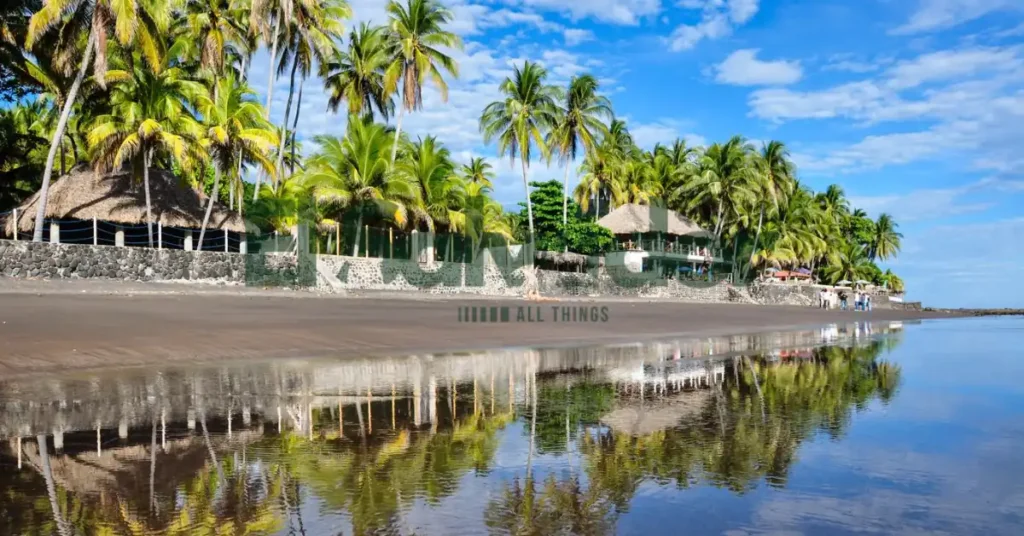
Visit Beaches That Don’t Charge an Entrance Fee
Many beaches are publicly accessible, but not every access point is free. We wandered down the prettiest-looking path and found a parking meter staring back at us like it wanted rent.
- Look for public access first. National tourism context and local guidance usually point to open beach use, but small fees can pop up for parking, boardwalks, or private lot access.
- Plan for the real cost. No entrance fee does not mean a free trip. Food, chairs, umbrellas, transport, and drinks can add up fast.
- Go early for shade and calmer temps. Morning light feels softer, and you’ll have a better shot at a shady spot before the sand turns into a frying pan.
- Check the tide before you settle in. A wide stretch at low tide can shrink fast.
- Watch the water and the wind. Some beaches look mellow from shore, then get choppy or slippery near rocks. Ask a local if the current looks odd.
One taxi driver told us, “The beach is free, the snacks are not.” He was right. The smartest move is showing up early, bringing your own basics, and treating every access point like it might have its own tiny surprise fee.
Free Cultural and Historical Things to Do
Public plazas, old facades, and neighborhood murals are where a lot of local history shows up for free. That would’ve been a mistake, because the best stories were right there on the street, not behind a ticket window.
Start with the outside of churches, theaters, and civic buildings. According to UNESCO and official cultural institution guidance, heritage sites are often best viewed from plaza edges and exterior walkways, while interior access can be limited, timed, or donation-based.
- Walk the main plazas and historic streets. You can read the city like a scrapbook, with stone, bells, and traffic all mixed together.
- Check out murals and public art. They often show local saints, workers, markets, or big political moments.
- Browse open-air markets. The smell of corn, coffee, and spices says a lot about daily life, and the vendors usually know the neighborhood gossip too.
- Visit community spaces and church exteriors. Interiors may close for service, repairs, or a small donation, so don’t assume you can just wander in.
Be respectful in religious and community settings. Keep your voice low, dress modestly, and don’t block doorways or photo lines. If people are praying, selling, or setting up chairs, treat it like their space first and your photo op second.
See Churches and Historic Architecture from the Outside
The best part is often free, the outside. Churches, cathedrals, and old civic buildings are easy to enjoy from the plaza, where stone façades, carved doors, and worn details do most of the talking.
We almost didn’t stop for a few of them, and that would’ve been dumb. Standing outside lets you take photos, watch locals cut across the square, and catch the little sounds too, like pigeons flapping and buses hissing by.
Interior access can be a different story. Hours, special events, or separate entry rules may apply, so if you want to go inside, it’s worth checking first. If not, the exterior alone still gives you the main show, and honestly, that’s usually the most reliable free option for historic buildings.
Browse Street Art, Murals, and Local Markets
Street art and local markets are two of the easiest free ways to feel a neighborhood breathe. It was just a filler stop, but the walls, noise, and smells ended up being the best part of the day.
- Street art changes the whole mood fast. Murals, stickers, and painted shutters turn plain streets into open-air galleries. Look up, because the best stuff is often above eye level.
- Markets are for watching, not just buying. A good market is a living snapshot of local life. You can listen to vendors banter, watch regulars compare fruit, and catch the rhythm of the neighborhood without spending a cent.
- Go for the small details. Fresh herbs, squeaky carts, shouted prices, and that mix of bread, coffee, and dust tell you a lot.
- Public events make these spots even better. If a festival, street performance, or market day is happening, stick around. The whole area usually feels louder, friendlier, and way more fun than a normal afternoon.
According to local municipal and cultural pages, public markets and art areas often reflect neighborhood life and can usually be explored freely during open hours. So if you want a low-cost wander with real texture, this is where the city stops posing and starts talking.
Best Free Things to Do for First-Time Visitors
Central spots are your safest bet on day one. That’s what I found, anyway, after nearly getting lost by trying to be “adventurous” before coffee. The easy wins are the places with big plazas, clear signs, and lots of people around.
- Start in the main city square or public plaza. It’s free, easy to find, and usually has the best street life. You can people-watch, grab photos, and get your bearings without doing much thinking.
- Walk the central historic streets. This is the low-stress way to see the city’s character. I always noticed little things first, like bakery smells, old signs, and locals chatting on benches.
- Head to a scenic overlook. Pick one that’s easy to reach in daylight and worth the climb or tram ride. The view usually gives you the whole city in one shot, which helps a lot when everything still feels new.
- Choose one easy outdoor or beach stop if transport is already arranged. If the bus, taxi, or ride is sorted, this can be the nicest free breather. Think simple, sunny, and not too remote, because nobody wants a “free” outing that turns into a logistics puzzle.
- Finish with a café stop near the center. Not for the coffee miracle, just for the reset. A local staff member once pointed me toward the right tram after I stared at a map like it was written in code.
According to official tourism information, first-time visitors usually get the most out of central, public, and well-connected sights before trying far-off stops. That advice held up for me. Easy wins first, weird side quests later. Travelers wanting a balanced mix of beaches, viewpoints, city walks, and volcano stops can also follow this 1 week El Salvador itinerary.
Best Free Things to Do by Travel Style
Free plans work best when they match your energy, not your wish list. I learned that after a long, sweaty afternoon where a taxi driver told me, very kindly, that I looked “already tired.” Fair.
| Travel style | Best free option | Access | Comfort | Best time of day |
|---|---|---|---|---|
| Families | Parks, playgrounds, waterfront walks | Easy, usually stroller-friendly | High, with space to move and snack breaks | Morning or late afternoon |
| Solo travelers | Main squares, public markets, museum exteriors | Simple, low-planning, easy to enter and leave | Medium, best in busy, visible spots | Daylight hours |
| Couples | Sunset viewpoints, scenic bridges, gardens | Usually easy, but check walking distance | High, if you want a slower pace | Late afternoon or sunset |
| Photographers | Street scenes, harbors, hill overlooks | Best if you can get there early | Medium, depending on crowd levels | Golden hour or blue hour |
Families usually do best with low-friction places. Think open space, toilets nearby, and no one melting down in a museum line because someone lost a shoe.
Solo travelers should pick places with good visibility and easy movement. Busy squares and daytime markets tend to feel lighter and safer, which lines up with official safety guidance from destination planners.
Couples get the most out of free sunset spots. You want a view, a bench, and enough quiet to hear the city hum.
Photographers should chase early light. I showed up at noon and got a wall of glare, plus one very rude pigeon.
If you only have one free outing left, choose by access, comfort, and time of day. Those three things save more trips than any perfect list ever will. If you only have a couple of days, this weekend itinerary focuses on easier-to-reach attractions and shorter travel days.
Best Free Pick for Families
The best free pick for families is the place with open space, shade, and easy restrooms. Kids burn energy fast and parents need somewhere to sit without spending half the day hunting for a bathroom.
Here’s what mattered most for me: enough room for kids to wander, a bit of quiet for snack breaks, and simple access from transit or a cheap taxi. If there’s a bench, a patch of grass, and a snack stand nearby, even better. That means less stress, less spending, and fewer meltdowns that start with “I’m bored” and end with everyone sweaty and annoyed.
Best of all, it keeps the day easy on your wallet. You’re mostly paying for transit and snacks, so the budget stays friendly while the kids get fresh air and space to move.
Best Free Pick for Solo Travelers
The best free pick for solo travelers is the most central spot you can reach easily in daylight. Pick places with steady phone signal, plenty of foot traffic, and simple routes in and out, because wandering around with a dead battery and a confusing map is a fast way to ruin a good day.
That usually means a main square, a busy park, a waterfront path, or a walkable old town area. I like spots where I could grab a coffee, hear street noise, and still see a taxi or bus stop within a short walk. If it feels easy to explain to a hotel staffer or taxi driver, that’s a good sign.
For solo travel, daylight is your friend. I went with places that felt open, clear, and easy to leave when I was ready. After dark, I kept to areas that were still lively and well lit, and skipped quiet corners without making a drama out of it.
How to Get Around on a Free-Day Budget
Route choice can change both your wallet and your mood. Official road and transport guidance says access and route decisions can affect total trip cost and time, and that matched my experience too.
- Use public transport first. Buses and shared minibuses usually cost less than private rides, especially on busy corridors. Travelers backpacking El Salvador usually save the most money by combining buses, walking routes, and clustered sightseeing stops.
- Walk the short gaps. A 15-minute walk saved us a fare, and we got coffee, warm pavement, and a very loud rooster for free.
- Share rides when the bus gets awkward. If you’re splitting a taxi or shuttle with other travelers, the fare drops fast.
- Group free stops by area. It would’ve been a money leak. Cluster museums, viewpoints, markets, and parks that sit near each other.
That clustering trick matters. Fewer zigzags mean fewer fares, less waiting, and less sweating in the middle of the day.
And here’s the blunt part, sometimes paying a little more for direct transport saves money overall. One driver told us, “cheap” routes can turn into extra transfers, extra snacks, and extra lost time. If you are planning longer budget routes with buses, hostels, and flexible travel days, this broader El Salvador backpacking guide also helps with logistics and pacing.
Safety and Money-Saving Tips for Free Activities
Even when attractions are free, transportation still shapes your overall El Salvador 7 day trip cost, especially if you move between regions often. I learned that after a cheerful tuk-tuk ride turned into the priciest part of a very “free” day.
- Go in daylight. Official safety advisories usually stress route planning and daylight for outdoor time. Trails, plazas, and beach walks feel easier when you can actually see where you’re stepping.
- Check the weather first. Rain and heat can flip plans fast. A cloudy morning can still turn into sticky, sun-baking noon, so keep your route flexible.
- Pack light, but not dumb. What to bring: water, sunscreen, small cash, comfortable shoes, phone battery or offline map.
- Carry small cash. Tiny entry fees, buses, and snack stops often want cash, and breaking a big bill can be a whole thing.
- Choose activities close together. If a free museum, park, and market sit on one route, great. If not, the ride can eat your savings fast.
Best Time of Year for Free Outdoor Activities
Dry seasons usually make the easiest days for beaches, hikes, viewpoints, and long walking routes. The ground stays firmer, the sky is often clearer, and you spend less time dodging muddy patches or rain that turns a nice stroll into a soggy regret.
Rainy months can still work, but they tend to be better for shorter walks and flexible plans. Early mornings often feel best for heat and visibility, because the air is cooler and the views usually look sharper before haze and afternoon clouds roll in.
According to reputable weather and climate services, seasonal conditions can change how much heat, rain exposure, and visibility you get on outdoor plans. So if you want the easiest free day outside, I usually aim for the driest stretch and start early, before the sun gets bossy.
Conclusion: How to Make Free Experiences in El Salvador Count
Free experiences in El Salvador can make a trip feel full without making your wallet cry. A windy beach walk, a busy plaza, or a hilltop view can carry a whole day if you keep your plans simple and your timing smart.
Here’s the thing, the cheap part only stays cheap when you pair it with daylight, decent transport planning, and realistic expectations. The taxi back after sunset reminded us fast, so stick to easy routes, start early, and let the free stuff do the heavy lifting.
Frequently Asked Questions
Is El Salvador expensive for travelers?
Not usually, especially if you keep things simple. Public beaches, parks, and many viewpoints cost little or nothing, while food and transport often decide the budget more than the sights.
What are the best free things to do in San Salvador?
Some of the best free picks are walking around the main plazas, checking out public murals, and enjoying city viewpoints. For a calmer day, look at the San Salvador spots you already saw above.
Are beaches in El Salvador free to enter?
Many beaches are free or cheap to access, but some parking lots, private clubs, or nearby services can charge. The beach itself might be free, but the shade, snacks, and bathrooms often are not.
Are free attractions in El Salvador safe?
Most can be fine during normal hours, but safety depends on the place, the day, and what local officials say. According to official tourism, municipal, weather, and civil protection sources, current conditions should be checked before planning free outdoor or public-space activities.
What is the best free activity for a short trip?
A quick city walk with one beach stop or one viewpoint is usually the easiest win. If you only have a day or two, route planning matters more than trying to cram in everything from nature to the coast.
What are the best free things to do in El Salvador?
The strongest free options are beaches, hikes, viewpoints, and cultural public spaces. The best mix is usually one city stop, one nature stop, and one coastal stop, so the trip feels varied without draining your wallet.
Are there hidden costs when doing free activities in El Salvador?
Yes, and they sneak up fast. You may still pay for transport, parking, entry to certain trailheads, guide fees, food, water, or a random coconut because the guy at the beach is just too convincing.
Which free activities are best in San Salvador versus outside the capital?
San Salvador is better for museums, plazas, and easy cultural stops, while outside the capital you get beaches, volcano views, and bigger nature outings. If you want the fastest planning, compare the city picks with the beaches and route ideas above.
Can I enjoy El Salvador without paying for tours?
Yes, you can. A taxi driver once told me, “You can see plenty if you just keep moving,” and he was annoyingly right.
What beaches, hikes, viewpoints, and cultural spots are free?
Many public beaches, selected hikes, open viewpoints, and plazas are free or very low cost. The exact options change by area, so the safest bet is to check local conditions and pair your plans with the safety notes above.
When is the best time of year to do outdoor activities for free?
The dry season usually makes beach days, hikes, and viewpoints easier to enjoy. Still, weather can shift quickly, so I’d check forecasts and civil protection updates before heading out.
What should I bring for free outings in El Salvador?
Bring water, cash, sun protection, good shoes, and a phone charged enough for maps. For beaches and hikes, add a towel, snacks, and a backup plan, because the sun here does not play around.