
Backpacking El Salvador Travel Guide
If El Salvador has been sitting at the edge of your Central America route, don’t skip it. I spent nearly two months backpacking here across multiple visits, and the place kept surprising me, from smoky pupusas in Santa Ana to empty stretches of coastline and those steep volcanoes that make your legs complain for days.
This guide is for backpackers, first-timers, solo travelers, and anyone planning a Central America trip who wants the real stuff. I’ll walk you through the best destinations, the experiences worth your time, the money side, the logistics that actually matter, and the safety stuff I wish someone had spelled out for me before I landed with a too-heavy bag and too many assumptions.
Truth is, El Salvador feels small until you start moving around it. Then the buses, surf towns, and lava views add up fast. If you like backpacking, coastline days, surfing, and volcanoes with a little chaos mixed in, you’re in the right place.
Key Takeaways
- El Salvador is worth the trip, even if it still feels a little rough around the edges.
- My favorite stops were El Tunco, Ruta de Las Flores, and Santa Ana.
- We almost skipped the surf towns, but the sunsets, pupusas, and black sand beaches won me over.
- Budget stays can be cheap, but cash matters, and card use is still spotty outside bigger spots.
- Transport was the annoying part, because buses are slow and taxis or rideshares are easier in a pinch.
- Best time to go is usually the drier months, when roads, hikes, and beach days are less of a mess.
El Salvador’s Past, Why the Country Has Been Through So Much
El Salvador’s modern history is shaped by revolutions, coups, and civil war, so some travelers still arrive with old fears in their heads. The war ended in 1992, according to Encyclopaedia Britannica and U.S. Library of Congress country studies, but the memory lingers. I kept hearing that mix of caution and curiosity from people who had never been there.
Before that, a small group of coffee owners held a lot of power, while most people lived with deep inequality. That gap helped fuel unrest for years. And the early-1930s massacre left a scar that still shapes how many Salvadorans talk about the past, even when the streets today feel ordinary, busy, and full of life.
So if you still picture only headlines and danger, you’re probably working from an outdated image. I found that history helps explain the stigma, but it doesn’t tell the whole story of what travel feels like now.
El Salvador’s Present, What’s Improved and What Still Needs Attention
What you can expect now is a country that feels more open, friendlier, and easier to enjoy. When I landed, I heard it straight from a taxi driver in San Salvador, people are proud of how far things have come, and you can feel that in the energy on the street.
Tourism is clearly growing, and places like the coast, volcano towns, and city neighborhoods are drawing more travelers. The food is another win, pupusas hit the table hot and cheesy, with that little smoky smell that makes you order one more than you planned. If you want a place to start, I’d pair this with Must See El Salvador Destinations.
Still, I wish someone had been blunt with me sooner, not every part of the country feels the same. Poverty, inequality, and gang activity remain real concerns in some areas, and according to UN Tourism and World Bank country data, the travel picture should always be read alongside those social and economic realities.
That said, there’s a lot worth going for. El Salvador has over 300 km of coastline, surf towns with salty air and barefoot energy, and festivals that feel loud in the best way, drums, music, sweat, and grilled corn all at once. The slogan “Don’t Skip El Salvador” makes sense once you’re there, because this place deserves more than a quick stop. For the full mix of strengths and rough edges, see El Salvador: The Good, the Bad, and the Ugly.
I’d still tell you to go, just go with your eyes open. Explore, linger, and don’t just transit through.
How to Use This Backpacking El Salvador Travel Guide
I wish someone had handed me a map like this before I landed in San Salvador with too much curiosity and not enough plan. Start with the place that fits your trip, then jump to the stuff that saves time, money, and headaches.
- Destinations: San Salvador, La Libertad, El Zonte, El Tunco, Ruta de las Flores, Suchitoto
- Experiences: Surfing in El Salvador, Volcano Hikes in El Salvador, Day Trips from San Salvador
- Food: What to Eat in El Salvador
- Festivals: Festivals in El Salvador
- Money: Money in El Salvador
- Visa: Visa Requirements for El Salvador
- Getting around: Getting Around El Salvador
- Accommodation: Where to Stay in El Salvador
- Language: Language in El Salvador
- Weather: Weather in El Salvador
- Safety: Safety in El Salvador
What Are You Looking For?
I kept wishing for a quick map like this after a bumpy bus ride and one too many sweaty tuk-tuk stops.
- Must See El Salvador Destinations
- Unique El Salvador Travel Experiences
- Must-Try Salvadoran Food (Beyond Just Pupusas)
- Festivals in El Salvador
- Money in El Salvador
- Visa Requirements
- Getting Around
- Safety
Must-See El Salvador Destinations
El Salvador is small, but the trip moves fast. I’d start with these spots first, because they gave me the clearest feel for the country.
If it’s your first trip, start with El Tunco. It’s easy, beachy, and a little chaotic in the best way.
El Tunco
The surf town is busy, dusty, and fun. We grabbed pupusas nearby, listened to waves crash, and stayed longer than planned.
Ruta de las Flores
This road felt like cooler air, coffee stops, and tiny towns with bright walls. I still remember the smell of roasted beans and wet pavement after rain.
Suchitoto
Suchitoto is slower, prettier, and a little more my pace. We almost skipped it, which would’ve been a mistake.
Santa Ana
Santa Ana gave us volcano views, a loud market, and that gritty city energy I always remember later. It’s a good base if you like mixing nature with real life.
El Tunco, El Salvador’s Surf Capital
Best for: surf days, easy beach-base stays, and sunset beers after a dusty bus ride.
El Tunco is the stop where most people pause, breathe, and stay longer than planned. I rolled in expecting a quick beach lunch, and ended up listening to waves slam the black sand while a taxi driver told me half the town had the same idea.
The surf reputation is the real deal. El Tunco has long been one of El Salvador’s best-known breaks, and the coastline around it draws surfers who want consistent waves and a laid-back scene. According to the International Surfing Association, El Salvador has hosted major surf events, and that kind of attention shows up here in the buzz, the board bags, and the very serious early-morning lineups.
From here, you can hop along the coast to El Zonte, chase waterfalls at Tamanique Waterfalls, or point inland toward Ruta de las Flores when you need cooler air and coffee country. That mix matters, because you don’t have to choose between beach time and the rest of the country.
I liked that it felt easy, even when it was a little messy. There’s a backpacker hum, cheap pupusas around the corner, and enough sun-faded energy to make you slow down without trying. If you’re building a bigger trip, I’d also peek at Suggested El Salvador Itineraries so El Tunco fits into the bigger route.
By late afternoon, the whole town seems to soften. Boards come off the beach, music drifts from the bars, and the sky turns gold over the Pacific. That’s the part I’d come back for, every time, just to sit still and let the day cool off.
Ruta de las Flores
The Ruta de las Flores sits in the western highlands of El Salvador, between cool coffee country and a chain of small mountain towns. I drove it from Santa Ana with mist on the road and volcano views peeking through the trees, and it felt a lot greener than I expected.
It gets its name from the wildflowers that bloom along the route, especially after rain, when the hillsides and road edges seem to spill color everywhere. But flowers are only part of it. The 45-kilometre stretch links villages that smell like coffee, wood smoke, and fresh tortillas, with a landscape that keeps switching from ridges to ravines.
What travelers usually see is a mix of small-town life and big scenery. We stopped for coffee, wandered past murals, and caught glimpses of Santa Ana Volcano in the distance. On the right day, you can also time your trip with the Feria Gastronomica in Juayua, which is loud, greasy, and exactly the kind of chaos I liked.
I wish someone had told me to leave room for the side trips. Waterfalls, viewpoints, and short walks are what make this road feel alive, not just the drive itself. If you keep going west, the route pairs well with a stop in Suchitoto later in the trip.
One serious note, though. Traveler reports and local police guidance say robberies can happen near the waterfall outside Juayua, especially if you go without a proper guide. If you don’t have one, ask about the free police escort that is sometimes available. We almost skipped the waterfall because of that, and honestly, that caution was justified.
My blunt advice is to keep the day flexible and don’t rush it. The Ruta de las Flores is best when you slow down, eat too much pupusa, and let the mountain towns set the pace. If you’re crossing in from abroad, the practical stuff matters too, so check Travel Tips for Crossing Borders into El Salvador beforeyou go.
Suchitoto
Suchitoto feels sleepy in the best way. The streets are quiet, the air is cooler than most of El Salvador, and the colonial buildings make the whole town look paused in time. I kept slowing down without meaning to, just to stare at the whitewashed facades and rusty doors.
Parque Central is the easy anchor point, with benches, shade, and people drifting through like they have nowhere urgent to be. A few steps away, Iglesia Santa Lucia gives the square its calm, lived-in center. UNESCO and other heritage records keep pointing to towns like this because preservation really is the draw, and here that shows in every worn stone and balanced street corner.
Hearing local stories gave the town more weight, especially once I started noticing how much memory sits under the pretty surface. If you care about El Salvador’s Past, this is one of the most thoughtful stops I found.
Los Tercios Waterfall is worth the ride, but keep your expectations modest in dry season. The water itself can look underwhelming, honestly, yet the basalt formations are the real highlight, with those sharp dark columns doing all the heavy lifting. I liked it more as a quick nature stop than a big hiking payoff.
Best for: slow travel, colonial streets, coffee breaks, and a reflective civil war tour. If you’re planning around it, Suggested El Salvador Itineraries helps fit Suchitoto into a calm, easy route, and The Good, the Bad, and the Ugly covers the tradeoffs I wish someone had told me first.
Santa Ana
Best for: history, volcano day trips, and a practical western base.
Santa Ana has deep roots, from its pre-Colombian past to the coffee boom that shaped the city’s wealth and layout. I kept hearing the same thing from locals and hotel staff, this was where western El Salvador did business, then grew into a real hub.
The center still shows off that history. Colonial-era buildings and the cathedral give the city a grand feel, and the theater is one of the loveliest old landmarks I saw in the west. I liked wandering the plaza in the late afternoon, when the light hit the stone and the street noise finally softened.
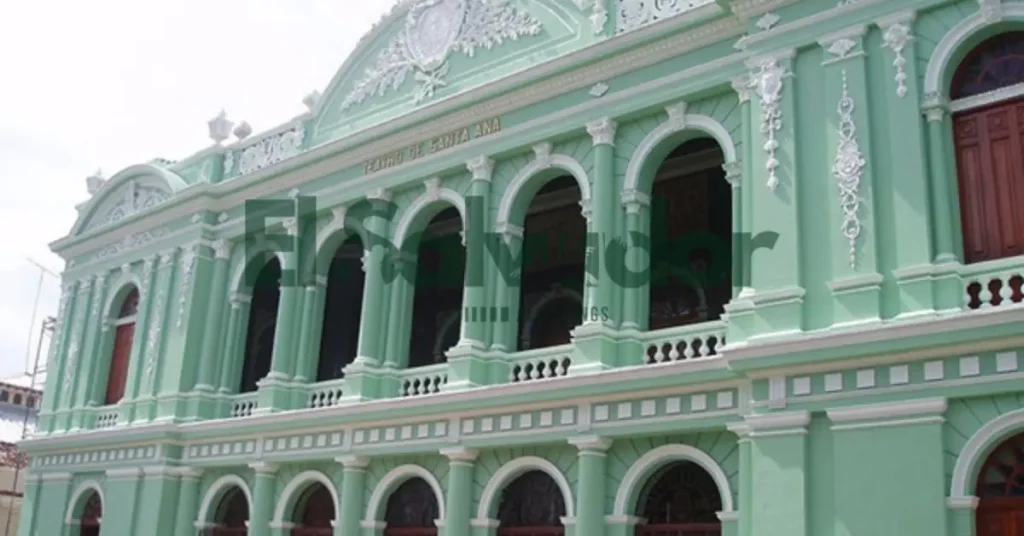
Santa Ana works well as a base because it’s close toa lot of the best day trips. From here, you can reach Santa Ana Volcano, Ruta de las Flores, and Lago de Coatepeque in about an hour or less, depending on traffic and how slow your driver is feeling.
That’s the real win. You get a proper city with restaurants, buses, and cheaper rooms, then use it to visit big-name sights without changing hotels every night. For route ideas, I kept checking Suggested El Salvador Itineraries and timing things against the Best Time to Visit El Salvador.
I’d use Santa Ana if you want a base that feels lived-in, not sleepy. Read the detailed guide for where to stay, what to see, and how to plan the day trips without wasting time.
Unique El Salvador Travel Experiences
These are the country’s standout activities, the kind that made me forget about plain city sightseeing. I kept finding the best moments outside the usual tourist loop, with salty waves, steep climbs, and waterfall swims that felt a little wild in the best way.
Sunset and Surf at El Tunco
El Tunco was where we started slowing down. The black sand, the loud surf, and the easy beach bars made it feel rough around the edges, but in a good way.
I wish someone had told me how many people stay for sunset and never leave. We paid a few dollars for pupusas nearby, watched surfers drag boards through the foam, and dealt with one taxi driver who swore the next beach was better. It wasn’t.
Hike Santa Ana Volcano
Santa Ana Volcano was the big one. The climb got sweaty fast, and my legs complained before the crater even showed up, but that turquoise water at the top made every step worth it.
By midday, the sky cleared, and the view over the ridge was sharp and bright. Bring cash for the entrance fee and a jacket, because the wind at the summit bites.
Swim at Tamanique Waterfalls
Tamanique Waterfalls felt like the adventure I’d been hoping for. The trail was steeper than I expected, and the rocks near the pools were slippery enough to keep me honest.
But the swim was cold, clean, and exactly what we needed after the climb. A local guide pointed out the safest spots to jump, and I was glad we listened, because the water looked calmer than it was. Bring sturdy shoes, and don’t expect to stay dry.
Costa del Sol & Isla Tasajera
Costa del Sol sits on El Salvador’s long Pacific coast, and it feels like the place people go when they want sand without the chaos. I liked it most for that easy crowd-escape feeling, since the beach stretches out wide and the ocean keeps everything open and breezy. If you’ve been around busier spots like El Zonte, this one feels more spread out and a bit more polished.
The area has a more upscale vibe because of the bigger resorts, cleaner beachfront stretches, and the general sense that people come here to relax, not rough it. A guy at our hotel said it was worth the small hassle. He was right, mostly.
The ferry is really more of a simple local crossing, and the pickup-truck version is exactly what it sounds like. You get yourself and your stuff onto a truck, it heads over the water or along the shallow crossing, and then you hop off on the island side. It’s basic, a little improvised, and kind of fun if you don’t mind a bumpy ride and salt spray.
Just know the island has very little infrastructure. That means fewer comforts, fewer shops, and not much to distract you from the point, which is an almost empty beach and fresh seafood.
What I loved was the quiet. We ate seafood that tasted like it had barely had time to leave the water, and I kept thinking that this is the part of El Salvador people miss if they only chase the crowded stops. For more food ideas, see The Food of El Salvador, and if you’re planning a bigger loop, check Suggested El Salvador Itineraries.
Climb an Active Volcano: Santa Ana Volcano
Santa Ana Volcano sits in western El Salvador, and it’s one of the country’s most visited crater hikes. The summit reaches 2300m above sea level, so the climb feels real from the start, not just like a casual hill walk.
But the journey is usually a little over $10, and that price is hard to argue with for a full volcano day. I’d heard the crater-edge views were good, but I still wasn’t ready for how dramatic the top felt.
The trail rises through open slopes and cooler air, then suddenly the crater appears. At the top, the lake looks almost unreal, a bright green-blue bowl sitting inside the volcano. Steam drifts across the rim, the wind pushes hard, and the whole place feels wild, like the mountain is still awake.
I wish someone had told me how cold it can get up there. The sun was strong on the hike, then the summit hit us with sharp wind and a weird chill that made me glad I packed a light layer. It’s a gorgeous spot, but don’t get sloppy with your camera, hat, or loose gear.
If you want the practical details, check the Santa Ana guide, plus my notes on the Best Time to Visit El Salvador and Suggested El Salvador Itineraries. That’s where I broke down the timing, effort, and how to fit this hike into a bigger trip.
Cliff Jumping from Waterfalls in Tamanique
Cliff jumping at the waterfalls near Tamanique is exactly as wild as it sounds. You hike into the hills from El Tunco, scramble down to a series of rock pools, and take the plunge off ledges into cold, clear water. It’s sweaty, a little messy, and honestly pretty addictive once you get over the first jump.
For me, the hike was a big part of why it felt worth it. The trail cuts through dry hills, then drops into this hidden canyon that feels miles from the beach crowd. I’m glad we did, because the views, the water, and the tiny local food stops on the way back made the whole day feel like a real adventure.
That said, the downside is brutal: the hike back up is long and steep, and it hits hard after you’ve already been climbing rocks and jumping around. I was sweating through my shirt before we even reached the top. Check conditions before you jump, since water levels and footing can change fast after rain.
If you’re building a bigger trip, I’d slot this into one of the Suggested El Salvador Itineraries. It’s one of those high-effort, high-reward days that leaves you tired, sunburned, and weirdly proud of yourself.
Lesser-Visited El Salvador Travel Destinations
Lesser-visited is a slippery label. Most of the time, it just means people are still stuck on old ideas about safety, crowds, or what’s “worth it.” I found the places that felt quiet were usually the ones with the best stories, the best food, and the fewest tour buses. Think of this as the part of El Salvador that people skip by mistake, not because it’s hidden.
San Salvador
San Salvador used to get skipped fast, mostly because people heard “big city” and pictured traffic, heat, and not much else. I get it. On my first pass, I almost did the same, but the city felt far less rough around the edges than the old advice suggested.
Downtown San Salvador has had major rehabilitation efforts in recent years, and you can feel it in the public squares, cleaned up streets, and the general push to bring life back to the center. It’s still busy and imperfect, but it no longer feels like a place to just speed through with the windows up.
What surprised me most was the contrast. One minute you’re in older neighborhoods with street noise, corner pupusa stands, and a little chaos. The next, you’re in modern shopping areas with chain hotels, polished malls, and the kind of espresso that costs more than lunch.
It also works well as a base, especially if you’re moving around the country. San Salvador is the main transport hub, so buses, shuttles, and private transfers are easier to line up here than in smaller towns. For figuringout routes, I kept checking Getting Around El Salvador, and that saved us a few awkward taxi conversations.
Money is easier too, since big hotels and malls usually take cards, while smaller spots may want cash. I wish someone had told me to keep smaller bills handy, because a driver once stared at my big note like I’d handed him a brick. For that stuff, Money in El Salvador helps.
I’d still be sensible about the usual city basics, but I wouldn’t write San Salvador off. If you want a practical base with more hotel choices, better transit links, and a real feel for how the capital is changing, it makes sense. Before you go, a quick look at Safety and Health is smart, then go see the city for yourself.
San Miguel
San Miguel often gets treated like a quick stop on the way to somewhere else. That misses the point. I had the same lazy idea the first time we rolled in, bags dusty, just trying to find lunch and a clean seat.
Then the city surprised me. The Carnaval de San Miguel is the biggest yearly party here, and people talk about it with real pride. Streets get loud, music spills everywhere, and even the taxi driver I met had a grin like he was already halfway to the celebration.
San Miguel also sits near an active volcano, so it has that restless, dramatic edge that makes the landscape feel alive. Must slow down and look around before rushing off. The locals were some of the friendliest we met in El Salvador, quick with directions, jokes, and tips that saved us time.
And the food scene? Way better than a transit town has any right to be. If you want a deeper look at what to eat, The Food of El Salvador is a good place to start, and the city itself rewards curiosity.
If you’re just passing through, at least stop for a real meal, stretch your legs, and let San Miguel show you why Festivals in El Salvador and everyday life here feel so connected.
El Zonte
Best for: laid-back surf days, calmer swims, and a quieter beach base.
El Zonte feels like El Tunco’s softer, sleepier cousin. I noticed it right away, fewer shops, fewer loud bars, and a more relaxed stretch of sand that still has plenty going on if you know where to look.
The beach has a two-side setup, and that really changes the day. One side gets the better surf, with stronger waves and more action in the water, while the other side stays calmer and works better for swimming when the sea is behaving.
That split made our beach time easier than I expected. We spent one morning watching surfers near the choppier side, then wandered over for a quieter dip where the water felt less pushy and far less crowded than El Tunco.
I also wish someone had told me about the baby sea turtle release in October and November. According to local conservation and beach management groups, that’s when these seasonal releases often happen along the coast, and it was one of the sweetest things we saw in El Zonte.
What I liked most was the less developed feel. It still has that beach-town rhythm, but without the packed, party-heavy energy, so it pairs nicely with slower days and even a side trip to Tamanique Waterfalls. If you want ideas for building a full trip around it, check the Suggested El Salvador Itineraries.
If You Only Do One Thing in El Salvador…
Ride the chicken buses. It’s loud, cramped, a little chaotic, and somehow the best snapshot of El Salvador I found, with blasting music, bright paint, and drivers who handle mountain curves like it’s nothing.
Ride the Chicken Buses
Chicken buses in El Salvador are repurposed school buses, and they do not try to hide it. The paint jobs are loud, the chrome is shiny, and every bus seems to be wearing a different personality like a costume. Some have neon lights inside, some blast reggaeton, and some rattle so much you feel the floor before you hear the engine.
We caught one at 6am from El Tunco to Juayua, half awake and already laughing at ourselves. The bus was packed with market bags, backpacks, and a sleepy guy holding a live chicken like this was the most normal commute in the world. I wish someone had told me that the ride would be half transport, half moving neighborhood.
That’s the fun of it, honestly. If you want to understand Getting Around El Salvador, you kind of have to ride one. People squeeze in, a vendor hops off and on, and the driver somehow keeps the whole thing moving while music thumps from a speaker that has seen better days. It feels messy, loud, and very alive.
And yes, they can get crowded, especially on early routes and busy days. Just keep your bag close and your patience closer. I paid in cash, so having small bills from Money in El Salvador mattered more than I expected.
Would I ride one again? Absolutely. It’s not just a way to get from point A to point B. Riding a chicken bus is part of the local experience, and honestly, it’s one of the few things I’d call delightfully chaotic.
The Food of El Salvador
People love to call Salvadoran food bland, but that misses the point completely. On my trip, the flavors were simple, yes, but never dull, with corn, beans, plantains, and cheese showing up in almost every meal.
FAO food references say corn and beans stay staple ingredients across the region, and you taste that history fast in El Salvador. I had pupusas in Santa Ana for a few dollars, but we also ate yuca frita, tamales, and sweet plantains, and honestly, that’s where the food got fun.
If you only eat pupusas, you’re missing half the story. A woman at the comedor near Mercado Central pushed us to order more, because Must-Try Salvadoran Food (Beyond Just Pupusas) is where the real variety shows up.
Must-Try Salvadoran Foods Beyond Just Pupusas
Pupusas get all the fame, but I kept finding better bites between stops in San Salvador and along the coast. We tasted these at street stalls, food festivals, and restaurants, usually with a plastic chair, a cold drink, and somebody shouting over the fryer.
If you’re building a food list, start with Pupusas, then branch out. I wish someone had told me to leave room for the greasy, messy, way more interesting stuff too.
Chorilonza
Chorilonza is the loud one, packed with chorizo and pork in a way that feels impossible to eat neatly. We bought it from a street stall, and I still remember the smoke and the hot bread in my hands.
Seafood
Near the coast, the seafood was the surprise hit. It showed up fresh, simple, and a little messy, which was fine by me after a long, sweaty afternoon.
Ponche
For something sweet and warm, Ponche hit the spot at a festival. It tasted like fruit, spice, and a break from all the salty food we kept ordering.
Feria Gastronómica
If you catch a Feria Gastronómica, go hungry. That’s where I found the widest mix of Salvadoran dishes, and where we almost gave up halfway through because everything smelled too good.
Pupusas
Pupusas are thick Salvadoran masa patties, and they’re one of the country’s most loved foods. I kept seeing them at roadside comedores and busy pupuserías in San Salvador, usually arriving hot enough to fog the plate a little. According to Salvadoran cultural and tourism references, they’re widely regarded as the national dish, and after one bite, I got why.
The dough is made from masa harina or fresh corn masa, then pressed by hand into small rounds. The filling gets tucked inside before the edges are sealed and flattened again. That simple shape is the magic, because the outside stays soft while the center turns rich and savory.
Common fillings include quesillo, refried beans, and chicharrón, which is finely ground pork. Some places mix them together, and that’s usually the smartest move. I tried a cheese and bean pupusa near The Food of El Salvador, and the cheese stretched in that messy, perfect way that makes you reach for a napkin right away.
Pupusas are cooked on a hot comal or skillet until the masa forms a light crust. You can hear the faint sizzle as they brown, then the outside gets a little toasty and firm while the inside stays tender. That fry-to-crust process gives them their comfort-food bite, with a soft center and a crisp edge.
They’re almost always served with curtido and tomato sauce. Curtido is a tangy cabbage slaw, and it cuts through the richness in a way that kept me going back for one more bite. The tomato sauce is thin and mild, more of a warm drizzle than a heavy topping, so it doesn’t bury the flavor.
If you want more filling variety, I found the widest choices at local food fairs and bigger market stalls, especially around Feria Gastronomica. But that was a mistake, because the best pupusas I had were the ones that came out of the pan fresh and still sizzling.
Chorilonza
Chorilonza is what I found in Juayua during the Feria Gastronomica, when the town is packed and the grills start smoking early. It sits right in the energy of the Ruta de las Flores, where food stalls blur into church steps, music, and people trying to eat too fast.
It’s a chorizo and longaniza blend, so the bite lands smoky, salty, and a little wild. I remember the casing snapping first, then that juicy, peppery pork rolling out with garlic and spice. It’s messier than it looks, and that’s exactly why I liked it.
If you’re already wandering the street-food lanes, pair it with pupusas and call it a proper meal, because the soft masa beside all that sausage punch just works.
Seafood
Seafood is easy to find along El Salvador’s coast because the Pacific is right there, and the boats come in early with the day’s catch. I noticed it most around Costa del Sol & Isla Tasajera and again in El Zonte, where menus kept things simple and fresh. According to coastal food and tourism sources, seafood is especially common along El Salvador’s Pacific coast, and that matched what I saw on the ground.
The usual preparation is plain and confident, which I liked. We kept seeing grilled or fried whole fish, squid, and giant prawns, usually with lemon on the side and a garlic-heavy sauce that could wake the dead. Most plates came with curtido, vegetables, and fried plantains, so the meal felt filling without being fussy.
It sounds messy, and honestly, it is a little, but that’s part of the fun. You get the crisp skin, the soft meat, and the smoky edges all at once, and it tastes like the coast, not a polished hotel kitchen.
Ponche
Ponche usually shows up in a big cup, warm and creamy, with a soft golden color that looks like Christmas in liquid form. I first had it near San Salvador during the holiday rush, and it smelled like cinnamon, milk, and rum all arguing nicely in the same room.
It’s made with milk, sugar, and spices, and many versions get a splash of rum. The result feels rich and a little bossy, like it expects you to sit down and stay awhile.
This is usually a drink for celebrations and special occasions, especially around Christmas, when it shows up like a cozy cousin of eggnog. If you’re curious about the season around it, Festivals in El Salvador gives the perfect backdrop. Truth is, ponche tastes best when the night is cool, the lights are up, and nobody is pretending a steaming cup of milk sounds refreshing in July.
Festivals Across El Salvador
Timing matters here, and some events book up fast. I learned that the hard way, standing in a crowd with no room to breathe and a sad, warm soda in hand.
Best Time to Visit El Salvador
Festival dates shift, but the biggest crowds tend to hit during peak season. Check city calendars early, because some hotel rooms and day trips need booking ahead.
Juayua
Juayua’s food fair was my favorite kind of chaos, smoky grills, loud music, and plates that disappear too fast. I still think about the pupusas.
San Miguel
San Miguel brings the noise and the heat, and it does not hold back. Plan earlier, because the streets fill up quickly.
Nejapa, El Salvador
On August 31, Nejapa turns wild with its famous fire fight, and I mean that literally. People hurl fireballs through the streets, and if you’re nearby in summer, it’s one of the most unforgettable Festivals in El Salvador to catch.
Semana Santa Timing
Semana Santa falls in the week before Easter, and it’s one of the busiest travel periods in El Salvador. I saw beach towns fill up fast, with San Salvador families heading to the coast early and every decent room disappearing first.
If you’re planning to go, book your stay early and check Best Time to Visit El Salvador before you lock dates. I’d also sort out Accommodation in El Salvador right away, because prices jump and the last leftovers can be rough.
Carnaval de San Miguel
San Miguel goes hard for Carnaval de San Miguel, and it feels like one of the biggest parties of the year. We heard music blocks away, and I wish someone had told us to book ahead because hotels fill fast.
We almost treated San Miguel like a transit stop, but the city deserves more than that. If you can, stay a night and dig into the crowd, then check more Festivals in El Salvador after the noise dies down.
Dia de la Independencia
September 15 in El Salvador feels loud, proud, and full of food. I remember streets packed with families, fireworks popping overhead, and that festive atmosphere that makes even a simple walk feel special. If you want more local color, take a look at Festivals in El Salvador.
Feria Gastronómica
Every weekend in Juayúa, the Feria Gastronómica fills the plaza with smoke, music, and plates that disappear fast. I went hungry and still ordered too much, which is honestly the right problem to have there.
Go with a group if you can, because sharing is the whole point. We split chorilonza, pupusas, and a few other bites, then wandered back toward Juayúa with happy, messy hands and zero regret.
Festival del Cristo Negro
The Festival del Cristo Negro fills the city during the first two weeks of January, and I remember hearing drums, church bells, and street vendors all at once. It feels city-wide, not just one neat event, so plan for crowds, noise, and a lot of walking.
It peaks at the end of the second weekend, which is the part I’d aim for if you want the full energy. That timing also lines up with Feria Gastronomica weekends, so you can pack in food, music, and celebrations without much wasted time.
If you’re planning a January trip, I’d pair it with our Best Time to Visit El Salvador notes, because this is one of those dates that fills up fast.
El Salvador’s Good, the Bad, and the Ugly
El Salvador gave me a strange mix of easy wins and hard edges. The people were warm, the pupusas were cheap, and the views could be ridiculous, but the trip also came with real planning issues that I wish someone had spelled out for me before I landed.
Good: The best part was the hospitality. In San Salvador and Santa Ana, people were quick with directions, extra napkins, and small talk that never felt fake. I still remember eating hot pupusas at a plastic table, with curtido on the side and a horchata that tasted better than it should have for a couple of dollars. The coast had its own charm too, especially when the light went gold and everything slowed down.
Bad: Travel takes more energy than you expect. Roads can be bumpy, buses can be slow, and timing rarely feels exact. I learned that the hard way after underestimating a simple transfer and arriving sweaty, annoyed, and late for dinner. If you’re mapping outdays, the advice in Safety and Health and Getting Around El Salvador matters because the comfort level changes fast once you leave the main tourist spots.
Ugly: The uneven infrastructure is the part that catches people off guard. Some neighborhoods feel calm and easy, then a few streets later the pavement disappears or the traffic turns chaotic. Travel-risk advisories and human-development data both point to the same thing, plan with both hospitality and infrastructure limits in mind. I wish someone had told me to slow down, check daylight timing, and leave a little room for things to go sideways.
The Good
The people in El Salvador were the first thing that made the trip feel easy. Taxi drivers cracked jokes, hotel staff checked in on us like old friends, and random shop owners kept thanking us for visiting. I still remember a woman in San Salvador grinning and saying we were welcome here, like she meant it with her whole chest.
That warmth showed up in the small moments too. It made the whole place feel safer and more comfortable, because you stop feeling like a stranger so fast.
Then came the social media storm after the #shithole comment, and people answered with pride and humor. Memes, jokes, and very pointed posts rolled across feeds, and it was clear locals weren’t taking the insult lying down. That mix of dignity and wit is part of what I loved most, right beside the comfort of a good meal from The Food of El Salvador and a noisy evening in San Salvador.
The Less Great
Getting around El Salvador is cheap, but it can test your patience. Direct buses are limited on some routes, and a simple trip can turn into two or three transfers if you miss the right connection. I learned that the hard way, waiting at a dusty roadside stop while a chicken bus rattled past full of school kids and plastic bags.
If you want the full picture, check Getting Around El Salvador and the Chicken Bus section. I’d keep buffer time built in, especially for beach days or airport runs, because one late bus can throw off the whole plan.
The Ugly Side
Two things kept coming up on my trip through El Salvador, garbage and gangs. Both shape how you move, what you notice, and what locals watch for. I wish someone had told me how common the trash problem felt in some places, and how carefully we had to think about safety in others.
Garbage
Along the roadside, in the fields, and even on the beach, litter shows up fast in El Salvador. I saw plastic bags and bottles caught in ditch grass near town, then washed into dry gullies after rain. It looks small at first, but it adds up quickly.
Truth is, garbage here is tied to bigger issues too. Waste collection can be patchy, and in places with weaker infrastructure, trash has fewer places to go. That said, the mess still changes how a place feels. On a beach, it can make a walk less pleasant, and on travel days it just adds one more thing to watch for. Safety and Health matters more when litter is near sand, water, or busy roads.
Gang Activity
Gang risk has historically been higher in some north and eastern areas of El Salvador, and that part still gets mentioned a lot by locals and drivers. In tourist areas, the mood is usually calmer, and I felt that myself around spots like San Salvador and the main travel routes, where things seemed much more normal than the headlines suggest.
That said, I’d still check current conditions before you arrive. Things can change fast, and the U.S. Department of State travel advisories are right to say local security should be checked before visiting areas with concerns. We almost skipped a few side trips just because a hotel clerk gave us a very blunt warning, and honestly, I’m glad we listened.
My rule was simple, avoid risky areas, don’t flash valuables, and keep plans flexible. If you want a calmer trip, read up on Travel Tips for Crossing Borders into El Salvador, and keep an eye on Safety and Health before heading out. If you’re staying in San Salvador, stick to well-traveled areas and trust your gut.
Money in El Salvador
Prices here are in USD unless noted, so I planned my budget in dollars from the start. A simple day in San Salvador felt manageable once I split it into accommodation in El Salvador, transportation in El Salvador, food, and the occasional beer.
That mattered, because I almost ran short after a couple of cash-heavy days. The taxi driver outside my hotel in San Miguel wanted exact bills, and the pupusa stand didn’t care about my card.
Average Daily Spending
On my El Salvador trip, daily costs fell into three pretty clear buckets. The jump from one tier to the next was real, and it changed how often we grabbed pupusas, took taxis, and slept after a long beach day in El Tunco. According to common traveler budgeting benchmarks from travel finance publications, these daily ranges make trip style easier to picture. If you want a full breakdown of accommodation, food, and transport pricing, this guide to El Salvador 7 day trip cost explains the numbers in more detail.
Budget: Solo about $30 to $50 a day, couple about $60 to $100 a day. This usually covers simple guesthouses, local buses, street food, and a few cheap coffees or beers. I remember paying for pupusas and curtido with small bills, and that was the vibe, basic but fine.
Mid-Range: Solo about $70 to $120 a day, couple about $140 to $240 a day. Here you get a cleaner private room, more taxis, nicer sit-down meals, and maybe one paid tour or surf lesson. This was the sweet spot for us when we wanted comfort without feeling silly about the bill.
High: Solo about $150+ a day, couple about $300+ a day. That buys boutique stays, private transfers, cocktails by the beach, and more splurge meals. Truth is, this tier felt a lot softer after a hot day, but I’d only do it if you want the trip to feel easy from start to finish.
Budget
I spent about $50 a day on average, and that felt pretty fair for El Salvador. If you travel solo, $25 to $30 a day can work with simple rooms, shared bathrooms, cooking some meals, and grabbing street pupusas. For a couple, $50 to $65 a day is a more realistic range if you still keep things casual. We almost skipped a few nicer stops because the little costs add up fast.
Local transport or hitchhiking helped a lot, and that kept my Transportation budget from getting silly. For food, I leaned hard on cheap eats, which I break down in Food. Many of the best free things to do in El Salvador include beach time, town wandering, scenic viewpoints, and self-guided hikes that barely touch your budget.
Mid Range
For a mid-range trip, I found solo budgets of $30 to $50 a day and couple budgets of $50 to $75 a day to be pretty comfortable. That extra cash means more pupusas, a cold beer at sunset, and a few more activities, instead of staring at the bill and doing math in your head.
We stayed in nicer hostels and small hotels, and that was where the value really showed up. Better beds, better showers, and less noise made the whole trip easier, and it left room for little detours into Accommodation in El Salvador and even a few splurges on Unique El Salvador Travel Experiences.
High
At $75+, this is the sweet spot for maximum flexibility, so you can spend how you want and stay where you like.
El Salvador Travel Costs: Shoestring Budget Benchmarks
These are the benchmark prices I used for a shoestring trip in El Salvador, and they’re all in U.S. dollars. Think of themas a baseline for everyday costs, before you start adding splurges or touristy extras. The real price of a trip usually comes down to Accommodation in El Salvador, Transportation in El Salvador, Food, and the occasional cold Beer after a sweaty day.
I wish someone had told me that small stuff adds up fast, especially when you’re grabbing quick meals, hopping between towns, and paying for basic rooms. So this is the rough day-to-day budget I’d use if you want to travel lean and still breathe a little. It won’t be luxury, but it should keep your wallet from getting absolutely bullied.
Accommodation in El Salvador
Dorm beds: $7 to $14. That was the cheapest I saw, and honestly, the best value if you just need a clean bed and a fan after a sweaty day in San Salvador or El Tunco.
Private rooms: $25 to$35 without a bathroom. If you want more quiet, this is the sweet spot. Hostels usually keep the price low, while Hotels feel a bit more polished.
Private with bathroom: $35+. I paid extra a few times, and the shower alone made it worth it after long bus rides. For longer stays, Airbnb can be better if you want more space.
Truth is, I’d pick dorms for value and private rooms for comfort.
Transportation in El Salvador
City rides are cheap, but AC usually costs extra. In San Salvador and other cities, I saw air-conditioned bus add-ons tacked on for a small fee, which was honestly worth it once the heat kicked in. For short hops of 1 to 3 hours, I paid about $0.25 to $2 on local buses, while medium trips of 3 to 5 hours usually ran $2 to $5.
Longer runs are where the price jumps. For 5 plus hours, Tica Bus or ashuttle usually lands around $20 to $30, which is the kind of money that buys you comfort and less sweat. If you want the nitty-gritty on routes and hassle levels, I’d check Getting Around El Salvador and compare with Tica Bus.
One thing I learned the hard way, allow time for transfers. Buses don’t always line up, and a 10 minute wait can turn into a long sit by the curb with a lukewarm soda.
Beer Prices
Beer in El Salvador is cheap enough that I stopped thinking about every round. At bars, a 1L bottle usually starts around $2, and that felt fair when we were sweating through a long afternoon in San Salvador.
Grocery stores are even better. I saw cans as low as $0.50, and buying larger quantities can bring the price down more. If you’re stocking a fridge, that’s the move.
Food
Restaurant sit-down meals in El Salvador usually start around $3, and that was my easy fallback after a long day of bouncing between buses and heat. In San Salvador and smaller towns, I paid a few bucks for plates of rice, beans, grilled chicken, and a soda, and it felt like a solid, no-drama meal.
Street food carts are where things get cheaper and more fun, especially if you follow this guide to the best cheap eats in El Salvador. Pupusas from a cart or tiny stand run about $0.25 to $2 each, and I learned fast that two or three can disappear before you even notice. If you want the basics first, start with Pupusas, then branch out to Must-Try Salvadoran Food (Beyond Just Pupusas) when you’re ready for more.
Home-cooked meals are the real budget win, with simple meals at about $0.75 and up if you’re buying ingredients yourself. Ask for enough curtido and tomato sauce up front with pupusas, because some places hand over a sad little spoonful like it’s gold. Be a little blunt, smile, and ask for more before you leave the cart.
El Salvador Currency
El Salvador uses the US dollar, and that still caught me off guard the first time I paid for pupusas in San Salvador. The country switched from the colón in 2001, so the bills and coins in your wallet will look familiar if you’ve used USD before.
Most of the time, I saw $5, $10, $20, $50, and $100 bills. But here’s the thing, $20 bills and smaller are the most useful because change can be a pain, especially at small shops, market stalls, and casual taxis. I learned that the hard way after handing over a big bill for a cheap lunch and getting that long, awkward wait for change.
Coins matter too. You’ll see $1 and $0.25 coins often, and prices are commonly rounded to the nearest quarter. That means odd amounts are less annoying than they sound, but it also means you should keep small coins handy for quick purchases. If you’re planning cash use, I’d check ATMs in El Salvador before you land, because breaking large notes isn’t always easy.
Truth is, carrying smaller money made everything smoother for us. It even helped with little things like water, coffee, and the tiny tips that come up, which is why a quick look at Tipping can save you a headache later.
ATMs in El Salvador
ATMs are common in bigger towns and tourist areas, but they can run dry in smaller places, especially in El Tunco on weekends. I learned the hard way that a late-night cash hunt is no fun when the surf bars are packed and the nearest machine is empty. Before leaving larger cities, I always carried enough cash for a few days, especially if I was heading out on sketchy transportation in El Salvador.
Tipping
In El Salvador, I kept tipping simple: about 10% at restaurants, unless the bill already had propina added. We almost paid twice at a little spot in San Salvador, so I started checking every receipt before leaving.
For taxis, I usually rounded up to the nearest dollar and called it good. It was easy, the drivers liked it, and I didn’t have to fuss over coins while the meter, or the awkward silence, kept ticking.
Visa Requirement
Most passports get the 90-day rule, and that sounds easy until you hit the airport counter. I learned fast that officers still want the basics: a passport with at least six months of validity, plus proof of onward travel and enough money for the trip. The staff at the airport in San Salvador checked those details like they’d seen every trick before.
El Salvador also sits inside the CA-4 travel area with Guatemala, Honduras, and Nicaragua, so your entry stamp can matter beyond one border. If you plan to cross around the region, keep your passport and dates clean. I wish someone had told me to read the stamps twice, because border math can get annoying fast. For a full breakdown, see Travel Tips for Crossing Borders into El Salvador.
By air, many travelers pay a $10 tourist card or air entry fee. By land, there is usually no entry fee, which felt like a tiny victory after a long bus ride and a sweaty border line. Some travelers also run into a 48-hour transit note in special cases, so don’t assume a short stop is always simple. And yes, a few nationalities can face different rules, so I’d verify before you go.
- Passport validity: Aim for six months or more.
- Stay length: Most passports get 90 days.
- CA-4 rules: Your time can affect nearby countries too.
- Air arrival: Expect about $10 for the tourist card or entry fee.
- Land arrival: Usually no entry fee, but carry documents.
- Border proof: Bring onward travel and proof of funds.
- Transit cases: Check whether a 48-hour rule applies.
- Fresh check: Verify everything again before arrival.
And one more thing, because this bit saves headaches, check Exit Tax (If Any) before you fly or cross back out. I’d also recheck official guidance right before departure, since rules can shift without much warning. The U.S. Department of State and migration offices both say to confirm passport validity, CA-4 rules, and fee requirements before you land.
Countries Asking for Visas
I’d keep this list handy, because visa rules can change fast.
- Afghanistan
- Algeria
- Angola
- Bangladesh
- Cameroon
- China
- Cuba
- Egypt
- Eritrea
- Ethiopia
- Ghana
- India
- Iran
- Iraq
- Kenya
- Lebanon
- Libya
- Nigeria
- Pakistan
- Palestine
- Philippines
- Somalia
- Sri Lanka
- Syria
- Vietnam
- Yemen
Exit Tax, if Any
As of when I crossed in and out of El Salvador, there was no exit tax. That said, I still heard the usual border chatter about “extra fees,” and most of it sounded unofficial. In the CA-4 zone, travel between member countries follows shared entry-time rules, so a random charge at the border should always make you pause.
I learned this the awkward way near the Honduras side, when someone tried to sound very official and very helpful at the same time. Don’t hand over money just because a uniform or a clipboard shows up. If you get pushed for a fee, ask what it’s for and compare it with what you read in Travel Tips for Crossing Borders into El Salvador and the Visa Requirements page before you pay.
Truth is, border scams are often small and annoying, not dramatic. But they add up, and they’re easiest to avoid when you stay calm, keep your passport handy, and treat any surprise charge like it needs proof.
Getting Around El Salvador
El Salvador is small, so most trips stay short, especially between beach towns, San Salvador, and the volcano routes. According to regional transit information and traveler transport references, the best way to move around depends a lot on route length and transfer timing. I learned fast that comfort matters more on longer hops, while cheap local rides make sense for quick moves. Here’s how I’d sort the main options.
Chicken Bus
Best for short, cheap rides if you don’t mind a little chaos. I took one near Sonsonate and spent the whole ride holding a rail and watching schoolkids squeeze in with bags of mangoes.
Shuttles
Good for medium routes when you want less hassle. Shared shuttles were the easiest way we got between popular stops, and how much calmer they are than public buses.
Private Driver
Worth it for longer days or tight timing. The extra comfort saved us after a late start and a sweaty hotel lobby wait in San Salvador.
Car Rentals
Best if you want full control and plan to hop around a lot. Just be ready for traffic, parking stress, and the occasional road that feels far narrower than it looked online.
Tica Bus
Useful for cross-border travel, not local zigzagging. I’d use it for longer regional routes, especially if I wanted to sit still and let someone else deal with the border mess.
Uber & Taxi
Handy for short city rides and airport runs. In San Salvador, this saved us after a long day, and the driver who blasted cumbia made the ride feel faster.
Hitchhiking
Possible in some rural stretches, but I’d treat it as a last-resort option. It can be slow and unpredictable, and I learned the hard way that timing matters more than optimism.
El Salvador Chicken Buses
Most chicken bus routes in El Salvador are an hour or less, so they work well for short hops between towns. They’re cheap, loud, and usually packed shoulder to shoulder, which is half the point and half the headache. I remember squeezing in with my daypack and a hot tin roof above us, and thinking, yep, this is not private transport.
Still, for backpackers, they’re useful. The country is small, so a lot of trips are quick, and the local bus system is the cheapest way to move around. I wish someone had told me to check a route-planning resource first, because schedules can be messy and change by route. For a deeper look, see Ride the Chicken Buses and Transportation in El Salvador.
Private Driver
Hiring a private driver is common in El Salvador, and it’s often the fastest way to get around. I liked having someone local in the car too, because the ride usually came with quick tips, road updates, and the kind of small talk that saved us a few wrong turns. Price usually depends on the distance and the time, so a short hop costs less than a full day out.
Shuttles in El Salvador
Shuttles in El Salvador are usually for crossing borders or getting to and from the airport, and I only really saw them used for specific hotel transfers in San Salvador. They’re not what I’d pick for everyday short trips from one town to another. I learned that the hard way after assuming one would be easy for a quick hop, and it just wasn’t the vibe. For border planning, I’d check Travel Tips for Crossing Borders into El Salvador and Visa Requirements.
Car Rentals in El Salvador
Rental cars in El Salvador can look cheap at first, with basic rates around $20 a day with no insurance. I saw that price in San Salvador, and it felt tempting until the fine print got ugly. The roads can be rough, with potholes, sharp shoulders, and a few surprise bumps that make you grip the wheel hard.
I’d check the windshield for tiny cracks before leaving the lot, because that’s the kind of thing that turns into an annoying bill later. Also, read your Safety and Health notes and confirm your credit card coverage before booking, since major insurers say you should always verify what’s actually covered. We almost skipped asking about extra-driver insurance, and that would’ve been a dumb mistake. If you’re pairing the car with stays in Accommodation in El Salvador, make sure the pickup and drop-off rules match your plans.
Tica Bus
Tica Bus runs into and out of the country through San Salvador, and that split matters more than I expected. I once watched a couple drag bags to the wrong terminal, then sigh at the ticket window like the city had played a prank on them. Check which San Salvador terminal fits your direction of travel before you go, because the northbound and southbound routes don’t always use the same stop. If you’re crossing borders, I’d keep Travel Tips for Crossing Borders into El Salvador handy.
Uber & Taxis
Taxis are easy to find in the major cities, and Uber works in the larger ones. In San Salvador, the airport is one of the few places where rides are especially useful, since I never wanted to land and start bargaining with my luggage at my feet.
I learned the hard way to confirm the destination before getting in, and to have the address ready on my phone. That saved me from a wrong turn and a weird five-minute stare-down with a driver. For more local safety tips, I’d also check San Salvador and Safety and Health.
Hitchhiking in El Salvador
Hitchhiking in El Salvador usually means standing where traffic slows, like near a gas station or along a busy highway, and waving for a lift. I saw a few locals do it with a quick hand signal and a calm face, and it can look simple enough. Still, the mood shifts fast once the sun drops, so I’d treat it as a daytime-only option.
Some Spanish helps a lot here, even just basic words for where you’re going and how far. I wish someone had told me that before we tried chatting with a driver outside San Salvador, because a little language makes the whole thing feel less awkward. For more help with that, see Language in El Salvador. And please don’t hitch alone or after dark, since that’s where the risk gets real fast. For broader trip planning, check Safety and Health.
Accommodation Choices in El Salvador
Accommodation in El Salvador varies a lot, from bare-bones hostels to tidy beachfront hotels and roomy Airbnb apartments. I learned fast that WiFi can be flaky in some hostels, so if you work online, check the reviews for internet reliability and room type before you book. Major booking platforms tend to flag those details for a reason, and I wish I had paid more attention on my first stay in San Salvador.
If you want social and cheap, start with Hostels. If you want more sleep and less snoring, look at Hotels. For kitchen space and longer stays, Airbnb often made more sense for us. And if you’re bringing chargers, laptops, or hair tools, check Electricity (Voltage & Plug Type) before you pack.
Hostels
There are plenty of hostel choices in El Salvador, from bare-bones dorms to spots that feel almost like small hotels. Quality varies a lot, and I learned fast that paying a little more usually gets you better beds, cleaner bathrooms, and less noise at2 a.m. If you’re budgeting, check Money in El Salvador first, then compare options in San Salvador before you book.
Hotels
I found hotels in El Salvador all over the map, from basic budget rooms that felt a little rough around the edges to pricey resorts with spas and quiet relaxation centers. After a sweaty day at Santa Ana Volcano or a long ride to Suchitoto, a clean bed and good shower made the biggest difference. I wish someone had told me that comfort matters more than fancy decor when your legs are done.
Airbnb
Airbnb was the sweet spot for me in El Salvador, especially when I wanted a budget-friendly place that still felt lived in. We stayed with a local family in San Salvador once, and it was way better than a plain room, with coffee on the table and noisy evenings that felt real.If you’re comparing options, check Accommodation in El Salvador and keep an eye on your daily spend in Money in El Salvador.
It also worked well for working online, because we had more space, a kitchen, and usually steadier WiFi than hostels. That said, hostel WiFi was not always reliable for me, and I had a few awkward moments with calls dropping mid-sentence. If you want a backup, Booking.com was handy for finding hostels and hotels fast.
Electricity, Voltage & Plug Type
El Salvador uses 120V / 60Hz with a Type B plug, the same flat-prong style I kept seeing in hotels and cafes. Bring the right adapter if your charger doesn’t match, because the wrong one gets annoying fast.
Language in El Salvador
Spanish is the main language in El Salvador, and basic phrases helped me a lot with buses, taxis, and market stalls. I wish someone had told me earlier that simple numbers matter too, because bargaining for pupusas or a short ride gets easier when you can say prices clearly.
I kept Spanish (Useful Phrases & Numbers) open on my phone, and it saved me more than once. Google Translate was handy too, especially offline, and I used a calculator app for quick price checks. That little combo made Getting Around El Salvador way less awkward, especially when a driver quoted a fare and I needed a fast answer.
Spanish (Useful Phrases and Numbers)
- Hola – Hello. I heard this everywhere, from a beach stall in El Tunco to a tiny corner shop.
- Como te llamas? – What’s your name?
- Me llamo ____ – My name is ____.
- Como estas? – How are you?
- Cuanto Cuesta? – How much does it cost?
- Donde esta el bano? – Where is the bathroom?
A taxi driver in San Salvador smiled fast when I tried Hola, and even my bad accent got me a kinder reply. For prices, I used Google Translate to check words, then a calculator to make sure I didn’t get lost in the zeros. That saved me at pupuserías and little market stalls, where the menu was simple but my brain was not after a long bus ride and too much sun.
The Best Time to Visit El Salvador
For most trips, the dry season is the easiest planning window, and that lines up with what meteorological and tourism references say too. But the best timing really depends on why you’re going: surf, flowers, or festivals.
Weather and Climate (Dry vs Wet Season)
I went during the dry months, and the days were hot, bright, and way easier for beach hops and road trips. That’s why I’d point most readers to Weather and Climate (Dry vs Wet Season) and Best Time to Visit El Salvador before locking in dates.
If you want surf, I’d aim for El Tunco during the swells, when the beach feels louder and busier in the best way. If flowers are your thing, the cooler stretch around Ruta de las Flores is the prettier bet, and I still remember the coffee smell drifting off the roadside stalls.
Festivals are a different game, because timing matters more than weather. I wish someone had told me to check Festivals in El Salvador first, since some of the most fun days I had were the loud, messy, snack-filled ones with music in the square and pupusas in hand.
Weather and Climate: Dry vs Wet Season
San Salvador climate at a glance: average temperature stays around 24C (75F) most of the year. I found that steady warmth kind of sneaks up on you, especially when you step out into the city and feel that humid air hit your face.
Hottest month: April, around 26C (79F). Coldest month: December, around 23C (73F). The change is real, but not dramatic, so we mostly packed light and still carried a thin layer for cooler evenings.
Dry season: November to April. Wet season: May to October. The rains usually build later in the day, and October is the rainiest month, which we learned the hard way when a taxi driver laughed at our soaked shoes.
Best planning note: if you’re building a trip, compare the weather with Suggested El Salvador Itineraries and the route-based destination sections. That helped me line up beach days, city stops, and volcano time without getting caught in the worst showers.
Safety and Health in El Salvador
Safety in El Salvador needs a little planning, but it never defined the whole trip for me. I still remember the smell of pupusas on a hot street in San Salvador and the guard at my hotel reminding me to keep my phone tucked away.
Is El Salvador Safe for Solo Travelers and Women?
I kept my routine simple after dark, and that helped. Use common robbery awareness, stick to busy streets, and trust your gut if a block feels off. I’d read up before I went, and that made me calmer, especially when I was moving around alone.
Emergency Contact Numbers
Save local emergency numbers before you land. I wrote them in my notes app and on paper, because my phone battery was dying more often than I liked.
Drinking Water
Water safety is one of those boring things that matters fast. I drank bottled water, avoided sketchy ice, and skipped the “I’ll be fine” gamble after one very questionable roadside lunch.
Illness & Sickness
Travel illness can hit hard here, so I packed hand sanitizer and basic meds. If you feel off, rest early and get help sooner rather than later. That saved me a ruined beach day once.
Vaccinations for El Salvador
Before departure, I checked CDC and U.S. Department of State guidance on vaccines and health precautions. I also confirmed my routine shots were current, which was one less thing to worry about once the trip started.
Is El Salvador Safe for Solo Travelers and Women?
In tourist areas like El Tunco, El Zonte, and parts of San Salvador, I felt fine moving around in daylight. The trick is simple, stay in busy places, plan your route, and don’t wing it after dark. Solo travel here is usually about being careful, not scared.
Transit takes more judgment. I used trusted rides, kept my bag in front of me, and avoided late buses or empty streets. If a driver or hostel staff member suggests a better route, listen. I wish someone had told me to ask local contacts before every long hop, because that saved us a few awkward detours.
After dark, I’d keep movement conservative. Walk less, move in pairs if you can, and get a door-to-door ride when possible. For women traveling alone, the biggest win is common sense: keep valuables hidden, share your plan, and trust the first weird feeling.
One night in El Tunco, I was back at my stay before sunset, and the street still felt lively, not tense. That calm, practical pace made the trip feel easy, not risky.
For more trip basics, check Safety and Health, Getting Around El Salvador, and Emergency Contact Numbers.
Emergency Contact Numbers
- Police: 911
- Ambulance: 132
- Fire: 913
Save these numbers before travel, because signal can be patchy and panic makes memory terrible.
Drinking Water Safety
Tap water in El Salvador is not safe to drink, and I learned pretty fast not to gamble with it. I stuck to bottled water, and a few lodgings in San Salvador and along the coast offered refill jugs, which saved money and cut down on plastic.
A reusable bottle made the whole thing easier. I carried one every day, and I used a Steri-Pen myself when I needed extra peace of mind, especially after long bus rides and hot beach days. I wish someone had told me to sort this out before arrival, like CDC traveler health guidance says, because water is one problem you do not want to improvise later. For more packing basics, see What to Pack for El Salvador and Suggested El Salvador Itineraries.
Illness and Sickness
Stomach bugs are the most common problem I ran into in El Salvador, especially after street snacks, ice, or one careless lunch by the beach. I had one rough day after pupusas and a too-cold drink, and the hotel staff in Suchitoto just smiled like they’d seen it a hundred times. Wash your hands often, drink sealed water, and be picky about what looks fresh.
Malaria is not a big concern in most of the country, but it can come up near some border areas, especially close to Guatemala. I checked this before a side trip, because I did not want a surprise from one buggy evening. If you’re heading near rural border zones, ask a travel clinic if prevention makes sense for your route.
Altitude sickness can hit hardon hikes like Santa Ana Volcano. The air felt thin halfway up, and the sulfur smell at the top was a weird reminder that your lungs are working overtime. Go slow, drink water, and don’t be a hero on steep trails.
Dengue and Zika are more about avoiding bites than fearing every mosquito. I wore long sleeves at dusk, used DEET, and kept covered up when the bugs got loud near standing water. For a smart packing list, see What to Pack for El Salvador, and check Safety and Health before you go.
Vaccinations for El Salvador
No vaccinations are required for entry to El Salvador, which is one less thing to stress about before a trip. Still, CDC-style travel advice usually points to typhoid, hepatitis A, hepatitis B, routine MMR, tetanus, and diphtheria as smart checks before we go.
I’d also look at your plans, because a beach day in El Tunco and a food-heavy stop in San Salvador can mean different risks. Before departure, check with a health service provider, and take a quick look at Illness & Sickness and Travel Tips for Crossing Borders into El Salvador so nothing gets missed.
What to Pack for El Salvador
Pack light, because I ended up living in the same two shirts in San Salvador and beach towns like El Zonte. The big swing is the weather, so I’d check Weather and Climate (Dry vs Wet Season) before you go. For volcano hikes like Santa Ana Volcano, I wish I had worn better shoes instead of trying to be brave in flimsy sneakers.
- Light clothing, breathable shirts and shorts for hot days and humid afternoons.
- Rain jacket, especially in the wet season, because showers can hit fast and hard.
- Hiking shoes, with real grip for volcano trails and dusty climbs.
- Beach essentials, swimsuit, sandals, sunscreen, and a quick-dry towel for long days by the water.
- Cash belt or secure money pouch, which helped me keep cash and cards safer on buses and in busy markets. I also kept an eye on Safety and Health.
- Reusable bottle, because the heat makes you drain water faster than you think.
- Adapter for plug type B, so your charger isn’t useless on day one.
Suggested El Salvador Trip Itineraries
Route order matters here, because the buses are slow and backtracking eats daylight. I planned my days around coast, volcanoes, culture, and food, so we spent less time in transit and more time eating pupusas, sweating through hikes, and watching surf towns wake up. If you string places together the right way, the trip feels easy. If you don’t, you end up zigzagging past the same roadside chicken stands twice.
- 3 days: Base on the coast. Do El Tunco for beach time and sunset dinners, then keep one short hop to El Zonte for slower surf and breakfast by the water. This is the least stressful plan if you want sand, beer, and a simple food-focused trip.
- 7 days: If you want a ready-made route instead of building your own, this 1 week El Salvador itinerary follows a similar mix of cities, volcanoes, and beach stops. Finish on the coast in El Tunco. That route kept our long rides in one direction, which was a relief after a hot bus and a sticky backpack.
- 10 days: Add Suchitoto at the start for history and calmer streets, then move through San Salvador, Ruta de las Flores, Santa Ana, and end on the coast at El Zonte or El Tunco. I wish someone had told me to save the beach for last, because it’s the easiest place to recover before flying out. If you have more time and want slower travel days, this 2 week El Salvador itinerary gives more room for beach towns, volcanoes, and cultural stops.
3-Day El Salvador Plan
I’d keep it simple and stay on the same side of the country. Day 1, land in San Salvador and sleep there, because airport traffic can be a pain. Day 2, head straight to El Tunco for beach time, pupusas, and a very lazy sunset. Day 3, if you’ve got energy, split between Santa Ana and the route back through San Salvador.
7-Day El Salvador Itinerary
Day 1 and2, I stayed in El Tunco for easy surf, late breakfasts, and salty sunsets. The waves were fun, the beach bars were loud, and the sand got everywhere, obviously. Day 3, we drove inland to Santa Ana Volcano, and the hike starts early because that sun gets rude fast.
Day 4 and 5, head through Ruta de las Flores for cooler air, coffee stops, and small towns that felt calmer than the coast. Then spend Day 6 in Suchitoto, my favorite culture town, with cobblestone streets, lake views, and pupusas that cost less than a coffee back home. Use Day 7 to loop back, rest, and catch one last meal before flying out.
10-Day El Salvador Route
Day 1 to 2, I’d base in San Salvador and shake off the flight with pupusas and strong coffee. We landed hungry, got lost once, and a taxi driver fixed both problems fast. Day 3, head west to Santa Ana for the volcano and a cheap hostel night.
Day 4 to 5, stay on the Ruta de las Flores. I liked the little towns more than I expected, especially for coffee, mercado snacks, and slow mornings. Day 6, drop to the coast at El Tunco, then Day 7 slide to El Zonte for fewer crowds and easier beach time.
Day 8, go inland to Suchitoto for a calmer base, good food, and a break from sand. Day 9 to 10, finish back in San Salvador for one last meal and an easy airport run. The route works best west to east, with almost no backtracking. This 10 day El Salvador itinerary works well if you want a longer route without rushing between destinations.
Travel Tips for Crossing Borders into El Salvador
Overland crossings from Guatemala, Honduras, or Nicaragua are usually straightforward, but the border lines can be slow and messy. I crossed on a sweaty morning with half a backpack of snacks, and the first thing they wanted was my passport, not my story.
- Have your passport ready, with enough validity for your trip. Keep it easy to reach before you hit the checkpoint.
- Carry proof of onward travel. Some officers ask for an onward ticket, especially if your route looks open-ended.
- Know the CA-4 rules. El Salvador shares the CA-4 area with nearby Central American countries, so your total stay can be counted across the region.
- Check current entry rules before crossing. Official migration and border-control guidance can change, and land-border requirements can shift fast.
- Keep cash and patience handy. Border fees, copy shops, and random waits happen, and the coffee stand is rarely worth the hype.
I’d also keep notes for Visa Requirements and Exit Tax (If Any). That saved me from guessing later, which is always a bad border strategy. If you are entering from Guatemala, this Antigua to Santa Ana guide helps explain one of the most common overland travel routes into El Salvador.
Closing Thoughts
El Salvador deserves more than a quick pass-through on the way to somewhere else. We had surf at El Tunco, volcano views, pupusas that cost just a few bucks, and small moments in San Salvador that made the trip feel real. I wish someone had told me to plan a little better, because the roads and timing matter here. Check the Suggested El Salvador Itineraries and the Best Time to Visit El Salvador, then stop, slow down, and explore.
Frequently Asked Questions
Is El Salvador safe for solo travelers and women?
It can be, and I met plenty of solo travelers in El Tunco and Santa Ana who felt fine. I still stayed alert, used trusted rides after dark, and skipped empty streets at night, which made a big difference. For my own safety notes, I’d read safety tips before you go.
Is El Salvador worth visiting for backpackers?
Yes, if you like surf towns, volcano hikes, and cheap pupusas. I loved how easy it was to meet people in hostels, though some buses tested my patience hard.
What is the best time to visit El Salvador?
The dry season usually gives the best beach and hiking weather. I went when the skies were clear, and that made Ruta de las Flores and Santa Ana way easier to enjoy.
How many days do you need in El Salvador?
I’d say 5 to 7 days is a solid start. That gave us time for the coast, a volcano, and one slower town without sprinting everywhere.
What are the best places to visit in El Salvador?
My top picks were El Tunco, El Zonte, Santa Ana, Ruta de las Flores, and Lake Coatepeque. If you want a fuller breakdown, check the best places to visit guide.
Is El Salvador expensive to travel?
Not really, especially compared with many nearby destinations. Food, buses, and basic rooms felt affordable, though beach spots can cost more than inland towns. See travel costs for the money side.
Can you get around El Salvador without a car?
Yes, but it takes patience. I used shuttles, taxis, and a few buses, and while it worked, timing was not always pretty.
What currency does El Salvador use?
El Salvador uses the U.S. dollar. That made things simple for me, especially for taxis, small shops, and hostel payments.
What is the safest way to travel in El Salvador?
In my experience, prebooked shuttles and trusted taxis felt easiest. I avoided random late-night transit, and that saved me stress more than once. For details, check getting around.
Do you need a visa for El Salvador?
It depends on your nationality, so I’d check official entry rules before booking. I always double-check visa basics and passport validity early, because airport surprises are the worst kind.
Are chicken buses safe in El Salvador?
They can be fine in the daytime, but they’re not my first pick with luggage or after dark. I rode a couple, and the chaos was real, funny once, exhausting the next time.
Is the water safe to drink in El Salvador?
I wouldn’t assume tap water is safe. I stuck to bottled or filtered water, and that kept my stomach happy, which is worth every cent.
What should I pack for El Salvador?
Pack light clothes, reef-safe sunscreen, a reusable water bottle, and good shoes for volcano paths. I also wished I had brought more cash and a small rain layer for sudden weather changes.
Can you cross into El Salvador overland?
Yes, overland border crossings are possible from nearby countries. Just plan extra time, because border waits can feel slow enough to age you a year.
Is El Tunco worth visiting?
Yes, especially if you want easy beach access, sunset drinks, and a social backpacker scene. It was busy and a little noisy, but I still liked the energy. For more, see El Tunco.
Is El Zonte better than El Tunco?
I found El Zonte calmer and prettier, while El Tunco had more action. If you want a quieter surf base, I’d lean El Zonte, but if you want nightlife, El Tunco wins.
Is Santa Ana a good base for day trips?
Yes, and we almost stayed there longer because it was so practical. From Santa Ana, I could reach the volcano, nearby ruins, and Ruta de las Flores without much drama.
Is Ruta de las Flores safe to visit?
Usually, yes, and I felt comfortable visiting during the day. The towns were charming, the coffee smelled amazing, and the streets felt relaxed compared with bigger cities.
What is the national dish of El Salvador?
Pupusas are the big one, and I ate way too many. My favorite was cheese and bean with curtido, hot off the griddle and a little greasy in the best way.
What are the emergency numbers in El Salvador?
Emergency numbers can vary by service, so I’d save local police, ambulance, and your embassy info before arrival. I also kept my hotel’s number in my phone, which came in handy when I needed quick help.