
Explore the Charming Towns Along Ruta de las Flores
The Ruta de las Flores is one of those scenic roads that makes you slow down on purpose. It winds through the western highlands of El Salvador, with coffee plantations on one side, colorful towns on the other, and volcanoes in the distance if the sky feels generous.
I remember thinking the road itself was half the fun. We kept stopping for sweet bread, roadside fruit, and one too many coffee breaks, because each town has its own rhythm. Spring flowers usually make the drive feel even brighter, and the whole route has that easy, cool mountain air that makes wandering town to town feel natural.
What I liked most was how practical it felt. You can hop between viewpoints, food stops, hot springs, markets, and little plazas without rushing. I wish someone had told me to leave room for detours, because the best moments often happened between the main stops, not just at them.
- The road and the scenery, coffee country, flower-lined curves, and volcano views.
- Town-by-town stops, the colorful places that give the route its name.
- Food and coffee breaks, the snacks, cups, and small surprises worth pausing for.
- Viewpoints and hot springs, the extra stops that make the drive feel complete.
Key Takeaways
- Go in the dry season, when roads and beaches are easier.
- Santa Ana worked best as my base town.
- Mix volcano hikes, surf stops, and a few lazy beach hours.
- Food was all about pupusas, fresh seafood, and strong coffee.
- Plan routes loosely, because travel takes longer than it looks.
- Pack for heat, sudden rain, and rough terrain.
When Is the Best Time to Visit Ruta de las Flores?
The rainy season runs from May to October, and I learned fast that the roads can get slick and the hills feel hazier after a stormy afternoon. Rain often shows up in the evening/night, so daytime trips are still very doable, but visibility and comfort can swing a lot depending on the climate that week.
The dry season, from November to April, is usually the easier window for travel, and I’d personally aim for late November through February if flower color is your priority. If this is your first time in the country, reading this El Salvador travel guide before planning your route helps a lot.
That’s the strongest blooming period for me, though it changes year to year, which World Meteorological Organization climate patterns help explain. Best really depends on what you care about most, flower color, drier roads, or the most outdoor flexibility.
| Season | What it feels like | Best for |
|---|---|---|
| May to October | Rainy season, greener hills, more storms, evening/night rain | Lusher vegetation and fewer crowds |
| November to April | Dry season, easier roads, clearer views | Hiking, cafés, and relaxed travel |
| Late November to February | Peak blooming period, but conditions vary by year | Brightest flowers and photos |
Where to Stay Along the Ruta de las Flores
There are exactly seven villages along the Ruta de las Flores, so picking a base town makes life much easier. I learned fast that hopping bags around every night gets old, especially on those narrow roads where every extra transfer feels like a tiny tax on your patience.
Juayua and Ataco are the strongest places to sleep. If you are deciding where to base yourself, this comparison of Suchitoto vs Ataco helps explain the atmosphere and traveler vibe in Ataco. Juayua works well for backpackers because it has simple dorms and a relaxed, food-market kind of buzz, while Ataco has more accommodation options and better restaurant choices. Both have those laid-back vibes that make this route feel easy instead of rushed.
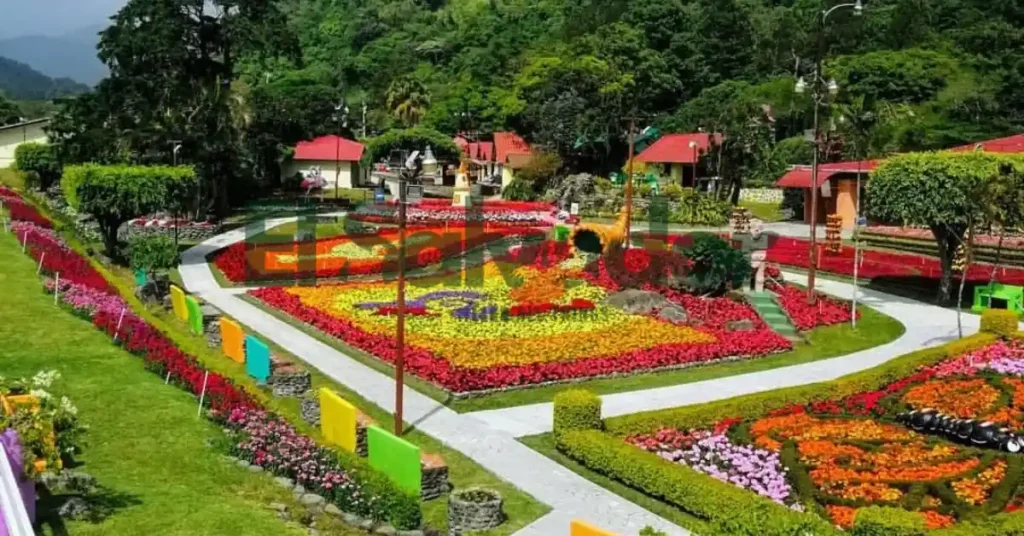
If you want the most central base, that matters here. Staying in the middle cuts down transport hassle and makes day trips between villages a lot less annoying, which is exactly what we wished for after a bumpy pickup and a late lunch in Santa Ana. You can scroll to the individual town sections below, including Concepción de Ataco what to know, Juayua what to know, and Apaneca what to know.
If you only pick one base, choose Ataco.
Ruta de las Flores Trip Tips for Budget, Packing, and Safety
A Ruta de las Flores trip is easiest if you give yourself at least a full day, and better yet a weekend. We rushed parts of our itinerary once, and the bus stops, coffee breaks, and random pupusa stand delays added up fast.
- Packing list: comfortable shoes for walking and hiking, a rain jacket, a small daypack, swimwear for hot springs, and a light layer for cool highland evenings.
- Cash: bring enough small bills for buses, snacks, viewpoints, and roadside food stops. A few places take cards, but cash still saves time.
- Safety: travel in daylight for isolated areas, especially for waterfall hikes and remote viewpoints. These additional El Salvador tourist tips are also useful before your trip. Use a guide where it makes sense, especially on trails or unknown roads.
- Budget: keep extra room for meals, transport, and the activities you already planned. I’d link your route planning with how to get to the Ruta de las Flores and your stops with what to do on the Ruta de las Flores.
What surprised me most was how quickly the weather changed. One minute it felt sunny and warm in Juayúa, then the hills turned chilly and damp. If you pack smart, you won’t care. If you don’t, you’ll end up buying a thin sweater from a shop near the square like I almost did.
If you are curious how digital payments work locally, this guide to Bitcoin in El Salvador explains more.
What to Do on the Ruta de las Flores
The Ruta de las Flores packs viewpoints, coffee plantation tour stops, hot springs, waterfalls, murals, and enough snacks to keep me wandering longer than planned. I’d pick activities by time, budget, and whether I wanted food, adventure, or scenery, because some days call for a lazy market stroll and others beg for a canopy tour and zip-lining.
Scenic Viewpoints and Short Hikes
The best moments for me were the quick pull-offs above the towns, where the air felt cooler and the hills rolled out in green layers. A short hike is usually enough if you want the views without burning the whole day.
If you’re comparing the quieter mountain towns, this breakdown of Suchitoto vs Ataco helps explain the different travel vibes.
Coffee Plantation Tours
I did a coffee plantation tour near Apaneca, and many travelers pair this region with a stay in Santa Ana because it works well as a western El Salvador base. The guide walked us through the process, and I left with sticky hands, a better caffeine habit, and a bag I probably overpaid for because I was tired and happy.
Canopy Tour and Zip-Lining
If you want a shot of adrenaline, the canopy tour and zip-lining options are a fun add-on. We almost skipped it, then changed our minds after breakfast, which was lucky because the breeze over the trees was the best part.
Murals and Town Wandering
The murals in the Ruta towns are an easy win when you want something low-key. I liked drifting past bright walls, local shops, and sleepy plazas, especially when the afternoon heat made anything more ambitious feel silly.
Hot Springs
Hot springs are a good reset after a dusty day on the road. Many travelers also combine the route with a stop at Lago de Coatepeque for lake views and relaxing afternoons. Some spots get busy on weekends, so I’d go earlier if you want a quieter soak and fewer kids cannonballing into the water.
Waterfalls
The waterfalls here tend to be the kind you earn with a little walking, which I actually liked. Bring shoes that can get muddy, because the trail near Los Chorros turned into a slippery joke after rain.
Dune Buggy Rides
A dune buggy ride is messy, loud, and honestly kind of ridiculous in the best way. I came back with dirt on my calves and a grin, which is more than I can say for my shoes.
Food Festival, Night Market, and Local Eats
If your trip lines up with a food festival or night market, go hungry. If you are planning a larger route around the country, this 1 week El Salvador itinerary connects many of the best destinations together. The pupusas, sweet bread, and little snack stalls made the whole route feel extra alive, and I still think about one plate I grabbed in Juayúa while standing at a wobbly plastic table.
Labyrinth Stops
The labyrinth is a weird little detour, but that’s part of the charm. It’s the kind of stop that breaks up the day, gives kids something to do, and makes adults laugh when they take the wrong turn for the third time.
If you’re mapping the route around where to sleep, best base town by traveler type helps narrow it down. And if you want to bundle these stops into a plan, suggested Ruta de las Flores itineraries makes that easier.
Take in the Best Views
The easiest miradors are right off the main road, so we barely had to slow down before the valley views opened up. One is about 1 km past Apaneca if you’re driving south from Ahuachapán, and another sits around 3 km past the Juayua turnoff toward Nahuizalco. I liked that we could pull over fast, and in some cases bus access works too, which is handy if you’re not renting a car.
I wish someone had told me that the viewpoint on the road to the thermal pools is a lot less striking. It’s fine if you’re already passing, but I wouldn’t build a stop around it. The best payoff for me was in Concepción de Ataco, where Mirador de la Cruz gives one of the best sunset views on the route.
Try to get there before the sun drops low, because the light changes fast and the hills go gold, then pink, then gone. If you only pick one stop, make it Ataco at sunset, then linger for the cooler air and those wide, quiet views.
Take a Coffee Tour at El Carmen
El Carmen sits in the hills near Ataco, and the coffee plantation there gives you two very different ways to see the bean side of western El Salvador. I liked that we could pick a quick stop or go full nerd mode, because not everyone has half a day to spare. If you’re staying nearby, this is an easy add-on before dinner or after you check where to stay on the ruta de las flores.
Traditional Tour
Cost: $6
Duration: about 1 hour
This is the short, easy choice if you just want the basics. The Traditional Tour walks you through the process from berry to bean, which sounds simple until you see how many steps happen before coffee ever hits your cup. We watched a video, then tried coffee made with a Chorreador Dripper, and that last part was my favorite because it felt old-school and a little messy in a good way. If you’re short on time, this one gives you the story without eating up your whole day.
Whole Tour
Cost: $25
Duration: about 3 hours
The Whole Tour is for anyone who wants the full coffee plantation experience. It includes coffee and pastry, a farm tour, milling at the mills, exportation steps, a coffee-tasting lesson, lunch, and 1 pound of coffee to take home. Real sit-down morning, not a quick stop, so don’t plan it between random errands. If you want lunch included and more behind-the-scenes detail, this is the better pick. If you just want a taste of the place and you’re already full from breakfast in Ataco, the Traditional Tour usually makes more sense.
El Carmen also mentions rooms starting at $65 per room with breakfast, which is handy if you want to stay close and not rush the day. That said, I’d only book the longer tour if you actually want the lunch and the deeper coffee-tasting lesson, because the extra time is part of the point.
Go on a Canopy Tour and Zip-Lining
The canopy tour in Apaneca has 14 cables, and it runs through a real jungle canopy with platforms tucked into the trees. I liked the view more than I expected, with coffee fields rolling out below and rivers cutting through the green. Some lines are short and feel more like a warm-up, but the longer ones are the fun part, the kind that makes you grin into your helmet.
Mostly because zip-lining can sound a little touristy. But here, it felt worth it, even if the price made me pause for a second. The whole thing takes about 1.5 hours, and budget a little extra time for check-in, gear, and the slow shuffle up to the first platform. If you want a smoother start, arrive early, since the departures are fixed and the staff moves fast once everyone is there. The usual times are 9:30am, 1:30pm, and 3:30pm, and the cost is $35 per person.
Schedule: 9:30am, 1:30pm, and 3:30pm departures. Please arrive 15 minutes early.
Cost: $35 per person, for about 1.5 hours on the canopy course.
If you are already in Apaneca, this is one of those activities that pairs well with a slow morning and a coffee stop after. It’s a little pricey for some travelers, sure, but the longer zip-lining runs made it feel worth it to me.
Explore the Colorful Murals
Murals and graffiti show up all over the Ruta de las Flores towns, but Ataco has the densest cluster by far. I remember turning one corner and seeing painted walls on a café, a hotel, and even a tired-looking abandoned building, all in the same block. If time is tight, I’d put concepción de ataco what to know at the top of your list.
Juayua and Apaneca also have plenty of street art, just in a calmer way. The best part is spotting the themes as you walk, because the murals often mix religious scenes with political messages, bright faces, and local symbols. That mix makes the towns feel lived in, not staged.
What to look for: hands, saints, protest-style imagery, and tiny details tucked into doorways or side streets. I liked taking it slow here, because some of the best murals are easy to miss if you’re rushing for coffee or lunch.
Location: Ataco, Juayua, and Apaneca
Relax at the Hot Springs at Alicante Thermales
The hot springs at Alicante Thermales sit south of Ahuachapán, and the place is built around 13 pools with different temperatures. I liked that it felt easygoing, not fancy, and the water comes from heated underground springs, so you get that steady mineral smell and a proper soak without much fuss.
We thought it might be just another roadside pool. It wasn’t. I remember shuffling between pools, testing the hotter ones, then retreating to a cooler one like a person who has made a bad life choice. If you want a little extra pampering, massages are available for $15 for a half-hour, and there’s a restaurant on site with cold beer, which honestly helps a lot after a long morning in the heat.
If you’re planning a day trip, the morning is the practical move. I wish someone had told me that sooner, because leaving before 1pm makes the stop feel relaxed instead of rushed. A day entry is $5, which is hard to argue with for a few hours of soaking. how to get to the ruta de las flores is useful if you’re fitting this into a bigger route. Santa Teresa Thermales costs $10 for the day, so yes, it’s pricier, but prices alone do not guarantee a better experience. I’d pick based on the vibe you want, not just the ticket.
Visit the Seven Waterfalls
The Seven Waterfalls hike cost me $20 and took about 4 to 5 hours. If you are still deciding where to stay nearby, comparing Santa Ana vs Ahuachapán can help narrow it down. It’s based in Juayua what to know, and we almost skipped it because the town had easier, shorter stops.
I’m glad we didn’t. The trail moves past coffee fields, tall trees, tropical fruit, and a stretch of jungle that felt sticky and loud in the best way. On clear days, you can catch views of three volcanoes, and that alone made the climb feel worth the sweat.
The big finish is El Bebedero, where travelers rappel down the face of the cascade before dropping into a crystal-clear pool. I liked the drama of it, but I’ll be honest, this is not the casual, quick outing some people want. If you’re trying to see Juayua fast, this is the one I’d skip.
For travelers who want a full outdoor experience, though, it’s one of the most memorable things I did around Juayua. We ended with a picnic lunch by the water, sore legs, muddy shoes, and that happy tired feeling you only get after a proper hike. I wish someone had told me to bring extra dry clothes, because that swim felt amazing and my socks did not.
Like most hikes, it’s smart to pace yourself, drink water, and keep an eye on footing near the wet rocks. I heard a guide say the same thing more than once, and he was right.
Go on a Dune Buggy Tour
The dune buggy rides in Apaneca are simple, loud, and a little dusty in the best way. The 2-hour tour costs $70 per buggy for up to 2 people and usually rolls past Green Lagoon, the Colonial Church, Mosaic Street, and the tourist plaza.
If time is tight, I’d pick the 1-hour tour. It’s $55 per buggy for up to 2 people and focuses on Green Lagoon, which is the stop most people remember anyway. Truth is, someof the other sights are pretty close together, so the shorter option feels like better value if budget matters or your Apaneca what to know list is already packed. I wish someone had told me that before we bounced around half the morning for places we could’ve seen faster on foot.
The schedule is easy enough to plan around, with departures Monday to Sunday at 9am, 11am, 1pm, and 3pm. So if you want the cleanest timing, grab an early slot, keep your sunglasses on, and accept that you’ll probably come back with dust in places you didn’t know could hold dust. That’s part of the charm, apparently.
Visit the Juayua Food Festival
The Juayua Food Festival is a big reason so many travelers detour onto the Ruta de las Flores, and honestly, I get it. We came for the food focus and stayed long enough to forget about our plans, which is usually how good trips happen. Between the mountain air, the easy walkability, and the town’s laid-back energy, it felt less like a formal event and more like lunch got a little rowdy in the best way.
What I liked most was how the festival fit into the rest of Juayua. One minute you’re eyeing a plate, the next you’re noticing street art, then someone points you toward waterfalls or volcanoes nearby like that’s a normal casual bonus. That’s the charm here. If you’re food-first like we are, start with where to eat in Juayua, then wander into the market, the night market, and, yes, the pupusas. We almost skipped the whole thing, which would’ve been a tragic, snack-shaped mistake.
Get Lost in the Labyrinth at Cafe Albania
The hedge labyrinth at Cafe Albania cost us $3, and it looked harmless from the entrance. It was not. The natural hedges twist harder than you expect, and I wish someone had told me that before we walked in all cocky with our coffee buzz.
We took about half an hour to get through it, and honestly, that felt about right. A few times we hit a dead end, laughed, and then had to backtrack like total amateurs. If you go, expect to need help sooner than you think. The labyrinth is the kind of thing that looks easy until you are staring at the same hedge for the fourth time.
Cafe Albania has bigger, louder attractions too, like a zip-line, zorbing, and even a tightrope bicycle. There is also a souvenir shop if you want to browse after. But for me, the real win was keeping it simple: the labyrinth, then a slow coffee patio break with a hot cup in hand. That felt more worth it than chasing every gimmick on the property.
If your budget or time is tight, I would skip the extra stuff and prioritize the maze and the coffee. The setting in Apaneca is part of the charm, and the whole place has that slightly scruffy,fun energy that makes a day out feel real instead of packaged. If you are building a full activity day, you could also go on a dune buggy tour afterward.
Cost: $3 for the labyrinth. Location: Cafe Albania, Apaneca.
Try Local Delicacies at the Nahuizalco Night Market
The Mercado Nocturno Nahuizalco wakes up after dark. Travelers who enjoy slower cultural towns should also check out what to do in Suchitoto for another great local experience. Stalls glow with indigenous arts, wooden handicrafts, and a line of exotic food that made us stop twice before ordering. If you like a little risk on a plate, this is the place to try river snails, rabbit tacos, or even iguana.
I’d have missed one of the strangest, best nights of the trip. Plan your evening around the 6 to 9pm window, because that’s when the night market feels busiest and easiest to enjoy without rushing. I’d pair it with juayua what to know if you’re already building a food-focused stop there, since the two fit together nicely and keep thewhole night centered on eating, wandering, and people-watching.
Cost: About $10 per person on a tour, minimum 2 people. Duration: About 3 hours. Location: Mercado Nocturno Nahuizalco, best visited from 6 to 9pm.
Los Choros Waterfalls
The walk to Los Choros waterfalls is short, scenic, and not harmless. It takes about 20 minutes each way, which sounds easy until you hear the part locals kept stressing to me: robberies can happen, even on a quick trail.
I almost skipped it because the warning felt so blunt, but that was the right call to take seriously. The safest setup is a guide or a local police escort, and the escort is free. A local guide costs $5, which felt like cheap insurance after hearing how exposed the path can be.
What caught me off guard was the timing. Local police may not arrive until around 10 or 11, so going early without support is a bad idea. If you show up before then, you can be on the trail with no backup at all, and that’s exactly when you don’t want to be alone.
I’d also be extra cautious on weekends, when food festival crowds and general movement can make things feel busier and less predictable. The water and greenery are lovely, but I’d keep my head up, stay with others, and not wander off for photos. If you’re mapping out what to do on the Ruta de las Flores, I’d treat this as a daylight-only outing with safety first, fun second. That’s the same general travel caution the U.S. Department of State pushes for anywhere you might let your guard down.
My honest take: the waterfalls are worth seeing, but only if you go smart. A short walk can still turn ugly fast if you get separated, and I heard enough about a machete point threat that I would not play brave here.
| Cost | Duration | Location |
|---|---|---|
| Free with local police escort, or $5 for a guide | About 20 minutes each way | Los Choros, on the Ruta de las Flores, El Salvador |
The Villages Along the Ruta de las Flores in El Salvador
The Ruta de las Flores runs through seven towns, and it makes more sense if you picture it as a chain, not a single stop. Ahuachapán and Sonsonate are the main travel hubs for buses, while I found the best places for basing yourself were Concepción de Ataco what to know, Apaneca what to know, and Juayua what to know.
Truth is, I wish someone had told me that Nahuizalco is the second village from Sonsonate, because that made the route click for me fast. If you’re using the town guides, start with the one that matches your trip style, food, activities, or backpacker stays, then work outward from there. That’s how we kept our bus rides short and our coffee stops frequent, which felt like the right way to do it.
Concepción de Ataco: What to Know
Concepción de Ataco is the second-largest town on the Ruta de las Flores, and it feels like the easiest place to settle in for a night or two. The center is very walkable, with murals on nearly every corner, little shops run by local artisans, and cafes where we ended up lingering way longer than planned. It has that comfortable vibe that makes you slow down without trying.
The town square is lively but still felt safe and relaxed when I was there, even after dark. I liked using where to stay on the ruta de las flores as a base-town reference, because Ataco makes day trips easy and keeps dinner simple. If you get hungry, the restaurants in Concepción de Ataco are close enough that you can wander back on foot without overthinking it. We almost skipped it, and I’m glad we didn’t, because the mix of color, art, and easy pacing was one of the trip’s best surprises.
Restaurants in Concepción de Ataco
Ataco has way more dining options than I expected for such a sleepy mountain town. I remember walking the cobbled streets and seeing menus for Mexican, Japanese, French, Chilean, and even American BBQ all within a short stroll.
That mix makes it a fun place to eat before you settle on a favorite. I wish someone had told me to keep this part light, because the real fun is picking between a cozy cielito lindo pupusas specialty mushroom, a cheap local plate like comedor popular affordable lunches, or a sweet stop such as gecko cafe coffee desserts.
Cielito Lindo: Pupusas + Specialty Mushroom
Cielito Lindo is one of those local-recommended stops I’m glad we didn’t skip. I went for the pupusas, and they were excellent, hot from the griddle and exactly the kind of simple comfort food that makes a road trip feel worth it. But the real surprise was the tenquiqe mushroom dish, a seasonal gem some people call a sort of Salvadorian truffle, with that deep earthy flavor you only get when the seasonal produce is right. Here’s the thing, it can sell out, so I’d stay flexible if it’s gone. I wish someone had told me that before we went. If the mushroom special is missing, don’t sulk, just lean into the pupusas and keep eating. I’d still happily send anyone here, and if you need more restaurants in concepción de ataco, it fits right in with the best local picks.
Comedor Popular for Cheap Almuerzos
The Comedor Popular was one of the easiest budget lunches we found in El Salvador. The menu rotates daily, so you don’t really pick the dish, you just show up and ask for almuerzos. That’s how we ended up with the day’s meal of the day: three handmade meatballs in tomato sauce, rice, salad, and tortillas.
I paid $4.50 total for my food and two beers, which felt like a small miracle for a proper sit-down lunch. The plate was simple, filling, and honestly better than I expected for the price. If you want value for money, this is the kind of place I’d happily do again, especially when you want a cheap lunch and don’t mind whatever the kitchen is cooking that day.
Gecko Cafe, Coffee + Desserts
Gecko Cafe is a small stop with a lot of coffee knowledge packed inside. I liked how the staff could explain coffee blends and the brew style without making it feel fussy, which is rare when you just want a good cup and a quiet minute. If you ask, they’ll talk you through the blend choices in a simple, friendly way.
The coffee is strong, and the in-house desserts make it an easy place to linger. I’m glad we did, because the mix of strong coffee, desserts, and that small but knowledgeable feel made it one of the more memorable café stops I had in El Salvador.
Where to Stay in Concepción de Ataco
Ataco has a surprisingly good mix of stays for a small town, including a few shoestring options and some nicer places that feel calmer than they should for the price. I noticed prices fluctuate by day, so the same room can cost more on a busy Friday than on a sleepy Tuesday. If you want the easy pick, start with budget stay options in Concepción de Ataco, then compare the mid-range and boutique choices from there.
Weekends and festivals fill fast, and that’s where I nearly messed up. I’d book in advance for those dates, because good places go first and the leftovers can feel overpriced for what they are. If you’re happy with simple dorms or basic rooms, you’ll still find solid value, just don’t expect the same rate every night. For a bit more comfort, check mid-range stay options in Concepción de Ataco or comfortable and stylish stays in Concepción de Ataco.
Budget Stay Options in Concepción de Ataco
Hotel Casa Pino is the budget stay I’d point to first if you’re rolling in from the highway bus stop. It sits about one block from the main bus stop, so you won’t be dragging a bag far after a sweaty ride in from Sonsonate. The place has four private flats, each with a kitchen and bathroom, which makes it a smart pick if you want to cook a simple meal instead of eating pupusas every single night, even if I tried to do that anyway. The back garden is shared, and it’s a nice little break from the street noise when the buses and pickup trucks are humming past. I’d choose it for bus arrivals, couples, or anyone who likes a bit more space and kitchen access without paying fancy-town prices.
Mid-Range Stay Options in Concepción de Ataco
Las Casitas Hostal was the mid-range stay that felt easiest to settle into. Weekdays are usually laid-back, but the weekend buzz picks up fast, especially around the bar and restaurant. I liked that it had a social vibe without forcing hostel-dorm life on you, so you can still sleep without hearing someone unzip a backpack at midnight.
The games area is a nice touch, and yes, the foosball table gets more action than I expected. If you want a place where you can chat over a drink, grab a bite, and still keep things low-pressure, this is a solid pick in Concepción de Ataco. I wish someone had told me it’s better for travelers who want people around, not a nonstop party.
Comfortable and Stylish Stays in Concepción de Ataco
Casa Degraciela is the kind of boutique hotel that makes Ruta de las Flores feel extra special. I still remember stepping into the garden in the morning and hearing tropical birds while the cool mountain air hung over the tables like a soft blanket. It felt polished, but not stiff, and that mix is hard to find.
The rooms are made for slow starts, and room service is a nice help when you want coffee before facing Ataco’s cobbled streets. There’s also a private bar, which worked perfectly after a long day out and a few too many pupusas. If you want to do Ruta de las Flores in style, this is the place I’d keep on my list.
Book a boutique stay on Booking.com
Apaneca: What to Know
Apaneca is the route’s activity centre, not really a sleepy stop. I kept seeing people roll in for canopy rides, buggy runs, the labyrinth, and that viewpoint circuit, then head out again before dark. That made sense to me, because the town works best as a base for the fun stuff already tied to go on a canopy tour and zip-lining.
Near the center, the Apaneca church anchors a small, lively square, and the painted buildings give the town a brighter feel than I expected. The mosaic intersection is one of those details you notice only when you slow down, which is hard here because most people are in transit between activities. Truth is, I liked Apaneca most as a place to pause for lunch, wander a bit, and then get back on the road. Limited overnight stays make sense here, unless you want a very quiet night.
What to eat in Apaneca
what to eat in apaneca is usually simple and practical, the kind of meal you want before or after a muddy, sweaty activity day. I’d keep it casual and not overthink it.
Where to stay in Apaneca
where to stay in apaneca works best if you want to wake up close to the trail and activity spots. I’d only plan a longer stay if you really want slow mornings and an early start.
What to Eat in Apaneca
Apaneca doesn’t have a huge food scene, but it does have the basics done right. I found a few solid Salvadorian restaurants around town, plus the newer tourist market where you can grab different bites without wandering too far. Truth is, If you want a quick, easy starting point, I’d head straight to Axul cafe paninis craft beer before checking the market options.
Axul
Axul was the kind of place that made me happy we stayed for lunch. It felt relaxed, and the menu gave us a break from the usual roadside plates. If you want a sit-down meal with a little more variety, this is the first stop I’d try.
Plaza Turistica
The plaza turistica food court vibes are the main reason Apaneca feels easier for casual eating than I expected. It’s a newer tourist market, so you get several food choices in one place, which is handy after a long walk or a chilly morning.
Axul, Café, Paninis, Craft Beer
Axul is one of those spots where we almost stayed longer than planned. The paninis were the clear draw for us, but the Salvadorian craft beer kept the table from emptying fast. I liked that it felt casual and local, not polished in that boring way that makes you rush out the door.
What really made Axul stand out was the little shop attached to it. We browsed hot sauce, repurposed garbage crafts, and a few odd handmade pieces that felt more personal than souvenir-shop junk. If you’re the kind of traveler who likes small details, this is where you notice them. I wish someone had told me to leave time for the shop instead of treating it like a quick lunch stop.
Axul also runs weaving classes and workshops, which makes it feel more like a hangout than a café. That mix of food, craft beer, and hands-on local art gave it a slower rhythm that I honestly loved. If you want a place to linger, sip, and poke around a little, Axul is worth the pause.
Plaza Turistica (Food Court Vibes)
Plaza Turistica is a semi-enclosed food court with more than 20 places to eat, and that number matters because the stalls all look similar at first. The menus can blur together fast, but the food is different enough that it’s worth slowing down and picking your spot instead of grabbing the first plate you see. If you want typical Salvadorian food without spending much, this place fits the bill.
I tried a plato mixto for $6, and it was filling enough that I didn’t need anything else after. It’s the kind of place where you smell grilled meat, hear plates clinking, and realize the best move is to go hungry and keep your expectations simple. Same vibe, different stalls, and that’s exactly the point.
Where to Stay in Apaneca
Apaneca is a sleepy town after dark, so I’d treat it more as a base for daylight plans than a place to chase a wow-worthy hotel scene. We stayed nearby for the activities, and the truth is the lodging options felt a bit underwhelming stays wise, with more “fine for a night” than “I never want to leave.”
I’d keep my expectations simple. If you want early starts for coffee stops, viewpoints, or trail time, staying in town makes sense. If you’re picky about style, comfort, or atmosphere, search broadly before booking, because the best fit may not be the first place that pops up.
That’s why a wide Booking.com search is the smartest move here. I’d compare a few options, read the recent reviews, and pick the one that fits your plans, not just the photos.
Juayua: What to Know
Juayua is the stop that usually wins over backpackers first, then food lovers, then anyone who wants an easy base near visit the seven waterfalls. I spent the most time here over the years, and it kept pulling me back for the same reason: you can eat well, chase waterfalls, and still catch a little town energy without feeling rushed.
If you want to explore more of the country afterward, this guide on what to do in San Miguel gives another perspective on eastern El Salvador.
The biggest draw is the mix. Mornings feel calm, lunch is about food, and weekends can get lively fast, especially around the January celebration that gives the town a more festive buzz. If you’re building a two-day plan, Juayua is the best match I found for pairing a waterfall day with a slow, hungry evening. That combo worked better than I expected, even after one muddy hike and a lunch I probably ordered too late.
Truth is, Juayua became my Juayua favorite because it felt easy, not polished. That’s exactly why I’d base myself here again before checking where to eat in Juayua and where to stay in Juayua.
Food in Juayua
Lodging in Juayua
Where to Eat in Juayua
If you’re in Juayua for the weekly food festival, you’ll have plenty of options and the whole town smells like grilled meat, fried dough, and coffee. I loved wandering the stalls first, then picking what looked best instead of committing too early, because the good stuff goes fast.
If you miss the festival, don’t panic. Juayua still has solid fallback options, and I’d go straight for pupusas when the market feels quiet or you just want something simple and filling.
Cony pupusas best pupusas pick
Cony Pupusas, Best Pupusas Pick
Cony Pupusas was the local favorite I heard about most, and after asking residents for recommendations, it was the one that kept coming up. I almost skipped it because the line looked too ordinary, but that was the mistake. The pupusas were exactly what you hope for, with a strong, tangy curtido and a tomato sauce that people around me kept praising like it was the real star.
Truth is, I’d put Cony Pupusas at the top of my list too. Esmerelda’s is a close second if you want another solid option, but Cony felt the most loved by locals and the most memorable on my trip. If you want the place that made me understand why pupusas are such a big deal here, this was it. Simple, messy, and worth the napkin pile.
Where to Stay in Juayua
Juayua is the route town where I saw the most dorms, and that matters if you’re backpacking between the Ruta de las Flores stops. The vibe is simple and social, with a few places built for sleeping cheap and meeting people, while others lean more private and quiet.
If you want the most backpacker-friendly setup, Hostal Doña Mercedes and Hostal Deyluwin are the names that come up often. I’d treat them as very different kinds of stays, though. Dorm-style rooms usually mean more noise, more coming and going, and less privacy, while private rooms give you a calmer night and usually a better reset after a long bus day.
Hotel Anahuac is a good example of the private-room side of Juayua. Some stays here have mixed opinions, so I’d read recent reviews closely before booking. That said, I like the idea of choosing a place like this if you want a room with a bit more breathing space and fewer hostel shenanigans.
For a more relaxed feel, look for places with a walled garden, hammocks, and room to sit outside with coffee. Those garden stays suit Juayua well, because the town feels slow in the mornings and busy again later, especially around food stalls and the central square. One of the best things about staying here is that you can wake up, grab breakfast, and still be close enough to walk everywhere.
If air conditioning matters to you, check that detail before you book. Some of the simpler rooms are clean and spartan, which is fine if you just want a bed and a fan, but not great if you run hot at night. I also saw spacious rooms with private bathrooms, and those are worth it if you’re traveling as a couple or just want a quieter stay after bouncing around the highland towns.
Juayua works so well for backpackers because it gives you choices without much hassle. You can stay social, keep costs down, or pay a little more for privacy and sleep better. If you want to keep comparing, I’d browse a few more options on Booking.com before you book.
How to Reach the Ruta de las Flores
Choose your origin below, because the easiest bus plan depends on where you start. I nearly overcomplicated this the first time, then learned the route is pretty simple once you know the bus terminal and the right numbers.
Getting there from Santa Ana
From Santa Ana, head to the bus terminal and ask for guidance to the Ruta de las Flores towns. Buses and micro-buses run toward Sonsonate and Ahuachapán, and you can hop off where you want to start. Bus #249 runs the full length of the route, which is the easiest option if you want less stress.
Getting there from San Salvador
From San Salvador, go to the main bus terminal and connect west toward Sonsonate first. Then switch to local buses or micro-buses for the flower towns. It’s not fancy, but it works, and the fares stay low enough that I didn’t mind the extra stop.
Getting there from El Tunco, El Zonte, or La Libertad
Coming from the coast, start with buses toward Sonsonate. If you are spending time by the beach first, this guide to La Libertad helps plan the coastal side of the trip. If you’re already on the western side, ask for the bus numbers that link into the Ruta de las Flores and hop off in each town as you go. I liked this option most because it felt easy after beach mornings and one too many pupusas.
Getting There from Santa Ana
Bus #238 is the easiest one I found from Santa Ana to Juayua. It runs several times a day, costs $0.80, and takes about 1.5 hours. The ride is pretty simple once you’re on it, and that matters because the stop can feel a little chaotic first thing in the morning.
If you’re heading toward Ahuachapan, bus #210 is the other solid option. It also takes about 1.5 hours and costs $0.75. I liked having that backup, because Santa Ana buses can fill up faster than you’d expect, and no one wants to stand around sweating with a backpack on.
The trickiest part is the transfer. Micro-buses leave from the roundabout, but some only go as far as Apaneca, not all the way to Juayua. I wish someone had told me that before I hopped on one and had to double-check with the driver in a half-panicked mix of Spanish and hand gestures.
So here’s the practical part: before boarding any micro-bus, verify the destination. Ask if it goes to Juayua, not just Apaneca, and if you want the full route, look for bus #249, which runs the full length of the route. It’s a small detail, but it saves a very annoying transfer and a lot of guesswork.
Getting There From San Salvador
From Terminal de Occidente, I took bus #205 to Sonsonate. It cost just $0.75, and the ride took about 1.5 hours. That part was easy, even if the bus felt packed and a little hot by the end.
Once you reach Sonsonate, bus #249 is the main connector for the rest of the route. It keeps going past the major villages on the way to Ahuachapan, so don’t expect a direct hop straight through.
Truth is, the transfer is simple once you know the pattern: San Salvador to Sonsonate on #205, then onward on #249. I liked that the route was cheap and straightforward, but it did feel like one of those local trips where a small mistake turns into a long wait at the terminal.
Getting There From El Tunco / El Zonte / La Libertad
Bus #287 is the cheap coastal hop I used from La Libertad toward Sonsonate, and it only runs at 6am and 1:30pm. The fare was $1.50, and the whole ride took about 2 hours, which felt fine until the road got slow and everyone started playing dance music like it was a moving beach party.
If you’re starting in El Tunco or El Zonte, plan for a pickup delay. The bus leaves from La Libertad first, so those stops usually happen about 15 to 20 minutes later. I wish someone had told me that, because standing there early is one of those small travel annoyances that makes you question your life choices before coffee.
Once you reach Sonsonate, you can switch to bus #249 for the next leg. Truth is, the big thing here is timing, not distance, so build your morning around that limited departure schedule. Miss the 6am bus, and you’re basically waiting around until 1:30pm with the rest of us who thought “just show up” was a plan.
Suggested Ruta de las Flores Itineraries
A Ruta de las Flores itinerary works best when you group nearby towns instead of zigzagging around. I learned that the hard way after one too many extra tuk-tuk rides and a coffee-fueled sigh in Juayua.
Day trip: If you only have one day, pick Juayua and Ataco. Make Juayua your food-first stop for the food festival, then head to Ataco for colorful streets and a few easy viewpoints. This is the least stressful plan, and it keeps backtracking low.
Overnight: For a slower overnight, stay in Ataco or a good base town, then add Apaneca the next morning for a coffee tour. I’d do this if you want a mix of snacks, photos, and one solid activity without rushing lunch.
2-day route: Day one, Juayua and Ataco. Day two, Apaneca and the best viewpoints. That order makes sense because you keep moving along the route instead of bouncing back and forth like I almost did on my first trip.
3-day route: Use one base town and move slow. One day for Juayua, one for Ataco, one for Apaneca and coffee. If time is tight, skip trying to see every village and keep the route grouped by cluster. For ideas on what fits each stop, I’d pair this with the activity guide and the village layout.
If you have extra time after exploring the mountain towns, the Pacific coast makes an easy add-on. One of the most memorable experiences is seeing baby sea turtles in El Salvador, especially during release season.
Final Thoughts on the Ruta de las Flores
The Ruta de las Flores gave me that rare mix of tranquil and lively. One minute we were breathing in the cool highland air in Juayúa, and the next we were dodging weekend energy around a food stall with pupusas and hot coffee. I liked that I could relax without feeling bored, because there were still plenty of activities, from waterfall walks to coffee stops to wandering the town squares.
What stuck with me most was how easy it was to slow down and still feel like you were getting somewhere. The route works well for food, culture, and that deep, comforting hit of Salvadorian cuisine, especially if you give yourself a full two days to see a fuller version of it. If your trip style is mellow, take it easy. If you want to do it all, keep moving. I wish someone had told me that the best pace here is the one that matches how you actually travel.
Frequently Asked Questions
What is the best time to visit the Ruta de las Flores?
I liked the dry season best, especially for walking between towns and chasing waterfalls. I’d avoid the heaviest rain months if you hate muddy roads and surprise downpours. For seasonal details, see El Salvador tourism.
How many days do you need for the Ruta de las Flores?
Two to three days felt right for us. That gave enough time for Juayua, Ataco, and one or two activities without rushing from bus stop to bus stop.
Which town is best to stay in on the Ruta de las Flores?
Ataco was my favorite base because it felt lively but still easygoing. If you want more food options and a busier weekend feel, Juayua is strong too, and where to stay on the Ruta de las Flores depends on your style.
Is the Ruta de las Flores safe?
It felt fine in the main towns, especially during the day. I still kept things simple, used normal city sense, and checked local advice before moving around at night. For general travel guidance, the U.S. Department of State is useful.
How do you get to the Ruta de las Flores from San Salvador?
The easiest way is usually by shuttle, bus, or private transfer. We found the roads manageable, but a driver saved a lot of stress and gave us a cleaner start to the trip. More transport notes are in how to get to the Ruta de las Flores.
How do you get to the Ruta de las Flores from Santa Ana?
From Santa Ana, it’s a shorter trip, so a bus or taxi is pretty straightforward. I’d still leave early, because once afternoon traffic and rain hit, the trip felt a lot longer.
What are the best things to do on the Ruta de las Flores?
Waterfalls, coffee stops, colorful town walks, and the weekend food stalls were the highlights for me. We also liked wandering Ataco and Juayua with no fixed plan, which turned out better than our “perfect” schedule.
Is Juayua or Ataco better for first-time visitors?
Ataco wins for pretty streets and an easy first look at the route. Juayua is better if you want food, market energy, and a little more action.
Can you do the Ruta de las Flores as a day trip?
Yes, but it feels rushed. We almost did that, then realized one day would mean seeing the road, not the towns.
What should I pack for the Ruta de las Flores?
Bring light layers, good walking shoes, rain gear in wet months, and cash for small purchases. I wish someone had told me to pack a jacket, because the evenings in the hills got cooler fast.
Is the Ruta de las Flores worth visiting?
Yes, absolutely. It’s one of those rare places that mixes food, coffee, and mountain town charm without feeling overdone.
Which town on the Ruta de las Flores has the best food?
Juayua usually gets my vote for food. The weekend atmosphere and food stalls made it the spot where I wanted to arrive hungry.
Do you need a car for the Ruta de las Flores?
No, you don’t need one. We got around with shuttles, taxis, and short rides between towns, which was easier than dealing with parking.
What is the rainy season on the Ruta de las Flores?
The rainy season usually runs through the middle of the year. Roads can get slick, and afternoon showers show up fast, so plan mornings for outdoor stuff.
Are there guided tours for waterfalls and activities on the route?
Yes, and they’re handy if you want less guesswork. We saw guides for waterfall trips and other activities, and they made remote spots easier to reach.
Is Apaneca worth staying in?
Yes, if you want a quieter base with easy access to nature. It felt calmer than Juayua and Ataco, which is great if you’re tired of constant motion.
What is the easiest way to move between towns on the Ruta de las Flores?
Short taxis or local transport are usually the simplest. The rides are close, but after a long walk and a hot lunch, paying for convenience felt worth it.
Are there dorms on the Ruta de las Flores?
Yes, especially in the main towns like Juayua and Ataco. Backpackers can usually find basic dorm beds without much trouble, though I’d book ahead on weekends.
What is the Juayua Food Festival?
It’s the weekend food scene that draws people into Juayua. We went for the smells alone, and the smoky grills, pupusas, and crowded tables made it feel lively fast.
Are Los Choros Waterfalls safe to visit without a guide?
It depends on conditions and your comfort level. I’d only go unguided if the route is clear and locals say it’s fine, because wet paths can get tricky fast.
How much do attractions on the Ruta de las Flores cost?
Costs are usually pretty reasonable, but they vary by activity. Small entry fees, shuttle rides, and food can add up, so I kept extra cash handy for the random stuff that pops up.
What is the best itinerary for the Ruta de las Flores?
A solid plan is one night in Ataco, one in Juayua, and a day for Apaneca or waterfalls. That gave us enough variety without feeling like we were racing a clock.
Is the Ruta de las Flores good for backpackers?
Yes, it works well for backpackers. Dorms, cheap eats, and short hops between towns make it easy to keep costs down.
Can you visit the Ruta de las Flores without speaking Spanish?
Yes, but basic Spanish helps a lot. We got by with simple phrases, a map app, and plenty of smiles from hotel staff and taxi drivers.
What is the best base town for activities on the Ruta de las Flores?
Apaneca is a strong pick if you want hiking and outdoor plans. It felt like the most practical base for moving toward nature without losing access to the other towns.
What is the best base town for food on the Ruta de las Flores?
Juayua is the food base, no question. If you want the weekend stalls and lots of choices, that’s where I’d stay.
What is the best base town for a relaxed trip on the Ruta de las Flores?
Apaneca is usually the calmest choice. It’s slower, quieter, and better if you want coffee, cool air, and less noise.
Is the Ruta de las Flores a good place for a weekend trip?
Yes, it’s perfect for a weekend. Two days gave us enough time to eat well, wander a town, and still feel like we got a real break.
What are the must-see towns on the Ruta de las Flores?
Ataco, Juayua, and Apaneca are the ones I’d prioritize first. Each one has a different feel, so together they give you the best mix of the route.
Is the Ruta de las Flores better in the dry season or rainy season?
I preferred the dry season because it made moving around easier. The rainy season can look lush and green, but it’s less forgiving if you want simple transport and dry trails.