
The Juayua Food Festival
Juayua is a small village on Ruta de las Flores in El Salvador, and most backpackers roll in for the waterfalls and a quick hike, then stay because of the food. I did the same. We almost didn’t stop long enough, and that would’ve been a mistake, because La Feria Gastronomica is the real reason people keep coming back.
This weekend festival runs every weekend of the year, so it’s easy to plan around. The stalls serve all kinds of Salvadoran dishes, and the smell of grilled meat, spices, and sweet desserts hangs over the square. If you’re hungry after chasing waterfalls, Juayua is where you finally eat well, sit down, and understand why this little town has such a big reputation.
Key Takeaways
- It felt like a real weekend festival, busy, loud, and a little scrappy.
- I’d call it best for easygoing food lovers, not strict planners.
- Bring cash, because the stalls usually want it and card readers are rare.
- Go earlier in the day for the best food and less of the crush.
- The food mix is broad, with plenty for meat eaters and snack-hungry wanderers.
- It works well with nearby waterfalls or a Ruta de las Flores stop, which makes the detour worth it.
Is the Juayua Food Festival Worth the Trip?
For travelers interested in broader festivals in El Salvador, the Juayúa Food Festival is one of the country’s liveliest food-centered cultural events. The atmosphere feels loud, smoky, and deeply social, similar to traditional Salvadoran family Sundays built around food, conversation, and community gatherings. It fits backpackers and anyone building a Ruta de las Flores itinerary really well, since Juayua works as a natural stop on that scenic multi-stop route.
I wouldn’t pick it for a quiet, polished dinner or for strict vegans hoping for easy choices. I went with low expectations and left happily stuffed, though the crowd looked intense at first. If you want the practical version, I’d treat it as a fun weekend add-on, not a fine-dining scene. For more planning tips, check the Ruta de las Flores planning section.
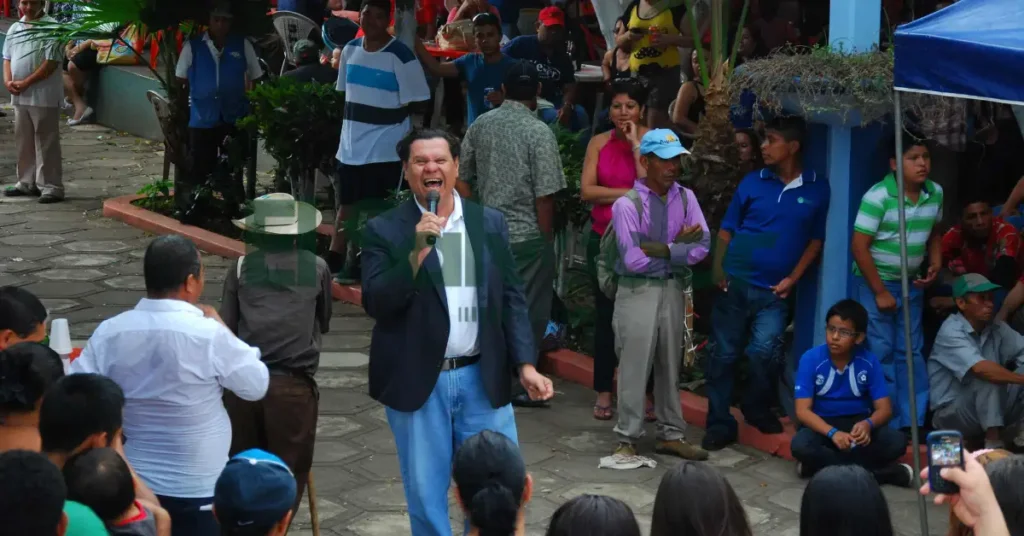
What to Expect at the Weekly Juayúa Food Festival
The weekly Juayúa food festival wraps around the town square and spills onto two main streets lined with canopies and makeshift kitchens. The first thing I noticed was the charcoal smoke, then the smell of soups, grilled meat, seafood, and sweet desserts fighting for space in the air.
Each stall usually sells just 3 to 4 traditional Salvadoran dishes, so you end up sampling your way across town instead of sitting down for one big meal.
Figure: Stalls around the Juayúa town square, with canopies, shared grills, and open-air kitchens sending smoke down the street.
Here’s the thing, this place is very meat-heavy. Shared grill setups are common, which keeps the pace quick but can be rough if you’re sensitive to smoke or just not into that all-over barbecue haze. According to guidance from the U.S. National Cancer Institute and WHO, high-heat grilling and smoke exposure are common considerations at charcoal-heavy food events, and you do feel that here.
If you’re looking for plant-based options, don’t assume the market will be easy. Some stalls may have sides or fruit-based desserts, but the plant-based FAQ covers the reality for vegetarians and vegans better than I can in one breath.
Because the festival works best as a slow tasting walk, I’d treat it like a snack crawl, not a full dinner plan. Prices and portion strategy get a lot more useful once you know what to expect, and I’d read the first-time visitor tips before you go.
How Much Does the Juayua Food Festival Cost?
The open-air Juayua food festival is free to wander, and that surprised me the first time we showed up hungry and half-ready to spend too much. There are no tickets for food either, because everything is cash-based and bought directly from the stalls.
Prices are pretty friendly for a tasting day. I saw $1 spiked ponche, a $3 pineapple cocktail, and $4 soup that smelled rich and garlicky from a few steps away. Most grilled meat or seafood plates ran about $6 to $9, and the portions were larger than I expected.
Here’s the quick math I used. A light sampler budget can stay around $6 to $10 if you pick a drink and one small plate. A moderate solo traveler budget usually lands near $12 to $18 with two food stops and a cocktail. For two people or a small group, sharing plates can keep the total around $20 to $35, which felt fair for that much food.
If you want the payment strategy I used, check the first-time visitor tips for the stall-by-stall basics. And if you like planning your bites, the sample-smartly framework matches the way we handled the day, one stop at a time.
- Carry small bills. It makes paying at each stall faster, and nobody has to fumble for change.
- Share plates when you can. The portions are generous, so sharing keeps you hungry enough to try more soup, ponche, and grilled meat later.
What Are the Juayua Food Festival Opening Hours?
There are no official Juayua food festival hours, but the rhythm is pretty clear. Most stalls open on Saturday and Sunday from about 11am to 5pm, with a few setting up on Friday evening if the crowd starts early.
That was my experience too, and we almost didn’t do this because we showed up too early one Saturday and found half the grills still cold. If you want the best fresh food, I’d aim for late morning, before the lunch rush starts piling up around the square.
If you care more about atmosphere, music, and crowd energy, stay later in the day when the spirit of Salvadoran music and dance becomes more noticeable around the square. Some stalls keep serving around then, and during the Cristo Negro celebrations in the first two weeks of January, the whole place can stretch into late evening with extra noise, smoke, and late-night festivities.
My blunt rule of thumb is simple, arrive before 5pm unless you’re chasing the party. That also lines up with general travel advice from tourism boards, which usually says earlier visits mean better selection and less crowding at open-air markets. If you’re planning your budget and timing together, check the costs section and the first-time visitors checklist before you go.
What to Eat at the Juayua Food Festival (Feria Gastronomica)
The Juayúa food festival is where the food to try starts to pile up fast, from drinks to seafood, soups, and local specialties. I went in hungry and still had to pace myself, because the charcoal grilled smells alone were dangerous. Prices and real examples come next, so you can see what was worth it and what I’d skip.
Start Your Visit with a Cool, Refreshing Cocktail
The first thing I bought in El Salvador was a $3 pineapple cocktail, and honestly, it was the right move. They hollow out the pineapple, blend the fruit with ice and rum, then pour it back into the shell, so you get a drink that tastes like a tiny vacation and a snack at the same time.
This is the kind of early stop that makes sense in the heat, especially if you’re standing around an open-air stall and everything smells like smoke, salt, and sweet fruit. I liked how cold it was, and how the pineapple kept it playful instead of too boozy.
You can customize it with salt, lime juice, hot sauce, or dried chilies, which sounds wild until you try it. I went with lime juice and a little salt, and it tasted bright without being fussy. Bring a reusable travel straw if you can, because sipping out of a pineapple sounds cute until you’re wrestling with the rim and sticky hands. The CDC also says ice and beverage handling at open-air food events should follow basic hygiene and clean-serving practices, which is good to keep in mind when you’re chasing those ponche-style spiked drinks.
Image: A hollowed pineapple filled with a frosty rum blend, perched on a market counter, with a straw ready to go.
Part of the fun is chatting with vendors and locals, and learning a few phrases from this guide to 10 Salvadoran slang words makes those conversations easier.
Try Some Incredible Grilled Seafood
Juayua sits in the highlands, but the ocean within two hours means the seafood freshness here really caught me off guard. We almost didn’t order seafood first, because the town also throws a lot of heavy food at you, but I’m glad we did. I like eating light early in the day, then moving to heavier plates later, and that order made the whole meal feel smarter instead of sloppy.
The best surprise was a grilled seafood plate with prawns in garlic for $7.00. It came with four large prawns, a simple prawns plate that tasted clean, smoky, and rich without being greasy. The garlic hit hard, the corn was sweet, and the grilled green onions had that sharp char I wish I could copy at home. A local vendor told us the market turns over fast, and honestly, that matched what I saw and smelled.
We had ours early, then saved the heavier stuff for later, which felt like the right call in Juayua. If you like seafood, order it before your taste buds get tired and your stomach starts plotting revenge. I’d skip waiting until night for this one.
| Example Dish | Cost | What Came With It |
|---|---|---|
| Grilled prawns in garlic | $7.00 | Four large prawns, corn, grilled green onions |
Try Delicious Local Soup and Sausages
The first thing I ordered in El Salvador was the $3 bean and pork-skin soup, and I’m glad we didn’t skip it. It came salty, rich, and filling, with that stubborn pork-skin chew that makes you slow down and pay attention.
Start with the soup before the heavier plates. It hits like a warm, cheap anchor, especially if you’ve been walking all morning and your stomach is already complaining.
Then I went for the Chorilonzo, which is the kind of name you remember because it sounds like it should come with a warning. It mixes chorizo and longaniza, and the plate cost $6. The sausage came with cheese, rice and beans, salsa, pickled cabbage, and tortillas, so you get a little bit of everything in one messy, very satisfying pile.
Here’s the thing, the chorilonzo smelled smoky before it even reached the table. The cheese melted into the meat, the pickled cabbage cut through the fat, and the tortillas handled the rest like they’d done this a thousand times. It was the kind of plate that looks simple until you realize you’ve cleaned it without meaning to.
Chorilonzo platter
After that, we almost made the rookie mistake of ordering too much. The giant skewer of assorted grilled meats also costs $6, and it comes with sides, so if you’re sharing or still hungry, that’s the heavier move. I’d save it for later in the meal, because the soup and sausage already do a lot of work.
That lighter-snack order made sense once we sat there hearing the grill sizzle and watching plates pass by. Regional soups and sausages often reflect local ingredients and old seasoning habits, and this meal felt exactly like that, practical and proudly unfussy. If you want one cheap bowl and one bigger plate, this is the stop where both make sense.
Try Something a Little Different (Conejo/Rabbit)
Conejo is rabbit, and it was one of the more unexpected things I ate in El Salvador. I know, rabbit can sound a little odd if you’ve never tried it, but the plate I got was simple, familiar, and honestly pretty easy to like. People say it tastes like chicken, and that’s not a bad comparison.
We almost didn’t order it, because rabbit sounds like the kind of dish you commit to with your whole personality. But the festival was exactly the right place to be a little curious. One order came with two decent-sized legs and sides for $6, which felt like a solid deal for a festival meal. I also liked that the kitchen let me swap the starch for extra salad, so if you care about salad vs starch, just ask. It made the plate feel lighter without losing the comfort-food vibe.
If you want a beer pairing, conejo works well with something cold and simple. The meat had that mild, savory flavor that plays nicely with a lager, and it felt like the kind of local food that helps you understand everyday eating in El Salvador. I’d call it adventurous, but not scary. More like a good story with dinner.
Stick to Something More Familiar: Classic Charcoal-Grilled Choices
We almost didn’t stop for the grilled pork ribs and roasted pork loin, but that would’ve been a mistake. The familiar stalls at an El Salvador festival tend to keep it simple, with chicken and beef over charcoal too, and that’s exactly why they work. The meat usually gets rubbed with parsley, butter, and garlic before it hits the fire, so even plain-looking cuts pick up a deep, smoky edge.
Charcoal grilling matters because it gives these basic foods more flavor than you’d expect. I liked that the grill smoke mixed with the late-afternoon heat, and the whole area smelled like meat, butter, and a little garlic getting crisp at the edges. If you want the full experience, ask for dipping sauce right away, because the stalls don’t always offer it unless you ask. That small extra step makes the ribs and chicken taste even better.
Truth is, I’d pick this route again before chasing anything too odd. A cold beer in one hand, a bit of steak on the plate, and some charcoal-grilled chicken beside it felt easy and satisfying. Sometimes the simplest food is the one you remember most.
- grilled pork ribs and roasted pork loin for a safe bet
- chicken and beef over charcoal for smoky flavor
- Ask for dipping sauce if nobody mentions it
Tips for First-Time Visitors
The first time we hit the open-air stalls in San Salvador, carry cash and a stack of small bills. A few vendors took cards, but most of the easy, quick buys were cash only, and digging for change in a crowded line was annoying.
- Bring small bills. It made paying faster, especially at busy order at stalls spots where nobody wants to wait while you fish around.
- Arrive before the lunch crowd. We got there early and skipped the worst of the crush. If timing matters, check the opening hours first.
- Share plates when sampling. That’s how we tried more pupusas, tamales, and snacks without getting stuffed too fast.
- Ask about substitutions. If you want fewer starches, just ask. A few stalls were happy to tweak things, and a couple just said no, which was fine.
- Keep valuables secure. A crossbody bag or zipped pocket is smarter in a crowd. I kept my phone tucked away unless I was paying.
- Watch the cooking. For common-sense food safety, I liked stalls with steady turnover and normal hygiene at open-air stalls, which lines up with general public health guidance.
If you only have a short visit, pick two or three stalls first and stick to them. That saved us from wandering half-starved and missing the good stuff. For budgeting and payment details, check the cost section before you go.
Is the Juayua Food Festival Vegetarian or Vegan Friendly?
Mostly no, at least not in the easy, casual way people hope. I found the Juayúa food festival to be meat-heavy, and a lot of stalls cook on a shared grill, which is a headache if you’re vegetarian or vegan. The smell is amazing, sure, but it can get messy fast if you’re trying to keep things plant-based.
That said, I did find a few more adaptable bites, usually sides, fruit, pupusas without cheese, or simple corn-based foods, depending on the stall. But the real win for plant-based travelers was often restaurants in Juayua, where I had a much better shot at getting something made without meat or dairy.
If you’re going, keep your expectations practical:
- Ask how food is cooked before ordering, especially if a shared grill is involved.
- Look for simpler dishes that can be adapted more easily.
- Plan to eat some of your best plant-based meals at restaurants in Juayua, not just the festival.
If you want the bigger picture first, check what to expect and my tips for first-time visitors before you go.
What to Do Around Juayua After the Festival
After the food stalls wind down, Juayua is still worth staying for. The region around Juayúa also reflects older indigenous influences, and travelers interested in cultural roots may enjoy learning more about the Náhuat language connected to El Salvador’s history. We almost didn’t stay overnight, and that would’ve been a mistake, because the morning air was cooler and the trails felt way calmer.
If you only have one day, do the festival first, then head out for nature before sunset. If you have more time, an overnight stay gives you room to mix eating, walking, and one lazy coffee stop without rushing. That’s how the route feels best, honestly, food in town, then green hills, then back for a quiet dinner.
- Morning: Grab breakfast early, then head out for waterfalls or a hike before the heat builds.
- Afternoon: Come back to Juayua for lunch, coffee, and a slow walk around town.
- Next day: Use Juayua as a base for another stop along Ruta de las Flores if you’re doing a weekend trip.
If you’re mapping the trip, it helps to read the opening intro and the transport section first, so the festival fits neatly into the rest of your plan.
Getting to the Juayua Food Festival, Transit and Routing
Juayua is easy enough to reach, but only if you leave early and keep your expectations low for bus timing. I learned fast that chicken buses in El Salvador run on their own mood, and the last thing you want is to miss a transfer in Sonsonate because you slept in.
From El Tunco and El Zonte, the usual move is bus #287 to Sonsonate, then bus #249 up to Juayua on the Ruta de las Flores. Bus #287 leaves at 6am and 1:30pm, costs $1.50, and takes about 2 hours. Then bus #249 runs about every 15 minutes, costs $0.60, and takes around 40 minutes. El Zonte is a little quicker than El Tunco, by about 15 minutes, which is not much, but on a sweaty bus seat it matters.
- El Tunco or El Zonte: Take bus #287 to Sonsonate, then bus #249 to Juayua. I would plan the whole trip around the 6am bus if festival day matters.
- San Salvador: Head to Terminal de Occidente and catch bus #205 to Sonsonate. It takes about 2 hours and costs $1.50, then switch to bus #249 for Juayua.
- Santa Ana: Bus #238 goes direct to Juayua for $0.80 and about 1.5 hours. If that one is awkward, take bus #210 to Ahuachapán for $0.90 and about 1 hour, then bus #249 for the last stretch.
| Route | Cost | Time |
|---|---|---|
| bus #287, El Tunco or El Zonte to Sonsonate | $1.50 | About 2 hours |
| bus #249, Sonsonate to Juayua | $0.60 | About 40 minutes |
| bus #205, San Salvador to Sonsonate | $1.50 | About 2 hours |
| bus #238, Santa Ana to Juayua | $0.80 | About 1.5 hours |
Truth is, local transport conversations, market chatter, and everyday Salvadoran slang can feel confusing at first if you are not used to the expressions people use casually. According to official transport information and route guidance from El Salvador travel resources, intercity chicken bus frequency can be limited, so leaving early is the smart move. I also wish someone had told me to keep cash in small bills and my phone zipped away, because crowded buses get tight fast.
If you’re trying to time the food stalls, the opening hours matter just as much as the bus. I’d check the opening-hours section before you go, then save the post-festival planning section for the ride back.
Frequently Asked Questions
Is the Juayua Food Festival worth it?
Yes, if you like walking around and trying small plates. It’s messy, smoky, and a little chaotic, but that’s half the fun.
What time does the Juayua Food Festival start?
Most stalls start serving in the morning, and things get busier around lunch. For timing, check the hours section before you go.
How much does the Juayua Food Festival cost?
Prices are usually low to moderate, but it adds up fast if you sample a lot. Check the cost section and bring cash in small bills.
Is the Juayua Food Festival vegetarian or vegan friendly?
You’ll find some non-meat options, but many dishes are cooked near meat and fish. Vegans need to ask a lot of questions and keep expectations low.
What is La Feria Gastronomica in Juayua?
It’s the local food fair where weekend stalls sell regional dishes. People use the name for the same festival, and it’s one of the main draws in town.
What should I eat at the Juayua Food Festival?
Go for the dishes that smell best on the grill and the things you’ve never seen before. Sample small portions first, because one heavy plate can wipe you out.
How do I get to Juayua from San Salvador?
Take a bus or private transport, but bus schedules can be limited. Check the transport section and leave early.
How do I get to Juayua from Santa Ana?
Santa Ana is a common starting point, and the trip is much easier than from the capital. Still confirm the latest bus timing before heading out.
How do I get to Juayua from El Tunco or El Zonte?
It usually takes a connection through San Salvador or another transfer point. Leave early and don’t trust a tight schedule, because the buses don’t always wait around.
When is the best time to visit the Juayua Food Festival?
Morning to early afternoon is best for the widest choice and less heat. Go earlier before the lunch rush hits for a calmer feel.
Can I pay by card at the Juayua Food Festival?
Usually no. Most stalls are cash only, so bring small bills and coins.
Is Juayua worth visiting for a day trip?
Yes, if you keep it simple. It works well as a food-first day out with just enough time left for a walk.
What else can I do in Juayua besides the food festival?
Wander the town, relax in the square, or head out for a hike. If you want ideas after eating, see the post-festival section.
Are there waterfalls near Juayua?
Yes, and they’re a common add-on for visitors. Pair them with the festival only if you’re okay with a busy day.
Is the festival safe for tourists?
It feels fine in the main area, with normal tourist caution. Keep an eye on your bag and your change, especially when the crowd thickens.
Can I visit the festival and do hikes the same day?
Yes, but start early. Eat first, then hike, because hiking after a heavy plate of grilled meat is a bad joke.
What is the best budget strategy for the festival?
Share dishes, bring cash, and don’t order everything that smells good. Check the cost section before you go so you don’t blow your budget in 20 minutes.
Is the festival suitable for kids or picky eaters?
Yes, if they like simple grilled food and snacks. Picky eaters may struggle, because the menu can be adventurous in a very unapologetic way.
What is chorilonzo?
A sausage-based mix that shows up in local grilling spots. Rich, salty, and not shy about being heavy.
What is conejo at the Juayua Food Festival?
Conejo means rabbit, and it can be one of the more unusual dishes. Ask how it’s prepared before ordering.
Is the festival better in the morning or afternoon?
Morning is better for choice and comfort. Afternoon feels hotter and busier, though it has a more laid-back snack-around vibe.
What should I bring to the festival?
Cash, small bills, water, and a little patience. Also bring tissues or wipes, because food stalls and napkins don’t always get along.
Is there a difference between Saturday and Sunday?
Sunday usually feels busier and more festive. Saturday can be a touch calmer, but both days still have that weekend crowd.
Is the festival part of Ruta de las Flores?
Yes, Juayua is one of the classic stops. It fits nicely into a wider road trip if you’re already in western El Salvador.
Can I combine the festival with an overnight stay?
Yes, and it’s a good idea for a slower pace. Eat, sleep, and maybe do a hike without rushing back.