
Salvadoran Family Sundays: Traditions, Food, Faith, and Culture
In El Salvador, Sunday traditions often begin with a family gathering that feels both simple and sacred. Salvadoran families use the day for church, lunch, and long visits that keep intergenerational heritage alive, which is why Sundays still matter so much across generations.
These weekly routines sit beside bigger El Salvador traditions that mark the year, from public holidays and religious feasts to neighborhood celebrations and market days. You can usually taste the mix in the food, feel it in Catholic culture, and hear it in the stories, crafts, and local customs that shape daily life.
That blend is part of Salvadoran cultural identity, and it helps explain why Sundays feel so personal, even when the whole town seems to be moving together. Some customs are quiet and private, while others spill into streets, plazas, and churches, where music, shared meals, and respect for elders keep the rhythm going.
Key Points
- Salvadoran traditions mix family, faith, food, and community.
- Sundays often mean church, lunch, and time with relatives.
- Día de la Cruz, Independence Day, and Easter are widely celebrated.
- Pupusas, quesadilla salvadoreña, coffee, and tamales are staples.
- Textiles, hammocks, and pottery still matter in local craft work.
- Traditions can change by region and by household.
- Visitors and shoppers show respect by joining in carefully.
How Salvadoran Families Practice Sunday Traditions at Home
For many Salvadoran households, Sunday is a weekly ritual that starts with church attendance and usually ends with a long family gathering. People often use “Family Sunday” to mean both worship and Sunday lunch, because the two go hand in hand in Catholic culture.
Grandparents often pass down intergenerational customs, from prayers before eating to the way the table is set. Parents usually prepare the meal, while children help with small tasks, listen to stories, and greet extended family who may stop by after mass.
- Grandparents often lead prayers and share old family stories.
- Parents usually cook, host, and keep the Sunday rhythm moving.
- Children help serve, visit with cousins, and learn home traditions by watching.
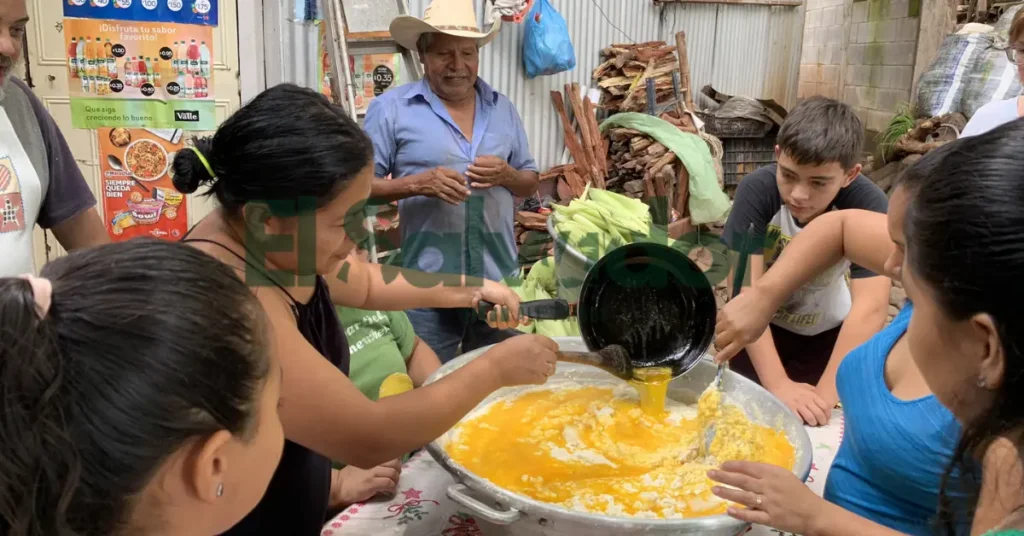
In some urban homes, Sunday may feel quieter, with a smaller meal and a short visit. In rural areas, it can include more relatives, longer conversations, and a slower pace that keeps the day close to home traditions.
El Salvador Traditions: Holidays and Celebrations
Many of these celebrations are also connected to larger festivals in El Salvador that bring together music, religion, food, and community traditions across the country. Some days are deeply Catholic, while others feel like a full town party with music, food, and bright color.
Día de la Cruz
On May 3, families decorate a cross with flowers, fruit, and paper garlands. I saw one tucked near a front door, and the smell of fresh fruit mixed with incense in the warm air.
This is usually a home-based observance, tied to Catholic traditions, and it often marks the start of the rainy season. If you’re staying with locals, you may notice a quiet prayer before the display becomes a small neighborhood gathering. See Sunday family traditions
Independence Day
Independence Day falls on Sept. 15, remembering independence from Spain in 1821. Schools, towns, and city streets fill with parades, drums, flags, and marching bands.
This is a public celebration experienced across the country, especially in plazas and along main roads. It feels proud and loud, with kids in uniform, snacks from street stalls, and flags waving everywhere.
Carnival de San Miguel
On Nov. 21, San Miguel hosts its famous carnival festival. Salvadoran music and dance spill into the streets during celebrations, helping shape the loud, joyful atmosphere people associate with local festivals.
Locals celebrate most, though visitors often join the crowd near the center of town. It is one of the biggest Salvadoran celebrations, and it feels less formal than a religious holiday, more like a huge public party.
Christmas and Christmas Eve
Christmas Eve is often the bigger night in Salvadoran homes, with family celebrations, dinner, and fireworks. The air can smell like tamales, coffee, and sweet bread, and people stay up late talking.
Christmas itself is usually quieter, with church visits and time with family. These holiday traditions are most often shared at home, though church services and neighborhood lights shape the season too.
Quinceañera
A Quinceañera marks a girl’s 15th birthday with a big family celebration and, often, a Catholic Mass. Dresses, music, and careful dancing make it feel formal and joyful at once. This tradition is usually experienced in homes, banquet halls, or churches, depending on the family.
Holy Week and Easter
Holy Week is one of the most important religious observances in El Salvador, leading into Easter. Churches fill, and many towns hold processions, quiet prayers, and candlelight services.
Easter itself brings a softer mood, often with family meals and time together after the solemn days before it. In many places, faith and tradition sit side by side, so you’ll see both reverence and a strong sense of community.
Día de la Cruz
On May 3, Día de la Cruz, families set up a decorated cross in the home altar and fill it with color, fruit, candy, drinks, and candles. The paper chains flutter in the air, and the whole space feels bright, sweet, and a little festive, like a quiet party for faith and family.
The cross is dressed up to honor the Christian symbol at the heart of the day, and the ritual blends devotion with warm hospitality. In many homes, guests stop by for prayers, may leave offerings, and often take a small treat or blessing with them, which is why this Salvadoran tradition feels so personal.
El Salvador Independence Day
Sept. 15 is El Salvador’s Independence Day, marking the shared break from Spain in 1821 across Central America, including Costa Rica, Guatemala, Honduras, Nicaragua, and El Salvador. The day usually feels like a public celebration, with a national parade, school events for children, and plenty of flags, music, and crowd energy.
The torch journey also runs through the region, carrying a strong sense of national pride as it moves from country to country.
Carnival de San Miguel
The Carnival de San Miguel runs through Oct-Nov, and it peaks on Nov. 21 with a big street festival honoring the Virgen de la Paz. I remember hearing drums before I saw the first parade, then feeling the whole city hum with music and dances.
Thousands usually come out, so it feels less like a show and more like a huge community celebration. The air gets loud, bright, and packed with color, and the public mood is proud and joyful.
If you go, expect parades, crowded sidewalks, and a lively local atmosphere that tends to build all day.
Christmas in El Salvador
Christmas in El Salvador feels warm, noisy, and very family-centered. You’ll see fake trees, bright lights, and even artificial snow in some homes and shops, but the heart of the season is the Christmas Eve family meal. Fireworks crack in the night, kids run to the door, and gifts are usually opened after everyone has eaten and spent time together.
The holiday traditions can feel mixed here. There’s a clear blend of local family customs and U.S.-influenced decorations, but the food and the gathering matter most.
- Cassava with pork, rich and filling, often served with a festive spread.
- Roasted turkey, especially at larger family tables.
- Other shared dishes, sweets, and drinks that keep everyone lingering after dinner.
Truth is, the fireworks and the decorations may catch your eye first. But the real feeling comes from being close to family, hearing laughter in the kitchen, and waiting for gifts after the meal is done.
Quinceañera
A quinceañera celebrates a girl’s 15th birthday and marks a clear coming-of-age moment. It is often a big family celebration with a fiesta rosa, attendants, and sometimes a church service. I remember how the room felt, soft with pink flowers and music, like everyone knew this was more than a birthday.
The pink color usually stands for youth, joy, and the shift into adulthood. A ring gift from parents can symbolize love, trust, and the new responsibilities she’s taking on. Her attendants also show support, since the day is about family and community standing beside her as her role changes.
Easter and Holy Week
Holy Week is the solemn week before Easter in Roman Catholic tradition, and it centers on Jesus’ Passion. Good Friday remembers Jesus carrying the cross toward Golgotha, a quiet day of religious observance for many families.
You may hear soft hymns, smell candle wax, and see people moving slowly through church doors. Easter is the joyful ending, but some visitors join the week for culture as much as faith. That’s fine, as long as you show respect during services and local customs.
Traditional Foods in El Salvador
El Salvador’s traditional food feels made for sharing. You’ll see it at breakfast, on busy street corners, and at family tables where recipes pass from one generation to the next. The smells are simple and warm, corn, cheese, sweet bread, and coffee.
Food plays a major role in Salvadoran traditions, from family Sundays to events like the Juayúa Food Festival, where local dishes become part of the celebration itself.
Pupusas
Pupusas are the national dish, and people often eat them for lunch, dinner, or a late snack. They’re thick corn or rice tortillas stuffed with cheese, beans, pork, or loroco, then cooked on a hot griddle. National Pupusa Day is celebrated on the second Sunday in November, and that tells you how much they matter.
Most families have a family recipe, and someone usually takes charge of the dough while another person fills and seals them. I once stood near a tiny stand and watched a street vendor pat the dough with such calm hands, like it was muscle memory. They’re usually served with curtido and salsa, so each bite is tangy, soft, and a little smoky. Why it matters? Pupusas are everyday comfort, not just a special treat.
Quesadilla Salvadoreña
Quesadilla salvadoreña is not the cheesy dish the name might suggest. It’s a sweet, dense cheese bread, often made with rice flour, eggs, and dairy, then baked until golden. People usually serve it with coffee, especially at breakfast or with an afternoon snack.
The top is often shiny and slightly crisp, and the smell is rich and buttery. Why it matters? It shows how Salvadoran baking blends simple pantry ingredients into something special.
Salvadoran Coffee
Salvadoran coffee has a long history, with cultivation beginning in the early 1800s. A competitor claim also says coffee makes up over 50% of exports, though that figure should be checked against current official trade data. Either way, coffee is part of daily life and national identity.
You’ll taste it in small cups at home, in markets, and in cafés where the roast smells nutty and clean. A hotel staff member once told me the best cup is often the one shared slowly after breakfast. Why it matters? Coffee helped shape the country’s economy and still shapes the morning routine.
Tamales
Tamales are another classic traditional food, made from masa filled with chicken, pork, vegetables, or sauce, then wrapped in banana leaves or corn husks and steamed. They’re common at celebrations, holidays, and weekend meals when the kitchen stays busy for hours.
Making tamales is usually a family job, with one person mixing, another filling, and someone else tying the bundles. The first thing you notice is the earthy smell from the leaves and the steam.
Pupusas
Pupusas are the national dish of El Salvador, and they usually show up hot and hand-held. They’re thick pockets made with corn flour or sometimes rice flour, then stuffed with fillings like beans, cheese, meat, or vegetables.
Families often make them at home and shape the dough by hand, pressing in whatever fillings they have on hand. You’ll also see them bought from street vendors, especially for a quick lunch or an easy evening meal.
People often eat pupusas with curtido and salsa, and they’re especially common at family meals on Sundays. If you’re visiting a vendor, a little patience goes a long way while they’re pressed and cooked on the griddle. Salvadorans also mark National Pupusa Day on the second Sunday in November.
Quesadilla Salvadoreña
Quesadilla Salvadoreña is a sweet bread, not the savory quesadilla you might expect. It has a soft rice flour base, a gentle cheese taste, and a finish of sesame seeds that crackle a little when you bite in. I remember seeing it at street vendors beside hot coffee, the kind of breakfast that smells buttery and warm before you even taste it.
It often includes semi-soft cheese, milk curds, and crema salvadoreña, which give it that sweet-savory balance people love for breakfast or a quick snack.
- Rice flour base
- Semi-soft cheese and milk curds
- Crema salvadoreña
- Sesame seeds on top
Coffee in Salvador
Salvadoran coffee has long been a quiet part of daily life and regional agriculture. Coffee cultivation began in the early 1800s, and green coffee, or unroasted coffee, became one of the country’s most important exports. According to the International Coffee Organization, coffee has remained central to El Salvador’s farm economy.
What people notice first is the mild flavor, often with a soft sweetness. It smells warm, tastes clean, and fits the kind of family routines that start with one small cup and a long morning.
Tamales
Salvadoran tamales are usually wrapped in banana leaves or corn husks, and they tend to taste milder than many Mexican tamales. Across Latin American cuisine, tamales change from place to place, so the masa, filling, and texture can feel very local. I tried them at a noisy family meal, when the leaf wrapper smelled earthy and the filling was soft, warm, and comforting.
Salvadoran Arts and Crafts
Salvadoran arts and crafts are both beautiful and useful. In markets and small towns, you can see textiles on a wooden loom, hammocks swinging in doorways, and pottery drying in the sun, all shaped by handmade skill and family memory.
Textiles and weaving
Weaving is one of the most visible traditional crafts in El Salvador. Artisans work with cotton and other local fibers on a wooden loom, making cloth, bags, and bright woven pieces with steady hands and a slow rhythm that feels almost musical.
These textiles often carry regional identity, with patterns and colors that hint at where they were made. The craft survives through family teaching, workshops, cooperatives, and local markets, where younger makers learn by watching older hands.
Hammock-making
Hammocks are another proud part of Salvadoran arts and crafts. Makers weave them by hand, pulling cords into strong, flexible shapes that are meant for rest, shade, and long afternoon naps. You can sometimes hear the soft pull of thread in a family workshop, where the work feels social as much as practical.
Because they are handmade, no two hammocks feel exactly the same. That is part of their charm, and it is also why buying from local artisans helps keep the tradition alive.
Pottery
Pottery in El Salvador has a deep place in daily life and local tradition. Artisans shape clay into bowls, jugs, and decorative pieces, then fire them so they can last through real use. The smell of wet earth and smoke often lingers around a workshop, and the finished pieces tend to feel warm and grounded in the hand.
Like weaving and hammock-making, pottery is usually passed down through families and supported by community markets. If you notice regional differences in shape or finish, that’s part of the story, and you can read more about those local styles in regional variation.
Textiles
Handmade textiles often start on a wooden loom, called telares, where each thread is added by hand. The weaving is slow and careful, and the wooden shuttle slides back and forth with a soft tap that feels almost musical. I remember the smell of wood and dyed yarn in a small workshop, where artisan crafts like scarves, blankets, and purses were laid out in vibrant colors.
In many places, weaving is still taught in homes and community workshops, usually from parents or grandparents to younger hands. That family learning matters because these textiles carry memory, identity, and pride, not just pattern and color. If you like buying with care, pairing this with respectful shopping helps keep the tradition strong.
Hammocks and the Valley
San Salvador is often called El Valle de las Hamacas, and the name comes from the way the ground seemed to sway with earthquake movement, like hammocks rocking in a breeze. That image stuck, and it still fits the city’s story.
What I remember most is the look of the hammocks themselves, hand-woven between poles with careful, steady hands. The weave shows real artisan craftsmanship, and the best ones feel soft, strong, and full of character.
For locals, this tradition is more than a pretty craft. It reflects daily life in El Salvador, and it carries a quiet sense of national identity that you can feel right away.
Pottery
Salvadoran pottery often starts with painted ceramics shaped by the 18th century Spanish colonial period. You’ll still see vases, wall pieces, religious statues, and other decorative items made by hand. That old artisan tradition matters in homes and markets, where handmade ceramics still carry memory, faith, and daily use.
How Salvadoran Traditions Shift by Region
Salvadoran culture is shared across the country, but regional traditions can look very different from one place to another. In San Salvador, San Miguel, coastal towns, and rural communities, holidays, foods, and crafts often reflect local customs, family traditions, and the history of each area.
She same celebration can feel totally different depending on where you are. In one town, you might hear loud music and see bright street processions. In a coastal town, the smells of seafood and salt air can shape what people cook and share.
- San Salvador: City celebrations often feel more public and fast-paced, with bigger events and more outside influence.
- San Miguel: Local festivals tend to be bold and lively, shaped by strong town identity.
- Coastal towns: Food and daily habits often reflect fishing life and the sea.
- Rural communities: Traditions often stay close to family, church, and harvest seasons.
That said, many traditions are shared nationwide. The difference is how people adapt them at home, in the plaza, or around the table.
The Religious Roots Behind Many Salvadoran Customs
Many Salvadoran traditions grew from Catholic traditions mixed with indigenous influence, including cultural elements connected to the Náhuat language and older native heritage. You can see that blend in Holy Week, Día de la Cruz, Easter, Christmas, and even Quinceañera customs, where prayer, music, flowers, food, and family time all carry religious roots and cultural heritage.
What feels like a public celebration is often also a quiet act of devotion. In many homes, Salvadoran faith is passed down through family customs, so children learn both how to observe and how to gather, sing, and share meals with neighbors.
How to Experience Salvadoran Traditions Respectfully
A little cultural respect goes a long way, especially when you’re around food, prayer, music, and family gatherings.
- Start with a warm greeting. Learning a few phrases from this guide to 10 Salvadoran slang words can make conversations with locals feel more natural.
- Ask before taking photos. Photography permission matters at markets, homes, and celebrations. If someone says no, smile and put the phone away.
- Dress and act simply in church or processions. Keep voices low, turn off flash, and don’t step into the path of a religious group. That kind of festival etiquette shows real community respect.
- Bring a small gift to a home meal. Fruit, bread, or a dessert is usually a kind gesture. I’d skip anything flashy unless your host suggests it.
- Support local vendors and artisans. Buying handmade crafts is more than shopping, it’s a meaningful way to back local makers. I still remember the smell of wood and coffee near a small stall where a shop owner explained each piece.
- Follow local customs around food. Wait to sit, serve, or start eating until your host does. If you’re unsure, watching quietly for a moment helps.
- Be careful with gifts and compliments. If something is handmade, ask about it and buy it if you love it. People often shared more when I showed real interest, not just praise.
People noticed when I tried speaking naturally, even with my clumsy accent and limited understanding of everyday Salvadoran slang.
Why Salvadoran Traditions Matter for Families Today
For Salvadoran families, family traditions often begin at the kitchen table, where grandparents show children how to stir, taste, and remember. A recipe can carry generational heritage in one smell of warm corn, one hand-rolled shape, one word in Spanish that stays in the room.
That kind of passing down does more than fill a plate. It strengthens community bonds, keeps cultural identity alive, and gives children a sense of who they are through the stories, songs, food, and crafts they learn at home.
For many Salvadoran families, the real gift is continuity, one person remembering, another learning, and the next carrying it forward.
El Salvador Traditions Reveal a Vibrant & Unique People
El Salvador’s traditions stay alive because people keep passing them on. You can feel that in the warm smell of pupusas, the music outside local churches, and the pride families carry in everyday life.
That same family heritage matters to Compassion’s local partnerships, where 270+ local churches help care for children served and strengthen community support. So the traditions you see are never just old customs, they’re part of a living, vibrant culture shaped by faith, care, and the people who hold it close.
It’s what makes El Salvador feel so memorable, a place where children, families, and neighbors keep culture moving forward together.
Frequently Asked Questions
What are some family traditions in El Salvador?
Family traditions often center on shared meals, Sunday visits, and big holiday gatherings.
What is the biggest tradition in El Salvador?
For many families, the biggest traditions are tied to Catholic holidays, especially Christmas, Holy Week, and local patron saint festivals. These events bring music, processions, food, and neighbors together in one place.
What numbers not to wear in El Salvador?
There is no widely recognized Salvadoran rule about unlucky numbers that people avoid wearing. If you hear local advice, it is usually tied to a specific family belief or setting, so it’s best to ask politely instead of assuming.
How do Salvadoran families celebrate Sundays?
Sundays are often slow and social, with church, big meals, and visits from relatives. I remember the smell of grilled food and fresh coffee drifting out while kids ran around and adults talked for hours.
What are Salvadoran traditions?
Salvadoran traditions include religious processions, family gatherings, pupusa making, and celebrations tied to saints and local festivals. You’ll also see crafts, music, and community meals that feel lively and personal.
What foods are common in Salvadoran family gatherings?
Pupusas are the star at many gatherings, along with tamales, arroz, beans, fried plantains, and sweet breads. There’s usually coffee or a cold drink nearby, and the table tends to stay full.
What holidays are most important in El Salvador?
Christmas, Holy Week, and Independence Day are among the most important holidays. Local patron saint festivals also matter a lot, especially in smaller towns where the whole community joins in.
What is the meaning of Día de la Cruz?
Día de la Cruz, or Day of the Cross, is a Catholic tradition that honors the cross and marks a time of gratitude. In many homes, people decorate a cross with flowers and fruit, then gather to pray and share food.
Why is pupusa considered a national food?
Pupusas are simple, filling, and deeply tied to Salvadoran home cooking. They show up at family tables, street stands, and celebrations, so they feel like part of daily life as much as national identity.
How do traditions vary across regions in El Salvador?
Traditions can shift by town, family, and local saint festival. Coastal, urban, and mountain communities may celebrate with different foods, music, and customs, even when the holiday is the same.
What should visitors know before attending a Salvadoran celebration?
Dress neatly, greet people warmly, and expect lots of food and conversation. I’d also say bring patience, because events often run long and the best moments happen after everyone settles in.
What role do religion and Catholic traditions play in Salvadoran culture?
Catholic traditions shape many holidays, family rituals, and public celebrations in El Salvador. Churches, saints, crosses, and processions often sit right at the center of community life, especially during major feast days.