
Mercado Central San Salvador: A Living Heart of Salvadoran Culture
Mercado Central in San Salvador is where Salvadoran culture feels closest to the ground. You hear vendors calling out prices, smell fresh pupusas and ripe fruit, and catch the rhythm of daily life in El Salvador all in one place.
It’s a mix of traditions, commerce, and everyday routines, with shoemakers, spice stalls, flower sellers, and people stopping by for lunch or a quick errand.
That’s what makes it feel so different from a generic shopping mall. A mall is polished and predictable, but Mercado Central feels lived in, loud, and real.
For travelers, it also works as both a cultural history stop and a practical visitor resource. You can come for the atmosphere, then stay for simple advice, local finds, and a better sense of how San Salvador really moves.
Key Takeaways
- The market has real cultural value, not just souvenir stalls.
- Expect a busy, sensory visit, with noise, spice, and constant movement.
- Talk to vendors and locals, they often make the visit feel more human.
- Bring cash, wear comfy shoes, and keep your bag close.
- Shopping here works best when you slow down and compare a few stalls.
Where History, Trade, and Daily Life Meet
The market sits right in the historic core, where old streets still shape daily life. Narrow aisles pull you past vibrant stalls, and the whole place feels close, busy, and human.
Local commerce happens in plain sight here, with handmade goods, small chats, and quick sales that keep the place moving.
It matters to visitors because this is where culture feels lived, not staged. UNESCO often treats these kinds of practices as part of living heritage, and UN Tourism highlights how local markets support cultural tourism in real ways.
You might catch the smell of spices and fresh bread, plus the sound of footsteps and calls bouncing off the walls. Keep going, because inside you’ll see the stalls, the crafts, and the daily rhythm that makes the market so memorable.
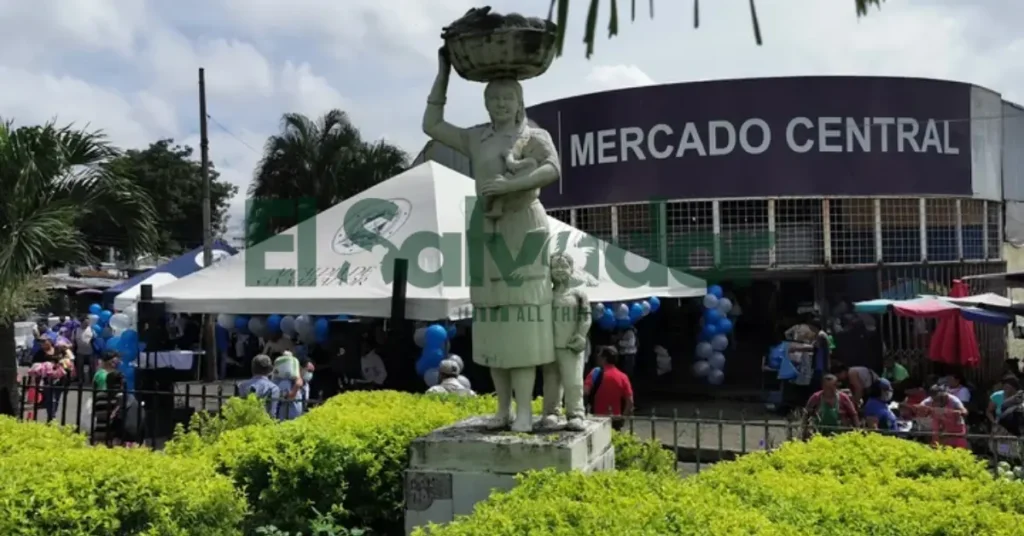
The Historical Background of Mercado Central San Salvador
Mercado Central San Salvador took shape during the late nineteenth and early twentieth centuries, when the city was growing and trade needed a stronger home. Farmers came in from the countryside with corn, beans, fruit, and fresh goods, while artisans brought woven items, tools, and everyday wares.
That steady flow turned the market into a central trading space, where rural producers and city buyers met face to face. You can almost picture the noise, the shout of prices, and the mix of smells from produce, spices, and cooked food.
Its history is also a story of resilience. The market has endured earthquakes, political change, economic shifts, and redevelopment, yet it has stayed part of daily life in San Salvador, much like the city described by Britannica.
What keeps it alive is continuity. When vendors return across generations, they carry recipes, craft traditions, and buying habits that link the present to the past, which is why its story connects so closely with Cultural and Social Significance.
Geographic Location Within El Salvador
Mercado Central sits right in downtown San Salvador, inside the city’s historic center. That puts it close to civic landmarks, busy streets, and the transit flow that keeps this part of the capital moving. If you’ve ever stepped out of a taxi and heard engines, footsteps, and vendors calling at once, that’s the kind of energy here.
The market also sits within San Salvador’s broad valley setting, with volcanoes shaping the skyline around the city. That mix gives the area a slightly dramatic feel, even on an ordinary morning. I remember thinking, the approach would feel so central and so urban, with the market tucked into a zone where government buildings, buses, and street life all overlap.
Because of that location, getting there usually feels easy if you’re already near the center, and the area works well as a stop between other sights. If you’re coming from another part of the city, I’d picture it as the busy heart near San Salvador’s main public core, close enough to pair with How to Reach Mercado Central in San Salvador or nearby stops like Nearby Attractions and Itinerary Ideas.
Why Mercado Central Still Matters in Global Tourism
Mercado Central matters because it gives you the kind of travel memory that feels real. You hear vendors calling out prices, see hands shaping the best pupusas in El Salvador, and watch cold fresh juices poured right in front of you.
That is the heart of food tourism here. Instead of polished displays and curated photo stops, you get everyday Salvadoran life, with local sweets stacked in trays and crafts that still feel tied to the people who made them.
Buying directly from stalls matters too, because that money goes straight into the local economy. It supports vendors, small growers, and artisans who depend on daily sales, which is part of why community-based tourism has real value here, just as groups like UN Tourism and the World Travel & Tourism Council keep pointing out.
Cultural and Social Significance
The market is more than a place to buy food, it works like a daily social ecosystem. You hear vendors calling out prices, smell fresh herbs, and see neighbors stopping for quick news before they head home.
Family traditions run through many stalls, with children learning the ropes from parents and grandparents. Some stands stay in the same family for years, and that generational stall continuity keeps old recipes, herbal remedies, ceremonial goods, and traditional clothing in steady use.
That kind of everyday exchange is part of intangible cultural heritage, the living customs people pass along by doing them, not just talking about them. Vendors, makers, and family-run stalls give the market its human element, because each face comes with a name, a craft, and a history.
How to Get to Mercado Central in San Salvador
Mercado Central sits close to the heart of San Salvador, so walking there from downtown is often the easiest plan. I remember hearing bus brakes, vendors calling out, and the smell of fried pupusas before I even saw the stalls.
Public transportation can get you close too, especially buses and minibuses that pass through the central area. Ask a shop owner or hotel staff which landmark to watch for, because drivers often know the market by nearby squares, churches, or big intersections instead of formal stop names. That made the ride feel much less confusing.
Taxis and ride-hailing are the easiest option if you want less hassle, especially with bags or in the heat. From the international airport, most travelers head into San Salvador first, then continue by taxi or app ride toward the downtown core; the Airports and Civil Aviation Authority of El Salvador can help with airport details if you need them. I took one ride after a long flight, and the driver pointed out the main avenue by a big hotel, which saved me from overthinking the turn.
- Staying downtown: Walk or take a short taxi, and follow the busiest market streets.
- Coming from farther away: Use a taxi or ride-hailing, then ask for the nearest church or plaza.
Daylight hours felt best for me, with more people around and easier street navigation. Keep your phone tucked away when you can, stay aware in the busy urban crowd, and use the same common sense you’d use in any packed city market.
Who Can Visit Mercado Central San Salvador
Mercado Central is open to almost everyone, and that’s part of the fun. International tourists, students, researchers, photographers, and cultural enthusiasts all find something here, from bright piles of fruit to the low buzz of bargaining. I remember the smell of roasted coffee drifting past a shoe stall, and a taxi driver telling me, “Go early if you want space to move.”
Families usually do fine if they keep kids close, and budget shoppers come for the lower prices on everyday goods. If you’re checking travel safety before your trip, the U.S. Department of State travel information and CDC Travelers’ Health are helpful places to look first.
If you like noise, close-up street life, and quick photos, you’ll probably love it. If crowds make you tense, or narrow aisles feel hard to manage, it may be tougher, especially at busy times.
Best Time for Tourists to Visit
The dry season, from November to April, is usually the nicest stretch for Mercado Central. The air feels lighter, the aisles are easier to move through, and the fruit stands seem brighter in the morning light.
Mornings are better stocked and less overwhelming. That was the first thing a hotel staffer told me, and they were right, the smells of fresh tortillas, coffee, and herbs were stronger before the rush settled in.
Weekdays feel quieter, while weekends bring more energy, louder calls from vendors, and a fuller buzz from local shoppers. So the choice is simple, calm or vibrant. If you want space to browse, pick a weekday morning, but if you want more noise and people-watching, a weekend can be fun, just expect bigger crowds. For getting there, see How to Reach Mercado Central in San Salvador.
What Visitors Can Enjoy Inside the Market
The first thing I noticed was the mix of produce, herbs, and traditional El Salvador food being prepared across the market stalls. Stalls usually start with traditional Salvadoran dishes like pupusas, yuca con chicharrón, tamales, and hot drinks.
After that, the market opens into crafts. You’ll see woven textiles, leather goods, ceramics, and small souvenirs that make sense once you hold them in your hand. I still remember a shopkeeper showing me the stitching on a leather belt while another vendor nearby tapped a clay bowl to show how sturdy it was.
Then comes the herbal side of the market, which felt the most rooted in indigenous knowledge and folk traditions. Vendors often sell herbal medicine, dried leaves, salves, and simple remedies tied to older local practices, and the conversations around them can be as interesting as the jars themselves.
Truth is, the whole place hits you all at once, color, sound, steam, and the sharp smell of fruit and herbs. Start slow and look for one thing that feels local, well made, and easy to carry home.
What to Buy at Mercado Central: Food, Crafts, and Souvenirs
Fresh cacao, sweet breads, and snacks similar to homemade panes Salvadorenos were some of the first things that caught my eye inside the market.
- Best first purchases: packaged coffee, sweet breads, and local candy that travel well.
- Handmade crafts: small woven bags, palm items, and tiny wood pieces with a Salvadoran feel.
- Textiles and ceramics: colorful cloth runners, embroidered pieces, and painted bowls that fit in a suitcase.
- Affordable souvenirs: keychains, magnets, and little decorative items from nearby stalls.
That same rule applies to many traditional San Salvador restaurants, where packed lunch hours usually signal reliable local food.
What to Expect: Layout, Crowds, and Market Manners
Mercado Central San Salvador is a tight little maze of narrow passages, packed stalls, and quick turns. The aisles can feel close and busy, with voices, clinking metal, and the smell of fresh food mixing together as you move deeper inside.
It gets crowded fast, especially when locals are shopping for daily needs. Slow down and just let the market move around me, because the browsing is part of the fun.
Patience matters here. Ask before handling goods or taking photos, greet people politely, and keep your pace easy. A first-time visitor should expect a lively, a little chaotic place that still feels approachable once you relax and follow the flow.
Practical Travel Tips for Visitors
Cash matters more than I expected, especially for small purchases, taxis, and quick snacks from a corner shop. I kept a few small bills and coins in a front pocket, because card readers are often limited or just slow.
A few basic Spanish phrases helped right away. Hola, por favor, and gracias got warmer smiles from taxi drivers, hotel staff, and shop owners, and a polite greeting makes permission requests feel natural too. Before taking photos, ask first, especially with people, vendors, or inside smaller shops.
For markets and local stores, I found it best to bring small bills and ask prices calmly. If bargaining makes sense, keep it light and respectful, and stop when the price feels fair to both sides. Also, wear comfortable clothing, keep your bag zipped and close, and watch your phone, wallet, and camera in crowded streets or on public transport, the same kind of urban travel caution you’ll see in standard advice from the U.S. Department of State travel safety and CDC travel precautions.
Bargaining, Prices, and Payment Tips
Prices at Mercado Central are usually friendly on the wallet, which is why the market fits well into many guides about cheap eats in El Salvador. I still remember the sound of coins clinking, the smell of fresh pupusas nearby, and trying to confidently order pupusas without slowing down the line.
Cash is usually preferred, especially for snacks, crafts, and low-cost items. Carry small bills and coins, because it made checkout faster and saved me from awkward change problems with a smiling shopkeeper.
- Bargain politely. A light, friendly ask is fine, especially at craft stalls.
- Don’t haggle too hard. Skip it for food, clearly marked prices, or very small purchases.
- Keep small bills handy. It helps when a vendor has no change.
Nearby Attractions and Itinerary Ideas
Mercado Central sits close to the historic center, so the easiest route is to walk the downtown loop in one stretch. I remember a taxi driver saying, “Just keep going with the church towers,” and that was pretty much right. Start at the market, then drift toward the plazas and civic landmarks around the center, where the streets feel busy, loud, and a little chaotic in the best way.
For a simple half-day plan, pair the market with the main plaza, a nearby church, and one or two civic stops before lunch. The pace works well for short-stay travelers because the sights sit close together, and you can pause for coffee, fruit, or a quick snack between walks.
If you have more time, pair the market visit with a few traditional San Salvador restaurants around the historic center for a full food-focused day. Go market first, then the historic center, then circle the plazas and churches while the streets are still lively, before ending near a civic landmark for a slow late-afternoon break.
That mix gives you the market’s smells and voices first, then the calmer stone-and-shadow feel of old San Salvador, which is usually the part people remember most.
A Market That Captures the Spirit of San Salvador
Mercado Central is worth the stop because it feels like real San Salvador, not a polished version of it. What stays with you is the daily rhythm. Shopkeepers call out prices, locals move fast with their bags, and the mix of food, crafts, and quick conversations shows the resilience and warmth that shape life here.
It says a lot about El Salvador, from tradition and community to the way people keep everyday life steady and proud. Come hungry, stay curious, and let the food, crafts, and people tell the story.
Frequently Asked Questions
What numbers not to wear in El Salvador?
There is no fixed list of numbers people avoid wearing in El Salvador. I heard more talk about colors, sports teams, and neighborhood loyalty than about shirt numbers.
What is the richest part of San Salvador?
San Benito is often seen as one of the city’s more upscale areas, with hotels, restaurants, and nicer shopping spots. Escalón is also known for higher-end homes and busy business streets. A taxi driver told me those are the names people mention first.
Is El Salvador safe now for American tourists?
Many American tourists visit without problems, especially in known tourist areas and by day. Still, safety can change by neighborhood, so I checked U.S. Department of State travel information before moving around. I also kept my plans simple and stayed alert.
Can you wear yellow in El Salvador?
Yes, yellow is fine to wear in El Salvador. I saw bright shirts, bags, and shoes all over the place, from buses to market stalls. People cared more about comfort than clothing rules.
What is Mercado Central San Salvador?
Mercado Central is a busy public market in San Salvador with narrow aisles, loud vendors, and a very local feel. You’ll hear calls from stall to stall, smell fresh food, and see rows of everyday goods. It feels alive from the moment you step in.
Where is Mercado Central located in San Salvador?
Mercado Central is in the center of San Salvador, close to other downtown sights. If you’re planning your route, How to Reach Mercado Central in San Salvador is the easiest place to start. A hotel clerk pointed me toward the general downtown area, and that was enough.
What can you buy at Mercado Central?
You can buy clothes, shoes, produce, snacks, household items, and souvenirs. I also spotted small gifts, bags, and everyday things locals actually use. Prices and selection can change from stall to stall, so it helps to look around first.
What is the best time to visit Mercado Central?
Morning is usually best, when the market feels active but not too cramped. The air smelled fresher then, and I could move around more easily before the rush got heavy. Midday tends to be hotter and louder.
How do you get to Mercado Central?
You can get there by taxi, rideshare, or local bus, depending on where you start. I asked a driver who knew the downtown streets, and that saved time.
Is Mercado Central good for tourists?
Yes, if you like local markets and don’t mind crowds. It’s a good place to see daily life, hear Spanish around you, and try simple snacks. I’d call it interesting, busy, and very real.
Can you bargain at Mercado Central?
Yes, bargaining is often part of the experience, especially for clothes and souvenirs. Keep it friendly, because the best deals came when I smiled and stayed patient. Small price differences can add up if you buy more than one thing.
Do vendors accept cards at Mercado Central?
Most vendors prefer cash, and many small stalls do not take cards. I wish someone told me that before I went, because a few places had nothing but bills and change. Bring small denominations so paying feels easy.
Is Mercado Central safe to visit during the day?
Daytime visits are usually the easiest and most comfortable choice. I felt better going when the aisles were busy and the light was good, not late or empty. Stay aware of your bag and your surroundings, the way locals do.
Is Mercado Central accessible for wheelchairs or strollers?
Accessibility is limited in many parts because aisles can be narrow and uneven. Some spots felt crowded enough that even a stroller would be tricky. If mobility is a concern, plan for extra time and a helper if you can.
Can you take photos at Mercado Central?
Usually yes, but it’s best to ask before photographing vendors or close-up shots of people. A woman selling fruit gave me a quick nod after I asked, and that made the moment feel respectful. Some stalls are fine with photos, some are not.
What nearby attractions can you visit with Mercado Central?
You can pair it with other downtown San Salvador stops, especially historic central area sights and nearby plazas. That makes the whole trip feel easier, since everything is close together. I liked doing the market first, then wandering nearby while the city noise kept rolling around me.