
Best Pupusas Spots in El Salvador by Region
The best pupusas in El Salvador depend on your trip type. Central El Salvador is easiest for first-timers, the west is best for tradition and smoky family-run stalls, and the east and north reward road-trippers willing to chase plain-looking roadside spots. Start in San Salvador or Santa Tecla for variety, then branch out to smaller towns where the griddle smoke does the talking.
Skip the Instagram-famous places and watch for real signs instead. Look for a hot griddle, fresh curtido, and a steady crowd of locals who keep coming back. Order cheese and loroco first to test the kitchen, then try revueltas if the first round impresses. The best pupuserías almost never look fancy, they just smell like corn, melted cheese, and smoke.
Key Takeaways: Where to Find the Best Pupusa Spots in El Salvador by Region
- Best for first-time visitors: Central El Salvador, where you’ll find easy-access pupuserías and the widest mix of authentic pupusas and fillings.
- Best for tradition seekers: Western El Salvador, known for old-school regional food, smoky griddles, and family-run spots that feel like someone’s backyard.
- Best for road-trippers: Northern El Salvador, where the best pupusas are often simple roadside stops worth pulling over for.
- Best for local-favorite hunters: Eastern El Salvador, where the strongest bites are often market stalls and everyday pupuserías locals keep coming back to.
Here’s the thing, best pupusas in El Salvador by region depends on what you care about most: crisp edges, soft centers, or a filling that tastes like somebody’s abuela is still in the kitchen. I almost skipped a few plain-looking spots, and that would’ve been a mistake.
Some of the best pupuserías are not cute dining rooms at all. They’re roadside grills, market counters, or tiny family joints with plastic chairs and a line out the door. Quality can change by day and by location, so one shop may be magic at lunch and just fine later.
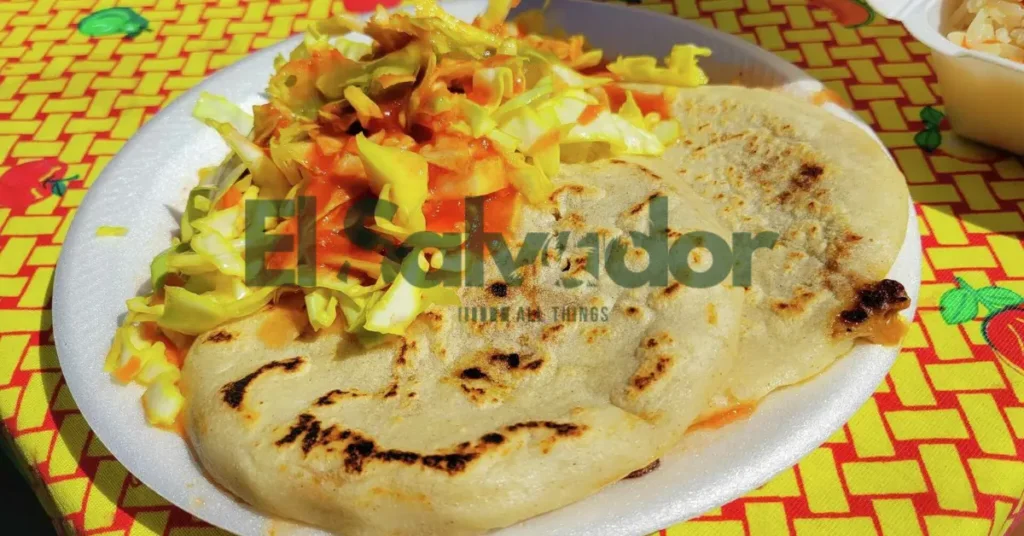
How We Chose These Pupusa Spots
We picked places based on selection criteria that balance reputation, consistent quality, and regional reputation. A place could be famous, tourist-friendly, or more of a local-only stop, but it had to earn its spot with real local recommendations, not just a flashy feed or one lucky viral clip.
Truth is, pupusa quality is subjective and time-sensitive, so these rankings are not absolute. A spot can be amazing one month and sloppy the next, which is why regional coverage mattered more than social media popularity alone. We also checked whether a place felt actually usable for travelers, since a legendary stall that’s impossible to reach helps nobody.
- Iconic places: famous pupuserías with strong regional significance and long-standing local buzz.
- Traveler-friendly spots: easier to find, easier to visit, and usually better for first-timers.
- Local-only favorites: places locals keep recommending, even if they’re not loud online.
We almost didn’t include some big names, because popularity alone can be noisy. If you want to judge a place yourself, check our How to Tell a Great Pupusería from a Mediocre One guide and glance at recent Google Maps reviews and posted hours before you go.
How to Choose the Right Pupusa Spot for Your Trip Type
Your trip type changes the best pupusa stop fast. I learned that the messy way, with a taxi driver pointing at a packed corner pupusería while I was still hungry and very, very impatient.
If you want the easiest pick, match the stop to your traveler intent and region choice:
- City stop, pick this for low stress and a short food break. Best for classic sit-down pupuserías and easy access to the Best Pupusa Spots in Central El Salvador.
- Day-trip detour, choose this if food is part of the outing. This is where hidden gems and local favorites tend to feel worth the extra effort, especially in the west or north.
- Road trip, go for places near your route. Roadside pupuserías are usually best for convenience and route efficiency, even if the dining room is just a few plastic chairs and a hot griddle.
- Hidden local favorite, pick this when taste matters more than ease. These spots often sit off the main road, but they can be the best bet for tradition and smoky corn flavor.
The pupusería format matters too. Traditional food markets like Mercado Central San Salvador are some of the best places to experience that loud, fast-moving local food atmosphere. Sit-down spots work when you want a slower meal and a clean table that doesn’t wobble like a baby deer.
If you want the easiest food stop, go city. If you want the best story, go hidden gems. If you want both, match your route with the regional sections for Western El Salvador, Eastern El Salvador, and Northern El Salvador, then follow the route-planning advice later. The El Salvador tourism board notes that regional travel context can help visitors plan food stops more efficiently across the country.
What Makes a Region’s Pupusas Different?
Regional style shapes pupusas in small but real ways, and those differences reflect the broader diversity of El Salvador food across the country. In Salvadoran cuisine, one town’s traditional pupusas may be thicker, softer, or a little more packed than another’s.
Here’s the simple mental model: regional style gives you the general pattern, but house style is what the cook or family has done for years. That’s why two famous pupuserías in the same area can taste different, smell different, and even feel different in the hand.
| What changes | Typical regional tendency | House style difference |
|---|---|---|
| Thickness | Some regions tend toward thicker pupusas. | One shop may make them extra plump, another flatter. |
| Masa texture | The masa can feel softer, denser, or more rustic. | Families often mix and knead it their own way. |
| Filling balance | Some areas lean heavier on cheese or beans. | One pupusería may go generous, another keeps it neat. |
| Griddle style | Cooking heat and browning can vary by region. | Each cook leaves a different char and crisp edge. |
| Serving tradition | Pickled cabbage, salsa, and sides can follow local habits. | House routines still change the plate a lot. |
Best Pupusa Spots in Central El Salvador
Central El Salvador is a strong pupusa hub because it’s easy to reach and full of choice. San Salvador pupusas get most of the fame, but the nearby towns bring their own local classics, from busy city pupuserías to humble roadside stands where the griddle smoke says more than any sign ever could.
Traffic is the catch. Peak-hour lines can turn a quick stop into a slow crawl, especially around the capital. Check hours before driving, because a few beloved places open and close on their own schedule, and some are simple roadside spots, not polished dining rooms.
Here are a few places and styles worth looking for:
- San Salvador center and east-side neighborhoods where you’ll find a deep mix of pupuserías, from no-frills counters to family spots packed with office workers. The best clue is a line of locals and a hot comal working nonstop.
- Santa Tecla for easy access and a broad range of styles. It’s a good bet if you want dependable lunch stops without fighting the worst city traffic, and you’ll usually find strong cheese and loroco options.
- Antiguo Cuscatlán for places that balance convenience with solid flavor. This area often has some of the most visitor-friendly stops, but the real winners still feel local, not polished for show.
- Ilopango and nearby east-central stops for roadside stands and old-school local classics. These are the kinds of spots where the curtido is sharp, the pupusas are greasy in the best way, and nobody rushes the griddle.
Truth is, the best bites in Central El Salvador are often the simplest. Look for fresh masa, steady heat, and a menu that keeps moving. Cheese and loroco is the classic test, but a good revuelta tells you plenty too.
San Salvador: High-Access Favorites for First-Time Visitors
San Salvador has a few popular pupusería stops that are easy to reach and usually steady on service. For a first-time visitor, that matters almost as much as taste, because a place can smell amazing and still leave you waiting forever.
- Central-area lunch spots: Good if you want easy parking and a quick in-and-out meal. They’re often better for lunch than late-night visits, since crowds build fast after work.
- Tourist-convenient favorites: Handy if you’re staying downtown or nearby, with predictable service and simple ordering. I’d start with revueltas and then try loroco, because that’s the easiest way to taste what locals order most.
- Dependable neighborhood classics: Usually better tasting than the places right by the main tourist traffic. Wait times can stretch during meal hours, so go early if you hate staring at a griddle like I did.
Many of these spots are also featured among the best San Salvador restaurants for travelers wanting traditional Salvadoran meals.
Surrounding Central Towns Worth a Detour
If you’ve got a car, these towns are worth the detour for lunch alone. The best stops are often family-run and a little rough around the edges, which is exactly the charm.
- Santa Ana, good for a road trip stop with strong Salvadoran cuisine and big portions. We almost didn’t stop here, but the market food smelled too good to ignore.
- Suchitoto, more about atmosphere than fame. It’s worth it if you want traditional plates, slower streets, and a place that feels destination-worthy.
- Cojutepeque, a local favorite for simple, honest food and solid value. Prices tend to be friendlier here, and the kitchens feel proudly old-school.
If you’re planning the bigger route, check the How to Plan a Pupusa Road Trip Route guide first. That saved me from chasing one extra stop too far. Truth is, some of these places are worth the drive for tradition, not size or fame.
Best Pupusa Spots in Western El Salvador
Western El Salvador is one of the best places to chase real pupusas tradition, especially if you like your food hot, messy, and cooked by someone who has clearly done this a thousand times. The region is full of market-style counters and roadside pupusería stops where the griddle stays busy, the curtido smells sharp, and the cheese hits that stretchy, salty sweet spot. You’ll see the usual classics, bean and cheese, loroco, and revueltas, served fast and with zero fuss.
Truth is, the western spots are often less Instagram-famous, and that’s part of the charm. The places with the plain plastic chairs and the chalkboard menu can be the most consistent for traditional flavor. Beyond pupusas, western El Salvador is also a great place to try classics like yuca con chicharrón at roadside markets and local food stalls.
A taxi driver once pointed me toward a tiny stall by a market, and the smell alone told me we’d done well. Butter, corn, and smoke. That’s the whole story right there.
If you want the best bite, go when locals are actually eating, not when the place is empty and sad. Busy service times usually mean fresh masa, hotter comales, and fillings that haven’t been sitting around getting tired. I almost didn’t do this, but watching how fast the cook flips each pupusa tells you a lot. If the edges puff a little, the cheese melts clean, and the beans taste soft and fresh, you’re in good shape.
Western El Salvador also gives you a good feel for regional style. Some towns lean thicker, some toast the masa a bit darker, and some serve a more rustic plate that feels straight from the comal. If you’re comparing places, the regional style explainer helps make sense of why one pupusa tastes a little softer, smokier, or saltier than another. That’s the fun part, honestly, eating your way through a region that still feels proudly local.
Market-Style Pupuserías vs. Standalone Restaurants
| Feature | Market food pupusería | Standalone restaurant |
|---|---|---|
| Ambience | Loud, busy, and close to the action. You’ll hear pans, voices, and maybe a radio fighting for its life. | Quieter and more set up for sitting longer, with more space and a calmer local dining feel. |
| Price | Usually lower, with a more casual market food vibe. | Can cost more, especially if the room is nicer or the menu is broader. |
| Portion size | Often simple and filling. The portion size may feel more direct and less dressed up. | Can be larger or more varied, depending on the place. |
| Speed | Fast when the griddle is hot and the line keeps moving. | Usually steadier, sometimes slower, but less rushed. |
| Authenticity cues | Looks and smells like Salvadoran street food, with locals crowding in and quick turnover. | Can still be authentic. A fancier place is not automatically better, just cleaner-looking or more polished. |
| Hygiene and freshness | Watch peak-time freshness and turnover. Busy stalls often mean pupusas are moving fast, and that helps keep things lively. | Hygiene may look more controlled, but I still checked the same live signals, like clean tables and steady movement. |
Both formats can be excellent. I’ve had great pupusas in tiny market corners and in polished rooms where the chairs didn’t wobble for once.
If you want quick, noisy, very local energy, market food usually wins. Standalone restaurants also tend to serve traditional dishes beyond pupusas, including recipes similar to these homemade Salvadoran tamales prepared for family gatherings and holidays.
Best Pupusa Spots in Eastern El Salvador
Eastern El Salvador is great road trip food country, especially if you’re crossing long stretches between towns. The best local pupusas here are often the kind locals grab on the way to work, not the polished spots tourists post about, and that’s part of the charm.
Truth is, route planning matters more here than in the capital. We almost didn’t stop in eastern towns because the drive looked long on paper, but a good lunch stop saved the whole day. The smell of masa on the griddle, a bench under a plastic roof, and a clerk calling out orders fast, that’s the real scene.
For travelers passing through, I’d keep an eye out for small pupuserías near busier roads and town centers. They usually serve classic Salvadoran fillings like cheese, beans, and loroco, plus whatever the local crowd likes best. That usually means authentic food with no fuss, just hot, greasy, and good.
Here’s the thing, some places in eastern El Salvador are more active at lunch, while others wake up again in the evening. If you arrive too early, you may find a sleepy kitchen and one bored fan spinning above empty tables. If you show up at the wrong hour, you’ll miss the good stuff.
- Look for highway-adjacent pupuserías. They’re often the easiest for long-distance travelers and tend to move fast.
- Check town-center spots around lunch. That’s when the griddle is hottest and the fillings are freshest.
- Try evening-only or late-opening spots too. Some of the best local favorites get busy after the sun drops.
According to regional tourism offices and map directories, eastern-route planning helps a lot when pupusa stops have to fit around longer driving days.
Best Stops for Long-Distance Travelers
- Use the griddle test. If the griddle is active and the line is local, I’d stop. Speed usually means fresh road food, not sad, tired pupusas.
- Pick places with easy parking. Long-distance travelers do better with a quick stop and a clean pull-in.
- Go for filling meals, not tiny snacks. Pupusas work well as a travel break when you need something hot, salty, and cheap-feeling in the best way.
- Choose family-friendly spots near main roads. These usually move faster, and they’re easier if you’ve got kids, bags, or a driver who wants back on the highway.
- Stay longer if the room is calm. If the smell of masa and curtido hits before you park, that’s a good sign for a slower meal.
Best Pupusa Spots in Northern El Salvador
Northern El Salvador does not always grab the tourist headlines, and that is part of the charm. The roads up here often lead to quieter towns, family kitchens, and traditional pupusas that feel more like a community favorite than a showpiece.
We almost didn’t spend much time up north, and that would have been a mistake. Local drivers and shop owners kept pointing us toward small stops along the main corridors and in town centers, where the griddle smoke hit first and the curtido came out sharp and fresh. The local cuisine here tends to be less polished, but that usually means better value and fewer tourist prices.
Places near Chalatenango and the routes toward La Palma often come up in local chatter, and smaller northern towns can be worth the detour too. Don’t overlook them just because they are not famous. According to local directories and municipal pages, those low-key spots can be the kind of place where the recipe has stayed steady for years, which is exactly what you want from a pupusa stop.
If you want a realistic expectation, think travel stop, not destination landmark. The north is best for tradition, price, and convenience, with a few pockets where the cheese stretches and the masa has that toasty edge you remember later.
Regional Pupusa Ordering Guide: What to Try First in Each Area
The easiest starter order changes by region, and that’s where people get tripped up. I saw it happen with a taxi driver in San Salvador, who laughed and said, “Don’t order the heavy stuff first.” He was right.
For Central El Salvador, start with cheese and loroco if it’s on the board. It’s the cleanest way to taste the masa and the floral bite of loroco without too many distractions. If you want a little more punch, move to What to Order: Best Pupusa Fillings by Region and Taste and try revueltas next.
Western El Salvador is where I’d start with simple combinations first, then go bigger. Bean pupusas are a safe first pick, especially if the kitchen has a heavy house style and the fillings are rich. Western spots often make the crust a little different, so a basic order helps you taste that before you pile on more Salvadoran fillings.
Eastern El Salvador usually rewards a bolder first order. If the menu looks busy, go for revueltas, because they show how the kitchen balances pork, cheese, and beans. If you want something lighter first, cheese and loroco still works, but ask what’s fresh because not every filling is available all day.
Northern El Salvador can be the best place to keep it simple. I’d start with bean pupusas or plain cheese, then order a second round if the place is clearly strong. Some towns sell out certain fillings fast, and we almost didn’t get our first choice because the cook had already shifted to whatever was left for the afternoon rush.
- Best first pick for beginners: cheese and loroco, if available.
- Best second step: revueltas, once you know the shop’s house style.
- Best safe backup: bean pupusas or simple cheese.
Fillings can change by day, by town tradition, and by the cook’s mood. That’s normal, and honestly part of the fun.
What to Order: Best Pupusa Fillings by Region and Taste
The safest first orders are usually cheese pupusas, bean pupusas, and loroco. That’s what I kept hearing from locals, and honestly, the first hot one I tore open smelled like corn, melted cheese, and a little smoky griddle action.
People love to treat revueltas like the final boss of pupusas. Truth is, they’re a good sample, but not always the best test of quality. A pupusería can make a killer mixed pupusa and still have a house style that leans saltier, cheesier, or heavier on the masa.
| Filling | Taste | Best For | Quick Note |
|---|---|---|---|
| Cheese | Soft, melty, mild | Beginners | Simple and great for judging the masa. |
| Bean | Earthy, creamy | First-timers | Comforting, with a little more depth than cheese. |
| Loroco | Herbal, green, slightly floral | Curious eaters | A classic Salvadoran choice with a distinct taste. |
| Chicharrón | Rich, savory, meaty | Hungry eaters | Usually more intense and filling. |
| Revueltas | Mixed, salty, layered | After one or two basics | Great if you want a little of everything. |
- Start with cheese pupusas if you want the cleanest read on a place. If the cheese is good and the masa tastes fresh, that’s a strong sign.
- Bean pupusas are gentle and filling. They’re a solid pick when you want something familiar but still local.
- Loroco is the move when you want something that tastes like El Salvador, not just cheese in a tortilla costume.
- Chicharrón tends to be bolder. I’d order it once the grill smell already has you acting reckless.
- Revueltas are fun, but house style matters. One kitchen’s mix can taste totally different from another’s, even in the same region.
Whatever you order, don’t skip curtido and salsa roja. The crunchy cabbage and tangy salsa cut the richness, and that’s when the whole plate starts talking back. If you want to recreate the experience yourself later, this traditional pupusas recipe explains the same classic fillings and masa preparation used across El Salvador.
How to Spot a Great Pupusería from a Mediocre One
The best pupuserías usually look busy, a little plain, and fully focused on the griddle. That was the first clue I learned after watching one place crank out fresh pupusas while a shinier spot nearby sat half empty and smelled like fryer oil.
- Watch the griddle. If it’s hot, active, and always moving, that’s a strong quality sign. A dead griddle usually means dead turnover.
- Check turnover. Short waits are good here. You want batter, fillings, and finished pupusas moving fast, not sitting around.
- Look at the texture. Great pupusas are usually thick enough to hold together, with a crisp edge and a soft center. Sad ones feel gummy, dry, or greasy.
- Inspect the curtido and salsa roja. They should look fresh, bright, and served in clean containers. Flat, watery curtido is a bad sign.
- Notice the local crowd. If taxi drivers, neighbors, and workers keep coming back, that place is probably doing something right. A busy, simple room can beat a polished one every time.
- Watch the hands and the counters. Clean utensils, quick wiping, and covered ingredients matter.
- Trust consistency over hype. Social media popularity is not the same as steady quality. One viral plate can fool you, but repeat customers usually do not.
Practical Tips for Visiting Pupuserías in El Salvador
Best time to go is usually early lunch or a calm afternoon, before the grills get packed and the masa starts flying. Peak hours can mean a wait, extra noise, and that hungry, slightly dramatic feeling you get when the smell of cheese is everywhere.
- Go early or a little late. Many spots are friendlier before the lunch rush and after the office crowd clears.
- Expect peak hours. If a place is busy, grab a number, wait patiently, and keep your order simple.
- Carry cash. Cash is still useful in many casual food spots, and it can save you from a awkward “no card” moment.
- Check transport first. Ask your hotel staff or a taxi driver about the easiest route, then save the return ride too.
- Order basics first. Start with a few pupusas, curtido, and salsa, then add more if your stomach is still talking.
- Mind local etiquette. A friendly hello, a patient wait, and a quick thank-you go a long way.
- Ask about dietary needs. If you’re gluten-sensitive or vegetarian, ask about ingredients and cooking surfaces, plus any allergy risks.
Truth is, menus can be simple, but the questions matter. Ask what’s inside the filling if you’re unsure, and don’t be shy about checking how things are cooked. That little five-second chat can save a lot of regret later.
According to official tourism guidance and restaurant pages, checking operating hours and menus before arriving can prevent wasted detours. Travelers missing Salvadoran flavors after the trip can also order pupusas online instead of waiting for another visit.
How to Plan a Pupusa Road Trip Route
A good pupusa road trip route is less about chasing every famous stop and more about grouping places by region, meal timing, and sane driving time. According to route planners and map apps, it’s smart to check detour distance and lunch timing together before you commit.
My rough rule is simple: if a pupusería means a quick turn off the main highway, it might be worth it. If it pulls you deep into side roads for one plate, save it for another day. The best travel itinerary usually mixes one main region with one nearby backup, so you can keep the day moving and still leave room for another round of cheese and loroco.
- Cluster your stops. Pair Central El Salvador with nearby options before jumping across the country.
- Use meal timing. Aim for lunch or an early dinner, when griddles are hot and the line is still manageable.
- Check detour value. A short detour off the main highway is fine. A long zigzag for one stop usually is not.
- Match regions to your day. Build one road trip routearound Western El Salvador, Eastern El Salvador, or Northern El Salvador, instead of mixing too many far-apart spots.
- Save the practical stuff. Read practical tips for visiting pupuserías in El Salvador before you head out.
If you want the trip to feel less chaotic and more like a real food trip, plan the route first, then pick the pups. The best detours are the ones that smell like hot masa and don’t wreck the whole day.
Common Mistakes Tourists Make When Choosing Pupusas
The biggest tourist mistakes start with social media fame. A pretty plate and a loud caption do not mean the pupusas are worth it, and overhyped places can let you down fast.
- Chasing only social media fame. I’ve watched people walk past a packed local counter for a shiny spot with empty tables. Local favorites usually tell the better story.
- Arriving too late. If the griddle is cold or the cook is waiting on orders, you may miss the best fresh pupusas. The smell of masa hitting hot comal should be in the air.
- Skipping the sides. Weak curtido and thin salsa are quality signs you should not ignore. Good pupusas need good company.
- Assuming fancy decor means better food. Clean chairs are nice, sure. But a strong local crowd and steady turnover matter more than fancy lights and matching napkins.
Conclusion: Which Pupusa Region Should You Try First?
If you want the best region for your first pupusa trip, start with the one that fits your route and mood. For easy food travel and a smooth local experience, central El Salvador is the safest bet. For the most classic take on Salvadoran cuisine, head west. If you’re on the road and like a little dust on your shoes, the east is great value. And if you want the kind of small-town stop where the lady behind the griddle already knows your order, the north has hidden gems.
Here’s the simple recommendation I’d use after a long day of eating too many pupusas and wiping cheese off my shirt: central for convenience, west for tradition, east for road-trip value, north for hidden local gems.
Frequently Asked Questions
How unhealthy are pupusas?
Pupusas can be pretty heavy, but they’re not a disaster if you keep the fillings simple. The greasy stuff usually comes from extra oil, fried sides, and giant portions, not the masa alone.
How far does 100 dollars go in El Salvador?
A lot farther than most first-time visitors expect. For a casual travel guide budget, it can cover several meals, local transport, and a few extras if you stick to local favorites instead of tourist spots.
What place is known for pupusas?
El Salvador, plain and simple. San Salvador gets plenty of attention, but regional spots and small towns are often where the best pupusas show up hot, messy, and cheap.
Can you wear yellow in El Salvador?
Yes, yellow is fine. People care more about how you act than what shirt you picked in the dark before breakfast.
Did Salvadorans invent pupusas?
Yes, pupusas are a Salvadoran dish with deep roots in local culture. You’ll hear that pride fast once you start asking around at markets and roadside grills.
Which region is most famous for pupusas?
San Salvador is the most famous name people hear first, but fame is not the same as flavor. Outside the capital, you’ll find regional spots that locals swear are better and less polished.
What makes one pupusa spot better than another?
Fresh masa, good cheese, and a griddle that’s clearly earning its keep. Trust the line of locals, the smell, and the curt-but-kind woman flipping them by hand.
What are the most popular pupusa fillings and regional styles?
Cheese and beans are the classic move, with loroco also showing up often. You’ll also see regional styles that lean more rustic, more stuffed, or more focused on a single filling instead of fancy mixes.
Are vegan, queso-only, or loroco pupusas in every region?
Not every region has the same options, even if the menu looks close. Vegan pupusas, queso-only, and loroco are common enough to find, but you may need to ask directly in smaller towns.
How do I find a good pupusería while traveling?
Look for smoke, a short wait, and locals eating without looking at menus. If the taxi driver, hotel staff, or the woman at the corner shop points you somewhere, that’s usually a strong sign.
What’s the difference between roadside, market, and sit-down pupuserías?
Roadside spots feel fast, loud, and very local. Markets are busy and often cheaper, while sit-down places are cleaner and calmer, though sometimes less exciting.
Which places are worth detouring for, and which are more local-favorite than tourist-famous?
The best detours are usually the places people mention without sounding like they’re selling you something. Tourist-famous spots get the photos, but local-favorite places often have better flavor and fewer gimmicks.
Are the best pupusas in San Salvador or outside it?
Both can be great, but outside San Salvador is where I found the most memorable bites. The city has options, sure, but the real magic often sits in smaller regional spots with a hot griddle and no fuss.
How do I find authentic pupusas while traveling between regions?
Stop where locals stop, especially near bus routes and market edges. If the place smells like masa and curtido, and the menu is short, you’re probably close to the real thing.