
Salvadoran Tamales Salvadoreños: Authentic Recipe, Banana Leaf Prep, and Troubleshooting
Salvadoran tamales are soft, savory, and a little rich, with a masa that feels more like a tender dough than a firm cake. They’re usually wrapped in banana leaves, which give them that earthy scent and help keep everything moist while they steam.
This recipe is for anyone who wants the real thing, even if it’s your first time making tamales salvadoreños. Here’s the thing, the masa should be smooth enough to spread, but thick enough to hold the filling. And the steaming needs to be steady, so the tamales cook through without turning soggy or falling apart.
If you’ve ever opened a bundle and found the filling leaking or the masa too dense, don’t worry. We’ll keep it simple, with clear steps for banana leaf handling, wrapping, steaming, and fixing the most common problems along the way.
Key Takeaways
- Authentic tamales start with the right masa and filling. That first bite should taste like the real thing.
- Prep the banana leaves until they’re soft and bendy.
- Masa consistency should feel light, not dry or stiff. It should spread with a little give.
- Steam gently and keep the water steady. Too much heat can leave the tamales tough.
- Troubleshoot early if they crack, feel dense, or won’t hold shape. Small fixes usually help fast.
- Store leftovers wrapped well in the fridge or freezer. They reheat best when kept snug and sealed.
Authentic Ingredients and Flavor Notes for Salvadoran Tamales
Salvadoran tamales start with a soft masa, a rich filling, and banana leaves that smell earthy once they hit steam. Traditional El Salvador food often centers around soft masa, rich fillings, and banana leaves that release an earthy smell once they hit the steam. I remember a woman at a market stall telling me, “If the leaf doesn’t smell right, the tamal won’t either.” She was right.
- Masa is usually made from corn and should be smooth, soft, and spoonable, not dry or crumbly. Just like in a traditional pupusas recipe, the masa should feel smooth, soft, and easy to spread instead of dry or crumbly.
- Banana leaves are the classic wrapper. They add a green, almost grassy aroma that corn husks won’t match.
- Achiote gives the masa and meat that deep orange color and a mild, warm flavor.
- Meats are often pork or chicken, with broth folded into the masa for extra depth.
- Potato, pepper, or olive may show up in some homes, depending on the region and family style.
The non-negotiables are the banana leaves, achiote, and a well-seasoned masa. If you skip those, the tamal can taste flat, even if the filling is good.
Substitutions can change the whole result. Corn husks, butter-heavy masa, or missing achiote push the dish away from its traditional flavor. But some details do vary by region and family, so a home cook in one town may season things more boldly than another.
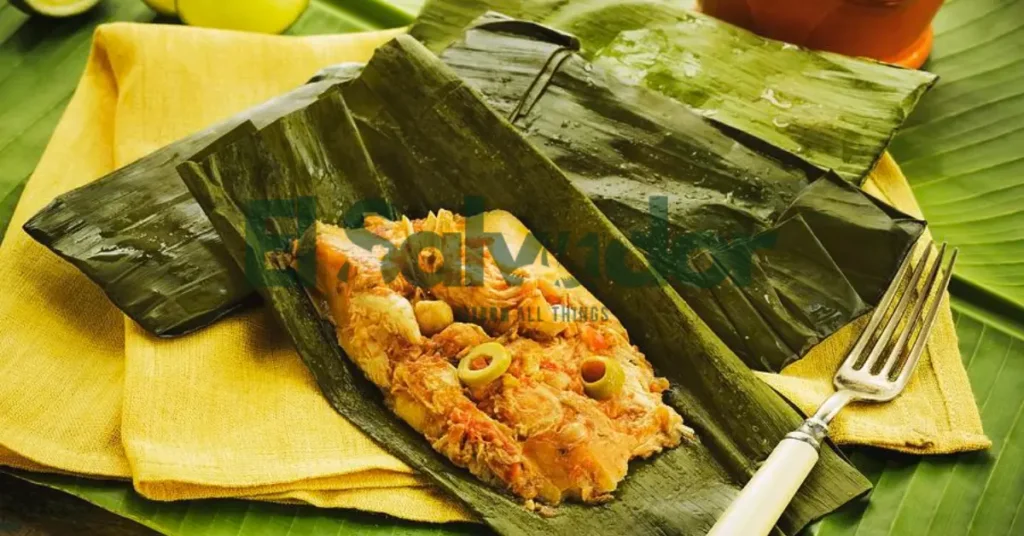
What to Look for in Masa, Meat, Peppers, and Banana Leaves
The masa should feel soft, smooth, and a little loose, like thick cake batter. If it feels dry or stiff, the tamal can turn dense, and we almost didn’t catch that while shopping at a tiny market stand.
- Masa: Look for a mixture that spreads easily on the leaf and holds shape without cracking.
- Meat: The most traditional choices are pork and chicken, usually cooked until tender and easy to shred.
- Peppers: Pick ripe red peppers for color and a deeper, gentle sweetness in the sauce.
- Banana leaves: They should be fresh, flexible, and clean, with no dry tears along the edges.
Banana leaves matter because they give tamales that faint smoky, green smell you notice as soon as they steam. They also help hold everything together, so the masa cooks evenly and stays moist.
I still remember a shop owner folding a leaf in his hands and saying the leaf should bend, not snap. That tiny detail made the whole batch smell like warm corn and pepper by the time the lid came off.
Authenticity vs. Substitutions: What You Can Change and What You Shouldn’t
Some swaps are fine, but a few change the whole dish. I remember a shopkeeper in a busy market telling me, “Save the fancy stuff for the final garnish.” He was right, because some ingredients only need to support the flavor, while others carry the taste and texture.
- Acceptable swap: Fresh herbs for dried herbs. The dish will taste brighter, but you may need less dried herb.
- Acceptable swap: One neutral oil for another. This usually changes very little, except for a mild flavor shift.
- Fallback option: Canned or frozen vegetables instead of fresh. They work in a pinch, but the texture is softer.
- Fallback option: Dairy-free milk for regular milk. It can taste a little thinner, so the result may be less rich.
- Shouldn’t change: The main fat, starch, or base ingredient. That’s where the body of the dish comes from, and swaps there can make it feel off.
Substitutions often change more than flavor. A crisp bite can turn mushy, and a rich sauce can taste flat if the swap is too light. So if you’re short on one ingredient, use the closest match you can find, then adjust slowly and taste as you go.
Recipe Facts: Yield, Prep Time, Steaming Time, and Difficulty
| Recipe Fact | Details |
|---|---|
| Yield | About 4 servings |
| Active prep time | About 15 minutes |
| Steaming time | About 30 minutes |
| Total time | About 45 minutes |
| Difficulty | Easy |
How to Prepare Banana Leaves and Avoid Common Wrapping Errors
Banana leaves crack fast when they’re dry, stiff, or dirty. I learned that the hard way at a market stall, where one leaf split with a sad little snap right in my hands. The vendor just smiled and said, “Soften it first.”
- Rinse the leaves well. Wipe off dirt, sap, and dust with cool water. If they feel sticky, wash them gently and pat them dry.
- Trim the thick ribs. Cut away the hard center vein and rough edges so the leaf bends more easily. Sharp kitchen scissors work well.
- Soften the leaf. Pass it over low heat for a few seconds on each side, or dip it briefly in hot water. It should feel flexible and smell grassy, not burnt.
- Cut to the right size. Use pieces that are big enough to fold over the filling with overlap. Too small, and the wrap pops open.
- Wrap with a firm hand. Place the filling in the center, fold the sides in, then roll tightly like a neat parcel. Leave a little room inside so the leaf can close without tearing.
Here’s the thing, overfilling is one of the fastest ways to ruin the wrap. If the filling bulges at the ends, the leaf will split while cooking and leak juices.
For clean handling and storage, keep cooked food hot or chilled promptly. The USDA Food Safety and Inspection Service says safe food handling and temperature control matter, especially after wrapping and cooking.
- Don’t use brittle leaves. If they crack while you fold them, they need more heat.
- Don’t wrap while they’re wet. Extra water makes them slip and tear.
- Don’t pack the filling too high. A flat, even layer seals better.
- Don’t force old leaves. Fresh ones usually bend more cleanly.
How to Clean, Soften, and Cut Banana Leaves
Banana leaves usually come with dust, sap, and little bits of field grit, so the first step is a gentle rinse. I touched one with dry hands, because the surface can feel slick and tear if you rush.
Start by wiping each leaf with a damp cloth or rinsing it under cool water. If the leaf looks very dusty, wash both sides, then pat it dry with a clean towel.
Next, soften the leaf over heat so it bends without cracking. Hold it briefly over a low flame, steam it for a few seconds, or pass it across a hot pan until the color deepens and the leaf feels more flexible. You’ll hear a faint crackle, and the smell turns green and sweet.
After that, trim the tough stem and cut the leaf into usable pieces. A sharp knife or kitchen scissors works well for squares, strips, or rectangles, depending on what you’re wrapping or lining.
- Rinse or wipe first. Clean away dust and debris before handling.
- Soften with heat. Warm the leaf until it bends easily.
- Trim the edges. Remove the thick center rib and any ragged parts.
- Cut to size. Make pieces that fit your pan, steamer, or parcel.
If the leaves split a little, don’t worry. Use the best-looking parts for wrapping, and save smaller pieces for lining trays or overlapping in a patchwork layer.
Wrapping the Tamales So They Keep Their Shape While Steaming
Start with a soft, spreadable masa, about 2 to 3 tablespoons for each tamal.
- Lay your soaked husk flat, smooth side up. Spread the masa in the center, leaving a clear border at the edges.
- Put the filling in a narrow line down the middle of the masa. Keep it away from the top edge, so it does not squish out when you fold.
- Fold one long side of the husk over the filling, then bring the other side across. The masa should meet and seal the filling inside.
- Fold the bottom end up. Leave the top open if your recipe calls for it, or tuck it down tightly if the filling is loose.
- Check the seam. If you see filling peeking out, press the masa back in and refold before stacking.
As you finish each one, set it seam-side down or lean it upright in the steamer basket. That helps them hold shape while they cook and keeps the folds from opening.
Banana Leaf Substitutes: What Works if You Can’t Find Leaves
Banana leaves add a soft, grassy aroma that you can taste the moment the food opens up. If you swap them out, the dish still works, but the smell and the old-school feel change a lot.
- Parchment paper: It handles heat well and keeps food from sticking. But it gives almost no aroma, so the dish tastes cleaner and less earthy.
- Foil: It traps steam nicely and works in a pinch. The tradeoff is plain flavor, plus you lose the gentle leaf scent that banana leaves bring.
- Corn husks: They can give a mild sweet smell and look pretty on the plate. Still, they are drier and less flexible, so they do not wrap as tightly.
- Clean cabbage leaves: They soften with heat and can hold shape well. The flavor is more vegetal and sharp, so the result is different from banana leaf cooking.
If you can find the real thing, use it. If not, pick the substitute based on what matters most, tight wrapping, easy cleanup, or a hint of extra flavor.
Step-by-Step Assembly and Steaming Guide
Mix the masa first, then pause for a quick check. It should feel soft and spreadable, like thick peanut butter, not dry or crumbly.
- Stir the masa until it looks smooth and holds together without cracking at the edges. If it feels too thick, add a little broth or water a spoonful at a time. It should look pale, creamy, and slightly shiny.
- Beat or knead the masa until it feels airy and light. When you press a bit between your fingers, it should smear easily and not tear. That soft feel helps the tamales steam up tender.
- Spread a spoonful of masa onto a husk or wrapper. Leave room at the top and bottom, and keep the layer even.
- Add the filling down the center, then fold the sides over it. The masa should hug the filling without squeezing it out. If it cracks while folding, the dough is usually too dry.
- Set the tamales upright in the steamer, snug but not jammed together. Put a rack or steamer insert in the pot, then add water below the basket so it never touches the tamales. Keep the heat at a steady simmer so the steam stays gentle.
- Cover the pot tightly with a lid. You can place a towel under the lid to catch drips, which keeps the tops from getting soggy. The room will start to smell warm and corn-sweet after a few minutes.
- Steam until the masa pulls away from the wrapper and feels firm. For safe doneness, check that the centers are hot all the way through, since USDA FSIS guidance notes that time and temperature checks help prevent undercooking. If the masa still feels gummy or sticks hard to the husk, give it more time.
When they’re ready, the tamales should feel set, springy, and easy to unwrap. Let them rest a few minutes before serving, because the steam inside stays hot.
Make the Masa to the Right Spreadable Consistency
The masa should feel like thick, smooth peanut butter. It needs to spread easily, but still hold its shape on the corn husk.
- Mix the masa until it looks smooth and creamy.
- Scoop a little up with a spoon and watch it fall. It should drop slowly, not pour like batter.
- Test a small spread on a husk. It should glide on without tearing or clumping.
Look for this: the masa should be soft, moist, and spreadable, with no dry patches or soupy edges. I remember hearing the quiet scrape of the spoon in the bowl, and that was the clue it was just right.
If it feels too dry, add a spoonful of warm broth or water and mix again. If it gets too loose, stir in a little more masa until it firms up.
Assemble and Fill Each Tamal Evenly
Even filling is what keeps tamales from splitting open later.
- Lay out one husk flat. The smooth side should face up, with the wide end near you.
- Spread the masa in a thin, even layer. Leave space around the edges so the husk can fold cleanly.
- Add a small line of filling down the center. Keep it neat and steady, so one side does not get heavier than the other.
- Fold one side over, then the other. Press gently to seal, but do not squeeze the filling out.
- Fold the bottom end up. The tamal should feel snug, not packed tight.
Here’s the thing, overstuffing usually leads to bursting and uneven cooking. A tamal should look full, but it still needs room for the masa to steam and set.
As I wrapped mine, a woman at the next table laughed and showed me her trick, keep every piece about the same size. That made the basket look tidy, and the steam cooked them more evenly too.
Check each tamal before setting it aside. If the seam is loose or the filling is poking out, fold it again right away while the masa is still soft.
Steam Until the Masa Sets and the Filling Is Heated Through
- Set up steady steam first. Keep the water simmering so the heat stays even.
- Steam until the masa sets. Time helps, but it’s not the only clue.
- Check the parcel firmness. It should feel firm, not soft or floppy, when pressed gently.
- Look at the masa texture. It should pull away more cleanly and feel set, not sticky and raw.
- Make sure the filling is heated through. The center should be hot, not cool or lukewarm.
So check with your fingers and your eyes. If the masa feels firm and the filling is hot all the way through, you’re there.
How to Tell When Tamales Salvadoreños Are Done
- The masa feels firm, not wet. When you press the tamal gently, it should hold its shape. It should feel set and tender, not jiggly or sticky.
- The masa pulls away from the husk or leaf. That was the biggest clue for me. The wrapper should peel back cleanly instead of clinging to soft dough.
- The parcel feels sturdy. A done tamal usually feels packed and solid in your hands. If it slumps or feels loose, it likely needs more time.
- The texture is cooked through, not pasty. Proper masa feels smooth and light, with no raw flour taste.
- The aroma turns deeper and savory. You’ll smell the corn masa, broth, and filling more clearly when they’re ready. The kitchen starts smelling warm and rich, not starchy.
If you’re unsure, open one tamal and check the center. It should slice cleanly and feel moist, but not wet or gummy. That small test saves the whole tray from being undercooked.
Doneness Checklist for Steamed Tamales
- The husk peels back cleanly from the masa instead of clinging like wet paper.
- The masa feels set and springy, not mushy or raw in the center.
- It holds its shape when you open one, even if it looks soft at first.
- Steam smells warm and cooked, not like wet corn dough.
- The filling is hot all the way through, with no cool spots near the middle.
- The outside may look slightly glossy, but it should not feel sticky or soupy.
- If you press the masa gently, it should bounce back a little.
- Juices or fat from the filling should look settled, not watery and pale.
Troubleshooting Tamales Salvadoreños: Fixes for Dry Masa, Leaks, and Undercooked Filling
Dry masa usually means the dough lost too much moisture before steaming. Leaks, dense texture, and pale filling often show up in the same batch, so the fix is usually simple.
| Problem | What it looks like | Simple fix |
|---|---|---|
| Dry masa | Crumbly dough that tears when spread | Stir in a little warm broth or water, one spoon at a time, until it feels soft and smooth. |
| Leaking parcels | Filling seeps out during steaming | Wrap tighter, use less filling, and fold the leaf or banana leaf snugly before tying. |
| Dense texture | Tamales feel heavy instead of tender | Beat the masa a bit longer and keep the fat well mixed for a lighter crumb. |
| Steam issues | Some tamales cook, others stay soft and pasty | Keep a steady steam, add water as needed, and do not crowd the pot. |
| Undercooked filling | Filling looks raw or cold in the center | Steam longer, then rest the tamales a few minutes before opening one to check. USDA FSIS notes that improper holding and undercooking can affect safety, so make sure the center is hot all the way through. |
I remember one batch where the kitchen smelled amazing, but the middle was still cool. The pot was clicking softly, and I almost didn’t do it, but I lifted one tamal and checked the center before serving.
If the masa feels stiff, add liquid slowly. If the steam smells weak or the lid rattles too much, adjust the heat and keep the water level steady. A patient re-steam usually saves the whole pot.
Problem-Solution Table: What Went Wrong and How to Fix It
| Problem | Likely cause | Fix |
|---|---|---|
| Long wait at the desk | Staff shift change or busy check-in time | Arrive earlier and keep your booking ready |
| Room smells musty | Poor airflow after a closed-up day | Ask for a window room or fresh linens |
| Taxi driver seems unsure | Weak address or no clear landmark | Show the hotel name in writing and a map pin |
| Breakfast runs out fast | Peak crowd hits the buffet early | Go down sooner, before the rush starts |
| Wi-Fi keeps dropping | Too many guests on the same network | Ask for the stronger router or a room closer to it |
| Noisy hallway at night | Thin walls and late arrivals | Request a quieter room away from the lift |
Make-Ahead, Storage, Freezing, and Reheating
Can I make this ahead? Yes, and I usually do when the kitchen feels busy. The leftovers smell even better the next day, but let everything cool first.
- Fridge timeline: Store cooked food in the refrigerator within 2 hours. According to USDA FSIS and FDA food storage guidance, cooling and storing it safely helps reduce spoilage risk.
- How long it keeps: In most cases, it stays good in the fridge for 3 to 4 days.
- Freezer timeline: Freeze it in a tight container for up to 2 to 3 months for the best taste.
- Reheating method: Warm it in the oven at a low temperature until hot in the center, or use the microwave in short bursts.
- Wrapped or unwrapped? Reheat it wrapped if you want to hold in moisture. Unwrapped works better if you want the outside a little drier or crisper.
What Can Be Made Ahead
Some of the work can be done the day before, and that saves a lot of stress.
- Make ahead: sauces, dressings, and any filling that needs time to chill. These often taste better after a night in the fridge.
- Make ahead: chopped vegetables, grated cheese, and other prep that keeps well in a covered container.
- Wrap fresh: bread, tortillas, lettuce, herbs, and anything that can dry out or wilt. Keep these tucked up until serving.
- Wrap fresh: assembled sandwiches or rolls, unless the recipe says they need time to rest.
Here’s the thing, the best make-ahead plan is the one that keeps texture in mind. If something should stay crisp, leave it for last. If it tastes better after resting, make it early and let it sit cold overnight.
When I was packing for a busy brunch, a shop clerk told me to keep the greens separate from the sauce.
How to Store and Reheat Without Drying Them Out
- Cool them first. Let the masa pastries come to room temp before storing. A hot stack traps steam and makes them soggy.
- Wrap them well. Use foil or an airtight container.
- Keep the filling separate, if you can. Dry masa stays nicer when it is not sitting in extra sauce or broth overnight.
- Reheat with moisture. Steam is best for the softest texture. If you use a microwave, cover them with a damp paper towel so the masa does not turn tough.
- Heat slowly. A low oven or steamer warms the center without blasting out the moisture. High heat can make the outside feel leathery.
- Add a quick rest. After reheating, let them sit for a minute or two. The texture settles, and the masa feels softer when you bite in.
Truth is, the first time I rushed this, the masa went dry and crumbly. The smell was still amazing, but the bite was off.
How to Serve Tamales Salvadoreños
Tamales salvadoreños are usually served warm, still wrapped in the banana leaf or plantain leaf that holds in the smell of masa and seasoning. They show up most often at breakfast, holiday gatherings, birthdays, and late family meals, where people pass plates around and eat slowly while the kitchen still smells like steam and herbs. Traditional foods like tamales and homemade panes Salvadorenos usually appear during holidays, birthdays, and large family gatherings.
- Serve them with: a cup of café de olla, hot chocolate, or fresh juice. Tamales are often paired with traditional drinks similar to this horchata de morro recipe, especially during breakfast or holiday meals.
- Common sides: curtido, salsa roja, or simple bread on the side.
- Best occasions: Christmas, New Year’s, Sunday brunch, and big family get-togethers.
- Cultural note: Like the best pupusas in El Salvador, Salvadoran tamales stand out because of their softer masa and strong regional cooking traditions.
- How they’re eaten: unwrap the leaf first, then spoon in a little sauce if it’s served nearby.
Traditional Serving Ideas and Pairings
- Serve it warm Many Salvadoran comfort meals, including yuca con chicharrón, are also served warm with bread or sides that soak up the sauce and seasoning.
- Add a simple side salad with lemon, cucumber, and herbs for a fresh, clean bite.
- Pair it with yogurt or chutney if the dish has spice, since the cool taste balances heat well.
- Use pickles or relishes sparingly for a sharper, more traditional meal feel.
- Finish with tea or a light dessert like fruit, especially if the meal already feels rich.
Travelers missing traditional Salvadoran meals abroad often order pupusas online to recreate the same comforting food experience at home.
Common Mistakes to Skip When Making Salvadoran Tamales
Overfilling is the fastest way to make a mess. I remember a cook at a small shop saying the wrapper should close with room to spare, or the tamal splits open and leaks masa into the pot.
- Don’t pack in too much filling. Keep the center modest so the leaf can fold cleanly.
- Soften the leaves first. Dry banana leaves crack, and the whole tamal gets harder to wrap.
- Keep the masa light, not thick. If it feels heavy like paste, it usually stays dense after steaming.
- Steam long enough. Under-steamed tamales can taste raw in the middle, even if the outside looks done.
- Don’t store them while still hot. Trapped steam turns into extra moisture, and that can make the texture soggy fast.
Truth is, the smell of warm banana leaf can fool you into thinking they’re ready early.
Final Thoughts
Banana leaf prep, masa consistency, and steady steaming are the real keys here. I learned that after hearing the soft hiss of the steamer and catching that warm, grassy smell as the tamales cooked.
Once the leaves were cleaned well, the dough felt right, and the steam stayed even, everything clicked. So give the recipe a try, trust the process, and save any leftovers in a sealed container in the fridge. Reheat them gently, and they’ll still taste great the next day.
Frequently Asked Questions
What makes Salvadoran tamales different?
Salvadoran tamales are wrapped in banana leaves, which give them a soft, earthy aroma. They’re usually larger, more saucy, and have a richer masa than many other tamales.
What are Salvadoran tamales made of?
They’re made with masa, a savory filling, and a sauce that keeps everything moist. Common fillings include chicken, pork, potatoes, and olives, all tucked into banana leaves.
What is the secret to good tamales?
Good masa is the big one, it should feel soft, smooth, and lightly fluffy. The filling and sauce also need enough seasoning, because the banana leaf adds its own gentle flavor.
How long do tamales salvadoreños take to cook?
They usually take a few hours to cook, depending on size and filling. The steam has to work all the way through, so patience matters more than high heat.
What is a common mistake when making tamales?
A common mistake is making the masa too dry or too thick. Another one is overfilling them, which makes wrapping harder and can lead to uneven cooking.
What kind of leaf wraps a tamal salvadoreño?
Banana leaves are the classic wrap for a tamal salvadoreño. They soften during cooking and add that familiar smoky, green aroma.
How do you know when Salvadoran tamales are done?
The masa should feel set and pull a little from the leaf. When you open one, it should look cooked through and hold together without being wet in the center.
Can you make Salvadoran tamales ahead of time?
Yes, and that’s common for family meals and holidays. They hold up well if you make them a day early and reheat them gently later.
How do you store leftover tamales?
Let them cool first, then keep them wrapped in the fridge. They stay better that way and don’t dry out as fast.
Can you freeze tamales salvadoreños?
Yes, you can freeze them once they’re fully cooled. Wrap them well so they don’t pick up freezer smells or lose moisture.
What if my banana leaves crack while wrapping?
Warm them first over a flame or in hot water, and they usually soften right up. If one still cracks, use a second piece to patch it before wrapping.
What is the best masa texture for tamales?
The masa should be soft, spreadable, and a little airy. It shouldn’t feel stiff, dry, or crumbly when you press it with a spoon.
Can I substitute banana leaves if I can’t find them?
You can use parchment or foil in a pinch, but the flavor changes. Banana leaves give Salvadoran tamales their most familiar taste and scent.
Why did my tamales turn out dry?
Dry tamales usually mean the masa needed more liquid or fat. It can also happen if they cooked too long without enough steam.
Why is my filling undercooked?
The filling may have been cut too large, or the tamales needed more steaming time. A tight pot and steady steam help the filling cook through evenly.
How do I reheat tamales without drying them out?
Reheat them wrapped, with steam if possible, so the masa stays soft. A covered steamer or a microwave with a damp paper towel both work well in most kitchens.