
How to Make Authentic Pupusas with Curtido and Salsa Roja
Pupusas are thick Salvadoran stuffed corn cakes made from masa harina and filled with cheese, beans, pork, or other simple fillings. They’re usually served with curtido and salsa roja, and today we’re keeping the method home-cook-friendly, with practical shaping tips, make-ahead help, and storage notes.
That means you’ll learn how to mix the dough, fill and seal each pupusa, and cook it until the outside is lightly crisp and the center stays soft. I wish someone told me early on that the first one often looks a little funny, and that’s normal, because even a good Salvadoran recipe usually starts with a few imperfect rounds.
Here’s the thing, the best pupusas feel simple but not rushed. You want a pliable dough, a well-packed filling, and curtido with just enough bite to balance the rich cheese and warm masa harina flavor, plus salsa roja for that bright finish.
Key Takeaway Notes
- Pupusas are soft corn masa cakes, warm and thick, with a gentle chew.
- Curtido tastes best after it chills for a while, so the flavors can settle.
- The dough should feel softer than tortilla dough, almost tender in your hands.
- Keep the fillings modest, or the pupusas can split when you seal them.
- Cook them over medium heat so the outside browns before the center dries out.
- I wish someone told me this sooner, leftovers keep well and reheat nicely.
- So if you make extra, store them chilled and warm them back up later.
What Are Pupusas?
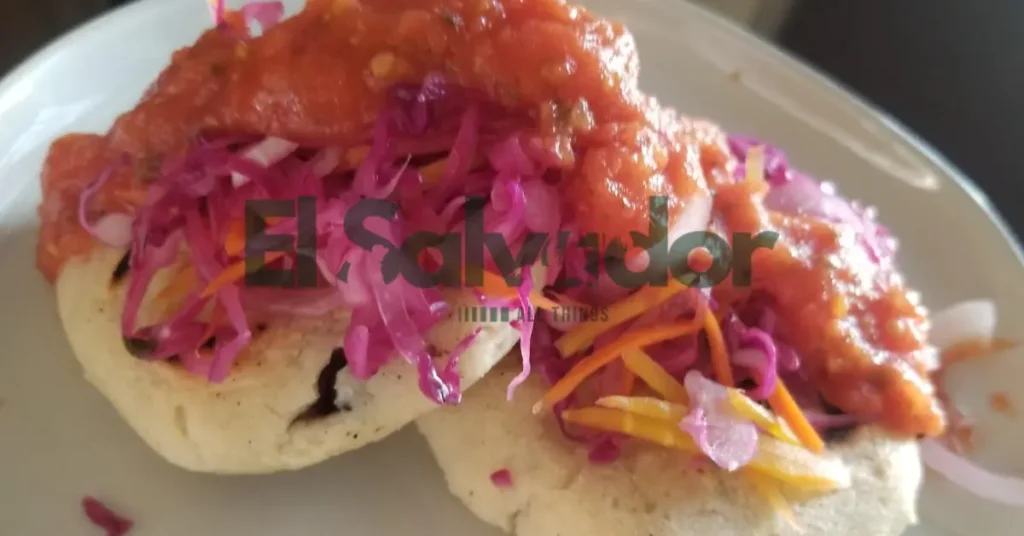
Pupusas are one of the most iconic dishes in El Salvador food, made with masa harina and filled with cheese, beans, or meat before cooking on a hot griddle. They’re cooked on a hot griddle until the outside is lightly crisp and the middle stays soft, then served with curtido and salsa roja for a simple, fresh bite. Britannica describes pupusas as a classic Salvadoran dish, and that’s exactly how they feel, humble, warm, and easy to love.
I wish someone told me the first time I saw them that they’re not complicated at all. You make a corn dough, tuck in the filling, and press it into a round cake that looks a little rustic, which is part of the charm.
2. Make the Curtido First
Mix the cabbage, carrot, Mexican oregano, salt, sugar, and apple cider vinegar into a quick pickle. It smells sharp at first, but that bite softens in the refrigerator after it sits.
- Thinly shred the cabbage and carrot so the curtido softens evenly.
- Toss them with Mexican oregano, salt, and a little sugar.
- Add apple cider vinegar and stir until everything looks lightly coated.
- Cover and chill for at least 4 hours, but overnight is better.
I wish someone told me to taste it after chilling, because the vinegar mellows fast. If it still feels too sharp, add a pinch more sugar and let it rest again.
Pupusa Recipe Overview
| Section | Details |
|---|---|
| Dish | Pupusas (thick Salvadoran stuffed corn cakes) |
| Served With | Curtido (pickled cabbage slaw) and salsa roja |
| Dough | Masa harina (such as Maseca), salt, cold water |
| Dough Texture | Soft, smooth, slightly tacky, like playdough. Softer than tortilla dough. |
| Cook Surface | Cast iron skillet over medium heat |
Ingredients
| Component | Ingredient | Notes |
|---|---|---|
| Dough | Masa harina (instant corn masa) | Maseca or similar brand, fine grind, no gritty bits |
| Dough | Salt | Mixed into dry masa before adding water |
| Dough | Cold water | Add gradually, adjust by feel. Amount varies by brand. |
| Filling | Cheese (mozzarella or Oaxacan) | Melty, stretchy cheese works best |
| Filling | Beans (refried) | Classic filling, earthy and creamy |
| Filling | Chicharrón (pork) | Rich, savory, more intense |
| Filling | Loroco (flower bud) | Herbal, floral, distinctly Salvadoran |
| Filling | Pickled jalapeños (optional) | Adds heat and tang to cheese filling |
| Filling | Roasted butternut squash (optional) | Sweet and savory swap |
| Curtido | Cabbage (thinly shredded) | Base of the slaw |
| Curtido | Carrot (thinly shredded) | Adds color and sweetness |
| Curtido | Mexican oregano | Aromatic seasoning |
| Curtido | Salt | To taste |
| Curtido | Sugar | Small amount to balance vinegar |
| Curtido | Apple cider vinegar | Gives the tangy pickle flavor |
| Side | Salsa roja | Bright, tomato-based sauce served alongside |
| Side | Lime wedges (optional) | A squeeze brightens the whole plate |
Steps
| Step | Action | Key Tip |
|---|---|---|
| 1 | Make curtido first. Shred cabbage and carrot, toss with oregano, salt, sugar, and apple cider vinegar. Cover and chill at least 4 hours, overnight is better. | Taste after chilling. If too sharp, add a pinch more sugar. |
| 2 | Make the dough. Whisk masa harina and salt. Add cold water gradually, mixing by hand until soft and pliable. | Dough should feel like playdough with a light tack. If it cracks, add more water. If too sticky, add a bit more masa. |
| 3 | Prepare fillings. Grate or crumble cheese, prep beans or other fillings. | Keep fillings modest, about 1 to 2 tablespoons per pupusa. |
| 4 | Shape pupusas. Flatten a dough ball to about 1/2 inch thick. Press a well in the center, add filling, fold dough over, pinch and seal edges. | Keep hands lightly oiled or damp. Smooth cracks with wet fingers. |
| 5 | Pat each sealed ball into a round disc about 4 inches wide and 1/4 inch thick. | If dough splits, remove some filling. Do not force a bigger shape. |
| 6 | Cook on a cast iron skillet over medium heat. Cook until golden on the bottom, then flip and cook the other side. | Medium heat lets the outside brown before the center dries out. Keep finished pupusas warm in a low oven. |
| 7 | Serve hot with curtido, salsa roja, and lime wedges. | A squeeze of lime brightens mild curtido. |
Filling Guide
| Filling | Taste | Best For |
|---|---|---|
| Cheese | Soft, melty, mild | Beginners, testing the masa |
| Bean | Earthy, creamy | First-timers, comfort food |
| Loroco | Herbal, green, slightly floral | Curious eaters wanting a Salvadoran classic |
| Chicharrón | Rich, savory, meaty | Hungry eaters wanting something bold |
| Revueltas (mixed) | Salty, layered | After trying basics, want a bit of everything |
| Cheese + pickled jalapeños | Salty, spicy | Heat lovers |
| Cheese + roasted butternut squash | Sweet, savory | Cozy, mild filling swap |
Chicharrón fillings bring the same rich, savory flavor people love in classic yuca con chicharrón served across El Salvador.
How to Make the Pupusa Dough
Whisk the masa harina and salt in a bowl first. Then add cold water a little at a time, mixing with your hand until the pupusa dough feels soft and even.
Here’s the thing, the dough should feel very soft. I remember a local shop owner telling me to stop worrying when it felt almost too loose, because that sticky dough is normal with instant masa.
Use Maseca or another instant masa made for this kind of hydration, but keep in mind the amount of water can vary by brand. If the dough feels dry or cracks at the edges, add a spoonful of water. If it feels too wet to shape, sprinkle in a little more masa harina.
The right texture checkpoint is simple: the masa should be pliable, slightly tacky, and easy to press without tearing. It should not feel dry like tortilla dough. If you press it and it holds together without crumbling, you’re close.
3.1 How to Tell the Dough Has the Right Texture
- Soft: The masa harina dough should feel tender, not stiff. Pupusa dough is usually softer than tortilla dough.
- Slightly sticky: It may cling a little to your fingers, but it should not smear like wet batter.
- Pliable: It should bend and hold shape without cracking when you press and fold it for shaping.
- Elastic: A gentle press should spring back a little, not stay ragged or dry.
If the dough cracks, it usually needs more hydration. Add a tiny splash of water and knead again.
If it feels dry and crumbly, keep mixing until it turns soft dough. If it clings too much to your hands, let it rest a minute, then dust your palms lightly with masa harina.
I wish someone told me this sooner, because the dough should feel easy to shape, not perfect. If it feels like play dough with a light tack, you’re close.
What Is the Best Masa Harina for Pupusas?
The best masa harina for pupusas is an instant corn masa that hydrates smoothly and stays soft. Maseca is a workable option, and it behaves like other instant masa brands, but the water it needs can shift a little from one brand to the next.
I wish someone told me this sooner, pupusa dough should feel softer than tortilla dough. If it feels dry and crackly, it will likely split at the edges. If it feels a little plush and supple, you’re closer to the right texture.
Here’s the simple buying test I’d use: choose a masa harina that says it is for instant masa or corn masa, then expect to adjust the water by feel. I once stood in a small shop with a woman behind the counter who said, “Same bag, different day, different water.” She was right.
If your dough seems too firm after mixing, add water a spoonful at a time. If it turns sticky, let it rest for a few minutes before adding more masa.
Pupusa Filling Ideas and Easy Swaps
Classic pupusa fillings keep things simple, with a cheese filling at the center. The best melty cheese is one that softens well, so mozzarella or Oaxacan cheese both work nicely.
- Cheese, use a melty cheese that turns gooey and soft inside the masa.
- Pickled jalapeños, add a little heat and tang to the cheese filling.
- Roasted butternut squash, swap in sweet, tender roasted squash for a cozy, savory filling.
- Mozzarella or Oaxacan cheese, either one can stand in for the original cheese if that’s what you have.
- Easy combo idea, cheese with pickled jalapeños for a salty, spicy bite.
- Easy combo idea, cheese with roasted butternut squash for a soft, sweet-and-savory center.
Truth is, the label matters less than the melt, which is exactly why travelers spend so much time searching for the best pupusas in El Salvador by region and house style. Many Salvadoran kitchens also prepare holiday favorites like panes Salvadorenos alongside pupusas during larger family celebrations.
How to Assemble and Cook the Pupusas
Start with dough that feels soft but not sticky. I wish someone told me to keep my hands lightly oiled or damp, because that makes it much easier to assemble pupusas without tearing them.
- Flatten a ball of dough until it is about 1/2-inch thick.
- Press a small well in the center and add a modest filling, no more than 1 to 2 tablespoons.
- Fold the dough over the filling, then pinch and seal edges tightly.
- Gently pat and shape each one into a round about 4 inches wide and about 1/4-inch thick.
If the dough cracks, stop and smooth the edges with a little water on your fingers. If it still splits, the dough is usually too dry, so add a tiny splash of water and rest it for a minute.
Heat a cast iron skillet over medium heat. Cook the pupusas until the bottoms are golden in spots, then flip and cook the other side. Keep the heat moderate, because high heat can brown the outside before the center melts.
I remember the pan making that soft, steady sizzle, with the masa smell turning nutty fast. As each pupusa finished, I tucked it into a warm oven so they stayed hot and soft while the rest cooked. Use care with hot pans and oven racks, since burn-safe handling matters in the kitchen, as the NIAMS notes on safe movement around heat sources.
6.1 Filling Amount and Leak Prevention
After your first shaping step, keep the filling amount modest. For a 4-inch pupusa, a small scoop is enough, because overfilling is the main reason for leaky pupusas.
- Seal edges carefully before you flatten it more.
- If you see cracks, take filling out instead of forcing a bigger shape.
- Keep the center soft, but don’t let it bulge through the dough.
I wish someone told me this sooner, because once the masa smells warm and slightly sweet, it’s tempting to stuff in more. But a smaller filling makes shaping easier, and the edges stay closed better.
Troubleshooting Soft Dough and Leaky Pupusas
Sticky dough, cracks, and leaky pupusas usually come from one thing, off-balance hydration. I remember a stall owner in San Salvador pinching a ball of masa and saying, “Too wet slips, too dry splits.”
- Sticky dough: Add a little masa harina if it feels too wet. If your hands keep sticking, re-oil them lightly and shape again.
- Pupusa dough too soft: Let the dough rest a few minutes, then test it again. It should hold together without smearing.
- Cracking: Add a splash of water if the dough feels dry or crumbly. Gentle shaping helps more than pressing hard.
- Leaky pupusas: Don’t overfill the center. Seal the edges carefully so the filling stays inside while cooking.
- Uneven cooking: Keep the skillet at steady heat and cook until both sides are browned evenly. If one side darkens fast, lower the heat a bit.
Truth is, most pupusa trouble gets better with tiny fixes, not big changes. A little hydration adjustment, smaller portions, and softer hands usually do the trick.
How to Keep Pupusas Warm, Reheat, and Freeze Them
Fresh pupusas are best hot off the skillet, but leftovers hold up well if you cool them first. I still remember the smell of masa and melted cheese drifting through the kitchen while we almost didn’t get the second batch packed away fast enough.
- Keep finished pupusas warm briefly. Set them in a warm oven, loosely covered, while you finish the batch. Keep them there only for a short time so they stay soft instead of drying out.
- Store cooled leftovers in the fridge. Let pupusas cool before you store pupusas in an airtight container. Safe-storage guidance is general here, but the key is simple, cool them first, then refrigerate them for later.
- Reheat pupusas without losing moisture. For crisp edges and a soft center, use skillet reheating over medium heat. Oven reheating also works well, especially if you want to warm several at once. Heat until hot in the middle, but don’t cook them so long that the filling turns tough.
- Freeze cooked pupusas for later. Freeze cooked pupusas, not raw assembled ones, if you want the easiest home-cook result. Wrap them well, then store them in a freezer-safe bag or container. They usually reheat better this way, with less splitting and less mess.
- Reheat from frozen or thawed. Thaw in the fridge if you have time, then use a skillet or oven reheating method. If you’re going straight from frozen, just give them more time and keep the heat gentle so the centers warm through.
To Serve the Pupusas
Serve pupusas hot and fresh alongside other traditional dishes like these homemade Salvadoran tamales often prepared for family gatherings. They taste even better with traditional drinks like this horchata de morro recipe, commonly served with Salvadoran meals.
Make the plate simple, then add a quick squeeze of lime if the curtido tastes mild. I wish someone told me that little splash makes the whole thing brighter. If you cannot visit a pupusería in person, many travelers now also order pupusas online to recreate the experience at home.
Final Thoughts
Pupusas taste best hot, with curtido and salsa roja on the side. The real trick is a soft dough, a modest filling, and medium heat, so the outside cooks through without drying out.
I still remember how good it felt when the first one held together, the edges just lightly crisp and the center tender. If you keep the dough soft and don’t overfill, beginners can do this with confidence.
Frequently Asked Questions
What is pupusa dough supposed to feel like?
It should feel soft, smooth, and a little damp, like playdough that still gives a bit when you press it. If it cracks at the edges, it usually needs more water and a short rest.
What is the best masa harina for pupusas?
A fine masa harina made for tortillas or pupusas usually works best. Look for one that smells fresh and mixes into a dough without gritty bits.
Can I use Maseca for pupusas?
Yes, Maseca works well for pupusas in many kitchens. I wish someone told me this sooner, because it’s easy to find and gives a good, sturdy dough.
What fillings are traditional for pupusas?
Bean, cheese, and chicharrón are classic fillings, and many cooks use combinations of those. Some versions also include loroco, a popular Salvadoran flower bud.
Can I make pupusas ahead of time?
Yes, you can shape them a little ahead and keep them covered in the fridge for a short time. For best texture, cook them fresh if you can.
How do I keep pupusas from cracking?
Keep the dough moist and let it rest before shaping. If it feels dry while you work, dip your hands in water and smooth the edges again.
Why are my pupusas leaking filling?
That usually means there’s too much filling or the dough seam has a gap. Use less filling, seal the edges well, and make sure the dough is thick enough to hold it.
How much filling should I use in each pupusa?
About 1 to 2 tablespoons is enough for most medium pupusas. The dough should close around the filling without stretching thin.
Can I make pupusas without cheese?
Yes, you can make bean-filled or meat-filled pupusas without cheese. They still taste rich, especially when served warm with curtido and salsa roja.
Can I substitute mozzarella for Oaxacan cheese?
Mozzarella works as a good stand-in because it melts softly and pulls apart nicely. The flavor is milder, but the texture is close enough for home cooking.
How do I store leftover pupusas?
Let them cool, then store them in an airtight container in the fridge. For food safety, chill leftovers soon after cooking and keep them cold until reheating, as advised by the FDA.
How do I reheat pupusas without drying them out?
Reheat them in a skillet over low to medium heat with a lid for a few minutes per side. That keeps the outside crisp and the inside soft, which is usually better than blasting them in the microwave.
Can I freeze pupusas?
Yes, pupusas freeze well if you wrap them tightly and store them in a freezer-safe container. The FoodKeeper guidance is a good reminder to label them and use them within a reasonable time.
Should I freeze pupusas raw or cooked?
Cooked pupusas usually freeze and reheat more easily. Raw ones can work too, but they need careful handling so the dough doesn’t dry out or crack.
Why is my curtido too sour?
It may have sat in the vinegar too long or used too much acid. A little sugar, extra cabbage, or a longer chill can soften the sharpness.
Can I make curtido less acidic?
Yes, try adding a touch more cabbage or carrot to balance it out. You can also let it sit in the fridge a bit longer, because the flavors mellow as it rests.
What is the difference between pupusas and tortillas?
Pupusas are thick stuffed corn cakes, while tortillas are thin and usually not filled. Britannica notes that pupusas are a traditional Salvadoran dish, which makes them their own thing, not just a thicker tortilla.
Are pupusas gluten-free?
They usually are, as long as the masa harina and fillings don’t contain gluten. Always check packaged ingredients if you need to avoid cross-contact.
Can I use rice flour instead of masa harina?
Rice flour won’t give you the same dough texture or flavor. Masa harina is made from nixtamalized corn, so it binds better and tastes like real pupusas.
What do I serve with pupusas besides curtido?
Salsa roja is the most common side, and some people add beans or simple avocado. I still remember the smoky smell from a small pupusa shop, where the server set down a plate with curtido, sauce, and a stack of warm, salty pupusas that vanished fast.