
Horchata de Morro
Horchata de morro is a classic Salvadoran horchata, made from morro seed, roasted seeds, and warm spices blended into a drink that’s usually served cold. The smell is nutty and toasty, with a creamy finish that feels made for hot afternoons.
If you’ve ever had horchata and wondered why this version tastes deeper and a little earthier, you’re in the right place. The roasted seeds shape the flavor, because that simple step makes the whole recipe worth keeping around.
Here’s what happened to me: the first sip was cool, lightly sweet, and full of spice, almost like a memory of a market stall after lunch. This recipe shows you how to make that traditional cold-serving style at home, plus how to get the right balance of seed and spice without losing the drink’s smooth, Salvadoran character.
Key Takeaways
- Horchata de morro is a cold Salvadoran drink made from a dry powder mix.
- The powder usually blends seeds, spices, and rice-like grains into one mix.
- You mix it with water or milk, then strain it before serving.
- Straining keeps the drink smooth and helps catch gritty bits.
- It’s usually served cold, because the flavor feels brighter and more refreshing.
- The powder stores well in an airtight container, as long as it stays dry.
What Is Horchata de Morro?
Horchata de morro is a Salvadoran plant-based drink that belongs to the wider horchata family. Britannica notes that horchata has roots in older plant-based drink traditions, and El Salvador made its own version famous through El Salvador food and drink culture.
The Salvadoran style uses morro seeds, along with other roasted seeds and warm spices. A simple ingredient mix often includes rice, cacao, sesame, peanuts, cinnamon, and vanilla, though every family seems to have its own balance.
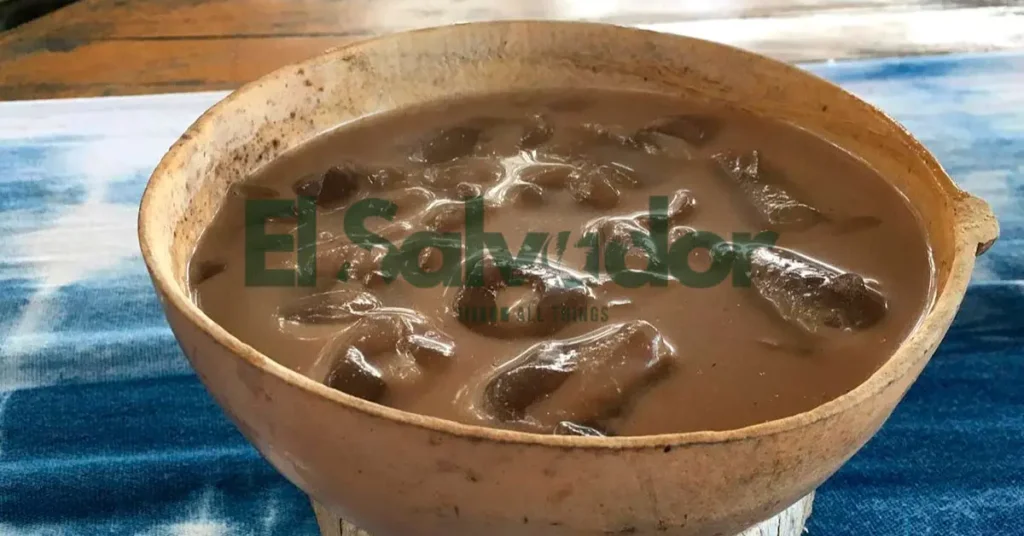
It’s usually served cold alongside traditional meals and homemade dishes similar to this pupusas recipe found throughout El Salvador. The taste is nutty, lightly sweet, and a little earthy, with a creamy feel and a toasty smell that hits first.
Horchata de Morro Recipe
| Component | Ingredient | Notes |
|---|---|---|
| Powder Base | Ground morro seed | Key ingredient, nutty and earthy |
| Powder Base | Rice flour or ground rice | Adds body to the mix |
| Powder Base | Cinnamon | Warm spice |
| Powder Base | Sesame seeds | Toasty flavor, allergen |
| Powder Base | Peanuts | Rich and nutty, allergen |
| Powder Base | Sweetener (optional) | If your mix calls for it |
| Final Drink | Cold water | For a lighter, dairy-free version |
| Final Drink | Milk or evaporated milk (optional) | Makes it creamier and richer |
| Final Drink | Ice | Served cold |
| Final Drink | Sugar or sweetener to taste | Adjust after mixing |
| Final Drink | Vanilla (optional) | Adds a soft, sweet note |
| Step | Action | Tip |
|---|---|---|
| 1 | Roast each ingredient separately since they brown at different speeds. | Watch closely, the smell shifts from grassy to nutty fast. |
| 2 | Let everything cool fully before grinding. | Warm powder clumps and traps moisture. |
| 3 | Grind the cooled ingredients into a fine powder and mix together well. | Store the dry mix in a sealed jar for later use. |
| 4 | Put a spoonful of powder in a cup. Add cold water or milk a little at a time, stirring to avoid lumps. | If too strong, add more liquid. If too thin, add more powder. |
| 5 | Strain through cheesecloth or a fine sieve. | Strain more than once if still gritty. |
| 6 | Sweeten to taste, add ice, and serve cold. | Taste after the last stir and adjust sweetness. |
How to Make Horchata de Morro
The dry mix starts with each ingredient roasted on its own, so nothing burns before the rest is ready. The smell changes fast, from grassy to warm and nutty in just a few seconds.
After roasting, everything gets ground into a very fine, dry powder. That mix keeps well in an airtight jar, which is handy if you want horchata de morro ready for a quick shake or blend later. If you’ve seen other drink bases like horchata de arroz, the rhythm feels familiar, but this one leans earthier and a little deeper.
When you’re ready to serve, blend the powder with very cold water or milk, then strain it well. Sweeten to taste, since the flavor can change a lot depending on how dark the roast went. I’ve had it poured for me by a market seller who said the drink should look pale and silky, with a fine, light body and no gritty bits on the tongue.
If it tastes too strong, add more cold liquid a little at a time. If it feels too thin, blend in a bit more mix and strain again.
How Do You Store Horchata Powder and How Long Does It Last?
Horchata powder stays best when it stays completely dry. Keep it in an airtight container away from heat, steam, and sunlight. A pantry shelf works well for most dry mixes, because the air stays steadier there.
For general dry-goods storage, the USDA says moisture and warmth are the big enemies of shelf stability, which is exactly why this powder needs a tight seal.
- Check for clumps. Clumping usually means moisture got in.
- Smell the powder. A faded aroma or stale smell is a freshness warning.
- Watch the color and texture. If it looks dull or feels sticky, skip it.
Room temperature storage is usually the safest choice, as long as the container stays dry. Refrigeration can sound helpful, but it can add moisture every time the jar opens and closes.
Can You Make Horchata de Morro Without Milk or Sugar?
Yes, you can make horchata de morro without milk or sugar. Water keeps the drink lighter and fully dairy-free, while milk makes it creamier and richer.
If you want a vegan or dairy-free version, water is the easiest fit, and it keeps the drink closer to the simple, traditional style. If you like a softer, fuller sip, milk works too, and it changes the texture in a pleasant way. For a dairy-free idea, you can also check a dairy-free and vegan recipes category if you have one on your site.
Sugar is flexible too. You can use other sweeteners in small amounts, depending on what you keep at home. Think of sugar alternatives as general sweetener options, not a fixed rule, and use the recipe section where water versus milk is discussed to match the texture you want.
For dietary needs, plain water versions are usually the safest pick for people avoiding dairy, and the USDA notes that ingredient labels matter for allergy and food choices. If you need to avoid milk for health reasons, a dairy-free version keeps things simple and clear.
What Does Horchata de Morro Taste Like?
Horchata de morro usually smells warm and nutty, with a toasted-seed note that comes through right away. The flavor is mild to medium sweet, never sharp, and the body should feel light to medium, with a soft, silky finish if it was strained well. The texture can change fast, because a splash more water makes it lighter, while milk makes it creamier, and filtering more closely gives a smoother sip, which is why the final feel should match your how-to steps or recipe card.
It’s a lot like a gentle rice drink with a deeper, earthier seed flavor, but with water it drinks thinner, and with milk it turns richer and rounder.
How Do Salvadorans Serve and Drink Horchata de Morro?
Cold horchata de morro is one of the most common drinks served alongside the best pupusas in El Salvador at local pupuserías. People often drink it with lunch, especially alongside traditional meals and homemade panes Salvadorenos during gatherings and holidays.
You’ll hear it poured at home, sold at small shops, and sipped slowly while the heat hangs in the air. The taste is cool and earthy, and that cold serving is a big part of why people keep coming back to it.
What Is the Origin of Horchata de Morro?
Horchata comes from a long European word story. It traces back to the Latin hordeata, linked to barley drinks, and older references point to sweet, grain-based drinks in the Mediterranean world. Britannica and museum food history sources both note that horchata changed a lot as it moved from place to place, keeping the name but not always the same ingredients.
In Spain, the drink became tied to local traditions, especially in Valencia, where tigernut horchata is famous. After that, it spread across the Americas and took on whatever was nearby. That is where you see versions made with rice and cinnamon, or with local seeds like morro, which give it a richer, earthier taste.
Horchata de morro belongs to that regional mix. If you want the wider background, the main horchata page and the Latin America category cover the shared history.
What Is Morro?
Morro is the seed from the jicaro tree, a tropical tree known for its hard, round fruit. Botanically, the tree is often described as having a thick shell around the seed, with a dry, woody husk that protects the edible inside.
If you’re checking the ingredient list for a recipe, look for the recipe ingredient list and, if you have one, an ingredient glossary page can help too. In stores, morro may be sold whole, dried, roasted, or ground, and the best product usually smells fresh and nutty, not flat or greasy. I almost skipped a bag once because the oils had gone a little stale, and that slick smell was the giveaway.
When you buy it, look for clean pieces, even color, and a dry feel if it’s whole or ground. Avoid anything that looks dusty, smells sour, or feels too oily in the packet.
What Are the Benefits of Horchata de Morro?
Horchata de morro is usually valued for its ingredient-based nutrition profile. The ground seeds or nuts used in the mix can bring minerals and plant compounds, and USDA FoodData Central shows that nutrient content varies a lot by seed and nut type.
Competitors often point to minerals and antioxidants, and that lines up with what people expect from the ingredients. But the final drink changes fast, because sugar, water, and any added milk all shift the nutrition.
Water-based horchata de morro is naturally dairy-free, which matters if you want a lighter option or avoid milk. If you want the exact ingredients, check the recipe card ingredients, and the dairy-free subsection for the water-based version.
So the real benefits depend on portion size, sugar content, and whether milk is used. A small glass with less sugar is a very different drink from a large sweet one.
What Are the Other Versions of Horchata de Morro?
Horchata de morro is the one with ground morro seeds, so it usually tastes nutty, earthy, and a little toasted.
- Rice-based horchata is the better-known sweet version in Mexico and parts of Central America. It feels lighter, creamier, and more milky, with cinnamon often doing most of the talking.
- Chufa-based horchata, especially the Spanish horchata de chufa, tastes more like tiger nuts and has a cool, slightly grassy sweetness. It is usually thinner and less spiced than morro horchata.
- Sesame-based horchata shows up in some Central American versions and feels richer and toastier. The sesame gives it a deep, warm flavor that sits closer to horchata de morro than rice does.
That said, regional recipes can shift a lot. Some blends add peanuts, spices, or seeds, while others stay very simple. A broad family comparison from Britannica’s horchata overview shows how wide the name travels, even when the ingredients change.
If you want a quick compare, morro is the most earthy, rice is the mildest, chufa is the most distinctive, and sesame lands in the toasted middle.
Horchata also shows up in desserts and as a flavor for sweets, ice cream, and baked treats. The drink is commonly served with lunch, tamales, and recipes similar to these homemade Salvadoran tamales during family meals.
Horchata de Morro Recipe Card
Prep time: 15 minutes, plus soaking overnight if needed. Cook time: 0 minutes. Total time: 15 minutes, plus chilling. Servings: 6. Course: Beverage. Cuisine: Salvadoran.
Jump back to the full recipe at the recipe jump anchor, or browse more beverages and Salvadoran recipes.
Powder base
- Ground morro seed
- Rice flour or ground rice
- Cinnamon
- Sesame seeds
- Peanuts
- Optional sweetener, if your mix calls for it
Final drink
- Powder base
- Cold water
- Milk or evaporated milk, if you like it richer
- Ice
- Sugar or sweetener to taste
- Vanilla, if desired
Allergen note: This drink may contain peanuts and sesame. If you have a nut or seed allergy, check every ingredient carefully.
Make-ahead note: The dry powder can be mixed in advance and kept in a sealed jar.
Ingredients for the Powder and Drink
The powder does the heavy lifting, and the fresh horchata brings it to life.
- For the horchata powder, morro seeds see what morro seeds are here, rice, cinnamon, and sugar. Vanilla is optional, but it adds a soft, sweet note.
- This dry mix makes the base. It should smell warm and a little nutty before you ever add water.
- For the fresh horchata, water or milk, ice, and extra sugar to taste. Some people also add a little vanilla if they want it sweeter.
- This is the part that turns the powder into a cold drink. It should feel smooth, cool, and lightly spiced.
Be careful with common allergens, especially peanuts and sesame, since many spice mixes can be cross-contaminated. The U.S. Food and Drug Administration says sesame is a major allergen, and it also warns that labels should be checked closely for major allergens.
Step-by-Step Directions
- Roast each ingredient separately, since they brown at different speeds.
- Let everything cool fully before you grind it. That matters if you plan dry storage in the storage subsection, because warm powder can clump and trap moisture.
- Grind the cooled ingredients into a fine powder, then mix them together well. That dry mix keeps the flavor even and helps the powder store better.
- Put a spoonful of the powder in a cup or mug. Add cold water or milk a little at a time, stirring as you go so it does not form lumps.
- Keep stirring until the drink looks smooth, then strain it through cheesecloth or another fine straining method if you want it extra clean. For cold serving, the serving context subsection has the best way to chill it.
- Sweeten to taste, then taste again after the last stir. If it feels too thick, add a little more liquid and mix once more.
Checkpoint: The drink is finished when it looks smooth, smells aromatic, and mixes evenly with no grit.
Troubleshooting Common Horchata de Morro Problems
Burnt notes usually come from over-roasted seeds or nuts. I once smelled that sharp, toasty edge before the pitcher even hit the fridge, and the drink never really lost it.
- Too bitter or burnt: Use a lighter roast next time, or shorten the toasting step from the how-to method. If the mix already tastes harsh, dilute it with more milk or water and a little sweetener.
- Weak flavor: The mix may need a longer soak or a stronger blend. Check the ingredient amounts in the recipe section, then taste before serving and adjust slowly.
- Gritty texture: Blend longer and strain more than once. A fine sieve or cheesecloth helps catch the last bits, especially if the seeds were not soaked enough.
- Filtering keeps clogging: Pour in small batches and do not press the pulp too hard. If needed, strain once through a coarse sieve first, then finish with a finer one.
- Natural separation after chilling: This is normal. Stir well before pouring, since the richer solids often settle at the bottom in the fridge.
If anything smells off, looks moldy, or sat too long at room temperature, do not taste it. For safe handling of homemade drinks, the USDA food safety guidance is a solid reference.
Make-Ahead Tips and Finished Drink Storage
The powder base is the best make-ahead piece, since it stays dry and easy to scoop. The liquid part tastes best when mixed fresh, because the smell is brighter and the sip feels cleaner.
For leftovers, refrigerate the finished drink right away, since USDA food safety guidance says cold drinks should be kept at 40°F or below. It may separate a little as it sits, so just stir or shake it before serving again, and check the recipe card instructions if you want the same texture you had the first time.
Conclusion
Horchata de morro is a classic Salvadoran drink made from roasted morro, seeds, and warm spices. It has that nutty, toasty smell that fills the kitchen fast, and the finished drink can be kept light with water or made richer with milk.
The best part is how easy it is to plan ahead. You can make the powder first, then mix a glass whenever you want a cool, sweet sip.
Frequently Asked Questions
What is Morro in horchata?
Morro is the seed of the jicaro tree, and it gives Salvadoran horchata de morro its nutty, earthy taste. You’ll often hear locals call it the key ingredient that makes the drink smell rich and a little toasty.
How is El Salvadorian horchata made?
It’s usually made by blending morro seed with other seeds, spices, and sometimes rice. The powder gets mixed with water or milk, then sweetened and strained if needed for a smoother sip.
What is moro horchata?
Moro horchata is another way people refer to horchata de morro. The name points to the morro seed, which is the base flavor in this Salvadoran drink.
Is horchata de morro healthy?
It can be a lighter drink if you keep the sugar low and skip heavy milk. The morro seed and spices add flavor without needing much else, but the final health value depends on how it’s prepared.
What makes Salvadoran horchata unique?
Salvadoran horchata stands out because of morro seed, which gives it a deeper, more savory taste than rice-based versions. It also often has a warm spice blend that smells amazing when it hits the glass.
What is morro seed?
Morro seed comes from the jicaro tree and is ground for drinks like horchata de morro. It has a mild, nutty flavor and is often mixed with other ingredients to build the drink’s base.
How do you store horchata powder and how long does it last?
Store horchata powder in a sealed container in a cool, dry place. If kept away from heat and moisture, it usually lasts for months, but always check for stale smell or clumping.
Can you make horchata de morro without milk or sugar?
Yes, you can mix it with water only and leave out the sugar. It will taste more earthy and less creamy, but the morro flavor still comes through.
What does horchata de morro taste like?
It tastes nutty, spiced, and a little earthy, with a creamy finish if milk is added. The first sip can feel light, then the flavor lingers like toasted seeds and warm cinnamon.
How do Salvadorans serve and drink horchata de morro?
It’s usually served cold in a glass, often with ice on hot days. People drink it with meals, at gatherings, or from local spots where the powder is mixed fresh.
What is the origin of horchata de morro?
Horchata de morro comes from Central American food traditions, especially in El Salvador. It grew from local ingredients and home recipes passed down through families.
What other versions of horchata exist?
There are rice-based horchatas, nut-based versions, and regional drinks with seeds or grains. Mexico, Guatemala, and other places each have their own style, so the flavor can shift a lot from one glass to the next.
Can horchata de morro be made ahead of time?
Yes, it often tastes even better after the flavors rest together for a few hours. Just keep it chilled and stir before serving, since the powder can settle at the bottom.
Why is the powder mixed dry first?
Dry mixing helps spread the morro seed, spices, and sweeteners evenly before water goes in. That way, you don’t get little pockets of clump or a stronger hit of spice in one sip.
How do you know when horchata de morro is done?
It’s done when the powder is fully blended, the drink looks smooth, and the flavor tastes balanced.