
Coffee and Adventures in Concepción de Ataco, El Salvador with El Salvatours
Concepción de Ataco in El Salvador is one of those towns that smells like roasted beans before you even find the café. It sits on La Ruta de Flores, with bright murals, cool mountain air, and a coffee culture that feels woven into daily life. For a 3-night stay, we’d plan one day for waterfalls, one for a coffee tour, and one for slow food stops and wandering streets lined with art.
That mix makes Ataco a great fit if you like places that feel busy but never rushed. The town works best for travelers who want easy adventure, good food, and a base that still feels small and walkable.
El Salvatours is a practical pick here because it keeps the logistics simple while you focus on the fun parts. You can pair a morning coffee tour with single-origin coffee tasting, then come back for pupusas and a lazy afternoon near the plaza. If you’re timing the trip, coffee harvest season from November to April is usually the sweet spot for the fullest experience.
Here’s the rhythm that worked best for us:
- Night 1: Arrive, settle in, and walk the murals at sunset.
- Night 2: Do the waterfall adventure with El Salvatours.
- Night 3: Take a coffee tour, try pupusas, and linger over one last cup.
The best moments were small, like a taxi driver pointing out the coffee hills or a hotel staff member steering us toward a tiny food stop with the best pupusas we had all week. For entry and safety planning, it’s smart to check current U.S. Department of State guidance and official embassy resources before you go.
Key Takeaways
- Ataco is best for coffee, food, and outdoor tours. Those were the main draws for most travelers.
- Harvest season matters. Timing your trip around coffee picking can make the experience feel much richer.
- Guided tours save hassle. Having someone handle the details made everything easier.
- Budget depends on lodging and transfers. A simple stay can stay affordable, while private rides add up fast.
- The waterfall tour is the most adventurous option. It feels more active, muddy, and wild than the coffee stops.
- Food and coffee are the main reason to go. The smells, tastes, and small local stops are what stick with you.
Best Time to Visit Concepción de Ataco
The best time to visit Concepción de Ataco is usually from November to April, which also makes it one of the best periods for exploring El Salvador overall. The roads, trail conditions, and even the waterfalls change a lot with the rain.
On drier days, the waterfall tour feels easier and clearer, while wetter weeks bring fuller water and muddier paths, so your trip can feel very different.
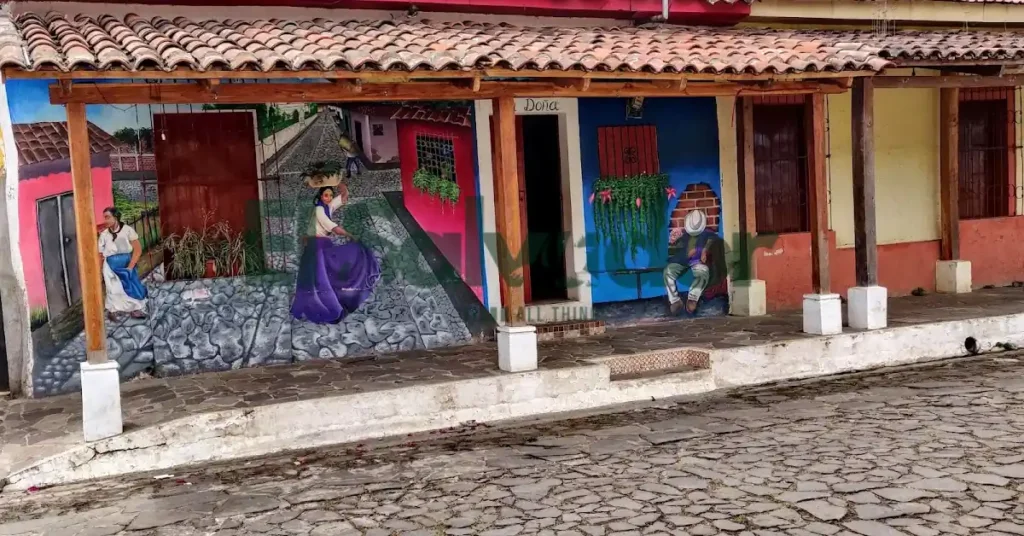
That timing also lines up with the coffee harvest, and the town feels busier and warmer in a good way. I remember a hotel staffer pointing me toward the weekend market, and that was the best call, since there were more food stalls, fresher coffee, and a livelier crowd in Concepción de Ataco. If you like seeing scenery and local energy at the same time, these months usually bring both. Travelers who enjoy slower cultural towns often also like Suchitoto.
How Much a Trip to Ataco Costs
A 3-night travel budget for Ataco can stay pretty manageable, especially if it is part of a broader El Salvador itinerary. I remember a taxi driver in town saying, “The room is the cheap part,” and he was right.
| Item | Price | Notes |
|---|---|---|
| Waterfall tour | USD 120 | Tour price only, exact inclusions vary by operator |
| Roundtrip airport transfer | USD 200 | Useful if you want a fixed airport transfer cost |
| Food and coffee day tour | USD 125 | Good for a local taste, food cost may still vary |
| Los Portones de Ataco | About USD 70/night | Low budget lodging option |
| Casa De Graciela | About USD 125/night | Higher end of Ataco hotels |
For a simple El Salvador trip cost estimate, a 3-night stay looks like this, though many travelers also include Ataco in a broader 1 week El Salvador itinerary.
Low budget is about USD 410, using Los Portones de Ataco plus one tour and the airport transfer. Mid budget lands closer to USD 550 if you mix a cheaper stay with the food and coffee day tour. High budget can reach about USD 725 with Casa De Graciela, one tour, and the transfer.
Here’s the thing, that total does not include tips, taxes, or cash-only expenses. According to official tourism and consumer advice, those extra costs can show up often, and exact inclusions depend on the operator. I’d keep some cash in your pocket, because small shops and local guides may not take cards.
Paying for Coffee Tours and Local Stops
Cash is still the easiest way to pay for local tours, market snacks, taxis, and smaller cafés around Ataco. Some hotels and tourist-focused businesses now accept digital payments and crypto as well.
If you are curious how crypto payments work locally, this guide to Bitcoin in El Salvador explains more.
Is Concepción de Ataco Safe for Tourists?
Concepción de Ataco feels safe for tourists, especially around the town center. Travelers comparing cultural towns often look at Suchitoto vs Ataco before deciding where to stay longer. I remember hearing music drift from a shop doorway and seeing families out late, which gave the place a calm, lived-in feel.
The bigger question is El Salvador safety on the road, not just in town, especially if you are comparing bases like Santa Ana vs Ahuachapán for your trip. Rural routes and off-main-road stretches can be harder to drive, with narrow lanes, curves, and slower traffic that can make self-driving stressful if you’re not used to it.
- Stay in the center for easy exploring. Walking around the main streets is usually the simplest part of the visit.
- Use guided tours or arranged transfers. They’re especially useful for first-time visitors who want less guesswork and fewer road worries.
- Use a driver for rural trips. That’s what I’d do if the route leaves the town core or if daylight is short.
- Follow basic travel tips. keep valuables close, and ask your hotel staff about the safest timing for outings. These additional El Salvador tourist tips are also worth reading before your trip.
The U.S. Department of State and local tourism guidance both advise travelers to review current conditions before visiting and use common-sense precautions. If you want the trip to feel easy, arranged transport is usually the best move.
How to Get to Ataco and Get Around
Most trips to Ataco start at San Salvador Airport, then continue by road, often combined with stops at Lago de Coatepeque or Santa Ana. The drive is usually smoother with an airport transfer or private driver, since public transit can be slow and a little confusing with bags. I remember a hotel staffer laughing kindly when I asked about the bus, then pointing to the coffee on the counter like, “You’ll want the easy ride.”
If you want to keep things simple, book a driver ahead of time. That’s what we did, and we were glad on the narrow rural roads near the coffee hills. Self-drive can work if you’re used to driving in El Salvador and don’t mind patchy signs, tight turns, and the occasional wandering chicken.
U.S. citizens do not need a visa for short visits, but it’s still smart to check official entry guidance before you go. For transport planning, official airport and government travel sources are the best place to confirm routes and timing.
- Best arrival plan: Fly into San Salvador Airport and prebook a transfer.
- Rental car: Good for confident drivers who want freedom on rural roads.
- Public transit: Possible, but slower and harder with luggage.
- Chicken buses: Usually not ideal for tourists, especially on a first visit.
- Guided trips: A good pick if you want less stress in the coffee-region roads.
Best Coffee Farms and Tastings to Put First in El Salvador
If you only do one coffee farm stop, make it El Carmen Estate. It gives you the full estate tour feel, with the smell of wet earth, roasting heat, and that fresh green bean edge I still remember. But the real choice is depth, because a farm visit, a cafe coffee tasting, and a guided food-and-coffee tour each give you a different kind of cup.
| Experience | Depth | Physical effort | Booking | Best for |
|---|---|---|---|---|
| El Carmen Estate | Deep, with an estate tour and production context | Moderate | Usually needed | Travelers who want the full coffee farm story |
| Cafe coffee tasting | Medium, focused on roast profile and cup character | Low | Often easier to arrange | Short stays and casual coffee fans |
| Guided food-and-coffee tour | Varies, but wider than a simple tasting | Low to moderate | Usually needed | Travelers who want food plus coffee in one stop |
Here’s the thing, a coffee farm visit is best if you care about process. That is where you hear about washed process, natural process, and honey process, and you can connect the flavor to the plantation and harvest season.
A coffee tasting is lighter but still useful. Good tastings usually include cupping-style flights, single-origin comparisons, and a quick read on roast profile, which is handy if you want to taste before you buy.
The best stop depends on your energy, not just your curiosity. If you want the deepest look, go for El Carmen Estate. If you want a fast, sensory stop with a barista guiding the cup, choose a cafe tasting. If you want something broader and easier to share with a friend, pick the guided food-and-coffee tour.
For most travelers, I’d pair one farm stop with one tasting stop, then continue exploring larger destinations like San Miguel afterward. That way you get the beans, the cup, and the contrast between them, plus a better shot at trying a Geisha coffee or a clean single-origin side by side.
How to Choose the Right Coffee Tour in El Salvador
The easiest choice usually comes down to three things, time, road comfort, and how much coffee detail you want. We compared a farm tour, a guided cultural tour, and a cafe tasting while staring at a messy itinerary.
If you’re a first-timer or short-stay traveler, pick the cafe tasting or a guided tour. You get the flavor, the story, and less time on countryside roads, which matters if you’re arriving tired or using a shuttle from the city.
If you love the details, choose the farm tour. That’s where you see the processing mill, smell the coffee harvest, and get the deepest look at how the beans move from farm to cup.
If you’re traveling as a couple or with kids, a guided cultural tour or tasting room stop usually feels easier. There’s less walking, more talking, and a better chance to mix coffee with food tour-style bites or local stops.
If you’re a coffee nerd, go for the most hands-on option in the review sections, then compare it with the cost section before booking. That helped me balance depth against a long ride.
- First-timers: Cafe tasting or guided tour.
- Coffee nerds: Farm tour with the processing mill.
- Couples: Cultural tour with tasting room time.
- Families: Shorter, lighter itinerary with less walking.
- Short-stay travelers: Anything close to town or with a shuttle.
Official travel guidance usually says transport choice should match your road comfort and language support, and that tracked for us too. The local driver who met us said the same thing with a shrug and a grin, because the best tour is the one that fits your day, not the one that sounds fanciest.
El Salvatours Waterfall Tour Review
El Salvatours worked best for a waterfall tour where nature was the main event and the logistics were already handled. William was responsive from the start, and that mattered because the pickup and timing had a few moving parts, including an airport transfer arrangement in a pickup truck. Payment was clear too, with the waterfall tour priced at USD 120, a roundtrip transfer at USD 200, deposits sent via Western Union, and the balance paid in USD cash. Tips were not included, so that part was on us.
The day itself felt physical, not lazy. Expect walking, uneven ground, and a pace that can feel different depending on your fitness level. That said, it was a good fit for travelers who want a guide-led adventure and don’t mind a little sweat for the payoff. The route toward Parque Nacional Imposible had that raw, damp green smell, and the whole thing felt more like a real outing than a polished resort excursion.
- Best for: travelers who want nature and managed logistics
- Know before booking: the tour is physical and fitness levels matter
- Payment: confirm deposit and balance terms directly with El Salvatours before you book
What the Waterfall Tour Is Like
It starts at La Casa Degraciela, where the group gathers early and everyone looks half-awake and excited. Then you climb into the back of a pickup truck, which feels a little rough and a little fun, like the day is already refusing to be ordinary.
From there, the road gives way to a waterfall hike on unmarked trails near Parque Nacional Imposible. The easy parts come first, with shaded walking and birds in the trees, but some stretches get steep, muddy, and slippery fast. Our guide knew the local flora and fauna well, pointing out plants I would’ve walked past without noticing. English was limited, so a few things were explained with gestures, smiles, and a lot of patience.
Then you reach Cascada El Perol Tacuba. That’s where the day gets louder, with water thundering below and people lining up for jumps. The options there were 3, 5, 10, and 12 meters, and I chose the 5-meter jump. Once I saw the landing pool, it felt less scary than it sounded.
Lunch came next, and honestly, it was a relief. After that break, the route kept going through a waterslide-like fall, then into the rope and climb sections that turn the day into real canyoning. That part is more strenuous, with wet rock, pulling with your arms, and careful footing.
By the time we rode back, we were soaked, tired, and smiling in that quiet way you only get after a full day outside. The weather can change the trail and access, since conditions in the region can vary by season.
Food and Coffee Tour Review
For USD 125, this day tour felt like the sweet spot for anyone who wants coffee education and a full food crawl in one go. Massimo runs it from Dove Massimo, Thematic Hostel and Restaurant, and he speaks English, Spanish, and Italian, which made the whole day easy with both locals and other travelers.
The route mixed farm life, town stops, and real tasting moments, so it never felt rushed or repetitive.
- El Carmen Estate: This was the coffee part that made everything click. You get the processing chain explained in a simple way, from cherry to roast, then taste coffee where the air smells fresh and a little smoky.
- La Ruta de Flores towns: We rolled through Nahuizalco, Salcoatitan, Juayua, and Apaneca along the famous Ruta de las Flores route.
- Toy Museum: The stop was quirky in the best way, with 2000+ collectibles packed into a place that made everyone slow down and grin.
- Local food: The best bite for me was Sopa de Indios, hearty and comforting, with the kind of flavor that sticks around.
- Apaneca desserts: We finished on something soft and sweet, which felt right after all the coffee and savory stops.
Truth is, this is the best pick if you want one day to cover coffee origin, local culture, and a lot of eating. The tasting setting at the estate was the part I kept thinking about later, because it made the coffee feel connected to the land, not just the cup.
El Carmen Estate and Coffee Processing
Harvest season runs from November to April, and that timing shapes everything at El Carmen Estate. We saw coffee cherries delivered fresh, then washed, separated, and sorted by hand, with the larger beans treated as the higher-quality pick in the estate’s story. The whole coffee processing chain made more sense once we watched the beans move from fruit to roast, then into packaging, and it was the kind of stop where the smells changed every few minutes, from sweet cherry pulp to warm coffee and paper bags.
The tasting matters just as much as the factory side. A real cup check should pay attention to aroma, acidity, body, and finish, and it helps to compare brew methods side by side, like a Chemex in the garden versus another style. That comparison makes the washed process, natural process, and honey process easier to taste, not just read about.
- Delivery, fresh cherries arrive and are checked fast.
- Washing and separating, fruit is cleaned and sorted.
- Drying methods, beans dry on floors or mesh beds, depending on the lot.
- Roast and packaging, the final steps before sale or tasting.
- Manual sorting, larger beans are kept as the higher-quality selection.
Town Stops, Local Food, and Dessert Stops
The Ruta de Flores gets tasty fast, and the order matters. Nahuizalco is the one with history in the streets, Salcoatitan feels more like a museum stop, Juayua brings the weekend market and the biggest local food buzz, and Apaneca is the sweet finish I still think about.
- Nahuizalco: Best for a slower first stop, with a historic feel before lunch. I liked that it set the tone without rushing the food crawl.
- Salcoatitan: The quieter stop, with a more museum-like feel. It works well if you want a break between meals and a little context.
- Juayua: Go here for the weekend market and the heart of the food route. This is where the comfort food energy really kicks in, and people come hungry.
- Apaneca: Save this for desserts. It’s the sweet finish on the Ruta de Flores, and it feels like the reward after all the savory stops.
Town schedules can shift by day and season, so the market feel is best checked with official tourism or municipal sources before you go.
Where to Eat in Concepción de Ataco
Pupusas first
Pupusas are the dish I heard about most, and they’re the safest first stop for food here. Order one with curtido on the side and eat it while it’s still hot and soft in the middle.
For first-timers, this is the move. For more adventurous eaters, ask what the kitchen is making fresh and follow the smell of the griddle. That smoky, savory pull is hard to ignore.
Breakfast that feels local
Breakfast in Ataco is usually classic Salvadoran food, simple and filling. Think eggs, beans, tortillas, and that calm morning rhythm that starts before the town fully wakes up.
If your hotel includes breakfast, use it. I still remember chatting with a hotel staff member over coffee while the street outside stayed quiet and cool. It was one of those slow starts that made the day feel easy.
For breakfast, I’d go for the most familiar plate first. Then save the richer, heavier choices for later if you’ve got a big walking day ahead.
Weekend market snacks
The weekend market is where things get more fun and a little messier. You’ll find street food, warm bites, and drinks that seem made for lingering near the stalls.
Atoles are the thing to try here if you want something comforting. They’re thick, corn-based drinks that fit right into the local food rhythm, especially when the air feels cool in the morning.
I’d order what’s fresh and visible first, then ask locals what they’re buying. That usually led me to the best bites, and once a taxi driver pointed me toward a stall I would’ve walked past.
Coffee through the day
Coffee is part of daily life here, not just a morning drink. You’ll smell it drifting from cafes and roadside stops, and it often feels like the pause between one walk and the next.
If you like lingering over a cup, this town makes that easy. And if you want a fuller tasting day, pair coffee with a food tour stop so you can sample more than one local flavor.
Horchata and street food stops
Horchata is another easy pick when you want something cold and sweet with your snack. I liked having it after wandering the market, when the mix of fry oil, roasted coffee, and fresh bread was still in the air.
Street food here is best when you keep it simple. Choose the stall that looks busy, order what locals are eating, and don’t rush it. That’s usually where the best little surprises show up.
Best Pupusas in Ataco
Pupusas are El Salvador’s signature national food, and Ataco has a few spots worth a hungry detour. Start with the revueltas first, because that mix of cheese, beans, and pork is the easiest way to taste the classic version.
- Cielito Linda, the local favorite, is where I’d go first for a simple, no-fuss pupusa stop.
- Primavera Ataco is a smart pick if you want menus in English and Spanish, especially if you’re ordering with a group.
- Tinquique is the one to watch for a seasonal mushroom-and-cheese pupusa, which feels extra good when it’s hot off the griddle.
If you want one easy first order, go with revueltas at Cielito Linda, then add chorizo if you want something a little smokier. I had mine with horchata de mani, and that creamy peanut drink was the perfect match after the salty, melty filling.
Coffee Shops and What to Order
- Gecko Coffee, go for the single-origin coffee and ask about the brew method tied to its award mention. I remember the smell drifting out before I even saw the counter, and the cup tasted clean, bright, and a little floral. Best for: people who want a careful pour-over and a clear, no-fuss cup.
- Baristas Cafe, order a pour-over if you want to taste the bean itself, not just milk and syrup. The barista here usually knows which lot is drinking best that day. Best for: a quieter stop when you want something simple and well made.
- Salvadoran Geisha, if you see it on the menu, say yes. It tends to drink with jasmine-like aromatics, stone fruit, and a crisp finish, which is why it stands out from standard espresso-based drinks.
Skip the heavy drinks here and order lighter. The best cups I had were the ones that smelled like flowers and tea before the first sip, not just roasted sugar.
Weekend Market Drinks and Street Food
The weekend market is where the evening gets loud, sweet, and a little smoky. The smell of warm atoles de elote pulled us in fast.
- Atoles Mama Lita, a good first stop if you only have one night in town.
- Atoles de elote, thick and corn-sweet, best sipped while it’s still hot.
- Corn on the cob, simple and messy in the best way.
- Semilla de maranon and the cashew, milk beverage tasting nearby.
- Tamarind juice and a cold fruit slushy when you want something brighter.
Here’s the thing, the market energy changes by day, so timing matters. If you can only do one evening, I’d start with Atoles Mama Lita, then grab a tamarind juice and wander from there.
Traditional Salvadoran Breakfast and Beer
Salvadoran breakfast usually starts with eggs, beans, plantain, and cheese, often with bread on the side. It felt like the kind of reliable morning meal you want before a tour, especially when the hotel staff keeps the coffee coming and the room smells warm and salty.
Grabbing where to stay breakfast first made the day easier. If you’re finishing the day with a Salvadoran beer, breakfast is the gentle, familiar start that helps balance it out.
What to Pack for the Waterfall Tour
The pickup-truck ride, hiking, jumping, and canyoning mean your bag should stay light but smart.
- Hiking shoes with good grip, not slippery sneakers. The trail and wet rocks can feel slick fast.
- Swimsuit and quick-dry clothes. You’ll thank yourself after the first jump and splash.
- Dry bag for your phone, wallet, and a spare shirt. The truck ride and waterfall spray both love to soak things.
- Waterproof phone or camera case. A local guide once pointed at the falls and laughed because half the group was holding wet phones.
- Cash for small purchases or tips. I usually keep it separate in a pocket that stays dry.
- Light layer for mountain weather. It can feel cool before the hike, even after the sun comes out.
Where to Stay in Concepción de Ataco
For a quick, easy base, Los Portones de Ataco is the warmer pick and usually costs about USD 70 a night. It feels more like a friendly guesthouse, with breakfast included, Wi-Fi, and a rooftop spot that works well before or after your tour plans. Best for: travelers who want a simple stay and a lower price. I’d still ask about hot water timing, since that can be a bit hit or miss.
Casa De Graciela sits on the more secluded, upscale side at about USD 125 a night. It also includes breakfast, and the quieter setting feels nice after a day of cobblestone walks and coffee stops. Best for: couples or anyone who wants a calmer stay with a more polished feel. The tradeoff is that some parts may still be under renovation, so I’d confirm the room setup and current status before booking.
Truth is, both places can work well if you want staff who can help arrange experiences, from local rides to tour sections. According to hotel booking and hospitality best practices, confirm breakfast included, hot water, and room amenities directly with the property before you pay.
Los Portones of Ataco
Los Portones de Ataco is a family-run, central base that keeps things simple and practical. Rooms are basic but comfortable, breakfast is included, and rates are about USD 70 a night, which makes it a smart pick for budget-minded travelers who want to stay close to town. The staff feels genuine and helpful, and they can help with tour arrangements if you need a hand planning the day.
The rooftop porch is the real draw here. It’s a nice spot for coffee, with a quiet view and that easy, slow-morning feel. Wi-Fi is available, and hot water tends to be better later in the day, so that’s worth keeping in mind if you like early showers.
- Pros: Friendly family feel, good coffee, central location, and breakfast included.
- Cons: Rooms are simple, and hot water is more reliable later in the day.
For the latest details on breakfast and amenities, I’d still check the official listing before arrival, and compare it with the cost section if you’re watching your budget.
Casa De Graciela
Casa De Graciela is a quiet, more atmospheric estate stay, with rooms that feel cozy and grounds that give it a tucked-away, old-world feel. At about USD 125/night, with breakfast included, it sits in that sweet spot where the setting does a lot of the heavy lifting.
It’s best for couples or travelers who want a secluded hideaway instead of a busy hotel scene. The vibe is more scenic than lively, and the history of the estate adds to that sense of place.
That said, service can feel proactive at times, but it helps to verify room details and the rooftop patio status before booking, since official materials noted renovation work at the time. If you like quieter stays with a little charm, this one tends to stick in your memory.
If you have extra time after exploring Concepción de Ataco, the Pacific coast makes an easy add-on. One memorable experience is seeing baby sea turtles in El Salvador during release season.
Conclusion
Concepción de Ataco works best for travelers who want coffee, food, and a little adventure in one easy base. The town’s colorful streets feel calm in the morning, then lively again as people return from La Ruta de Flores and nearby waterfalls.
Plan this one around the season and tour style first. That way, you can match the slower coffee stops and mountain roads with the kind of trip you actually want in El Salvador.
Frequently Asked Questions
What is the best coffee from El Salvador?
El Salvador is known for clean, sweet coffees with bright citrus and chocolate notes. Pacamara and Geisha often get the most praise, but the best cup usually depends on the farm, roast, and brew method.
Why are people boycotting El Salvador coffee?
Some buyers avoid it for political or labor concerns, while others focus on traceability and farm practices. If you’re shopping, look for reputable roasters and clear origin details, since coffee quality and sourcing can vary by producer.
What is El Salvador known for coffee?
It’s known for volcanic soil, small farms, and careful washed processing. That often gives the coffee a crisp, balanced taste that specialty coffee fans remember fast.
Can I take coffee from El Salvador to the USA?
Usually yes, but rules can change with customs and agricultural checks. I’d check USDA APHIS and U.S. Customs before you fly, especially if the beans are unroasted or have any plant material.
What is the best time to visit Concepción de Ataco?
The dry season is usually easier for walking around town, farm visits, and road trips. I liked mornings best because the air felt cool and the coffee smell drifted out of the cafés.
How much does a trip to Ataco cost?
It depends on your hotel, transport, and how many tours you book. For a fuller breakdown, see the cost section, since prices can swing a lot between simple and guided trips.
Is Concepción de Ataco safe for tourists?
Many travelers visit without issues, especially in busy daytime areas and around the main square. Still, I’d keep an eye on belongings, use trusted transport, and check the safety section before you go.
How do I get to Ataco and get around?
Most people go by car, shuttle, or taxi from nearby cities, then walk once they’re in town. The streets are small, and I still remember a taxi driver pointing out the best coffee stop before we even parked.
Which coffee farms and tastings should I prioritize in El Salvador?
Prioritize farms that are known for traceable lots, good cupping, and clear explanations of processing. Specialty coffee groups and local roasters can help you pick spots with strong reputations and a real tasting focus.
How do I choose the right coffee tour in El Salvador?
Pick a tour that matches your time, fitness, and how much farm detail you want. Ask about tasting, transport, and language before booking, since those details change the whole day.
What is the El Salvatours waterfall tour like?
It’s usually a mix of scenic driving, short walks, and time near the falls. Bring shoes with grip, because the ground can be damp and the mist makes everything feel cooler than it looks.
What should I pack for the waterfall tour?
Pack sturdy shoes, water, sunscreen, and a light layer for spray or shade. A small dry bag helps, and I was glad I had one when my camera got a little too close to the mist.
Where should I stay in Concepción de Ataco?
Stay near the center if you want easy access to cafés, markets, and dinner spots. If you want a quieter night, ask for a room off the main street, since weekends can feel lively.
What should I order at the coffee shops in Ataco?
Order a pour-over, espresso, or local brew to taste the beans clearly. If you see a coffee with cocoa, citrus, or floral notes on the menu, that’s usually the one I’d try first.
What should I order at the pupuserias in Ataco?
Start with bean, cheese, or revuelta pupusas, then add curtido and salsa. They’re best when they come hot off the griddle, with that soft corn smell filling the table.
What is Salvadoran breakfast like?
Breakfast usually means eggs, beans, cheese, tortillas, and sometimes plantains or crema. It’s simple, filling, and pairs well with strong coffee before a long day out.
What is the weekend market like in Ataco?
It’s busy, colorful, and a little noisy in the best way. You’ll hear vendors calling out prices, smell grilled food, and find local crafts, snacks, and coffee beans in one short walk.
What makes Salvadoran Geisha coffee special?
Geisha is prized for its floral aroma, bright acidity, and very clean finish. In El Salvador, careful farm work can make it taste especially delicate, so it’s worth trying as a pour-over or cupping sample.
Do coffee farm visits require reservations?
Most farms prefer or require reservations, especially for tastings and guided visits.
Is a guided tour better than self-driving in the coffee region?
A guided tour is easier if you want local context, road help, and planned tastings. Self-driving works too, but a guide can save time and make the farm stops feel less rushed.