
How to Not Be Obvious as a Tourist in El Salvador
The safest trick is simple, and honestly a little boring, prepare before you move, then act calm, polite, and unhurried. That was the pattern we kept falling back on when streets got busy, a taxi pulled up too fast, or a market aisle got tight and noisy.
People notice fast checking, big camera swings, map-staring, and that slightly panicked “where are we now?” walk.
In cities like San Salvador, neutral clothes help more than flashy logos. At beaches, a simple cover-up and dry bag look normal, not staged. On buses and in crowded markets, keep your phone away unless you need it, and carry small cash in easy reach.
Basic Spanish helps a lot, even just hola, gracias, and por favor. A taxi driver once laughed kindly when we butchered a direction, then pointed us the right way anyway. That tiny effort does more for respect than trying to sound local ever could.
- Dress plain. Clean, simple, and low-key usually blends better than tourist gear.
- Move with purpose. Walk like you know where you’re going, even if you just checked the map.
- Keep gear quiet. Use a crossbody bag, zipped pockets, and avoid flashing cash.
- Read the room. In markets and transit, stay alert and keep conversation light.
- Be respectful, not performative. Polite manners matter more than pretending to be a local.
Truth is, blending in here is less about disguise and more about good habits. If you look prepared, stay calm, and treat people with basic respect, you’ll usually feel a lot less like a moving target and a lot more like a normal traveler.
Key Takeaways: Blend In Without Trying Too Hard
- Low-profile behavior beats perfect clothing. Quiet, calm, and aware gets less attention.
- Confidence helps. Walk like you belong there, and people usually stop staring.
- Local norms shift by setting. A beach bar, temple, and subway platform are not the same beast.
- Respect matters more than impersonation. Look like a traveler who cares, not a fake local.
- Simple clothes work fine. Clean, plain, and low-key usually does the job.
What Makes a Tourist Stand Out in El Salvador
In tourist-heavy areas, being a visitor is normal. Around beaches, surf towns, and busy hotel strips like La Libertad, people are used to seeing map-checking visitors.
What stands out more is usually behavior. Loud conversations, stopping in the middle of the sidewalk, visible valuables, and hesitant body language can draw eyes fast. Just standing there, squinting at my phone like it held the secrets of the universe, made me look way more obvious than my clothes did.
In everyday public areas, like residential streets, commuter roads, or local markets, the difference is easier to notice. A tourist can still blend in some, but the vibe changes because fewer people are moving around with backpacks, beach gear, or cameras hanging off them.
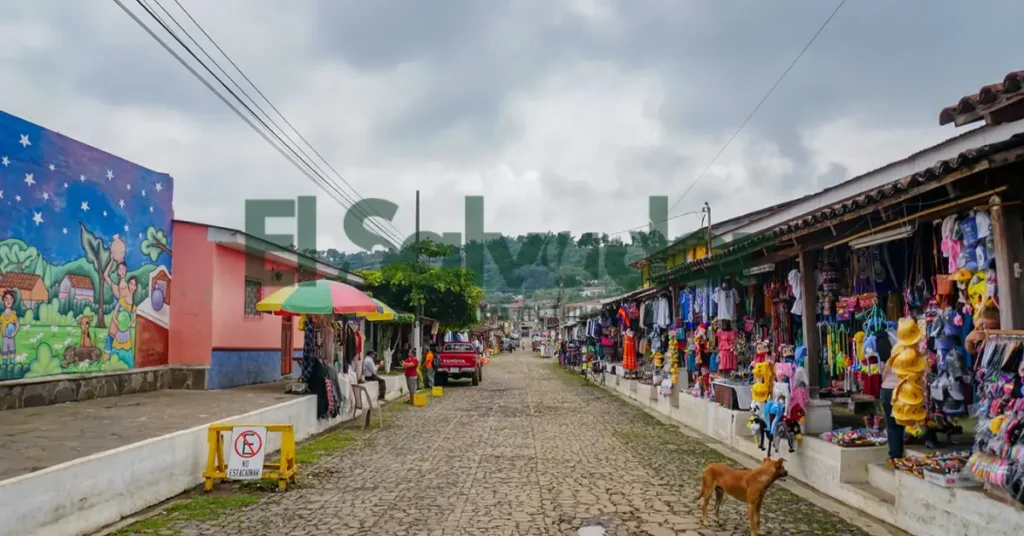
That said, you do not need to look perfectly local. Confidence and awareness matter more than dress. Walk with purpose, keep your phone use light, and stay tuned in to what is happening around you.
According to the U.S. Department of State travel advisory for El Salvador, it helps to check the current safety context before moving around. The U.K. FCDO travel advice says the same kind of thing in plainer words, stay aware, pay attention, and read the room.
How to Dress So You Don’t Look Like a Tourist
El Salvador shifts fast, from coastal beaches to cooler inland stops like Lago de Coatepeque, and your clothes should keep up. Official tourism guidance points out that regional conditions and destination types vary, and a quick check of the BBC Weather forecast before you go helps more than any overpacked suitcase.
I stepped out in beach shorts in San Salvador and felt wildly underdressed. Beachwear makes sense on the coast, but in mountain towns along the Ruta de las Flores, markets, churches, buses, and nicer restaurants, it reads lazy fast.
- Pick neutral colors. Black, tan, olive, white, and navy blend in better and hide dust.
- Choose breathable fabric. Cotton, linen, and light blends feel better in heat and humidity.
- Keep clothes clean and simple. No loud logos, giant slogans, or anything that screams souvenir-shop panic.
- Dress for the setting. Coastal stops can be casual. Cities and transit usually call for more coverage.
- Wear practical shoes. Clean sneakers or sturdy sandals beat flimsy flip-flops most days.
- Pack one nicer layer. A light button-up or plain dress shirt works for dinner without looking stiff.
| Setting | Good choice | Skip this |
|---|---|---|
| Beach towns | Swimwear cover-up, shorts, sandals | Heavy denim, dark layers |
| Cities and markets | Light pants, tee, clean shoes | Swim trunks, sports jerseys |
| Transit and tours | Breathable layers, closed-toe shoes | Anything sheer, tight, or sloppy |
Here’s the thing, dressing down should still look intentional, not careless. A clean plain shirt and easy pants say you fit the place.
Clothes, Colors, and Accessories That Blend In Best
Neutral colors do most of the heavy lifting. Think black, navy, beige, olive, gray, and white, not loud prints that scream for attention from across the street or beach bar.
In the city, a plain tee, dark jeans, clean sneakers, and a light jacket usually looks calm and normal. At the beach, a simple linen shirt, knee-length shorts, and plain sandals does the job without trying too hard.
I once watched a traveler in a giant logo polo and shiny watch get noticed before he even opened his mouth. Keep jewelry small and bags discreet. A thin chain, simple watch, and crossbody or backpack in matte fabric usually feels safer and less flashy than anything bright, oversized, or covered in brand names.
And skip the expensive-looking accessories if you can. They can draw the wrong kind of attention fast, especially in busy transit areas, crowded markets, and tourist-heavy streets.
What to Avoid Wearing in Cities, Markets, and Transit
Busy city streets are not the place for beachwear, flashy logos, or anything that screams, “I packed in a panic.” I once watched a guy in bright flip-flops and a giant camera bag get gently but very clearly singled out on a packed tram. The local woman next to me just shook her head and said, “Too easy.”
The trick is simple: touristy and inappropriate are not the same thing. A tank top might be fine in a beach town, but in crowded markets or transit, it can read as too casual, not wrong. The goal is to look discreet, steady, and like you know where your wallet is.
| Avoid | Better alternative | Why it helps |
|---|---|---|
| Bright tourist tees, oversized logos | Plain shirt or neutral layers | Blends in better and draws less attention |
| Flip-flops, beach slides | Closed-toe shoes or sturdy sandals | Safer on steps, platforms, and uneven streets |
| Open bags, loose pockets | Zippered crossbody or day bag worn close | Harder for pickpockets in crowded places |
| Bulky jewelry, luxury watches | Simple accessories | Looks less expensive and less attention-grabbing |
| Beach cover-ups and sheer clothes | Light city clothes with more coverage | Fits transit and market etiquette better |
Markets get hot, loud, and packed fast. So I usually skip anything fussy, shiny, or easy to grab. A hotel staff member in one city told me plain clothes make you “less interesting,” and honestly, that stuck with me.
If you’re crossing town by bus, train, or metro, dress for movement and attention. Fewer loose straps, fewer open zippers, fewer “look at me” pieces. That’s the kind of boring that keeps your day smooth.
Behave Like Someone Who Knows Where They’re Going
The fastest way to look lost is to stop in the middle of the sidewalk and spin in circles. I’ve done that once in a noisy train station, with a backpack digging into my shoulders and a taxi driver watching me like, “buddy, pick a lane.”
Here’s the cleaner move. Check your map before you start walking, then commit to a direction. That habit lines up with basic route awareness advice from the U.S. State Department and the U.K. FCDO, which both treat calm, planned movement as a smart safety habit in unfamiliar places.
- Check the route first. Step to the side, open your map, and figure out your next turn before moving again.
- Walk with purpose. Keep your pace steady and your shoulders relaxed. You do not need to rush like the espresso is chasing you.
- Keep your voice moderate. If you ask for help, speak clearly and low. A calm tone tends to get better answers from hotel staff, shop owners, and random locals who are already being kind.
- Avoid public frustration. Don’t wave your arms around or argue directions in the street. If you’re confused, pull over for a second and reset.
- Use a few simple local phrases. Even basic Spanish can help you ask where you are or confirm the right stop.
Religious events and memorial gatherings connected to Romero can make churches and public spaces feel especially meaningful during certain times of year. If you are planning around festivals or observances, check these El Salvador holidays in 2026 before booking.
Phone, Camera, and Map Habits That Draw Less Attention
Constantly checking your phone can make you look unsure, and that draws eyes fast. The goal isn’t just theft safety, it’s also not screaming, “I have no clue where I am.”
- Use offline maps before you leave. I downloaded mine the night before, standing by a fan that sounded like a tired helicopter. Save the route, then keep your screen use short and calm.
- Pre-load pins for your hotel, dinner spot, and a backup stop. That way you’re not standing on a corner poking at the map like it’s a tiny angry puzzle.
- Keep your camera out of sight when you’re not using it. A bag or zipped pouch works better than dangling it from your neck all day. Locals notice the difference right away.
- Check your route in one quick look, then move. Pausing every two minutes makes you look lost and distracted. A taxi driver once told me people who stare at screens too long miss what’s around them.
- Glance around before opening your phone in public. Cafes, bus stops, and busy sidewalks are where thieves love easy targets. Travel insurers and government safety advice usually say the same thing, keep visible tech low-key.
How to Use Spanish Without Sounding Like a Walking Translation App
You do not need perfect Spanish to get through a trip. A few short, polite phrases usually work better than a fancy sentence that sounds copied from a book.
I stood in a tiny café, trying to build a full grammar sentence while the coffee machine hissed like it was judging me. The waiter just smiled when I switched to simple Spanish and kept it moving.
Here’s what helped most:
- Hola, buenos días, and buenas tardes for greetings. Simple, friendly, done.
- Por favor and gracias go a long way. Say them often, not loudly.
- ¿Dónde está…? for directions. Short beats clever every time.
- Quisiera… or Me gustaría… for ordering food. It sounds polite without sounding stiff.
- La cuenta, por favor if you want the bill. Clean and clear.
That said, effort matters more than fluency. A taxi driver, hotel staff member, or shop clerk usually reacts better to a calm “por favor” and a smile than to a nervous apology spiral. So skip the overexplaining.
Where Blending In Matters Most: Cities, Beaches, Transport, and Markets
Blending in changes by place. What works on a breezy beach road can look oddly stiff on a packed bus in San Salvador, and the reverse is just as true.
Blend in means matching the setting, not copying one local style everywhere, especially if you are following a broader 1 week El Salvador itinerary through beaches, cities, and mountain towns. The officials and local transport guides say the same thing in plain language, dress and act for the destination and the ride, not for your selfie.
| Setting | What worked best | What felt off |
|---|---|---|
| City mode in San Salvador and Santa Ana means neat, low-key clothes and calm movement. | Neat, low-key clothes. Move with purpose. Keep your phone tucked away. | Flashy outfits, loud behavior, or standing around looking lost. |
| Beach mode in El Tunco and other beach towns | Light, relaxed, and sun-ready. Sand-friendly shoes and easy layers. | Dressing like you’re going to a business lunch. Sand does not care. |
| Transit mode on buses, terminals, and route pages | Simple clothes, small bag, closed shoes, and extra patience. | Dragging big valuables around or looking confused at every stop. |
| Market mode in busy stalls and food halls | Practical, modest, hands-free. Keep cash ready and a close watch on your bag. | Open bags, bulky jewelry, or acting like you own the whole aisle. |
Here’s the simple framework I used: city mode is neat and alert, beach mode is easy and sun-smart, market mode is practical and close-up, transit mode is small and defensive. That sounds fussy, but it saved me from looking clueless more than once.
- City mode: clean lines, quiet colors, and calm body language.
- Beach mode: relaxed clothes, quick-dry gear, and less stuff to carry.
- Market mode: simple outfit, secure bag, and hands free for snacks and change.
- Transit mode: nothing fancy, nothing loose, and no “where do I sit?” drama.
On a packed bus, I could hear the brakes squeal and a vendor calling out snacks, while a hotel staffer laughed at how overpacked I was. That moment taught me the real rule, blend in for safety first, style second, and let the place decide the rest.
In the City vs. On the Coast: What Changes
Coastal areas are looser, especially near wildlife and beach destinations where travelers go to see baby sea turtles in El Salvador, but that is still not a free pass to get sloppy with your stuff.
| Situation | What to Wear | Posture and Behavior | Valuables |
|---|---|---|---|
| City center | Keep it neat and simple. Skip flashy jewelry and loud outfits. | Walk with purpose and stay aware. A local taxi driver once told me, “Don’t look like a lost wallet.” Fair point. | Keep your bag closed and in front. Phone in hand, not hanging out like bait. |
| Coastal strip | Relaxed clothing is normal near beaches and boardwalks. Think light, easy, and weather-ready. | Same basic awareness, just less stiff. You can look beachy without looking careless. | Still watch your valuables closely, especially at sand, snacks, and swimming stops. |
| Beach zone shops or cafes | Casual is fine, but keep it decent if you step off the sand. | Blend in with the crowd. Locals notice if you act like you own the place. | Leave extra cash behind if you can. Use a small bag that zips shut. |
Truth is, the rule is simple. The more urban the setting, especially in busier cities like San Miguel, the more you dial things down. The closer you get to the beach, the more relaxed the clothes can be, but your valuables still need a firm grip.
The loudest mistake is usually a careless bag, not a bright shirt. A quick look at local area guides or official beach-zone info helps too, because some stretches of coast are laid-back while others still expect a bit of discretion.
What to Do on Public Transit and at Bus Terminals
- Check your route before you arrive. Know the bus number, platform, and next stop before you hit the terminal, because staring at a screen with a backpack hanging open makes you look lost fast.
- Keep your bag tight and in front of you. Zippers closed. Strap across your body. If the terminal is packed, hold your day bag where you can feel it. That tiny bit of pressure on your side is weirdly reassuring.
- Don’t whip out a map and panic in public. Step aside, breathe, then check directions calmly. A local ticket clerk once pointed me the right way after I stopped looking like I’d lost my dog and my passport in the same minute.
- Walk like you know where you’re going. Even if you’re unsure, move with purpose through stops and terminals. Slow wandering draws attention, and standing still in the middle of traffic flow is how people get bumped, confused, or both.
- Watch your stuff during boarding and stops. Keep luggage close, especially when people stand up in a rush. Bus aisles get cramped, the floor gets slick, and bags vanish into the chaos if you’re not paying attention.
- Pick a meeting spot before you split up. If you travel with someone, choose a landmark, kiosk, or platform sign. Terminals get loud, and the first person who says “I’ll just find you” usually regrets it.
Local transit operators and government travel safety guidance usually stress the same thing, know your route, keep belongings secure, and move with purpose. Honestly, that advice sounds boring until you’re standing under buzzing lights, hearing wheels clack on tile, and trying not to look like fresh prey.
How to Blend In at Restaurants, Cafés, and Small Shops
- Greet staff first. A simple “hello” or “good evening” goes far, even if your accent is messy and your coffee order is still waking up.
- Order calmly and keep your voice low. I once watched a guy talk like he was calling a football play, and the whole café went quiet.
- Don’t spread out your bag, phone, and passport like you’re claiming a border. Keep valuables tucked in and your table clear.
- Read the room when it’s busy. If people are lining up, order fast, pay fast, and move aside instead of turning the counter into your personal lounge.
- Wait your turn and keep your hands off displays in small shops unless you’re buying. In a lot of places, touching everything feels pushy, not friendly.
- Match the pace around you. If locals are brief and efficient, don’t turn a quick snack stop into a long performance.
How to Handle Money, Cash, and Payment Without Drawing Attention
Cash is a visibility issue as much as a theft issue. I learned that the loud way, standing at a market stall while someone watched me open a fat wallet like I was flashing a neon sign.
- Keep day cash separate from backups. Carry only what you need for the day in one pocket or small pouch. Leave backup cash hidden deeper in your bag, money belt, or locked room safe.
- Bring small bills. Taxi drivers, snack stands, and tiny shops hate big notes. Small bills make payment quick, and you won’t have to spread your whole wallet on a counter.
- Pay with one smooth move. Have the bill ready before you reach the register or cab. Fumbling coins, counting money out loud, and digging through every pocket tells the whole street what you’ve got.
- Keep your wallet closed and boring. Don’t fan out cards or flash extra cash. Open it once, take out what you need, then put it away fast.
- Use the least public option. If you can tap, do it. Some cafés and tourist-focused businesses now also accept crypto payments, and this guide to Bitcoin in El Salvador explains how it works locally.
Travel safety and insurance guides usually say to spread risk. That part matters, but so does looking unremarkable. The goal is simple, don’t make money handling your little street performance.
Situations Where Standing Out Is More About Safety Than Style
Night travel changes the game fast. A bright jacket, shiny bag, or loud logo can draw eyes on an empty street, and that is the last thing you want when the sidewalks are quiet and the only sound is your shoes and a distant scooter.
The fix was simple, keep moving, keep your phone away, and look like you know where you are going even if your map is doing cartwheels.
Route uncertainty matters just as much. If you are pausing every few steps, staring at signs, or stopping outside a closed shop to figure things out, you stand out more than any outfit ever could. That is where low-profile behavior helps, calm pace, small bag checks, and route planning before you leave the hotel or station.
Transit transfers are another awkward spot. People are rushing, announcements are loud, and you may be standing with luggage near a platform edge or bus stop with no clear crowd around you. That is when discretion helps most, because the goal is to blend into the normal flow, not to look local enough to win a costume contest.
Here’s the thing, safety-first usually means less obvious, not more paranoid. The environment should guide you more than your clothes alone, and that lines up with travel advice from the U.S. Department of State and the U.K. FCDO, especially around nighttime movement, route planning, and unfamiliar areas.
Local Etiquette That Makes You Seem Respectful, Not Performative
The best etiquette is quiet. A small greeting, a patient pause, and a normal voice usually do more than any fancy effort to “fit in.” According to official tourism and cultural ministry guidance in many places, reading local cues and showing respect matters more than copying people’s style.
Here’s what actually helps:
- Start with a simple greeting. A polite hello or thank you goes a long way in shops and cafés.
- Ask before taking photos. People, stalls, doorways, and homes are not free props.
- Move at local speed. If service is slower, don’t act wrecked by it. Sit, wait, sip your tea.
- Don’t assume everyone wants English. Speak clearly, ask kindly, and accept it if someone prefers another language.
In eateries, I watched locals order, then wait without drama while the kitchen did its thing. No table banging, no loud waving, just patient nodding and a quiet “thank you” when the food came. That vibe usually lands better than trying to sound like you belong on day one. Moreover, cities and cultural towns like Suchitoto usually call for more coverage than beach destinations.
Simple Phrases and Manners That Go a Long Way
A few Spanish phrases can save you from awkward pointing and that doomed tourist stare.
Start with the basics, then pair them with a polite tone and a grin. Small efforts usually make a better impression than perfect grammar, especially with taxi drivers, shop staff, and hotel workers.
- Hola, hello. Use it for shops, cafés, and check-ins.
- Buenos días, good morning. Buenas tardes, good afternoon. Buenas noches, good evening or night.
- Gracias, thank you. Muchas gracias sounds warmer.
- ¿Cuánto cuesta? means How much does it cost? Handy at markets and small stores.
- ¿Me puede ayudar? means Can you help me? Add por favor if you want extra polish.
Here’s the thing, locals usually notice effort fast. Speak clearly, don’t rush, and keep your voice friendly. A simple por favor and gracias often does more work than fancy grammar ever will.
Common Mistakes That Make You Instantly Look Like a Tourist
Visible valuables are the fastest giveaway. A phone out, camera swinging, wallet half hanging out of a back pocket, that’s the neon sign.
Quick fix: keep your phone tucked away until you need it, and use a small crossbody or money belt. Travel safety resources and government advisories usually flag flashy gear for a reason.
The next biggest mistake is loud, wandering behavior. If you’re shouting directions, stopping mid-sidewalk, or acting like every street is your personal movie set, people notice.
Quick fix: lower your voice, move with purpose, and step aside before checking your map.
Bad route awareness comes right after that. Standing still at every corner, staring hard at your screen, or taking the same obvious path over and over makes you easy to spot.
Quick fix: save your route before you leave, then glance fast and keep walking. If you need help, ask inside a shop or hotel lobby, not while blocking traffic.
The most overlooked mistake is looking overly confident without actually knowing the area. That fake swagger, with the wrong bus, wrong neighborhood, or wrong timing, can get awkward fast.
Quick fix: act calm, not cocky. If you’re unsure, check with a taxi driver, hotel staff, or a local store before you commit.
Conclusion: Look Confident, Respectful, and Hard to Read in a Good Way
The best travel style is usually quiet, not flashy. You do not need to copy locals or dress like a costume version of the city.
What I kept noticing was this, people read your behavior faster than your outfit. A calm pace, a little awareness, and basic respect for local space go further than trying too hard in front of a mirror.
So aim to blend in by moving with the place, not imitating it. Dress simply, stay aware, and adjust by location and situation, because what works in one neighborhood can look off in the next.
Frequently Asked Questions
Is El Salvador friendly to tourists?
Yes, many visitors find people warm, chatty, and curious. I had more nods, smiles, and quick help than weird vibes, especially in cafés and small shops. If you want the bigger safety picture, check the broader Is El Salvador safe for tourists? guide.
How much is $1 worth in El Salvador?
El Salvador uses the U.S. dollar, so $1 is just one dollar there. No mental math, no funny exchange-rate headache, which honestly feels nice when you’re buying water or pupusas.
Do tourists stand out a lot in San Salvador?
Yes, a bit, especially if you look lost, loud, or overdressed.
Can I wear beach clothes everywhere in El Salvador?
Not everywhere. Beach clothes are fine near the coast, but in cities or nicer restaurants, a shirt and shoes go farther.
Should I try to look like a local?
Try to look respectful and calm, not like you’re in costume. You do not need to cosplay as Salvadoran, and honestly that can look stranger than just dressing simply.
Are buses and terminals the places where tourists stand out most?
Yes, often they are. The noise, bags, schedules, and crowd chaos make tourists pop right out, especially if they are stopping to stare at every sign.
Is it rude to take photos in public?
Usually no, but ask before photographing people up close. A quick smile and gesture helps, because nobody likes being treated like scenery.
What’s the biggest mistake first-time visitors make?
Dressing too flashily, moving too slowly, and waving valuables around are big ones. The second big mistake is acting lost in a busy place and then looking surprised when everyone notices.