
The 7 Worst Rated Salvadoran Foods Tourists Often Skip
On March 17, 2026, the lower-rated picks in El Salvador were less about bad cooking and more about taste, texture, and first-time nerves. These Salvadoran foods often get skipped by tourists because a traditional dish can feel very different from what they know, even when locals love it as part of their cultural heritage.
That gap shows up in the ratings. So this is really a preference-based look at the worst rated dishes visitors tend to pass over, not a judgment on food quality.
Key Takeaways
- The ranking shows favorites and hard skips, not hard rules.
- Low scores are often about personal taste, not bad food.
- Tourists skip some dishes because the texture or smell feels unfamiliar.
- Busy street stalls and spicy looks can scare first-timers off.
- Here’s what happened to me, small bites made the whole meal feel easier.
- Ask locals what’s fresh, and try one new dish at a time.
Why These Salvadoran Foods Rank So Low
Lower ratings for Salvadoran foods usually say more about taste preferences than food quality. Many travelers meet a traditional dish with strong seasoning, unusual texture, or ingredients that feel unfamiliar, and that can trigger tourist hesitation fast. I remember a hotel clerk in San Salvador saying, “We eat it every day, but visitors need a minute.”
That’s the real pattern behind many lower ratings. Foods tied to local habits often feel like an acquired taste, especially when the smell, texture, or seafood intensity is stronger than what visitors expect. For people used to familiar comfort food, those flavors can be a surprise, even when the dish is well made.
The 7 Worst Rated Salvadoran Foods
Here’s the thing, these are the worst rated dishes from El Salvador, ranked by audience score as of March 17, 2026.
- 1. Sopa de patas 2.6A rich cow-foot soup with tripe, corn, cabbage, and yuca, usually served hot with tortillas. It’s hearty and traditional, but the gelatinous broth can feel heavy if you are not used to it. Best for travelers who like bold soups and don’t mind a slippery texture.
- 2. Mariscada 3.1This seafood stew mixes shrimp, fish, and shellfish in a seasoned broth, often served with rice or bread. The flavor is briny and filling, but the mix of seafood can taste crowded instead of clean. Best for seafood fans who like a steamy, ocean-forward bowl.
- 3. Tamales pisques 3.2These masa tamales are filled with refried beans, wrapped in banana leaves, and steamed until soft. They’re a traditional dish, but the dense corn dough can feel dry or gummy if the wrap-to-filling balance is off. Best for anyone who wants a simple, filling snack from a street stall or family table.
- 4. Torta de yema 3.2This egg-rich bread is often served with beans, cheese, or cream, and sometimes shows up at breakfast. It can be sweet, soft, and a little eggy, which is why some travelers love it and others stop after one bite. Best for people who want a soft bakery-style bite with coffee.
- 5. Pupusas de arroz 3.5Made with rice flour instead of the more common corn masa, these pupusas are usually filled with cheese, beans, or pork. The texture is a bit firmer and less familiar, so the chew can surprise you. Best for curious eaters who want a classic Salvadoran dish with a different base.
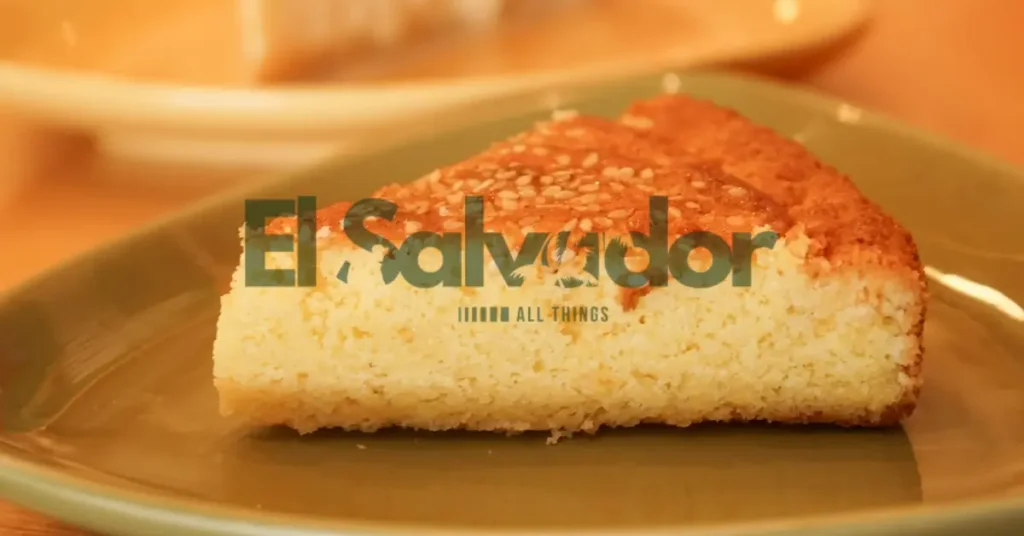
- 6. Quesadilla salvadoreña 3.6This is a sweet cheese cake, not a savory sandwich, and it’s often served at breakfast or with a hot drink. It tastes buttery and lightly sweet, though the dense crumb can seem dry on first bite. Best for dessert lovers who want something simple and not too sugary.
- 7. Atol de elote 3.9This warm corn drink blends fresh corn, milk, sugar, and cinnamon into a thick, spoonable sip. It’s comforting and creamy, but the texture can feel more like liquid pudding than a drink. Best for travelers who like sweet, cozy snacks from local markets.
If you want the background behind these picks, see Salvadoran dishes explained. TasteAtlas and Britannica both give helpful context on regional food habits, especially how soups, tamales, seafood, and dessert-style breads show up across Latin American cuisine.
Sopa de pata
Rating: 2.6. This traditional dish from El Salvador is a soup built around rich ingredients like hooves, meat, and vegetables. The hooves are washed with lemon, then served with culantro and chili powder for a sharper finish. It tastes hearty and earthy, with a thick texture that feels best for adventurous eaters.
Casamiento
Casamiento means “marriage,” a simple name for the traditional dish that mixes rice and beans. In most kitchens, it starts with leftover beans and rice, sometimes with bell peppers and onions, so the pot smells warm and a little smoky. It was one of the easiest, most familiar entry points for visitors. It’s often served with scrambled eggs at breakfast, plus fried plantains, tortillas, cheese, and crema. Rating: 3.1.
Yuca con chicharrón
Rating: 3.2. This traditional dish is served with boiled yuca, cabbage, lemon, crispy chicharrón, and tomato-based hot sauce. The soft, starchy texture in yuca con chicharrón contrasts nicely with the crispy pork and fresh cabbage topping. I saw it mostly as a side or appetizer, and it felt more approachable than some offal-based plates. The ingredients are simple, but the mix of salt, heat, and tang makes it memorable.
Tamales pisques
Rating: 3.2. These tamales are a classic savory comfort food, made with seasoned corn masa and a bean filling. The masa gets wrapped in plantain leaves and steamed until soft and fragrant. They’re usually served with tomato sauce or curtido, a fermented cabbage relish that adds a sharp, bright bite.
Quesadilla Salvadoreña
Rating: 3.5. This sweet Salvadoran baked dessert is nothing like the savory quesadilla most people expect. It’s usually made with flour, queso fresco or parmesan, sugar, baking powder, milk or sour cream, eggs, and butter, then often topped with sesame seeds and cut into wedges. A good first try if you want something gentle, especially served with coffee in local bakeries.
Cóctel de conchas
Rating: 3.6. This seafood cocktail in El Salvador usually starts with black shell clams, then gets bright with onion, tomato, cilantro, and lemon or lime juice. The dressing often includes Worcestershire sauce, hot sauce, and salt, so the flavor lands tangy, salty, and a little fiery.
It’s often served with crackers, lemon halves, chili peppers, and sometimes a cold beer on the side. The seafood intensity can be an acquired taste, because the first spoonful is bold. And when the shells are available, it’s often served inside shells, which makes it feel extra fresh and a little messy in the best way.
Sopa de gallina india
Rating: 3.9. This deeply traditional soup starts with a rich broth base made from free-range chicken, then fills the bowl with vegetables like carrots, onions, potatoes, corn, chayote, tomatoes, and green chilis. In most cases, the ingredients also include herbs and spices such as parsley, chipilín, basil, pepper, red pepper, and achiote, so the aroma lands warm and earthy right away.
It is usually served with generous pieces of chicken and a hearty mix of vegetables, sometimes with rice, small eggs, or meatballs. Served hot in large portions, it has that rich broth and thick texture that make these soups so comforting.
How Salvadoran Comfort Foods Are Usually Served
- Breakfast: A breakfast plate often includes a savory traditional dish like pupusas or plant-based fillings, served with curtido and tortillas. The tangy cabbage mix softens rich flavors, and the smell of fresh masa usually hits before the first bite.
- Lunch: At midday, the same foods can turn into a fuller meal with beans, crema, or a simple sauce.
- Snack: Many of the country’s best cheap eats in El Salvador also appear as quick market snacks served with hot sauce, curtido, or tortillas. That little kick can make a familiar bite feel sharper and brighter.
- Dessert: Sweet bakery items are usually kept separate from the savory spread, and people tend to pair them with coffee or a quiet afternoon pause. The texture is part of the pleasure, soft or crumbly, never rushed.
- Seaside and market servings: Near the coast or in busy markets, dishes are often served with lemon, crackers, or extra garnishes. Here’s the thing, that setting can make flavors taste lighter and more casual, which fits how locals often eat on the move.
Travelers sometimes think the dish is the whole story, but the table setup matters just as much. A little curtido, a few tortillas, or a sharper sauce can soften strong flavors and bring the meal into better balance, which is why serving customs feel so tied to everyday eating habits.
Common Ingredients in Salvadoran Cooking
Salvadoran dishes often start with the same few ingredients, then shift by how they’re used. The base usually includes corn masa, beans, rice, and plantains, which show up in comfort foods and bakery items alike. I remember a market stall inside Mercado Central San Salvador where the smell of warm masa and fried plantains mixed together almost immediately.
- Base ingredients: Corn masa, beans, rice, and plantains give many dishes their shape and heft.
- Toppings and fillings: Seafood, chicharrón, and cheese add richness, while cabbage brings crunch and freshness.
- Seasoning: Fresh herbs and peppers season stews, salsas, and fillings without hiding the main flavor.
- Finishing acid: Citrus wakes up heavier foods and balances fried or savory bites.
That mix shows up across savory plates and sweets, too. The same ingredients can feel hearty at lunch and soft or fragrant in a bakery item.
What to Order First If You’re Trying Salvadoran Food for the First Time
If you’re trying El Salvador food for the first time, I’d start with pupusas because they feel familiar, warm, and easy to enjoy. They’re a gentle entry point, warm and filling, which is exactly why travelers searching for the best pupusas in El Salvador usually start there first.
But the woman at the counter smiled when we tried to order pupusas and asked for the safest pick, which made the whole experience easier.
Many traditional San Salvador restaurants also serve smaller breakfast plates that make Salvadoran food feel less intimidating for first-time visitors. If you want something richer, try a mild seafood option or a soup before the more intense items. A little side dish can make the whole plate feel less intimidating.
For the most adventurous choice, save room for dishes with stronger seasoning, organ meats, or a dessert that uses flavors you don’t usually see at home. That’s the point where the meal starts to feel more local and less familiar, which is fun once your palate is ready.
How This Salvadoran Ranking Was Chosen
TasteAtlas rankings are built from audience ratings, so this list reflects what people actually rate, not a final global judgment on Salvadoran food. For this roundup, the system had 485 ratings recorded up to March 17, 2026, and 218 were recognized as legitimate.
The process tries to ignore bots, as well as suspicious nationalist ratings and local patriotic ratings, so the results stay closer to real users and knowledgeable users. The goal is simple, to promote culinary heritage, spark curiosity, and help people discover dishes without treating the list as the last word on taste.
Conclusion
This ranking is a guide for curiosity, not criticism. The ratings reflect personal taste, and that matters when you meet Salvadoran foods for the first time.
Some dishes will feel familiar, and some will surprise you with their smoky, warm, handmade feel. That mix is part of the country’s culinary heritage, and it deserves respect, not debate.
The best approach is simple: try one easy traditional dish, then one that feels a little brave. If a local favorite is on the table, give it a chance, because the sweetest meals often come from staying open.
Frequently Asked Questions
What is the most common food eaten by Salvadorans?
Pupusas are the most common everyday food people think of first. They show up at markets, roadside stalls, and family tables, often with curtido and salsa.
What is El Salvador’s most popular dish?
Pupusas are usually the most popular dish, both at home and with visitors. They’re warm, filling, and easy to spot by the smell of griddled masa.
How unhealthy are pupusas?
Pupusas can be hearty, but they are not automatically unhealthy. Like most foods, it depends on size, filling, and how often you eat them.
What is a delicacy in El Salvador?
Seafood dishes, soups, and some regional sweets can be seen as delicacies. In a lot of places, a dish feels special because it’s made fresh and shared slowly.
Why are some Salvadoran foods ranked so low?
Rankings usually reflect outside taste, not local value. Some dishes are simple, rich, or very traditional, and that can confuse audiences who expect familiar flavors.
Are these dishes bad or just less preferred by audiences?
They’re usually just less preferred by some audiences. A dish can be loved in El Salvador and still feel unfamiliar to someone tasting it for the first time.
What Salvadoran food should tourists try first?
Pupusas are the safest first try for most travelers. I’ve seen hotel staff and taxi drivers point people there first because they’re easy to love.
What is curtido?
Curtido is a lightly fermented cabbage slaw. It’s tangy, crunchy, and usually served with pupusas to cut through the richness.
What is chicharrón in Salvadoran food?
Chicharrón is cooked pork, often crispy or shredded depending on the dish. In Salvadoran cooking, it’s a common filling for pupusas and other traditional foods.
What is masa used for in Salvadoran cooking?
Masa is corn dough, and it’s the base for many Salvadoran dishes. You’ll see it shaped into pupusas, tamales, and other comforting staples.
Are seafood dishes common in Salvadoran cuisine?
Yes, seafood dishes are common, especially near the coast. Fish, shrimp, and soups often show up fresh, with strong seasoning and simple sides.
Which Salvadoran foods are best for cautious travelers?
Pupusas, rice, beans, and simple grilled seafood are usually good starting points. They tend to be familiar, filling, and easy to find in busy places where the food moves fast.