
Where Locals Actually Eat in San Salvador, Not Tourist Spots
San Salvador’s real food scene lives in plain sight, in busy neighborhoods, tiny comedores, and corner pupuserías with plastic chairs and a fan rattling overhead.
But the best clue was always the same, a line of locals at lunch, a taxi driver pointing at a cheap place, or a breakfast counter smelling like beans, eggs, and fresh tortillas.
That’s the pattern here. We’ll look at the neighborhoods people actually eat in, the venue types that matter, what to order without overthinking it, and the little signs that a spot is local, honest, and probably pretty good.
A crowded room at noon is often better than a fancy menu. Sometimes the best meal comes with loud salsa, a cold soda in glass, and somebody yelling your order over the grill.
Key Takeaways: Where Locals Really Eat in San Salvador
- Locals usually eat in neighborhood pupuserías, comedores, markets, and small family-run spots.
- Busy lunch crowds are a good sign. If it smells like grilled meat and masa, you’re probably in the right place.
- Start with pupusas, desayuno típico, sopa, and carne asada.
- Don’t skip yuca frita, panes, and quick street snacks. They show up everywhere for a reason.
- Tourist-friendly areas can be fine, but they’re not always where residents eat every day.
- Budget matters, and timing matters too. Lunch rush often means fresher food and better value.
What Locals Mean by “Good Food” in San Salvador
In San Salvador, good food usually means fresh, filling, and priced right. People care more about a hot plate that tastes the same every time than fancy little swirls on the edge. I heard that same idea from a taxi driver and a hotel clerk, both of them dead serious about lunch.
Authentic El Salvador food feels rooted in daily Salvadoran habits and shows up naturally on real local tables instead of tourist-focused menus. It is not just a menu with a few national dishes slapped on it like a tourist sticker. According to official Salvadoran tourism resources, national dishes and everyday food culture are a big part of the country’s identity, and that shows up fast once you start eating where residents eat.
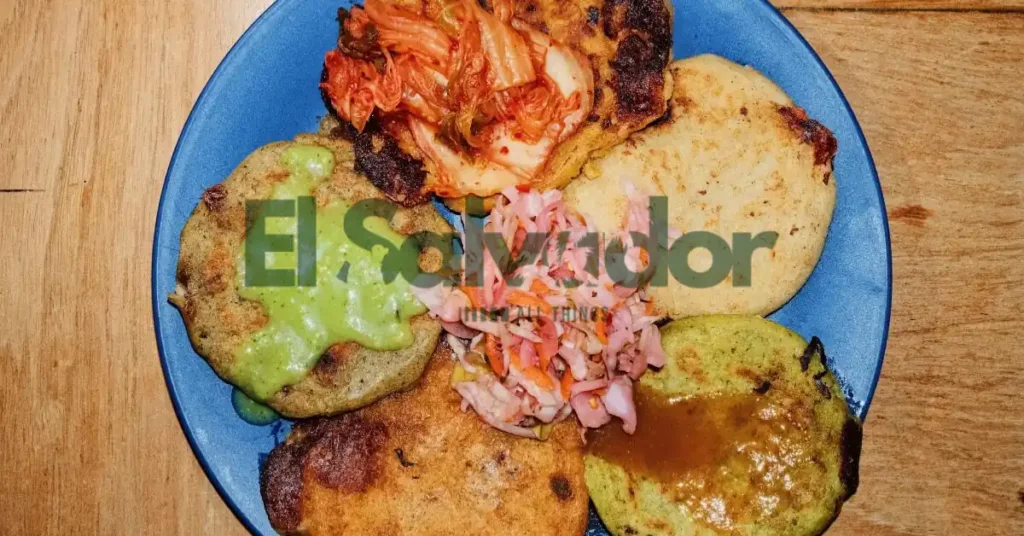
Here’s the simple rule I kept hearing: if locals eat there regularly and the lunch rush is strong, that is a good sign. We almost didn’t stop at one busy comedor because it looked plain, but the smell of grilled meat and soup changed our minds fast. The place was packed, the portions were huge, and nobody seemed shocked by the bill.
- Freshness: Food tastes like it was made that morning, not parked under heat lamps.
- Value: Locals love a fair price for a full plate.
- Consistency: The same dish should taste right every visit.
- Portions: Generous servings matter more than pretty plating.
And one more thing, fillings, sides, and cooking styles can change from one neighborhood to another, or even from one household to the next. A pupusa, a stew, or a breakfast plate may look familiar, but the details often shift a little depending on who made it. That variation is part of the charm, not a mistake.
Best Neighborhoods in San Salvador for Local Food
San Salvador’s food scene changes fast from block to block. One street can have pupusas sizzling on a griddle, and the next can feel like office lunch territory with plastic chairs and fast turnover.
If you want the easiest pick, I’d start with places that mix daily life and commerce. For neighborhood context, the city’s official resources and the broader San Salvador neighborhoods guide help set the map before you chase a meal.
- Best for budget lunches: everyday commercial areas and market edges. These are where I saw the most casual eateries, comedor-style lunches, and quick plates that locals actually line up for.
- Best for evening pupusas: lively residential and mixed zones with steady foot traffic after work. The grills come alive later, and the smell of masa and cheese hits first.
- Best for a polished but still local experience: mixed commercial neighborhoods near offices and shopping. You’ll usually find cleaner dining rooms, family-run restaurants, and menus that still feel Salvadoran, just a bit more polished.
Busy places like Mercado Central San Salvador are perfect examples of that market-style chaos, where soup, snacks, and lunch plates all move fast. They’re best for snack grazing, soup, fresh juice, and the kind of lunch that costs less than a taxi ride. Just check current opening hours and recent photos on Google Maps or Google Business Profiles, because a place that looked busy last month can go quiet fast.
Ask the hotel staff where they eat, because that’s how we found the good stuff. The safest bet is simple, look for movement, smell the food, and trust the stools full of locals over the glossy menu.
Downtown and Historic-Center Eats: What to Watch For
Downtown and the historic center are usually the best spots for mercados, lunch counters, quick meals, and cheap local food. Trust the noisy places with plastic chairs and a line of workers at noon, because that’s where the real lunch happens.
- Look for lunch traffic. If office workers, taxi drivers, and shop staff are eating there, that’s a good sign.
- Check the menu. Simple menus usually mean the food changes less and comes out fast.
- Order the cheap basics. Soup, a plate of the day, tacos, sandwiches, rice bowls, or a set lunch are usually the fastest bets.
- Go at lunchtime. That’s when you can tell if the place is genuinely local or just pretending for the tourists.
We almost didn’t stop at one tiny lunch counter near the main square, but the smell of beans and fried onions pulled us in. The municipal market listings can help with current hours, and a quick look at Google Maps can show current crowd patterns before you walk over.
Neighborhoods Known for Everyday Salvadoran Food
These are the neighborhoods where Salvadoran food feels like part of the daily rhythm, not a polished outing. The best neighborhood here usually means best for regular meals, not best for Instagram.
- Best for family-run lunches: Residential blocks with steady local traffic usually mean pupusas, caldo, and breakfast plates made for repeat customers, not food photos.
- Best for office-lunch runs: Mixed-use corridors near shops and offices tend to fill up fast at noon, then quiet down like nothing happened.
- Best for school-route stops: Areas near schools and busier pickup streets often have the snacky, quick-turn spots locals actually use on weekday afternoons.
- Best for everyday eating: Look for places where the menu is simple, the tables are plain, and the same faces keep coming back.
- Best for real local feel: These neighborhoods tend to have more regulars than seekers, which is usually the sign you are in the right place.
The good stuff often hides in plain suburban-looking streets, not glossy dining strips. You smell masa on the sidewalk, hear a radio humming inside, and see someone grabbing takeout before school pickup.
So if you want the best neighborhood for Salvadoran food, think daily life first. The crowd tells you more than the decor ever will.
Areas Better for Casual Dining Than Tourist Dining
Some commercial zones have local food, but they feel more polished or mixed. I remember one lunch street where the coffee smelled amazing, the menus were clean and modern, and half the tables were filled by office workers scrolling their phones. That’s a good sign you’re not in a tourist trap.
| Area type | What it feels like | Best for |
|---|---|---|
| Polished commercial zones | Local dishes, tidy storefronts, mixed crowds, sometimes English menus | First-time visitors and people who want comfort with local flavor |
| Everyday local-eating areas | Simpler menus, repeat customers, a real lunchtime rush, more routine than showy | Budget travelers and anyone chasing a more everyday meal |
Local signals are easy to spot once you know them. Look for simpler menus, regulars who seem known by name, and a lunch crowd that shows up fast, eats fast, and disappears. That usually beats a place with ten photo boards and no one inside.
And here’s the nuance note: not touristy does not always mean cheap. Some popular local spots are mid-priced, especially where office workers and families eat.
If you want comfort with local flavor, stick to the polished zones. If you want a quieter, more everyday meal, aim for the lunch-rush streets.
Best Markets and Food Halls for Everyday Local Eating
Markets are often the cheapest, freshest place to eat in San Salvador, and the best ones smell like lunch before noon. The trick is not the paint job or the cute sign. It’s fresh turnover, steady local traffic, and a line of workers who already know what they want.
| Spot type | Best time | What to order | Why it works |
|---|---|---|---|
| Worker stalls inside markets | Early morning to lunch | Comida casera, soups, pupusas, plantains, eggs, and daily lunch plates | Fast turnover, hot food, and regulars keep the kitchen honest |
| Visitor-facing food courts | Lunch and early afternoon | Sampler plates, pupusas, grilled meats, fresh drinks | Easy seats and clear menus, but quality can vary by vendor and hour |
Bad move. The stalls with grease on the counter and office folks in line usually had the best tortillas, the loudest comal, and food that moved fast enough to stay hot.
- Go where locals are eating. Taxi drivers, vendors, and market workers are the best clue.
- Order the day’s special. If a stall sells one thing all morning, that’s usually the safe bet.
- Show up before the rush fades. Late afternoon can mean tired food and empty steam trays.
If a market has a municipal listing or a strong Google Maps trail, check recent reviews and photos, not just the star rating. Market quality can change by vendor and time of day, so the freshest stall on Tuesday might be the sleepy one on Sunday.
How to Spot a Truly Local Restaurant
A real neighborhood spot usually feels busy before you even sit down. I’ve walked into places where the menu was half in Spanish, the specials were scribbled by hand, and somebody’s auntie was already arguing cheerfully with the cashier. That’s the vibe.
Authentic local restaurants usually have regular foot traffic, simple setups, and cash-friendly service. If the staff looks like they know half the room by name, you’re probably in the right place. Recent photos, current hours, and repeated local reviews on Google Maps or Google Business Profiles can also show whether residents still use the spot.
Here’s the clearest rule I use: if locals outnumber visitors at lunch, the menu is short, and the food turns over fast, that’s a strong sign.
- Green flags: Spanish-language menus, handwritten specials, and a counter that takes cash without making it weird.
- Green flags: Simple tables, mixed ages at lunch, and plates coming out fast and hot.
- Red flags: Huge tourist menu, glossy decor, and staff who seem surprised anyone walked in.
- Red flags: Empty dining room at peak lunch, fake “local favorite” signs, and food that sits around too long.
Green Flags: Signs Locals Eat There Every Day
Lunch is packed, and nobody looks confused. Empty tables at noon are a bigger warning than a bad Yelp review.
- Tables are full at lunch. That usually means the place has real regulars.
- Menus lean mostly Spanish, with maybe a few English lines if you’re lucky.
- Standard local dishes show up first. The tourist stuff gets pushed down, where it belongs.
- Workers, taxi drivers, and families keep coming back. Same faces, same jokes, same chairs.
- The decor is modest. Think plastic chairs, worn tile, and a place that turns tables fast.
The busiest time of day is often the best time to judge authenticity. If the room smells like coffee, frying oil, and hot bread, you’re probably in the right spot.
Red Flags: Spots That Feel More Tourist-Oriented
- Menus in English only, or translated so heavily they feel pasted on.
- Decor that’s all neon signs and photo props, with few local customers inside.
- Pushy “authentic experience” branding that sounds like a sales pitch.
- Menus with too much variety to feel clearly Salvadoran, like they’re trying to be everything.
- Translated menus alone are not proof. Context matters, and bilingual spots can be legit.
How to Find the Best Pupuserías Without Guessing
The best pupuserías in El Salvador usually reveal themselves quickly through busy griddles, fresh curtido, and steady local crowds. The griddle is busy, the line smells like corn and melted cheese, and local people are not standing around for fun.
- Watch the griddle. Good pupusas hit the comal hot and keep moving. If you hear steady sizzling and see hands working fast, that’s a good sign.
- Look for a local crowd. Taxi drivers, workers, and families usually know where the good stuff is. We almost didn’t stop at one tiny spot, then saw three tables full of regulars and changed our minds.
- Check the filling variety. Curtido, cheese, beans, loroco, pork, and mixed fillings show the kitchen knows its way around the dough.
- Notice the sides. Fresh curtido and salsa should taste bright, crunchy, and made today. If they look tired, the pupusas might be tired too.
- Trust a short menu. A small menu is often a strength, not a warning. It means the place focuses on a few things and does them fast, which keeps turnover high and the ingredients fresh.
Fast turnover matters because pupusas taste best when they move straight from griddle to plate. The sleepy places with giant menus often look busy on paper and taste like yesterday.
If you are unsure how to ask for fillings, sides, or drinks, this guide on how to order pupusas makes the whole process much easier for first-time visitors.
What a Real Local Meal Looks Like by Time of Day
Local eating changes fast with the clock. I learned that the hard way when a busy breakfast stall went quiet by lunch, like it had clocked out for the day.
- Breakfast: Usually quick, hot, and cheap. Think strong coffee, eggs, toast, noodles, pastries, or rice, depending on the place. The vibe is rushed but friendly, with metal spoons clinking and people reading phones over tiny tables.
- Lunch: This is often the main meal. Locals may order a bigger plate, soup, rice bowls, grilled meat, or a set lunch that fills you up without putting you into a food coma. Weekdays feel practical, but weekends can get louder, slower, and way more social.
- Evening snack: A lot of places shift into lighter bites, street food, fried snacks, skewers, buns, or sweets. You’ll see people dropping in after work, talking too long, and standing around with a drink in hand.
- Late night: Some spots stay open for noodles, dumplings, sandwiches, or whatever’s still hot and moving fast. The crowd changes too, more taxi drivers, night owls, and tired friends who say, “Just one more bite.”
Here’s the thing, some restaurants are amazing at one meal and weirdly wrong outside it. According to official restaurant hours on Google Maps and social profiles, a lot of local spots really do work best only in certain windows, so a breakfast hero might be a dead zone by dinner.
Weekends usually stretch everything out. Brunch starts later, lunch turns lazy, and the evening snack crowd can feel almost like a small street party.
What to Order at Local Spots in San Salvador
San Salvador eats best by meal, not by mood. I kept ordering pupusas three times a day like a gremlin with a wallet.
House style changes by family and region, so fillings and sides can shift from one spot to the next. One comedor’s refried beans might taste smoky and another’s might be softer and richer. That’s normal.
- Breakfast, comedor: Order desayuno típico, usually eggs, beans, fried plantain, cheese, and tortillas. If you see it listed, grab it with coffee and a side of cream.
- Lunch, comedor: Go for sopa or carne asada. Soup often shows up with rice, tortilla, and a lot of homey heat, while grilled meat comes with simple sides that actually fill you up.
- Snack or quick bite, pupusería: Order pupusas, plus curtido and salsa. Revuelta is the classic, but cheese, beans, and loroco are common too.
- Market stall, anytime: Try yuca frita with chicharrón, panes, or whatever local specialty is sizzling on the griddle. Market food smells loud in the best way, like oil, garlic, and people actually cooking for themselves.
- Dinner, simple local spot: Ask for carne asada or a hot sopa if the evening feels rainy and tired. That combo hits hard after a long day walking around San Salvador.
For first-timers with only one or two meals, I’d do one desayuno típico and one round of pupusas. If you get a third shot, make it sopa or yuca frita from a market stall, because that’s where the city starts feeling real fast.
Best First Orders for New Visitors
Pupusas are the safest first stop, and they’re the one thing we kept seeing at nearly every table. Start with a simple cheese, bean, or loroco pupusa, because it’s easy, filling, and hard to mess up.
- First: one pupusa stop. Cheese and bean is the classic beginner pick. It’s warm, salty, and usually arrives with curtido and sauce on the side.
- Second: a typical breakfast or lunch plate. Go for something simple like eggs, rice, beans, or grilled meat. These plates are familiar enough if you’re new, and the portions can be generous.
- Third: one soup or snack. A small sopa or an easy fried snack gives you a taste of the slower, homier side of the menu without wrecking your appetite.
The plates can be huge. Ask for the house special when it’s available, since that’s often what the kitchen is proud of that day. And don’t over-order, unless you want to leave breathing through your nose and eyeing your leftovers like they betrayed you.
What to Eat for Breakfast, Lunch, and Late Night
- Breakfast: Go for the usual plate, eggs, beans, plantains, tortillas, and maybe a little cream. Coffee shows up strong here too, usually hot and simple, and it smells like the whole room woke up before you did.
- Lunch: This is when places bring out fuller plates and comedores feel the most alive. Lunch is when the food often feels freshest, because that midday rush means pots are moving and the room feels local in a way that a quiet morning spot might not.
- Late night: Look for pupusas, snacks, and street-side food that’s still making noise on the corner. The griddle sizzles, people stand around half-hungry, and honestly, that’s when a place can feel the most real, messy, and fun.
Meal timing matters more than people think. A spot serving breakfast, lunch, and late night all day can feel convenient, but the food and the vibe change fast with the clock.
Regional Salvadoran Dishes Worth Trying in San Salvador
Salvadoran food goes way beyond pupusas, and the city’s markets make that pretty clear. I heard that from a taxi driver first, then from a lady at a lunch counter who laughed like I’d just discovered fire.
- Yuca frita, traditional dishes like yuca con chicharrón are especially popular in markets and neighborhood lunch spots because they are filling, salty, and easy to share.
- Sopa de pata, a rich cow-foot soup with vegetables, beans, and a deep, homey smell.
- Tamales, often wrapped in banana leaves, with fillings that change by family and region.
- Pastelitos, little fried pockets that can be filled with meat, potatoes, or other local mixes.
- Casamiento, rice and beans cooked together, usually served as a simple side with a lot of comfort.
How Much Local Food Costs in San Salvador
Many of the meals people remember most are the same kinds of cheap eats in El Salvador found in markets, pupuserías, and busy lunch counters. And little plastic tables by the market smelled better than they looked, and that was the right call.
You usually get the best value from a meal, not a single dish. Think a filling plate of pupusas, a set lunch with rice and beans, or a simple market meal with a drink. Cheap does not mean bad here, either. Some of the best bites come from tiny spots with a griddle, a fan, and a line of locals.
| Meal type | What it usually gets you | Best value notes |
|---|---|---|
| Market meal | Soup, rice, beans, meat, or a similar home-style plate | Often the cheapest full meal, especially with locals around |
| Pupusería meal | Pupusas, curtido, salsa, and sometimes a drink | Great for a quick, filling lunch or dinner |
| Lunch special | Set plate with a main, sides, and sometimes a drink | Best midday value in many neighborhoods |
| Tourist-area cafe | A lighter meal or plated dish | Usually costs more for the same food |
Prices can shift a lot by neighborhood, portion size, and whether a drink is included. A soda, juice, or agua fresca can quietly bump the bill, so I always ask what comes with the meal before I sit down.
Tips for Eating Like a Local Without Standing Out
- Order in Spanish if you can. Even a simple “Hola” and “Quisiera…” gets a warmer response than waving your menu around like a lost tourist.
- Bring cash when it makes sense. Small cafés, pupuserías, and market stalls often prefer cash, and sometimes that’s all they take.
- Check opening hours before you go. Hours can shift, especially on weekends or near holidays. I’ve shown up to a place smelling coffee and grilled cheese only to find the gate half shut and a sleepy cat in front.
- Watch how locals order and pay. In many spots, people order at the counter, wait for a table number, or pay up front. A quick look around saves that weird pause where everyone stares politely while you guess wrong.
- Expect a different service pace. Tourist restaurants often rush things. Local places may move slower, especially when the kitchen is busy, but that usually means your food is being made fresh.
- Keep a few phrases handy. A little Spanish goes a long way, and you do not need to sound fancy.
- Hola = Hi
- Buenos días = Good morning
- Quisiera esto, por favor = I’d like this, please
- La cuenta, por favor = The check, please
- ¿Aceptan tarjeta? = Do you accept card?
- Use current location info before heading out. Official travel advisories and health guidance say to check conditions, plan transportation, and confirm details with up to date sources. Google Maps and a place’s official social profiles are usually the quickest way to verify hours and avoid a dead stop.
- Stay aware of the area. If a place feels off, trust that feeling and read up on Safety tips for San Salvador before you head out.
- Be polite, not performative. Locals usually notice respect faster than perfect Spanish. A smile, a patient pause, and a calm “thank you” go a long way.
The cook just pointed, smiled, and handed over a plate that smelled like hot corn, onions, and fresh salsa, and that was the moment I stopped worrying about looking clueless.
First-time travelers should also read this guide on Salvadoran food to avoid before trying unfamiliar soups, street snacks, or heavily fried market dishes.
Helpful Spanish Phrases for Ordering Food
These were the little lifesavers when the menu got weird and we almost panicked.
- ¿Qué me recomienda? = What do you recommend? keh meh reh-koh-mehn-dah
- La especialidad de la casa = The house specialty
- Sin… = Without… Use it for allergies or picky moments, like sin cebolla for no onion.
- Para llevar = To go, takeaway
- La cuenta, por favor = The bill, please
Short, useful, and enough to get food on the table fast. The waiter at one tiny café smiled when I said ¿Qué me recomienda?, and honestly, that saved dinner.
Why Eating Where Locals Eat Changes the Trip
Tourist lists are fine, but local spots usually tell the real story. The neighborhood restaurant, the market stall, and the tiny pupusería give you better value, more variety, and a plate that actually tastes like the place you came to see.
A taxi driver pointed us to a crowded lunch spot with plastic chairs, loud music, and a line that moved fast because everyone knew what to order. The food smelled like corn, garlic, and hot oil, and it was miles better than the bland place near the hotel.
That’s the trick: follow the locals, check the lunch rush, and choose the place with a clear house specialty. If the room is full of neighbors and one dish keeps flying out of the kitchen, you’re probably in the right place.
Frequently Asked Questions
Where to avoid in San Salvador?
Stick to well-known, busy areas and avoid wandering into quiet streets after dark, especially if the place feels empty or off. I’d also check a current official travel advisory before you go, because safety can change fast.
What is the local food of El Salvador?
Pupusas are the big one, and yes, they show up everywhere. You’ll also see yuca, tamales, pan con pollo, and fresh drinks that smell like fruit and ice on a hot sidewalk.
Do locals in San Salvador really eat pupusas every day?
Some people do, but not everyone, every day. I heard that a lot from taxi drivers and shop owners, then watched plenty of locals grab rice plates, soups, and fast lunch menus too.
What are the safest neighborhoods for food exploring?
Busy, central areas tend to feel easier for first-time food walks, especially where there are good reviews and steady foot traffic. I’d check recent photos and hours on Google Maps, because a place can look great online and be closed by dinner.
Are markets a good place to find local food?
Yes, markets are often where the best local bites hide. They can be loud, crowded, and a little greasy in the best way, so go with cash and a bit of patience.
What should I order if I only have one meal in San Salvador?
Get pupusas, curtido, and salsa first. If you still have room, add a Salvadoran drink or a plate that locals are actually ordering nearby.
Is street food safe in San Salvador?
Often, yes, if the stand is busy and the food is cooked fresh. I’d look for hot food, clean hands, bottled water, and a line of locals instead of a lonely cart baking in the sun.