
Lago de Coatepeque Guide: Best Access, Where to Stay, and Things to Do
Lago de Coatepeque is the kind of place you plan for the view first, and the activity second. I loved it for that reason, because it’s a scenic, low-activity lake stop, not a packed attraction with a dozen must-dos. If you want easy planning, quiet water, and a good base for a relaxed day or overnight, this is the right lake to sort out first.
For me, the big surprise was how much the experience depends on access. Some parts are easy for swimming, eating, and boat rides, while others are justpretty viewpoints with very little going on. So it helps to know where to arrive, where to sleep, and whether you’re pairing it with a nearby stop like the Western Highlands route.
I wish someone had told me to keep expectations simple. Lago de Coatepeque is best for slow hours, lake views, and a break from the road, not for a jam-packed schedule. If you want practical basics, like the best access points, where to stay, how long to spend, and what’s actually worth doing, that’s the useful stuff here.
For basic orientation, the official map context from the Instituto Geográfico y del Catastro Nacional helps place the lake clearly in western El Salvador. That part matters more than it sounds, because getting the right side of the lake saves time and avoids a lot of backtracking.
Key Lake Takeaways
- Lake Coatepeque is best for a scenic, slow day.
- We did it as a day trip, and that felt right.
- Overnight works if you want sunset and a lazy morning.
- Weekdays are calmer. Weekends get crowded fast.
- Most easy access comes through paid venues, not free public spots.
- Pair it with Santa Ana Volcano if you want a bigger day.
- Bring cash and a car or driver, because transport is the real hassle.
About Lago de Coatepeque
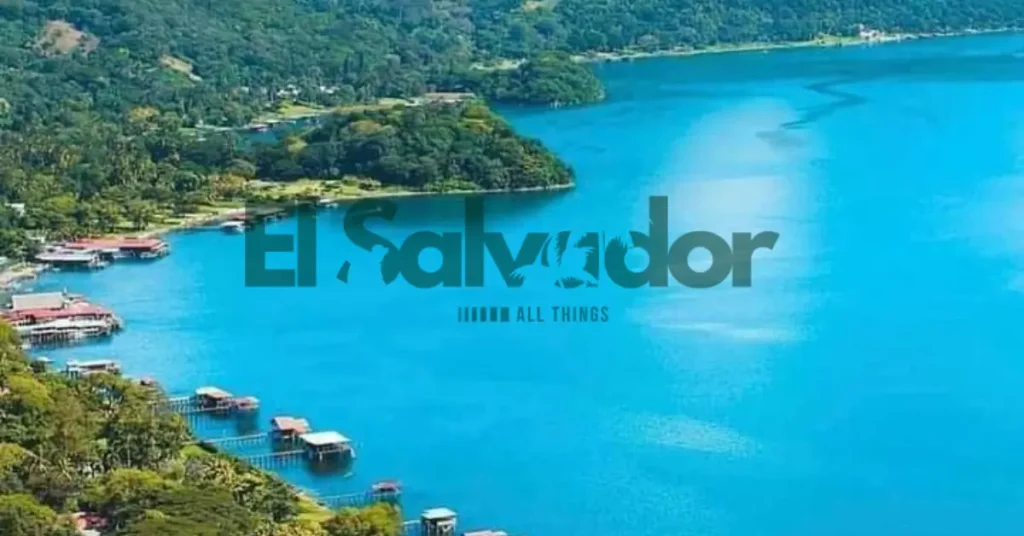
Lago de Coatepeque is a volcanic crater lake in the Santa Ana region, and it’s one of El Salvador’s best-known scenic spots. Official tourism and geography sources describe it as a caldera lake, which fits once you see that wide blue bowl for yourself. I remember pulling up and just staring for a minute, because the view does most of the work here.
Truth is, this is mostly a relaxation-and-view destination, not a stop packed with attractions. People come for the water, the caldera views, and slow meals by the shore, not for a long checklist of things to do. If you want a place to sit, swim, eat, and take a break from the road, this is the one.
Access can be annoying, and I wish someone had told me that earlier. Many shoreline spots are tied to hotels, restaurants, or day-pass venues, so it helps to plan ahead and check Best Lake Coatepeque Beaches and Access Points before you show up.
- Good for: couples, slow travelers, and anyone who wants a pretty lake day.
- Skip if: you want museums, big activities, or a packed itinerary.
- Also useful: read Where to stay in Lake Coatepeque if you want to sleep near the water.
If that sounds like your kind of day, you’ll probably like it. If you want non-stop action, this lake may feel a little too quiet.
Where Lago de Coatepeque Sits
Lago de Coatepeque sits in the Santa Ana region of western El Salvador, and El Congo is the main gateway on the north side. I first came in from that road, and the lake suddenly opened up after a bunch of dry hills and small shops. If you want the easiest place to orient yourself, start with El Congo and then follow the lake road from there.
First-time visitors mix up the lake road with the town itself, so here’s the simple version: the lake is the destination, and El Congo is the usual entry point. That saved us from a wrong turn once, which was annoyingly easy to do.
Best by lake side depends on what you want, because the shoreline wraps around in a broad oval and access is not equal everywhere. The larger size means some stretches are tucked behind steep edges or private lots, so getting in can take longer than the map makes it look.
- North side, near El Congo: Best for first-timers, quick access, and day trips. This is where I’d start if you want the least confusing route.
- West side: Best for views and a calmer feel. It can suit travelers who want a quieter stay and don’t mind slower access.
- South and east sides: Bestfor people staying longer and planning around specific hotels or lakefront spots. I’d use the Where to stay in Lake Coatepeque options before choosing this side.
If you’re planning transport, I’dcheck How to get to Lago de Coatepeque before booking anything. For beaches and access points, the shorelinematters a lot more here than on smaller lakes, so the exact side you pick can save you a lot of circling and sweat.
How Long to Visit Lago de Coatepeque: Day Trip or Overnight?
A day trip works best for most people. Lago de Coatepeque is pretty, but it doesn’t have endless things to do, so staying longer than two nights is usually unnecessary. I’d treat it as a one-night stop if you want a slow sunset, a swim, and a lazy breakfast with the lake mist hanging over the water. Two nights only really makes sense if you’re using it as a base for a volcano combo, especially with Hike the Santa Ana Volcano.
We almost stayed too long the first time, and honestly, the lake was best in short doses. The water, the breeze, the fried fish, the quiet docks, that was the magic. After that, it got a little repetitive unless you were planning extra trips from there, like the ideas in Best Day Trips from Lago de Coatepeque.
- Day trippers: Best if you’re coming from Santa Ana and just want views, lunch, and a swim.
- One-night travelers: Best for couples, slow travelers, and anyone chasing sunset without rushing back.
- Two-night stays: Best if Lago de Coatepeque is your base for Santa Ana Volcano or a very relaxed trip.
- Longer than two nights: Usually too much, unless you just want to do nothing and stare at the water.
My honest take, use the lake as a standalone stop if you mainly want scenery and a break. Use it as part of a volcano-combo itinerary if you’re pairing it with Santa Ana Volcano, because that’s where the extra night starts to make sense.
When to Visit Lago de Coatepeque
The dry season is usually the easiest time to visit Lago de Coatepeque, especially from late fall into early spring. That’s the stretch with steadier weather and better lake conditions, according to travel climate references for El Salvador. I’d still keep expectations loose, because the famous blue-turquoise color change is real, but it’s not guaranteed on any given day.
- Dry season: Best for clearer skies and smoother planning. This is when I’d pair a lake day with the practical tips at Lago de Coatepeque Practical Tips.
- Wet season: Quieter in some stretches, but weather can flip fast. We got one perfect view, then a gray afternoon that sent everyone running for cover.
- Weekdays: Usually calmer and easier for lunch, boat time, and photos. I liked how the lake felt slower and less noisy.
- Weekends and holidays: Much busier, with more traffic, more day trippers, and slower service. Book ahead if you want a better table or a room near the water, especially if you’re looking at Where to stay in Lake Coatepeque.

How to Get to Lago de Coatepeque
The lake is easy enough to reach, but the return trip is where people get caught out. I saw plenty of travelers get relaxed at the water, then stare at the road later like, okay, now what?
By bus
Bus is the cheapest option, and it works if you do not mind a slower, less direct ride. Route choice matters here, because different buses serve different sides of the lake, so ask the driver or a local which stop gets you closest to your hotel or lakefront access.
I wish someone had told me to confirm the return schedule before I left town. On the way back, buses can be less obvious, especially if you are tired, dusty, and carrying wet sandals.
By Uber
Uber can be the easiest door-to-door option if you want less guessing. It is handy from Santa Ana or San Salvador, but I would not count on it for a smooth return unless you already checked driver availability in the area.
By car
Driving gives you the most control, especially if you are combining the lake with coastal destinations like La Libertad. It also makes the trip easier if you are coming from Santa Ana, San Salvador, or the coast, since you can build your own route and leave when you want.
The roads around the lake are part of the fun, and part of the stress. Parking can be simple in some spots and annoying in others, so I liked having the car, but I still kept my return plan in my head the whole time.
Here’s the small stuff that saved me: bring small cash, keep offline maps ready, and do not assume your phone signal will stay strong by the water. I also kept a backup return plan, because nothing kills a lazy lake afternoon faster than realizing your ride disappeared.
If you are planning where to sleep,check Where to Stay in Lake Coatepeque. For packing and timing tricks, see Lago de Coatepeque Practical Tips.
By Bus
- The buses to Lake Coatepeque are not one-size-fits-all. Different routes serve different sides of the lake, so I had to pay attention fast or get dumped on the wrong shore.
- From Santa Ana, bus #242 is the main route I saw for reaching the lake area. Bus #220 also came up often for local connections, and bus #238 is the one people mention for getting from the Ruta de las Flores into Santa Ana.
- The transfer in Santa Ana matters. That’s where the bus web starts to make sense, and where I realized asking one driver twice was better than ending up on a random roadside with a sweaty bag and no plan.
- Pick the stop carefully. The wrong stop can leave you stranded on the less useful side of the lake, far from the access points you actually want.
- If you’re heading for the beaches or the easier entries, check the Best Lake Coatepeque Beaches and Access Points first, then match your bus to that side.
- And keep your next move in mind. Once you’re there, getting around is its own little puzzle, and the lake is not the place to wing it.
By Uber
Uber usually works well in El Salvador, and I found it handy for the easy part of the day, getting to and from the lake without haggling over every ride. For getting around, it felt like the least annoying option when I just wanted to leave Lago de Coatepeque, grab a cold drink, and get back before dark.
- Best for: short trips, airport runs, and rides from busy areas where cars are easier to find.
- Why it can work: fares are often relatively cheap, and you don’t need to bargain with every driver.
- What I learned: the return trip from the lake can be tricky, because fewer drivers may want the uphill or out-of-the-way pickup.
- If Uber fails: switch fast to a taxi from a nearby hotel, ask your host to call a driver, or check the practical backup tips in Lago de Coatepeque Practical Tips.
That return part is what caught us off guard. App sat there like it was thinking about lunch, and I wish someone had warned me that the lake can get quiet fast when everyone heads out at the same time.
By Car
- Best for mixing the lake with Santa Ana Volcano. We did the combo by car, and it was the easiest way to keep the day flexible. You can leave Lago de Coatepeque early, chase the volcano, then swing back for sunset without begging a driver to wait around.
- Drive times are usually pretty manageable. From nearby hubs, the lake sits within a short drive, and Santa Ana Volcano is also doable as a day trip.
- Better for custom routing. If you want to stop for food, viewpoints, or a slow coffee break, a car makes that easy. It also pairs well with ideas from Best Day Trips from Lago de Coatepeque.
- Road quality can change. Some approaches are smooth, and some get rough fast. A local driver in El Salvador told me to keep an eye on the last stretch, and he was right, the pavement can get patchy near the lake and up toward the volcano.
- Helpful if you’re staying near the water. If your place is tucked away from the main road, a car saves a lot of hassle with taxis and transfers. I’d check Where to stay in Lake Coatepeque before booking, so you know how much driving you’ll really need.
- Route checking helps. I wish someone had told me to sanity-check the drive before leaving. Google Maps or your rental platform is enough for most planning, especially if you want to compare Santa Ana Volcano with a lake stop in the same day.
Best Lake Coatepeque Beaches and Access Points
Lake Coatepeque access is mostly venue-based, not open shoreline. I learned that the hard way after assuming we could just pull over anywhere and jump in. Around the lake, you usually get in through a hotel, restaurant, or beach club, while broader shoreline access is limited and often awkward for a casual day trip.
| Access type | Where it works best | What to expect | Best for |
|---|---|---|---|
| Hotel access | West and southwest sides, where more lakefront stays cluster | Usually easier entry if you’re sleeping there. Pool, dock, and direct water access are common. | Overnight guests who want easy swimming and zero hassle |
| Restaurant or day-pass access | Along the busier developed stretches, especially near known lakefront venues | You may need to buy food, drinks, or a pass. Good if you want lunch, a swim, and a chair. | Day visitors who want a simple, paid entry point |
| Broader shoreline access | More limited around the lake edge, with fewer open public entry spots | Can be patchy, harder to find, and less convenient without a car or local guidance. | Travelers with time who can ask around and check access first |
For most day visitors, the easier side is the developed lakefront side, where hotels and restaurants make entry simpler. For overnight guests, staying right on the water saves time and avoids the annoying shuffle of parking, paying, and hunting for a spot that actually lets you in.
I’d check where to stay in Lake Coatepeque first, then match that with getting around. For mapping, the local references that help most are the official tourism listings and map-based venue pages, since access changes by property and not every shore section is open the same way.
Getting Around Lago de Coatepeque
Once you arrive at Lago de Coatepeque, movement is limited, so where you stay really matters. I learned that fast after realizing the lake is gorgeous, but not built for easy hopping from one stop to another.
The best bet is to pick a place in a walkable cluster, especially if you want to eat, swim, and relax without calling a ride every hour. We stayed where the lakefront and a few restaurants were close enough to walk, and that saved us a lot of hassle.
Taxis are usually not waiting around on every corner. In most cases, they’re arranged through hotels or accommodations, which is why I wish someone had told me to ask about transport before booking.
- Choose your base carefully. A good location can save time and stress.
- Expect limited buses. Public transport around the lake is infrequent.
- Plan rides ahead. Ask your hotel or host to book taxis when needed.
- Don’t plan on easy sightseeing hops. This is not a place for quick point-to-point touring.
If you want to compare areas before booking, check Where to stay in Lake Coatepeque. And if you’re still sorting your arrival, see How to get to Lago de Coatepeque.
Where to Stay Around Lake Coatepeque
Lake Coatepeque has two moods, and I learned that fast after one bumpy taxi ride and a salty breakfast in El Congo. The north and northeast shore usually work best for easy lake views, calmer water access, and the classic lakefront stay. The south side feels better if you want a quieter base, cheaper rooms, or quicker access from the main road, but you may trade away a bit of that postcard feel.
For a beach day, I’d pair your hotelchoice with Best Lake Coatepeque Beaches and Access Points and the practical notes in Lago de Coatepeque Practical Tips. That saved me from paying twice for entry, which was annoying in the exact way only a vacation bill can be.
- Cardedeu Hotel, best for polished lakefront comfort on the north side. Pros: strong views, pool, easy “we came for the lake” energy. Cons: pricier, and you’ll want to confirm parking and day-pass rules before you arrive.
- Equinoccio Hotel, good if you want a more social, breezy stay near the water. Pros: relaxed vibe, convenient for hanging out by the shore. Cons: some rooms can feel basic, and access roads may be slow after rain.
- Las Palmeras, a solid pick for a simpler lake escape. Pros: usually more casual and less fussy, with easy chill-out appeal. Cons: not as polished, so check breakfast and parking details first.
- Captain Morgan Hostel, best if you care more about budget and atmosphere than fancy finishes. Pros: social, cheaper, and popular with travelers who want to stay loose. Cons: expect a basic setup, and don’t assume lake entry is included.
What to know before booking: road access can be rough, especially on steep side streets, so ask about parking before you commit. Breakfast is not always included, and day-pass entry to beach clubs or lakefront areas may cost extra unless the hotel says otherwise. I wish someone had told me that before we rolled up with a full cooler and zero patience.
Lago de Coatepeque practical tips
- Bring cash. Many smaller restaurants and lakefront spots still prefer it, and these extra El Salvador tourist tips help avoid common travel mistakes. I learned fast after a cashier gave me the polite smile that means, “No card, amigo.”
- Book ahead for weekends. If you want a lakefront room, reserve early. The good places fill up fast, and last-minute choices can mean a “nice” room far from the water.
- Pick your zone on purpose. Some areas are quieter and better for floating, reading, and early nights. Others get lively, with music, crowds, and more of a party feel. I liked knowing that before we chose where to stay. See Where to stay in Lake Coatepeque.
- Think about return transport before sunset. It’s easier to plan the ride back while you still have signal and daylight. I saw more than one traveler haggling late, which looked annoying and expensive.
- Choose access over fancy extras. A pretty pool is fine, but direct lake access matters more if you actually want to swim, launch a kayak, or just sit by the water.
- Check your timing with the weather and crowds. The lake feels very different on a busy weekend than on a calmer weekday. If you want a slower vibe, look at When to visit Lago de Coatepeque.
I wish I knew this before we went: the fanciest place on paper was not the best place on the lake. The room was nice, but the walk to the water felt like a small hike with bad timing.
Also, if you’re using transport services or booking online, check the provider’s payment and reservation rules before you go. That saved me from a silly back-and-forth with a driver and a very patient front desk clerk. For planning the drive or shuttle, see How to get to Lago de Coatepeque.
If you are curious how crypto payments work locally, this guide to Bitcoin in El Salvador explains more.
Things to Do in Lago de Coatepeque
Lago de Coatepeque is more about lake scenery and slow mornings than packed sightseeing. We spent most of our time staring at that blue water, eating, and arguing over whether a boat ride was worth it. Short answer, sometimes yes.
- Relax at a lakefront spot: This is the easiest win. A lot of the fun here is just claiming a chair, ordering a cold drink, and watching the light change on the water. It suits couples, tired road-trippers, and anyone who wants low effort after a busy day trip from Best Day Trips from Lago de Coatepeque.
- Take a short boat ride: A quick cruise gives you the best look at the lake’s size and the hills around it, without turning the day into a whole mission. It suits families and small groups, especially if you want scenery without sweating.
- Go swimming, if the venue allows it: Some spots are better than others, and activity availability can change by venue and day of the week, according to official tourism references. I’d treat swimming as a bonus, not the main plan. It suits people who are fine with a simple lake dip and a bit of waiting around.
- Watch sunrise or sunset: This was my favorite part, hands down. The lake gets quiet fast, and the view feels worth the detour even if you do nothing else. It suits photographers, early risers, and anyone staying overnight in Where to stay in Lake Coatepeque.
- Mix in a Santa Ana Volcano day trip: If you want more than lake lounging, pair Coatepeque with a hike near Santa Ana Volcano. I’d do this only if you’ve got a full day and decent shoes, because the lake itself is not the place for big adventure energy. It suits active travelers who want the best contrast with the water views.
Spend the Day at a Lakefront Restaurant or Hotel
If you want the easiest lake day, pay for a lakefront restaurant or hotel and keep the logistics simple. We did this when we did not want to juggle parking, beach access, or a whole day of dragging bags around, and honestly, it saved the trip. The tradeoff is simple: a day pass is cheaper, but staying overnight usually gives you better access, more comfort, and way less stress.
I wish someone had told me this earlier, because the difference is real. Some places near the water let you come in for lunch, use the pool, and sit by the lake, while others only feel worth it if you book a room and stay longer.
- Best for: first-time visitors, lazy lake days, and anyone who wants easy access without figuring out local entry points.
- Choose a day pass if you just want a few hours by the water and do not mind paying for the convenience.
- Book a night stay if you want the quiet evening view, easier lake access, and a slower pace.
- If you are still comparing options,check Best Lake Coatepeque Beaches and Access Points and Where to stay in Lake Coatepeque.
Swim in the Lake
Swimming at Lake Coatepeque depends on the venue and the access rules. We almost skipped it the first time because one beach looked busy but had no clear swim area, and nobody wants a surprise boat wake in the face. If you want to get in the water, check the access point first, and use the practical tipsin Lago de Coatepeque Practical Tips and Best Lake Coatepeque Beaches and Access Points.
Safety matters here. Swim only where it’s allowed, ask staff about depth and entry points, and check for boat traffic before you go deeper. That advice lines up with general water-safety guidance from the CDC, and it’s smart for any open-water swim. I learned the hard way that a calm surface can hide a sudden drop-off, and the lake can feel very different from one shore to the next.
- Ask first. Not every beach or dock is a swim spot.
- Watch the boats. Give moving traffic a wide berth before entering deeper water.
- Check the entry. Some spots have rocks, slippery steps, or a steep bottom.
Watersports
Watersports here are venue-dependent, so don’t assume every lakeside stop offers the same setup. On my trip, one spot had kayaks and paddleboards laid out by the shore, while another was basically just a pretty view and a guy selling cold drinks.
Availability can also change between weekdays and weekends. We found a few operators were quieter midweek, and one staff member told us some activities only really picked up once locals came out on Saturday. If you’re timing your trip,check when to visit and plan how you’ll move between places with getting around.
Take a Boat Cruise on the Lake
- A boat cruise is the easiest pick if you want scenery without much movement. I liked it for the wide-open views of Lago de Coatepeque, not for adrenaline.
- It’s a better fit than a busy activity day if you just want to sit back, feel the breeze, and watch the water change color. We almost skipped it, and I’m glad we didn’t.
- Calmer weather makes a big difference. On rougher afternoons, the ride feels a little bumpy and less relaxing, so I’d pair it with a visit during the better stretch in when to visit Lago de Coatepeque.
- Sunset timing is the sweet spot if you can swing it. The lake looked softer and quieter, and the whole thing felt more worth it once the light dropped.
- It also works well with a lakefront meal, especially if you want an easy half-day plan. We did that after lunch, and it saved us from rushing around.
- If you want a simple combo, cruise first, then stop at where to eat for dinner by the water. That’s the kind of low-effort plan I’d do again, because it’s scenic without wearing you out.
Catch a Sunrise or Sunset
Sunrise and sunset are the real reason I’d stay overnight on Lago de Coatepeque. The lake changes fast in that short window, and a lakefront property puts you right where the light hits first, with coffee in hand or a drink by the water.
We almost skipped the early wake-up once, and I’m glad we didn’t. For the calmest timing and the best light, I’d pair where to stay in Lake Coatepeque with when to visit Lago de Coatepeque, so you’re not racing the clock or watching the sky from a taxi.
Santa Ana Volcano as a Day Trip
Santa Ana Volcano is the best add-on for active travelers, especially if you already have an overnight near Lago de Coatepeque. We almost skipped it because the morning felt lazy by the lake, but the hike gave the whole trip a much better rhythm. If you want the easiest version, go with a car or preplanned transport, because fiddling with buses before sunrise sounds romantic until you’re actually standing there with a half-open coffee and a dead phone.
I’d pair it with a lake stay instead of trying to cram it into a random transfer day. The drive is simple enough on paper, but the timing gets annoying fast if you’re winging it. For hike logistics, the official tourism and park info for Santa Ana Volcano is the safest place to check current access and rules: El Salvador Tourism.
- Best fit: Travelers who want a real hike, not just another lookout.
- Works best with: A car or transport booked ahead of time.
- Best pairing: An overnight near the lake, so you can recover after the climb.
- Start early: Morning is the smart move, before the heat gets rude.
If you’re planning the bigger picture, this pairs well with best day trips from Lago de Coatepeque, how to get to Lago de Coatepeque, and where to stay in Lake Coatepeque.
Best Day Trips from Lago de Coatepeque
- Santa Ana Volcano is the best add-on if you want the big payoff before a lake stay, especially if you are also planning time along the Ruta de las Flores. I did this the hard way, sweaty legs first, cold beer later, and that combo made the lake feel like a reward. If you want the trail details, see Hike Santa Ana Volcano.
- Santa Ana city works best after the lake, while travelers looking for quieter cultural towns often continue on to explore Suchitoto afterward. We stopped for pupusas and an iced drink after the water, and honestly, the old center felt calmer than the roadside chaos near the lake.
- Ruta de las Flores slow travelers who like cafés, markets, and moving at a lazy pace, especially around towns like Concepción de Ataco. It pairs better before or after a lake stay than on the same rushed day, and official tourism planning sources often group it with Santa Ana Volcano and Coatepeque for a western El Salvador route.
- Apaneca is a good fit if you want cooler air and a small-town stop instead of another long swim day. I’d do it before the lake if you’re building a west-to-east loop, because the lake feels like the place to end, not hurry through.
- Juayúa is best for food lovers and weekend wanderers. It works after the lake if you’re already hungry and don’t mind a slower drive, which is exactly how we ended up chasing one more plate of grilled meat we did not need.
My honest take: Lago de Coatepeque can stand alone, but it feels strongest as part of a broader El Salvador itinerary through the western region. If you’re short on time, pair it with one hike or one town, not all three, unless you want your day to turn into a blur of hot roads and coffee stops.
If you’re planning the timing, compare it with How Long to Visit Lago de Coatepeque and the volcano hike page so you don’t pack too much into one day. I wish someone had told me that the lake looks chill from a photo, but the route planning is where the real work starts.
Where to Eat Around Lago de Coatepeque
Food around Lago de Coatepeque is usually tied to where you can get in. I learned that fast after a lazy lunch turned into a gate check, then a day-pass decision nobody had mentioned clearly enough.
- Quick lunch, roadside comedores: Best for day visitors who want pupusas, fried fish, or a fast plate before heading back to the water. Cheap, simple, and much less fussy than resort dining.
- Lakefront restaurants with sunset tables: Best for a long, slower meal with a view over the water. I’d pick these if you want the golden-hour scene more than speed.
- Hotel and resort restaurants: Best for hotel guests who want the easiest option after swimming or kayaking. These are usually the least stressful, but they can feel a little stuck-in-place.
- Day-pass venues: Best for visitors who want lunch, chairs, and lake access in one stop. Just remember the meal may be tied to entry or a minimum spend, so ask before you park.
For sleeping nearby, I’d compare options on where to stay in Lake Coatepeque first, because that changes where you eat. And if you’re planning a beach stop, check Best Lake Coatepeque Beaches and Access Points, since access can be linked to venue entry or day passes.
If you have extra time after Lago de Coatepeque, the Pacific coast makes an easy follow-up destination. One of the most memorable experiences nearby is seeing baby sea turtles in El Salvador during release season.
Truth is, I wish someone had told me to ask about access before ordering. A pretty terrace can still come with a gate, a wristband, or a bill you didn’t expect.
Coming from the coast, start with buses toward Sonsonate. If you are deciding where to stay before heading inland, this comparison of El Tunco vs El Zonte helps a lot.
Is Lago de Coatepeque Worth the Trip?
Yes, if you like easy lake views, slow lunches, and a break from San Salvador heat. I thought Lago de Coatepeque would be a quick photo stop, but the water and the mountain backdrop made us linger longer than planned. If you only have one free day, though, I’d pair it with one of the best day trips from Lago de Coatepeque instead of treating the lake as the whole show.
- Prioritize it if you want a lazy day pass, a swim, or a long lunch by the water. The lake is best when you’re not rushing.
- Stay overnight if you want the quiet morning view and fewer crowds. That’s when the place feels worth the drive.
- Do the volcano combo if you like mixing the lake with a bigger outing. I wish someone had told me that works better than trying to “fill” a full day at the shore alone.
- Skip or keep it short if you hate paid beach clubs or slow lake days. Travelers wanting a busier city atmosphere may enjoy San Miguel more.
If you’re planning your time, read how long to visit Lago de Coatepeque before you go. And check the Lago de Coatepeque practical tips too, because the small stuff, like where to park and what to pay for day access, changes the whole experience.
Is Lago de Coatepeque Worth Visiting Compared to Guatemala Lakes?
Travelers often compare western El Salvador with destinations in Guatemala because both have volcanoes, lakes, and mountain towns. Lago de Coatepeque is smaller and more relaxed, while Guatemala usually offers bigger tourism infrastructure and more activity-heavy lake towns.
If you are comparing both countries for a Central America trip, this guide on Guatemala vs El Salvador breaks down the main differences.
Closing Thoughts
Coatepeque works best as a slow trip, not a packed one. I liked it most with two nights, a lake view, and a plan for transport from the start, because that’s where the headache usually starts.
Here’s the thing, the lake is really about relaxing, swimming, and sitting still with a cold drink while the light changes on the water. If you want the smoothest stay, I’d check the Lago de Coatepeque Practical Tips first, then book the right side and sort out your rides early. That saved us from a last-minute scramble, and it’s the best way to enjoy the view without the stress.
If you want one clear recommendation, go for the lake plus volcano pairing, keep the trip short and calm, and plan access before you arrive.
Frequently Asked Questions
Where is Lago de Coatepeque?
Lago de Coatepeque is in western El Salvador, near Santa Ana. We reached it from the capital after a long, sweaty ride, and the lake showed up like a blue sheet between the hills.
How do you get to Lago de Coatepeque?
The easiest route is by car or private shuttle from San Salvador or Santa Ana. I used a taxi once for the final stretch, and the winding road made me glad I wasn’t driving half asleep.
Is Lago de Coatepeque worth visiting?
Yes, especially if you like lake views, swimming spots, and a slower pace. I thought it might be overhyped, but the water and the quiet mornings won me over fast.
How long should you spend at Lago de Coatepeque?
One full day is enough for a quick visit, but a night lets you enjoy the lake after the crowds leave. We stayed overnight, and the sunset alone made the extra time worth it.
Can you swim in Lago de Coatepeque?
Yes, you can swim in some designated areas and at hotels with lake access. The water felt calm where we went, but I still checked local conditions before jumping in.
What is the best time to visit Lago de Coatepeque?
The dry season usually gives the best weather and clearest lake views. I liked going early in the day, because the light was softer and the heat hadn’t started bullying everyone yet.
Is Lago de Coatepeque better as a day trip or overnight?
Overnight is better if you want to relax and enjoy the lake without rushing. A day trip works fine, but I felt rushed trying to squeeze in lunch, swimming, and sunset.
What side of Lago de Coatepeque is best to stay on?
The side with more hotels and lake access is usually easiest for visitors. I stayed where the road felt less chaotic, and that saved me from extra noise and a few annoying detours.
Are there public beaches at Lago de Coatepeque?
Yes, but they can be limited and some are small or crowded on weekends. We almost didn’t go to one because the entrance looked plain, but it turned out to be one of the better swim spots.
Do you need a car for Lago de Coatepeque?
A car makes things much easier, especially if you want to move around the lake. Without one, you can still get there by taxi or shuttle, but I wouldn’t count on easy random transport later.
Can you take an Uber back from Lago de Coatepeque?
Sometimes, but it depends on the time, signal, and how far out you are. I would not rely on it as my only ride home, because a driver can be hard to find once it’s late.
What can you do at Lago de Coatepeque?
You can swim, eat by the water, take a boat out, or just sit and stare at the view like I did for way too long. Check Things to do in Lago de Coatepeque for more ideas.
Is Lago de Coatepeque close to Santa Ana Volcano?
Yes, it is close enough to combine both in one trip. We saw people doing the volcano early, then heading to the lake for lunch and a much-needed cold drink.
Where can you eat at Lago de Coatepeque?
There are lakefront restaurants, hotel restaurants, and casual places serving local food and drinks. I had a simple meal by the water, and honestly, the view made the plate taste better.
Is Lago de Coatepeque safe for swimming?
It can be safe in the right areas, but conditions vary by spot and season. I asked before getting in, because calm water on the surface doesn’t always mean every beach is fine.
What is the best day trip from Lago de Coatepeque?
The best easy combo is Santa Ana Volcano and Lago de Coatepeque. That pairing gave us both a mountain hike and a lazy lake afternoon, which felt like the right mix.