
El Salvador’s Maya archaeological sites: a practical guide to the 5 essential ruins
El Salvador has some of Central America’s most interesting Maya sites, and I almost skipped them. That would’ve been a mistake, because places like Joya de Cerén and Tazumal are easy to fit into a trip and never felt too crowded when I visited.
What I liked most was the mix: one site feels like a buried village, another has tall pyramids, and a few sit close enough together for a day trip. UNESCO lists Joya de Cerén as a World Heritage site, and the country’s cultural authorities treat these ruins as major heritage stops, not side notes.
If you’re planning your first visit, this guide is built for that. I’ll keep it simple, compare the five essential ruins, and point out the logistics that tripped me up, like heat, transport, and which sites are actually worth the detour.
Key Takeaways
- Five sites, one easy plan, and no need to overthink it.
- San Salvador fits museums and city history; Joya de Cerén is for archaeology nerds.
- El Boquerón is best for quick views, and Suchitoto is the slow, pretty stop I liked most.
- Ruta de las Flores works for coffee, murals, and small-town wandering.
- We almost skipped the logistics, and that would’ve been dumb, because transport and timing matter.
- Go early, bring cash, and expect heat, bumpy roads, and a few taxi price talks.
- I’d visit by private driver or arranged day trip, especially if you want more than one site.
El Salvador: a lesser-known land of remarkable Maya civilizations
El Salvador’s Maya heritage runs deep, with more than 3,000 years of pre-Columbian history tucked into a small country that most people race past. I’ll be honest, I did too at first. Mexico and Guatemala usually steal the spotlight, but El Salvador has its own heavy hitters, including Joya de Cerén, the UNESCO-listed site that surprised me most with how vividly it holds onto everyday Maya life.
What struck me here was how close everything feels, and how little crowd stress you get compared with better-known ruins. I wish someone had told me that sooner.
Below, I cover 5 unmissable archaeological sites with the practical stuff I always want first, like hours, prices, and visit duration. So if you’re trying to fit ancient Maya history into a real trip, this is the part that saves you from guesswork.
📍 The 5 main Maya archaeological sites in El Salvador
El Salvador has exactly 5 main Maya archaeological sites that keep showing up for good reason. We visited them in a rough loop, and each one felt different, from quiet jungle ruins to polished parks with ticket windows and snack stands.
I wish someone had told me not to treat them like copy-paste stops. Some are tiny, some are spread out, and one or two are much more about the setting than the stones. Here’s the lineup: Joya de Cerén, San Andrés, Tazumal, Casa Blanca, and Cihuatán.
1. Joya de Cerén, “Pompeii of the Americas” (UNESCO)
Joya de Cerén was active around 400 to 600 AD, and that short life is what makes it so eerie and special. A volcanic eruption buried the Maya village in ash, and that ash preserved daily life in a way that still feels uncanny. UNESCO inscribed the site in 1993, and once I saw the rooms, tools, and sleeping spaces, I got why people call it the “Pompeii of the Americas.”
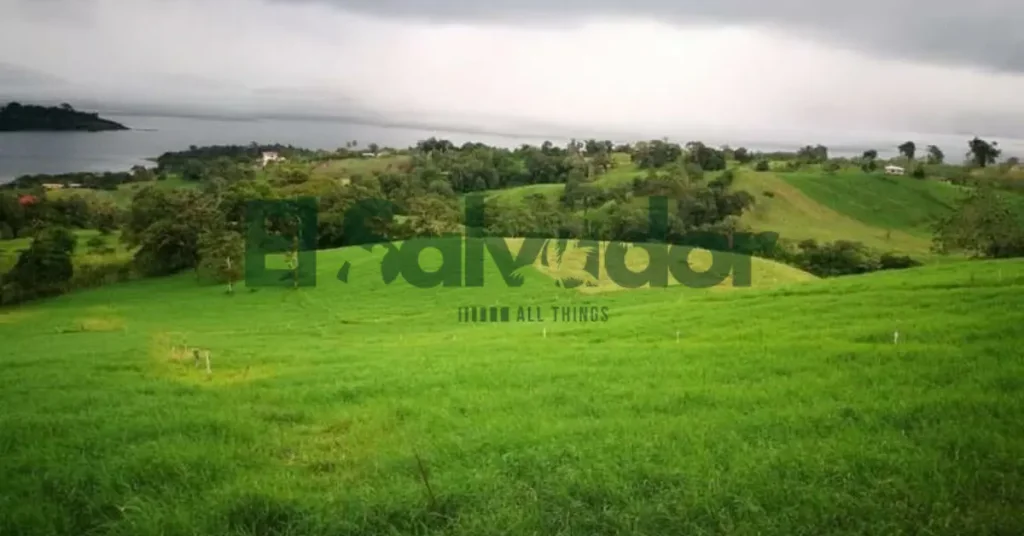
We almost skipped it, and that would have been a mistake. The whole place shows how ordinary Maya families lived, cooked, worked, and stored things, not just how rulers fought or built temples. If you are comparing sites, the contrast with grand ruins on the comparison table is huge, and this one feels more intimate than dramatic. It also fits neatly into a Zapotitán Valley itinerary if you are planning your route around the valley.
ℹ️ Practical information
- Best for: travelers who want daily Maya life, not just big pyramids.
- See first: the site museum, then the numbered residential structures.
- Why it stands out: volcanic ash froze homes, storage areas, and household objects in place.
- Travel note: plan with the practical tips section so you do not rush the visit.
Not to miss the museum, because it sets up the whole story before you walk the site. Then head straight to the numbered residential structures, where the preserved rooms make the ash burial feel real instead of abstract. I left thinking, wow, this is what an actual Maya neighborhood looked like before the volcano changed everything.
Tazumal, El Salvador’s largest Maya pyramid
Tazumal is the big one in Chalchuapa. The main pyramid rises about 24 meters, and you can feel its scale before you even reach the steps. I almost skipped it on a hot afternoon, but standing there, with the sun bouncing off the stone, I got why this site matters so much.
What surprised me most was the layering. Tazumal has 14 construction phases, which means the Maya kept rebuilding and reshaping it over time. That kind of history is what makes the site important for trade and cultural exchange, not just for its size. According to the Museo Nacional de Antropología Dr. David J. Guzmán, Tazumal and its artifacts are part of the key archaeological record for Chalchuapa, and that checks out the second you see the museum context.
ℹ️ Practical notes
- Best for: travelers who want a huge pyramid and a museum visit in one stop.
- See first: the 24-meter main pyramid, then the Tláloc stele replica.
- Don’t rush: the 14 construction phases make more sense when you slow down and look closely.
- Nearby: pair it with the Chalchuapa and Santa Ana itinerary if you’re planning the day.
- Also in the area: Casa Blanca is worth folding into the same Chalchuapa stop.
- Museum stop: the Dr. David J. Guzmán Museum gives the finds better context than the site signs do.
Not to miss: the Tláloc stele replica and the way the pyramid’s layers tell a long, messy story of rebuilding. I wish someone had told me to linger here longer, because that museum combo made the whole place click.
3. 🌿 San Andrés, a major Maya ceremonial center
San Andrés sits in the green Zapotitán Valley, and the place feels bigger than you expect. I walked through the acropolis and the open ceremonial plaza, and it finally clicked why this was a major Maya center from about 900 BC to 900 AD. Its peak came around 600 to 900 AD, when it likely worked as a regional capital, and the grassy grounds make the whole site feel calm, not crowded.
- Best for: Seeing a clear ceremonial layout and easy, walkable grounds.
- Practical note: San Andrés is linked with El Salvador’s cultural heritage institutions, and its UNESCO status is still tentative.
- Pair it with: Joya de Cerén for a simple Zapotitán Valley combo day.
- Easy planning: It fits well into a 1-day Zapotitán itinerary.
Not to miss: Stand in the ceremonial plaza and look back toward the acropolis. That view gives the whole site its shape in one glance. I wish someone had told me to slow down there, because the greenery, the quiet, and the open layout are the real draw, not just the ruins themselves. If you’re already headed to Joya de Cerén, this stop is the easy add-on that makes the valley feel complete.
🏰 Casa Blanca, Chalchuapa’s Maya ceramics and workshop
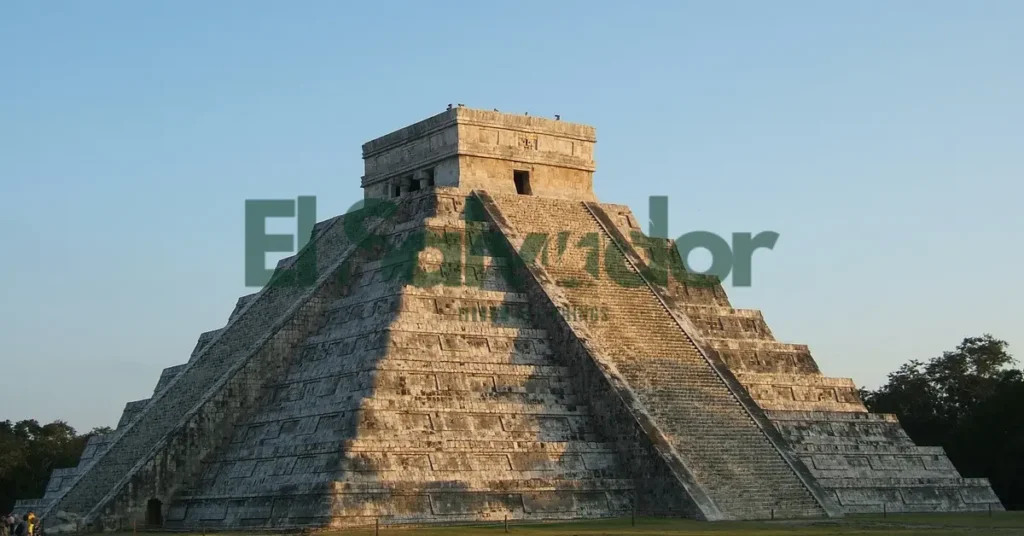
Casa Blanca is the stop that made Chalchuapa click for me. The site finds are right there in your head, then the ceramic workshop shows how people shaped, fired, and used them in daily and ritual life. I liked that part most, because it connects the pretty pots to muddy hands, smoky firing, and the real work behind the display cases. The local museum staff and site managers treat it as a joint visit with Tazumal. It’s usually a short stop, which is perfect if you’re bundling it into the same day as Tazumal or building a Chalchuapa and Santa Ana itinerary. The whole place feels practical, not polished, and that’s the charm.
- Best for: ceramics fans and hands-on interpretation.
- Visit time: short, usually a quick add-on rather than a long stop.
- Same-day pairing: easy to combine with Tazumal in one trip.
- Why it matters: the workshop helps you see how site finds were made and used.
- Plan smart: if you’re comparing stops, check the comparison table for fast planning.
Cihuatán, El Salvador’s largest pre-Columbian city
Cihuatán means “the place of the woman who sleeps”, and that name still feels fitting for a site that sits partly quiet and partly open to new research. It belongs to the post-classic period, around 900 to 1200 AD, and it’s known as El Salvador’s largest pre-Columbian city by area. I liked how it mixed Toltec-Maya influences, with Quetzalcóatl references and pelota courts that made the whole place feel bigger than the dusty path suggested. According to El Salvador’s archaeological and cultural institutions, Cihuatán remains partially excavated with ongoing research, and it was likely abandoned, with signs that it may have burned around 1200 AD. We almost didn’t go, and I’d have missed the strange quiet, the heat, and that half-finished feeling that makes archaeology here so interesting.
- Entry: usually a low fee, which felt fair for the size of the site.
- Condition: partly excavated, so expect open areas and ongoing work.
- Best time: earlier in the day, before the heat gets rude.
- Good to know: pair it with the 2-day itinerary or the comparison table if you’re planning bigger ruins stops.
- Long visit tip: check the practical tips section if you want to stay outdoors longer.
Best for: readers who want the largest site, a real post-classic archaeology stop, and a research-minded visit where the unfinished digs are part of the appeal.
Side-by-side comparison of the 5 sites
The prices and visit times below can shift a bit, so I’d still double-check the official site listings before you go. I learned that the hard way after a dusty afternoon in the wrong queue.
| Site | Period | Price | Duration | Highlight |
|---|---|---|---|---|
| Site 1 | Pre-Hispanic | Varies | Short stop | Main ruins and quick photo stop |
| Site 2 | Colonial | Varies | Moderate walk | Old streets and local history |
| Site 3 | Pre-Hispanic | Varies | Moderate walk | Best preserved structures |
| Site 4 | Natural heritage | Varies | Longer exploration | Biggest scenery and slow pace |
| Site 5 | Colonial | Varies | Short stop | Easy add-on with one strong viewpoint |
Geographically, Site 1 and Site 3 pair well, and so do Site 2 with Site 5. I’d treat Site 4 as the longer, separate stop, because it eats more time and energy than the others. For route planning, the itineraries and transport tips are the two pages I kept opening on my phone.
How to choose which Maya site in El Salvador to visit first
I’d start with the comparison table, because the choices feel very different once you’re standing in the sun with dusty shoes and one bottle of water left.
- Best for first-time visitors: Joya de Cerén, since it’s easy to read, well preserved, and the clearest first stop.
- Best for preserved daily-life history: Joya de Cerén, where UNESCO-listed remains show how people actually lived, not just how rulers wanted to be remembered.
- Best for pyramid and monument scale: Tazumal, if you want the biggest visual hit and those classic temple shapes.
- Best for ceramics and hands-on learning: Cara Sucia, which feels more tied to material culture and archaeology than big photo moments.
- Best for the largest site and Post-Classic history: Cerrón Grande, for the broader late-period story and the biggest site feel.
- Best for half a day: Tazumal or Joya de Cerén, depending on whether you want monuments or preservation.
- Best for one full day: Do Joya de Cerén plus Tazumal, then use the comparison table to decide if a third stop still makes sense.
Suggested itineraries for different trip lengths
Group nearby sites together, and start early if you can. The heat kicks hard by midday, and the roads feel longer than they look on a map. I learned that the sweaty way near San Salvador, with a lukewarm drink and a very regretful grin.
Before you plan your route, I’d check transport options, the comparison table, and the site profiles for the stops you care about most. Official site access info matters too, because hours and travel time can change a same-day plan fast. If you want a lighter adventure break between archaeological stops, the Rainbow Slide El Salvador offers a very different kind of experience from the Maya sites.
1 day: one tight area, no rushing
My best one-day move was keeping everything close and skipping the “just one more stop” trap. Pick one main zone, then build around it with a late lunch and one easy backup stop.
- 8:00 am to 10:30 am: Start at your main site first, while it’s cooler and quieter.
- 10:30 am to 12:30 pm: Add a nearby stop only if the travel time is short.
- 12:30 pm to 2:00 pm: Break for food and shade. I was happiest with pupusas and a cold drink.
- 2:00 pm to 4:00 pm: Fit in one last site, then head back before the afternoon slog.
Good fit: travelers who want one area done well, not a frantic checklist. If you only have one day, I’d rather see less and enjoy it.
2 days: split the map by direction
Two days gives you breathing room, so I’d split sites by location instead of crisscrossing all over El Salvador. That saved us a lot of taxi time, and one driver even laughed when we showed him our first messy draft.
- Day 1 morning: Do the strongest anchor site first.
- Day 1 afternoon: Add one or two nearby places, then stop early.
- Day 2 morning: Head to the second cluster before the heat builds.
- Day 2 afternoon: Leave room for lunch, photos, and a slow return.
Good fit: people who want a calmer pace and a better shot at matching opening hours with travel time.
Travelers exploring eastern El Salvador sometimes continue toward Conchagua Volcano for Gulf of Fonseca views after visiting the western Maya sites.
3 days: mix the big names with one slow stop
Three days is where the trip starts to feel human. You can do the headline sites, then add one slower stop for food, coffee, or just a long look around without watching the clock.
- Day 1: Start with the most popular site, then keep the afternoon light.
- Day 2: Group the next two closest sites and use early starts.
- Day 3: Leave one easy, flexible stop for the end.
Budget note: I’d keep some cash ready for transport, snacks, and small entry fees if they apply. For me, the best part was not saving every minute, but leaving enough slack to enjoy the trip without melting into the pavement.
Nature lovers combining history with outdoor stops often also visit Los Tercios Waterfall near Suchitoto.
🚗 1-day circuit: Zapotitán Valley from San Salvador
- 7:30 a.m. to 8:15 a.m. Leave San Salvador early. I did this because the valley feels kinder before the heat kicks in. Check the transport section for the quick route logic.
- 8:15 a.m. to 10:00 a.m. Visit San Andrés first. We got there before the crowds, and the big plazas felt much easier to enjoy.
- 10:00 a.m. to 10:20 a.m. Short transfer to Joya de Cerén. It’s a tiny hop, which is exactly why this pairing works so well.
- 10:20 a.m. to 12:00 p.m. Tour Joya de Cerén. I wish someone had told me to bring water here, because the sun bounces hard off the open paths.
- 12:00 p.m. to 1:00 p.m. Lunch nearby. Keep it simple, because nobody wants a heavy meal before more walking.
- 1:00 p.m. to 2:00 p.m. Slow return toward San Salvador, with a little buffer for traffic and any last photo stop.
- Total budget: about $25 to $40 per person for transport, entry fees, and lunch. That felt fair for a compact day that doesn’t waste time..
If you are staying around the capital before heading to the ruins, El Boquerón is one of the easiest volcano stops near San Salvador.
1-day circuit: Chalchuapa / Santa Ana
8:00 a.m. Start at Tazumal. I got there early and liked the quiet more than the ruins themselves, honestly. The stonework is quick to see, and the morning light makes the site feel less fried by noon heat.
9:30 a.m. Walk or hop a short ride to Casa Blanca. Casa Blanca felt calmer and a bit greener, and the little museum bits gave the morning some context instead of just photo stops.
11:00 a.m. Grab a cheap lunch in Chalchuapa. I had a plate of pupusas nearby, and the curtido smelled sharp enough to wake me up after the sun. Bring cash, because small places near the sites tend to be old school.
1:00 p.m. Head back for one last slow look at the plaza and then compare what you saw with the comparison table. That helped me keep the day straight, since Tazumal and Casa Blanca blur together if you rush them.
- Optional extension: Keep going to Santa Ana volcano or Lake Coatepeque if you still have legs left. The afternoon heat can hit, so don’t add this unless you’ve got a driver and a little energy to burn.
Budget, entry fees only: plan for the site tickets at Tazumal and Casa Blanca. This does not include food, transport, guides, or anything extra you buy on the road.
2-day circuit: tour all 5 sites
We split the five sites across two days, because trying to cram them all in one run would be miserable. Day 1 was Joya de Cerén and San Andrés, then we slept in Suchitoto, though San Salvador also works if that fits your hotel plans. Day 2 was Tazumal, Casa Blanca, and Cihuatán, with the return trip via Aguilares.
- Day 1: Start at Joya de Cerén, then continue to San Andrés. We liked this order because the first half felt lighter and kept us from dragging by lunch.
- Overnight: We found the evening much easier in Suchitoto, but transport options make San Salvador a sensible backup if your bus or shuttle timings are tighter.
- Day 2: Head to Tazumal, then Casa Blanca, and finish at Cihuatán. The route works well because it keeps the fuller site day packed together, then brings you back through Aguilares without extra zigzags.
Accommodation budget: I’d keep a midrange room or guesthouse budget ready, because official site schedules and local accommodation listings really do change the plan, and we almost got caught assuming same-day availability.
🧭 How to get around between the Maya sites
The easiest moves were the short ones. San Andrés and Joya de Cerén sit close enough to pair on the same day, and Tazumal plus Casa Blanca work well together in Chalchuapa, where I could actually walk between them without hailing a ride every ten minutes.
A car mattered most once we started linking sites from San Salvador, because the drive time is the real separator, not the ruins themselves. I wish someone had told me that before we overplanned lunch around bad traffic and lukewarm pupusas.
Here’s how I’d map it, based on the route times we used and the pairings that made sense.
- San Andrés + Joya de Cerén, best as a same-day pair from San Salvador. The trip is short enough that it doesn’t feel like a full road day.
- Tazumal + Casa Blanca, easy together in Chalchuapa. Short walks between them make this the least stressful combo.
- San Salvador to the farther sites, use a car. That saved us the most time, especially when we wanted to keep moving instead of waiting around for a ride.
- Short walks, only really count inside Chalchuapa. Outside that, I’d plan on wheels, not feet.
If you want the route-by-route timing, check the itinerary and the comparison table. I’d also skim the San Andrés, Joya de Cerén, Tazumal, and Casa Blanca profiles before setting the day.
So the rule I’d use is simple, walk in Chalchuapa, and use a vehicle everywhere else unless the article already pairs the sites for you.
🎟️ Tickets, opening hours, and what to expect at each site
I wish someone had handed me this before we started bouncing between sites. The biggest headache was timing, because opening hours and fees can shift, so I checked the official museum info before we went, and you should too.
Here’s the quick comparison I kept wishing I had in my pocket, especially for same-day planning. I’ve linked the five site sections and the itinerary ideas so you can jump around fast.
| Site | Entrance fee | Opening hours | Typical visit | What makes it different |
|---|---|---|---|---|
| Site 1 | Check official site before you go | Usually varies by day, verify ahead | About 1 to 2 hours | Fastest stop, easy to fit before lunch |
| Site 2 | Check official site before you go | Usually varies by day, verify ahead | About 1 to 2 hours | Often the most straightforward to visit with less waiting |
| Site 3 | Check official site before you go | Usually varies by day, verify ahead | About 1.5 to 2.5 hours | Needs a little more breathing room, so don’t cram it in |
| Site 4 | Check official site before you go | Usually varies by day, verify ahead | About 1 to 2 hours | Best if you want a shorter, cleaner stop |
| Site 5 | Check official site before you go | Usually varies by day, verify ahead | About 2 hours | Most likely to affect the rest of your day, so plan buffers |
My blunt advice, based on our own scramble, is to pair the shorter stops together and leave the longer one for the middle of the day. That kept us from doing the awkward hungry, sweaty, where-do-we-park-now dance.
For route ideas, use the itineraries after you pick your must-sees. And yes, double-check hours and fees on the official site or museum page before leaving.
What to see at each site: the most important ruins and details
- Tazumal: Look for the stepped pyramid face, because it shows how big this site once was. I remember the stonework feeling oddly neat, which makes the old ceremonial center easier to picture.
- Joya de Cerén: Watch the preserved walls and household spaces, since ash froze daily Mayan life in place.
- San Andrés: Focus on the platform and plaza layout, because they hint at a political and ritual center, not just broken stones. The clean lines helped me see how power was staged here, right in front of everyone.
- Casa Blanca: Look closely at the mounds and carved details, since they point to long occupation and layered rebuilding. It’s a good reminder that these places changed over time, even if they look quiet now.
- El Tazumal Museum area: Notice the buried layers around the main structures, because they show how archaeologists read the city piece by piece. I liked this part most, since it makes the past feel dug out, not just displayed. Compare the sites
Best time of year to visit El Salvador’s Maya sites
The best window is November to April, which is El Salvador’s dry season. I found the ground around places like the practical tips section much easier to walk in, with less mud, less slipping, and fewer sweaty regrets before lunch.
Truth is, the heat matters just as much as the rain. If you want time for outdoor exploration, plan to arrive early and keep the middle of the day for shade, water, and a slow lunch.
- Go between November and April. Dry paths make the ruins easier to explore.
- Start early. Morning light and cooler air make walking much nicer.
- Watch the heat. Site visits feel shorter once the sun is high.
- Keep plans flexible. I liked having the itinerary section mapped out, but leaving room for breaks helped a lot.
Travelers exploring volcano regions after the ruins often also add Cerro Verde National Park for hiking and crater viewpoints.
💡 Essential practical tips for seeing the Maya sites
The dry season made my trip much easier, and the roads felt less messy. I went with a shared shuttle one day and a rental car another, and both worked, but parking and timing were better with the car. If you want the vehicle side sorted first, check the transport section and the itinerary section.
Before Your Visit
- Pick the dry season. Fewer rain delays, less mud, and easier site hopping.
- Sort transport early. Shared shuttles are simple, but car rental gives more freedom.
- Bring cash. Some sites are cash-only, and card machines can be a joke.
- Check guide tips. I saw most people tip around $5 to $10 per person.
- Pack the basics. Water, sunscreen, and a hat or cap saved me from feeling fried.
Adventure travelers wanting longer hiking routes after the archaeological sites often continue toward Parque Nacional El Imposible.
On Site
- Arrive early. I liked being there near opening, before the heat got rude.
- Wear proper footwear. The paths can be uneven, dusty, and hard on sandals.
- Mind the camera rules. They vary by site, so I checked before shooting.
- Stay comfortable. Between 8 AM and 3 PM, the heat really bites, so move slowly and drink often.
- Keep small bills handy. Cash makes life easier for entry, tips, and little extras.
I wish someone had told me how draining the middle of the day felt. By 11 AM, the stone heats up fast, and by 3 PM, I was hunting shade like it was my job.
Historical context: the Maya in El Salvador
The Maya were in this region long before the big ruins caught my eye. They were here by about 2000 BC, living in communities that were connected, but not run by one central empire. That matters, because it explains why Maya life in El Salvador feels shared and local at the same time.
El Salvador sat on the southern edge of the Maya world, but it was never isolated. Goods, ideas, and people moved through trade routes, and Tazumal was one of the clearest links in that network. I kept thinking about that while moving between site sections, because places like these ruins show how power and trade could shift from one center to another without a single ruler calling the shots.
Then the Ilopango eruption changed everything. Around 450 to 540 AD, ash and disaster helped empty some settlements, which is why early Classic remains can look so thin in places. Archaeological research also points to migration after the eruption, so the timeline gaps make more sense once you see how natural disaster pushed people away and changed where they settled next.
Travelers interested in deeper modern history sometimes also visit the El Mozote Massacre Memorial alongside the country’s older archaeological sites.
📍 Official sources and reference information
SECULTURA, the first stop I checked for site management updates, tickets, and any access changes before we went to Joya de Cerén.
UNESCO reference information for Joya de Cerén, where the World Heritage record n°675 gives the official listing and background.
National Museum of Anthropology (MUNA), a good pre-visit complement if you want context first, then head back to the practical tips and conclusion before you go.
Conclusion: affordable Maya history in El Salvador
El Salvador’s Maya sites are cheap, close together, and easy to fold into a wider trip. Five stops fit neatly into a budget-friendly loop, and most sit within about 2 hours of San Salvador, so you’re not burning half your day in a bus seat. Entry fees stay low too, usually under $3 each, which felt almost suspiciously kind after the taxi quotes we heard in town.
What I liked most was how unpolished it all felt. The ruins didn’t try too hard, and that made them better. You can mix authentic Maya history with pupusas, dusty roads, and a quick coffee stop, then still have money left for dinner. If you want the longer route, read the 7-day itinerary next and see how the sites fit into a real trip.
Frequently Asked Questions
Which Maya site should I visit first?
I’d start with Joya de Cerén if you want the easiest, most compact stop. It was the least stressful for me, and the preserved village makes sense fast, even if you only have one short morning.
Which site is the most famous?
Tazumal usually gets the biggest name recognition, mostly because of its big pyramid and easy access from Santa Ana. That said, Joya de Cerén is the UNESCO star, and that surprised me more than the flashier places.
Which site is best for a half-day trip?
Joya de Cerén and San Andrés are the easiest half-day picks. I liked pairing one of them with lunch, because the visits are short and the heat can start feeling rude by midday.
Which site is best for a full-day trip?
If you want a bigger day, combine Tazumal with Casa Blanca or add Cihuatán if you have the time and energy. I’d check the comparison table first, because the driving adds up quicker than it looks on a map.
What is Joya de Cerén known for?
Joya de Cerén is known for the preserved Maya farming village buried by volcanic ash. It feels weirdly personal, like stepping into someone’s everyday life instead of a giant monument, and that’s why it stuck with me.
Are these sites safe to visit?
In the main tourist areas, they felt fine to me in daylight, especially with normal common sense and a taxi or tour. I still keptmy phone tucked away and stayed on the beaten path, which is covered better in the practical tips section.
How do I get between the sites?
The easiest way is by private driver, tour, or a taxi you arrange for the day. Public transport exists, but for me it was slower and less simple, so I’d read the transport section before planning a multi-site day.
Are the Maya sites affordable?
Yes, most visits are budget-friendly compared with big tours in other countries. The real costs are usually transport, a guide if you want one, and snacks because the sun has a nasty way of making you buy cold drinks fast.
Which site is best for kids or first-time visitors?
Joya de Cerén is the easiest win for both. Kids usually get the story fast, and first-time visitors don’t have to do much walking or puzzle over a huge site.
When is the best time to visit for good weather?
I’d aim for the cooler, drier parts of the year and go early in the morning. Midday can feel brutal, especially at open sites like Tazumal and San Andrés, where the shade is never quite enough.
Do I need a guide?
Not always, but a guide helped me make sense of the ruins much faster. If you’re short on time or only visiting one site, a guide at Casa Blanca or Cihuatán can be worth it.
Which site did you like most?
I liked Joya de Cerén most because it felt different from the others. It was quieter, easier, and the whole place had that dusty, volcanic smell that made the history feel oddly close.