
Cerro Verde National Park: The Complete Guide to Visiting El Salvador’s Natural Treasure
Cerro Verde National Park sits in Santa Ana, about 77 km from San Salvador, and it feels like a cool pause above the heat of the city. At around 2,030 m, this small 37 hectare park has been drawing hikers, birdwatching fans, and easygoing day-trippers since it was inaugurated in 1955.
Here, the air gets crisp fast. You can stand in a cloud forest with the Santa Ana Volcano and Izalco Volcano rising nearby, and that volcanic setting is the whole point of the visit.
If you want a hiking day, a scenic stop, or one part of a wider western El Salvador trip, Cerro Verde usually fits. The weather can change up there quickly, though, so it helps to confirm fees and schedules before you go with ISTU or MARN El Salvador.
This guide covers the practical stuff first, then the fun parts, like hikes, weather, transport, hotels, and nearby attractions. So if you’re planning a relaxed day trip or a fuller volcano complex visit, you’ll know what to expect before you head up the mountain.
Key Takeaways
- Best visit window: Go in the dry season for clearer volcano and cloud forest views.
- Fees are simple: The official hours and entrance prices are easy to check before you go.
- Hike vs trail: Guided summit hikes need an early arrival, while shorter trail visits are easier to fit in.
- What to bring: Pack layers, cash, and sturdy shoes, because it can feel cool and muddy.
- Transport choice: A car gave the most freedom for us, especially for side trips.
- Nearby add-ons: Lake Coatepeque and Ruta de Las Flores make easy extra stops.
What Cerro Verde National Park Is and Where It’s Located
Cerro Verde National Park sits in Santa Ana, about 77 km from San Salvador, and it was inaugurated in 1955. It’s managed by ISTU, and the park is a key part of the Los Volcanes Complex, where the landscape shifts fast from cool cloud forest to open volcanic views. The park covers 37 hectares and sits around 2,030 m above sea level, so the air feels crisp and the trails often come with mist, birdsong, and that damp green smell you only get in high forests.
What makes Cerro Verde National Park so important is the way it opens the door to the Santa Ana Volcano and the Izalco Volcano. I remember a taxi driver in Santa Ana saying people come up for the views, then stay for the quiet, and he wasn’t wrong. If you’re a hiker, birdwatcher, family, or day-tripper, this is the kind of place that makes a short visit feel bigger than it looks on the map.
🎟️ 2. Entrance Fee and Opening Hours
Cerro Verde National Park keeps a simple schedule, but timing matters because spots can be limited, especially for the Santa Ana Volcano hike and Izalco Volcano hike. I remember a park staffer telling me, very matter-of-factly, to arrive early, because once departures fill up, you wait.
| Item | Official price |
|---|---|
| Salvadoran nationals | $1.50 |
| Foreigners | $3.00 |
| Children under 6 | Free |
| Parking | $1.00 |
Fees and summit departures can change with weather or park management, so confirm before you leave. For the latest notice, check the ISTU official site or MARN El Salvador.
- Opening hours: Monday to Sunday, 8:00 a.m. to 8:00 p.m.
- Santa Ana Volcano hike: 8:30 a.m. departure.
- Izalco Volcano hike: 10:30 a.m. departure.
- Parking: $1.00, and it helps to arrive before the first hike leaves.
Hiking Trails & Volcano Tour Options
The easiest hiking trails in Cerro Verde are the cloud forest trails inside the park, and they feel very different from the summit climbs. We almost skipped them, but the cool air, mossy trees, and bird calls made them one of the calmest parts of the day.
These interpretive cloud forest trails are best for casual visitors and families. The area is known for more than 125 tree species and 127 bird species, so even a short walk can feel busy with life. For a slower day, I liked hearing other travelers stop every few steps just to point at orchids or a flash of color in the branches.
Park trails vs. summit hikes
| Option | Effort | Time | Guide need | Best for |
|---|---|---|---|---|
| Park trails | Easy | Short walks | Usually no guide needed | Casual visitors, families, bird lovers |
| Santa Ana Volcano | Harder | About 4 hours round trip | Guided hike | Active travelers who want a big reward |
| Izalco Volcano | Hardest | Longer, more demanding | Guided hike | Fit hikers chasing the full volcano experience |
Santa Ana Volcano rises to 2,381 m, and the payoff is huge after the climb. The crater views are the kind you remember later, especially when the wind picks up and the rim feels quiet and sharp.
Izalco Volcano sits at 1,980 m, and the guided hike starts at 10:30 a.m. It suits more active travelers, and the effort feels real from the first steep steps. A sunrise tour is another option people ask about, especially if they want cooler air and softer light.
If you want the practical side, I found the park trails easiest to pair with a relaxed visit, while the summit hikes need more planning and stamina. For more trip planning, see Key tips for hiking Ilamatepec Volcano and tours in El Salvador, or check the ISTU official site and El Salvador tourism information.
3.1 🌿 Trails Inside Cerro Verde
The easiest walks at Cerro Verde are the ones that let you slow down and notice the place. These interpretive trails move through cool cloud forest, where the air feels damp, the trees grow thick, and orchids often pop out along the path. If you want scenery without a summit climb, this is the best part of the park.
- Short walks with a purpose: The interpretive trails are made for easy exploring, not hard hiking. I liked how the paths gave us time to look at the trees and listen to the birds.
- Cloud forest atmosphere: The air stays misty and fresh, and the shade makes the walk feel calm even on a busy day. It’s the kind of place where you keep stopping just to stare up at the canopy.
- Scenic trail moments: Along the way, you’ll find viewpoints and quiet spots that open up the landscape around Cerro Verde.
- Points of interest: Keep an eye out for orchids, mossy trees, and the big views that appear between the forest sections. A hotel staff member once told me to bring time, not energy, and that was exactly right.
3.2 Hikes to Nearby Volcanoes
Santa Ana Volcano and Izalco Volcano are the two big mountain hikes people compare near Coatepeque. Both need an early start and a guided hike, and both can change fast with mountain weather, so I was glad the hotel clerk had warned us before we left.
- Santa Ana Volcano, also called Ilamatepec: This is the easier pick for most fit travelers. It sits at 2,381 m, and the usual round trip takes about 4 hours. The reward is the crater view, plus that strange turquoise lagoon that looks even brighter when the sun hits it.
- Izalco Volcano: This climb feels rougher and more exposed. The route is known for loose scree and long, tiring sections, so it suits travelers who do not mind steady effort. Tours usually start at 10:30 a.m., and the views are more about the stark cone, black rock, and wide slopes than a bright crater lake.
Here’s the thing, both hikes are best for fit travelers who don’t mind an early wake-up and shifting conditions.
3.3 Sunrise Tour
An early morning sunrise tour gives the whole landscape a softer face. From Cerro Verde, the first golden light often spills over the volcano views and down toward Lake Coatepeque, and the air can feel calm and cool before the day fully wakes up.
- Best light: The early departure changes everything. Shadows are long, colors are gentle, and the volcanoes stand out clearly for a short, beautiful window.
- Best conditions: Clear dry-season mornings usually give the cleanest views.
- Best for: This sunrise tour suits early risers and photographers who want a quieter start and a brighter view over the lake and peaks.
🌦️ 4. Best Time to Visit Cerro Verde by Season
The best time to visit Cerro Verde is usually the dry season, from November to April. The mountain can look clear at breakfast and then vanish into fog an hour later.
| Season | What to expect | Best for |
|---|---|---|
| Dry season November to April | Better volcano visibility, firmer trail conditions, and more reliable sunrise tours. Mornings can still feel cold, around 6 to 8°C. | Hiking, photography, and first-light views |
| Rainy season May to October | Lush cloud forest weather, softer light, and more mist. Trails can get slick, and cloud cover often hides the craters. | Cooler air, greener scenery, quieter visits |
If you want the clearest sunrise shots, I’d lean toward the dry months. That said, fog can still block the view on some days, even then. For hiking, the dry season usually feels easier underfoot, while the rainy season is better if you want that damp, mossy, cloud forest atmosphere.
Flora, Fauna & Climate in the Cloud Forest
At about 2,030 m, Cerro Verde sits in a misty cloud forest where the air stays cool and damp. Early mornings can drop to 6 to 8°C, while daytime usually reaches 16 to 24°C. The rainy season runs from May to October, and the drier season from November to April.
Here’s the thing, that weather changes the whole hike. Trails feel cooler and more comfortable than lowland walks, but visibility can shift fast when the mist rolls in.
The flora is what you notice first. The cloud forest is packed with orchids, bromeliads, moss, and thick green growth on every branch. Even without summit hiking, the atmosphere is one of Cerro Verde’s main appeals, with wet leaves, soft light, and that fresh earth smell after rain.
- Orchids and bromeliads grow high in the canopy and along shaded paths.
- Cool mist keeps the vegetation lush and layered.
- The forest looks and feels different almost by the hour, especially after rain.
The fauna is just as memorable. Birdwatching is a big draw here, with over 127 bird species recorded. You may spot hummingbirds flashing through the flowers, and the guardabarranco, El Salvador’s national bird, is a favorite sighting for many visitors.
Mammals are harder to see, but they do show up now and then. That mix of hidden wildlife and constant bird calls is part of what makes the cloud forest feel alive.
5.1 ☁️ Climate and Cloud Forest
Cerro Verde sits at about 2,030 m, and that high altitude keeps the air cool, damp, and often wrapped in mist. Mornings here feel cold first, then bright and fresh, with the best visibility usually coming before the clouds build back in.
- Cloud forest conditions form because cool air and rising moisture meet on the slopes.
- Early mornings can drop to 6 to 8°C, so the air feels sharp and quiet.
- By daytime, temperatures usually warm to 16 to 24°C, which feels mild under the trees.
- The mist and steady cool climate help make Cerro Verde a classic cloud forest environment.
5.2 🌸 Flora
Cerro Verde’s flora feels lush and cool in a way that’s rare in El Salvador’s drier volcanic landscapes. The air stays moist enough for orchids, bromeliads, and ferns to thrive, along with big forest trees that create deep shade and a true cloud forest feel.
- Wild orchids add color in hidden spots along the forest edges and branches.
- Bromeliads grow on trees and catch water in their leaf cups.
- Ferns fill the understory and give the trails a soft, green look.
- Large forest trees form the canopy and keep the park cool and damp.
The mix of cloud forest plants, shade, and damp air makes Cerro Verde feel calm and almost misty, even before you stop to look closely at the leaves.
🦜 Fauna and Birdlife
Over 127 bird species have been recorded here, and that’s the big reason people come for birdwatching. I remember hearing the sharp tap of woodpeckers first, then spotting hummingbirds flashing through the trees like little green sparks.
- Birds: Trogons, guardabarranco, hummingbirds, and woodpeckers are among the names birders hope for.
- Wildlife viewing: The park has a real pull for anyone hoping to catch quick, quiet moments in the forest canopy.
- Mammals: White-tailed deer, coyotes, and foxes may turn up, usually in the calmer hours.
Rare species are best treated as a possibility, not a promise, so I kept my camera ready and my expectations low. A taxi driver once told me the early light was the best time here, and he was right, the trails felt quieter, cooler, and far more alive.
If you’re planning a bird tourism guide stop, checking bird tourism guide notes before you go helps. For sightings people report and track over time, eBird is a handy place to compare what’s been recorded nearby.
Safety Tips, Altitude Considerations & Park Rules
Cerro Verde National Park sits around 2,030 m, and Santa Ana Volcano climbs to 2,381 m, so altitude is part of the day from the start. Air can feel thin here quickly, especially on colder mornings when the path is damp and the wind cuts through a light shirt.
- Start early. Weather changes can move in fast, and mornings usually give you the clearest trail conditions.
- Bring layers. The park can feel chilly at Cerro Verde, then much colder higher up near Santa Ana.
- Watch your pace. Altitude can make you feel tired sooner, even on a route that looks short.
- Stay on marked trails. Trail safety matters here, since fog, loose ground, and sudden wind can make edges harder to see.
- Follow park rules. Keep noise low, pack out trash, and listen to staff or your guided hike leader.
Summit hikes are not the same as casual park walks. A gentle stroll in Cerro Verde feels easy, but the climb toward the volcano asks more from your lungs and legs. Kids, older travelers, first-time hikers, and anyone sensitive to altitude or cold should be extra careful and take more breaks.
Honestly, the ranger and a hotel driver both told me the same thing, and they were right, go slow and don’t fight the weather. If you want a simple checklist before you leave, check the packing list.
📝 7. What to Pack: Complete Packing List
- Wear layers. Mornings at Cerro Verde can feel cold, even if the day looks warm later.
- Pack a rain jacket. Wet paths happen fast, and a light rain jacket saved us from that misty, chilly drizzle.
- Bring hiking shoes with good grip. Non-slip shoes help a lot on muddy or slick trails.
- Use sunscreen. The sun can feel strong once the clouds move off.
- Carry 1.5 to 2 liters of water. Hydration matters, especially on a longer walk.
- Bring cash. Entrance and parking are easier with cash.
- Pack a camera or phone. The views shift from foggy and soft to bright green in minutes.
- Keep a small extra layer handy. A thin hoodie or fleece can make the windy spots feel much better.
One local shop owner near the park laughed when I asked about the weather, then pointed at the clouds and said it could change twice before lunch. That felt true the whole day.
8. Hotels and Places to Stay Near the Park
| Location | Price Range | Best For |
|---|---|---|
| Casa 1800 Cerro Verde | $150+ | Luxury stays, view-seekers, and couples who want the easiest access to early hikes |
| Hotel Finca Campo Bello | $60 to $120 | Mid-range comfort with a quieter, more rustic feel |
| Equinoccio Hotel | $50 to $90 | Simple, budget-friendly overnight stays for short visits |
| Los Volcanes Bistro Café cabins | $40 to $75 | Cozy cabins for travelers who want to stay close and keep things casual |
| Apaneca | Varies | About 15 minutes away, good for more dining and lodging choices |
| Santa Ana | Varies | About 30 minutes away, better if you want more hotel options and city services |
If you want the easiest morning, stay close. The best hotels near Cerro Verde depend on your trip style, but Casa 1800 Cerro Verde is the splurge pick, while Los Volcanes Bistro Café, Hotel Finca Campo Bello, and Equinoccio Hotel cover the more practical price points.
For families, nearby lodging is a big help. It cuts down on early-start stress, gives kids more time to rest, and makes dinner or breakfast feel easier after a long day. If you’re planning a family trip guide, staying in Apaneca or close to the park usually keeps things simple, while Santa Ana works well if you want more town options. For the luxury pick, the Hotel Casa 1800 official site is worth a look.
🚗 9. How to Get to Cerro Verde National Park
Cerro Verde sits about 77 km from San Salvador, and the drive usually takes around 1h40m on the CA-1. I remember a taxi driver pointing out the hills and saying, “Just watch the weather up there,” because the last stretch can turn foggy fast.
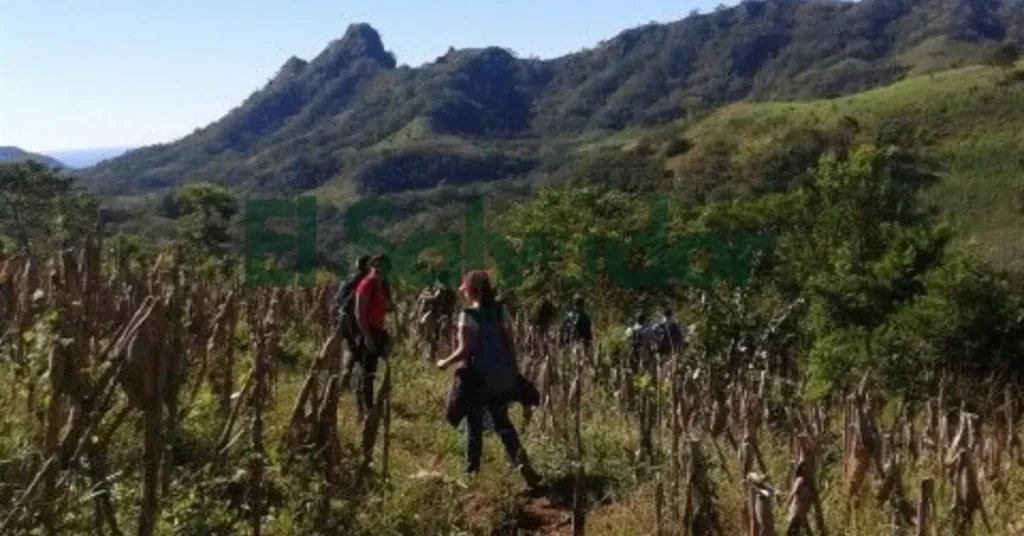
Driving
The easiest road trip route is CA-1 toward Santa Ana, then up to the park entrance. The final section gets winding, with hairpin bends and cooler air that can feel damp and slippery.
Public transportation
If you’re using public transportation, take bus route 201 to the Santa Ana terminal, then switch to route 248 for the park. It’s the budget-friendly way to get to Cerro Verde, but it takes more time and planning. Ask around at your hotel or a local shop, because people usually know the latest bus times better than any map app.
Rental-car advantage
A rental car helps if you want an early start, want to stop for coffee in Santa Ana, or plan side trips like Lake Coatepeque or Ruta de Las Flores. It also makes the park easier if you’re carrying jackets, snacks, or camera gear. For car ideas, see our rental car options.
| Option | Best for | Tradeoff |
|---|---|---|
| Drive | Flexibility and early starts | Fog and winding final roads |
| Bus | Lower cost and easy planning | Slower and less flexible |
| Car rental | Park plus side trips | Parking and driving stress |
One last thing, POLITUR and local tourism offices can help if road conditions change, especially in foggy weather. I checked POLITUR and El Salvador tourism information before heading out, and that saved me a small headache.
Main Routes and Road Conditions
The drive to Cerro Verde is about 77 km from San Salvador, and it usually takes around 1h40m. Most people I met took CA-1 toward Santa Ana first, then turned onto the mountain road for the final stretch. That last part felt very different, with cooler air, more curves, and a few moments where we all slowed down and leaned into the bends.
- CA-1 to Santa Ana: This is the main highway leg, and the road conditions are generally straightforward.
- Mountain road to the park: Expect tighter turns and hairpin bends as you climb toward Cerro Verde.
- Fog: It can roll in fast up there, so visibility may drop without much warning.
- POLITUR presence: Tourism Police are usually around, which felt reassuring when the road got narrow and the weather changed.
One minute the view was bright and green, and the next we were in fog with the windows slightly wet and the road feeling slower than it looked on the map. A taxi driver at a roadside stop told me to keep the pace calm, and that advice made the whole ride feel easier.
9.2 🚌 Public Transport Options
From San Salvador, the easiest public transportation route is bus route 201 to Santa Ana’s Francisco Lara Pineda Bus Terminal. After that, switch to bus route 248, which goes directly to Cerro Verde.
- Step 1: Take route 201 from San Salvador to Santa Ana.
- Step 2: Get off at Francisco Lara Pineda Bus Terminal.
- Step 3: Transfer to route 248 for the ride to the park.
Bus travel here takes more planning than a car. It’s cheaper, but it’s less flexible, especially if you want an early summit start time or need to adjust plans on the fly.
Ask the driver or a local at the terminal if you feel unsure. People were usually quick to point me in the right direction, and that little bit of help made the day feel much less stressful.
9.3 🚙 Why Arriving With Your Own Vehicle Helps
If you want early arrival without watching the clock, an own vehicle or cheap car rental helps a lot.
- More flexibility: You can leave before the crowds, stop for coffee, and change plans if the weather shifts.
- Better for gear: A car makes it easier to carry snacks, jackets, water, and anything bulky without juggling bags.
- Best for multiple stops: It makes the most sense if you want to pair the park with Lake Coatepeque, the Ruta de Las Flores, or Cerro Verde in one day.
That tradeoff matters. If you only want one simple visit, transport is easier to keep basic. But if you want a full day with several stops, a rental car gives you the freedom to move on your own schedule, and that usually means a calmer, earlier start.
It felt nice to pull over when the air turned cool near the volcano roads. The car smelled like dust and coffee, and the whole day felt less rushed.
🌄 10. Nearby Places You Can Visit the Same Day
The best nearby attractions for a same-day trip from Cerro Verde are close enough to keep the day easy, even if you’re sharing a taxi or riding with a tour group. On my last visit, the air smelled like wet earth in the morning, then coffee and grilled corn by lunch, which made the whole western route feel like one long, good day.
Travelers continuing east after the volcano region sometimes also head toward Conchagua Volcano for Gulf of Fonseca viewpoints.
| Attraction | Travel time | Why it’s worth adding |
|---|---|---|
| Santa Ana Volcano | Very close from Cerro Verde | The classic summit add-on if the weather is clear and you want those crater views. |
| Izalco Volcano | Close by | Good for pairing with Cerro Verde views and quick photo stops on a flexible day. |
| Lake Coatepeque | About 30 minutes away | Best backup plan if the summit is cloudy, with calm water and lakeside food stops. |
| Ruta de Las Flores | About 45 minutes away | A scenic road of small towns, coffee stops, and bright market energy. |
| Joya de Cerén | About 1 hour away | A UNESCO site that adds history and a very different feel to the day. See the UNESCO Joya de Cerén listing or my Joya de Cerén guide. |
Here’s the thing, these nearby attractions fit best when you keep the day simple. If the summit is hidden by clouds, I’d switch to Lake Coatepeque or a cultural stop like Joya de Cerén, then save the volcano views for another day. That worked well for me, and even the taxi driver said the weather flips fast up here.
If you have your own car, you can chain a few stops together. Tour travelers can still do the same-day trip, just pick one lake or town stop after Cerro Verde so you’re not rushing meals or photos. For route ideas, see the Lake Coatepeque guide and the Ruta de Las Flores guide. If you want a lighter adventure stop after hiking, the Rainbow Slide El Salvador offers a very different experience from the volcano trails.
Tours from San Salvador to Cerro Verde
Many tours from San Salvador make Cerro Verde easy for first-time visitors, non-drivers, and anyone who just wants the day planned out. Most organized options include transport, a guided tour, park access, and often a bilingual guide who handles the trail pace and timing. We almost didn’t book one once, but the bus pickup, cool mountain air, and easy entry made the whole day feel calm from the start.
Some tours bundle Cerro Verde with other nearby stops, so you can see more without juggling taxis or timing. Prices on some platforms start around $90 per person, depending on the route and group size.
- Cerro Verde only: Simple round-trip transport, park entry, and a guided visit.
- Small group guided tour: A quieter pace, often with a bilingual guide and more time for photos.
- Cerro Verde plus Lake Coatepeque: Good for a scenic lunch stop and lake views.
- Cerro Verde plus Joya de Cerén: A handy combo if you want nature and archaeology in one day. Travelers interested in deeper Salvadoran history sometimes also include the El Mozote Massacre Memorial alongside archaeology and volcano routes.
- Ruins and volcano day trip: Best for travelers who want one easy plan and fewer moving parts. If you are exploring western El Salvador for several days, Tazumal ruins also fit naturally into the same regional route.
If you’re comparing operators, GetYourGuide, Viator, and Civitatis often show the main options side by side. I’d still skim the pickup details and trail notes, since mountain weather can change fast, which is also where guided hike tips come in handy. Travelers combining nature with archaeology often also pair the volcano region with visits to El Salvador’s Maya ruins.
What to See Inside Cerro Verde Park: Viewpoints, Photo Spots & Short Walks
Cerro Verde is best for quick scenic payoffs, not long effort. We almost didn’t stop long enough here, but the first lookout made that mistake obvious, with clear volcano views and that cool cloud forest air on your face.
- Panoramic viewpoints: Look for wide views toward Santa Ana Volcano, Izalco Volcano, and Lake Coatepeque. On a clear morning, the ridges and crater shapes stand out fast.
- Photo spots near the main viewpoints: These are the easiest places for family photos, trip shots, and big landscape frames. The light is usually best early, before clouds roll in.
- Short walks: Stick to the easy cloud forest trails if you want fresh air without a hard climb. These are a good fit for older visitors and kids who need a slower pace.
- Low-effort scenic breaks: The park’s main draw is how much you can see without hiking far. I liked that you could step out, hear the wind in the trees, and get the view right away.
If you’re traveling with family, this is one of the easiest wins near the volcano area. A hotel staff member in the area told me people often come just for the viewpoints, then stay longer than planned because the weather feels so good up there.
They move fast over Cerro Verde, and that can make Lake Coatepeque and the volcano views look dramatic in minutes, then soft again just as quickly.
13. Suggested Itineraries for Half-Day and Full-Day Visits
Cerro Verde opens at 8:00 a.m., and that early start matters. The park feels calmest right after opening, before the clouds start moving over the crater rim.
- Half-day itinerary, mostly inside the park. Arrive at 8:00 a.m., pay the entrance fee, and start with the main trails while the air is still cool.
- Do the summit hike first, then take a slower walk for views and photos. By late morning, the wind can pick up, and the forest smells damp after breakfast-time mist.
- Stop for lunch near the park area or eat a packed snack, then head back by early afternoon. This works best if you want a practical Cerro Verde itinerary without rushing.
If you do how to get to Cerro Verde National Park by bus, keep it simple and stay mostly on-site. If you have a rental car, you can arrive right at opening and leave before the afternoon traffic builds.
- Full-day itinerary, with a side trip. Start at 8:00 a.m. at Cerro Verde, then spend the morning on the trails and summit hike. If you prefer slower nature stops after hiking, Los Tercios Waterfall near Suchitoto is another easy add-on.
- Have lunch after the hike, then drive out for a second stop. A car makes this easier, especially if you want to add Lake Coatepeque or continue along the Ruta de Las Flores.
- If you’re coming from San Salvador, leave early enough to avoid a rushed start, then return in the late afternoon or evening.
That second version feels fuller, but it only works if you leave room for road time. For more add-on ideas, check the Nearby attractions. Adventure travelers looking for more demanding hiking routes often continue on to Parque Nacional El Imposible after Cerro Verde.
The Best Way to Explore Cerro Verde Without Limits
The best way to explore Cerro Verde is with a rental car, because the park opens early and that first hour matters.
- Leave early. Use the short drive already mentioned in the trip plan, and get to the gate soon after opening. That gives you the calmest trail time and a better shot at summit hikes before crowds build.
- Do the hikes first. Start with the highest views while the air is cool and clear. If weather shifts, you can adjust fast instead of losing the whole morning.
- Head down for lunch. A car makes it easy to stop where the timing feels right, instead of waiting on a ride or a group schedule.
- Add Lake Coatepeque. If the sky stays open, drive on for a slow lakeside stop. The water looked calm and bright when we passed, and it felt like the perfect reset after the trails.
- Keep Ruta de Las Flores as a bonus. If you still have energy, extend the day toward Ruta de Las Flores. If clouds roll in, skip it and head back with no stress.
That kind of itinerary is the real reason a car is the best way to explore Cerro Verde without limitations. If you need a practical option, a cheap car rental keeps the day open, and a 4×4 rental can help if your route or weather gets tricky.
Is Cerro Verde National Park Worth Visiting?
Cerro Verde National Park is worth visiting if you want easy access to big views without a hard trip.
The park sits in western El Salvador and works well with nearby day trips like Lake Coatepeque and the Ruta de Las Flores. That made the drive feel less like a single outing and more like a full travel day, with cool air, green slopes, and plenty of photo stops along the way.
Here’s the thing, the best visits usually start early, when the light is soft and the trails feel quieter. Check the weather, plan your transport based on whether you want flexibility or convenience, and if you’re renting a car, book your car in advance. That small bit of planning makes a big difference here.
Frequently Asked Questions
Do I need a tour guide to visit Cerro Verde National Park?
No, you can visit the park on your own. But for the volcano summit hikes, a guide is usually required, and that makes the day feel a lot smoother.
How much is the entrance fee to Cerro Verde National Park?
Fees can change, so I’d check the ISTU official site before you go. I’d also keep cash handy, since small park purchases are often simpler that way.
What are the opening hours of Cerro Verde National Park?
Hours can vary by season and weather. The safest move is to confirm the latest schedule before leaving, especially if you want early volcano views.
Is parking available at Cerro Verde National Park?
Yes, parking is usually available near the main park area. It’s one less thing to worry about, especially if you arrive early with a day bag and snacks.
Does Cerro Verde National Park accept credit cards?
Card acceptance is not always reliable. I’d carry cash for entrance fees, snacks, and any small extras from nearby vendors.
How high is Cerro Verde National Park?
The park sits at about 2,030 meters above sea level. That cool, misty air is part of what makes it feel so different from the lowlands.
How high is Santa Ana Volcano?
Santa Ana Volcano rises to about 2,381 meters above sea level. The air gets thinner near the top, so the climb can feel harder than it looks.
How difficult is the hike to Santa Ana Volcano?
It’s usually considered moderate. The trail is steady and the final push can feel steep, so good shoes and a slow pace help.
How difficult is the hike to Izalco Volcano?
Izalco is generally harder than Santa Ana and can be very demanding. Most travelers do better with a guide and a solid fitness level.
What should I wear to Cerro Verde National Park?
I’d wear light layers, a jacket, and sturdy walking shoes. It can feel chilly and windy up top, even when the city below is warm.
What should I bring to Cerro Verde National Park?
Bring water, sun protection, cash, and a light rain layer.
How long does it take to visit Cerro Verde National Park?
A simple park visit can take a few hours. If you add a volcano hike, the day usually stretches much longer.
Can you visit Cerro Verde National Park with children?
Yes, many families visit the park. The easier trails and scenic viewpoints work well for kids, but the summit hikes may be too much for younger children.
Is Cerro Verde National Park safe?
It’s generally a popular and well-visited area. I still liked going with a plan, especially for transport, timing, and weather checks.
Where should I stay near Cerro Verde National Park?
Most travelers stay in nearby towns or in western El Salvador for easier access. A local hotel staff member once told me early mornings are much calmer than trying to rush up from far away.
What is the best time to visit Cerro Verde?
The dry season usually gives the best chance of clear views. Mornings often feel freshest, with cooler air and fewer clouds.
What is the best time of day to go for volcano views?
Early morning is usually best. The sky tends to be clearer, and the light is softer for photos.
What is the difference between park trails and volcano summit hikes?
Park trails are easier walks around Cerro Verde’s viewpoints and forest areas. Summit hikes to Santa Ana or Izalco are longer, steeper, and usually more tiring.
Is it better to drive or take public transportation to Cerro Verde?
Driving is usually easier if you want flexibility with time and weather. Public transportation can work, but it takes more planning, so check the El Salvador tourism information before you go.
Should I book a guided volcano hike in advance?
Yes, booking ahead is a smart move, especially in busy periods. Weather and guide schedules can change, so advance planning saves a lot of last-minute stress.
What can I see inside the park without hiking?
You can enjoy cool mountain air, scenic overlooks, and forest walks. On a clear day, the volcano views are the real star, even from easier spots.
Which nearby places can I combine with Cerro Verde in one day?
Santa Ana Volcano is the most obvious pairing, and Izalco is another option for stronger hikers. Some travelers also combine western El Salvador stops with Joya de Cerén for a fuller day.
Is Cerro Verde worth visiting if I only have one day in western El Salvador?
Yes, it’s one of the easiest big nature stops to fit into a short trip. If you only have one day, the views and cool air make it feel well spent.
Is Cerro Verde a good stop for families or older travelers?
Yes, especially if you keep to the easier park areas. The summit hikes are tougher, but the park itself can still be a calm, scenic visit.
Is Cerro Verde better for hiking or photography?
It works well for both, but photography stands out on clear days. I remember other travelers just standing still for a minute, staring at the light and the volcano shape.
Can I do Cerro Verde as a day trip from San Salvador?
Yes, many people do it as a day trip. Starting early makes the long drive feel much less rushed, and you get better chances at clear views.