
Surfing in El Sunzal, El Salvador, the Ultimate Surf Guide
El Sunzal, El Salvador is one of those places that makes surfing feel easy. The water stays warm, the waves show up year-round, and the point break can string together long rides that keep your legs burning in the best way. I still remember the first paddle out, salt in my nose, a taco stand smell drifting up from shore, and a taxi driver telling us, with a grin, that we’d want seconds of pupusas after the session.
We almost didn’t go because the lineup looked busy, but that was the point. El Sunzal rewards surfers who read the tide, respect the reef entry, and pick the right size for the day. If you surf smarter here, the whole place opens up, from easy camp convenience to nearby breaks that fit different levels better.
Key Surfing Takeaways
- Best surf is usually early, when wind stays light and crowds are smaller.
- Watch the tide and reef, I saw plenty of close calls over sharp lava.
- Wear a rash guard or reef-safe top, the sun and board wax get hot fast.
- Give locals space, and wait your turn. The lineup moves smoother that way.
- Pick a board that matches your level, a longboard felt easiest for mellow waves.
- Eat nearby after, because fresh fish, poke, or plate lunch tastes best salty and tired.
- Choose the closest spot to your hotel, and ask a shop or taxi driver which one fits the day.
What El Sunzal feels like
This is a classic right-hand point in the La Libertad area, with long rides when the swell lines up. The wave can be forgiving, but the reef and crowd mean timing matters.
Morning light is often the nicest, with warm air, soft wind, and boards clacking on pickup trucks nearby. By lunch, the smell of grilled fish, garlic, and pupusas starts pulling people off the beach.
Best conditions and level fit
El Sunzal tends to work year-round, which is why it draws so many surfers. The best days are usually about matching the swell to your level, not chasing size for bragging rights.
- Beginners: Go only on smaller, cleaner days and with guidance from a local surf camp.
- Intermediates: This is where El Sunzal really shines, with longer walls and room to practice turns.
- Advanced surfers: Bigger swell brings better shape, but the reef and crowd need sharp attention.
Tide, reef entry, and etiquette
Here’s the thing, tide can change the whole mood here. A little too low, and the reef gets less friendly. A better tide can make the takeoff smoother and the ride feel drawn out in a way that makes you laugh on the way back out.
Enter carefully, watch where locals paddle, and don’t sit too deep inside the main pack. I saw one surfer lose a perfect set wave because he ignored the rotation and another lose respect after dropping in too close. The lineup notices.
Where to stay and how surf camps help
A surf camp is the easiest way to keep the trip simple. You wake up close to the break, board under your arm, coffee in hand, and you’re in the water fast. That convenience matters more than people expect after a long drive or a heavy session.
Many camps can also point you toward the right break for the day, which helps when El Sunzal is crowded or the tide looks off. A good hotel staff member or camp guide will usually know when to stay put and when to head down the road.
Food, downtime, and nearby breaks
After surfing, pupusas are the move. They’re hot, filling, and somehow taste even better with salt still drying on your skin. I still think about the first one we ate barefoot at a small roadside spot, while other travelers compared wave counts over cold drinks.
If El Sunzal looks too full or the conditions don’t suit you, nearby breaks like Playa Las Flores can give experienced surfers more options. That flexibility is part of surfing El Salvador well, because the best day is often the one where you pick the right wave, not just the famous one.
Quick trip notes
Bring wax for warm water, a board that fits the day, and patience for the reef entry. Talk to the locals, check the tide before you paddle, and don’t rush the lineup. El Sunzal is best when you surf it with a little humility and a lot of timing.
Quick El Salvador Facts: Things to Know Before You Go
- Language: Spanish is the official language, and basic greetings go a long way.
- Time zone: UTC-6, which helps when you’re timing flights and surf days.
- Currency: USD, so cash feels simple if you’re used to dollars.
- Capital: San Salvador.
- Population: About 6.3 million.
- Religion: Mostly Christian.
- Electricity: 120V, so bring the right adapter for charging gear.
- Plug types: A and B.
These basics matter fast for surf travelers, because money, charging, and simple communication can make a beach day feel easy or messy. I wish someone had told me how often a driver, hotel staff, or a shop owner would save the day with a quick Spanish phrase and a charged phone.
For arrival logistics, check the Transportation section, and for adapters and cash, peek at the Packing List. For current travel readiness and entry context, it also helps to review official travel guidance before you go.
Surfing in El Salvador: What You Need to Know
Warm waters, long stretches of coastal scenery, and consistent waves make El Salvador’s beaches a surf destination that feels easy to love. I remember pulling up near the break and hearing boards click on truck racks, while the air still felt salty and warm on my skin, even early in the morning.
It works for all levels, too, because there’s a mix of mellow spots and more serious reef breaks. If you want the deeper surf specifics, the surf guide here is the place to check. Best for travelers who want warm water, coaching support, long rides, and reef-aware surfing.

Travelers wanting a broader resort-style coastline sometimes also compare surf towns with Costa del Sol for easier beach access and calmer vacation pacing.
Seasons and surf conditions: When is the best time to surf in El Salvador?
El Salvador has year-round surf, but the feel changes a lot between the dry season and the wet season. The same beach can feel calm and sunny one month, then warm, sticky, and a little wilder the next.
- Dry season, November to April: This is usually the easiest time to surf. You get better weather, less humidity, lower rainfall, and cleaner surf conditions. It also tends to be the friendliest setup if you want smaller crowds and simpler planning. Surfboard Recommendations can help if you want to match your board to softer waves.
- Wet season, May to October: This is when the bigger swells often show up. Rainfall and humidity climb, the air feels heavier, and the ocean can have more power. If you want more push from the waves, this is often the better window, even if the weather is less predictable.
- Best weather: Go in the dry season, when sunny days are more common and the whole coast feels easier to move through.
- Biggest swell: The wet season usually brings more energy, which can mean better surf conditions for stronger surfers.
- Fewer crowds: We found some breaks felt quieter outside the busiest holiday stretches, especially when the weather was hot and the sun was fierce.
What stuck with me most was how local the rhythm felt. A taxi driver in La Libertad pointed out the cloud line before a rain shower, and a hotel staffer laughed at how quickly the ocean can switch moods. If you care about how season changes affect crowd and board choice, What’s the vibe like in the water is worth a look.
Dry season conditions: peak time for surfing
The dry season runs from November to April, and that’s when the coast usually lines up with consistent swells, sunny days, and cleaner waves. The water can feel calmer too, which makes sessions easier to read, especially if you’re still getting used to the takeoff.
- Smaller, clean waves are common, so most levels can find something fun.
- Sunny days make early starts feel less rushed and a lot more relaxed.
- Peak tourist season means more people in the lineup, but also more shared stoke.
One morning, I could hear boards tapping in the van rack and smell coffee drifting from a beach shack, while a local shop owner pointed out the cleanest sets rolling in.
Wet season conditions: Off-season surfing in rain or shine
The wet season runs from May to October, and yes, rain can show up fast. But the waves still break, and some days bring bigger swells that make the whole line up feel alive.
- Fewer crowds means more waves and less waiting around.
- Prices often drop a bit, so rooms and rides can feel easier on the wallet.
- Expect humidity, passing thunderstorms, and weather that can flip in minutes.
So keep your surf sessions flexible, and talk with local staff or drivers about the day’s window. That little check saved me more than once, especially when the sea looked good but the clouds were racing in.
When is the best time to surf in El Salvador for my skill level?
The dry season is usually the mellow one, with smaller swell and more manageable wave size. The wet season brings stronger swell, bigger days, and more crowding at the better spots, so your skill level matters a lot.
| Skill level | Best timing | What it feels like |
|---|---|---|
| Beginner | Smaller dry-season windows | Gentler wave size, easier timing, less power to fight. |
| Intermediate | Most months, especially smaller swell days | Enough push to practice, with better control and fewer surprises. |
| Advanced | Stronger wet-season days | More power, more speed, and more respect needed in the lineup. |
So the simple best-for framework is this: beginners should aim for smaller dry-season windows, intermediates can surf most months with smaller swell, and advanced surfers will usually prefer the stronger wet-season days. If you’re unsure, check How to choose the right surf spot nearby for your level and our Surfboard Recommendations.
Truth is, matching your level to wave size, power, and crowding matters more than the month on the calendar. That’s what kept coming up with local surfers too, and it matched what I saw over coffee, salt air, and a lot of windy morning checkouts.
Tides, reef entry, and local surf etiquette
Tides change the way El Sunzal looks and feels. A lower tide can make the reef break feel sharper and the wave shape more tricky, while a different tide stage can clean it up a bit. NOAA tide resources note that tide stage changes water depth over reef, so I always checked the forecast before paddling out.
- Morning tide: Usually calmer for first-timers if the reef looks covered enough. I liked seeing the water line first, because the reef entry felt less rushed.
- Afternoon tide: Can work better for some surfers if the wave holds shape longer. But I still watched the reef and the set pattern before heading in.
- Reef entry: Walk slowly, shuffle if needed, and keep your board under control. If you’re new, ask a local or boat guy where the safest channel is before you paddle out.
- Lineup etiquette: Wait your turn, respect wave priority, and don’t drop in on someone already riding. A quick nod or “go ahead” goes a long way with local surf etiquette.
The reef can look small from shore, but it changes fast with the water. For more on staying safe around the break, see Surf Safety: What should I be aware of? And if your board feels wrong for the conditions, check Surfboard Recommendations.
What’s the vibe in the water?
The vibe is usually friendly lineup energy, with a mix of local surfers and travelers sharing waves and quick nods between sets. I remember a shop owner in town saying, “Just read the room,” and that stuck with me, because a crowded lineup still feels calm when people respect each other and there’s usually another wave coming through.
- Do read the lineup before taking off, and watch who has priority.
- Do wait your turn and keep wave sharing fair.
- Do paddle wide so you’re not sitting in the way.
- Don’t drop in on someone else’s wave.
- Don’t charge straight back through the peak after your ride.
- Don’t ignore local surfers or act rushed in a crowded lineup.
If you prefer quieter coastal scenery away from surf crowds, Isla Tasajera offers a slower off-grid atmosphere.
How to choose the right surf spot nearby for your level
El Sunzal is usually the easiest surf spot to start with nearby, especially if you’re a beginner or solid intermediate. The wave is long and forgiving most days, but wave conditions can still change fast with swell, tide, and crowding. I remember a taxi driver pointing out the lineup and saying, “depends on the ocean today,” which was annoyingly true.
| Spot | Best for | Wave type | When it fits best |
|---|---|---|---|
| El Sunzal | Beginner to intermediate | Long, mellow, surfable for longer rides | Stay here when the size is manageable and you want easy reading of the wave |
| Nearby breaks | Intermediate to advanced | Usually punchier, faster, or more exact on takeoff | Ask for a transfer when El Sunzal looks too soft, too crowded, or too small |
| More challenging nearby breaks | Advanced | Quicker waves with less room for mistakes | Best when swell and tide line up, and you’re comfortable paddling hard |
Stay at El Sunzal if you want more waves and less stress. Ask for a transfer to one of the nearby breaks if you’ve outgrown soft walls, or if the crowd is making the lineup feel tight. For more context on the area, see Around the area: Which places can I see around El Sunzal? and Surfing in El Salvador: Everything you need to know.
Nature-focused travelers exploring beyond the surf coast often also visit Jiquilisco Bay for mangroves, wildlife, and quieter eco-tourism experiences.
Truth is, the best choice shifts day by day. A surf trip can feel perfect one morning and wrong after lunch, just because swell, tide, and crowding changed. That’s why I’d ask the local surf shop or host before locking in a transfer, especially if you’re not sure whether your skill level matches the day’s wave conditions.
Surfboard recommendations: Which surfboard should I bring to El Salvador?
Rentals are easy to find, so I wouldn’t haul a quiver unless you’re picky about your feel in the water. I remember a hotel staffer saying, half smiling, that most surfers overpack boards and still end up borrowing one for a session that looks better than it feels from the beach.
Your best surfboard recommendations depend on wave preference and skill level. The waves can shift from mellow and friendly to faster and punchier, so board choice matters more than ego here. If you want a quick refresher on the surf patterns, check Seasons and surf conditions.
| Wave / rider match | Best board | Why it fits |
|---|---|---|
| Small, mellow days | Longboard or midlength | More glide, easier paddling, and a calmer feel. |
| Medium, playful surf | Fish or funboard | Fast enough to keep speed, but still forgiving. |
| Bigger, faster waves | Shortboard | Best for experienced surfers who want tighter turns and control. |
If you’re still learning, a longboard, midlength, or funboard usually makes the day easier. If you like a looser board and the surf is soft, a fish can feel great. And if you’re advanced and chasing speed, a shortboard is the move. For a feel check before you pick, see What’s the vibe like in the water.
Bring your own board if you know exactly what you like, but don’t stress if you want to travel light. A good rental can cover most days, and the right board tends to matter more than the brand on the deck.
Local weather: Warm days all year round
This place has a tropical climate, so the air temperature stays warm most of the year-round. According to climate data sources like NOAA, daytime temps usually sit around 25 to 30°C, or 77 to 86°F, and the sea feels warm too, with water temperature around 25 to 29°C, or 77 to 84°F.
- Warm days are the norm, even outside peak season.
- The dry season can feel a little warmer and brighter.
- Light clothes work best, since the heat and sun exposure add up fast.
- For swimwear and coverage, see Regarding wetsuits and swimwear.
- For what to bring, check the Packing list.
One taxi driver laughed when I asked about cooler evenings, because there just weren’t many. By midafternoon, the warm air and warm water made a T-shirt, shorts, and a hat feel like the smartest choice.
Regarding wetsuits and swimwear, what should I wear while surfing in El Salvador?
You usually won’t need a wetsuit in El Salvador. The water stays warm, so most surfers wear simple swimwear, plus a rashguard for sun and board rash. I still remember stepping out of the taxi and hearing the shore break while the hotel staff pointed at my bag like, “No thick suit needed here.”
What matters more is the sun and the reef. A UPF-rated rashguard helps with UV protection and can reduce abrasion if you brush over rock or reef. I wish someone had told me that before I packed a thin top that felt fine until the noon sun hit hard.
- Rashguard: Best for sun protection and comfort in the lineup.
- Leggings or board shorts: Helpful if you want more coverage from sun and reef.
- Surf hat: Useful for long sessions, especially in strong tropical light.
- Reef shoes: Smart near shallow entries and rocky takeoffs.
- Sunscreen: Choose high-SPF, water-resistant sunscreen and reapply often.
- Zinc: A zinc product can give extra face protection where the sun hits first.
NOAA sun safety guidance says tropical sun can feel intense even on cloudy days. The Skin Cancer Foundation also notes that UPF clothing and water-resistant sunscreen help reduce UV exposure..
Surf safety: What should I be aware of?
Good surf safety starts before you wax up. I learned that after a lifeguard at a beach shop pointed at the dark water and said, “Check the sky first, then the waves.”
- Check the weather before you paddle out. Avoid surfing during thunderstorms or if lightning is nearby.
- Watch the water movement. Strong currents and undertow can build fast, especially after swell changes.
- Look at the reef and tide together. A shallow reef can sit close to the surface at low tide, and that’s a real hazard.
- Enter and exit where the water is deeper. Keep your board and fins under control in shallow water so you don’t catch a fin or scrape the reef.
- Wear reef shoes if the spot calls for them. They can help on rocky entries and exits. See the packing list for reef shoes.
- Know the local rules and breaks. A quick read on local surf etiquette can help you stay clear of other surfers and avoid surprise hazards.
One local told me, “The sea looks calm right before it isn’t.” That stuck with me. Check the tides, scan for reefs, and listen to your gut if the lineup feels off.
Stop surfing if:
- You hear thunder or see lightning.
- The currents are pulling you sideways or out too hard.
- The undertow keeps dragging you under or off balance.
- The shallow reef is exposed or hard to read at low tide.
- You can’t get in or out without scraping the bottom.
A final note on surfing in El Salvador: Expect long rides and post-surf pupusas
El Salvador tends to give you long rides, warm water, and a surf trip that sticks with you. The people were welcoming, the lineup had its own rhythm, and I still remember the salty wind, the board wax, and that first bite of hot pupusas after a full session.
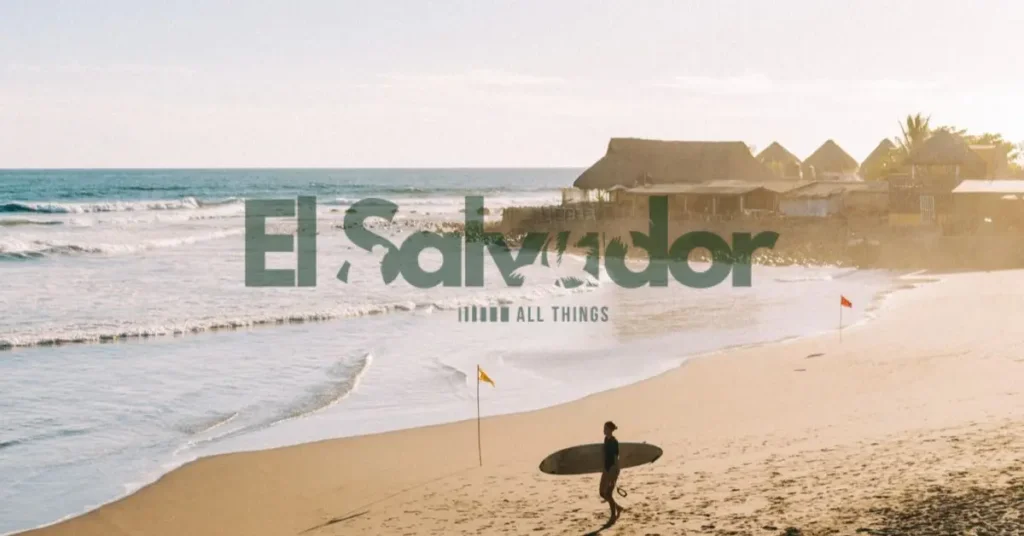
Make time for Delicious local food and a slow wander through Around the area, because the food after surfing can be just as unforgettable as the waves. Enjoy the surf, respect the reef and lineup, and leave room for a cold beer with those pupusas.
Travel safety and practical logistics beyond the airport transfer
- Sort your SIM card or eSIM early. I landed with no signal and a dead battery. Download your eSIM, or know where to buy a local SIM card as soon as you arrive, so maps, messages, and ride apps work right away.
- Carry both cash and cards. Small shops, taxis, and local transport often prefer cash, while hotels and bigger restaurants usually take cards. Keep a little cash in small bills, because that saves awkward pauses at the counter.
- Have a night plan before dark. If you arrive late, ask the hotel staff what transport is safest after dark.
- Keep backup transport options ready. Save the hotel number, a taxi contact, and your route in case your first ride falls through. A paper note with the address can help if your phone dies.
- Pack arrival-day essentials in one easy bag. Keep your passport, phone charger, cash, cards, water, snacks, and a light layer within reach. For more packing help, see Packing list.
- Build a weather backup plan. If rain delays or schedule changes hit, confirm whether your arrival timing affects check-in or transfer timing, then save a flexible plan with the hotel. Check Transportation and Surf Camp logistics for the next steps if plans shift.
Travel logistics feel calmer when the small stuff is sorted before you move. I remember the smell of wet pavement, a tired taxi driver, and a front desk worker scribbling directions on a receipt, because that was the moment I saw how much smoother travel safety feels with a backup plan.
Lapoint Surf Camp: A home right by the ocean
The surf camp sits right on El Sunzal beach, so the ocean is basically your front yard. I remember stepping out early, coffee in hand, and hearing the waves before I even saw them. From the balcony, you can do quick surf checks and see if the sets are lining up without rushing down to the sand.
That setup makes life easy, whether you want quiet downtime or a quick trip to Around the area. El Tunco is close enough for nightlife when you want it, but the camp itself stays calm. Airport transfers take around 50 minutes, and payments are simple too, since cards are accepted, though having some cash helps for smaller buys.
Many long-stay surfers and remote workers also spend time around Bitcoin Beach El Salvador because of the growing surf-and-digital-nomad community.
What to expect from a surf lesson or coaching session
- Start with a beach briefing. A good surf lesson begins on land, where the surf instructor checks the swell, wind, tides, and crowd. That first chat should also cover water safety, where to paddle, and how to spot hazards.
- Learn the plan for the day. The coach usually explains the lesson flow, from paddling basics to standing up and getting out of the impact zone. If you’re new to beginner surf, this is the moment to ask about your board, your stance, and what the waves feel like that day. You can also check surfboard recommendations before you go.
- Move to the water with guided wave selection. The coach watches the sets and picks waves that match your ability, the crowd, and the conditions. That means you’re not chasing every wave, you’re waiting for the right one with help from someone who knows the break.
- Practice, try, and get feedback. During water time, you’ll usually get a mix of paddling help, pop-up practice, and small corrections after each ride.
- Finish with a quick review. After the session, coaches often talk through what worked, what felt hard, and what to try next time. They may also adjust the next surf coaching plan based on your ability, the changing swell, and how busy the lineup was.
Before you step into the water, ask your surf instructor where you should sit, how they’ll signal you, and what to do if you feel tired. A little extra caution helps, especially if you want a calmer start and stronger water safety habits. For more basics, see surf safety.
Truth is, the best sessions feel calm and clear, even if the sea looks messy at first. You hear the shore break, smell salt on your skin, and notice how a good coach makes beginner surf feel less like guesswork and more like a step-by-step ride.
Delicious local food: What to eat in El Salvador?
Pupusas are the heart of Salvadoran food, and they showed up everywhere I went. They’re thick corn tortillas stuffed with cheese, beans, or pork, then cooked until the outside gets a little crisp and the inside turns soft and steamy.
Eat pupusas with your hands, and use the curtido and salsa a little at a time. That’s how they’re usually served, and it keeps the flavors balanced instead of soggy.
Here are a few other traditional bites and drinks that kept popping up at local tables and small diners:
- Yuca con chicharrón, cassava with fried pork and a bright cabbage topping.
- Tamales, wrapped and steamed for a soft, comforting meal.
- Sopa de gallina, a chicken soup that feels especially homey.
- Horchata, a sweet, spiced drink made with seeds and grains.
- Chan, a light drink with a gently earthy taste.
- Limonada con hierbas, tart lime drink with fresh herbs.
- Coconut drinks, often sold cold and simple, especially in warmer areas.
Food here carries local identity in a very real way, which is why shared dishes matter so much in Salvadoran food traditions. For a deeper look at staples and regional cooking, see Traditional Salvadoran Cuisine, and if you’re planning meals nearby, check Around the area.
Traditional Salvadoran Food
- Pupusas, thick corn tortillas usually filled with cheese, beans, or pork, and often eaten with curtido and salsa.
- Tamales, wrapped in banana leaves or corn husks, and commonly served warm for breakfast or special meals.
- Sopa de res, a beef soup with vegetables that usually comes in a big, steaming bowl.
- Sopa de pata, a hearty soup made with beef feet, often eaten slowly with tortillas on the side.
- Sopa de mondongo, a tripe soup that tends to be served hot and filling, especially with fresh bread or tortillas.
- Enchiladas, crisp, savory bites that are usually topped and eaten as a snack or light meal.
- Yuca frita, fried cassava that’s commonly served with curtido, sauces, or fried pork.
Around the area: Which places can I see near El Sunzal?
Two nearby places come up again and again, and they each feel very different. El Tunco is the lively one, with walkable streets, restaurants, bars, and a busier Surf City vibe.
- El Tunco, best for nightlife. I remember hearing music drift out of open doors, with people moving between bars and casual dining spots after sunset.
- El Zonte, best for relaxed beach time. It felt quieter and slower, with more room to breathe and a softer pace near the sand.
If you’re trying to pick between them, match the place to the mood. For a livelier night out and easy walking, El Tunco makes sense. For a calmer stop with a more chilled feel, El Zonte is the better fit.
And if your day also depends on the waves, check How to choose the right surf spot nearby for your level. If you’re hungry afterward, Delicious local food is the other page I’d keep open.
How to choose the right nearby surf spot for your level
Our first morning at the beach: the best nearby surf spot is the one that matches your level, the wave type, and the swell direction that day.
El Sunzal is often the easy anchor point, then you can move nearby based on crowding, tide, and how confident you feel. A taxi driver near the road once told me, “Pick the quiet water first, then the bigger lineups later,” and that stuck.
| Surfer level | Best fit | Wave type | Crowding | Swell note | Stay here or move there |
|---|---|---|---|---|---|
| Beginner | El Sunzal, if the surf is mellow and the tide feels friendly | Longer, softer waves are usually easier to read | Choose a calmer lineup if you’re still learning | Best when the swell direction keeps the waves clean, not messy | Stay here if you want the gentler option. Move only if it looks too busy or too punchy. |
| Intermediate | El Sunzal or another nearby surf spot with a little more space | A wave type with shape and shoulder is easier to practice on | Can handle some crowding, but not a packed takeoff zone | Look for a swell direction that keeps the face organized | Stay here if the sets are clean. Move there if you want fewer people and more room to work on turns. |
| Advanced | Nearby breaks that match stronger conditions | Faster, steeper wave type if the day has more energy | Can deal with heavier crowding, but local etiquette still matters | Choose the swell direction that gives the best shape, not just the biggest size | Move there when El Sunzal looks too soft for your board. Stay here if the tide and swell are lining up well. |
Here’s the simple rule I use after a dusty breakfast and a quick look at the water: if you’re a beginner, stay with the softer option. If you’re intermediate, pick the place with room and shape. If you’re advanced, follow the swell direction and crowding, then go where the lineup makes sense for your board.
Packing list for El Sunzal essentials
The first time I packed for El Sunzal, I almost forgot the boring stuff, and that’s what saved the trip. A solid packing list keeps the surf days easy, the hot afternoons bearable, and the little airport hiccups from turning into a mess.
- Passport and any travel paperwork, plus your travel insurance info. TSA and travel insurance pages both make it clear to check documents before you leave.
- Swimwear and a light layer for wetsuits and swimwear needs if you run cold in the water.
- Rashguard for long sessions and extra sun cover.
- Reef-safe sunscreen, and honestly, broad-spectrum sunscreen matters here too. The light can feel sharp fast.
- Towel and a dry change of clothes for the dusty, salty walk back.
- Water bottle so you’re not buying a new one every hour.
- Cash for snacks, small shop stops, and quick rides.
- Surf booties, especially if you’ll be paddling out over rocky entries.
- Flipflops for the sand, the porch, and the grab-and-go breakfast run.
- Adapter for plug types A and B, which are the ones you’ll most likely see.
- Waterproof camera or camera if you want salty sunrise shots and those messy, real-trip photos.
The camp usually provides some items, so I didn’t overpack. Still, I kept my booties and sunscreen close, because rocky entries and hard sun can sneak up on you fast.
The beach is our home. We are leaving it better than we found it
We almost didn’t notice how much tiny trash adds up until a weekly beach cleaning turned up bottle caps, straws, and one sad flip-flop near the tide line. The sand smelled salty and warm, and the locals we chatted with kept it simple, keep the beach tidy, keep the reef happy.
- Recycle what you can. Rinse cans and bottles before you toss them, so they stay useful longer.
- Choose reef-safe sunscreen. It matters more than people think when you spend long hours in the water.
- Leave no trace. Take wrappers, cups, and snack bits with you, even from the access points.
- Cut waste before it starts. A bottle from the Packing list saved us from buying plastic all day.
Rinse gear responsibly, carry a reusable bottle, and keep your stop at Delicious local food low-waste when you can. That’s how sustainability starts, one beach day at a time.
Closing Thoughts
El Sunzal works because the basics line up, warm water, long rides, and a friendly surf-town vibe. Tide timing and local respect make the whole surf trip smoother, and the best breaks feel even better when you end the day with pupusas and a salty grin.
The simple stuff matters most here, from reading the reef to saying hi to locals. Check the tide, respect the people who live there, and enjoy El Sunzal fully.
Frequently Asked Questions
When is the best time to surf in El Salvador?
The best surf is usually from March to October, when the southwest swell picks up. Mornings often feel cleaner, with lighter wind and that warm salt smell still hanging in the air.
Is El Sunzal good for beginners?
Yes, El Sunzal can work well for beginners on smaller days. I remember a surf shop guy saying, “small Sunzal is friendly, big Sunzal is not,” and that stuck with me.
What tide is best for surfing El Sunzal?
Mid to high tide is usually the sweet spot for El Sunzal. Tide can change the shape a lot, so it’s worth checking before you paddle out.
Can you surf El Sunzal at low tide?
Yes, but low tide can get shallow and less forgiving over the reef. If the waves are small, some surfers still go out, but it feels sharper and more technical.
What surfboard is best for El Sunzal?
A longer board or a funboard works well on smaller, softer days. If the swell is bigger, a board with enough paddle power makes life easier.
Is El Sunzal a reef break?
Yes, El Sunzal is a reef break. That means the takeoff and bottom can feel less forgiving, especially when the tide drops.
How do I get to the surf camp in El Sunzal?
Most people come by airport transfer, taxi, or arranged pickup from their camp. The road is straightforward in many spots, but traffic can feel slow once you leave San Salvador.
Is El Tunco close to El Sunzal?
Yes, El Tunco is very close to El Sunzal. It’s an easy hop for food, nightlife, or a change of scene after a long surf day.
How far is El Sunzal from San Salvador airport?
It’s usually about a one to one and a half hour drive, depending on traffic. The ride can stretch longer if you land near rush hour.
What can I do around El Sunzal besides surfing?
You can eat, rest, swim, and wander nearby beach towns. Around sunset, the whole coast gets quiet and smoky in a good way, with grills going and music drifting from cafes.
Is El Zonte near El Sunzal?
Yes, El Zonte is also nearby. It’s a simple add-on if you want to compare waves or spend a lazy afternoon by the beach.
Can I use cards in El Sunzal?
Sometimes, yes, especially at hotels and larger restaurants. But don’t count on cards everywhere, because small spots may still prefer cash.
Are reef shoes necessary in El Sunzal?
They’re not always required, but they can help on low tide or rough entry points. I saw a few surfers skip them and come back with tiny reef cuts, so they’re worth considering.