
Bitcoin Beach: How a town in El Salvador became a testing ground for bitcoin
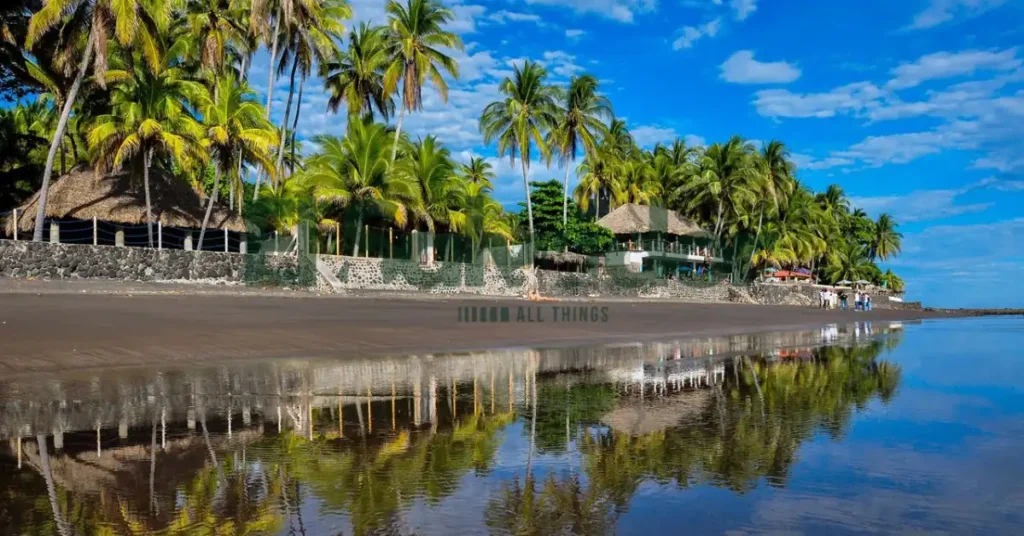
In El Zonte, on El Salvador’s Pacific coast, bitcoin is not just a headline. It’s a daily experiment. A surf town once known for quiet beaches and small shops became the place people now call Bitcoin Beach, and that local project still sits at the center of the story.
Here’s the important part: Bitcoin Beach is a community experiment, not the same thing as national bitcoin policy. That matters, because the town’s story is about trust, habit, and real-life use, while the country’s wider debate has also been shaped by President Bukele and by the risks that come with a volatile asset.
Walk through El Zonte and you can picture the shift. A shop owner scans a QR code. A visitor opens a wallet. A local family thinks about remittances and whether sending money through Strike might feel easier than waiting on Western Union.
The promise is simple. If bitcoin adoption works here, maybe it can help people move money faster and cheaper. The worry is just as simple. If prices swing too hard, or if people do not fully trust the system, the benefits can fade fast. That tension, between innovation and caution, is why El Zonte still matters now.
Key Points
- The local experiment used a simple payment system that people could use fast.
- Payments moved through local channels, so cash changed hands with less delay.
- Many people adopted it because it saved time and fit daily needs.
- Others resisted because trust was thin and old habits were hard to break.
- It also mattered for remittances, since money could reach family more easily.
- The big risk is national policy, because one rule change could slow or stop it.
Bitcoin Beach: What the El Zonte experiment is and why it started
Bitcoin Beach is the nickname for a local community initiative in El Zonte, a small beach town in El Salvador. It is a place where some shops, workers, and families began using bitcoin payments in daily life.
What it is not: Bitcoin Beach is not the same thing as El Salvador’s national bitcoin law. The local project started on the ground, in one town, long before many people outside the area had heard of it. That mix-up happens a lot.
El Zonte had low opportunity, and many residents were unbanked. In the wider country context, about 70% of Salvadorans were unbanked, so access to basic financial tools was limited for many families. That made financial inclusion a real need, not just a buzzword.
The idea grew from local leaders, a donor stipulation, and a simple circular economy idea. Money would flow through the town instead of leaving it right away, so local work could keep paying local people.
People wanted jobs, payment access, and a way to keep value moving inside the community. So Bitcoin Beach became a community initiative built around local needs first, and technology second.
Why Bitcoin Beach became a community answer
In El Zonte, the pressure was simple: there was not enough opportunity, and many young people left to find local jobs elsewhere. Community leaders wanted a way to keep youth in town and bring in income without asking families to depend on leaving home.
That need mattered even more because about 70% of people were unbanked, so financial access was limited in everyday life. Bitcoin Beach resonated because it was tied to real bills, small purchases, and the hope of keeping money moving inside the community, not just to abstract crypto excitement.
How Bitcoin Beach actually works day by day
Local payments were made through the Bitcoin Beach app and QR codes. A customer opens a bitcoin app, scans the merchant’s QR code, and sends a small merchant payment over the Lightning Network, which is built for fast, small-value transfers.
- The customer sets up a wallet first. Here’s the thing, beginners usually need a phone, a little training, and help picking a wallet that fits their comfort level.
- At checkout, the merchant shows a QR code. I remember seeing people do this at small shops, where the whole thing felt quicker than digging for change.
- The customer scans the QR code in the Bitcoin Beach app or another bitcoin app, then confirms the amount before sending.
- The payment moves peer-to-peer through the Lightning Network. That makes it feel more like a quick digital handoff than a slow bank transfer.
- The merchant receives the funds, usually right away, and can choose what to do next. Some keep bitcoin in the wallet as savings, and some spend it later on supplies or daily costs.
The flow is simple, but the first setup can feel awkward. Phone access matters, training matters, and the first few payments tend to go smoother when someone nearby has already done it before.
Custodial wallets are easier for beginners because someone else helps hold the keys. Self-custody gives more control, but it also means the merchant has more responsibility for keeping the wallet safe. That tradeoff matters most when the merchant starts saving in bitcoin instead of spending it right away.
What first-time users need before sending bitcoin
Before the first send, most beginner users need a few basics in place. The big ones are smartphone access, a working wallet setup, and simple onboarding support so the first steps don’t feel shaky.
- Smartphone access. You usually need a phone to open the wallet, read prompts, and confirm actions.
- Wallet setup. The wallet has to be installed and ready before any bitcoin can move.
- Scan and send practice. First-time users often need help using the camera to scan a code, then sending to the right address.
- Training support. Community trainers can walk people through the basics and answer simple questions face to face.
The most common barriers are small, but they matter. People may worry about pressing the wrong button, scanning the wrong code, or not knowing what a wallet screen means. A calm first lesson makes a big difference, especially when the phone feels new and the steps seem fast.
Good onboarding keeps it simple. A short practice with a trainer, then a guided scan and send, usually helps people feel ready to try it on their own.
Why many Salvadorans still distrust bitcoin
Bitcoin peaked near $70,000 and later dropped sharply, and that swing still shapes how many people see it. For shop owners, that kind of bitcoin volatility can feel less like money and more like a speculative asset that changes before the day is over.
That worry is even sharper because bitcoin is not a government-backed currency. People can hold cash in their hand, count it at the register, and feel certain it will still work with a neighbor tomorrow. With bitcoin, trust depends on apps, passwords, and a network that many people still see as unregulated and hard to judge.
Economists often frame the same concern in a different way. They point to policy risk, price swings, and the gap between bitcoin as a currency and bitcoin as an asset. If a money-like tool cannot stay steady, they ask, how can it serve daily life?
Energy concerns also keep the debate alive. According to the U.S. Energy Information Administration, cryptocurrency mining can use large amounts of electricity, which is why critics often link bitcoin to heavy power demand. For Salvadorans already skeptical of digital money, that adds one more reason for trust to stay low.
At a small shop, the same answer kept repeating: people want money they can see, hold, and spend without worrying it will change overnight.
What locals do when bitcoin prices move sharply
- They move fast on cash needs. If a merchant has bills due, they may spend sooner instead of waiting. A sharp price drop can turn yesterday’s sales into less useful savings.
- They keep some money out of bitcoin. Many ordinary shop owners limit merchant exposure by converting part of each payment right away. That way, a price drop does not hit every sale at once.
- They lean on community support. In smaller towns, people often call a neighbor, a trader, or a friend who understands the market. That kind of help matters most when prices swing hard and nerves run high.
- They stay focused on the long term. After a 20% drop from an earlier peak, some locals hold steady because they see bitcoin as savings, not just spending money. They may wait out the volatility risk instead of reacting to every move.
- They keep daily life flexible. If prices jump or fall, they may change how much they convert, how much they hold, and how much they spend. That small habit helps protect regular purchases like food, transport, and rent.
What El Salvador’s bitcoin experiment means for remittances
Salvadorans receive more than $7 billion a year in remittances, so even small fees matter a lot. In many cases, traditional services like Western Union can charge up to about 10%, which cuts into the money families use for rent, food, and school supplies.
| Old way | Bitcoin rails way |
|---|---|
| Money moves through banks or cash agents. It can take time, and fees can pile up. | Platforms like Strike can send money over bitcoin rails, then receive it as U.S. dollars. |
| A sender pays to move cash across borders. The family often waits for pickup or bank posting. | The transfer can be near an instant transfer, which matters when bills are due the same day. |
| The process is familiar, but expensive. | The process can be cheaper, but only if the app stays simple. |
That last part matters. Many families do not want to “receive bitcoin” and then figure out wallets, price swings, or crypto steps. They want money in dollars, fast, with less stress.
So the real test is not just speed. It is whether bitcoin rails can make cross-border payments cheaper and easier than the old remittance system, while still feeling normal to the person cashing out on the other end. For families sending money home each month, that difference can mean a fuller grocery bag and one less fee taking a bite out of the transfer.
Bitcoin Beach vs traditional money transfer services
| Option | Typical fees | Transfer time | Notes |
|---|---|---|---|
| Western Union and similar services | Usually higher | Can be slower | Simple for cash pickup, but costs can add up in dollars. |
| Bitcoin rails, including Strike | Usually lower | Can be instant | Often faster across bitcoin rails, with fewer middle steps. |
That said, the tradeoff is real. Even if the transfer itself is instant, the person receiving it may still need a wallet, a cash-out step, or a little help the first time.
How trust spread among merchants and neighbors
About 45 businesses accept bitcoin now, and that number matters because people trust what they can see working. The first time a neighbor pays for soap, maize, or a bus ride without trouble, the idea stops feeling strange.
Trust usually spreads the same way a rumor does, only faster and with less fear. A merchant sees a real purchase. A neighbor hears about it at the market. Then a local champion shows someone how it works, slowly, with patient repetition.
People are far more likely to try something new when they see practical benefits, like buying cows, a truck, or school support with it. Those are big, real needs, and they make adoption feel useful instead of risky.
- Visible use builds trust. Once merchants see repeat payments, they relax.
- Local champions lower fear. A familiar person makes the system feel easier.
- Practical wins spread fast. Food, transport, and school fees speak for themselves.
And that is how trust grows, one small success at a time. People watch, ask questions, and copy what already works in their own community.
Why early wins mattered more than the hype
Early adopters trusted bitcoin less because of big claims and more because of practical utility. When people could use it for everyday purchases, savings, and wages, the idea started to feel real. That kind of community proof mattered more than hype, because seeing a neighbor get paid or a local shop accept it made the change easier to believe.
A few visible wins, like local reinvestment and routine spending, can do more than loud talk ever does. And that steady proof is usually what turns curiosity into trust.
The political risks behind El Salvador’s bitcoin push
El Salvador’s bitcoin law has always carried more than market risk. Under Bukele, the government took the lead with little legislative debate, and that is why critics see a political risk as well as policy uncertainty.
The state reportedly spent about $400 million in taxpayer money on the bitcoin initiative, which is why IMF concerns keep coming up. If prices swing hard, the loss is not just on paper, it lands on public finances and trust.
Critics say the real issue is governance: when one administration drives a big digital asset bet with limited debate, the public has fewer checks on spending and strategy. That makes the bitcoin push feel less like a simple market gamble and more like a test of how much policy can shift around one leader, one law, and one source of taxpayer money.
Why critics say bitcoin is an asset, not a currency
Critics say bitcoin behaves more like a speculative asset than a real currency because its volatility can turn a simple payment into a moving target. An economist might point out that if the price swings too much, people hesitate to spend it, and that weakens public trust.
The argument is fair, even if it is not the whole story. If something is better known for price swings than steady use, many readers will see why the label “money” feels shaky.
What changes for locals after their first bitcoin payment
After the first transaction, most locals start thinking less about novelty and more about cash flow. In the early experiment towns, that first payment was often small, like a taxi ride, a snack, or a market purchase, and people quickly saw that bitcoin works best when it fits a real bill.
- Spend it fast if you need it for daily costs. Bitcoin prices can move quickly, so waiting can change the value of your payment. For people with tight budgets, that price risk matters more than the headline interest.
- Budget carefully if part of your income is in bitcoin. Treat it like uneven income, not a fixed paycheck. Keep a simple split for rent, food, transport, and any bitcoin savings so your cash flow does not get lumpy.
- Hold only what you can afford to see move. Some locals keep a small bitcoin savings balance for later, but many use it mainly for spending. That usually helps most when merchant adoption is growing and you already have regular fiat money for basics.
- Check wallet security right away. Write down your recovery words, keep them private, and use a strong phone lock.
- Use bitcoin where it fits best. It tends to help most with small payments, saving a little on the side, or sending money without a bank delay. It helps less when you need steady value for bills due tomorrow.
What I noticed in the local shops was simple. People got more relaxed after the first payment, but the ones who stayed happiest were the ones who treated bitcoin as a tool, not a full salary.
When bitcoin works best for everyday use
- Small purchases. Bitcoin can make sense for everyday use when the amount is small and you want to spend it right away. That cuts down on volatility exposure, so you are not holding it long enough to worry as much about price swings.
- Local businesses. It works best with local businesses that already accept it, like a coffee shop or a corner store.
- Immediate spending. If you plan to spend bitcoin soon after you get it, it tends to fit better than saving it for later. The faster you move from payment to purchase, the less the price changes can matter.
Here’s the thing, bitcoin felt most natural to me for small purchases where the smell of fresh coffee or the sound of a busy shop made the payment feel simple and fast. A local business with a clear “bitcoin accepted” sign was the easiest place to use it.
Surfers comparing El Salvador’s coast sometimes also look at Playa Las Flores for a more performance-focused surf experience.
What Bitcoin Beach means for El Salvador now
Bitcoin Beach started as a local experiment in a small coastal town along El Salvador’s beaches. What began with everyday use in shops and between neighbors became a national policy shift, and that bigger stage brought both hope and doubt.
For many people, the real story is still practical. The idea was never just about headlines, it was about adoption, financial inclusion, and making remittances easier to send and receive in a place where fees can bite into already tight budgets. I remember how ordinary it felt, with shop counters, street noise, and cash changing hands beside the bitcoin talk.
Nature-focused travelers exploring beyond the surf coast often also visit Jiquilisco Bay for mangroves and wildlife experiences.
Still, the skepticism never really left. Some see Bitcoin Beach as proof that a small community can test new tools, while others see it as national symbolism that says more about politics than daily life. That tension matters, because the project now sits between community utility and a country-wide image, and both sides shape what people think El Salvador bitcoin really means.
Travelers visiting El Zonte for bitcoin culture often also surf nearby breaks like El Sunzal on the west coast, while those wanting a calmer resort atmosphere sometimes prefer Costa del Sol over busier surf towns. If you prefer quieter coastal destinations away from the surf crowds, Isla Tasajera offers a slower and more remote atmosphere.
Closing Thoughts
Ismael’s future plan is simple and very real, move his family into a new house and pay the mortgage in bitcoin. In El Zonte, that kind of goal feels close to the ground, with hope mixed in with the daily pressure of bills, debate, and uncertainty.
Bitcoin can create room for entrepreneurship, and for some families, that means a better house and a clearer path forward. But it also brings risk, and the story leaves you with both sides still sitting at the table.
Frequently Asked Questions
How does Bitcoin Beach work? Bitcoin Beach works by letting people and shops send and receive bitcoin through a wallet app. A customer scans a QR code, enters the amount, and the payment moves in seconds. In El Zonte, that simple flow helped small buys feel normal.
How did Bitcoin change El Zonte? Bitcoin gave El Zonte a new payment option for locals and visitors. Some merchants got faster payments, and a few people started saving in bitcoin too.
How long will it take to mine 1 BTC? There is no fixed time to mine 1 BTC alone, because mining depends on network difficulty and your equipment. In most cases, miners work in pools and earn small shares over time. The block reward also changes through Bitcoin’s halving schedule.
Do people in El Salvador actually use Bitcoin? Yes, some people in El Salvador do use bitcoin, especially in places where it is accepted. Use is still mixed, though, and many daily purchases are still made in dollars. You’ll see more interest in tourist areas and among people already comfortable with apps.
How much is $1 dollar in Bitcoin? The Bitcoin amount for $1 changes all the time because bitcoin’s price moves. You have to check the live exchange rate in a wallet or exchange app. That tiny amount can look different from one hour to the next.
What happens when all 21 million Bitcoins have been mined? When all 21 million bitcoins have been mined, no new bitcoin will enter circulation. Miners are expected to keep earning fees from transactions instead. That supply cap is one reason Bitcoin is seen as scarce.
What is Bitcoin Beach? Bitcoin Beach is a community project in El Zonte that encouraged bitcoin use in local commerce. It started with everyday payments, not big finance talk. The sound of waves, road dust, and a corner shop with a QR code made it feel very real.
Is Bitcoin Beach the same as El Salvador’s national bitcoin policy? No, Bitcoin Beach is a local project, while El Salvador’s bitcoin policy is a national government decision. Bitcoin Beach helped show what early use could look like in one community. The national policy is much broader and affects the whole country.
How do locals pay with bitcoin in El Zonte? Locals usually pay with a wallet app by scanning a QR code. The merchant enters the price, and the buyer confirms the payment on the phone. It feels quick, even if the shop is just a small counter with a fan humming nearby.
Why do some Salvadorans still not trust bitcoin? Some Salvadorans worry about price swings, scams, and the learning curve. If your bills are in dollars, a shaky asset can feel risky. Trust usually grows slowly, after people see it work more than once.
What are the risks of using bitcoin for savings? The biggest risk is volatility, since the value can drop fast. There’s also wallet security to think about, because lost access can mean lost funds. Many people prefer to keep only a small amount in bitcoin if they need stable savings.
How does bitcoin help remittances? Bitcoin can move across borders faster than many traditional transfer services. That matters because remittances are a big deal for families, and fees can add up. Some apps, like Strike, help send money with fewer steps than older systems.
Why did merchants in El Zonte start accepting bitcoin? Merchants started accepting bitcoin because it gave them another way to get paid. Some liked the lower friction for small sales and the attention from curious visitors. A shop owner once told me it was easier than waiting around for change.
Can beginners use Bitcoin Beach without technical knowledge? Yes, beginners can use it if someone shows them the first few steps. A simple wallet, a QR code, and a basic explanation go a long way. Most people just need help setting it up once.
What happens if bitcoin price drops after a purchase? If the price drops after you buy something, the seller still gets the bitcoin value at the time of payment. The buyer, though, may feel the swing if they were holding bitcoin longer term. That price risk is part of using bitcoin as money.
Is Bitcoin Beach a good solution for every merchant? Not every merchant will want it. Shops with tight margins, low phone access, or low interest in price swings may prefer cash. It works best for people who are already comfortable with apps and digital payments.
What is the Bitcoin Beach app? The Bitcoin Beach app is a wallet app used for sending and receiving bitcoin. It helps users make payments with a phone instead of cash. For new users, it can feel like the bridge between curiosity and an actual purchase.
Do tourists use bitcoin in El Zonte? Yes, some tourists use bitcoin in El Zonte, especially at places that already accept it. It can be handy for small buys like coffee or snacks. Still, many visitors keep dollars on hand too.
What is the difference between bitcoin as money and bitcoin as an asset? As money, bitcoin is used to pay, send, or receive value. As an asset, people hold it hoping the price will rise over time. Those two uses can overlap, but they are not the same.
Why did El Salvador adopt bitcoin? El Salvador adopted bitcoin to give people another payment option and to support financial access. The government also wanted to make cross-border payments easier. Some supporters saw it as a bold move for a dollarized economy.
What are the energy concerns around bitcoin? Bitcoin mining uses electricity, so people worry about power demand and environmental impact. Supporters say the energy mix matters, and critics point to wasted resources if the power comes from dirty sources. It’s a real debate, and it often shapes public opinion.
How can people reduce volatility risk? People often reduce volatility risk by holding only a small amount of bitcoin. Some convert it to dollars quickly after receiving it, which cuts exposure to price swings. Others avoid using bitcoin for money they need soon.
What does a wallet do in Bitcoin Beach? A wallet stores your bitcoin keys and lets you send or receive payments. It also shows your balance, much like a simple digital cash app. Without a wallet, you can’t really use bitcoin in day-to-day buying.
What is the role of QR codes in Bitcoin Beach? QR codes make payment easy because they hold the recipient’s address and amount. You scan, check the number, and confirm. That tiny square saves a lot of typing, which matters when a shop is busy.
Can people convert bitcoin back into dollars? Yes, people can usually convert bitcoin back into dollars through an exchange or a payment app. That matters in places where many bills are still paid in cash dollars. It gives users a way to lower risk after a sale or remittance.
What support do new users need to get started? New users usually need help setting up a wallet, understanding QR codes, and backing up access. A short demo is often enough to get the first payment done. After that, most people learn by trying it once or twice.
How do remittances work with apps like Strike? Apps like Strike can send money by converting fiat into bitcoin and then back into local currency, often behind the scenes. That can make transfers faster and cheaper than older methods. It also helps people who want speed without thinking much about the technical side.
Why do economists criticize bitcoin adoption? Economists often worry about volatility, consumer protection, and policy risk. Some also question whether a crypto system is useful for everyday pricing when people need stable money. The IMF has raised similar concerns in guidance on crypto policy.
What happens after a first bitcoin transaction? After a first bitcoin transaction, many people feel more confident using it again. The process starts to make sense once the wallet and QR code feel familiar. I saw that shift in a small shop where the first payment got a grin from both sides.
Is bitcoin accepted by most businesses in El Salvador? No, bitcoin is not accepted by most businesses in El Salvador. Some larger and tourist-focused places accept it, but many still prefer dollars. Use is real, but it is far from universal.
What happens if all 21 million Bitcoins have been mined? If all 21 million bitcoins have been mined, miners will rely on transaction fees. No new coins will be created after the cap is reached. The network can still keep running as long as users keep transacting.
How much is $1 dollar in Bitcoin? $1 in bitcoin depends on the live market price, so the amount changes constantly. A wallet app or exchange will show the current conversion. It’s a small number, but even that small number moves.
How long does it take to mine one bitcoin? Mining one bitcoin can’t be timed exactly, because it depends on network difficulty and mining power. Most miners join pools and earn fractions instead of one full coin at a time. The pace changes as the network adjusts.
Do people in El Salvador actually use Bitcoin? Yes, some people in El Salvador actually use bitcoin in daily life. The use is uneven, though, and many people still choose dollars for routine spending. You’ll notice bitcoin more where merchants, tourists, and early adopters mix.
How did Bitcoin change El Zonte? Bitcoin changed El Zonte by bringing digital payments into a small beach economy. It gave some shops a new customer base and made the town known far beyond the coast. The shift felt local and global at the same time.
How does Bitcoin Beach work? Bitcoin Beach works through simple peer-to-peer payments using a wallet and QR code. People can send bitcoin directly without a bank in the middle. That direct setup is what made it feel so different in a small surf town.
How long will it take to mine 1 BTC? There’s no fixed clock for mining 1 BTC. Solo mining can take a very long time, while pool mining pays out small parts more often. Hardware, difficulty, and luck all affect the result.
What happens when all 21 million Bitcoins have been mined? When the supply limit is reached, miners will depend on fees instead of new coins. The cap stays in place, which keeps Bitcoin scarce. That rule is part of what Bitcoin.org explains as the system’s fixed supply.
Do people in El Salvador actually use Bitcoin? Yes, but not everyone does, and that’s the honest answer. Some people use it for specific purchases or remittances, while others stick with dollars. Real use exists, but habits change slowly.
How much is $1 dollar in Bitcoin? One dollar in bitcoin is only a tiny slice of a coin, and the exact amount changes by the minute. You’ll need a live price check to know it. That’s normal with a volatile asset.
<