
Jiquilisco Bay El Salvador: Eco Tour and Travel Guide
Jiquilisco Bay is one of Central America’s most important wetlands, sitting along El Salvador’s Pacific coast as both a Ramsar site and a UNESCO recognized biosphere reserve. A full day eco tour takes you through thick mangrove channels by boat or kayak, past a protected spider monkey sanctuary, and back to Puerto Barillas Eco Marina for a slow lunch under the trees. The whole thing is guided by a naturalist who knows where to look and when to stay quiet.
It’s the kind of day that rewards patience more than energy. You trade crowds and checklists for paddle sounds, salt air, and the chance to watch wildlife move on its own schedule. Families, couples, and eco tourists all tend to find a good fit here, and the pace stays relaxed enough that most travelers can enjoy it without feeling worn out by the end.
Key Takeaways
- Full-day eco tour, slow pace, big mix of water and land
- Mangroves and spider monkeys, with plenty of quiet wildlife watching
- Ramsar and UNESCO significance, so the area feels protected for a reason
- Easy-to-moderate activity level, fine for most travelers
- Puerto Barillas stop, with lunch and a needed break
- Seasonal weather planning, since rain and heat can change the day
- Ethical wildlife viewing, keeping distance and noise low
Trip Highlights at a Glance
- Jiquilisco Bay is a RAMSAR wetland and a UNESCO-recognized biosphere reserve, so the setting feels wild and deeply protected.
- You get one of the only spider monkey sanctuary experiences in the area, which makes this more than a quick animal stop.
- A quiet boat ride through pristine mangroves brings salt air, bird calls, and those slow water reflections that stick with you.
- The mangroves matter, because they give wildlife shelter and help protect water quality and shorelines, too.
- With easy access from Puerto Barillas, this works well for families, couples, and eco-tourists who also enjoy exploring El Salvador’s beaches without the rush.
Jiquilisco Bay Tour Overview and Description
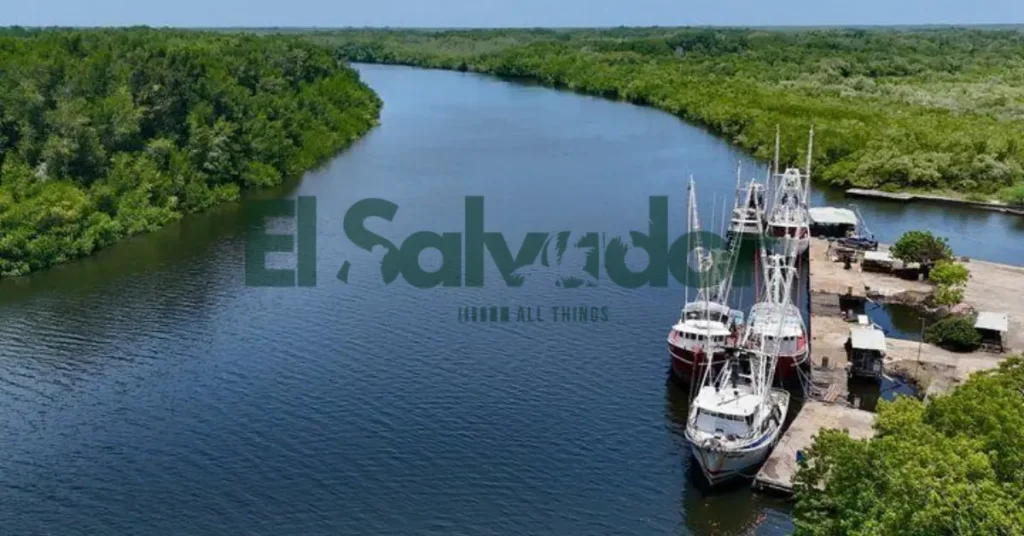
Jiquilisco Bay is a Ramsar wetland and biosphere reserve, and the full-day trip feels wild from the start. We moved through mangrove channels by kayak or boat ride, with a naturalist guide pointing out roots, crabs, and flashes of birdlife overhead.
The mangroves matter more than they first seem. According to the U.S. Fish & Wildlife Service, they help protect coastlines and support wildlife diversity, which makes the whole ride feel bigger than a simple boat trip.
Then came the protected sanctuary visit for spider monkeys, done with ethical viewing and a respectful distance. Wildlife sightings can vary, so some days feel close and lively, while others stay more hidden, and that’s normal.
The day usually ends back at Puerto Barillas, where lunch included gives you a slow break under the trees. The food tastes better after salt air and paddle time, and the day pass lets you linger a bit before heading out.
Best Time for a Visit to Jiquilisco Bay
The best time to visit Jiquilisco Bay is usually the dry season, when boat rides feel calmer and the mangroves are easier to enjoy. I remember a skipper laughing with us about how different the water looked after a stretch of rain, and he was right, the view felt clearer on the smoother days.
If you’re planning a mangrove tour, the rainy season from May to October can still work, but comfort and visibility may change with the weather. Sightings of spider monkeys and birds can vary by season and rain, so wildlife viewing is never guaranteed, even on a good day.
Surfers exploring El Salvador’s east coast sometimes also combine this route with trips to Playa Las Flores for stronger waves and surf-focused beach time.
What Wildlife You May See
You might spot spider monkeys in the trees, but sightings are never guaranteed. The mix of mangrove wildlife changes with season, weather, and how the animals feel that day, so every trip looks a little different.
- Spider monkeys, often high in the canopy.
- Birds, which can be easier to notice near open water and thick branches. Birdwatching depends a lot on habitat and conditions, just like the Cornell Lab of Ornithology notes.
- Iguanas, usually sunning themselves where the light breaks through.
- Crabs, moving quickly along roots and muddy edges.
Think of this as an ecosystem experience, not just a primate visit. I still remember the damp mangrove smell and the quiet splash of water under the roots, plus a hotel staff member who told me to keep my eyes low for crabs.
How to Respect the Sanctuary and Mangrove Ecosystem
The spider monkey sanctuary is a protected sanctuary, and the mangroves around it are part of a Ramsar wetland. That means every quiet step helps. The tour format is designed for low-impact visits, so ethical viewing matters as much as what you see.
- Keep a respectful distance from wildlife, even when the monkeys come close.
- Follow your guide’s instructions, since they know where movement is safest for the animals and habitat.
- Move slowly and keep noise down. The mangroves felt almost still when we went, just leaves rustling and water tapping the roots.
- Leave no trash behind and keep your visit focused on environmental care.
According to the Ramsar Convention Secretariat, managed tourism supports wetland conservation when disturbance stays low.
Who This Tour Suits Best
This easy to moderate, full-day experience is a good fit for families, couples, and eco-tourists who like being outside. The boat time brings quiet water, bird calls, and a better chance to spot wildlife, while the lunch stop gives everyone a real break to sit, chat, and refuel.
I remember hearing a hotel staff member say, “Wear shoes you don’t mind getting dusty,” and that was solid advice. Most of the day feels relaxed, but there are still some walking and boarding steps to think about.
- Families: Best for kids who can handle a long day and enjoy animals.
- Couples: Great for shared boat time and slower moments together.
- Eco-tourists: Ideal if wildlife viewing and nature matter most.
- Limited mobility travelers: Be cautious, since boat access, restroom logistics, and walking can vary.
If you prefer a broader resort-style coastline after the mangroves, Costa del Sol offers a very different beach atmosphere. Travelers moving between eco-tourism and surfing sometimes compare quieter eastern destinations with breaks like El Sunzal surf on the west coast.
Jiquilisco Bay Tour Schedule and Main Stops
05:30 AM, 06:00 AM, or 08:30 AM
Hotel pickup starts early. If you’re staying in El Tunco, the departure is 05:30 AM. For most travelers, it’s 06:00 AM, and the ride to Puerto Barillas Eco Marina takes about 2.5 hours. I remember the van going quiet fast, with sleepy faces, a cool seat, and a coffee stop vibe before the bay wakes up.
08:50 AM
Mangrove time begins. After the 08:30 AM start at Puerto Barillas Eco Marina, you head into the mangrove channels by kayak or boat. This is the part where you really notice the native vegetation, the birds calling overhead, and, if luck is on your side, reptiles sunning near the water. It feels calm, green, and a little wild.
11:00 AM
Protected spider monkey sanctuary visit. Around this hour, the route reaches the protected spider monkey sanctuary, where you get a closer look at the area’s conservation work. The pace is easy to moderate, so there’s time to watch, listen, and learn without feeling rushed.
01:30 PM
Lunch and day pass at Puerto Barillas. Back at Puerto Barillas, lunch and your day pass give you a slower break by the marina. This is the reset moment, with a proper meal, shade, and time to dry off before the ride back. If you’ve been on the water all morning, this pause feels extra good.
03:00 PM
Return to San Salvador City. By 03:00 PM, the group heads back after a full day of mangroves, wildlife, and marina downtime. It’s a long but manageable full-day outing, and the return usually feels lighter once everyone has a few photos, a full stomach, and a better feel for Jiquilisco Bay.
Boat or Kayak: What to Expect
You can choose a kayak or motorized boat, and both are guided and safe. Life vests are provided, so the basics are handled before you even push off.
A kayak feels more immersive. You hear the water slap the sides, smell the river or sea air, and move close to the surface, which also feels low-impact. A motorized boat is easier and usually more comfortable if you want less paddling and a steadier ride.
Travelers who enjoy quieter coastal scenery and slower boat-based experiences sometimes also compare Jiquilisco Bay with Isla Tasajera.
What’s Included & Not Included
Small groups keep this day easy to follow, and the ride in a comfortable vehicle helps a lot when the road gets warm. I remember the hotel staff reminding us to pack light, because the day fills up fast once the professional tour guide starts moving everyone along.
Included
- Pickup and drop-off from San Salvador or El Tunco.
- Small groups for a calmer pace and easier coordination.
- Comfortable vehicle transport for the round trip.
- Professional tour guide throughout the experience.
- Entrance fees for the visited sites.
Not Included
- Gratuities optional, if you want to tip your guide or driver.
- Lunch or food.
- Drinks and a water bottle.
Important Notes
- Sun: I wore light, breathable clothing and was glad I had a hat, sunglasses, and sunscreen. The sun feels sharp fast, even when it starts cool.
- Insects: Bring insect repellent. The bugs showed up right when the air got still.
- Hydration: Pack a reusable water bottle and a small daypack. The bottle came in handy, and the daypack kept my camera, smartphone, and snacks easy to grab.
- Rain: A rain jacket or poncho helps a lot from May to October. The weather can turn quick, and wet clothes are no fun on a long day out.
- Safety: Wear comfortable closed-toe shoes, bring personal medications, and follow guide instructions closely. It’s also not recommended for travelers with limited mobility.
- Good to know: A swimsuit is optional, so bring one only if that fits your plans. And try to skip strong perfumes, since they can attract insects and feel too heavy in the heat.
Remote workers and long-stay travelers sometimes also compare nature-focused areas with communities like Bitcoin Beach El Salvador for a different coastal lifestyle.
Conclusion
This full-day eco-adventure around Puerto Barillas is a good fit if you want mangroves, wildlife, and a conservation-first day outside the usual crowds. We almost didn’t do it, but the calm water, bird calls, and the chance to spot spider monkeys made it feel worth the early start. Just remember, wildlife is always variable, so go with practical readiness and a flexible mood.
Frequently Asked Questions
Is Bahia de Jiquilisco worth visiting?
Yes, especially if you like quiet nature and wildlife. It is one of El Salvador’s most important wetland areas, and the mangroves feel calm, green, and a little wild.
Where can you see monkeys in El Salvador?
You may spot spider monkeys around Bahia de Jiquilisco, especially on guided trips through the mangroves. Sightings are never guaranteed, so it helps to treat it as a bonus rather than the main reason to go.
What is Jiquilisco Bay known for?
It’s known for its mangrove forests, birdlife, and protected wetland habitat. According to UNESCO and Ramsar guidance, places like this matter for biodiversity and conservation.
Where does the Jiquilisco Bay tour start and end?
Most tours begin in the Jiquilisco area and return there after the route through the bay. For the exact flow, check the Itinerary section before you go.
What’s the best time to visit Jiquilisco?
The calmer, drier months are usually easier for boat trips and wildlife watching. If you want a broader planning tip, check the Best Time to Visit section.
What animals can you see on the Jiquilisco Bay tour?
Birdlife is the big draw, and you may also see crabs, lizards, and other mangrove animals. Spider monkeys can appear too, but the day always depends on weather and luck.
How long is the Jiquilisco Bay tour?
Tour length can vary by operator and route. Most trips are paced for a half day, so ask before booking if your schedule is tight.
Is lunch included on the Jiquilisco Bay tour?
Some tours include lunch, but not all do. I’d ask ahead of time, because one hotel staffer told me people get caught off guard by that detail a lot.
Is the Jiquilisco Bay tour suitable for children and older adults?
Yes, in most cases it works well for families and older travelers. The key is checking boat access, walking distance, and how long you’ll be out in the sun.
What should I bring on the Jiquilisco Bay tour?
Bring water, sunscreen, insect repellent, a hat, and a light rain layer if needed. I also wish someone told me to wear shoes that can handle mud and a damp dock.
What is the best time to visit Jiquilisco Bay?
The best time is usually when weather is calmer and the water is easier to navigate. For season-by-season notes, see the Best Time to Visit section.