
Tazumal, El Salvador: A Practical Visit Guide to the Mayan Ruins
Tazumal is one of the easiest Mayan ruins to visit in El Salvador, and that was a relief after a bumpy morning in Santa Ana. The site sits inside an archaeological park, so you get ruins, a small museum, and a simple layout that works well for a first stop.
I liked that it felt manageable, not exhausting. We almost didn’t go, but I’m glad we did, because Tazumal gives you a clear look at Mayan history without needing a whole day or a guidebook marathon.
This visit guide covers the basics travelers ask about most: how to get there, entrance fees, opening hours, what to see, and a few planning tips that would’ve saved me some guesswork. If you’re building a Mayan ruins stop into your El Salvador trip, Tazumal is an easy one to fit in.
Key Points
- Tazumal is compact, so it doesn’t take all day.
- From Santa Ana, it was an easy side trip for us.
- We could go self-guided or hire a guide.
- Hours and entrance fees really matter here.
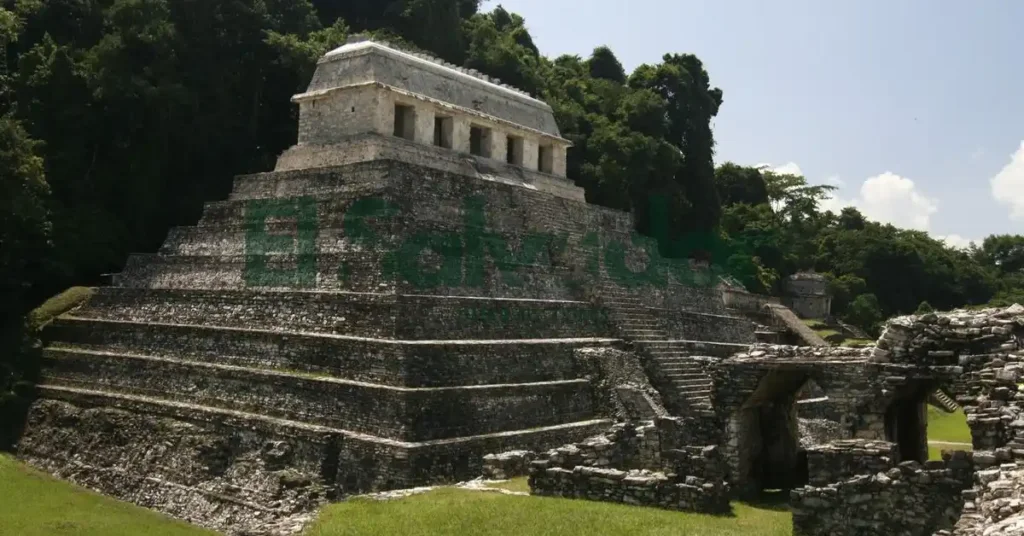
- The main pyramid was the clear highlight for me.
- Pair it with nearby stops to get better value.
- I wish someone had told me that before we went.
Tazumal History and Archaeological Significance
Chalchuapa has been settled since about 1200 BC, and that long human story is why Tazumal feels bigger than one ruin. The main occupation at the archaeological site stretches from about 100 AD to 900 AD, with a possible interruption around 260 AD that some researchers tie to the Ilopongo volcano eruption theory, though that idea is still interpretive. I remember thinking the stonework looked calm from a distance, but up close it felt layered, busy, and hard-earned.
Tazumal history matters because it sits inside El Salvador’s wider Maya ruins landscape and the country’s broader archaeological history. Compared with many Salvadoran Maya remains, Tazumal stands out for its architecture and its long chronology, even if parts are partially restored. That mix gives it a special place in the country’s archaeology, and it’s one reason visitors keep coming back, including Che Guevara in 1954.
Why Tazumal stands out
- Architectural scale: The pyramid and surrounding structures make the site feel more formal than many nearby remains.
- Long use span: Its occupation covers centuries, which helps tell a fuller story of Chalchuapa.
- Cultural layers: Later Pipil influence and the final abandonment around 1200 AD show changing power over time.
Excavation and restoration
Modern work at Tazumal began in the 1940s, when Stanley Boggs started excavation and restoration. Some structures were rebuilt only partly, so you have to read the site with care and a little imagination. Still, that restoration history helped save major features and made Tazumal one of the best-known Maya heritage landmarks in El Salvador.
Quick timeline
1200 BC, Chalchuapa settlement. 100 AD to 900 AD, Tazumal’s main occupation. Around 260 AD, possible interruption. Around 1200 AD, abandonment. 1940s, Stanley Boggs begins excavation and restoration.
When I visited, the site felt quiet but not empty. That’s the part I liked most, because Tazumal still carries the weight of El Salvador’s Maya past without needing to shout.
The Town of Chalchuapa
Chalchuapa is one of the oldest settlements in El Salvador, with occupation going back to about 1200 BC. That long history matters, because Tazumal is not some lonely ruin dropped into a field. It sits inside a place people kept choosing, over and over, for a very long time.
When I was there, that idea made the site feel bigger than the pyramid itself. You can almost picture the layers of daily life, trade, and ceremony building up in the same town, right where modern Chalchuapa still stands.
The Tazumal Site Timeline
- 100 AD: Tazumal starts its main occupation period. The site grows slowly, and the early layers show steady settlement rather than one huge burst.
- 260 AD: Some archaeologists think a major disruption happened around here, possibly tied to the Ilopongo volcano. That idea makes sense, but the cause is still debated.
- 900 AD: The site keeps developing for centuries, with later building phases showing a more complex center. This is where the story feels less like a ruin and more like a place that kept adapting.
- 1200 AD: Tazumal is abandoned. By then, the region had changed a lot, and later Pipil presence in the area may reflect mixing, reuse, or shifting settlement patterns.
When I walked the grounds near Chalchuapa, the timeline felt messy in the best way. Some dates are solid, but parts of the story are still archaeological interpretation, not absolute certainty. That’s what makes Tazumal interesting, it’s a real site with a real history, but also a few gaps that keep people arguing over the details.
1.3 Restoration, Stanley Boggs, and Why the Site Matters
Stanley Boggs began working at Tazumal in the 1940s, and his restoration work is a big reason the site looks so different from many other ruins in El Salvador. What you see today is partly restored and partly still raw, which can feel a little confusing if you expected a neatly finished ancient city. I remember thinking, “Wait, is this done?” And the answer is really no, not yet.
- Stanley Boggs shaped the site’s modern look. His excavation and restoration work started in the 1940s, and it set the tone for how Tazumal is studied and presented.
- The main pyramid is the tallest pyramid in El Salvador. That alone makes Tazumal stand out, even before you get into the archaeology.
- Ongoing preservation matters. Some remains look incomplete because conservation is still ongoing, not because the site was “finished” and left that way.
- The onsite museum helps the visit make sense. It gives context for the layers, objects, and the restoration choices you’re seeing outside.
That ongoing work is the point. If you visit with a guide or spend time in the museum, you start to see Tazumal less like a perfect postcard ruin and more like a living archaeological project. I liked that honesty. It felt real, even if it meant some parts looked a bit rough around the edges.
One small historical footnote: Che Guevara reportedly visited in 1954, which gets mentioned a lot because people love a famous name attached to a place. But the bigger story is still the site itself, and why it matters for Salvadoran heritage and Maya history.
Credibility note: Tazumal’s restoration and interpretation are generally presented by heritage and museum sources as ongoing work, not as a finished certainty.
Best Time to Visit El Tazumal
The best time to visit El Tazumal is during the dry season, from November to April. That’s when the weather is usually easier, the paths stay less muddy, and I didn’t feel like I was melting before lunch. El Salvador’s rainy season runs from May to October, and showers can make the ruins feel hotter, stickier, and a little slippery.
Here’s the simple month-by-month feel I got: November to February is the most comfortable for walking around, March and April can be hotter but still dry, and May to October means greener views with a better chance of rain popping up fast. We almost didn’t go one afternoon in July because the sky turned dark so quickly.
- November to February: Best mix of dry weather, comfort, and easier walking.
- March to April: Dry, but the afternoon heat starts to bite.
- May to October: Rainy season, so plan for sudden showers and wetter ground.
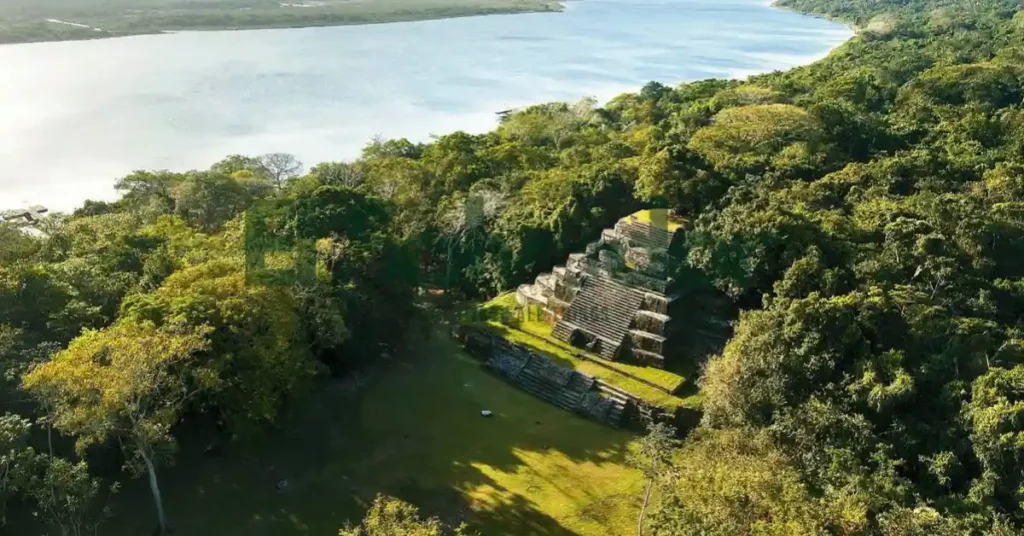
For photos and comfort, I’d aim for an early morning visit or late afternoon. The light is softer, the heat is less brutal, and the site feels calmer before the day-trip crowd builds or after the sun starts dropping.
How to Get to Tazumal
Tazumal sits in Chalchuapa, just outside Santa Ana, so getting there is pretty easy once you know the route. From Santa Ana, it’s only 14 km, or about 9 miles. From Ahuachapan, it’s 20 km, about 12 miles. From San Salvador, you’re looking at around 80 km, or 50 miles, which is still very doable for a day trip.
I went from Santa Ana, and the whole thing felt low-stress until I realized I hadn’t checked the ride back. That was the annoying part, so don’t copy me. If you’re planning a day out, keep Santa Ana and nearby day trips in mind, because Tazumal fits nicely into that loop.
- Bus #202 is the budget pick from Santa Ana. It’s cheap, slow, and a little chaotic, but it gets the job done.
- Bus #218 also serves the area and can work well if you’re coming from the nearby towns. Ask the driver or locals before boarding, because routes can feel a bit squishy.
- Uber or taxi is the easiest option if you want less hassle. This is what I’d choose after a long day, especially if you don’t want to sweat it out in the midday heat.
- Rental car gives you the most freedom. Parking is usually simpler than people fear, and self-driving works well if you’re already comfortable on Salvadoran roads.
- Tour is best if you want the least planning. I’d pick this for convenience, especially if you want Tazumal paired with other western sites.
| Best for | What I’d pick |
|---|---|
| Lowest cost | Bus #202 or #218 |
| Least stress | Uber or taxi |
| Most freedom | Rental car |
| Easy planning | Tour |
My quick advice is simple. If you’re watching your budget, take the bus and confirm the return trip before you get off. If you care more about time and comfort, book Uber, a taxi, or a tour and skip the guesswork.
Before heading out, I’d bring small cash, water, sunscreen, and a hat. The sun can be rude out there, and the walk around the ruins feels hotter than it looks. I wish someone had told me that part.
3.1 Distance and Location Basics
- Santa Ana: about 14 km away. That was the easiest base for me and, honestly, for most travelers too.
- Ahuachapan: about 20 km away. Close enough for a quick detour if you have time.
- San Salvador: about 80 km away. That one felt like a real trip, not a casual hop.
The site sits in western El Salvador, easy to picture between Santa Ana and Ahuachapan.
Public Transport Choices
Public transport to Chalchuapa is workable, but it asks for patience and a little confidence. I’ve done the bus shuffle in El Salvador, and the hardest part was not the ride itself, it was figuring out the right stop before the bus rolled by.
- Bus #202 is one route people use from the Santa Ana side. I’d confirm the departure point locally, because bus operations can change.
- Bus #218 is another option that can work for reaching the area. Ask around at the terminal or your hotel before you head out.
- Bus #249 is also mentioned for this route. I’d still double-check the current schedule in person, since the system shifts.
What surprised me most was how much local knowledge mattered. A driver, a shop worker, or even another rider can save you from standing at the wrong corner with the sun baking your back and no bus in sight.
If you’re not used to public transport, give yourself extra time. I’d only plan this way if you’re flexible, since bus routes and departure points can change without much notice.
3.3 Uber, Tours, and Rental Car Picks
For me, Uber was the easiest pick for short city hops. In Santa Ana, it was under 10 USD on the days I checked, but rates can change with time, traffic, and pickup spot. From San Salvador hotels, though, I saw quotes that could jump past 50 USD, which made me blink hard and reach for a snack.
If you want zero-hassle logistics, a day tour is the lazy-brilliant choice. I wish someone had told me this sooner, because pairing Tazumal with other western sites made the whole day feel easy instead of like a string of taxi negotiations. Booking through GetYourGuide can be handy when you want the transport, timing, and guide sorted before breakfast.
Rental car makes the most sense if you plan multiple stops. I only found it worth the stress on days when we were hopping between ruins, towns, and lunch spots, because then the freedom mattered more than the parking hassle and dusty seat drama. If you’re landing at San Salvador International Airport, checking Rentalcars.com before you go can help, but prices still vary by date and pickup point.
- Uber for convenience and simple point-to-point rides.
- Day tour for the easiest day, especially for Tazumal plus nearby western sites.
- Rental car for multi-stop days when you want full freedom.
Do You Need a Guide to Visit the Tazumal Ruins?
Tazumal is easy enough to visit on your own, and we walked the whole site in under an hour. The basic flow is simple, ticket office first, then the site board, the museum, the main pyramid, and the smaller structures. But with limited signage, a guide can make the archaeology interpretation much clearer, especially if it’s your first time there.
I liked the freedom of a self-guided visit. We could linger at the pyramid, peek at the angles, and move at our own pace without feeling rushed. That said, I wish someone had told me the site map is not very helpful if you want deeper context.
- Go self-guided if you just want a quick stop, photos, and a calm walk.
- Get a guide if you care about history, symbols, and why the ruins matter.
- Use the museum if you want extra context before or after the ruins.
The Stanley Boggs Museum adds real value, even if some descriptions are primarily in Spanish. A few labels were enough for me to connect the dots, but Spanish-language readers will get the most out of it. If you want a better visitor experience, the museum is worth the stop before you head to what to see at Tazumal.
If you’re a casual visitor, go self-guided. If you love archaeology, hire a guide or spend more time with the museum. If you read Spanish, the museum makes the whole visit easier. I’d choose the guide on my first visit, just because the site leaves too much unsaid.
What the Stanley Boggs Museum Adds
The Stanley Boggs Museum helps make the ruins make sense. When I visited, the big win was seeing how the artifacts, the excavation history, and the structure names all fit together with the wider story of Mayan history.
- Artifact context: You get a clearer idea of what was found on site and why it matters.
- Excavation history: It fills in the background on how the site was studied over time.
- Structure names: The labels help you remember which temple or courtyard you just walked through.
- Best for self-guided visitors: If you’re exploring on your own, the museum gives helpful context that signs in the park sometimes don’t.
The museum is named after Stanley Boggs, which fits because it ties the whole place back to the people who documented it. I wish someone had told me to check the current status before planning around it, though. Access and exhibits can vary, so don’t count on it being open when you arrive.
Who Should Visit with a Guide vs Self-Guided
First-time visitors usually get more out of a guided tour, especially if the site has a lot of ruins or half-faded signs. I’ve had moments in El Salvador where a guide filled in the gaps fast, and it saved us from staring at a wall of stone like it owed us money.
Go with a guide if you want deeper history but limited reading time. That was me more than once, after a hot morning and a pupusa lunch that made me very lazy. A good guide can also cover missing labels or closed exhibits, which matters when half the interesting bits are behind a rope.
- Choose a guided tour if you love archaeology, want local context, or don’t speak much Spanish.
- Choose self-guided if you’re confident with maps, happy to move at your own pace, and fine with quieter visits.
- Choose a guide if you hate guessing what you’re looking at, because some ruins need narration.
- Go self-guided if you just want a slow walk, photos, and time to soak up the place.
If you like archaeology fans-level detail, a guide usually makes the visit feel much richer. If you just want a calm wander, self-guided can be easier and cheaper.
4.3 Recommended Arrival and Visit Flow
- Start at the ticket office and grab the sitemap board first. That board is the quickest way to make sense of the site. I learned the hard way that wandering in blind just means more backtracking and dust in your shoes.
- Turn the board legend into your walking route. I’d go straight to the main pyramid next, then loop to the museum. That order keeps the biggest stop up front, while your legs are still fresh and your brain is still paying attention.
- Use the archaeological window as your last stop. It’s a nice final look, especially if you want one more quiet moment before leaving. If time is short, this is the first thing I’d skip, not the pyramid or museum.
The exhibits gave the visit some context, while the pyramid was the part I actually wanted to see with my own eyes.
If you’re moving fast, keep the route simple: ticket office, sitemap board, main pyramid, museum, then the archaeological window only if you still have energy. That’s the easiest way I found to visit without a guide and not feel lost halfway through.
Tazumal Entrance Fees and Opening Hours
Entrance fees at Tazumal are pretty simple, but I’d still keep a few small bills ready. The ticket office can be fussier than you’d expect, and prices can change.
- Foreigners: 5 USD
- Central Americans and resident foreigners: 3 USD
- Salvadorans adults: 1 USD
- Seniors 60+: Free
- Children under 12: Free
- Students: Free
- People with special abilities: Free
- Residents of Chalchuapa: Free
Opening hours are Tuesday to Sunday, from 9:00 am to 4:00 pm. The site is closed on Mondays, so don’t do what we almost did and show up on the wrong day after a long bus ride.
Note: I’d verify the current entrance fees and hours at the gate or with an official tourism or heritage source before you go, since rates can change without much warning.
What to See at El Tazumal Archaeological Park
The main things are easy to spot on the sitemap: the Main Pyramid, Ball Court, Columns Building, Oratory, Temple, Archaeological Window, and the Small Temple. I liked having the map first, because the site feels bigger once you start wandering.
- Main Pyramid, head here first. It rises 24 meters, or 79 feet, and was built in phases between 100 and 800 AD.
- Archaeological Window, check this next. It helps you see layers of the site without guessing what you’re looking at.
- Ball Court and Columns Building, these are the easiest to pair on a short walk.
- Oratory, Temple, and Small Temple, finish with these visible remains and restored areas.
The main pyramid is the star, no question. But some of the other structures are partial, low mounds, or sections still under restoration, so don’t expect every feature to look fully rebuilt. That was the part I wish someone had told me before I got there.
What not to expect: this is not a neat row of fully standing ruins. Some spots are just outlines, and a few pieces look unfinished because excavation and restoration at archaeological sites often leave visible gaps for protection and study. If you want the preservation context, I also liked checking a guide on archaeology and museum visits before I went.
6.1 Site Features on the Map
The site board was the best orientation tool when we didn’t have a printed map. I leaned on it more than I expected, especially after wandering a bit too long in the heat.
- Ball Court
- Main Pyramid
- Columns Building
- Oratory
- Temple
- Possible Ball Court
- Archaeological Window
- Small Temple
Main Pyramid and Other Major Structures
The main pyramid is the visual anchor here, rising to about 24 meters, or 79 feet. I saw it first from the basal platform, and it instantly pulled my eye above the trees and open courtyards. The site was built in phases between 100 to 800 AD, so the layers feel like a long story, not one frozen moment.
What makes the other major structures worth the walk is the variety. The side platforms give the whole place balance, while the Columns Building stands out for its strong lines and different purpose. We almost didn’t linger there, which would’ve been a mistake, because those spaces make the whole complex make sense.
Restoration changes the look today, so some parts appear cleaner and sharper than they did long ago. That said, it also helps you read the layout more clearly, even if a few edges feel a little too neat.
6.3 Recommended Self-Guided Route and Photo Ideas
Start at the entrance and walk straight toward the main pyramid. That first view is the money shot, and I nearly missed it by wandering off to the side like an idiot with a bad map.
- Take a wide shot near the entrance. It gives you the full setting and keeps the ruins from feeling lost in the frame.
- Move to the front of the main pyramid for a clean, frontal shot. That angle works best if you want the shape and stonework to read clearly.
- Walk around to the smaller remains and pause at any higher side point. I found the best angle there, with the ruins layered against the trees and sky.
- Finish by looking for the archaeological window or any open viewpoint before heading back. It is a quick stop, but it usually gives one last nice photo without extra walking.
- Wide shot: Best for context, especially if you want the site and landscape in one frame.
- Frontal shot: Best for the main pyramid, especially in softer morning light.
- Side angle: Best from an elevated point, where the ruins look deeper and less flat.
7. Best Time Needed: Is Tazumal Worth a Visit?
Yes, Tazumal is worth visiting if you care about Maya history or you’re building a western El Salvador day trip. I got there thinking it would be a quick look, and honestly, it was. You can see the site in under an hour, though a guided visit may run a bit longer.
For me, the value was highest as a half-day stop, especially when paired with nearby western El Salvador day trip spots. It’s not the kind of place I’d cross the country for alone, but as part of a bigger route, it makes perfect sense. That’s also how official tourism advice tends to frame it, as a stop that works best with other nearby attractions.
| Traveler type | Time to budget | My take |
|---|---|---|
| Casual tourists | 45 to 60 minutes | Good if you’re already in the area, but I wouldn’t make it the only stop. |
| Archaeology fans | 1 to 1.5 hours | Worth it, especially with a guide and a slower look around. |
| Day trip travelers | Half-day stop | Best fit, especially if you bundle it with other western El Salvador sites. |
Who will love it: archaeology fans, history buffs, and anyone who likes compact ruins without a huge crowd. Who may prefer a combo visit: casual tourists who want more variety for their time and money. We almost skipped it, and I’m glad we didn’t, but I’d still pair it with something else rather than plan a whole day around it.
7.1 How Much Time to Budget
| Visit type | Time needed |
|---|---|
| Quick stop | 45 to 60 minutes |
| Guided visit | 60 to 90 minutes |
| History-focused visit | 90+ minutes |
A quick stop works if you just want the main rooms and a fast look around. I’ve found guided visits run longer because someone always has a story.
If you like the museum or the restored areas, budget extra time. That’s where people linger, take photos, and start asking too many questions.
Who Tazumal Suits Best
- Archaeology enthusiasts will get the most out of it. I liked wandering the site with a self-guided pace, then filling in the blanks from the signs and the local history feel.
- Casual travelers can enjoy Tazumal too, but I’d keep the visit short.
- Family-friendly visits work well if your group likes open space and low-stress sightseeing. There’s enough to look at without dragging kids through a long, tiring day.
- Guided tour fans will probably get more context here than from just wandering alone.
- If you like a slower, more reflective stop, Tazumal fits nicely. If you want a big half-day adventure, I’d pair it with something else and move on before it starts to feel repetitive.
Travelers interested in deeper Salvadoran history sometimes also visit the El Mozote Massacre Memorial alongside the country’s older archaeological sites.
What to Wear and Bring for Your Visit
I learned fast in El Salvador, the heat does not play nice. We were happiest in comfortable clothes that breathed, and I wished I had packed lighter on day one.
- Wear light, loose clothes. Cotton or quick-dry stuff felt best when the sun hit hard in San Salvador and on the coast.
- Bring sun protection. A cap, sunglasses, and sunscreen saved us from looking and feeling cooked. The CDC heat guidance is plain about shade and hydration, and yeah, it matched my sweaty reality.
- Carry a water bottle. I kept refilling ours whenever we could. Waiting until you feel thirsty was a dumb move for us.
- Choose comfy footwear. Good footwear mattered more than I expected, especially on uneven sidewalks and quick walks to pupusa spots.
- Go early or late. Early morning or late afternoon was easier for comfort. Midday felt brutal, and even short errands got annoying fast.
- Pack for family or older travelers. Keep the pace slower, look for shade, and plan more breaks than you think you need. We saw that tired legs and hot pavement are a bad combo.
Truth is, the shade made the whole day better. I wish someone had told me that a tree can matter more than a souvenir shop. If you enjoy quieter nature stops after the ruins, Los Tercios Waterfall near Suchitoto is another easy add-on.
Nearby Attractions and Better Day-Trip Combos
Joya de Cerén and San Andrés fit together nicely, because they sit on the same western route and don’t waste your day with zigzagging. I made the mistake once of trying to squeeze in too much from San Salvador, and the taxi time ate lunch. The better move is togroup Joya de Cerén, San Andrés, and a slow food stop into one clean half-day.
- From Santa Ana: pair Santa Ana Volcano with a relaxed Santa Ana city stop or a nearby hot springs break. That combo works best because you stay on the same side of the country and avoid a tired back-and-forth.
- From San Salvador: do Joya de Cerén, San Andrés, and a city lunch first, then head back before traffic gets ugly. I liked this route more than I expected, and the road felt simple enough even after a long morning.
- From Santa Ana: use Juayua as the second stop, especially if you want coffee, market snacks, and a slower afternoon. The mountain air feels good after a hike, and the pupusas hit harder up there for some reason.
- From the west: save Tazumal for a broader western El Salvador plan, not as a lonely detour. It makes more sense with other western stops than as a one-off day trip.
Half-day idea: Joya de Cerén plus San Andrés from San Salvador. Start early, do the ruins first, then finish with lunch before the heat and traffic turn mean.
Travelers exploring western El Salvador after Tazumal often also head toward Cerro Verde National Park for volcano views and cooler mountain air.
Full-day idea: Santa Ana Volcano in the morning, then Juayua for a late lunch or coffee. Adventure travelers building a longer western El Salvador route often also include Parque Nacional El Imposible for hiking and wildlife.
If you want a lighter adventure break between archaeological stops, the Rainbow Slide El Salvador offers a completely different experience from the Maya ruins.
9.1 Best Nearby Pairings from Santa Ana
- Santa Ana city first, then Joya de Cerén, because it’s the easiest westward hop and you avoid zigzagging.
- Joya de Cerén next, then head back toward the Santa Ana Volcano area. That order makes the day feel clean, not rushed.
- If you only have one full day, do the volcano last. The climb or lookout time hits better after a calmer stop.
Santa Ana can feel busy fast, but Joya de Cerén sits neatly into a western El Salvador route without wasting fuel or daylight.
One taxi driver told me, basically, “go west once, then come back up.” He was right. It keeps the day simple, and your legs will thank you after the volcano air. Travelers continuing east after the western archaeological circuit sometimes also plan time around Conchagua Volcano for Gulf of Fonseca views.
9.2 Best Nearby Pairings from San Salvador
- Joya de Cerén + San Andrés, which is the easiest day trip combo from San Salvador. We did both in one run, and it felt efficient because they sit close enough together to avoid wasting half the day in the car.
- San Andrés + a late lunch back in the capital, if you want a simple pace. I liked this because the ruins were cool in the morning, then we were back for pupusas before the traffic got annoying.
- Joya de Cerén on its own, if you hate rushed sightseeing. That site is small, and honestly, pairing it with too much can make the day feel crammed.
- Tour instead of self-driving, if you want less stress from San Salvador. For a capital-based day trip, a tour is often easier because you skip parking headaches, confusing turns, and the tiny panic of wondering if you missed the exit.
We almost tried to do too much in one day, and that would’ve been a mistake. Keep the route tight, start early, and save the slow lunch stop for after the main sightseeing. If you are staying around the capital before visiting the ruins, El Boquerón is one of the easiest volcano stops near San Salvador.
Conclusion and Final Thoughts
Tazumal is a compact stop, but it gave us a solid dose of Maya history without eating the whole day. I liked it as a half-day trip from Santa Ana, and it also works well if you’re coming from San Salvador and want one easy cultural stop before lunch or a late afternoon coffee.
I’d lean guide if you want the ruins to make sense fast, because the place is small and the story is the point. If you like moving at your own pace, self-guided is fine too, just go early or late so the heat doesn’t turn the stone paths into a grudge match. We almost skipped the timing part once, and that would’ve been a mistake.
If you’re into Maya ruins, Tazumal is worth the detour. If you want more value, combine Tazumal with another western El Salvador attraction.
Frequently Asked Questions
What is Tazumal in El Salvador?
Tazumal is one of the most important Maya archaeological sites in El Salvador. I remember standing there and thinking the main pyramid looked bigger in person than in photos, which is usually the opposite. It sits in Chalchuapa and ties closely to the history covered in the history section.
How much does it cost to enter Tazumal?
Entry fees can change, so I’d check the current fees section before you go. When I visited, the ticket was simple to buy at the entrance, and the whole process was low-stress.
Where is Tazumal located?
Tazumal is in Chalchuapa, in western El Salvador, near Santa Ana. It’s an easy stop if you’re already exploring that part of the country.
What are the opening hours of Tazumal?
Hours can shift by day or holiday, so the safest bet is to confirm the opening hours section first. I showed up once thinking I was early, and the gate staff were still doing the usual slow morning start.
Do you need a guide to visit the Tazumal ruins?
You don’t need a guide, but I liked having one for the details I would’ve missed. Without that context, the site can feel quiet and a little mysterious.
How much time do you need at Tazumal?
Most people only need 1 to 2 hours. If you like reading signs and wandering slowly, give yourself a bit more time.
What is the Stanley Boggs Museum at Tazumal?
It’s the small museum next to the ruins, named after archaeologist Stanley Boggs. It helps explain the site’s history, and it’s worth a quick stop if the door is open.
What is the best time to visit El Tazumal?
Go early in the morning if you can. The heat builds fast, and the site feels nicer before the sun gets harsh.
Is Tazumal worth visiting?
Yes, especially if you like Maya history and quieter ruins. I’d go again before some bigger, busier sites because it felt more personal and less rushed.
Can you visit Tazumal on your own?
Yes, you can visit on your own without much trouble. I did, and the site was easy enough to follow, even without a big group.
How do you get to Tazumal from Santa Ana?
From Santa Ana, it’s a short ride by taxi or bus toward Chalchuapa. A local driver knew the place right away, which saved me from overthinking the route.
How do you get to Tazumal from San Salvador?
From San Salvador, most travelers go by car, shuttle, or bus connections through Santa Ana. It’s a doable day trip, but plan extra time so you’re not rushed.
What can you see at Tazumal?
You can see the main pyramid, other ruins, and the museum area. There are also open sections that show how much of the site is still being studied.
Is Tazumal family-friendly?
Yes, it’s a good stop for families because it’s small and easy to walk. Just bring water and sunscreen, since the open areas get hot fast.
What should you wear to Tazumal?
Wear light clothes, comfy shoes, and something for the sun. I wish someone had told me how much the ground heats up by midday, because it gets miserable fast.
Can you combine Tazumal with other attractions?
Yes, and that’s what most people do. It pairs well with nearby stops in Chalchuapa and Santa Ana, especially if you’re building a full day around the area.
Why is Tazumal important to Maya history?
Tazumal matters because it shows a long Maya presence in western El Salvador. It helps historians understand settlement, trade, and daily life in the region.
Was Tazumal restored by Stanley Boggs?
Stanley Boggs played a major role in studying and restoring parts of the site. His work shaped how visitors see Tazumal today.
Is the museum always open at Tazumal?
No, the museum is not always open, and that was the part that caught me off guard. It’s best to check the current hours before you arrive, since access can depend on the day.
Are there still unexcavated parts at Tazumal?
Yes, parts of Tazumal are still unexcavated. That’s one reason the site feels a little unfinished in a good way, like there’s still more story under the ground.