
Conchagua Volcano in El Salvador: Viewpoint, Camping, Access, and Travel Tips
Conchagua Volcano sits in eastern El Salvador, and it’s really a viewpoint stop with camping potential, not a classic trail hike. I first heard about it from a taxi driver near the coast, and he made it sound like the kind of place where you go for the sunrise, the breeze, and the wide-open view more than for a hard climb.
The pull here is the lookout over the Gulf of Fonseca and the quiet mountain feel. According to El Salvador’s official tourism sources, this part of the country is known for scenic coastal and inland stops, and Conchagua fits that mood well. You may come for the view, stay for the cool air, and hear almost nothing but wind and birds.
Camping is part of the draw for some travelers, so pack like you might stay after dark. A flashlight, layers, water, and a flexible plan go a long way.
- Best for: Sunrise views, camping, and slow travel.
- Not best for: Travelers expecting a marked, strenuous volcano hike.
- Bring: Warm clothes, cash, water, and good shoes.
- Plan for: Simple access, local help, and a relaxed pace.
People also pair Conchagua with the broader Bitcoin City area, so it often comes up in eastern El Salvador trip planning. If you’re moving through the region, it can be a calm stop between beach time, town errands, and long road stretches.
Key Takeaways
- Conchagua Volcano is an inactive stratovolcano in La Unión, and the big payoff is the wide Gulf of Fonseca view. We almost skipped it, but the ridge views were the part that stuck with me most.
- The best stop is Mirador Espíritu de la Montaña. Clear days matter here, because the coastline and water look far better when the haze lifts.
- What surprised me most was how much the visit depends on transport, reservations, and timing. There isn’t a classic hiking trail feel, so planning the ride up matters more than packing for a long trek.
- Camping is possible, but space is limited, so don’t assume you can show up and grab a spot.
- Bitcoin City comes up in the area, but it’s more of a future-development backdrop than the main reason to go. The real draw is still the quiet mountain air, the open views, and that hard-to-forget lookout over the gulf.
Conchagua Volcano in El Salvador
Conchagua Volcano sits in La Unión, close to the Gulf of Fonseca, and it rises as an inactive stratovolcano. It has two peaks, one of the details that makes it stand out right away, with an elevation of about 1,225 meters above sea level.
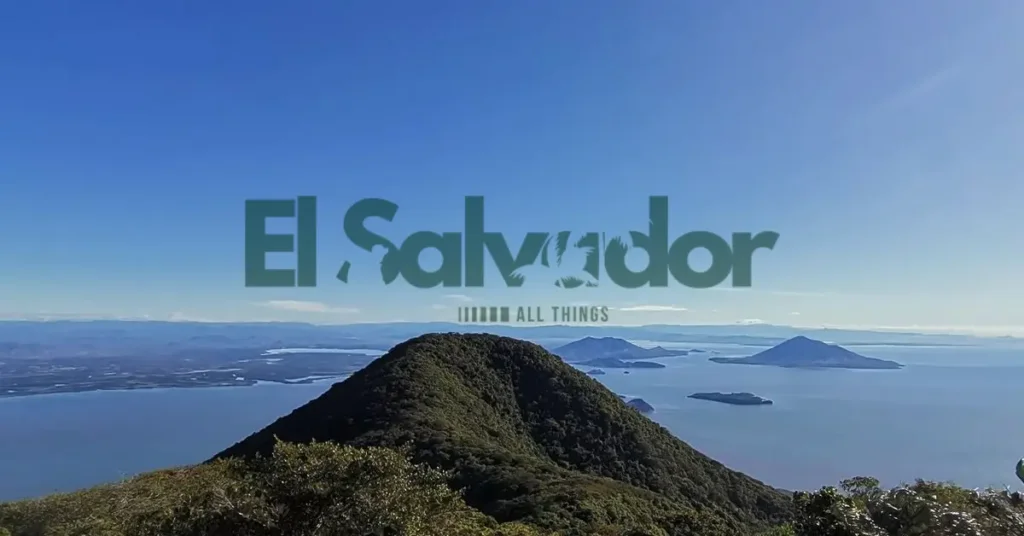
The name comes from Lenca roots and is often linked to the idea of a place of palm trees. The local legend adds to the visit, because people still talk about it as a sacred place. That mix of story, views, and quiet volcanic slopes is what makes Conchagua feel so memorable.
Best Time to Visit Conchagua Volcano
Clear days matter most if you want the wide, open views from Conchagua Volcano. I talked to a taxi driver in town who said the ridge can look huge one hour and disappear into cloud the next, and that felt very true when the air turned damp and salty.
For the best panorama, aim for a day with steady weather and a clean sky. Sunrise can be magic, with cool air, quiet paths, and that first soft light over the hills, but overnight camping changes the whole feel, because you get stars, wind, and that strange hush after dark.
Visibility is the real star here, not just the time of day. NOAA notes that weather and visibility can strongly affect scenic viewpoints, so if the forecast looks hazy or rainy, waiting for a clearer day usually pays off.
The Viewpoint at Mirador Espíritu de la Montaña
Mirador Espíritu de la Montaña sits high above the coast, on a simple platform made for big views and slow moments. The first time I got there, a taxi driver pointed ahead and said the sky would look wider from up top, and he was right. You can feel the wind open up around you, with the smell of dry hills and salt in the air.
From the platform, the panoramic views over the Gulf of Fonseca stretch across calm water, fishing boats, and a patchwork of shorelines. On clear days, you can spot Isla Zacate Grande, Meanguera, Conchaguita, and Meanguerita, plus the coasts of El Salvador, Honduras, and Nicaragua. Come early, because the light changes fast and the sea turns silver for a few minutes.
Locals say the viewpoint got its name from a legend about a mountain spirit that watched over the land and sea. That story gives the place a quiet, almost sacred feel, which fits the silence up there. A woman at a nearby shop smiled when she told me people still speak about it with respect, like the hill remembers more than it shows.
Conchagua Volcano Camping
Camping on the platform at Conchagua Volcano is possible, and people really do go for it. The big draw is simple, clear air, a sky packed with stars, and a sunrise that shows up quietly over the hills. I remember the night feeling cold enough to keep my jacket on, and the morning air had that sharp, clean smell you only get up high.
But space is limited, so reserve in advance if you want a spot. If you want less hassle, staying in La Unión is the easier choice, since you’ll have more rooms, more food options, and a simpler start to the drive up the volcano.
How to Reach Conchagua Volcano in El Salvador
From San Salvador, the trip to La Unión usually takes most of a day by road, with the long stretch running east across the country. I remember dusty windows, a quick snack from a shop, and one taxi driver in La Unión who kept reminding us to sort the volcano ride before heading up.
Once you reach La Unión, the last part is not a normal car ride. The final climb up Conchagua usually needs special transport, often a local pickup or 4×4 arranged in town, since the road gets rough and steep. That ride felt bumpy and loud, with the smell of diesel, wind in our faces, and the volcano getting closer with every turn. According to official road or tourism guidance from El Salvador authorities where available, route planning and transport reservation should be checked before you go.
If you self-drive, you keep the most freedom, but you still may need help for the last stretch. Walking is the toughest option and only fits travelers who want a hard uphill trek and have plenty of time. A guided tour is easiest because someone else handles the route and the transport, which is why it suited the other travelers we met who wanted less guesswork. If you like control, drive yourself; if you want the simplest day, book a tour; and if you enjoy a challenge, walking can work, though it’s the slowest and most tiring choice.
Best Way to Visit Conchagua Volcano: Transport, Guided Tour, or Self-Drive?
Special transport makes the most sense if you want less stress on the steep, bumpy road. The driver already knows the route, and that matters when the climb starts rattling under the tires and dust hangs in the air.
Self-drive works if you’re confident on rough roads and want more control over your schedule. The road can feel narrow and uneven, so it helps to go slow and stay alert.
A guided tour is the easiest pick if you want local help, a simple plan, and less guesswork. Chatting with a hotel staffer later made it sound worth it, especially if you’d rather focus on the views than the logistics.
Walking is the least suitable option for most visitors. The road is steep and bumpy, so it’s usually too tough unless you’re very prepared and really want the challenge.
What to Bring for Conchagua Volcano
Conchagua can feel cool and windy near the top, even when the coast is warm. I remember a local driver laughing and saying we almost didn’t bring enough layers, and he was right.
- Warm layers Pack a light jacket or fleece. Mornings and evenings can get chilly, especially if you stay overnight.
- Sun protection Bring sunscreen, a hat, and sunglasses. The ridge gets strong sun fast, and CDC travel health guidance treats sun protection as a basic outdoor travel habit.
- Mosquito repellent Pack it for lower areas and camp time. The air felt still near sunset, and bugs showed up fast.
- Water Carry more than you think you need. The climb and the heat can drain you quicker than expected.
- Snacks Choose easy foods like fruit, nuts, or sandwiches. A small snack break makes the hike feel a lot easier.
- Overnight or camping gear If you stay up there, bring a tent, sleeping bag, headlamp, and extra socks. The ground can be rough, and a small pad helps a lot.
Keep everything light but ready for weather changes. A shop owner near the trail told me, “sun at noon, chill by dark,” and that was pretty much the day.
What to Expect from a Conchagua Volcano Visit
Most visits to Conchagua start in La Unión, where the air feels hot and a little dusty before the climb. From there, you take transport up the volcano road, so this is more of a scenic access experience than a full hiking trail.
The drive is the main event at first. You pass green slopes, little roadside stops, and views that keep opening up as you go higher. I remember a taxi driver pointing out the bay like it was the best part of his daily route.
- Arrive in La Unión. This is the usual starting point, and it feels calm and practical.
- Ride up by transport. The road does most of the work, so you save your legs for shorter walks near the top.
- Reach the viewpoint. That’s where the wide views really show up, often with wind, birds, and a quiet, open feel.
- Stay overnight if you want. Some travelers camp or wait for sunrise, which usually means cooler air and softer light.
If you stay, bring layers. The evening can feel damp, and sunrise has that fresh, sleepy silence that makes you talk in low voices. It feels different after dark, because the whole place gets much quieter.
So yes, expect scenery, easy transport access, and a relaxed stop at the top. If you want a long mountain hike, this probably isn’t that. If you want views, cool air, and a simple route to a dramatic lookout, it fits nicely.
Bitcoin City and the Conchagua Area
The Conchagua and La Unión area was chosen by the Salvadoran government as the planned site for Bitcoin City, a future project announced as part of the region’s long-term development story. That matters for context, but it’s not the main reason people come here today. Most travelers notice the quiet bay air, the heat on the roadside, and the small-town feel first, while Bitcoin City remains a big idea in the background.
Is Conchagua Volcano Worth the Trip?
Conchagua Volcano can be worth it if you love wide viewpoints, camping, and a place with a little legend in the air. The setting feels special, with the lake and hills spread out below, and that quiet, open view makes the climb feel memorable. The place depends on the weather, because the best part is really the feeling of standing above everything.
That said, the visit takes planning, and access can be tricky enough to slow down a casual trip. Space is limited, especially if you want to camp, so it can feel crowded in the wrong moment. If you like simple trails and a spot that still feels a bit raw, it can be a great fit. If you want easy logistics and lots of room, it may not be worth the extra effort.
If you want a lighter adventure stop after volcano viewpoints, the Rainbow Slide El Salvador offers a completely different kind of outdoor experience.
More About the Conchagua Volcano
The Conchagua Volcano changes with the weather, so I kept checking the Facebook page before we went. A quick update can save you from a foggy view, a closed trail, or that awkward moment when the taxi driver shrugs and says, “maybe tomorrow.”
Booking a tour ahead on Viator can help too, especially if you want a steadier plan and less guesswork. Having the ride and timing sorted made the whole day feel calmer, from the dusty road to the cool air near the summit.
More Hotels in El Salvador
Looking past the usual hotel picks made the trip feel richer. In El Salvador, the best stays often have a quiet charm, with handmade details, warm light, and staff who remember your name before you finish your coffee. I still remember the smell of fresh bread in the lobby and a taxi driver pointing us toward a small place tucked behind a busy street.
If you want to support locals and keep your stay a little more sustainable, boutique hotel options are a great place to start. Booking.com or similar major booking platforms can help you compare places, read real guest notes, and spot the spots that feel unique, beautiful, and well designed.
Travelers interested in deeper Salvadoran history sometimes also visit the El Mozote Massacre Memorial alongside volcano and archaeology routes.
El Salvador Travel Itinerary
Route-based planning makes a trip around El Salvador feel a lot easier, especially if you want to fit in several stops without rushing. The best days came from simple moves between routes, destinations, activities, hotels, and transportation, with a driver who knew the roads and a hotel desk that could point us to the next town.
You can shape the journey around beach time, city stops, and mountain air, then leave room for a scenic detour if the day feels right. Conchagua can fit nicely into a larger country route, with wide views that make a long drive worth it. A taxi driver once pointed it out to me while the windows were down and the warm air smelled like dust and salt, and that kind of stop is exactly why multi-stop planning works so well.
Travelers building a longer country route often also combine volcano trips with visits to El Salvador’s Maya ruins.
More About El Salvador
El Salvador is small, but it packs a lot into one trip. We almost didn’t leave room for the coast, then a taxi driver pointed us toward a sunset beach and the whole day changed. That mix of surf towns, volcano views, and busy market streets makes broad destination guides really handy when you’re planning where to go next.
Travelers interested in volcano scenery often also compare eastern viewpoints with hikes around Cerro Verde National Park.
If you have extra time, keep moving between regions. One morning can smell like roasted coffee in the hills, and the next can feel like warm salt air near the Pacific. Build in a little flexibility, because the best stops were often the ones we heard about from hotel staff, shop owners, or other travelers over a quick pupusa break.
- If you are staying around the capital before heading east, El Boquerón is one of the easiest volcano stops near San Salvador.
- Adventure travelers looking for more demanding hiking routes often continue on to Parque Nacional El Imposible after the volcano region.
- Things to Do in El Salvador
- El Salvador Beaches
- El Salvador Volcanoes
If you are exploring western El Salvador after the east coast, Tazumal ruins fit naturally into a volcano-and-history route.
Pin “Conchagua Volcano in El Salvador” for Later
Save this Conchagua Volcano stop for later, so it’s waiting when you’re ready for that quiet, windy ridge and the big lake views.
Booking a Trip Soon? Here Are Some Resources to Use
Travel days go smoother when the basics are handled early. I still remember the smell of hot pavement outside a tiny airport, and the tired taxi driver who asked if we had our hotel sorted yet. We almost didn’t, and that was the kind of mistake that made the whole first night feel longer.
These are the booking tools I’d keep close for hotels, flights, tours, and the little things that save time on arrival.
- Hotels: Booking.com for stays that match your budget and plans.
- Tours: Viator for guided walks, day trips, and local activities.
- Flights: Skyscanner for comparing flight options fast.
- Airport transfer: Pre-book a ride so you’re not haggling curbside after a long flight.
- eSIM: Grab mobile data before you land, which helps with maps and messages.
- Insurance: World Nomads for trip coverage when plans shift.
- Transportation: Check trains, buses, and local rides before you arrive.
- Bike tours: A good pick if you want fresh air, slow streets, and a local pace.
- Travel money: Wise for sending and holding money with fewer surprises.
One hotel clerk in Lisbon handed me a paper map with coffee stains on it, and that tiny detail saved our first evening. Since then, I like having these tools ready before the bags even hit the floor. Travelers who enjoy quieter nature stops sometimes also add Los Tercios Waterfall near Suchitoto to a longer El Salvador route.
Frequently Asked Questions
Is Conchagua Volcano worth visiting?
Yes, especially if you want big views over the Gulf of Fonseca and a quieter mountain feel. We almost didn’t do this, and I would’ve missed one of the best lookout spots in eastern El Salvador.
What is the best time to visit Conchagua Volcano?
Clear mornings and the dry season usually give the best views. Sunrise is a favorite time because the air feels cooler and the islands can look sharp before haze rolls in.
How do you get to Conchagua Volcano?
Most people go by car, taxi, or local ride from La Unión area. The road gets steeper near the top, so ask the driver to take you as far as they can.
Can you camp on Conchagua Volcano?
Yes, camping is possible in some areas near the summit and viewpoint. It can get breezy and cool at night, so a warm layer matters more than you might think.
Do you need a reservation for Conchagua Volcano?
In many cases, yes, especially for camping or guided visits. I heard a hotel staff member say it was smart to confirm ahead, since availability can change.
What is the viewpoint at Conchagua Volcano called?
The best-known viewpoint is Mirador Espíritu de la Montaña. It’s the spot most travelers ask about when they want the island and bay views.
What can you see from Mirador Espíritu de la Montaña?
You can see the Gulf of Fonseca, nearby islands, and on clear days parts of Honduras and Nicaragua. The view feels wide and open, with wind in your face and a lot of quiet around you.
What should I bring to Conchagua Volcano?
Bring water, sun protection, closed shoes, and a light jacket for the wind.
Is Conchagua Volcano a difficult hike?
It can be challenging, mostly because of the uphill road and heat. The hike itself is usually more about steady climbing than technical trail work.
Where is Conchagua Volcano located?
It’s in eastern El Salvador, near the department of La Unión. The mountain sits close to the Gulf of Fonseca and the border area with Honduras and Nicaragua.
How far is Conchagua Volcano from San Salvador?
It’s roughly a long drive from San Salvador, usually several hours by road. Traffic and road conditions can change the trip time, so plan for a full travel day.
Is walking up Conchagua Volcano recommended?
Usually, no, unless you’re well prepared and know the route. The road is long and steep in parts, and local transport is often the safer, easier choice.
What is Bitcoin City in El Salvador?
Bitcoin City is a planned project in El Salvador tied to the country’s bitcoin push. People mention it near this area because Conchagua was one of the places often linked to the idea.
Can you visit Conchagua Volcano on a day trip?
Yes, a day trip works if you start early. That said, sunrise or an overnight stay feels calmer, and you won’t be rushing the view.
Is Conchagua Volcano good for sunrise?
Yes, sunrise is one of the best times to be there. The first light over the Gulf of Fonseca can be beautiful, and the air still feels cool.
Is Conchagua Volcano family-friendly?
It can be, if your group is okay with a mountain drive and some walking. Younger kids may need extra care because of the wind, steep areas, and cooler weather at the top.
What should you know before camping at Conchagua Volcano?
Bring warm clothes, food, and enough water, because services can be limited. I also noticed the night wind picks up fast, so a sturdy tent matters a lot.
Why is Conchagua Volcano important?
It matters for its natural beauty, local tourism, and its place in the history of eastern El Salvador. It’s one of those landmarks people mention with pride when they talk about La Unión.
What is the meaning of Conchagua?
The name is commonly linked to local Indigenous roots, though meanings can vary by source. It’s one of those place names that carries history even before you reach the mountain.
What are the names of the two peaks of Conchagua Volcano?
The two main peaks are usually called Cerro de las Mesas and Cerro el Mono. Local names can vary a bit, so it’s worth asking around if you hear another version.