
Los Tercios Waterfall: Basalt Formations, Visitor Guide, and Why It Matters
Los Tercios Waterfall is both a scenic natural site and a striking basalt formations landmark. The big draw is its columnar basalt, where cooled volcanic rock broke into neat basalt columns over time. According to the U.S. Geological Survey, basalt can cool and crack this way under the right conditions.
Here, we’ll cover what Los Tercios is, how the geology formed, what to notice onsite, and how to visit with care. It’s useful for trip planning and for making sense of the geology behind the natural landmark.
Key Points to Remember
- The site is known for its striking basalt landscape and clean natural views.
- The basalt formed from cooled lava, leaving behind hard, layered rock.
- That volcanic shape makes the place rare and easy to recognize.
- We almost didn’t go early, and the quiet light made it feel even bigger.
- Bring good shoes, since rough ground and loose edges can catch you out.
- Respect the area, stay on marked paths, and help protect the rock for others.
What Los Tercios Waterfall Is and Why It Stands Out
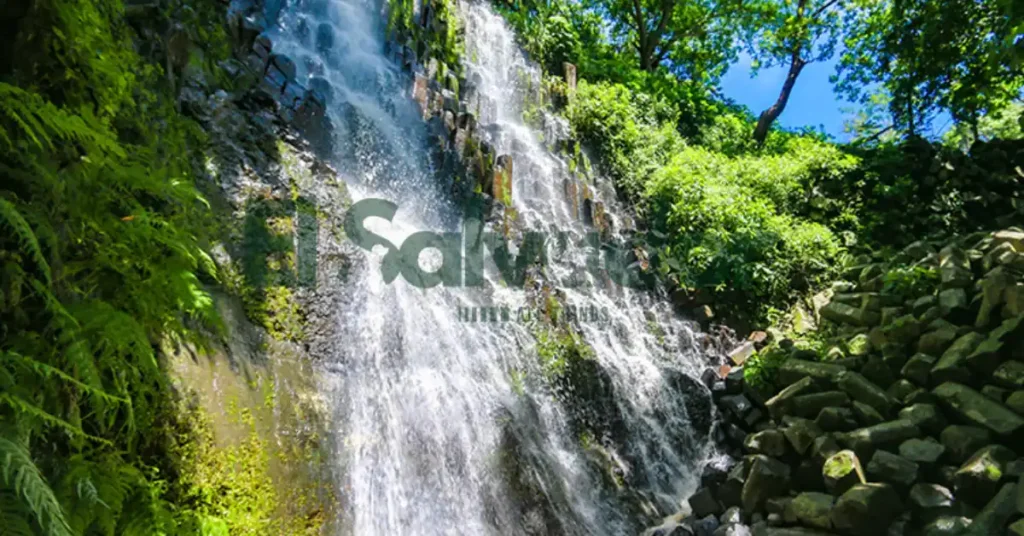
Los Tercios Waterfall is a scenic waterfall and a geological landmark where water drops beside striking basalt formations. The black basalt columns sit right next to the flow, so the site feels part river scene, part rock wall, and that mix is what makes it stand out.
For travelers, it offers a clear visitor context: a natural site that is easy to appreciate even if you are not a geology person. For photographers, the strong shapes and texture make a bold frame. And for geology-curious readers, the basalt columns give the place real meaning beyond the view, because they show how ancient lava cooled and cracked over time.
How the Basalt Formations at Los Tercios Were Made
Los Tercios is made of basalt columns, a striking type of volcanic rock. The pattern starts with lava cooling into hard igneous rock, then breaking in a way that feels almost too neat to be natural.
- 1. Lava cooled slowly. As the flow lost heat, the outer layer hardened first.
- 2. The rock contracted. Like mud drying in the sun, the cooling basalt shrank as it became solid.
- 3. Cracks spread through the rock. Those shrinking forces created regular fracture patterns, often forming six-sided shapes called columnar basalt.
- 4. Erosion revealed the columns. Wind and water wore away the softer material around them, leaving the columns standing like a row of giant stone pipes.
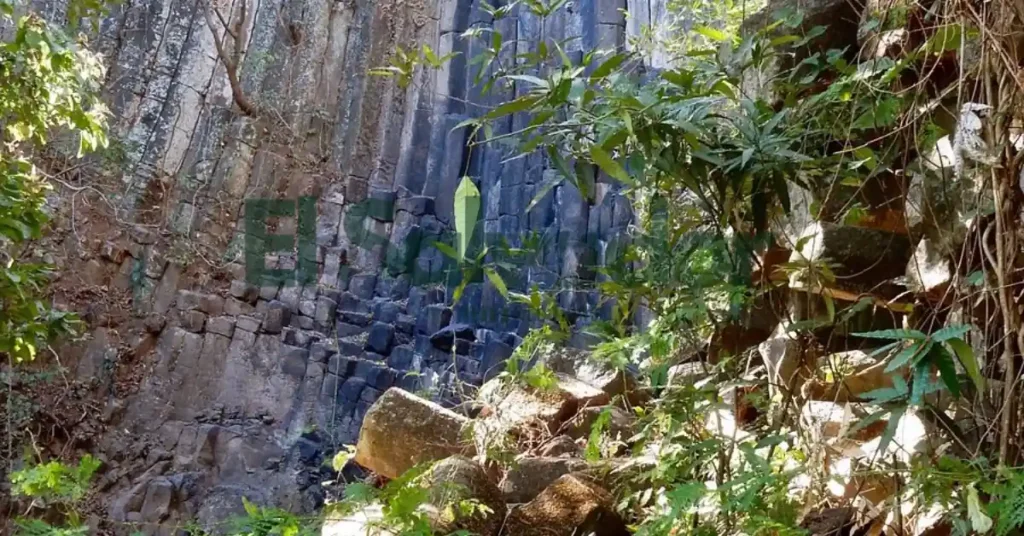
That is why the geologic formation looks so clean and geometric. The columns stand out because most rocks break in messy shapes, but basalt tends to crack in a repeating pattern as it cools. It’s a little like a drying cake with straight little splits on top, only this one became a cliff of stone.
The result is one of the most distinctive basalt columns landscapes you can see. Once erosion exposed the edges, the stacked shapes became easy to spot, and that sharp geometry is what makes Los Tercios so memorable.
Why the Site Matters Beyond the View
The waterfall setting is more than a pretty stop, because the water and rock work together in a way that catches your eye fast. The basalt columns give the place real geological significance, while the moving water turns it into a strong natural landmark tied to local identity.
- Visual distinctiveness: The straight basalt faces stand out beside the softer motion of the falls, which makes the scene easy to remember.
- Water and rock interaction: This geologic feature is compelling for interpretation and photography, since the shape of the stone changes how the water reads in person.
- Community value: Sites like this often support eco-tourism and give locals a landmark they can point to with pride.
Travelers building a longer cultural route through the country often combine natural landmarks with visits to El Salvador’s Maya ruins. Also if you’re interested in deeper Salvadoran history sometimes also include the El Mozote Massacre Memorial alongside nature and archaeology routes.
What to Look for on Site: A Simple Field Guide
The basalt columns are easiest to read when you slow down and scan the whole face first. I once almost missed the best spot because I was staring too close, and a hotel staffer pointed me to a side angle where the fracture lines stood out better.
- Column shapes: Look for straight, bent, or uneven basalt columns, and notice how they fit together.
- Crack patterns: Check whether the cracks run clean and long, or break into smaller, messy lines.
- Layering: Some rock faces show stacked bands that help explain how the lava cooled.
- Water flow: Watch for damp streaks, seep points, or dark patches where water runs over the rock.
- Rock texture: Feel how rough or smooth the surface looks, especially near broken edges.
- Light and shadow: Move a little and see how sunlight changes the column geometry and makes the shapes pop.
If you are staying near the capital before heading toward Suchitoto, El Boquerón is one of the easiest volcano stops near San Salvador.
How to Visit Los Tercios Waterfall: Access and Planning Essentials
Access can change with the weather and season, so I’d check local road updates before you go. The approach is usually the biggest planning detail, since road conditions and trail conditions can shift after rain.
- Terrain: Expect a natural setting, not a polished overlook. The last stretch may feel uneven, so good shoes help.
- Best time to visit: Dry weather usually makes the approach easier and the viewing area clearer. After recent rain, the falls can look stronger, but footing may be trickier.
- Arrival feel: First-time visitors often notice the sound before the view, then a sudden open look at the water.
- Visitor tips: Bring water, watch your footing, and plan a little extra time if the road has been wet.
If you are exploring western El Salvador for several days, Tazumal ruins fit naturally into a geology-and-history route. Also nature-focused travelers often also pair waterfall stops with hikes around Cerro Verde National Park.
Safety Tips and Responsible Tourism at the Waterfall
Wet basalt can look solid and still be slick, so safety starts before you get close. I remember a ranger at a nearby trailhead saying the rock “shines like soap” after spray, and he was right.
- Watch your footing. Step carefully on wet footing, and keep both hands free.
- Stay back from unstable edges. Water can undercut rock near the drop, and loose ground gives way fast.
- Supervise children closely. One quick slip near the spray zone can turn serious.
- Stick to marked paths. It helps with safety and follows local rules.
Conservation note: Treat fragile formations like they crack if you breathe on them. Avoid climbing, scraping, or standing on delicate basalt or mossy ledges, since responsible tourism means leaving the site as you found it. If signs or staff give extra direction, follow them.
Adventure travelers planning longer outdoor routes often continue on to Parque Nacional El Imposible after visiting the waterfall region.
How Los Tercios Compares with Other Basalt Landscapes
| Point | Los Tercios | Typical basalt landscapes |
|---|---|---|
| Setting | Columnar basalt sits right in a waterfall setting, so rock and water share the same stage. | Many basalt formations stand alone on cliffs, coasts, or open lava fields. |
| Visual experience | The columns feel alive because you see spray, wet stone, and shifting light. | Other basalt landscapes are often more static and dry, which changes the mood. |
| Role of water | Water is part of the uniqueness here, adding sound, movement, and cool air. | In most basalt formations, water is secondary, not the main part of the view. |
Travelers exploring unusual natural attractions sometimes also compare volcanic rock sites with the Rainbow Slide El Salvador for a completely different outdoor experience.
Best Photo Angles and Media Tips
Softer light makes the basalt columns look cleaner and less harsh. Bring a simple scale reference, because a person, backpack, or trekking pole helps the size make sense fast.
- Use softer light. Early morning or late afternoon usually gives gentler shadows.
- Try vertical framing. It fits the tall columns and keeps the shot tidy.
- Catch the water-rock contrast. Include the river, spray, or wet stone for more texture.
- Add a scale reference. It helps viewers understand how big the columns really are.
For photo angles, low view made the lines feel dramatic. A simple caption idea: “Basalt columns formed as cooling lava cracked into tall, natural pillars.”
Travelers interested in volcanic viewpoints across the country sometimes also compare western nature stops with Conchagua Volcano in eastern El Salvador.
Closing Thoughts
Los Tercios Waterfall stands out as both a striking landmark and a lesson in geology, with its basalt formations telling the story behind the scene. The best visits blend curiosity with care, since this visitor guide is really about seeing beauty and respecting it through responsible tourism.
Understanding the rock made the sound of the water feel bigger, not smaller. Once you notice the layers, the visit stays with you long after you leave.
Frequently Asked Questions
What is Los Tercios Waterfall?
Los Tercios Waterfall is a waterfall beside a striking wall of dark basalt rock in El Salvador. The site is known for water, stone, and that quiet, slightly wild feeling you get when you hear the spray before you see it.
Why are the basalt formations at Los Tercios special?
The basalt formations look like thick stone columns stacked in a neat pattern. They stand out because the rock face is so regular and dramatic, almost like a giant natural wall someone carved by hand.
How did the basalt columns form?
The columns formed when lava cooled and cracked as it hardened. Over time, the rock split into those tall, geometric shapes that make the site feel so unusual.
Is Los Tercios Waterfall easy to visit?
It is usually easy enough for a casual visit, but the path can feel uneven in places. I remember a taxi driver pointing out the rougher stretch before we got out, which saved us a small headache.
What should I bring when visiting Los Tercios Waterfall?
Bring sturdy shoes, water, and a camera or phone with a full battery. Pack a light layer too, because the mist and shade can make the air feel cooler than expected.
Is it safe to walk near the basalt formations?
It can be safe if you stay alert and keep to the marked areas or local guidance. The rocks can be wet and slippery, so it helps to move slowly and follow any advice from local tourism staff or site authorities.
What makes this waterfall different from other basalt sites?
Los Tercios stands out because the waterfall and basalt wall sit so close together. That mix of moving water, echoing sound, and sharp rock shapes gives it a more dramatic feel than many basalt sites.
When is the best time to see the waterfall and rock formations?
The best time is usually when there is enough water flowing and the light is soft. Early in the day often feels calmer, and the rock surface can look better when the sun is not too harsh.
Can I take photos of Los Tercios Waterfall?
Yes, photos are usually part of the fun here. The mix of mist, dark stone, and layered columns makes it a great spot for pictures, especially if you pause long enough to catch the light.
How can I visit responsibly and protect the site?
Stick to existing paths, avoid climbing the basalt, and take your trash with you. The local tourism office or site authorities may share current access and conservation rules, so it helps to check their guidance before you go.