
Two Weeks in El Salvador: The Ultimate Backpacking Itinerary
El Salvador is one of those places people often underestimate, and that’s exactly why a two weeks in El Salvador trip feels so good. The safety talk has shifted a lot, and if you’ve been watching travel updates from places like the U.S. State Department, you’ll know why that matters for trip planning. Once we landed, heard the street noise in San Salvador, smelled the coffee in Ruta de las Flores, and felt the sea air at El Tunco, it made sense fast.
This El Salvador backpacking itinerary covers the country’s biggest hits, but it only scratches the surface. The route moves inland first, from San Salvador to the mountain towns around Santa Ana and the colorful stops on Ruta de las Flores, then drops to the coast for surf, sunsets, and slower days. That order matters, because timing and transport can shape the whole trip, especially if you’re backpacking El Salvador for the first time and want the easiest flow between buses, shuttles, and short stays.
Key Takeaways
- This El Salvador 2-week itinerary usually flows from San Salvador to Ruta de las Flores, then Santa Ana, and ends on the coast.
- San Salvador is best as a short first stop, not a long base.
- Ruta de las Flores is the core highlight, with small towns, markets, and an easy backpacking route feel.
- Santa Ana works well for a volcano hike and other adventure-heavy days.
- The surf city coast is a smart final stop, especially after inland travel.
- Pick your dates with the dry vs rainy season in mind, because transport and trail days can feel very different.
Best Time to Visit El Salvador for a 2-Week Trip
| Season | What it feels like | Best for | Travel note |
|---|---|---|---|
| Dry season | Sunny, warmer, and easier for moving around | Volcano hikes, beach days, smooth transit | My taxi driver in San Salvador said this is when roads and trails feel easiest |
| Rainy season | Greener hills, afternoon showers, softer crowds | Waterfalls, lush Ruta de las Flores stops, lower-key surf trips | Plan earlier starts, since heavy rain can make afternoons slower |
The best time to visit El Salvador for a 2-week trip is usually the dry season, especially if you want the easiest mix of beaches, volcano hikes, and road time. That’s when El Salvador weather tends to be more predictable, so a Santa Ana hike, a Ruta de las Flores loop, and a coast stay all fit together more cleanly.
Rainy season is not a deal-breaker, but it changes the rhythm. Mornings can feel perfect for hiking or exploring, then the afternoon clouds roll in fast.
For a 2-week route, I’d put Volcano Ilamatepec and the Ruta de las Flores earlier in the dry season, then finish on the coast or El Tunco and the coast for the easier beach stretch. That also matches surf season better for many travelers, since the coast keeps its draw even when the inland hills feel steamy or muddy.
According to general travel weather guidance for the country, El Salvador has a clear wet and dry pattern. So if you want the simplest transit, driest trails, and the least surprise on long travel days, aim for the dry season. If you want greener scenery and don’t mind working around rain, the rainy season can still be a very good trip.
Travelers wanting a middle-ground option between a quick trip and a long backpacking route can also follow this 10-day itinerary.
How to Get Around El Salvador Without a Car
Getting around El Salvador without a car is pretty doable, especially for travelers backpacking El Salvador, but timing matters. The heat can be rough, luggage gets annoying fast, and a bus that looks close on a map can still eat half your afternoon.
- Local buses are the cheapest option and work well for everyday getting around El Salvador. They’re best for short hops and for moving between towns where you don’t mind slower travel and a little crowding.
- Tourist shuttle services are the easiest backpacking transport for bigger moves, especially on popular intercity travel days. I’d pick these when I had a bag, a tight schedule, and no patience for changing vehicles.
- Taxis make sense for late arrivals, hot afternoons, or door-to-door transfers. A driver can save you from dragging luggage across busy streets.
- Tuk-tuk rides are perfect for short runs once you’re already in town, like getting from a bus stop to your hotel or around compact downtown areas.
- Walking is enough in smaller centers and around some main bases, especially if you’re only crossing a few blocks and the weather is kind.
For route planning, the easiest transfers for backpackers are usually the simple ones: bus into a base, then tuk-tuk or walking to the final stop. That’s often less stressful than trying to stitch together several El Salvador bus routes in one day.
A driver in Santa Ana once laughed when I asked if walking was faster than a short tuk-tuk ride in the midday sun. He was right.
Choose this when: bus for cheap, flexible intercity travel. Choose a tourist shuttle when you want fewer hassles between main bases, like the coast or other common backpacking stops. Choose a taxi when heat, luggage, or timing matters more than price. Choose walking or a tuk-tuk for short final legs once you’re already close.
For city movement, see San Salvador. For bus 249 and the Ruta de las Flores route pattern, that’s where the local bus logic gets easier to follow. In Santa Ana, bus and tuk-tuk logistics usually work best together. And for shuttle-heavy coast trips, check the coast section. Travelers arriving overland from Guatemala often use the Antigua to Santa Ana route before continuing deeper into El Salvador.
What to Know Before You Go: Safety, Money, and SIM Cards
- Bring some cash in El Salvador. U.S. dollars are used nationwide, and small bills help for taxis, snacks, beach lunches, and rural stops where card machines can be hit or miss.
- Keep a card for bigger purchases. Hotels and nicer restaurants often take cards, but I’d still carry a backup. I once watched a shop clerk wave a card reader that clearly had no signal, and that was my reminder.
- Check ATM fees before you arrive. Your bank may add charges, and local ATMs can too.
- Sort your SIM card or eSIM early. If you want data for maps, rides, or messages, set it up before landing or as soon as you connect. A few people at my hotel did this while sipping coffee, and they were offline for almost no time.
- Download offline maps. Signal can drop on remote volcano roads, waterfall trails, and quiet beach stretches. Offline maps saved us more than once when dust, heat, and bad signage all hit at the same time.
- Pack a small backpacking checklist. Include passport, cash, bank card, charger, power bank, sunscreen, and any meds you need. I also kept a screenshot of my booking details, which helped when my phone was being stubborn.
- Keep basic El Salvador travel safety habits. Use normal city sense, stay aware with your phone out, and ask your hotel or driver about the safest timing for transport-heavy days. On a long beach transfer, our taxi driver pointed out which areas got quiet after dark, and that local tip mattered.
For connectivity, a local SIM card or eSIM is handy if you’re hopping between buses, beaches, and inland stops. I’d keep your money plan simple: some cash, one working card, and a backup plan for slow machines or no signal.
If you want more on travel data later, I’d link your setup to the transport-heavy parts of the trip, since that’s where maps and messages matter most. For now, the goal is simple, arrive with cash, offline maps, and a phone that can help you get around without stress.
Suggested 2 Week El Salvador Itinerary Map and Trip Pace
The easiest El Salvador itinerary map for a 2 week itinerary usually follows one clean backpacking route, with a few places best used as a day trip base and others worth an overnight. I liked having one main base at a time, because the taxi driver, hotel staff, and even a shop owner near the bus stop all gave different route tips that saved me from backtracking.
| Route order | Best base plan | Day trip or overnight | Skip if time is short |
|---|---|---|---|
| Ruta de las Flores | Good first base if you want a slower start | Day trip base or 1 night if you like easy pacing | Shorten it if you are moving fast |
| Ataco | Simple place to sleep and reset | Overnight works best | Can be shorter on a tight schedule |
| Juayúa | Best as a relaxed base for nearby stops | Day trip base for most travelers | Skip one night if your trip pace is fast |
| Lake Coatepeque | Good overnight if you want lake time | Usually better as an overnight stay | Easy to skip if you only want the highlights |
For a faster route through the country, this 1 week El Salvador itinerary keeps the trip tighter and treats most stops as day trips. If you move slowly, linger in Ataco and Lake Coatepeque, because that is where the trip pace feels calm, warm, and a little dusty in the best way.
If you only have a few days instead of two full weeks, this weekend itinerary is a simpler way to experience the country.
San Salvador: 2 Days
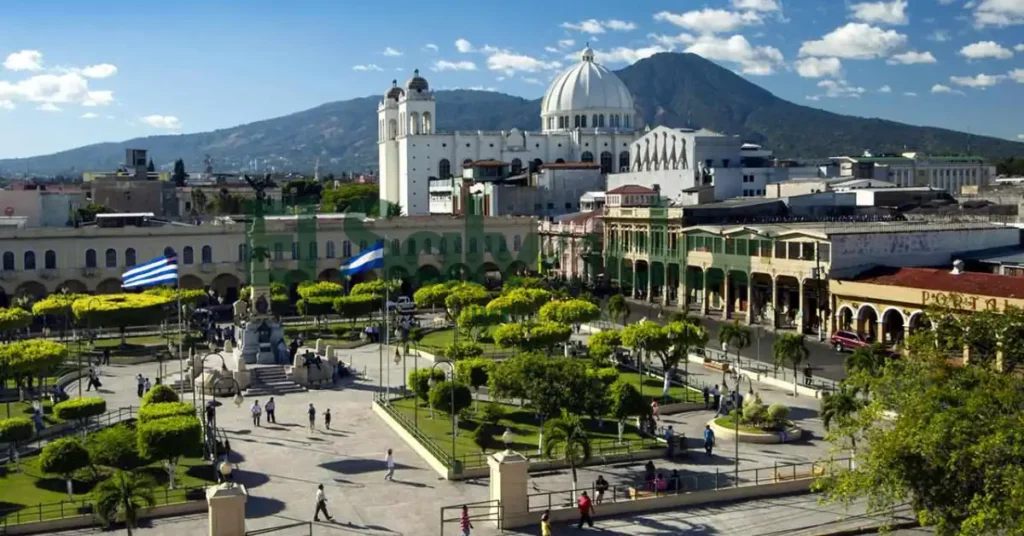
San Salvador is usually a practical first stop, not the part of the trip people rave about most. That said, I liked it for the mix of street life, easy logistics, and a quick hit of history before heading onward, and it’s where most first-time visitors tend to base themselves.
The San Salvador historic center is the obvious day one. It’s busy, a little rough around the edges, and oddly charming if you keep moving. I remember the sound of buses, church bells, and vendors calling out near the Metropolitan Cathedral and National Palace, plus the heavier, quieter feel around the BINAES Library.
- Walk the historic center. Go early, before the heat and crowds build. The old core is best seen on foot, one block at a time.
- Visit Mercado Ex Cuartel. It’s a good stop for local energy, snacks, and a more lived-in city feel.
- Book a walking tour. If you want context, I’d check a reputable tour platform or an official city tourism source. It makes the center feel less chaotic.
- Spend your second evening in Zona Rosa. That’s where the nightlife, museums, and more polished restaurants cluster.
For sleeping, I’d keep things simple. A San Salvador hostel works well if you want a budget base and easy social energy, especially near the areas other travelers like. First-timers usually split between Escalon and Zona Rosa, while Antiguo Cuscatlán and Santa Tecla can feel a bit calmer and more residential.
Historic Center Walk and Market Stops
The historic center is easy to do on foot, and that made it a good low-stress first day for me before heading to the more scenic regions later. I started by the Metropolitan Cathedral, then kept walking past the National Palace and the National Theater, where the streets felt busy but not rushed.
From there, the route can loop to San Salvador main sights like the BINAES Library, then continue to Mercado Ex Cuartel for a look at the market scene. I remember the smell changing fast, from city dust and hot pavement to fruit, coffee, and fresh food stalls. A taxi driver pointed me in the right direction, and the whole walk felt simple even with the crowds.
If you have a little more time, stay around the markets and watch how the center shifts hour by hour. For getting back, it helped me to check the transport section before I went, since leaving the core area was easier once I knew my options.
Best Areas to Stay in San Salvador
Zona Rosa and Escalon are the easiest picks if you want cafés, nightlife, and a calmer base near the city’s main social spots. I remember a taxi driver saying these were the places most travelers asked for, and it made sense once I heard the late-night music and saw how busy the sidewalks stayed.
- Zona Rosa, best for nightlife and an easy first stay. It felt lively, a little polished, and close to the action.
- Escalon, good for a quieter, more settled feel. I’d pick it if you want fewer late nights and simpler evenings.
- Antiguo Cuscatlán, handy for moving around and keeping transit costs down. It works well if your plans are spread across the city.
- Santa Tecla, a smart choice for hiking access and a more local pace. The air felt a bit cooler there, and the streets seemed less rushed.
- La Zona Hostel and Hostel Cumbres del Volcán, good if you want the best hostel in San Salvador and a social base. I’d check Hostelworld for current reviews before booking.
If I had to choose by mood, I’d go Zona Rosa for energy, Escalon for comfort, Antiguo Cuscatlán for logistics, and Santa Tecla for getting closer to the trails.
Travelers who prefer boutique hotels, private transfers, and upscale stays can also explore this luxury El Salvador trip guide.
Ruta de las Flores: 5-Day Route
The Ruta de las Flores is one of the easiest places in El Salvador small towns to slow down and stay a while. The towns sit close together, so moving around never felt like a big travel day, and the whole area has that leafy, misty feel that makes you keep stopping for one more photo, one more coffee, one more snack.
On one drive, a taxi driver pointed out a bakery, a pupusa spot, and a coffee stand before we even reached the next town.
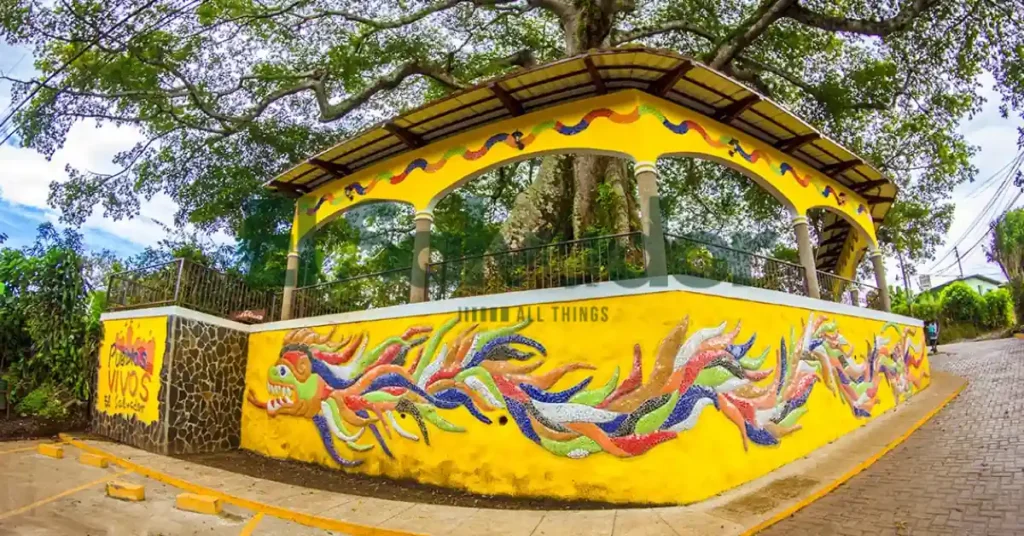
The big reason it works so well is simple: the transfers are short, often around 30 minutes between towns, and bus 249 keeps the route easy to piece together. That makes it a strong slow-travel base, even if you only have a few days. You can sleep in one place, wander out for breakfast, and still feel like you saw a lot.
Nahuizalco
Nahuizalco feels busy in the best way, with a local market mood and the smell of fried food drifting through the streets. It is a good first stop if you want a town that feels lived-in, not staged.
We almost skipped it, but I’m glad we didn’t. The mix of crafts, produce, and everyday noise gives the Ruta de las Flores a more grounded side before the prettier cafes and viewpoints take over.
Juayua
Juayua is the food stop everyone talks about, and for once the hype makes sense. The town has a relaxed center, quick access to nearby walks, and a steady stream of travelers who seem to linger longer than planned.
It also works well as a base because everything feels close. You can grab breakfast, head out for a short transfer, then come back for dinner without feeling rushed or stuck in transit.
Apaneca
Apaneca has the cooler, breezier feel that makes you want to sit outside with a coffee. The town is scenic without trying too hard, and the hills around it give the whole area a softer, greener look.
I kept hearing birds in the morning and the occasional motorbike cutting through the quiet. It’s the kind of place where even short stays make sense, because you can do a little and still feel like you’ve had a full day.
Ataco
Ataco is the postcard town, bright and easy to love. The painted streets, small cafes, and mountain light make it the most photogenic stop on the Ruta de las Flores, and probably the one people remember first.
It also has the best slow-travel rhythm. You can walk, snack, shop, and repeat without much planning, which is exactly why it works so well for five days or even less.
Nahuizalco and Salcoatitán
Ruta de las Flores feels most alive in Nahuizalco, where the Pipil presence still shapes the town’s rhythm and the weekend night market fills the streets with food smells and chatter. The yuca sancochada and the sweets are half the fun, especially when locals are setting up stalls and the air gets warm and smoky.
- Nahuizalco, best for culture-focused travelers who want the stronger local feel.
- Salcoatitán, a quieter stop that works well if you’re doing all the towns.
- Night market energy, with snacks and sweets that make it easy to linger.
- yuca sancochada, the simple bite I kept thinking about afterward.
Truth is, if you only have room for one stop, Nahuizalco tends to give you the richer mix of people, food, and movement. Salcoatitán is the easy add-on, a quick wander before heading on.
Juayúa: Best Base for the Waterfalls and Food Scene
Juayúa is the easiest place to sleep if you want Ruta de las Flores hiking and a full stomach in the same day. The town feels busy in the mornings, then drifts into that smoky, grilled-food smell by lunch, especially on weekends when the weekend food festival fills the square.
For a place to stay, I’d look at hostels first, since most travelers use Juayúa as a simple hiking base. Hostelworld is the easiest way to compare beds, vibes, and walkability before you arrive. That matters here, because after a long hike, a short walk back to your room feels like a gift.
- Stay: Hostels in town work well for early starts and easy food access.
- Food stop: Pupuseria Sugey for pupusas, and Delicias de Mexico for a different local bite.
- Best for: Travelers who want waterfalls, food, and volcano views without changing towns.
The big draw is the Seven Waterfalls hike. It usually takes 4 to 6 hours, and the trail is more of a proper workout than a casual stroll. The heat looked rough, but once the guide got moving, the shade, river sounds, and mist from the falls made it worth it.
For logistics, the guide and transport cost details should be checked in advance, since prices can vary by group and season. I’d also look at a reputable activity platform for guided hike options if you want everything arranged before breakfast.
- Activities: Seven Waterfalls, weekend food festival, volcano views, and extra Ruta de las Flores hiking nearby.
- Difficulty: Moderate to hard, especially if you’re not used to heat and uneven ground.
- What to bring: Good shoes, water, and heat protection.
Here’s what happened to me, the taxi driver and a hostel staff member both said the same thing: start early, eat after, and don’t underestimate the climb. That advice saved the day, and the food tasted even better once I was sweaty and tired.
Apaneca and Cafe Albania
Apaneca is one of those small towns on the Ruta de las Flores that feels calm until you hit its big draw, Cafe Albania. The historic center is easy to wander, with a church, a food market, and a few restaurants that smell like fresh tortillas and coffee. It’s a nice stop if you want a quieter side of El Salvador attractions before the day gets a little weird in the best way.
And here’s the thing, Cafe Albania is more amusement-style than cafe. The name sounds so chill, but it’s really the place for playful activities and a low entry fee, plus add-ons if you want more action.
- Historic center: Small, walkable, and relaxed, with a local feel.
- Church and market: Good for a quick look at daily life in Apaneca.
- Restaurants: Handy for a simple meal before or after Cafe Albania.
- Cafe Albania: The main attraction, with extra activities you can pay for if you want more than the basic entry.
Concepción de Ataco
Concepción de Ataco is the kind of Ruta de las Flores stop that feels best when you slow down. The rhythm here is gentle, with Ataco murals on quiet streets, a few easygoing cafe stops, and the sense that this is a better final overnight than a packed activity hub.
- Food: Cafe Axul, Cafe de los Artistas, and Mama Nila are the names that kept coming up. The local pupuserias are also the easy, unfussy choice if you just want something warm and filling.
- Art: The street art is the main draw here. The walls around town make wandering feel a little like a treasure hunt, and you can cover a lot without trying very hard.
- Viewpoint: The cross overlooking town is the one viewpoint worth making time for. It gives you that wide, calm look over Concepción de Ataco without turning the day into a hike.
Route Logistics, Costs, and Connectivity Notes
Town transfers along the Ruta de las Flores are usually short, and bus 249 is the local number people keep mentioning. The timing felt relaxed for us, but it still helped to plan around hike transport and early pickups, since some spots are easier to reach before the day gets moving.
Keep your phone ready before remote days. Mobile data made maps, bus timing, and last-minute bookings much easier, and that mattered once we were backpacking El Salvador and moving between small towns.
- Check bus 249 times early. Small delays can change the whole morning.
- Build in extra time for hike transport. Drivers and local staff were usually clear, but schedules felt loose.
- Keep connectivity sorted before you leave town. A working eSIM can help with maps and bookings, and major providers like Airalo are a common reference point for travelers.
Santa Ana: 4 Days
Santa Ana works well as a base because the biggest outings sit close together, even if the city itself feels hot and busy by midday. I remember stepping out early, hearing buses grind past the historic center, then ducking back into shade by noon with a cold drink and a tired grin.
That heat matters. Start early, move slowly in the afternoon, and save the long walk around town for mornings or sunset. A Santa Ana hostel near the center makes those early departures easier, especially when you are heading out before the streets warm up.
Santa Ana historic center
The historic center is the easy first day. It gives you a feel for the city before the bigger adventures pull you out toward the volcano, lake, waterfalls, and ruins.
Keep this one light. Walk in the morning, find shade when the sun climbs, and let the day stay simple. That small pacing trick made the rest of the trip feel much better.
Volcan Ilamatepec hike
Volcan Ilamatepec is the headline outing from Santa Ana, and it usually starts best early. The climb is the kind of day that rewards a calm breakfast and an even earlier start.
By the time we got moving, the air was already warming up fast. So if you only do one thing about the weather, respect the heat and bring enough water for the climb.
Coatepeque Lake day trip
Coatepeque Lake makes a strong slower-paced day after the volcano. The shift from mountain air to lakeside time feels like a reset, with easier movement and fewer logistics once you are there.
It also gives you a break from the city heat. That was the day I was most grateful for a late afternoon breeze and a quiet spot to sit down for a while.
Salto de Malacatiupan waterfalls
Salto de Malacatiupan is the cool-off day. After dusty streets and hot sidewalks, the waterfalls feel almost unfair in the best way.
Travelers often pair it with an early start from Santa Ana, then come back tired, damp, and happy. If you like mixing a bucket-list base with a bit of splashy downtime, this is the one.
Tazumal ruins
Tazumal is the cleanest ruins day from Santa Ana, and it fits well when you want something lighter than a full mountain or water day. For ruins context, I’d stick with official heritage sources if you want deeper background before going.
It works especially well as a final outing because it keeps the pace steady. After four days based in Santa Ana, that balance of history, heat, and easy transport starts to make a lot of sense.
Volcán Ilamatepec and Santa Ana Volcano
Volcán Ilamatepec, better known as Santa Ana Volcano, is the classic crater hike in western El Salvador. The logistics looked messy, but the trail itself is straightforward once you know the rhythm.
The usual day starts early, then moves by steps: get to the trailhead, join a guided hike or sort your own route, pay the bus fare and entrance fee, and hike up at a steady pace. It’s a moderate difficulty climb, so you do need decent legs and a calm pace, but it’s still doable for most fit travelers.
The best part is timing the crater rim stop. The light changes fast up there, and the green water can look almost unreal in the wind. I still remember the cool air, dusty shoes, and the sound of other hikers catching their breath in little bursts.
For the return, the bus back can be the tricky piece. The early return bus limitation means you want to plan your descent carefully so you are not stranded or rushed.
Who it suits: beginners who are comfortable on a steady uphill walk can handle it with a guide and a slow pace. More experienced hikers will probably find the route manageable and enjoy the longer full-day rhythm more.
- Watch the timing. The crater rim is the payoff, so don’t rush the top.
- Plan transport early. Guided groups make the day simpler, while DIY works if you like handling the bus and fees yourself.
- Wear proper shoes. Good tread matters more than style on the loose sections.
- Check official park or tourism advice before you go, since access and safety norms can change.
Lago de Coatepeque
Lago de Coatepeque, also called Coatepeque Lake, works best as a choice between a quick day trip and a slower stay by the water. I remember the first view from the road, all bright blue water and that steep volcano and lake pairing that makes the whole place feel dramatic before you even stop.
If you’re pairing it with Santa Ana volcano, the lake is an easy add-on. If you want calm mornings, lake views, and dinner by the water, sleeping nearby makes more sense.
- For one day: Go for the scenery, a meal, and a quick look around. That worked well for travelers I met who were already moving on the same afternoon.
- For a longer stay: Spend a night or two if you want slower mornings and more time at the shore. The light over the water changes fast, and that part felt worth lingering for.
- For budget travelers: A hostel pick on Hostelworld can make an overnight by the lake easier without overthinking it.
- For food and views: The restaurants around the lake are a big part of the draw, especially if you like a quiet meal with a view.
- For a bundled plan: Some tour options pair the lake with the volcano, which fits well if you only have a short window.
The lake ended up being the part that stayed with me. If you’re heading next toward the coast, it’s an easy place to split the trip and breathe before the beach heat.
Salto de Malacatiupan and Tazumal Ruins
Salto de Malacatiupan is the easy nature stop, with a thermal waterfall and warm pools that feel great after a dusty road ride. Tazumal ruins, just outside Chalchuapa, pair well with it if you want a day that mixes water, history, and less walking than the volcano trails.
- Salto de Malacatiupan: Best for a swim and a slower pace. The water feels warm, and the whole place has that damp, mineral smell you notice right away.
- Tazumal ruins: A quick archaeological stop, usually more about the site and setting than a long visit. If the volcano feels too strenuous or the weather turns, this is a solid flexible day.
- Base in Chalchuapa: Stay or start there for the shortest hops between the ruins and nearby transport.
- Getting around: A tuk-tuk works for short local rides, and a Bajaj Qute can make the trip feel easier if you’re moving between stops with bags or in the heat.
- Fees: Keep your cash ready. Entrance fee details can change, so I’d confirm the current price at the gate or with your driver before you go.
The sky looked heavy over Santa Ana, but it ended up being the calmer day we needed. If you want to pair the ruins with the waterfall, check the main Santa Ana guide and the transport section for the easiest way to string the stops together. For the archaeology side, the official heritage listing for Tazumal ruins is the best source to double-check site details before you head out.
Santa Ana City Base and Where to Stay
Santa Ana historic center is the smartest base if you want easy mornings and less sweating around town.
If you want a practical pick, Hostelworld is where I’d check Hostal Casa Verde, a backpacker hostel with a pool that sounds like a luxury until you feel Santa Ana heat pressing in by midday. Staying in town also means you can grab breakfast, walk to the center, and still be ready for the main Santa Ana area and the excursions above without a rushed start.
El Tunco and the El Salvador Coast: 3 Days
El Tunco is the kind of stop that makes sense after inland days in Santa Ana. The beach itself is honest, not postcard-perfect, with dark sand, strong waves, and a little volcanic grit under your feet. But the Surf City vibe is real, especially once the sun drops and the music starts drifting out of the beach bars.
If you surf, this is where the area earns its place, because El Tunco and nearby El Zonte are both built around the waves. El Zonte is only about 15 minutes away, and it feels a touch calmer if you want fewer people and a slower pace.
For casual beach travelers, I’d be honest: El Salvador coast is better for hanging out than for classic swimming-and-sunbathing days. The real draw is the rhythm, surfboards under arms, cold drinks, salty air, and hostel decks full of other travelers comparing notes about the break.
- Stay in beach hostels if you want the social scene, easy surf access, and cheap rooms.
- Pick a quieter stay near El Zonte if you want more sleep and less nightlife noise.
- Book early on weekends, because the best spots fill fast when Surf City gets busy.
If you have an extra half day, the Tamanique waterfalls are a solid optional trip inland. I heard about them from a hostel staffer who said, with a grin, that the hike is the real workout. That felt pretty accurate.
For transport, I’d check the coast transfer notes before you go, because getting here is easy once you know the timing. After that, you can keep rolling toward your next stop, or stay one more night and let the ocean noise do the rest.
El Tunco Beach, Surf, and Nightlife
El Tunco beach is a gray sand, rock-strewn stretch that people come to for surf, sun, food, drinks, lazy days, and nightlife. It’s not the postcard beach stop most non-surfers picture, and that’s kind of the point.
The beach feels rough around the edges, with driftwood, dark rocks, and waves doing most of the talking. If you’re chasing perfect sand, this may not be your spot. If you want a laid-back Surf City hangout, it fits.
- Best for: surf sessions, lazy afternoons, and late nights.
- Expect: gray sand, rocks, driftwood, and a busy shoreline.
- Come for: food, drinks, and the easygoing nightlife.
Treat El Tunco like a lifestyle stop, not just a beach stop. The real draw is the whole scene, and the beach is just one piece of it.
El Zonte as a Quieter Alternative
El Zonte sits about 15 minutes from El Tunco, but the mood feels much softer. If El Tunco is the lively backpacker coast stop with music, bars, and a crowd on the sand, El Zonte feels like the calmer little sibling, with fewer people, a more beautiful beach, and that easy, sleepy surf-town rhythm. We almost skipped it, but the first thing I noticed was the quiet, just waves, warm wind, and the smell of sunscreen and grilled fish drifting from a beach shack.
For a beach day trip, El Zonte can be enough on its own. And if you want a base that feels less about nightlife and more about slow mornings, it fits that too. I’d check both the main coast section and the transport section before planning the move, since the trip is easy but timing still matters.
- Better for calm, fewer crowds and a slower pace than the El Tunco comparison.
- Better for beach time, especially if you want long walks and a quieter shore.
- Good for one day, if you just want a mellow stop on the backpacker coast.
- Good for a base, if nightlife matters less than a peaceful stay.
Where to Stay on the Coast
Most travelers split their time between El Tunco and La Libertad, and that matched what I kept hearing from hostel staff and other backpackers over noisy breakfast tables. El Tunco feels like the busier backpacker hub, while La Libertad is a bit calmer and often easier for a simple beach base.
| Area or hostel | Best for |
|---|---|
| El Tunco hostel | Social stays, easy beach access, and more nightlife |
| La Libertad | A quieter base with quick access to the coast |
| Sunset Surf Villa | Comfort-first stays with pool and air conditioning value |
| Lagarza Hostel | Budget-friendly, with a more hostel-style feel |
| Papaya Lodge | Another solid pick if you want an easy coast stay |
If you want pool and air conditioning, or you’re eyeing places like Sunset Surf Villa, Lagarza Hostel, or Papaya Lodge, book ahead on Hostelworld, especially in peak periods.
For the coast plan as a whole, I’d pair your stay choice with the broader coast section. That way you can match your base to surf, nightlife, or a quieter sleep, instead of bouncing around with a sweaty backpack at check-in time.
Packing List and Trip Prep for El Salvador
A good packing list for El Salvador starts with comfort. I remember a taxi driver in San Salvador laughing when I said I was ready for the heat in jeans. I was not.
- City: Light clothes, comfy walking shoes, and a small daypack for water, cash, and sunscreen.
- Volcano: Hiking shoes, a light layer, and extra water for spots.
- Waterfalls: Quick-dry clothes, sandals that can handle wet paths, and a rain layer if the weather looks unsettled.
- Coast: Swimwear, sun protection, and easy sandals for beach days along the coast.
Bring strong sun protection. The sun felt sharp by midday, even when the sky looked hazy.
If you’re traveling in a wetter season, a light rain layer is worth it. A quick shower left the streets smelling like warm dust and wet mango peel.
Cost Snapshot for a 2-Week El Salvador Trip
For an El Salvador budget, the biggest swing usually comes from where you sleep and how far you move around. On my trip, I kept hearing the same split from other travelers, hostel costs and buses felt light, while guided hikes, entrance fees, and beach lodging premium choices pushed the total up fast.
Here’s the thing, if you stay in hostels and use local transport, your backpacking budget stays much easier to manage. If you want quieter beach nights or more comfort, the price climbs around the coast, especially near the more polished spots.
If you are trying to keep costs lower, these free things to do in El Salvador can help balance out bigger activity days.
| Cost item | Low-cost style | Higher-comfort style | Where to see it |
|---|---|---|---|
| Hostel costs | Basic hostel stays | Beach lodging premium choices | El Tunco, beach areas |
| Transport costs | Bus and tuk-tuk transfers | More direct local rides | Suchitoto, Santa Ana |
| Activity costs | Simple entrance fees | Guided hikes plus fees | Cerro Verde, Izalco hikes |
A tuk-tuk driver once quoted a quick ride so casually it almost sounded like pocket change, and then the guided hike fee showed up later like a surprise snack bill.
For a two-week trip, the safe move is to compare your style, not just your route. If you want the cheapest version, lean on hostels, buses, and basic entrance fees. If you want more space, less hassle, and beach lodging premium choices, keep extra room in your wallet.
Budget-conscious travelers can also compare this longer route with a breakdown of typical El Salvador 7-day trip costs.
Conclusion
This El Salvador itinerary really works because it mixes a little bit of everything, city energy, cool mountain air, small-town stops, and that easy surf rhythm on the coast. The last beach stretch ended up feeling like the best coast finale, with salty air, warm evenings, and a slower pace that made the whole backpacking route make sense.
If you’re piecing it together, keep your dates flexible and book the key stays ahead of time, especially for the busier nights. And if you need the full map again, jump back to the route summary and the onward travel section, because getting out from the coast is usually pretty simple once you’re ready to move on.
Frequently Asked Questions
Is 2 weeks in El Salvador too much?
No, 2 weeks is a good amount for El Salvador. It gives you time for city, volcano, lake, and beach days without rushing between places.
How many days do you need in El Salvador?
Most travelers can see the highlights in 7 to 10 days. If you want a slower pace with beach time and a few hikes, 2 weeks works well.
What to call a Salvadoran woman?
The word is salvadoreña in Spanish. It’s the standard, respectful term.
Is it safe for Americans to travel to El Salvador now?
Safety can change, so check current advice from the U.S. State Department before you go. Stick to busy areas, use normal city caution, and keep your plans flexible.
Which is safer, Costa Rica or El Salvador?
Costa Rica is usually seen as the easier pick for first-timers. El Salvador can still work well if you stay alert and travel smart, especially in the main tourist areas.
How much is $100 US in El Salvador?
El Salvador uses the U.S. dollar, so $100 is still $100 there. That made simple things like coffee, buses, and food feel easier on the road.
What is the best time to visit El Salvador for a 2-week trip?
The dry season is usually the easiest time for a trip like this. Roads, hikes, and beach days tend to be simpler, which helps a lot on a packed itinerary.
How do you get around El Salvador without a car?
Use a mix of buses, shuttles, taxis, and tuk-tuks. Check the transport section before you go, because timing can feel loose at terminals.
What should you know before you go to El Salvador about safety, money, and SIM cards?
Bring a backup card, some small bills, and a plan for data. A local SIM or eSIM helps a lot, and the pre-trip checklist covers the basics.
Is San Salvador worth 2 days?
Yes, if you want museums, food, and a city base before heading out. If you only like nature, one night may be enough.
What is the best base in Ruta de las Flores?
Juayúa is the easiest all-around base for food, hikes, and day trips. We kept hearing it from other travelers, and they were right.
How hard is the Santa Ana Volcano hike?
It is usually moderate, not brutal, but the climb can feel hot and steep. Good shoes, water, and an early start make a big difference.
Is El Tunco good if you do not surf?
Yes, but it is noisier and busier than some other beach towns. If you want sunsets, bars, and easy food, it still works.
Is El Zonte better than El Tunco?
El Zonte is calmer and feels more relaxed. El Tunco has more going on, so the better pick depends on your energy level.
What should you pack for El Salvador?
Pack light clothes, good walking shoes, swimwear, sunscreen, bug spray, and a rain layer if you’re going in wetter months. A power bank and a copy of your documents help too.
How much does a 2-week trip to El Salvador cost?
Budget travelers can keep it fairly low with hostels and local transport. Costs rise fast if you use private shuttles, nicer hotels, and lots of beach bars.
What is the best onward destination after El Salvador?
Guatemala is a common next stop, and Nicaragua also fits well. If you are crossing by land, see the transport section for the easiest routes.
What are the best areas to stay in San Salvador?
Zona Rosa and nearby business areas are popular for first-time visitors. They felt easy for taxis, restaurants, and simple overnight stays.
Is Coatepeque Lake worth an overnight?
Yes, if you want a slow evening and sunrise over the water. A short stop can work too, but an overnight feels more relaxed.
Can you do the Seven Waterfalls hike as a beginner?
Usually yes, with decent fitness and good shoes. It can be slippery after rain, so ask about trail conditions first.
Is Tazumal worth visiting?
It is worth it if you like archaeology and short cultural stops. If your time is tight, it is an easy skip.
Do you need to book El Salvador hostels ahead of time?
Not always, except in peak travel periods or popular beach towns. We had better luck booking ahead for weekends and just winging it inland.
What are the best ways to get from El Tunco to Guatemala or Nicaragua?
Shared shuttles are the easiest choice for most travelers. Public buses are cheaper, but they take more time and planning.
Is El Salvador good for solo travelers?
Yes, especially if you keep your route simple and stay in well-traveled places. Hostels and shuttles make it easier to meet people along the way.
What is the most useful eSIM or connectivity advice for backpacking El Salvador?
Get your data set up before arrival if you can. That saved us from hunting for a phone shop after a long bus ride.
How much time should you spend in Santa Ana?
One to two nights is usually enough. That gives you time for the volcano, coffee, and a little city downtime.
What is the best town to base in on the Ruta de las Flores?
Juayúa is the most practical base for a short stay. It has food, markets, and easy access to nearby hikes.
Is the coast or inland better for a 2-week El Salvador itinerary?
For most first-timers, a mix of both feels best. Inland brings volcanoes and towns, while the coast gives you slower afternoons and sunset walks.
What are the safest practical habits for buses, terminals, and nightlife areas?
Keep valuables out of sight, use trusted transport, and stay aware when terminals get crowded. At night, I’d rather take a known taxi than guess my way home.
Which parts of the trip are best to skip if you only have 10 days?
Skip extra beach hopping and trim one of the shorter cultural stops. Keep the city, Santa Ana, Ruta de las Flores, and one coast base.
What are the best foods to try in the main itinerary areas?
Pupusas are the big one, and they show up everywhere. I also kept seeing fresh seafood on the coast and simple coffee-heavy snacks inland.
Which stops are best for first-time Central America travelers?
San Salvador, Ruta de las Flores, Santa Ana, and El Tunco are the easiest starting points. They have enough services to make the trip feel less chaotic.
Is a rental car necessary for this itinerary?
No, most travelers do fine without one. Honestly, the buses and shuttles were enough once we got used to the timing.
What are the best budget tips for El Salvador travel?
Eat local, share shuttles, and stay in bases that cut down transfer costs. Small bills help, and so does avoiding last-minute private rides.
Where should you spend your final nights before crossing into another country?
Stay near your exit route, usually close to the coast or your land border transfer. That makes the final morning much less stressful.
Is El Salvador a good mix of city, hiking, and beach for backpackers?
Yes, that is one of its biggest strengths. You can go from a busy street to a volcano trail to a sunset beach in the same trip.
What should travelers know about cash and ATMs in smaller towns?
Carry enough cash before leaving the bigger towns. ATMs can be limited, and some smaller places still prefer cash only.
Is this itinerary flexible in rainy season?
Usually yes, but hikes and beach days may need swaps. Keep one backup indoor or short-town option ready.