
How to Get from Antigua to Santa Ana: Crossing the Guatemala and El Salvador Border
Antigua to Santa Ana is a common Central America overland route, especially if you’re heading toward western El Salvador after Guatemala. The trip is roughly 250 kilometers, but it feels longer because it includes a border crossing and one big transport decision, shuttle, public bus, or a mix of both.
Most travelers do it for the practical side of the trip, Santa Ana is a useful base for Santa Ana, plus easy onward access to Ruta de Las Flores and the Santa Ana Volcano hike guide. I remember standing near the road with a backpack that smelled a little like bus dust and sunscreen, watching drivers wave people toward different vans, and thinking, the border part sounded messy.
Truth is, it’s not hard once you know the flow. You cross from Guatemala into El Salvador, sort out the paperwork at the border, then keep going by the transport that fits your budget and patience. That advice usually helps in reverse too, if you’re going from Santa Ana to Antigua.
Before you go, check current entry and safety conditions, since border rules can change. According to U.S. State Department travel guidance, it’s smart to review the latest updates before crossing.
Key Route Takeaways
- The route is short, but the border can slow you down.
- Travel time usually depends more on queues than distance.
- Taxi, shared taxi, and minibus are the main options.
- Some crossings are quicker, while others feel less hectic.
- Border fees can pop up, so keep small cash handy.
- For most travelers, the safest practical choice is a vetted taxi.
In Short: Getting from Antigua to Santa Ana
The trip from Antigua to Santa Ana usually means crossing into El Salvador and covering a long overland stretch, so the real decision is speed versus price. I remember a driver in Antigua pointing at a dusty windshield and saying, “Border days are border days,” which felt about right. If you are also sorting out stops in Antigua travel guide or planning your arrival with a Santa Ana travel guide, this quick rundown helps you pick the easiest fit.
- Fastest: private transfer or shuttle, usually the most direct option.
- Cheapest: public bus, but it takes more time and patience.
- Best for comfort: shuttle or private car, especially with luggage.
- Best for budget travelers: bus, if you do not mind slower border crossings.
| Transport | Time | Cost | Best fit |
|---|---|---|---|
| Private transfer | Fastest | Highest | Travelers who want the least hassle |
| Shuttle | Medium | Mid-range | Most people, especially with bags |
| Public bus | Slowest | Lowest | Very budget-conscious travelers |
Border fees may not be included in transport prices, so I always double-check that part before paying. The U.S. Department of State also notes that border and entry requirements can change, so a current document check is smart before you go. Next, let’s look at the detailed options and what the border feels like on each one.
If you only have a few days after arriving from Guatemala, this weekend itinerary keeps the route short and easy to manage.
Crossing the Border from Guatemala to El Salvador
The main road crossings are El Amatillo and Las Chinamas. El Amatillo is the busier, more direct route for many travelers, while Las Chinamas usually feels smaller and a bit calmer. I remember the mix of diesel, fried snacks, and loud radio chatter near the booths, plus a taxi driver reminding us to keep our passports in hand.
According to U.S. Customs and Border Protection travel resources, travelers should keep passports accessible and follow official inspection instructions at border points.
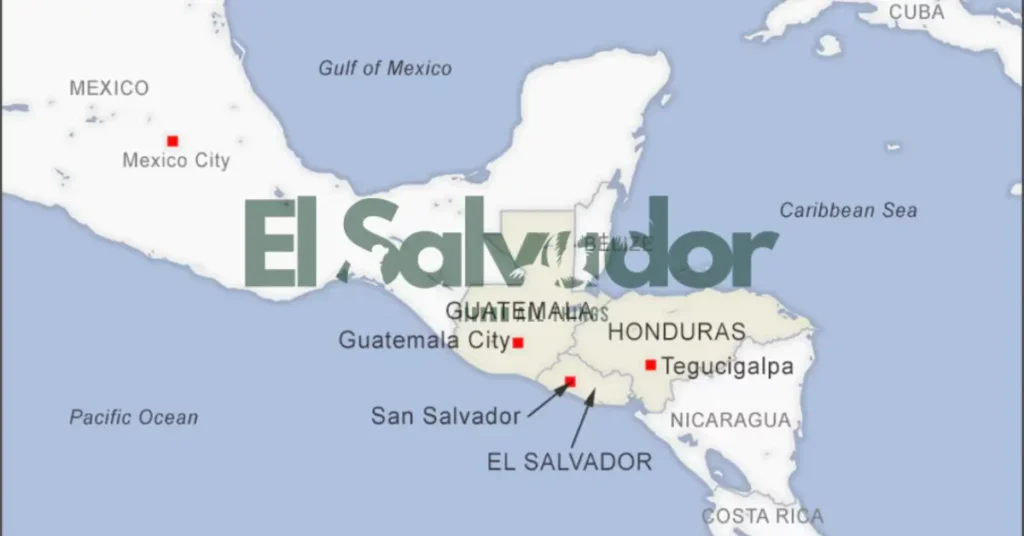
You leave Guatemala, get the exit stamp, walk or ride through the border area, then enter El Salvador and complete the entry check. Keep your passport open, answer questions simply, and don’t wander off with unofficial helpers.
- Pick the crossing. El Amatillo is usually the main choice, while Las Chinamas can feel less crowded.
- Carry your documents. Bring a valid passport, and any visa or entry papers if your nationality needs them.
- Expect small fees. Some travelers report minor border charges, so keep small cash ready in local currency or U.S. dollars.
- Use the official window. Follow the officers’ instructions and keep your passport visible.
- Check your money plan. El Salvador uses U.S. dollars in most places, so I’d keep a few bills handy.
Fees and rules can change, so I always asked the border staff or my driver before paying anything. That saved us once, because a guy near the lot was pushing a “faster” fee that felt off. If someone rushes you, pause and confirm with an officer instead.
What to Expect at Immigration and Customs
- Leave Guatemala first. You usually start at the Guatemalan exit window, where an officer checks your passport and may stamp you out.
- Move to the El Salvador side next. After exit control, walk to the entry area for El Salvador. This is where your passport check usually happens again, and officials may ask where you’re staying, how long you’ll be there, or to see your return or onward ticket.
- Pay any fee if asked. Some travelers are sent to a payment window before final entry is approved. Keep small bills or the exact amount handy, since that can save time.
- Go through customs if directed. If you have bags to declare, an officer may send you to another line or window for a quick inspection. A traveler ahead of me got waved over just because their bag looked bulky.
- Expect small delays. Lines can move slowly, and people are often sent back and forth for missing stamps, unclear documents, or payment issues.
Clear documents usually make the crossing smoother, and the International Organization for Migration notes that good preparation helps reduce border processing friction for travelers.
Is Crossing the Guatemala Border Safe?
Crossing the Guatemala-El Salvador border is usually safe enough in daylight if you stick to the official process. The main risks are usually scams, unofficial helpers, and small delays, not serious danger.
- Keep your passport and papers ready. Border officers may ask for them more than once, so don’t bury them in your bag.
- Decline unofficial help. A few people may offer to “speed things up” for cash.
- Expect discomfort, not drama. You may wait in heat, stand in lines, and carry your bags a bit. It can feel tiring, especially with luggage.
- Stay aware of your surroundings. Keep your phone and wallet close, and use only licensed transport if you need a ride.
When I crossed, the air felt hot and dusty, and the whole place sounded like stamping feet, bus doors, and quick Spanish conversations. A taxi driver outside the terminal pointed me toward the right window, but I still checked every step myself.
Use the official border procedures, keep your documents visible, and trust your gut if someone seems too eager to help. That simple routine usually avoids the common problems.
Which Border Crossing Is Best for Your Route and Departure Time?
Las Chinamas and La Hachadura can both work, but they feel different in real life.
Las Chinamas is often the easier pick for shuttle travelers, since it fits common transfer routes and feels more straightforward for organized transport. La Hachadura can be a better choice if you want a quieter crossing, since it often has fewer people waiting.
- Early departures: I’d pick Las Chinamas if your shuttle is already set. Morning crossings usually feel calmer, but the first rush can still show up fast.
- Late departures: La Hachadura tends to be the safer bet if you want to avoid a busier scene. It can feel less hectic when the day is already moving.
- Fewer queues: Choose La Hachadura. If the line looks messy, that quiet little border saves time and nerves.
According to official Salvadoran border and immigration rules, hours and processing can vary by crossing and time of day, so I’d always double-check before you go. A driver at the border once told me, while the air smelled like diesel and roadside pupusas, that the “best” crossing is often just the one that matches your ride and your patience.
Best Time to Travel and Border Opening Hours
Las Chinamas usually opens at 6:00 a.m. and closes at 10:00 p.m. La Hachadura usually opens at 8:00 a.m. and closes at 10:00 p.m. That gap matters if you’re leaving Antigua by shuttle or public transport.
The first shuttle leaves you more room for border lines, stamping delays, and a slower bus connection on the other side. The extra waiting meant a missed ride and a sweaty lunch stop by the roadside.
If you’re taking public transport, go even earlier, since local buses can be slower and less predictable. A morning shuttle is the safer pick for same-day travel, especially if you want to catch onward transport without rushing. The U.S. Department of State also advises building buffer time into cross-border plans, because delays can happen without warning.
Documents, Fees, Scams, and Cash Tips
Passport ready, wallet light, and hands free. That was the calmest border day we had, after a dusty taxi ride and a quick check at the counter.
- Carry your passport, and keep it easy to reach. The line felt much longer when we had to dig through a packed bag.
- Bring small USD bills, plus some quetzales if you can. Small change helps with taxis, snacks, and fees that may not take cards.
- Expect possible fees for border crossing, transport, or local services. Ask for the amount first, and ask for a receipt if one is offered.
- Keep money split up. A few bills in one pocket, the rest tucked away. That way, you are not flashing a thick stack at the window.
- Watch for unofficial helpers. Friendly strangers may offer to “speed things up,” then ask for extra cash.
- Do not hand over your passport unless you are at an official checkpoint. Scammers often rely on people feeling rushed.
- Count your change before walking away. A tired traveler nearby caught a short change by smell-of-coffee-counter speed, not by luck.
Keep your documents secure, use plain cash, and trust official booths over smooth talk. That simple habit usually saves time, money, and a lot of stress.
What to Pack for the Border Crossing
- Passport, and a backup passport copy tucked somewhere separate.
- Any required travel authorization, if your route needs one.
- Small USD bills, which can help with tiny fees or tips.
- Onward travel details, like your next ticket or booking info, ready to show fast.
The desk felt much calmer when everything was in one easy place. IATA says to check document rules before you leave, because they can change by nationality and route.
How to Choose Between Shuttle, Public Transport, and Taxi
The best choice usually depends on speed, price, and how much energy you have left after the border crossing. I still remember the smell of diesel and coffee at the bus stop, and how one taxi driver kept asking if we were headed to Antigua travel guide or Santa Ana travel guide.
Shuttle is the middle ground. It is usually faster than public transport, less stressful than figuring out local stops, and more comfortable than squeezing into a crowded bus. It costs more, but door-to-door transfers often cut down friction for first-time cross-border travelers, especially if you do not want to guess which stop is yours.
Public transport is the cheapest option, and that matters if you are watching every dollar. It can take longer and feel a bit messy, with more stops, more waiting, and more chance of needing help from locals or a station worker.
Taxi is the fastest and easiest, but also the priciest. It works well if you have lots of luggage, land late, or just want a direct ride without dragging bags through busy streets. Comfort is high, and the ride feels simple, though the price can sting.
Budget travelers can also compare transport and accommodation costs with this breakdown of El Salvador 7-day trip costs.
| Option | Speed | Cost | Comfort | Ease of use |
|---|---|---|---|---|
| Shuttle | Medium to fast | Moderate | Good | Easy |
| Public transport | Slowest | Lowest | Basic | Hardest |
| Taxi | Fastest | Highest | Best | Easiest |
Best for budget travelers: public transport.
Best for first-timers: shuttle, because it keeps the trip simple.
Best for solo travelers: shuttle or public transport, depending on your comfort with local systems.
Best for lots of luggage: taxi, since you will not be hauling bags around bus stops.
If you are trying to keep costs lower after the border crossing, these free things to do in El Salvador can help balance the budget.
Public Transport from Antigua to Santa Ana
Public buses to Santa Ana usually mean at least one change, and sometimes two. The easiest setup is to start in Antigua, take a bus toward the border area, then switch after the crossing for a Santa Ana bound bus.
- First, ask the driver or a local assistant for the bus that goes toward the border stop. I kept asking, “Santa Ana or border?” because that wording got clearer answers than just saying the city name.
- Ride until the border stop, then get off with the other travelers. Border stops can be busy and a little noisy, with bags, vendors, and people moving fast, so stay close to your things.
- Cross the border on foot, following the usual entry process for your route. After that, look for the next bus or shared ride heading into Santa Ana.
- On the second bus, ask the driver if it goes to the center of Santa Ana or a main terminal. That saved me a long walk once, because not every bus goes all the way in.
Bag handling is usually informal. Keep small bags with you, and be ready to lift larger luggage on and off quickly, because drivers often wait only a minute or two.
Travelers using hostels, buses, and flexible routes may also find this broader El Salvador backpacking guide useful for planning longer trips.
Shuttle from Antigua to Santa Ana
The shuttle is one of the easiest transport options for travelers backpacking El Salvador, especially if you don’t want to juggle buses and border paperwork. On my last trip, the van smelled like dust and sunscreen, the driver blasted quiet radio music, and a hotel staffer waved us out the door with our bags already stacked.
Quick checklist:
- Hotel pickup: Usually included in Antigua, especially from central hotels and hostels. Some places on the edge of town may ask you to walk to a nearby meeting point.
- Border assistance: Often included as a paid convenience feature. The driver or helper usually walks you through the crossing and points out where to line up.
- Drop-off in Santa Ana: Most shuttles drop travelers near the city center, the main bus area, or a hotel in town. If you’re heading straight to your stay, confirm the exact address before you book.
- Luggage: Big packs and suitcases usually go under the van or in the rear cargo area. Keep valuables, documents, water, and snacks with you in the seat.
The border stop can feel slow, with lines, stamps, and a lot of waiting in the sun. Still, it’s usually the simplest door-to-door option, and it saves you from figuring out every transfer on your own.
Taxi from Antigua to Santa Ana
A taxi makes sense if you want door-to-door comfort and no bus stops. After a long travel day, the quiet car and direct ride felt worth it.
- Best for private transfers: couples, families, or small groups who want privacy and simple pickup.
- Big advantage: no juggling bags, schedules, or shared seats. You just get in and go.
- Why it costs more: it is usually the least budget-friendly choice because you pay for the whole vehicle and the convenience.
That said, a taxi can be the right call if comfort matters more than saving money. I still remember the driver turning up the radio low, the AC humming, and the city noise fading fast, which made the price feel easier to accept.
Can You Do the Trip in Reverse from Santa Ana to Antigua?
Yes, the route works both ways. Santa Ana to Antigua is just the reverse of the usual Antigua to Santa Ana trip, and the same border crossing usually applies.
- Transport can be a little thinner going this direction, so I’d check bus and shuttle times earlier. Ended up asking a taxi driver outside a busy stand for the latest scoop.
- Timing can shift depending on the day, traffic, and how long the border line is. Morning crossings tend to feel easier, with less heat and fewer sleepy delays.
- Border hours and fees can change by direction, so recheck both before you head back to Guatemala. Official border guidance says entry and exit procedures should be verified in advance.
Travelers continuing deeper through the country can also follow this broader 2-week itinerary across volcanoes, beaches, and colonial towns.
After Arrival: Getting into Santa Ana and Planning the Next Leg
Most travelers get into central Santa Ana by bus, shuttle, or a taxi from the main road. The taxi made sense for us after a long bus ride, because the heat, bags, and loud street traffic had us ready to sit down fast.
If you’re staying near the center, you can usually walk to food, markets, and your hotel. But a taxi may be worth it if you arrive late, have heavy luggage, or are heading straight to a hillside stay outside town.
If you want a slightly longer route after crossing from Guatemala, this 1 week El Salvador itinerary expands beyond Santa Ana and San Salvador.
- For Santa Ana travel guide stops: central Santa Ana is the easiest base for a first night.
- For the volcano: taxis and arranged rides are the simplest way to start the Santa Ana Volcano hike guide route.
- For Ruta de Las Flores: buses and shared rides connect Santa Ana with the Ruta de Las Flores guide towns.
According to official tourism information for El Salvador, Santa Ana is a common base for regional and volcano visits. That matches what we heard from a hotel clerk and a taxi driver, both of whom pointed us toward the same easy next steps.
If you want a slower route with more overnight stops after Santa Ana, this 10-day itinerary covers a broader mix of destinations.
Final Thoughts
For most travelers, the bus and border combo is the best pick, as long as you leave Antigua early. I still remember the hot bus seats, the smell of roadside coffee, and a border line that moved slowly enough to make everyone check their watches twice.
Keep your passport close, carry some cash, and stay alert to border hours and local rules.
Best recommendation: leave Antigua at first light, bring your documents and cash, and plan around the border, not against it.
Frequently Asked Questions About Guatemala
Is it easy to cross the border from Guatemala to El Salvador?
Usually, yes, if your papers are in order and you go during normal crossing hours. I’ve heard border lines can move fast one day and crawl the next, so it helps to check official travel advice and your Guatemala travel guide before you leave.
Can you wear yellow in El Salvador?
Yes, yellow clothing is fine in El Salvador. It’s just a color, and people generally won’t care what you wear unless it’s clearly drawing attention in the wrong place.
Is $50 a lot of money in Guatemala?
For one day, $50 can go a decent way in Guatemala, especially for simple food, taxis, or a basic hotel. It’s not a big splurge budget, but it can cover a lot if you travel like a local.
What is the nicest city in Guatemala?
Antigua is often called the nicest city in Guatemala because of its old streets, bright buildings, and easy walkability. I still remember the smell of fresh tortillas near the plaza and the sound of footsteps on the cobblestones.
What is the #1 attraction in Guatemala?
Tikal is usually the top attraction in Guatemala for first-time visitors. The big ruins, jungle sounds, and early morning light make it one of the most memorable stops in the country.
What does 502 mean in Guatemala?
502 is Guatemala’s country calling code. You’ll see it used in phone numbers, and locals often mention it as a quick shorthand for Guatemala.