
Best prepaid SIM card in El Salvador: where to buy, prices, coverage and eSIM alternatives
Prepaid SIM cards in El Salvador are easy to find, but the best choice depends on where you land and how much data you need. We almost bought the first card we saw at the airport, then a taxi driver pointed out that a quick stop in town can mean better prices and more plan options.
Check coverage, phone compatibility, and whether your device is unlocked before you pay. GSMA notes that coverage and supported network tech vary by market, and 4G is still the main layer travelers rely on in many places, so that matters if you’re heading outside San Salvador.
Most travelers end up choosing between the main local operators based on signal quality, data value, and how easy the top-up is. If you want the simplest setup, an eSIM can be easier, especially if you’d rather land with data already working and skip a shop queue.
Here’s what happened to me: the shop staff were friendly, the air smelled like coffee and dust, and the whole process was faster than I expected. So if you want the smoothest start, we’ll look at where to buy, what to check before you buy, which operator usually fits different travel styles, and when an eSIM makes more sense.
Key Takeaways
- Claro was the best overall SIM for most trips.
- Tigo was the best backup if Claro was sold out.
- Airport booths are handy, but prices can be higher.
- Your phone needs to be unlocked before you buy a local SIM.
- Coverage mattered more than a tiny price gap near the coast and hills.
- eSIM was the easiest option for quick airport setup.
Where to buy a prepaid SIM card in El Salvador for tourists
Prepaid SIM cards are easy to find in El Salvador, but the best spot depends on whether you want speed or peace of mind. I liked knowing the city option was there, because if reliability matters more than speed, I’d buy in town and verify activation before leaving.
Airport
The El Salvador airport is usually the fastest place to grab a SIM card if you land tired and want mobile data immediately. The first kiosk smell of coffee and sunscreen made it feel simple enough, and the staff usually help set things up on the spot.
Official carrier stores
Official stores are the safest bet if you want a clean setup and clear plan options. I’d go there in the city if I had time, because the people behind the counter tend to know the local promos, and you can verify activation before leaving.
Street vendors
Street vendors can be quick and cheap, but this is the spot where I’d slow down. Ask exactly what plan you’re getting, and don’t leave until the phone shows signal and data works. A quick test call or message saves a lot of awkward guessing later.
Convenience and gas locations
Some convenience shops and gas stations sell prepaid SIM cards or top-ups, and that can be handy on the road. The little stores by the pumps often have brighter lights, cooler air, and someone who speaks enough English to help. Still, I’d verify activation before leaving since setup quality can vary.
Online purchase
Buying online can help you prep before arrival, which matches the U.S. Department of State advice to sort basic communication access ahead of time. Just make sure your phone is unlocked and ready, and see our notes on registration and unlocked phones. If you want the least hassle, these things to know before visiting El Salvador include buying essentials like SIM cards in the city instead of rushing at the airport.
San Salvador Airport (SAL): where to get a SIM right after landing
San Salvador Airport usually has a kiosk or counter option for a SIM right after you land, and that can be a nice relief when the baggage belt is still clanking away. But availability and opening hours can vary by terminal and operator, so I’d treat it as a maybe, not a promise.
Check the signal before walking off with my coffee still warm. If you buy a SIM at the airport, make sure data is actually working in the arrival area before you leave, because some spots inside airports feel better than others.
If you need internet immediately, an eSIM choice before departure can save the day. And if your phone is not unlocked, that airport SIM won’t help much anyway.
Official mobile phone stores in San Salvador, the safest place to buy and activate
The official stores in San Salvador felt like the calmest place to handle a new phone. I saw them in shopping mall spots like Centro Comercial Galerías, with bright counters, clear signs, and staff who knew the activation steps by heart.
Store-based activation was the easiest part of the trip. They helped with on-the-spot activation, package guidance, and the basic setup, which was a relief when my Spanish was shaky and the mall was noisy with shoe soles and music from the kiosks.
Keep the phone ready for testing before I got there. According to the operators’ official store locators and support pages, this is the most controlled setup path, and it felt safer than guessing on the street.
- Help choosing a package that fits your trip
- On-the-spot activation at the counter
- Simple setup help for non-Spanish speakers
- Testing before you leave the store
What to ask staff: “Which package is best for a short stay?”, “Can you activate it now?”, “Can you test the signal here?”
City center and street vendors, common but double-check activation
Street vendors in the city center are common, and I saw plenty near the Historic Center selling Tigo and Claro SIMs. The mistake is easy to make, the SIM goes in, the phone shows bars, and you think you’re done. But the real check is whether mobile data works right away, not just whether the card fits.
Test it before I walked away. Open a webpage or an app on the spot, while the vendor is still there and the street is noisy around you. If it doesn’t load, ask them to sort it out immediately, because consumer protection best practices say to confirm service before completing payment when possible.
Convenience stores and gas stations: buy anywhere, but confirm it works instantly
SIM cards are often sold at convenience stores, small shops, and gas stations, and that surprised me on my last trip. The counter smelled like coffee and motor oil, and the clerk handed over the card like it was any other snack. But the real trick was keeping my phone in hand while activation finished, so I could test data right away and catch problems before I walked out.
That would have been a mess. Activation and APN behavior can differ by device, according to the operators’ own support pages, so I kept checking messages, signal bars, and a quick webpage load before I put the receipt away.
Spanish note: las tiendas oficiales suelen ser más fáciles si el viajero no habla español. I heard that from a hotel clerk who had seen plenty of confused travelers at the register, and it stuck with me. Official stores usually make the setup feel calmer, especially if you want someone to confirm the SIM works instantly before you leave.
Buying a SIM card online before your trip
Some travelers order a physical prepaid SIM card online and have it sent to their home before they leave. I remember hearing the tiny plastic rattle in the mail and thinking, good, one less airport errand. It can be a nice backup if you want the card in your hand before you fly.
But eSIMs are even easier for pre-trip setup, since they can be installed before departure and be ready on arrival. According to Sim Local and major eSIM providers’ product pages, that digital delivery makes it possible to land, switch on your phone, and get online fast. One competitor example is Orange Global eSIM via Sim Local, which lists 10 GB for $32 USD. If you’re comparing options, I’d check the eSIM choice section next.
For me, the airport kiosk felt busy and a little sweaty, with people juggling bags and passport pages. If you hate that scramble, buying online before you go can feel calmer, and you can save the airport purchase for a backup plan. I’d also peek at the conclusion before you decide, since the best choice depends on how much prep you want.
Mobile internet operators in El Salvador, Tigo, Claro, Movistar, Digicel
El Salvador has four main mobile internet operators, El Salvador weather and mountain terrain can both affect signal strength once you leave the bigger cities and tourist zones. A taxi driver in San Salvador laughed and said the signal was great near us, then weak a few miles away. If you’re comparing pricing and daily use, the operator you pick matters as much as the plan.
- Tigo is one of the strongest nationwide choices, with broad coverage and solid speeds in many areas.
- Claro is also a top pick for wide coverage, especially if you want good service beyond the center.
- Movistar usually works well in major cities, but it can be thinner in smaller towns.
- Digicel is useful in some places, yet it tends to be more limited outside big urban areas.
For raw network strength, Tigo and Claro are usually the safest bets. Industry coverage maps and operator pages show they tend to hold up better across the country, while Movistar and Digicel can feel patchier once you head away from busy areas. If you want the fuller picture, the network ranking helps compare them side by side.
eSIM availability also varies by operator, so check before landed. Some plans are easy to grab online, while others still feel more old-school, especially for visitors. I asked at a small shop near my hotel, and the staff pointed me to the easiest options for my phone model first.
SIM card registration in El Salvador, what tourists must and don’t do
For most tourists, SIM registration in El Salvador is pretty simple. Official carrier guidance usually points to basic activation, not biometric registration, and the prepaid SIM is generally not tied to your name in the usual visitor setup. I remember standing by a small phone shop while the fan hummed overhead, and the seller barely looked up when he handed over the card.
In the normal tourist case, you usually don’t need to show a passport or ID just to get the SIM working.
Myth-busting time, you do not need a big local registration process just because you’re visiting. What matters more is that your phone must be unlocked for the foreign prepaid SIM to work. If it’s locked to another carrier, the SIM won’t help, even if the shop staff is friendly and the card smells faintly like fresh plastic.
Warning: if your phone is carrier-locked, the SIM will not work, no matter where you buy it.
That said, rules can vary by carrier and market, so I’d still trust the official operator guidance over random advice from the street. For a real-world feel, I’d also check real-world experience before you go.
Prepaid SIM card prices in El Salvador for 2026, tourist bundles by operator
Prepaid SIMs in El Salvador are usually affordable, and pricing is easy to compare because the U.S. dollar is the official currency, according to the Central Reserve Bank of El Salvador. That meant less guessing for me at the kiosk, because understanding El Salvador currency makes prepaid SIM prices and everyday purchases easier to compare. If you want the operator-by-operator breakdown, check operator 1, operator 2, operator 3, and operator 4, then finish with the comparison summary.
Tigo El Salvador prepaid SIM: plans, pricing and best value
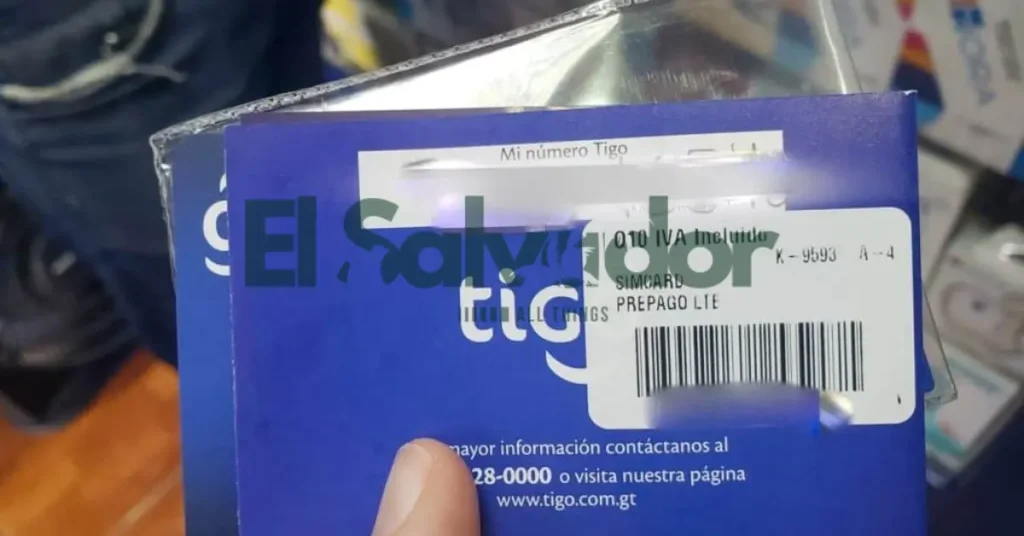
Tigo’s prepaid SIM is one of the easiest picks in El Salvador, especially if you want to land, pop into a shop, and get online fast. The SIM itself is free when you activate it with a data package, and that little detail matters when you’re watching your budget at the counter.
- 4 GB for 16 days at $7 USD, the best-value pick if you’re staying a bit longer and need steady maps, messages, and browsing.
- Smaller daily plan options for quick trips, usually better if you only need a light data top-up.
- Short-validity data bundles with social app bonuses, handy if you’re mostly using WhatsApp and similar apps.
- Low-cost starter packages, good for the first day when you’re still figuring out taxis, hotel Wi-Fi, and nearby shops.
If you plan to get around El Salvador frequently between cities and beach towns, stronger nationwide coverage matters more than just cheap data.
Claro El Salvador prepaid SIM: bundles, validity and standout package
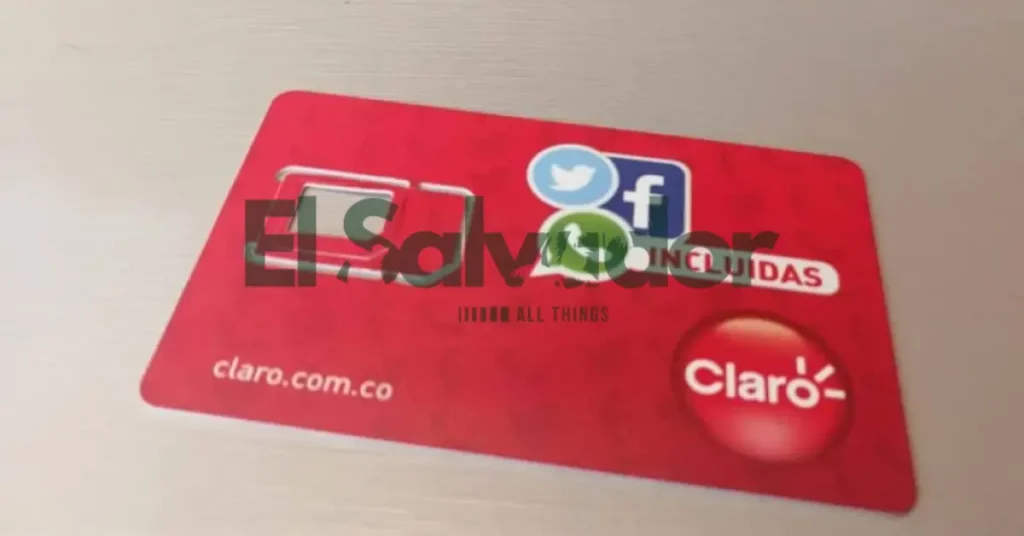
Claro’s prepaid SIM is often a easy first stop in El Salvador, and the shop staff usually keep it simple. I remember the quiet buzz of a mall kiosk, the plastic SIM card sleeve, and that small relief when they said the basic SIM was free in some cases, then pointed me to bundles with clearer validity.
The standout package is the 5 GB + 2 GB YouTube & TikTok for 30 days at $10 USD. That mix makes sense if you spend time on video apps, and the 30 day window feels generous compared with shorter passes. Plan inclusions can change, and travelers should ask in store about current roaming conditions if they plan regional use.
- Free SIM, often offered at the shop or with a first top up.
- 30 day data bundles, useful if you want one refill for the whole trip.
- Social app bonuses, like extra YouTube and TikTok data on select packs.
- Comparison summary, handy if you want to compare Claro with other options fast.
- Claro alternative section, good if Claro’s current bundle does not fit your trip.
Movistar prepaid SIM: activation price and data plan examples
Movistar prepaid SIM activation starts at $2 USD, which is a small fee compared with the data bundles. The first top-up matters just as much as the SIM card, because the plan price and validity can change by offer.
The easy anchor example is 15 GB plus unlimited social media for 45 days at $15 USD. According to Movistar’s official prepaid terms, offer details can shift, so it helps to check the latest plan page before you buy. For a broader look, you can also compare the comparison summary and the network coverage notes.
- $2 USD activation, usually the starting cost for a prepaid SIM.
- 15 GB + unlimited social media for 45 days at $15 USD, a clear middle option for longer stays.
- Unlimited passes, which can vary by offer and may come with fair use rules.
- Longer validity bundles, helpful if you do not want to recharge often.
And here’s the small catch, unlimited plans may be subject to fair use or speed limits after heavy use. That was the bit the shop clerk pointed out to me in a noisy little kiosk, with the fan humming and a stack of SIM cards on the counter.
Digicel El Salvador prepaid SIM: pricing, validity and coverage caveat
Digicel’s prepaid SIM is free in many cases, and the bundle prices are easy on the wallet. The smallest plans can work fine for quick WhatsApp checks, map refreshes, and hotel messages.
The best-value pick is the 8 GB for 30 days at $9 USD, especially if you’re staying in town and using data every day. For a quick side-by-side look, see the comparison summary, and for signal details, check the network coverage notes. According to Digicel’s official prepaid pages, plan terms and availability can change, so it’s smart to verify before you buy.
- Free SIM, a low-friction start if you just need a local number.
- Short daily or small-data plans, useful for a quick city stay or a transfer day.
- 8 GB for 30 days at $9 USD, the strongest value if you want one plan to last.
- Lower-priced short plans, good for light use when you only need a few days online.
Digicel tends to be best for city use, not broader country travel. In smaller towns and remote stretches, coverage can be weaker, so don’t count on it for every road trip stop.
El Salvador prepaid SIM comparison summary by category
- Best overall coverage: Tigo. For moving around El Salvador, coverage mattered more than saving a few coins, and Tigo was the safest pick for roads, small towns, and those weird dead spots outside the city.
- Best 30-day package: Claro. For longer stays, Claro usually makes more sense if you want a full month without checking your balance every few days, and the shop staff I spoke with kept pointing travelers that way.
- Cheapest price per GB: Claro, in most cases. It tends to give better value per gig than the others, especially if you’re using data a lot and not hopping far from strong signal areas.
- Best budget option in cities: If you’re mostly in San Salvador or other busy spots, Tigo can be the cheaper easy buy, and it felt fine for quick café checks, maps, and WhatsApp.
Tigo is best for most tourists moving around, especially if you’re crossing between towns and don’t want surprise weak signal. Claro is the strongest alternative for longer stays, and that’s the one I’d keep in mind if you plan to settle in and use data every day. Travelers comparing Uber vs rental car in El Salvador should also think about mobile coverage on highways, beach roads, and smaller towns.
Best 4G and 5G network in El Salvador in 2026
The best time to visit El Salvador can also affect coverage reliability, especially during rainy-season road trips and remote travel. A cheap plan feels great until your signal drops on a bus ride, in a beach town, or outside San Salvador, and that is where independent mobile coverage datasets and operator maps start to matter. Network strength changes by geography, so the best pick is usually the one that stays usable where you actually move.
- #1 Tigo, usually the safest overall choice for broad 4G reach and steady day to day use.
- #2 Claro, strong in many urban and highway areas, and often the next best backup.
- #3 Movistar, fine in bigger cities, but less convincing once you head farther out.
- #4 Digicel, can work well in pockets, but it is the most uneven for coverage-first travel.
Checking bars in random places, from hotel lobbies to a noisy roadside pupusería. If you want the deeper breakdown, here’s the coverage-by-coverage view for Tigo, Claro, Movistar, and Digicel, plus the short answer on 5G in El Salvador.
Tigo network coverage: where it does best
Tigo tends to feel strongest in San Salvador, where bars stayed steady for taxis, cafés, and hotel lobbies. The signal also holds up well along the Pacific coast, around Santa Ana, and on the main travel corridors that connect beach towns, the capital, and border routes.
That mattered most on the road, where the phone hadto keep working between stops. Tigo also shows an early 5G presence in the capital region, which is a nice bonus if you’re spending time in the city and nearby neighborhoods. If you want the bigger picture, I’d keep that in mind before you read the final recommendation.
Claro network coverage: strong coverage in cities and tourist areas
Claro usually does very well in big cities, coastal spots, and busy tourist areas. I noticed the signal felt steady in hotel lobbies, on beach roads, and near town centers, where locals and taxi drivers both seemed to trust it for day-to-day use.
That said, Claro is still a little behind Tigo for nationwide consistency. If you’re choosing between the two, Claro is a strong second-best pick, while Claro as an alternative can be a smart fit for urban trips and popular routes. According to Claro’s own coverage information, service can vary by region and plan, so checking the official coverage maps is worth it before you go.
Movistar network coverage: solid city service, weaker rural consistency
Movistar is usually reliable in San Salvador and bigger towns, where calls went through cleanly and data felt steady enough for maps, messages, and quick photo uploads. According to Movistar’s network coverage materials, service quality depends on where you are, and that matched what I heard from a taxi driver outside a busy mall, plus a hotel clerk who said the signal drops once you leave the main roads.
Out in rural areas and on secondary routes, coverage can get patchier, so don’t assume the same signal will follow you everywhere. If your trip stays mostly urban, Movistar is a good fit, and you can check Movistar pricing before you go and compare it with the comparison summary if you want the simplest pick.
Digicel network coverage, with a limited footprint outside major cities
Digicel usually works well in the big cities, where the signal feels steady enough for maps, calls, and quick data checks. But outside urban areas, its coverage can thin out more than Tigo or Claro, and Digicel’s own coverage info shows the footprint can be smaller than the biggest nationwide operators.
That limited reach is exactly why Digicel ranks lower for countrywide travel, and it’s worth checking Digicel pricing and the comparison summary before you count on it for rural routes.
Is there 5G in El Salvador? Current reality for travelers
Yes, 5G exists in El Salvador, but it’s still very limited. According to operator disclosures and telecom reporting, Tigo has the only meaningful 5G presence, and it’s mainly around San Salvador, not countrywide.
I remember hearing the faint buzz of a busy street in the capital while a hotel staff member shrugged and said, “4G is the safe bet.” That matched what I saw, because outside the city, coverage can change fast and the signal often matters more than the network label.
So if you’re mapping your trip, I’d put stable 4G/LTE ahead ofchasing 5G. For a wider view of how networks stack up, see the coverage ranking and my final pick.
Truth is, most travelers will feel the difference in reliability, not speed tests. In El Salvador, 4G reliability matters more than chasing 5G.
Best prepaid SIM card in El Salvador for 2026
Tigo is the best prepaid SIM for tourists in 2026. According to the operator comparison above and official coverage references, it gives the strongest nationwide 4G/LTE coverage and the most reliable performance on the roads people actually take, from airport rides to beach runs and weekend stops in town.
I kept hearing the same thing from taxi drivers and hotel staff, the signal just held better with Tigo. The prepaid bundle that stood out was 4 GB for 16 days at $7 USD, and it often includes unlimited social media apps, which is handy when you’re sending photos, maps, and quick voice notes without burning through data too fast.
But coverage matters more than a bigger bundle in the wrong places, so if you want the quick30-second decision, pick based on where you’ll travel, not data alone. If you want other options, compare the alternative prepaid SIM choices, check the eSIM option, and then read the conclusion for the final trip pick.
Very strong alternative: Claro, best for 30-day validity
Claro is usually the close second choice if you want a 30-day package and steady coverage in tourist areas. According to Claro’s official plan structure, longer-validity bundles are a common value point for travelers staying a bit longer, and that was the part I kept hearing about from hotel staff and other travelers near the busy parts of town.
If your trip is longer and you mostly need data around beaches, shops, and hotel zones, Claro plans are a very safe pick, with the conclusion helping you decide if it fits your trip.
When an eSIM is the better choice, with instant connectivity after arrival
An eSIM makes the most sense when you want data the minute you land. I remember that stiff airport feeling, the loud rolling bags, and the tiny line at the SIM kiosk while my phone sat useless in my hand. If you do not want to depend on store hours or a counter being open, setting up before departure is the easy win.
That is why services like Sim Local can be so handy. Their Orange Global eSIM offers 10 GB for $32 USD, works in 156 countries, and you can enter the 15% discount code TRAVELTOMTOM. Setup can be done before you leave, so the connection is ready the moment you switch it on after landing.
Once a late flight where the airport shop was already dark and the taxi driver was waiting near the curb, tapping the meter. If you care most about instant data for maps, messages, and a quick ride home, eSIM is usually the calmer choice.
That said, local prepaid SIMs usually win on value for larger data needs.
My experience buying a SIM card in El Salvador
I thought my Tigo roaming plan from Honduras would carry me through. It worked at first on the ride from Tegucigalpa to San Salvador, but the data got slow enough to feel annoying, especially when I tried to load maps near the border and in traffic.
In San Salvador, I walked into a Tigo store hoping to fix it fast. The staff were polite, but the setup issue never really got solved, and I left feeling stuck with a line that was there but not very useful.
That changed when I bought a Claro SIM from a tiny convenience store. It activated right away. It felt simple, almost too simple, and it worked well enough that I stopped worrying about every signal bar.
On the coast and later along Ruta de las Flores, Claro held up better than I expected. I could check booking details, pull up directions, and message without that nerve-wracking pause while pages loaded. According to travel-first network selection best practices, route performance matters more than one city speed test, so the carrier and coverage map references were a better guide than my first impression alone, like Tigo El Salvador and Claro El Salvador.
Later, I tested Digicel in San Salvador, and it worked there just fine. But on the bus toward Guatemala, it dropped off faster than I hoped, which was the kind of thing that makes you stare at a frozen screen and sigh.
So for me, the real lesson was simple, route performance mattered most for navigation and bookings. A SIM that works in the city is nice, but one that stays steady on the road is what kept the trip moving. I’d tie that back to the coverage ranking and my final pick, because that’s where the reliable choice finally became obvious.
Conclusion: choose Tigo for dependability, Claro as backup, or an eSIM for ease
According to the comparison above, the best choice depends on route coverage, stay length, and setup convenience. I kept hearing that from hotel staff in Panama City, and it held up once the rain started and the streets went quiet.
Tigo is the pick for reliability, especially if you want the safest bet for daily use. Claro is the strong backup, and it makes sense if you want a second line ready for dead spots or busy areas.
Movistar and Digicel fit narrower use cases, like specific routes or lighter needs. For maximum convenience, an eSIM wins, especially if you want to land, switch on data, and skip the kiosk line.
Short city trips, eSIM; multi-city trips, Tigo first and Claro second; long stays, Tigo; late arrivals, eSIM or Claro so you’re not stuck at an empty counter.
Frequently Asked Questions
Do tourists need a SIM card registration or biometric process in El Salvador?
Usually, no biometric step is needed for a tourist prepaid SIM. I bought one after a quick counter chat, and it felt more like a normal shop sale than a big sign-up process.
Do tourists need a passport or ID to buy a prepaid SIM card in El Salvador?
In most cases, yes, a passport is the safest thing to carry. Some stores may ask for ID details, so keep it handy when you buy in the city or at the airport.
Must my phone be unlocked to use a prepaid SIM in El Salvador?
Yes, your phone should be unlocked. If it is tied to one carrier, the SIM may fit but won’t connect, and that is a headache nobody wants after landing.
Where can I buy a SIM card at San Salvador Airport (SAL)?
Look for carrier booths or small telecom kiosks after arrivals. If you do not see one right away, ask a taxi driver or airport staff, because they usually know which counter is open.
Is it better to buy a SIM at the airport or in the city?
The airport is easier if you want data right away, but city shops often have better prices and more plan choices. I once skipped the airport queue and bought mine near the hotel, where the clerk set it up in five minutes.
Which SIM card is best for tourists in El Salvador?
For most travelers, the best SIM is the one with strong coverage where you’re staying and moving around. If you’re comparing options, see the coverage notes in H2 8 and the plan tips in H2 20.
Is Tigo better than Claro in El Salvador?
Tigo often gets picked for broad coverage, while Claro can be a solid choice too. The better one usually depends on whether you’ll stay in cities, beach towns, or drive between places.
Is Claro a good alternative for longer stays?
Yes, Claro can work well if you’re staying longer and want a steady prepaid plan. Ask the store staff about refill options and validity, because long stays usually need easier top-ups.
Does Movistar work well for tourists in El Salvador?
It can work fine in busy areas, but coverage may feel less even than the bigger networks. If your trip includes smaller towns, I’d check signal reports before you buy.
Is Digicel good for travel outside San Salvador?
It may be okay in some areas, but travelers often care more about coverage once they leave the capital. For road trips, ask a local shop which network people use on the route you’re taking.
Is there 5G in El Salvador for tourists?
Some areas may have 5G, but tourists should not plan around it. Most people care more about stable 4G data, especially for maps, rides, and messaging.
Can tourists use WhatsApp with a prepaid SIM in El Salvador?
Yes, WhatsApp works normally with mobile data or Wi-Fi. You can keep your home number active on WhatsApp too, which makes it easy to message family and hotel staff.
Can I use hotspot or tethering with a prepaid SIM in El Salvador?
Usually, yes, if your plan allows it and your phone supports it. I’d check the package details at the counter, because some bundles are stingy with hotspot data.
How do I recharge or top up a prepaid SIM in El Salvador?
Top-ups are usually done at carrier shops, convenience stores, or through local payment channels. Keep your number saved in your phone notes, because one coffee-scented corner store almost asked me for it twice.
Should I buy a local SIM or an international eSIM for El Salvador?
A local SIM is often cheaper for longer stays and heavier data use. An eSIM is nicer if you want to land ready to go, which fits well with the setup tips in H2 15.
What should I check before leaving the store with a new SIM?
Make sure the SIM is active, data works, and your phone shows signal. I also ask the clerk to test a web page right there, because that saves a sweaty walk back later.
Do SIM bundles include social media or app bonuses?
Some prepaid bundles may include app-specific data or social media perks. Ask before paying, because the bonus data rules can be picky and not every app counts the same way.
What do I do if my SIM is inserted but I have no data?
Restart the phone, check mobile data, and confirm the APN settings if needed. Manufacturer support pages and carrier help pages can guide the APN steps, and store staff often fix it fast if you bring the phone back.
Which operator has the best coverage in El Salvador?
Tigo is often the name travelers hear first for coverage, especially outside the main city. But the best pick can change by neighborhood, so it helps to compare a couple of stores before buying.
What is the cheapest prepaid SIM option in El Salvador?
The cheapest option is usually a basic prepaid starter SIM with a small data bundle. If price matters most, compare the starter cost plus the first top-up, since that total is what you really pay.