
How to Get Around El Salvador: Buses, Taxis, Shuttles and More
El Salvador is small and pretty well-connected, which surprised me the first time I crossed the country. Even so, first-time visitors can still get tripped up by routes, bus stops, and the odd gap in signage.
Once you know the system, transport gets a lot simpler. I learned fast that planning matters, especially between cities or near areas to avoid, and it never hurts to ask locals or your hotel staff before you move.
Your best choice usually comes down to budget and time. I’d start by comparing buses, Uber or taxis, private drivers, car rental, and even hitchhiking if you’re comfortable with it, because each one fits a different kind of trip.
Key Travel Takeaways
- Buses were the cheapest option I saw, and they work well for simple routes.
- In San Salvador and other cities, Uber and taxis were the easiest move.
- For remote trips, a private driver saved us time and stress.
- Rental cars gave me the most freedom, especially for beach and countryside detours.
- Hitchhiking felt rural-only and risky, so I’d skip it unless you really know the area.
- Cash helped a lot for local transport, especially with smaller rides and buses.
- Plan your routes early if you’re a first-timer, because guesswork gets old fast.
Local Buses, or Chicken Buses
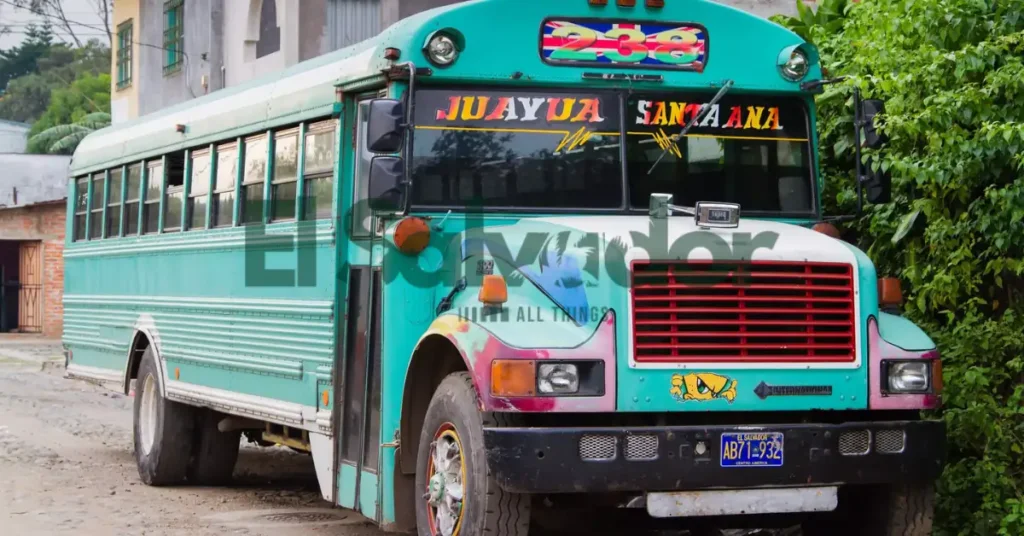
Chicken Buses are the most common way I got around El Salvador, and they’re usually the cheapest too. Most single trips cost under a dollar, which sounds almost fake until you’re standing on the curb with everyone else, waiting for a bright old bus to groan into view. Understanding El Salvador currency makes local bus fares and small cash payments feel much less confusing for first-time travelers.
They started life as former American school buses, so the shape feels familiar, but the look is pure Central America. Mine were painted in loud colors, packed with people, and always a little rattly, like they had stories to tell. I heard music blasting, smelled diesel and fried snacks, and learned fast that these buses are not about comfort, they’re about getting there cheap.
The routes run through central hubs, so they reach almost everywhere if you’re patient. Bigger cities like San Salvador, Santa Ana, and San Miguel are where you usually line up your next ride, and that’s where I found it smartest to confirm connections before hopping off. Having an El Salvador SIM card also helps when checking routes, messaging drivers, or adjusting plans after missed bus connections.
On longer trips, transfers are the annoying part. You may need two or three buses to cover one route, and that can mean long travel days with hot waits, cramped seats, and a lot of standing around with your backpack. These are exactly the kinds of things to know before visiting El Salvador, especially if it is your first time navigating buses, taxis, and longer intercity trips.
For budget travelers, though, this is still the best fit, especially if you’ve got time and don’t mind moving at local pace. If you’re comparing options, see best transport option by trip type and public transport costs and payment tips. The best time to visit El Salvador can also affect transport comfort, especially during rainy months when delays and slower roads become more common.
Are Local Buses Safe in El Salvador?
Local buses in El Salvador are generally safe, and I rode them more than once without any drama. But they do feel basic, and that’s the part people forget. On crowded routes, the bus can get cramped, loud, and a little chaotic, especially near San Salvador and the bigger market stops.
The bigger safety issue is not usually violence, it’s the everyday stuff. Many buses have no seat belts, and accidents can happen, so I stayed seated when I could and kept my bag close. If you want the broader road picture, the WHO road safety facts are a useful reminder that public transport safety depends a lot on local road conditions.
I also learned fast to keep an eye on belongings. Petty theft can happen in busy terminals and on packed buses, so I kept valuables secure in front of me, not shoved in a back pocket. That small habit made me feel a lot calmer, especially when people were squeezing on with bags, groceries, and a chicken that looked deeply unhappy.
So yes, the bus is a low-cost, local way to get around, and it is generally safe for most trips. I’d still stay alert, especially at busy stops, and I’d avoid getting too distracted with my phone. For more on the everyday side of transit, see common transport scams and how to avoid them and transport tips for first-time visitors.
- Good: Cheap, widely used, and generally safe for normal daytime rides.
- Bad: Cramped, no seat belts, and petty theft is a real risk in crowds.
Taxi & Uber, Safer, More Convenient in Cities
In larger cities, I found taxis and Uber were the two rides people talked about most. Taxis are everywhere, but Uber felt safer and more convenient because I could see the route, the car details, and the price before we rolled off through San Salvador traffic.
Uber is more common for travellers in San Salvador and Santa Ana, where it was the easiest way to get picked up after dark or avoid haggling outside a hotel. I also used it for between major cities and for trips to El Tunco and the Ruta de las Flores, which saved us time when we did not feel like messing with bus stops and extra transfers.
That said, taxis still work fine for short hops, especially if you need a quick ride from a market, hotel, or restaurant. There is taxi regulation, but enforcement can be weak, so I was pickier than usual and asked the driver to confirm the fare before we got in. I wish someone had told me that sooner.
If time matters more than budget, ride-hailing is usually the better call. If you are counting every dollar, buses win on price, but they take longer and can be a bit of a headache with luggage. I kept comparing both with my notes on best transport option by trip type and public transport costs and payment tips, because that choice changed by day. For ride-hailing basics, Uber official help is useful, and San Salvador tourism information helps with destination planning.
Taxi Safety in El Salvador, Avoiding Piratas
Taxi rules exist in El Salvador, but enforcement is weak, and that’s the part that caught me off guard. I heard the same warning over and over in San Salvador and near the airport, some drivers take advantage of foreigners, especially when we look tired, lost, or too polite to argue.
The big word to watch for is piratas, which means unlicensed drivers. They may look like normal taxis, but they’re not official, and that’s where things get sketchy fast. I wish someone had told me to stick with an official operator, because that simple choice cuts down the risk of a bad pickup.
What worked best for me was booking through my accommodation organize or asking for an airport taxi through the counter instead of hailing one on the street. Choosing where to stay in El Salvador carefully matters because hotels and guesthouses often help arrange safer taxis and trusted drivers.
That kept the pickup calm, and I didn’t have to play guessing games with a random car outside a bus stop. U.S. Department of State travel advisory is worth a look before you go, and the El Salvador tourism authority can help with trip planning.
Truth is, Uber safer is the easy rule I’d follow in cities where it’s available. It’s convenient fast relatively cheap, but still limited to cities, so don’t count on it everywhere. If you do use a taxi, use official booking channels and avoid random street pickups.
- Pros: Official taxis can be convenient fast relatively cheap, especially for short city rides.
- Pros: Booking through your accommodation or the airport lowers the chance of a bad pickup.
- Cons: Piratas are unlicensed and can be dangerous.
- Cons: Enforcement is weak, so looks can be misleading.
- Cons: Uber safer, but it’s limited to cities.
Public Transport Costs and Payment Tips
Transport costs in El Salvador can swing a lot by route and distance. My cheapest rides were usually on local buses (chicken buses), while short taxi trips and city rides cost more, especially when we were tired and grabbed the first car outside the hotel. I wish someone had told me to keep small bills and coins ready, because local drivers often prefer cash and don’t want a hassle with change.
For budget travel, I treated buses as the low-cost default and taxis as the pricey backup. Fares can feel loose and very route-based, so ask before you hop in if the price isn’t obvious. Here’s what helped me most: plan simple payment tips before you leave the hotel, because hunting for exact change on a hot sidewalk is annoying fast.
- Cheapest: local buses, especially for short hops and everyday travel.
- Mid-range: shared or prearranged city rides, depending on distance.
- Most expensive: taxis and Taxi & Uber (Safer, More Convenient in Cities) when you want comfort or speed.
- Cash to carry: small bills and coins for buses, local shops, and quick fares.
- Best habit: keep a little cash aside so one fare doesn’t mess up the day.
For payment planning, I also liked checking basic traveler money advice from Consumer finance guidance from FDIC and U.S. State Department traveler resources before moving between towns. It sounds boring, but it saved us from that awkward, “Sorry, I only have a big bill” moment more than once.
Hiring a Private Driver for Out-of-the-Way Trips
Hiring a local driver is one of the easiest ways I found to reach out-of-the-way locations in El Salvador. You can usually book one through your hotel, guesthouse, or a tour company. I asked at the front desk in the morning, and by lunch we had a driver lined up, which felt almost suspiciously easy after a few chaotic travel days.
The main advantage is simple, you don’t need separate return transport. That same idea saved us a ton of planning, because buses or taxis to remote places often mean multiple segments, and nobody wants to figure out a return trip after a long, dusty visit.
It worked especially well for places like Joya de Ceren and the waterfalls around Malacatiupán. On the ride, our driver pointed out roadside fruit stands, talked about village life, and helped us learn culture in a way a printed map never could.
That local guide feel is the real bonus. If you want, you can also check World Tourism Organization on local tourism and pair that with the safety notes from is it safe to hire a driver in el Salvador? before you decide.
Is It Safe to Hire a Driver in El Salvador?
Yes, hiring a driver in El Salvador is generally safe, but the risk exists, just like with any private transport. I felt better when we book through hotel or guesthouse staff, because they usually know reputable drivers and skip the random roadside hustle. That mattered a lot in places like San Salvador and around the beach towns, where a bad pick can turn a smooth ride into a headache.
The big upside is that it is convenient and fast, especially when you want to move between airports, surf spots, or dinner in town without waiting around. A good driver can also be a guide bonus, pointing out spots we would have missed and helping with local basics. Still, the price is usually expensive compared with regular taxis, and that was the part I grumbled about most. For the safest move, I stuck to the same official-booking habit I used for taxi safety in El Salvador (avoid piratas) and kept an eye on Hotel safety and booking advice from CDC.
A driver is worth it when you want comfort, but not when you are trying to save every dollar. The trick is simple, use trusted booking channels, confirm the price first, and avoid last-minute deals that feel too cheap.
Pros: Convenient and fast, safer when you book through hotel or guesthouse, and the guide bonus can be genuinely helpful.
Cons: It can be expensive, and risk exists if you hire someone unofficial or unvetted.
Renting a Car: Freedom and Speed, But Not for Everyone
Driving in El Salvador can feel intimidating, especially in major cities like San Salvador. The traffic moves fast, lanes can get messy, and the horn seems to have its own schedule.
That said, renting a car makes sense if you would otherwise need multiple bus legs or repeat rides everywhere. It gives you freedom to stop for pupusas in a random roadside spot, head to the beach early, or change plans without waiting on anyone. For longer stretches, it can be much faster and a lot less tiring than stitching together buses and taxis.
The hiring process is usually pretty straightforward, and most rental desks keep it simple if you have your documents ready. Pricing tends to vary by car type, insurance, and season, so it is not always a budget option, but it can be reasonable for two or more travelers sharing the cost. I also found it worth checking Enterprise rental advice before picking up the keys, just to avoid dumb surprises.
Still, I would skip a rental if city traffic makes you tense or if the extra cost would eat your trip. For nervous drivers, it helps to read up on is driving in El Salvador safe? first. But if you want freedom, faster travel over long distances, and the chance to reach places on your own schedule, driving can be a solid choice. AAA’s AAA driving tips are worth a look if you want to feel calmer behind the wheel.
Is Driving in El Salvador Safe?
Driving in El Salvador is generally considered quite safe, but it can still feel like a bit of a test. I remember crossing San Salvador at rush hour and thinking the biggest issue wasn’t crime, it was the chaotic traffic, horn-happy drivers, and a few intersections where everyone seemed to make up the rules on the spot.
The trickiest part is the questionable road conditions in some areas, plus the stress of driving in cities if you’re not used to aggressive merges and quick stops. Outside the city, the pace felt easier, and the drive had more of that road-trip freedom I like. Still, you have to weigh that freedom against the headache of city driving, because that part can be expensive in time and patience. If you want the full picture, check my renting a car (freedom and fast, but not for everyone) guide.
For road-safety context, I also like keeping an eye on U.S. Department of Transportation road safety and the Global Road Safety Partnership.
- Pros: Generally considered quite safe, with good freedom to move around.
- Pros: Easy way to reach places outside the main city centers.
- Cons: Chaotic traffic in cities can be tiring fast.
- Cons: Questionable road conditions in some areas mean you need to stay alert.
Hitchhiking in El Salvador’s Rural Areas
Hitchhiking in El Salvador is not something I’d recommend casually, but in rural areas it’s surprisingly common. I saw people wave down passing vehicles on quiet roads, especially where buses were thin and the next town felt annoyingly far away.
What surprised me most was how fast it happened. In my experience, we never waited more than 5 minutes. That said, I’d keep this to rural stretches, because the setting matters a lot for predictability and safety, and that’s where it feels most normal.
The whole thing is simple: stand where drivers can see you, signal as passing vehicles come by, and wait for someone to stop. Most rides I heard about were pickup trucks, and sometimes you end up in the truck box in the back, bouncing along with sacks, tools, and the occasional chicken. It’s not fancy, but it works.
If you do get picked up, the ride usually looks basic and practical, not touristy. You may be sharing the bed of a pickup truck with locals heading to market or home from work, and the vibe is usually matter-of-fact. I wish someone had told me how normal it felt out there, because I expected awkwardness and got a quick, no-drama ride instead.
For payment, keep small cash handy. A dollar or two is smart, and it helps if the driver expects a little gas money or just a thank-you. For broader safety context, I’d also check Travel safety guidance from CDC and WHO road traffic safety data, then compare it with is hitchhiking in El Salvador safe? and the best transport option by trip type. Basic El Salvador tipping habits also apply to drivers and helpful locals, especially during longer rides or rural trips.
Is Hitchhiking in El Salvador Safe?
I wouldn’t suggest hitchhiking here as the default. Safety is never guaranteed, and that uncertainty is the whole problem, especially in a city or never at night. If I was stuck near San Salvador after dark, I’d rather pay for a ride than trust a random pickup.
That said, some travelers say it can feel generally safe in the right place, usually on quiet roads with decent traffic. But you still don’t know who will stop, and that risk changes fast on the highway. One bad choice in the back of a pickup truck can go from cheap to dumb in a hurry.
I saw the tradeoff pretty clearly: sometimes it feels cheap and almost like a fun experience, but cheap is not the same as safe. A driver offered us space near a roadside stand once, and the whole thing felt casual until we thought about where the road ended and how far we were from help. I wish someone had told me to treat the uncertainty as the real price.
If you want the practical side, I’d read more about hitchhiking in El Salvador (common in rural areas) and compare it with common transport scams and how to avoid them. For general night safety, the CDC travel safety page and the U.S. State Department travel advisory are worth a look.
- Pros: Cheap, sometimes quick, and can be a fun experience in the right rural setting.
- Cons: Safety is never guaranteed, city and night travel are big red flags, and highway risks rise fast.
- Cons: Riding in the back of a pickup truck adds another layer of danger.
Best Transport Choice by Trip Type
The best option depends on where I was going and how tired I was. For city travel in San Salvador, I usually picked taxi & Uber (safer, more convenient in cities), because street traffic and awkward route planning can eat your whole afternoon.
Airport transfer was the same story. A taxi felt easiest after a long flight, especially when we landed sweaty and sleepy and did not want to guess bus stops with bags. For first-time visitors, that was the least annoying choice. Arriving through the main El Salvador airport usually feels much easier if you arrange transport before landing.
| Trip type | Best option | Why I’d pick it |
|---|---|---|
| City travel, like San Salvador or Santa Ana | Taxi or Uber | Fastest and easiest for short hops, especially at night |
| Airport transfer | Taxi or prearranged ride | Simple, safer, and less stressful with luggage |
| Beach towns like El Tunco | Private driver or car rental | Best if you want freedom, surf gear space, and fewer transfer hassles |
| City to city trips, like Santa Ana to San Salvador | Rental car or bus | Cheapest if you ride local buses, fastest if you drive yourself |
| Remote locations and Ruta de las Flores stops | hiring a private driver (convenient for out-of-the-way trips) | Best for route planning and spots buses skip |
| Late night travel | Taxi or Uber | Safer and easier than waiting around after dark |
For beach towns, I liked having a car only if we were bouncing between stops. If you’re just going to El Tunco and staying put, a ride there is usually enough. For remote locations, a private driver wins because some roads feel made for patience, not guesswork.
For intercity travel, the cheapest choice is often local buses (chicken buses), but they take more time and more nerve. If you want faster and simpler, renting a car works better, especially for city to city travel with bags. I wish someone had told me that late night travel is not the moment to get adventurous.
Travelers comparing Uber vs rental car in El Salvador should think about luggage, intercity routes, and how comfortable they feel driving in busy traffic.
My rule was simple, cheap for daylight, easy for airports, and safe for anything after dark. That matched what I saw on the ground, and it fits the kind of trip planning advice you’ll also find in World Tourism Organization travel behavior insights and U.S. State Department traveler planning resources.
Common Transport Scams and How I Avoided Them
Overcharging is the easiest scam to miss, especially in taxis and informal rides. I learned fast in San Salvador, because a driver who smiled a lot and said the fare was “normal” once tried to bump the price after we were already in the car.
My rule now is simple: confirm the price before departure when possible, and walk away if it feels vague. Unlicensed drivers and random piratas can look harmless, but that uncertainty is exactly where avoidable problems start.
- Do ask the fare before you get in, especially for taxis or shared rides.
- Do use a known safe pickup point like a hotel front desk or busy terminal.
- Do check that the vehicle and driver seem legitimate before you ride.
- Don’t take a ride if the price keeps changing or the driver dodges your question.
- Don’t accept informal pickups from people who wave you down in quiet spots.
- Don’t assume a friendly voice means there are no scams.
I wish someone had told me this sooner: if the pickup feels rushed, dark, or half-planned, skip it. A few extra minutes is cheaper than getting stuck with overcharging, unlicensed drivers, or a ride that never felt safe in the first place. For more scam-spotting habits, I also keep the FTC scam avoidance guidance in mind, and I cross-check transport advice with CDC traveler safety resources.
Transport Tips for First-Time Visitors
- Plan ahead. I checked the route the night before, and it saved us from a silly wrong turn in San Salvador.
- Leave extra time. Traffic and long waits can happen fast, so first-time visitors should build in a buffer.
- Keep transfers simple. I’d skip the fancy three-change route unless you really know the system.
- Ask locals. A hotel clerk and one taxi driver gave me the best route tips I got all trip.
- Allow more time for intercity travel. If you’re heading between cities, add even more padding so a delay doesn’t snowball.
- Use simple planning tools. A quick look at U.S. State Department before you go and CDC travel planning tips helped me feel less lost before we left.
El Salvador weather can also affect transport timing, especially during heavy rain or humid afternoons that slow roads and buses.
Closing Thoughts
If budget mattered most, I’d pick the cheapest option and save the cash for pupusas and coffee. In San Salvador, Uber or official taxis made the most sense for quick city hops, with controlled pickups that felt less chaotic than flagging a random ride. For spots farther out, a private driver was the easiest call, especially when we headed away from the busy center. If you want freedom and speed, a rental car gives you both. And hitchhiking? I’d treat it as a rural-only, situational choice, not a default plan. Plan ahead, leave buffer time, and don’t cut it close.
Frequently Asked Questions
Is public transport safe in El Salvador?
Public transport is common, but I treated it with a little caution, especially in busy cities. I felt better using it in daylight and on main routes, and I checked the U.S. Department of State travel advisory for El Salvador before we rode.
What is the cheapest way to get around El Salvador?
Buses are usually the cheapest option, especially the local local buses (chicken buses). I paid just a few cents or a couple of dollars for most rides, which was a huge contrast to taxis.
Is Uber available in El Salvador?
Yes, Uber is available in some areas, especially around San Salvador. I found it handy for shorter city trips, but it was less useful in smaller towns and remote spots.
Are taxis safe in El Salvador?
Taxis can be safe if you use trusted drivers or hotel-arranged rides. I’d avoid random street taxis and read up on taxi safety in El Salvador (avoid piratas) first, because that saved me a headache.
Is it safe to hire a driver in El Salvador?
Usually, yes, if the driver comes through a hotel, guesthouse, or a trusted contact. That felt calmer than haggling on the street, and the driver often knew the roads better than I did.
Is driving in El Salvador safe?
It can be fine for confident drivers, but traffic, road conditions, and local habits can be stressful. I’d only rent a car if you’re comfortable driving in busy, unfamiliar places.
Is hitchhiking safe in El Salvador?
I wouldn’t rely on hitchhiking here. It may happen in some places, but it’s not the option I’d choose for a first trip.
Do buses in El Salvador have seat belts?
Many local buses do not have seat belts, and that surprised me. If safety matters most, I’d stick to newer shuttles or private rides.
How much do buses cost in El Salvador?
Local buses are very cheap, often just cents for short rides. Intercity routes cost more, but they’re still much cheaper than private transport.
Do you need cash for transport in El Salvador?
Yes, cash is still important for most transport. I kept small bills and coins handy, because bus drivers and many taxi drivers won’t want cards.
What is the best transport for first-time visitors?
For most first-timers, I’d pick a mix of private driver, Uber in cities, and buses for short daytime trips. That combo felt easiest, and it kept us from getting lost in the chaos of San Salvador traffic.
Can I travel to El Tunco by Uber or taxi?
Yes, you usually can, and that’s one of the easier beach transfers. I’ve seen people do it from San Salvador without much trouble, though I’d confirm the price first.
Can I get from San Salvador to Santa Ana by public transport?
Yes, you can get there by public transport, and it’s a common route. It takes more patience than a taxi, but it’s doable if you leave with time to spare.
What is the best transport option for remote attractions?
For remote places, a hired driver or a day tour is usually the least stressful choice.
Is hitchhiking common in rural areas of El Salvador?
It can be more common in rural areas, but that doesn’t make it a great idea. I still wouldn’t count on it as a reliable or safe plan.
What should I avoid when using transport in El Salvador?
I’d avoid unmarked vehicles, late-night solo rides, and getting in without agreeing on the fare first. The CDC’s CDC travel safety guidance is a good backup if you want basic safety reminders.
How do I avoid taxi scams in El Salvador?
Ask the price before you get in, and use hotel help when you can. I also skipped drivers who acted vague or rushed, because that usually felt off.
What is the safest option for late-night travel?
A trusted driver or rideshare is usually the safest late-night choice. I wouldn’t count on buses after dark unless you know the route well.
Is renting a car worth it in El Salvador?
It’s worth it if you want freedom and plan to visit places outside the main tourist routes. For me, it was only worth it when we had multiple stops and didn’t want to keep negotiating rides.
Should I book a driver through my hotel or guesthouse?
Yes, that’s often the easiest and safest move. The staff usually know who’s reliable, and that saved us from a couple of sketchy-sounding offers.