
Best Time to Visit El Salvador: Month-by-Month Travel Guide
El Salvador changes a lot by month, so timing really matters. Dry months bring easier beach days and clearer hiking, while rainy months can mean greener hills, lighter crowds, and cheaper stays.
San Salvador, the beaches, and the highlands don’t always line up the same way, so pick your month based on your trip goal, not just the calendar.
Here’s the simple way to plan it: December to April is usually best for sun, surfing, and outdoor sightseeing. May to November suits budget travel, slower trips, and travelers who don’t mind afternoon rain. If safety is on your mind, the U.S. State Department and official tourism sources are the best places to check current guidance before you go.
What I noticed most was the rhythm. Mornings often felt calm and bright, then the air changed by afternoon, and local hotel staff would casually say, “Rain’s coming.”
- Beaches and surf: Aim for dry season for easier conditions and long beach days.
- Hiking and volcano views: Clearer skies usually show up in the dry months.
- Culture and city stays: Shoulder months can be quieter and easier on the wallet.
- Budget travel: Rainy season often brings better room rates and fewer crowds.
Month by month, the best choice depends on what you want most. If you want the cleanest mix of weather, comfort, and activity options, I’d start with January, February, March, or April. If you want greener landscapes and a slower pace, the middle of the year can be a nice surprise.
Key Travel Takeaways
- Best overall window: Go in the shoulder season for milder weather and easier planning.
- Peak season: Expect fuller beaches, busier streets, and higher prices.
- Off-season: You may save money, but weather can feel less steady.
- Weather fit: Choose warmer months for outdoor time and calm water days.
- Crowd fit: Travelers who like space should skip the busiest holiday periods.
- Budget fit: Flexible dates usually mean better hotel rates and fewer surprises.
- Activity fit: Pick your timing based on swimming, sightseeing, or relaxed wandering.
Best Months to Visit El Salvador by Travel Goal
The dry season usually brings the clearest skies, and that matters more than guessing one perfect month. I remember a taxi driver in San Salvador telling me, “If you want the volcano views, come when the rain stays away.” He was right, and the air smelled cleaner too.
| Travel goal | Best months | Why they fit |
|---|---|---|
| Beach weather | December to April | Hot, dry days with more sun and calmer beach plans. |
| Surf conditions | May to October | Rainy season brings bigger Pacific swell and better waves. |
| Hiking and volcano views | November to April | Less rain, clearer trails, and wide-open views after the morning haze lifts. |
| Budget travel | May to October | Fewer visitors outside peak dry-season travel, so prices can feel softer. |
| Culture and festivals | August to September, plus holiday periods | City energy picks up, and local events feel lively and crowded in a good way. |
Choose December to April if you want sunny beach days, easy volcano views, and less mud on hiking paths. Choose May to October if you care more about surf, lower prices, and quieter hotels.
- Best for beaches: December, January, February, and March.
- Best for surf: June, July, August, and September.
- Best for hiking: December through April.
- Best for budget trips: May through October.
- Best for culture: August and September, plus major holiday weeks.
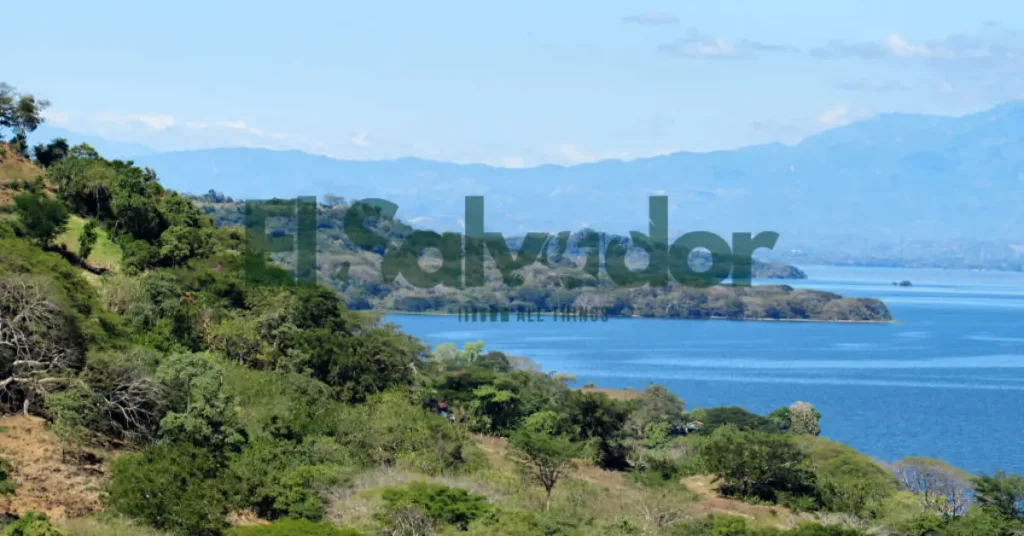
If you want one easy pick, February is a safe bet for dry weather and clear views. But if you showed up for waves, a surfboard under your arm and salt in the air, the rainy months tend to feel more alive.
Best Months for Beach Trips
The best beach months usually land in the shoulder spots, before peak crowds and after the rougher weather. A hotel clerk once pointed us to those quieter weeks, and the sand felt softer, the water calmer, and the sun easier to enjoy.
| Month | Beach feel | Practical trade-off |
|---|---|---|
| Late spring | Bright, comfortable, and good for long shore walks | Usually fewer crowds, but the water can still feel a little cool |
| Early summer | Best mix of sunshine and easy swimming | More visitors, so beach chairs and parking go fast |
| Early fall | Warm enough for lingering by the shore | Shorter days, but often calmer and less hectic |
If you want the most predictable beach-weather balance, these months usually give you the best shot. I still remember the salty smell on the breeze and the warm sand under my feet, while a local driver laughed and said, “This is the sweet spot.”
Peak summer can be hotter and busier, which is fine if you don’t mind packed beaches.
Best Months for Surfing
Surf season usually peaks when swell lines up with the right winds, not when the beach feels calmest. Some of the best surf months can bring choppier water, stronger currents, and fewer lazy swim days.
In many places, the most reliable surf months fall during stormier or windier seasons. That means bigger waves, cooler water, and a louder shoreline, with boards rattling on car racks and sand blowing across your ankles.
If you want cleaner waves, look for the season with steadier offshore winds or more consistent swell. For a few regions, local surf reports and national weather services, like NOAA, can help you match swell timing to the month.
Truth is, the best month for surfing may not be the best month for beach lounging. A warm, glassy day for swimming can feel flat for surfers, while a windy shoulder-season morning can be perfect for waves and a quick chat with the taxi driver who already knows which breaks are working.
Best Months for Hiking, Volcano Views, and Nature Trips
The clearest months usually bring the best volcano views and easier inland hiking. Fewer rainy days mean drier trails, less mud, and better chances of seeing peaks instead of clouds sitting on top of them.
I remember a taxi driver in the highlands laughing and saying, the ridge had been hidden all morning. Then the wind shifted, and the whole valley opened up. That’s the kind of month you want if your main goal is wide views, cooler walks, and less slipping around on steep paths.
For comfort, the driest stretches tend to feel better on longer nature trips. The air is lighter, the ground smells fresh instead of wet, and you spend less time dodging puddles or waiting for rain to pass.
If you care most about clear skies and photo-friendly visibility, pick the drier months. If you don’t mind more mist and softer trails, shoulder months can still be lovely, just with more clouds and a higher chance that the volcano disappears after lunch.
Best Months for Budget Travelers and Fewer Crowds
Shoulder season usually gives the best mix of lower prices and easier days. When the hotel desk was calm, the taxi driver chatted longer, and the breakfast room still smelled like fresh coffee instead of a packed buffet.
Understanding El Salvador currency helps when budgeting for shoulder-season travel, since hotel prices and transport costs can change a lot between seasons.
In most places, spring and fall shoulder periods tend to be kinder to your wallet than the busiest summer weeks or holiday breaks. Flights are often less pressured, hotels have more room, and you usually get more booking flexibility if your dates shift a little.
Peak season is usually the priciest and busiest. School holidays, major festivals, and summer vacation windows often fill rooms fast, and the loud, crowded lobby can make even a nice stay feel rushed.
We moved our trip by a week and saved money without giving up good weather. If you can travel outside the busiest stretches, you’ll often get a better price-to-weather balance and a calmer trip.
Best Months for Festivals and Culture
Festival season can be worth more than perfect weather. I’ve had trips where the sky was gray, the streets were loud with drums, and the whole city felt alive in a way sunny days never matched.
Some travelers plan around the market smells, live music, and late-night food stalls, not the forecast. If a parade, religious holiday, or local celebration is the real reason you’re going, a less ideal month can still be the right month.
El Salvador Weather and Travel Conditions by Month
According to climate data from NOAA and regional weather authorities, this is a climate-normal guide, so short-term forecasts still matter. I remember a taxi driver in San Salvador laughing, “the sky changes its mind fast here,” and he was right.
| Month | Weather summary | Best for | Watch outs | Crowd/cost note | Quick outcome |
|---|---|---|---|---|---|
| January | Dry, sunny, and warm by day with cooler evenings. | Beaches, city walks, volcano views. | Dusty roads and stronger sun at midday. | Busy winter travel period, prices can feel higher. | Great for easy sightseeing and clear skies. |
| February | Still dry, hot inland, and comfortable near the coast. | Surf, outdoor day trips, relaxed beach time. | Heat builds in lowlands, so water matters. | Popular with visitors, mid to high costs. | One of the easiest months for a smooth trip. |
| March | Very dry and often hot, especially away from the coast. | Surf trips and early starts for hikes. | Strong sun, dry air, and tiring afternoon heat. | Spring break can raise crowds and rates. | Good if you like heat and bright, stable weather. |
| April | Hot and dry early, with the rainy season hinting near month end. | Beach time, waterfalls before heavier rains. | Peak heat, and late-month storms can surprise you. | Holy Week often brings packed roads and higher costs. | Best if you can handle heat and holiday traffic. |
| May | Rainy season begins, with humid afternoons and green hills. | Lush landscapes, fewer crowds, budget trips. | Showers can hit hard after lunch. | Usually quieter, so lodging can be cheaper. | Good value, if you do mornings early. |
| June | Warm, humid, and regularly rainy, usually in the afternoon. | Waterfalls, coffee country, slower travel. | Muddy trails and stormy driving later in the day. | Lower season means softer prices and fewer people. | Nice for green scenery and calmer trips. |
| July | Rainy, but with occasional midseason dry spells. | Short trips, surfing, flexible itineraries. | Sudden downpours can change plans fast. | Moderate crowds, often fair pricing. | Works well if you stay flexible. |
| August | Still wet and humid, with bright mornings and stormy afternoons. | Nature trips and indoor breaks between showers. | Humidity can feel heavy, especially inland. | Usually calmer than dry season. | Best for travelers who do not mind rain. |
| September | One of the wettest months, with frequent storms. | Low-key stays, city time, budget deals. | Flooding, slick roads, and weather delays are more likely. | Very low crowds, often the cheapest time. | Only go if you are okay with rainy plans. |
| October | Still rainy early, then often begins to ease late in the month. | Green scenery, flexible road trips, quieter beaches. | Storms can linger, so keep plans loose. | Low season pricing often continues. | Better than September, but still watch the forecast. |
| November | Rain drops off, and dry season starts returning. | Outdoor sightseeing, hiking, beach days. | Some areas stay muddy at the start of the month. | Crowds begin to pick up, costs may rise a bit. | A sweet spot for weather and value. |
| December | Dry, sunny, and pleasantly warm in most places. | Holiday travel, beaches, volcano views, city stays. | Holiday traffic and booked-up rooms near peak dates. | Busy season, with higher prices around Christmas and New Year. | Excellent weather, but book early. |
A dry, bright sunrise can turn into a sticky, rainy afternoon by the time you finish coffee and hear the griddle crackle at a roadside pupusería.
El Salvador weather can shift quickly between sunny mornings and rainy afternoons, especially during the wetter months.
January Travel Notes
January is usually dry, bright, and one of the easiest months for travel, with cooler mornings and warm afternoons.
- Best use cases: Beach days, wildlife spotting, and road trips usually feel smooth and reliable.
- Crowd level: Demand is often high, especially around holiday periods and popular coast spots.
- Cautions: Book early, since rooms and rides can fill fast.
- Comfort tip: Bring light layers, because the air can feel cool before breakfast and warm by lunch.
February Weather
February usually sits right in the dry-season window, so the air feels lighter and the days are easier to plan around. It ended up feeling comfortable, not sticky, and that made walks, beach time, and longer drives a lot nicer.
It suits travelers who want clear skies and calmer conditions, especially if you like being outside more than hiding from rain. It can be a smart value month too, since it often feels less crowded than peak-season dates while still giving good weather.
March
March usually feels warm and dry, with weather that’s comfortable enough for long beach days and easy outdoor plans. I remember stepping out early and hearing that dry-season quiet, just surf, bikes, and a few taxi drivers calling out near the road.
It’s one of the better months for swimming, wandering, and getting out before the heat builds. The air still felt good, and the trails were in solid shape.
Booking pressure is often higher in March, since it sits in a strong travel window. Hotels and popular stays can fill up faster, so book earlier, especially if you want a room close to the beach.
April
April usually sits between the dry season and the first heavier rains, so the weather can feel a little unpredictable. Mornings are often the best time for moving around, with warmer afternoons that can turn sticky fast.
What works well this month is the softer pace. Trails are still open in many places, crowds can be lighter, and the air often feels less harsh than peak heat. I remember a taxi driver telling me, with a grin and a dented radio humming beside him, that April is when plans start to matter less than the sky.
Here’s the trade-off: you may get those clear, bright days, but you should also expect a few weather shifts. Pack for sun and sudden showers, and don’t leave tight connections too close together if you can help it.
April tends to be a good fit if you like some flexibility and don’t mind adjusting on the fly. If you prefer steady weather above all else, earlier dry-season months usually feel easier.
May
May is when the rain starts showing up more often, and the air gets heavier. I remember stepping out in the morning and feeling that damp warmth right away, like the day had already been half-steamed before breakfast.
It’s a real shoulder-to-rainy transition month, so travel conditions begin to shift. Roads can get slick after afternoon showers, and the sky can turn from bright to gray fast, so flexible itineraries fit best.
If you like moving plans around with the weather, May can still work well, especially for budget-focused trips, since fewer travelers often mean better rates. This guide on how to get around El Salvador becomes especially useful during rainy months, when transport timing and road conditions change quickly.
Pack a light rain jacket and leave room for delays. A taxi driver once laughed and said, “Morning is for sightseeing, afternoon is for waiting,” and honestly, that stuck with me.
June Weather
- Rain usually shows up later in the day. Mornings often feel calmer, then clouds roll in and afternoons can turn wet fast.
- Humidity stays high. The air feels sticky, and even a short walk can leave your shirt damp.
- Outdoor plans still work, if you start early. A taxi driver told us to go before lunch, and he was right.
- Choose flexible activities. Boat rides, short walks, cafes, museums, and long lunches all work well when showers move in.
- Pack for quick changes. Keep a light rain jacket close, because the sky can switch from bright to gray in minutes.
July
July sits right in the middle of the rainy season, but that doesn’t mean travel stops. Flights and roads can still work fine most days, and the bigger issue is usually timing, not a total washout.
The clouds looked heavy, then the sky opened for an hour and the streets smelled like wet earth and street food smoke. That’s July for you, a month for flexible plans, quick taxi rides, and a backup café stop if the rain lingers.
Crowds are often lighter than in drier months, so popular spots can feel calmer. Some hotels and tours may cost less too, since fewer people are booking, especially on weekdays.
If you’re okay shifting plans, July can still be a good month for markets, museums, shorter day trips, and slow afternoons. Just keep a light rain layer handy, check transport before you leave, and leave room for a little weather drama. Travelers comparing Uber vs rental car in El Salvador should know rainy-season timing and road conditions often matter more than distance itself.
August
August usually sits in the wetter stretch, so rain can show up fast and leave just as quickly. I remember stepping out with clear skies, then hearing that hard patter on a tin roof five minutes later, and the air turned thick and warm right away.
The trick is to plan your day around comfort, not perfection. We kept the early hours open for walking, markets, or beach time, then saved museums, long lunches, and slower stops for the sticky afternoon.
- Start early, before the heat and humidity build.
- Keep one indoor backup plan for every outdoor stop.
- Carry water and a small towel or tissue.
- Watch the sky, because storms often move in fast.
August can still be a good month to visit if you stay flexible. The rain can make everything smell fresh and earthy, and when the clouds break, the streets feel quieter and easier to enjoy.
September
September can be a tricky month, because the weather often feels less steady. Some travelers skip it for that reason alone, since rain can make plans feel less reliable.
That doesn’t mean September is a bad choice. It just means you should build in extra time, keep plans flexible, and check official weather and disaster-preparedness updates if storms or heavy rain are in the forecast.
October
October usually starts the slow recovery toward drier travel weather. The rain can ease up a bit, and roads, paths, and boat days often feel less rough than in the peak wet stretch.
Still, I wouldn’t call it fully settled. A taxi driver once laughed and said, “Wait five minutes,” and the sky changed on us twice before lunch. Mud, sudden showers, and patchy delays can still catch you off guard, so keep plans loose.
That said, October can be a good pick if you like quieter trips and don’t mind a little weather roulette. Budget travelers, flexible backpackers, and people who enjoy greener scenery may still find real value here.
November
November is when the weather usually starts feeling more settled again, with drier days and less of that sticky, unpredictable rain.
That shift makes a big difference for travel. Outdoor activities feel better, boat rides are calmer, and walking around town is less of a gamble, with fewer muddy shoes and fewer sudden downpours. You can still get the occasional shower, but the whole month tends to feel more practical and relaxed.
If you want a good value alternative to the peak dry-season months, November can be a smart pick. Prices and crowds are often kinder than later on, and you still get many of the same good-weather benefits.
December Travel
December can be a lovely month, with dry-season weather making days feel easier and brighter. But it also gets busier fast, because holiday demand pushes crowds, prices, and booking pressure up at the same time.
I remember a hotel receptionist in a dusty lobby telling me, almost kindly, that the good rooms were gone weeks ago.
If you’re traveling during holiday periods, plan ahead. Book transport and stays early, and expect popular spots to feel fuller than usual, especially near the busiest dates.
Dry Season vs. Rainy Season in El Salvador
Dry season usually brings the easiest travel days in El Salvador. Skies stay brighter, roads feel less slippery, and plans are easier to keep. A taxi driver in San Salvador once told me, “Mornings are your friend,” and he was right.
Rainy season feels different on the ground. The air can be sticky, then a heavy shower rolls in, often in the afternoon more than all day, depending on the month.
- Dry season: Most comfortable for long walks, volcano visits, and beach time. You usually get more flexibility and fewer weather changes.
- Rainy season: Green hills, cooler bursts after rain, and quieter sights. Morning activities often work best, since showers often hit later.
- Shoulder season: A middle ground with mixed skies and softer crowds. You may get good value, but you still need a loose plan.
That said, rainy season does not mean every hour is washed out. In many places, the morning can stay clear and warm, then the afternoon turns gray and loud with rain on tin roofs. Knowing basic El Salvador tipping customs also helps during hotel stays, guided tours, and longer transport days.
If you want the smoothest trip, dry season usually gives the most comfort and flexibility. If you do not mind a few schedule changes, rainy and shoulder months can still feel lively, green, and full of local life.
What the Dry Season Feels Like for Travelers
The dry season usually feels easier from the moment you step outside. The air is less sticky, the roads stay clearer, and you’re not watching the sky every five minutes.
Taxi drivers moved faster, hotel staff seemed calmer, and even little things like crossing town or heading out early felt less stressful.
Outdoor travel is the big reason people love it. You can walk, ride, and sightsee without muddy shoes or surprise downpours, and sunsets tend to show up with that clean, golden light everyone talks about.
It’s popular because the rhythm feels simple. Mornings are good for moving around, afternoons stay manageable, and plans usually hold, which makes the whole trip feel lighter and more relaxed.
What the Rainy Season Means in Practice
Rain usually means shorter sightseeing windows, sticky afternoons, and plans that shift fast. I remember a taxi driver tapping the steering wheel and laughing when the sky went from gray to pouring in minutes. The rain passed, and the street smelled like wet pavement and fried snacks.
Humidity is the part people notice after the first day. Clothes cling, rooms feel warmer, and even a simple market stop can leave you wanting cold water and a fan.
Daily scheduling often changes around the weather. Morning outings usually work best, while long outdoor plans can wait until clouds break or shift to later in the day. Museum visits, food tours, temple stops, boat rides, and city breaks still work well in these months, because they do not depend on perfect skies.
Truth is, rainy season travel is often slower, quieter, and a little messier, but that can be part of the charm. You hear more rain on tin roofs, see fewer crowds, and get more small moments with locals at shops or cafés. If you keep plans flexible, the season can still feel easy enough.
Shoulder Months and the Weather-Value Trade-Off
Shoulder months usually sit between the peak dry season and the wetter months, and that’s where the trade-off gets interesting. You often get softer prices, lighter crowds, and a calmer pace, but you give up some of the most reliable weather.
One day I heard rain on the roof at breakfast, then by lunch the streets smelled warm and dusty again, with taxi drivers grinning like it was all part of the plan.
Compared with peak dry season, shoulder periods can feel easier on your budget and less rushed. You may not get perfect blue-sky days every morning, but you usually gain room to breathe, better table choice at restaurants, and more chances to talk with locals instead of waiting in lines.
Compared with wetter months, shoulder travel often means fewer interruptions and fewer soaked afternoons. But if you chase the very best weather, you’ll usually pay more for it and share it with more people.
The sweet spot depends on what matters most to you:
- Peak dry season: Best for the steadiest weather, but costs are higher and places feel busier.
- Shoulder months: Best for value and a slower feel, with weather that can still be very good.
- Wetter months: Best for lower prices, but you give up more predictability.
For flexible travelers, shoulder months tend to be the nicest compromise. You get enough good weather to enjoy the trip, and enough value to feel like you made a smart choice.
How to Choose the Right Approach for Your Situation
The easiest mistake is picking a season based on weather alone. I’ve sat in a tiny hotel lobby while the desk clerk laughed and said, “You wanted sun, not prices?” because the room rate had doubled by dinner.
The choice usually comes down to four things, budget, comfort with crowds, weather tolerance, and how rushed you are. If you want the clearest skies and the least guesswork, dry season is the safer bet. If value matters more and you can handle some rain, rainy season often makes more sense. And if you want a middle ground, the shoulder months usually give you a better balance of price and weather.
- Dry season: Best for predictability, first-time visitors, and tight schedules.
- Rainy season: Best for lower costs, quieter spots, and travelers who do not mind quick showers. You may hear rain on the roof, then still get a bright afternoon.
- Shoulder months: Best for balance. You often get decent weather, fair prices, and fewer crowds than peak season.
If your trip goal is beach time, photos, or a packed itinerary, choose dry season. If your goal is saving money and moving slowly, rainy season usually fits better. And if you want a bit of both, the shoulder months are the sweet spot most travelers end up liking.
My quick rule is simple, pick dry season for predictability, rainy season for value, and shoulder months for balance. That one choice saves a lot of overthinking before you book.
Choose the Dry Season if You Want Predictability
The dry season is the safer bet if you want your plans to stay simple. Beaches tend to be calmer, tours are less likely to get knocked off schedule, and you spend less time watching the sky than your map.
I still remember a hotel staffer shrugging and saying, “If you want the beach day, go now.” That was the dry season in a nutshell. The sand felt warm, the water looked clearer, and the whole day had that easy, steady rhythm that first-time visitors usually want.
Predictability matters most if this is your first trip, or if you only have a few days. You can pick a boat tour, head out for a swim, or book a transfer without wondering if a sudden shower will change everything.
Choose the dry season if you like these parts of travel to feel less risky:
- Beach days: Better odds of sunny weather and easy swimming.
- Tours: Fewer weather delays and fewer washed-out plans.
- First trips: Less guesswork, more time enjoying the place.
If you love surprises, rainy season can have its charm. But if you want the trip to feel steady from the first taxi ride to the last sunset, the dry season usually makes everything easier.
Choose Rainy Season If You Want Lower Prices and Flexibility
Rainy season usually means lower hotel rates, quieter streets, and more room to move around. I paid peak-season prices just to stand in the same line as everyone else.
Sure, you trade a bit of certainty for value. But if you like flexible daily planning, it can feel like a win, because you can shift beach time, market visits, or day trips around the weather.
That was the part I liked most. After a coffee with a hotel staffer and a chat with a taxi driver, it was clear the pace could be easier and cheaper. You just keep one eye on the sky, bring a light rain jacket, and leave space in your day for changes.
Choose Shoulder Months for Balance
Shoulder months usually hit the sweet spot, with decent weather and fewer crowds. I remember stepping out of a taxi and hearing a hotel clerk say, “You picked the quiet week,” while the lobby still smelled like fresh coffee and sunscreen.
That balance matters if your group wants different things. One person can wander museums, another can sit at a café, and nobody feels rushed or baked by peak-season heat.
Traveling in the shoulder season often gave us better value too. Rooms felt easier to find, restaurant lines moved faster, and the whole trip had a calmer pace.
If you like a mix of beach time, city walks, and a few planned stops, these months tend to work well. You get enough good weather for outdoor plans, plus enough breathing room to enjoy the small stuff, like a warm pastry from a corner bakery or a chat with a local shop owner.
Common Mistakes to Watch For
Fiji weather looks simple on paper, but the trip can go sideways fast if you miss the details.
- Thinking all of Fiji has the same climate. The islands can feel different, especially with sea breezes and rain patterns. Fix: Check the exact island, not just “Fiji” as a whole.
- Ignoring seasonality. A sunny month can still bring sticky heat, heavier rain, or rougher seas. Fix: Match your dates to the dry or wet season before you book.
- Picking the wrong month for your activity. Calm beach days, diving, and island hopping all work best in certain months. Fix: Choose your travel month around the thing you care about most.
- Skipping official travel advice before storm season. Sea conditions and flight changes can affect safety and cost. Fix: Check official government travel guidance before you go.
- Assuming a warm day means a safe day on the water. The air can feel soft, but currents and weather shift fast. Fix: Ask hotel staff or local boat crews about conditions that morning.
I remember a taxi driver in Nadi telling us, “The sky changes its mind here.” He was right. The light smelled like rain, the wind felt fine, and then clouds rolled in out of nowhere.
Assuming Dry Season Always Means the Best Trip
Dry season usually sounds like the easy choice, but it can bring higher prices, bigger crowds, and dates that fit some activities better than others. I remember a hotel clerk saying, “Everyone wants the same week,” while the lobby filled with tired families and dusty shoes by noon.
I still wanted the dry roads and sunny afternoons, but I also looked at flight costs, tour spots, and whether the trip matched what I wanted to do.
Ignoring Humidity and Afternoon Rain
Rain totals can look low, but humidity and afternoon rain change how a day actually feels. I remember stepping out after breakfast into thick, wet air, then hearing the first hard drops hit the roof around 3 p.m.
Humidity makes clothes stick, shoes feel damp, and long walks get tiring fast. And if rain usually arrives later in the day, you can still do your sightseeing early, then duck into a café, hotel lobby, or market when the sky turns dark and the streets start smelling like wet concrete and fried snacks.
My simple fix was to pack a light rain jacket and keep the most outdoor plans for the morning. A taxi driver once laughed and told me, “Always finish before lunch,” and honestly, he was right.
Treating All Regions of El Salvador the Same
El Salvador changes a lot from the coast to the inland towns and San Salvador. A hot beach morning can feel nothing like a cooler city evening, even in the same month.
So check the exact itinerary region before you pack or set plans. If you’re heading to the coast, inland areas, or the city, the same month can feel very different in each place.
Booking Without Thinking About Prices and Crowds
Flights into the main El Salvador airport usually become more expensive during peak dry-season and holiday travel periods.
The nicest rooms and best flight times had gone fast, and the last choices cost more and felt crowded from the start.
Choosing a Month That Doesn’t Match the Activity
This is where a trip can go sideways fast. I’m glad we checked the table above first, because the wrong month can mean flat surf, muddy hikes, or a beach day that feels cold and windy.
I still remember standing at a roadside shack with sand on my ankles, listening to a local driver laugh when we asked about swim weather in the wrong season. The water looked pretty, but it wasn’t the kind of day you stay in long. If your plan is surf, hiking, or beach time, match the month to the activity before you book.
Use the table above as your quick filter. Pick the months that fit the trip you actually want, then build the rest around that.
Regional Differences Across El Salvador
El Salvador feels different fast, even in the same month. Coast, inland hills, and San Salvador all bring their own kind of weather.
| Area | What it feels like | Rain and comfort |
|---|---|---|
| Coast | Hot, sticky, and bright | Usually warmer, with heavier humidity and a more tropical feel |
| Inland and highlands | Cooler, calmer, sometimes breezy | Elevation often brings lower temperatures and different rain patterns |
| San Salvador | Warm city days, cooler nights, changeable by neighborhood | Built on higher ground, so it often feels less hot than the coast |
The driver laughed and said, “Down by the water, you’ll sweat. Up here, you’ll want a light layer.” He was right.
- Coast: Best for beach heat, but it can feel heavy by midday.
- Highlands: Better for comfort if you dislike sticky air.
- San Salvador: A middle ground, with city heat and cooler elevation.
Because elevation changes temperature and rain, a short drive can feel like a season shift. The hills may catch clouds differently, so showers and comfort levels can change faster than you expect. That’s the part that surprised me most, especially when the air smelled dry downtown but felt damp near the coast.
Coast vs Inland and the Highlands
Coastal spots usually feel warmer and stickier, with a salty breeze that softens the heat. Inland areas can feel hotter in the day, then drop faster after sunset, so that light jacket in the taxi suddenly matters.
The rain feels different too. By the beach, showers can come and go fast, and you often smell wet sand before you even see the clouds clear. Up in the highlands, rain tends to feel cooler and heavier, and the mist can hang around long enough to make roads slick and views vanish.
That changes the kind of day you have. Beaches are better for slow swims, boat trips, and lazy meals with your feet in the sand. Highlands suit hiking, coffee stops, and early starts, since the air feels crisp and evenings cool down quickly.
San Salvador and Beach Towns
San Salvador makes life easier because everything sits close together. Taxis, buses, coffee shops, and late dinners are simpler to find than in most beach towns, where roads can feel slower and more spread out.
But the city feels hotter in a heavier way, with traffic, pavement, and little shade adding up fast. Beach towns usually feel softer, with ocean air and more of a breeze. Still, weather can flip faster near the coast, so expect sudden rain, sticky mornings, and plans that bend around the sky.
If you want easy errands and more predictable transit, San Salvador usually wins. If you want salt air and a slower pace, the coast feels better, just with a little more weather watching.
Packing and Trip Prep by Season
The dry season is the easiest time to pack light, but I still wish someone told me to bring a real sun hat. A taxi driver in town laughed when I showed up with only sandals and a tee, then pointed at the dusty road and the noon glare.
- Dry season essentials: light clothes, sunglasses, sunscreen, sun hat, and sturdy sandals or walking shoes.
- Rainy season essentials: quick-dry clothes, a compact rain jacket, waterproof bag cover, and extra socks.
- Heat and humidity essentials: breathable fabrics, refillable water bottle, deodorant, and a small towel or wipes.
Check official travel advisories before you go, and watch local weather alerts for storms or flooding. That extra minute helped me relax more, especially when the hotel staff kept nudging guests to head out earlier for afternoon rain. Having an El Salvador SIM card makes it much easier to check weather alerts, maps, and transport updates while traveling between regions.
Dry Season Packing Essentials
Dry season days are hot, bright, and sneaky with sun. The heat bounces off fast sidewalks and pale walls, because a taxi driver in town laughed when I showed up with a dark shirt and no hat.
- Light, breathable clothes, like cotton or linen. They feel better when the air stops moving.
- A wide-brim hat and sunglasses. The sun gets sharp fast, even in the morning.
- High-SPF sunscreen. Reapply it after sweating, or it won’t last.
- Refillable water bottle. The dry heat can sneak up on you by lunch.
- Closed-toe sandals or light shoes. Hot pavement can feel rough on bare feet.
A small pack of lip balm and sunscreen also saved me more than once, especially after a long walk past a market where the air smelled like roasted corn and warm concrete.
Rainy Season Packing Essentials
Rain showed up fast on my last trip, and the street smelled like wet stone and fried snacks from a corner stall.
- Light rain jacket, something that dries quickly and fits over a tee.
- Compact umbrella, because sudden showers tend to appear without warning.
- Quick-dry clothes, since humidity can keep cotton damp for hours.
- Waterproof sandals or shoes, handy for puddles and slick sidewalks.
- Dry bag or zip pouches, good for phones, chargers, and passports.
- Extra socks, a small comfort that feels huge after a soaked walk.
It’s perfect for muddy shoes, wet clothes, or a dripping umbrella tossed in the hotel lobby after a long day out.
Be flexible with plans, because rain and humidity can shift schedules fast. A museum stop, a long lunch, or a slow coffee break might turn into the best part of the day.
Heat and Humidity Must-Haves
Hot, sticky days can wear you down fast. I learned that the hard way after a taxi driver laughed and said, “You’ll thank me later,” when I tossed a small towel into my day bag.
- Light, breathable clothes, because damp fabric clings fast and stays uncomfortable.
- Water bottle, since heat sneaks up on you during walks and bus rides.
- Small towel or handkerchief, useful for sweat, dusty faces, and surprise rain.
- Hat and sunscreen, especially if you’re outside for long stretches.
- Dry socks, a tiny comfort that feels huge after humid afternoons.
Cold water, a dry shirt, and a shade break can turn a rough afternoon into a decent one.
Booking and Planning Checklist
- Choose your month first. The season changes everything, from prices to crowd levels.
- Lock your flights next. The fares jumped while we were still comparing hotels over bad airport coffee.
- Reserve your top hotels early. The nicest places tend to fill fast, and the front desk staff always seemed to know which rooms went first.
- Plan weather-sensitive activities before anything else. Boat trips, hikes, and beach days can get shuffled by rain or wind, so I like to pin those down early.
Book earlier for peak months, since the best flight times and rooms usually disappear first. For shoulder-season trips, you can often wait a little longer and still find good options, which felt much calmer when I was chatting with a taxi driver outside my hotel and watching the clouds roll in. Choosing where to stay in El Salvador early matters most during dry season and holidays, when the best hotels fill quickly.
Closing Thoughts
February is the best overall month if you want the safest balance of weather, lighter crowds, and decent prices. April is the best weather month, with warm, dry days that feel easy from breakfast through sunset.
If price matters most, November is usually the best value month. I still remember a taxi driver telling me the shoulder season was the sweet spot, and he wasn’t wrong, because the streets felt calmer and the hotel desk had more room to talk rates.
Truth is, there’s a trade-off. Better weather often means more people and higher costs, while the cheaper months can feel a little less polished. The breeze, the noise, and even the smell of rain on warm pavement can change the whole trip.
So pick the month that fits your priorities, then check current forecasts before you book. Seasonal averages help, but short-range weather checks from official climate and travel sources matter most right before departure.
Frequently Asked Questions
What is the best month to travel to El Salvador?
Most people go in the dry season, usually from November to April. A hotel staffer in San Salvador said the mornings felt cooler and the roads were easier then.
How much is $1 worth in El Salvador?
El Salvador uses the U.S. dollar, so $1 is worth $1 there. That made grabbing coffee and pupusas simple, since I didn’t have to think about exchange rates at the counter.
What is the rainiest month in El Salvador?
September is usually one of the rainiest months. I remember hearing heavy rain hit the roof late in the day, and local taxi drivers kept warning me to leave extra time for short rides.
What souvenirs should I buy in El Salvador?
Handmade indigo items, coffee, and local sweets are common picks. I also saw colorful pottery and woven goods in small shops, and the vendors were happy to wrap everything so it would survive the bus ride.
What numbers not to wear in El Salvador?
There is no widely known number you need to avoid wearing on clothing there. Still, it helps to dress simply and read the room, since local style feels more low-key than flashy in many places.
What is the most bought souvenir?
Coffee is one of the most commonly bought souvenirs. A shop owner in my trip said travelers love taking home beans, because the smell in the bag still feels like the market later.