
El Salvador Currency and Money Guide
El Salvador runs on USD, but Bitcoin still shows up in the background, so money can feel simple one minute and quirky the next. A taxi driver, a hotel clerk, and a snack shop cashier all pointed us toward cash, cards, ATMs, tipping, and a daily budget that actually works.
Key Money Takeaways
- USD was the main practical currency. We saw it work almost everywhere.
- Bitcoin was optional. Nice to have, but not needed for most stops.
- Small cash bills mattered. Taxi drivers and shop counters loved exact change.
- Cards worked best in cities. They were easier for hotels, restaurants, and bigger stores.
- ATMs can charge fees. I wish someone told me that before a few withdrawals.
- Tipping is usually 10% in restaurants. We saw it come up often at the table.
- Track mixed spending as you go. Cash, cards, and Bitcoin can blur fast.
How to Handle Money in El Salvador
El Salvador uses USD cash in most places, and that’s what kept us moving fastest, especially for taxis, pupusas, and tiny corner shops that loved small bills. Payment convenience changes a lot by location, and Bitcoin only showed up in some spots, not everywhere. These are exactly the kinds of things to know before visiting El Salvador, especially when dealing with transport, cash, and backup payment methods.
Quick checklist: carry USD cash and one card, keep $1s and $5s for rides and small buys, expect Bitcoin only in some places, and always have a backup plan if a machine or shop says no.
The Dual-Currency Setup: El Salvador Currency and Exchange Rates
El Salvador uses the US dollar in daily life, and Bitcoin is also legal tender. So for most travelers, there’s usually no need to hunt for local currency exchange, which felt oddly simple when I first heard it from a hotel clerk over a loud lobby fan. The World Bank and IMF framing helps here too, since exchange-rate planning is mostly about thinking in USD, not swapping into a separate local currency.
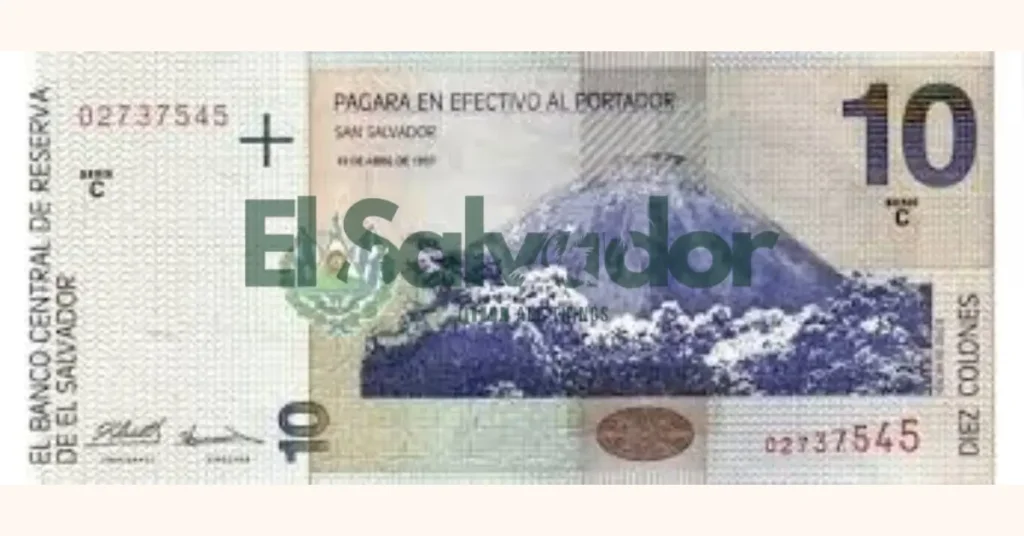
Bitcoin acceptance is still uneven, though, and I’d treat it as a backup, not your main payment method. I watched a taxi driver shrug at a crypto wallet screen and ask for dollars instead.
Where to Get Currency Before You Arrive
Arriving through the main El Salvador airport feels much easier when you already have small USD bills ready for taxis, tips, and snacks. A late-night landing, when the taxi driver wanted cash and the airport kiosk line felt endless; pre-trip exchange is often easier than hunting for foreign-currency exchange after you land.
- Get a small amount of USD before departure. Enough for taxi, tips, and a snack.
- Check the rate at home. A quick look can help you avoid a bad deal.
- Decide if you’ll use ATMs after landing. That works well for many travelers.
- Pack small bills. Drivers and shop staff often prefer them.
Should You Use a No-Fee Card or Travel Card?
For most trips, I’d think in layers: cash for small vendors and buses, a debit card for ATM access, a credit card for bigger city purchases, and a travel card for backup value. The taxi driver only wanted small bills, while the hotel desk happily took card. That split is normal, and it saves a lot of awkward fumbling.
| Payment type | Best for | Main tradeoff |
|---|---|---|
| Cash | Small vendors, taxis, local transport | No card fees, but harder to replace if lost |
| Debit card | ATM cash withdrawals | Check ATM fees before you pull cash |
| Credit card | Hotels, restaurants, bigger city purchases | Best if your card has low foreign transaction fees and wide credit card acceptance |
| Travel card | Backup spending and fee control | Can help with acceptance and exchange-rate clarity, but not every shop takes it |
Truth is, a no-fee card can save money if you’re paying in places that accept cards often. But cash still wins for tiny stalls, tuk-tuks, and that little bakery that smells like butter before sunrise. If you want the simplest rule, use card for larger city purchases and cash for small vendors and transport.
How to Pick Between Cash, Card, and Bitcoin for Each Purchase
Cash usually won the small, everyday stuff, like market stalls, buses, taxis, and trips into rural areas. If you plan to get around El Salvador by bus, taxi, or local transport, carrying small cash bills makes everyday travel much smoother. I remember a taxi driver tapping the dashboard and saying, “Cash is easier,” while the scent of fried plantains drifted from a nearby stand.
Choosing where to stay in El Salvador also affects payment convenience, since larger hotels usually accept cards more reliably than smaller guesthouses. Hotel staff often checked the terminal first, and that little beep felt like relief after a long day.
Bitcoin only made sense when the merchant said yes first and the wallet was already set up. If the QR code worked and your app was ready, fine. If not, it’s not the moment to improvise.
| Purchase type | Best payment choice | Why it fits |
|---|---|---|
| Markets, buses, taxis | Cash | Fast, widely accepted, and easier in smaller places |
| Hotels, city shops, larger buys | Card | Common in bigger businesses and easier for larger payments |
| Confirmed Bitcoin merchants | Bitcoin | Only use it when acceptance and wallet setup are both ready |
The backup rule saved us more than once, never depend on one method. Keep cash, carry a working card, and have Bitcoin only as a ready option, not your only one.
ATMs, Fees, and Credit Card Use in El Salvador
Cards worked well in San Salvador, airport shops, nicer hotels, and bigger restaurants. I paid with chip cards and sometimes contactless, and the cashier barely blinked. But once we got into smaller towns, roadside pupusa stands, and little corner shops, cash was still king.
ATMs were easy to find in banks and malls, and the safest ones felt busiest in daylight. Fees I saw were usually in the 2026 range the big travel reports mention, about $3 to $6 per withdrawal, plus any fee from your home bank. Bigger withdrawals help because you pay that flat fee less often, so one larger pull usually costs less than three small ones. I learned that after a taxi driver pointed me toward a mall ATM, while the air smelled like coffee and fried plantains and I wished someone had told me sooner.
- Card declined? Try a chip insert, then call your bank and ask for fraud alerts to be cleared.
- Need cash fast? Use an ATM inside a bank or mall during daylight.
- Still stuck? Check your safety and backup plan section for a second card or spare cash plan.
Money Safety and Backup Plans for Travelers
- Split your cash into two or three spots, like a pocket, a day bag, and your hotel safe.
- Don’t flash big bills at the counter or on the street. Ask for smaller notes before you leave the city center, since cash denomination guidance can save you from awkward change problems.
- Keep one backup card somewhere separate from your main wallet. If your first card gets declined or eaten by an ATM, you will be glad it is not sitting next to the first one.
- Make sure your banking app still works before you head out, especially if you are relying on an El Salvador SIM card for banking alerts, maps, and ride apps. Save your login, update the app, and keep phone data or offline access ready, because a locked account feels very different at 9 p.m. in a quiet lobby.
- Check nearby ATM options before you leave the city center. A hotel clerk once pointed us to the only working machine on the block, and that little tip saved us a long walk later. If you want a quick refresher, see ATM safety.
- Know the common fail points, like declined cards, fake readers, or a card trapped in a machine. The FAQ on declined cards or scams helps when your payment plan suddenly falls apart.
Tipping Culture and Customs in El Salvador
Restaurants in El Salvador often add a 10% service charge labeled propina. It blended right into the receipt beside the coffee stain and tiny print.
For budgeting, that small receipt check matters, especially if you’re watching every dollar. If the service charge is already there, a little extra cash is nice but usually not required.
| Situation | Typical tip |
|---|---|
| Restaurants with propina on the bill | 0% to a small extra amount if service was great |
| Restaurants without service charge | About 10% is common |
| Taxi drivers | Small change is enough |
| Hotel staff or porters | Small cash tip |
| Parking attendants | No tip expected, but small change is fine |
Understanding El Salvador tipping customs matters because many restaurants already include a 10% propina on the bill.
Budgeting and Money-Saving Tips for Your El Salvador Trip
Whether El Salvador is cheap really depends on your travel style, beach choices, and how often you rely on taxis or tourist restaurants. On my trip, a quick street food plate was usually around $2 to $4, pupusas often ran $1 to $2 each, a simple menu del día was about $5 to $8, and a cold beer was often $1.50 to $3.
Lodging can swing more, from budget rooms around $25 to $50 a night to pricier beach stays, and short taxi or bus rides are usually cheap enough to fit into a tight daily plan. Keep a daily spending target in mind before the first bakery smell and beach stop pulled me off budget.
Here’s the cash trick that saved us: carry mostly $1, $5, and $10 bills. Don’t rely on $50 or $100 notes, because breaking them can be awkward in small shops, buses, and pupuserías. If you only have a larger bill, plan to break it early at a bigger hotel, supermarket, or bank counter, then keep the smaller bills separate. Also, track every spend in your home currency, not just dollars, so the total feels real.
- Food: Street food $2 to $4, pupusas $1 to $2 each, menu del día $5 to $8.
- Drinks: Beer often $1.50 to $3.
- Stay: Budget accommodation usually $25 to $50 a night.
- Transport: Short local rides are usually low cost, but keep small bills ready.
- Daily framework: Set a food, stay, and transport limit before you leave the hotel.
Truth is, the easiest way to stay on track was listening to what the taxi driver and hotel staff said about cash habits, then matching that with a simple daily budget. I’d jot totals each night in my own currency, which made the street corn, bus fare, and one extra beer feel honest instead of fuzzy.
That habit helped more than any fancy budget app. Planning an El Salvador 7 day trip cost becomes much easier if you set daily limits for food, transport, and accommodation before leaving the hotel.
Final Thoughts
The best money plan felt simple once we were on the ground, some USD cash for taxis, tips, and small shops, cards for bigger buys in the cities, and Bitcoin only as an optional backup, not the main plan.
I still remember the hotel clerk asking about propina while the coffee smelled strong and sweet in the lobby, and a taxi driver who wanted exact change.
Keep your wallet mixed, watch the small fees, and stay flexible. If you’re heading to El Salvador, you’ve got this, and a calm, varied payment plan makes the whole trip feel easier.
FAQ’s
Is El Salvador still using Bitcoin as currency?
Yes, Bitcoin is still legal in El Salvador, but it is not the everyday money most people use. The U.S. dollar is still the main currency for most purchases, from coffee to taxis.
Is it safe to use ATMs in El Salvador?
Usually yes, if you use ATMs in well-lit, busy places like banks or malls. Stick to places with people around for extra comfort.
Do I need cash in El Salvador?
Yes, cash still helps a lot, especially for small shops, markets, tips, and short rides.
Are credit cards accepted everywhere in El Salvador?
No, not everywhere. Bigger hotels, restaurants, and stores often take cards, but smaller spots may not.
What denominations of cash should I carry?
Small bills are best, like $1s, $5s, and $10s. That makes buying snacks, paying taxis, and leaving tips much easier.
What happens if my card is declined in El Salvador?
It often means the machine or merchant does not accept your card type, or your bank flagged the charge. Try a different card, a different ATM, or just use cash.
Are there fees for using ATMs in El Salvador?
Yes, many ATMs charge a fee, and your own bank may charge one too. Always check the screen before confirming.
Is it better to withdraw cash at the airport or in the city?
City ATMs usually give more choices and better control over fees. Airport ATMs are handy after landing but can feel pricier.
How much should I budget per day in El Salvador?
It depends on your style, but many travelers can keep costs moderate with simple meals and local transport. Budget more for nicer hotels or extra activities.
Should I tip in El Salvador restaurants?
Tipping is appreciated, especially for good service. A small tip in cash is usually the easiest way.
Can I use contactless payments in El Salvador?
Sometimes, especially in larger shops and hotels. But smaller places may still prefer a card swipe or cash.