
Things to Know Before Visiting El Salvador
Safety, transport, money, and weather are the big things to sort out before you land. I went in expecting a relaxed beach trip, and the real win was learning how much smoother it felt once we planned around simple stuff like cash, taxis, and hot afternoons.
The first thing I noticed was how quickly the trip shifted from “vacation mode” to “logistics mode.” A driver in San Salvador asked if we had small bills, and that saved us later at a pupusa stop near Suchitoto, where nobody wanted to break a big note for lunch. wish someone had told me to keep some cash ready from day one.
- Safety: Stay aware, especially at night, and ask your hotel about the areas they recommend.
- Transport: Taxis and rides can be the easy move. Long bus rides are cheaper, but slower and less predictable.
- Money: Carry cash for small places, markets, and simple meals. Cards work in more tourist-friendly spots, but not everywhere.
- Weather: It gets hot fast. I was sweating by 9 a.m. in San Salvador, and that humidity does not play nice.
By midday, the roads felt hotter, the coffee got better, and the whole place had that sleepy, mountain-air vibe still think about. I’d pack light clothes, decent shoes, and a backup plan for rain if you’re going in the wet season.
If you want a good first trip, keep it simple. Base yourself somewhere easy, taste the pupusas, ask questions, and don’t try to cram every beach, volcano, and town into one sprint. A little patience goes a long way here, and honestly, that made the trip better for me.
Key Takeaways Before You Go to El Salvador
- Safety is about where you go and how you move. Felt fine in busy, known spots, but I stayed alert.
- U.S. dollars are the easy money choice. Used them everywhere, from coffee stops to small meals.
- Transport can run late. A short ride in San Salvador can still eat up your afternoon.
- Weather changes the trip fast. Dry heat by the coast and cooler air in the hills felt like two trips.
- Pack for beaches, hikes, and city walks. Wished I had lighter shoes and a better day bag.
- Check entry rules and current guidance before you fly. I’d verify the U.S. State Department travel advisory and a current weather source.
- First-timers should keep plans flexible. The slow bus, sudden rain, and a long lunch in El Tunco all changed our day.
Entry Requirements, Visa Rules, and Arrival Papers
Passport checks are where trips can go sideways fast. Saw that in San Salvador, where the airline staff looked at documents before anyone even got near the gate. Entry rules for El Salvador can change by nationality, so always check the official immigration or foreign affairs guidance again a few days before flying.
For us, the biggest headache was the boring stuff, not the beach plans. Some travelers need a visa or a visa waiver, and some nationalities have different rules. Airlines can be picky, too, so I’d trust their document check page and the nearest embassy or consular site more than random forum advice. That stuff gets outdated fast.
- Passport validity: Make sure your passport meets the required validity window for your nationality.
- Visa or entry rule: Confirm if you need a visa, an entry permit, or special approval before travel.
- Onward or return travel: Some travelers may be asked to show proof of leaving.
- Arrival forms: Check whether you need to complete any immigration or customs document before landing.
- Proof to keep handy: Save your hotel booking, flight details, and any entry approval on your phone.
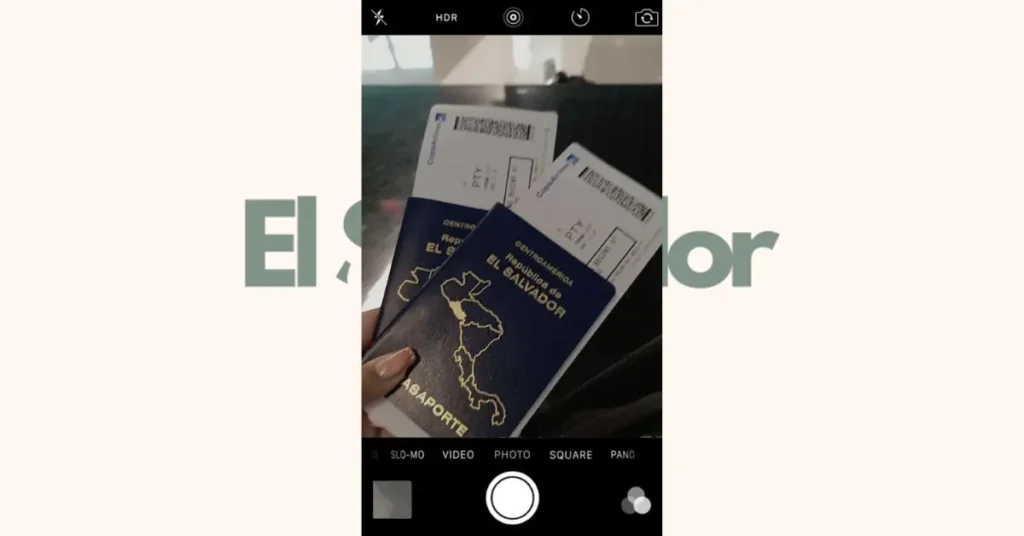
At the airport, tired and sweaty after pupusas and too much airport coffee, nobody wants to dig through email attachments while a line builds behind them. Check the rules close to departure, then check them again with your airline. That saved us from a very stupid delay.
Most travelers first pass through the main El Salvador airport before continuing toward San Salvador, surf towns, or volcano regions.
Is El Salvador Safe to Visit?
El Salvador’s reputation still makes some people nervous, but the traveler reality is more mixed. Felt that right away in San Salvador and again at the beach towns, where the vibe changed a lot depending on the street, the hour, and how we got there.
What mattered most for me was simple: stay in the better-traveled areas, move around in daylight when you can, and listen to local advice. A hotel clerk in El Tunco told us which streets felt fine after dark and which ones to skip, and that saved us a sloppy late walk for tacos and beer.
I wish someone had told me safety here is less about the country name and more about timing and common sense. We took licensed taxis or rides arranged by our hotel, kept cash small, and didn’t wander off to empty blocks because curiosity is cute until it isn’t.
My quick rule was: safe place, smart timing, trusted transport, local advice. If one of those felt off, we changed plans. That usually worked better than trying to be brave for no reason.
If you want a wider regional picture, I’d also check the Central America safety guide and our travel insurance article. And before you go, review the latest advice from the U.S. State Department, UK FCDO, and Government of Canada close to departure, since guidance can change fast.
How to Lower Risk as a Tourist
- Use trusted transport after dark. In San Salvador, sticking to hotel-arranged rides and known apps once the sun drops feels a lot better than flagging down a random car outside a busy corner.
- Carry only what you need. Cash, one card, and a copy of your ID. A lighter backpack means less worry every time you squeeze onto a crowded bus or walk through a packed market.
- Keep backup document copies. Paper and phone copies of your passport, insurance, and booking details. Embassy travel advice and travel insurance guidance both treat this as basic prep, and it becomes obvious why when a bag gets buried under hotel laundry.
- Stay alert in crowded places. The loudest, most harmless looking spots can be the messiest. At the market near the center, watching the bag more than the pupusas feels annoying for a minute but worth it.
- Share your itinerary for remote outings. For quieter beaches or mountain roads, sending the route and return time to someone back home matters. Skipping this once is usually the day cell signal turns to mush.
- Download offline maps. They get used more than expected in San Salvador and on the road toward La Libertad. Consider getting an El Salvador SIM card so navigation and ride apps still work when Wi-Fi disappears.
- Save emergency contacts where you can reach them fast. Hotel, local taxi, insurer, and embassy details in your phone and on paper. If the battery dies, that paper copy suddenly feels genius.
- Turn on live location sharing. Sharing with a travel buddy before longer rides and evening walks means one less thing to think about, which is rare when juggling bags and street noise.
- Pack a backup payment method. One card stays separate from the main wallet, and a little extra cash tucked away helps. Nobody warns about this until a card reader fails at the worst possible time.
Areas and Situations Requiring Extra Caution
I noticed the biggest risk changed with the hour. A quiet beach in daylight felt relaxed, but the same stretch after dark had a very different vibe.
- Isolated beaches: I liked the empty views, but I kept my bag close and avoided hanging around after sunset.
- Poorly lit streets: These felt fine in the day, then weirdly empty at night. I stuck to brighter roads and shorter walks.
- Late-night movement: After dinner, I was more careful about getting back to my stay. Even a short trip felt less casual after 10 p.m.
- Unlicensed transport: I skipped random rides that looked unofficial. The ride might be cheap, but the uncertainty is not worth it.
Risk also changes by activity. A beach day, a market run, and a late-night cab ride do not carry the same exposure. Learned that the hard way after one overly relaxed evening near the water.
And visible valuables make you a bigger target. Kept my phone out less, wore a plain bag, and noticed people seemed to stare less when we looked low-key. Official travel advisories say the same thing, trust situational caution rather than assume every area is equally safe.
When Is the Best Time to Visit El Salvador?
The best time to visit El Salvador is usually during the dry season from November to April, especially for beaches and volcano trips. Blue skies meant long beach days at El Tunco, cleaner volcano views, and fewer “are we really doing this road?” moments on the way to Santa Ana. I’d still check a broader best time to visit Central America guide before locking in dates, because weather shifts by region more than people expect.
El Salvador weather changes quickly during the rainy season, with sunny mornings often followed by heavy afternoon showers. It often means sunny mornings, then heavy afternoon showers that soak everything fast. Learned that the hard way in San Salvador, when we left for lunch dry and came back with shoes that never fully forgave us.
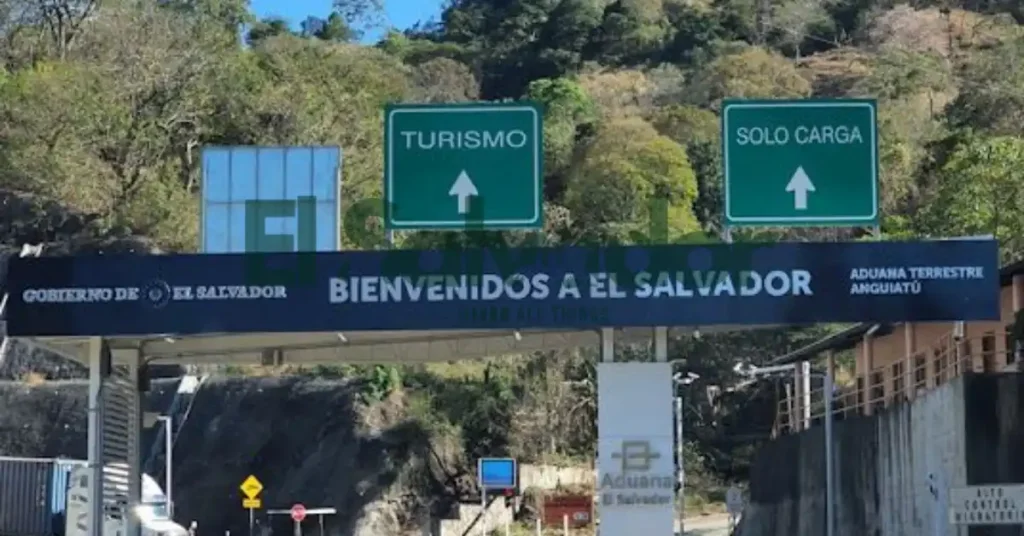
For beach days, dry season wins if you want long swims, easy sun, and less chance of getting chased indoors by a storm. For volcano hikes, it’s the safer bet too, since trails and viewpoints are less slippery and clouds hide the crater less often. Road conditions can get rough in the rainy months, especially on smaller routes, so I’d keep driving plans light if you’re chasing remote spots.
For surf, the answer is messier. The Pacific coast can have solid waves for much of the year, but swell, wind, and tide change things fast, so I’d check a reputable forecast like Surfline before packing your board. One local surfer in El Tunco told me the ocean “does what it wants,” and honestly, he was right.
Shoulder months, around May and November, are my flexible pick. You can get cheaper rooms, fewer crowds, and some lovely clear stretches, but you also need to be ready for random rain and muddy shoes. I’d go then if you want a calmer trip and don’t mind adjusting plans on the fly.
Dry Season vs Rainy Season: What Changes for Travelers
Dry season usually means less rain, easier road trips, and fuller beaches. Rainy season can still work fine, but I learned fast that weather shifts by coast, highland, and city, and the rain often shows up in bursts instead of all day.
| Travel factor | Dry season | Rainy season |
|---|---|---|
| Rainfall | Less frequent showers, more sun. | More rain, often short and heavy. |
| Road conditions | Usually easier for buses and car travel. | Can get slick or slow, especially after downpours. |
| Outdoor activities | Better for beaches, hikes, and day trips. | Still possible, just plan around weather windows. |
| Crowd levels | Often busier at popular spots. | Usually quieter and less rushed. |
I liked dry season for beach days at El Tunco, because we could stay out longer without staring at the sky. But rainy season was easier on the wallet, and I remember a taxi driver in San Salvador shrugging and saying, “It rains, then it clears.” He was annoyingly right.
Best for beaches: dry season, if you want long stretches of sun and less muddy sand.
Best for volcanoes: dry season too, since trails and views are usually friendlier. Almost skipped one hike after a wet morning made the path greasy near Cerro Verde.
Best for flexible travel: rainy season, if you don’t mind shifting plans. That’s when I was glad we kept our schedule loose, because the rain came hard, then moved on like it had somewhere else to be.
Money, Currency, and Payments in El Salvador
El Salvador runs on the U.S. dollar, and that made my trip oddly easy and oddly annoying. Hotels in San Salvador, Santa Ana, and beach spots like El Zonte usually took cards without drama, but small places were a different story.
I paid cash for a lot of little things, especially pupusas, roadside snacks, and short taxis. Card readers worked in bigger restaurants, but a few places said the machine was down, which is travel code for “please hand me bills.”
Bring small bills, because breaking a $20 can turn into a tiny negotiation. I tried paying for coffee and a pan con chicharrón with a fresh bill that felt way too big.
ATMs were the main backup, and they were easy to find in cities and tourist areas. Still, fees can stack up, both from the machine and your bank, so check my card issuer’s travel help pages before I left and used an account that refunded ATM charges. If you want the nerdy money part handled before you go, see how to avoid foreign ATM fees and our travel budget planner.
- Hotels: usually cards, sometimes cash for extras.
- Restaurants: mixed, with bigger places more card-friendly.
- Taxis: cash is the safe bet.
- Small vendors and rural stops: cash only, most of the time.
Bitcoin exists there, but I treated it like a side note, not a travel plan. A few places mention it, but for most trips, dollars and cards are what matter.
My rule was simple. Keep cash on hand, split it between small bills and an emergency stash, and don’t trust every card terminal to work when you need it most.
Do You Need Cash, Cards, or Both?
In El Salvador, cash was best for small vendors, tip jars, and quick street snacks. At a pupusería in Santa Ana, my card might as well have been a paper coaster.
Cards were best for hotels, nicer restaurants, and bigger purchases. At a café in San Salvador, tap-to-pay worked fast, and that felt great after counting coins in the heat.
But cards can fail when the internet is spotty, a terminal is down, or a driver just wants bills. Cash also matters for taxis, because some drivers still won’t take cards, and that the awkward way near the airport.
- Use cash for markets, taxis, tips, and tiny shops.
- Use cards for hotels, supermarkets, and pricier meals.
- Watch for contactless, because tap works in some places and nowhere in others.
According to bank travel help pages, having a backup payment method reduces friction abroad, and I felt that the hard way in El Salvador.
Bring both. A card for the big stuff, and cash for the messy little moments that pop up all day.
Tipping, Service Costs, and Everyday Extras
We learned fast that tipping in El Salvador depends on the place, not just the country. In San Salvador, at lunch in Zona Rosa, the bill sometimes already had a service charge, and the waiter pointed at it before I even asked.
- Restaurants: Tipping can be expected in some nicer spots, but it may be optional elsewhere. Always looked for a service charge on the receipt before leaving extra cash. Understanding El Salvador tipping customs helps avoid awkward moments in restaurants, hotels, and tours where service charges vary.
- Hotels: Bell staff and housekeeping may appreciate a small tip, but it’s usually about the service you actually used. The front desk at one hotel in El Tunco was great about giving change, which saved me later.
- Drivers: For taxis, ride apps, and private transfers, tipping tends to be more flexible. One driver from the airport to San Salvador helped with bags and gave local advice, so rounded up without thinking twice.
- Tours: Guides often do more than just point at things. On a day trip near Suchitoto, our guide answered every awkward question and kept the group moving, so a tip felt natural.
- Small bills: Carrying small bills made everything easier. Breaking a big note for pupusas, a water bottle, or a short ride was sometimes weirdly hard.
I’d keep cash handy, because tiny expenses add up fast. A few dollars for tips, snacks, and random fees saved me from that annoying “sorry, no change” shrug. If you want a deeper breakdown, see our tipping guide and the money and currency section above.
How to Get Around El Salvador
This guide on how to get around El Salvador helps travelers compare buses, taxis, transfers, and rental cars before the trip. I learned that fast after a taxi from San Salvador to the airport hit traffic that Google Maps seemed to ignore like it was a rude suggestion.
For airport transfers, I’d prebook if you can. Private transfers and hotel-arranged taxis cost more, but they’re the least stressful after a flight. I also used a regular taxi once, and the driver was great, but I still spent the ride watching traffic and hoping we’d make it on time. If you want the planning version, I’d start with how to book airport transfers.
For intercity travel, buses are the cheapest option, but they take patience. Private shuttles and rideshares cost more and usually feel safer and cleaner, especially if you’re moving bags between places like Santa Ana, Suchitoto, or El Tunco.
| Option | Convenience | Cost | Safety |
|---|---|---|---|
| Private transfer | Very easy | Higher | Usually best |
| Taxi or rideshare | Good in cities | Medium | Varies |
| Bus | Less convenient | Lowest | Mixed |
| Rental car | Best freedom | Higher | Good if you drive carefully |
Travelers comparing flexibility and convenience should also read this breakdown of Uber vs rental car in El Salvador before deciding how to move around the country. In the highlands, curves come fast, lane markings disappear, and trucks seem to appear out of nowhere. Traffic in and around San Salvador can also crawl hard, especially at peak times.
Travel times are often longer than map estimates suggest. Preplan transport when you can, especially for airport runs, weekend beach trips, or anything crossing the mountains. If you like checking apps before you move, best transport apps for travelers is worth a look.
Best Transport Choice by Trip Style
I learned pretty fast that one transport choice does not fit every trip in El Salvador. In San Salvador, a taxi or ride-hail makes sense after dark, but on the Ruta de Las Flores we kept switching plans because the buses were slow and the roads got cramped. Here’s the quick matrix I wish I’d had before we landed.
| Trip style | Best transport | Why it works |
|---|---|---|
| City-only trips | Taxi or ride-hail | Fastest for short hops in San Salvador, and much easier after dark. |
| Beach or surf trips | Private transfer or rental car | Best for hauling boards, wet bags, and sand-covered gear to spots like El Tunco. |
| Volcano or rural trips | Rental car or trusted local tour transport | Roads can be slow and patchy, so door-to-door transport saves a lot of hassle. |
| Budget travel | Local buses | The cheapest option, but it takes patience, extra time, and a little flexibility. |
We almost took the cheapest option for everything, and that would’ve been a mistake. Time of day matters a lot, and your destination does too, especially if you’re heading to a beach road, a mountain town, or anywhere after sunset. I’d check official tourism info and local operator advice before locking anything in, because the right choice can change fast.
What to Pack and What to Wear
I packed for the coast and got roasted in San Salvador anyway. The heat is real, the sun is rude, and the weather can flip fast, so I’d pack light clothes, a rain jacket, and layers that dry quickly.
- Sun and heat: Sunscreen, a hat, sunglasses, and breathable shirts saved me in La Libertad.
- Rain and bugs: Bring a rain jacket and bug protection, especially if you’re near green, damp areas.
- Feet and water: Wear hiking shoes for uneven terrain, and carry a reusable bottle.
- Respectful dress: Pack modest clothing for churches, small towns, and local community visits.
Coast: Think swimwear, sandals, and very light layers. I wish someone had told me that the beach breeze feels nice until the sun hits your neck like a frying pan.
Highlands and volcanoes: Bring hiking essentials, sturdier shoes, and a warm layer. Mornings near volcanoes can feel cool, then you’re sweating by lunch. See my packing list for tropical destinations and hiking essentials for the basics I actually used.
City and community settings: Choose clothes that cover shoulders and knees for religious sites or local gatherings.
Checklist
- Sunscreen
- Reusable water bottle
- Bug protection
- Rain jacket
- Hiking shoes
- Light clothing layers
- Modest outfit for churches or local visits
- Hat and sunglasses
Culture, Language, and Local Etiquette
A few basic Spanish phrases go a long way in El Salvador. I learned that fast when a quick hola, gracias, and por favor got me a warmer smile from a taxi driver in San Salvador than my awkward English ever did.
For the easy stuff, greetings matter. Say hello when you walk into a small shop, use buenos días in the morning, and muchas gracias when someone helps you. I’d also keep basic Spanish travel phrases handy, because simple courtesy usually smooths over a lot.
Politeness matters in everyday moments. People were friendly, but they also noticed if I rushed or sounded blunt. Speaking softly, waiting my turn, and not acting impatient made a bigger difference than I expected.
Tipping is more context than rule, so I checked a tipping guide before assuming anything. In some places, a little extra is appreciated, but in others the bill already reflects the service. I wish someone had told me that before I fumbled around with cash like a lost tourist.
In churches and rural areas, dress and behavior matter more. Cover up a bit, keep your voice down, and ask before taking photos.
Myth vs. reality: English is not enough everywhere, and snapping photos of people without asking can feel rude fast. Tourism authority guidance and language resources both point to the same thing, courtesy phrases and respectful behavior make daily life easier for everyone, and honestly, that matched what I saw on the ground.
Useful Spanish Phrases for First-Time Visitors
I kept these in my pocket all over El Salvador, from a taxi in San Salvador to a pupusería in Santa Ana. A little Spanish goes a long way, and people usually smiled when I tried.
- Hola – Hello. I used this everywhere, and it never felt awkward.
- Por favor – Please. Handy when ordering food or asking for a seat.
- Gracias – Thank you. Say it a lot, because people do small kindnesses often.
- ¿Cuánto cuesta? – How much does it cost? I used this in markets and little shops.
- ¿Dónde está…? – Where is… ? Perfect for asking about bathrooms, ATMs, or bus stops.
- Ayuda – Help. Short, clear, and worth knowing cold.
- Quisiera una pupusa, por favor – I’d like a pupusa, please. We ordered this more than once, no regrets.
- La cuenta, por favor – The bill, please. Useful when the coffee’s gone cold and you’re ready to move on.
- No entiendo – I don’t understand. I said this after missing half a taxi conversation.
- ¿Puede ayudarme? – Can you help me? Good for directions or any small travel mess.
For a quick refresher, I liked checking a Spanish phrase guide before heading out. And if you freeze up, just start with hola and gracias, then let the rest follow.
Common Mistakes to Skip Before and During Your Trip
The biggest mistake I made in El Salvador was underestimating transport time. On the map, Santa Ana to El Tunco looks easy, but traffic, detours, and slow roads can chew up your day fast. We almost missed a sunset dinner because a taxi driver warned us it would take longer than expected.
- Underestimating transport time. Buses, shuttles, and taxis can move slower than you think. Build in extra time, especially for airport runs and beach hops.
- Not carrying cash backup. Some places take cards, but plenty do not. I kept a small cash stash after a hotel clerk in Suchitoto told me, bluntly, “card machines can disappear for hours.”
- Packing only for the beach. I brought sandals and shorts, then got caught in cool evenings in the highlands. Toss in a light layer, decent shoes, and something for rain.
- Ignoring weather by region. San Salvador, the coast, and the Ruta de Las Flores can feel like different countries. Check the weather for each stop, not just the country as a whole.
- Relying on outdated safety posts or social media anecdotes. Old posts age badly. I trusted one random forum thread and worried for no reason, then got better advice from hotel staff and official travel advice instead.
If I’d packed smarter and planned transit better, I would’ve saved money, time, and a lot of sweaty frustration. A travel safety checklist and first-time international travel tips would have saved me from a few dumb mistakes, honestly. Planning mistakes are usually easier to prevent than fix, and travel insurance guidance says the same thing.
First Trip Itinerary Ideas by Travel Style
The big mistake I saw in El Salvador was trying to bounce around too much. Roads can look short on a map, but the drive time tells the real story, and the traffic near San Salvador can be sneaky annoying.
I kept my first trip pretty simple, and that saved us. We used two bases, ate pupusas too often, and still had time for the good stuff.
| Travel style | Best route pattern | Bases needed | Stay put or move? | My take |
|---|---|---|---|---|
| Beach-focused | One coast base with day trips nearby | 1 to 2 | Stay put if your beaches are close. Move once if the next beach is a real drive. | I liked not packing every morning. Beach roads can feel slow, so one base saves energy. |
| Surf-focused | One surf town, maybe one extra night inland | 1 to 2 | Stay put for swell chasing and lessons. Move only if you want a quieter reset. | Boards, sunburn, and early food runs get old fast if you keep moving. |
| Volcano and city | San Salvador plus one volcano area | 2 | Move for the volcano day, then come back or switch once. | This worked best for us. I liked the city noise at night, then the cooler air up near the volcano. |
| Short-trip minimalist | One base only | 1 | Stay put the whole time. | For 3 to 4 days, one base means less stress and more actual fun. |
Official tourism sources and map tools matter here, because travel time can change fast with hills, curves, and city traffic. I learned that the hard way after a drive that looked tiny on paper and felt endless in the back seat.
If you want the easiest first trip, choose one clear base using this guide on where to stay in El Salvador instead of changing hotels constantly.
What Matters Most Before You Go
Safety, money, rides, and weather were the four things that kept us out of trouble in El Salvador. I wish someone had told me that before we landed, because the little stuff mattered more than the pretty photos.
We checked advisories, kept our entry documents handy, and stayed a bit more alert than usual, especially after dark. That gave us room to relax at the beach in El Tunco and still feel smart about it.
Payment was another funny stress point. Some places took cards, some wanted cash, and our taxi driver in San Salvador definitely preferred bills, so we kept both ready. Trust me, arguing over payment in the heat is a bad way to start the day.
Transport needed a plan too. We booked transfers for a couple of longer hops, and it saved us from guessing our way around with bags and a dead phone battery. If you’re moving between spots, a little planning goes a long way.
And don’t ignore the weather. The coast can feel sticky and bright, while the higher spots cool down fast once the sun drops. I packed too light the first time and regretted it after one windy evening.
- Verify advisories.
- Confirm entry documents.
- Decide your cash and card strategy.
- Book transfers if needed.
- Download maps.
- Pack for the region and season.
Frequently Asked Questions
Is El Salvador safe for American tourists?
Yes, it feels much calmer than expected, especially in tourist areas like El Tunco and parts of San Salvador. Keeping an eye on belongings and following the latest advice from the U.S. State Department before moving around still matters, because street smarts count.
Do I need Spanish in El Salvador?
Not strictly, but a few basics make the trip easier. At a pupusería or taxi stand, a little Spanish saves time and gets friendlier service.
What money should I bring to El Salvador?
U.S. dollars are the easiest call. Small bills help a lot for tips, taxis, and market snacks, since nobody wants to break a $100 for a $2 pupusa.
Is El Salvador expensive to visit?
It can be pretty fair on the wallet when sticking to local food and simple stays. Meals, rides, and many daily costs feel more affordable than expected, though beach areas can creep up fast.
What should I not do in El Salvador?
Don’t wander around casually at night, flash cash, or ignore local advice. Acting too loud or careless just makes you stand out.
What is the best month to visit El Salvador?
The drier months usually work best for beaches, volcano views, and easy road trips. Clearer skies make a big difference, because rainy afternoons can hit hard and fast.
How much is $100 US in El Salvador?
It’s still $100, since the dollar is used there. What changes is how far it goes, and in local spots it covers a lot more than expected.
Can you wear yellow in El Salvador?
Yes, yellow is fine. It never gets treated as a problem, and the bigger thing is just dressing neatly and fitting the setting.
Can I brush my teeth with tap water in El Salvador?
Bottled water for brushing is the safer bet. Some places are fine, but a stomach ache ruining a perfect beach morning is not worth the risk.
What does 503 mean in El Salvador?
It’s the country code for El Salvador. If someone says “503,” they usually mean a Salvadoran phone number, or they’re talking about the country in a local way.
Do I need a visa or special documents to visit El Salvador?
Many U.S. travelers can enter with a valid passport and meet normal entry rules, but checking official immigration guidance before flying is worth the effort. Confirming the latest requirements with Salvadoran authorities and your airline helps, because rules can change.
Should I use cash or card in El Salvador?
Both work, but cash is easier for small buys and tips. Cards work in many hotels and restaurants, though keeping dollars handy for markets and quick rides makes life simpler.
Is it better to rent a car or use transfers in El Salvador?
Transfers feel less stressful, especially after a long flight and on unfamiliar roads. Renting can make sense for flexibility, but having a driver when bouncing between beaches and city traffic takes the pressure off.
What should I tip for a guide or driver in El Salvador?
Tipping more when the guide is great makes sense, especially if they handle rough roads, bags, and last-minute changes without blinking. A small cash tip in dollars feels normal and appreciated, and it makes the whole day feel friendlier.