
10-Day El Salvador Itinerary: Santa Ana, San Salvador, and Suchitoto
This 10-day El Salvador travel plan keeps things slow and simple. We used two bases, Santa Ana and San Salvador, then slipped out for day trips to volcanoes, ruins, and Suchitoto’s cobbled streets.
It fits travelers who want base-and-day-trip travel instead of packing a new bag every night. That usually means less stress, better food stops, and more time to hear the city noise, smell the coffee, and chat with hotel staff or a taxi driver who knows the shortcut.
Key Takeaways
- This 10-day route uses Santa Ana and San Salvador as your main bases, and that made the whole trip feel pretty easy. It worked well, and the taxi drivers and hostel staff kept pointing us toward the next stop.
- The big draws are volcano hikes, ruins, and colonial towns. Santa Ana feels best for nature and day trips, with that crisp mountain air and coffee stops that smell like fresh beans. San Salvador adds more history, culture, and city energy, so you get a different rhythm without going far.
- Here’s the thing, Suchitoto is the add-on that slows everything down in a good way.
- Budget, safety, seasonality, and pacing all matter here. If you plan those well, this itinerary tends to feel smooth, even when the buses are crowded and the afternoons turn hot.
Do you need a car in El Salvador?
You can do the core Santa Ana and San Salvador route without a car, and that’s what a lot of travelers do. I met a hotel staffer in Santa Ana who said most guests just use shuttles, Uber, or local buses for the easy city-to-city stretch.
Truth is, a rental only starts making sense if you want maximum flexibility or plan to chase off-the-beaten-path stops. A simple rule of thumb: if you’re sticking to the main stops, skip the car, but if you want side roads, long scenic detours, or a lot of last-minute changes, rent one. Just remember the usual downsides, parking can be annoying, traffic can feel stressful, and transport should be planned carefully with reputable services, as U.S. Department of State guidance suggests.
Travelers using buses, hostels, and flexible transport between cities may also find this guide to backpacking El Salvador useful.
Is El Salvador safe for travel around?
Yes, it can feel manageable for many travelers, especially along the main tourist routes and in city bases where hotels, restaurants, and transport are used to visitors. I remember stepping out into the warm evening air, hearing music from a nearby café, and thinking, the day-to-day feel was calmer than I expected. The U.S. Department of State and CDC both advise checking current conditions and using normal precautions, and that calm, practical approach fits best here.
What helped most was simple stuff, like arriving in daylight, sticking with trusted transport, and asking hotel staff for local advice before heading out.
Best time to visit El Salvador
The dry season, usually November through April, is the easiest time for the itinerary pieces that need clear views and solid footing, like the Day 2 volcano hike and the Day 8 ruins. I remember a taxi driver in San Salvador telling us the same thing while the air smelled dusty and warm, because rainy afternoons can blur crater views and make trail edges slick, even if the World Bank Climate Change Knowledge Portal and official meteorological sources note the pattern is predictable enough to plan around.
Beach time and sunset walks also feel better in the dry months, though rainy season can still work if you stay flexible and keep an eye on road conditions. The staff at our hotel said to go early, and that simple advice saved the day, so the optional beach extension is still worth it if you can shift plans when showers roll in.
What to budget for 10 days in El Salvador
Transport and accommodation usually eat the biggest chunk of a trip budget, and that matched what I felt on the ground too. A taxi driver in San Salvador told me people always lowball those two, then get surprised by the final total.
Budget travelers can also mix paid tours with these free things to do in El Salvador to keep daily costs lower.
| Style | 10-day budget | What it usually covers |
|---|---|---|
| Budget | Low to mid range | Simple guesthouses, chicken buses, street food, free beaches, a few low-cost entry fees |
| Mid-range | Steadier daily spend | Private rooms in good areas, some shuttles or taxis, casual sit-down meals, paid tours |
| Comfortable | Highest daily spend | Boutique stays, private transfers, nicer restaurants, guided hikes, and easy add-ons |
- Accommodation: Budget travelers usually save most by splitting nights between San Salvador stays and simple beach or volcano base towns. Comfortable travel jumps fast if you want boutique rooms in Santa Ana or near the coast.
- Transport: Buses keep costs low, shuttles sit in the middle, and a car adds fuel, parking, and rental costs. A car also makes day trips easier, but it can push your budget up quickly if you move around a lot.
- Food: Pupusas, soups, and local lunches stay friendly to your wallet. Dinner in nicer spots, fresh seafood, and drinks will raise the total fast.
- Tours and entry fees: Keep a little room for paid hikes, park entrances, surf lessons, and museum stops. The bigger splurges are usually guided hikes in Santa Ana and private transfers tied to longer travel days.
If you want a shorter comparison point before planning this route, this guide to El Salvador 7-day trip costs helps break down common expenses.
If you plan a car, think of it as a comfort upgrade, not just transport. It saves time and cuts bus hopping, but for a 10-day trip it can cost more than the food part of your trip, especially if you add one or two private transfers and stay in places like San Salvador stays and Santa Ana.
Is this 10-day itinerary right for your travel style?
This 10-day plan is best if you like slow travel, base-hopping, and a mix of scenes. It works especially well for first-time visitors, no-car travelers, and anyone who wants volcanoes, colonial towns, ruins, and light city days without feeling rushed.
If you like waking up, hearing breakfast pans clink in a small hotel, then taking your time to wander, this fits. It also helps if you want a trip that feels easy to follow, with a clear itinerary structure and simple day-by-day flow through Santa Ana and San Salvador.
- Best for slow travelers: There’s room to linger, drink coffee, and actually notice the streets.
- Best for first-time visitors: You get a strong mix of the country without packing every hour.
- Best for no-car travelers: The route works well with transfers and short hops.
- Best for scenery lovers: Volcanoes, ruins, and colonial towns keep the trip varied.
- Not ideal for rushed travelers: If you want highlights only, this pace may feel too soft.
On the day-by-day blocks for Santa Ana and San Salvador, you’ll see that the days leave breathing room. That was the part I liked most, because the taxi driver, the hotel staff, even people at a small corner shop all seemed less hurried too. Travelers with extra time can also expand this route using a broader 2-week itinerary across beaches, volcanoes, and colonial towns.
How the itinerary is structured, basing vs driving
You can do this trip either with a rental car or by basing yourself in a couple of cities, and this version uses Santa Ana and San Salvador as the main bases. That setup cuts down on backtracking, which felt like a relief after a long, dusty ride and a very chatty taxi driver who kept pointing out roadside pupusa spots.
If you’re driving, you can still follow the same route, just with more freedom to add stops and move faster. Car travelers can usually squeeze in extra towns or beaches if they have a few more days, while the base-and-day-trip plan keeps things simple and saves time on the road.
Travelers wanting boutique hotels, private transfers, and more comfort-focused planning can also explore this luxury El Salvador trip guide.
How much does a 10 day El Salvador itinerary cost?
According to official tourism and transport sources, hotel choice and transfer mode are usually the biggest variables in your total trip cost. On my own trip, that was true fast, because a quiet guesthouse and a private ride can change the whole budget.
If 10 days feels too long for your schedule, this 1 week El Salvador itinerary follows a faster version of the same route.
| Budget style | Daily range | 10-day total |
|---|---|---|
| Budget | Low | Hostels, local buses, self-planned days |
| Car trip | Mid | Rental car, mixed hotels, more fuel and parking |
| Comfort | Higher | Boutique hotels, private transfers, nicer dining |
| No-car | Lowest to mid | Local buses plus a few taxis or shuttles |
- Accommodation: Hostels and simple guesthouses stay manageable. Boutique stays in Santa Ana and Suchitoto raise the bill quickly, especially if you want the nicer rooms I saw near the plazas.
- Transport: Local buses keep costs low, but private transfers, rental cars, and airport pickups add up fast. I still remember the dusty bus windows and the loud radio, which felt cheap and very real.
- Food: Pupusas, mercados, and lunch counters keep spending steady. Nice dinners, coffee stops, and lakefront meals push the total up, but not as sharply as hotels.
- Tours: Guided hikes, volcano guides, and private day trips cost more than self-planned days. Hearing the guide talk through the sulfur smell and lava rocks made it worth it.
- Entrance fees: Most museums, churches, and viewpoints are still reasonable. Small fees can stack up when you visit several sites in one day, especially around historic centers and lakeside stops.
For a 10-day trip, the cheapest version is usually a mix of hostels, buses, and self-planned days. The comfort version rises when you add boutique hotels, private transfers, guided hikes, and better restaurants with candlelight and lake views. That balance is what makes El Salvador feel flexible, because you can keep it simple or spend more without changing the whole route.
Packing and fitness notes for this itinerary
Bring sturdy shoes first. Day 2’s volcano hike is the most demanding day, and the loose ground can feel hot and gritty underfoot. I remember a taxi driver in town telling us, with a grin, that sandals were a bad idea, and he was right.
Light layers help a lot, since mornings can feel cool and afternoons turn warm fast. Pack sun protection, a hat, and more water than you think you need, especially for Boquerón and the ruins, where there’s plenty of walking and not always much shade.
A small daypack makes the long city days easier, and swimwear is worth tossing in if you’re adding the beach extension. The lighter days are usually the city wandering and slower transfer days, while the active days lean more beginner-friendly except for the volcano hike, which feels a bit more demanding and steady-paced.
A granola bar and cold water made a big difference after a dusty trail and a long stretch of ruins, especially when the air smelled like sun-warmed stone and roadside grills.
Getting to Santa Ana
Shuttles to Santa Ana usually run from Antigua, El Paredon, and Copan Ruinas, and they are often easy to book on site. I remember a shuttle desk near Antigua where the driver was calling names over the hum of diesel and the smell of roadside coffee, which felt a lot less stressful than planning every transfer ahead of time.
If you are flying in, pre-book your airport shuttle to Santa Ana. According to official tourism and transport providers, that is the safest low-friction choice for late arrivals, especially when you land tired and just want to get moving.
The arrival plan is simple, arrive, transfer, check in, and then drop your bag at your Santa Ana accommodation. The front desk staff made the whole thing feel calm before the first cold drink even showed up. Travelers arriving overland from Guatemala often use the Antigua to Santa Ana route before starting this itinerary.
Day 1 in Santa Ana: arrive and wander the city center
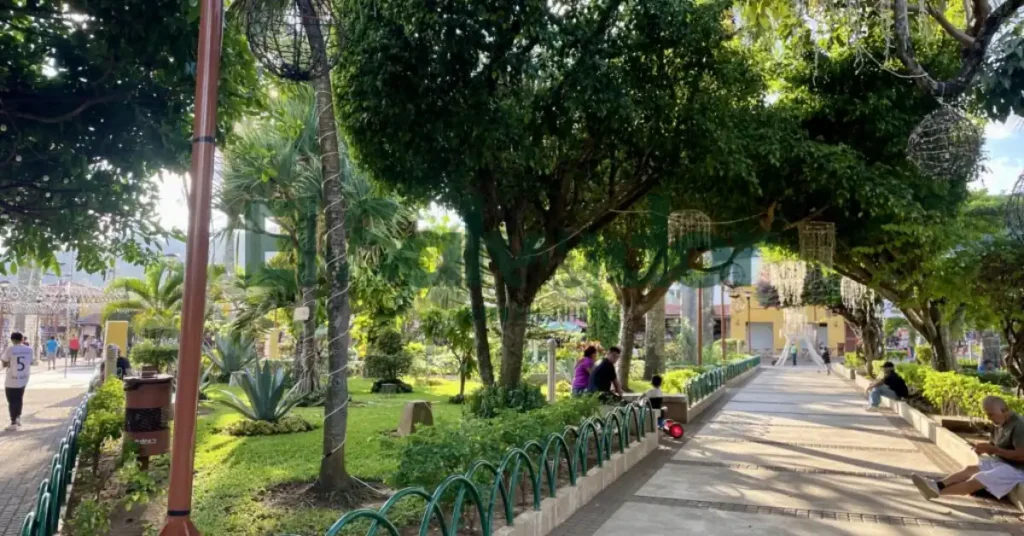
Santa Ana is best met on foot, and the historic center is easy to ease into after a travel day. We dropped our bags, checked the vibe at Santa Ana accommodation, then walked past the pale facade of the cathedral and into Parque Libertad, where the shade, street chatter, and slow pace made everything feel calm right away.
If you’re hungry after the trip, a quick stop for pupusas or a cold drink is an easy first taste of the city, and the Santa Ana food guide can help once you’re ready. The center feels best when you give yourself time to sit, people-watch, and hear the church bells drift through the square. If you only have a few days instead of a full 10-day route, this weekend itinerary keeps things much simpler and faster paced.
Optional activities
- Book a guided city tour if you still have energy. Local tourism boards and heritage resources say the center is best explored on foot, and a guide helps the old streets make sense fast.
- Try a historical night walk if you arrive early enough. The plaza feels different after dark, with cooler air and a quieter rhythm.
- Skip the extras and just linger in Parque Libertad.
Day 2: hike Santa Ana Volcano (Ilamatepec)
Santa Ana Volcano, also called Ilamatepec, is one of El Salvador’s signature hikes, and it really earns that reputation. The round trip usually takes 3 to 4 hours, with dusty switchbacks, a steady wind, and that big reveal at the top: a turquoise crater lake that looks almost unreal in the gray rock. Standing there with the cold air and sulfur smell drifting past, it felt like the whole country had opened up below us.
If you book through your hostel, it’s usually the easiest way to sort the hike, transport, and guide. Some tours also include a nearby lake, which is a nice extra if you’ve still got energy after the climb.
Day 4: explore the ancient ruins of Tazumal
Tazumal is, in my opinion, the best Maya ruins site in El Salvador, and it makes for a slower day after the hikes and waterfalls around Santa Ana. It’s not huge, so a half day is enough for strolling around, hearing the leaves crunch under your shoes, and spending a little time in the museum where the rooms felt cool and quiet. After the more activity-heavy days, but that easy pace was exactly what I needed, and an Uber there and back was a simple, not-too-long transfer.
How to get from Santa Ana to San Salvador
There aren’t many shuttle companies in El Salvador overall, but this trip is still easy. I remember standing outside a Santa Ana hotel with a bag that smelled faintly like sunscreen and street coffee, and the receptionist just shrugged and said route 201 or Uber would do the job.
Route 201 is the local bus, and it’s the cheapest option if you don’t mind a simple ride. Uber is the easier pick for comfort, and it usually isn’t too expensive for this stretch, which is why I kept hearing it from hotel staff and other travelers.
For a moving travel day like Day 5, I’d choose the option that matches your mood, bus for the local feel, Uber for the easy ride.
Day 5: travel to San Salvador and settle in
After the drive or flight into San Salvador, the nicest first move is just checking in and taking it slow. If you want a low-effort first stop, head to our San Salvador stay, drop your bags, and then wander over to Bicentenario Park for an easy walk.
Bicentenario is the largest urban green space in the country, and it has that calm, open feel that helps your brain catch up. People come here to jog, watch the city go by, and look out at the mountain views around the capital.
I still remember the mix of warm air, sneakers on pavement, and a vendor calling out cold drinks, which made it feel alive without being tiring. If you have one gentle outing in you, this is the one, before a quieter night and a fresh start for Day 6: history and culture.
Day 6: explore San Salvador’s history and culture
The historic center is where San Salvador feels oldest and most alive, and it’s best seen on foot or at a relaxed walking pace. The main sights cluster close together, including the Metropolitan Cathedral, the National Palace, and the beautifully restored Teatro Nacional, which official cultural heritage and tourism sources often point to as one of the city’s core landmarks.
We wandered past bright facades, buses hissing by, and little shops with coffee and warm bread in the air. If you’re staying in the city, this is the kind of day that works well before checking back to the San Salvador stay section or heading out for Day 7 volcano day.
Iglesia El Rosario is the real highlight for a lot of travelers, and I get why. The modern shape, soft light, and quiet, almost otherworldly feel make it stand out fast, even after a busy walk through the center.
Day 7: Boquerón Volcano Day Trip
El Boquerón is a half-day adventure that takes about 30 minutes by car from the city. According to national park and tourism guidance, it’s one of the easiest nature outings near the capital, with a well-marked, beginner-friendly trail and a short hike around the crater rim.
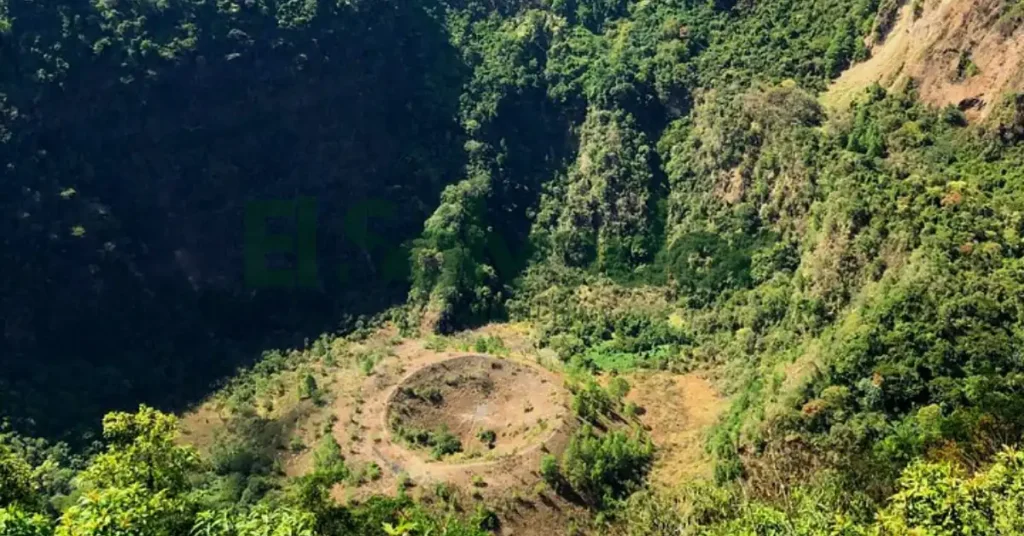
The views drop straight into that huge volcanic bowl, and on a clear day you get a wide, dramatic look across the crater that feels wild, even with the city so close. It was quiet except for birds, dusty shoes, and the small chatter of other travelers comparing notes with a taxi driver at the entrance.
Day 8: UNESCO ruins and ancient heritage sites
Joya de Cerén is the kind of place that makes you stop talking. UNESCO recognizes it for its exceptional preservation, and that’s exactly why it matters. People call it the Pompeii of the Americas, because volcanic ash froze an entire Maya farming village in time.
What I loved most was how ordinary it felt, in the best way. You can still see evidence of daily life, from homes to storage spaces, and it’s easy to imagine the sounds and smells that once filled them. If you’re based in San Salvador, this pairs nicely with the volcanic context from Day 7, and if you have a little extra time, I’d make a short detour to the nearby ruins of San Andrés.
Day 10: your final day in El Salvador
Spend your last day in El Salvador wandering a little more of San Salvador, since the city still has a few corners worth lingering in. The mix of street noise, strong coffee, and little shop chats made it feel like the trip ended on a warmer note. If the weather is kind, check the best time to visit before heading for the coast, because beach time feels much better with a bright sky and a light breeze.
If you have extra time, add El Tunco or El Zonte for beach vibes and surfing, where the sand, salt, and evening music made the whole day feel easy. And if you’re continuing the wider Central America route, travelers from El Tunco can usually take a shuttle to Nicaragua, which is what we heard from a taxi driver who knew the route by heart.
Final thoughts on El Salvador and planning advice
El Salvador surprised me in the best way. The mix of volcanoes, colonial towns, and Maya ruins made it feel full of little wins, from coffee stops in the hills to chatting with taxi drivers who had strong opinions about every road.
If you’ve been waiting, I get it, but this place still feels different from much of Central America. It feels calmer, smaller, and a bit under the radar, and that can make planning easier if you read the budget tips, safety notes, and best time to visit before you go.
Frequently Asked Questions
Do you need a car in El Salvador?
Not usually. For a route like Santa Ana, San Salvador, and the coast, we got around with rides, buses, and a few taxis. A car helps if you want more freedom for volcano roads and small towns.
Is El Salvador safe to travel around?
Travel conditions have improved a lot, but it still pays to stay aware and check current government advice before you go. We kept to busy areas, used trusted transport, and asked hotel staff what felt normal that day.
What is the best time to visit El Salvador?
The dry season, usually from November to April, is the easiest for volcano hikes and beach time. I still remember dusty shoes, bright heat, and clear views near Santa Ana on a cloudless morning.
How much does a 10-day trip to El Salvador cost?
It depends on how you travel, but budget, mid-range, and comfort trips can all work here. Your biggest costs are usually transport, hotels, and guided activities, especially if you add beach stays or private drivers.
Is this 10-day El Salvador itinerary right for first-time visitors?
Yes, it fits first-timers well because it mixes cities, volcanoes, and a slower stop or two.
Can you do El Salvador without renting a car?
Yes, and many travelers do. Buses, shuttles, and taxis can cover the main stops, though travel days take a bit more planning and patience.
Is Santa Ana or San Salvador a better base?
Santa Ana is better for volcano day trips and a slower pace. San Salvador works better if you want more hotel choice, food options, and an easier jump to the airport or city sights.
How many days do you need in El Salvador?
Ten days gives a really good first look. If you move fast, 7 days works, but you may miss the slower coastal and colonial stops that make the trip feel full.
Is Suchitoto a day trip or overnight?
Overnight is better. A day trip works, but staying one night gives you time for the lake views, a slow dinner, and the soft evening light that makes the town feel special.
Is Ruta de Flores worth an overnight stay?
Yes, if you want to wander at a gentler pace. The towns feel best in the cooler late afternoon, when coffee smells drift out of small shops and the streets go quiet.
Is El Salvador good for slow travel?
Very much so. We found that the best days were the ones with fewer stops, a long lunch, and time to chat with locals at small cafes and guesthouses.
What should I pack for volcano hikes and city days?
Bring light layers, sturdy shoes, sun protection, and water for hikes. For city days, pack something cool and modest, plus a light jacket if you go up to cooler spots like Santa Ana Volcano.
Can you combine El Tunco or El Zonte with this itinerary?
Yes, and it fits nicely if you want a beach finish. We heard the surf before we saw it, and the salty air was a nice reset after inland travel.
Is Boquerón Volcano beginner-friendly?
Yes, it’s one of the easier volcano stops near San Salvador. The walk is short, the views are wide, and it feels more like a scenic outing than a hard hike.
Is Tazumal worth visiting?
If you like archaeology, yes. It’s one of the most important sites in the country, and you can pair it with Santa Ana for a simple half-day, plus check official tourism info before you go.
What is the easiest way to get from Santa Ana to San Salvador?
A shuttle or taxi is the simplest option. Public buses are cheaper, but hotel staff usually pointed us toward the option that matched our timing and luggage best.
What are the best areas to stay in San Salvador?
Zona Rosa, San Benito, and nearby business areas are popular for first-time visitors. They felt busy, well lit, and close to restaurants, which made dinner and late arrivals easier.
What is the best way to get to Santa Ana from Guatemala or Honduras?
Cross by bus, shuttle, or private transfer, then connect into Santa Ana from the border or San Salvador. The smoothest route usually depends on your border crossing point and your arrival time, so ask your driver or hotel before you leave.