
Guatemala vs. El Salvador: Which Country Should You Visit First?
Guatemala usually wins for first-time travelers who want big variety. You can hear language-school chatter in Antigua, smell fresh tortillas by Lake Atitlán, and still fit in volcano views without rushing too hard.
El Salvador is a better first stop if you want a smaller trip with easier logistics. I still remember a taxi driver in San Salvador telling me, “You’ll eat well here,” and he was right, from pupusas to coffee stops.
Choose Guatemala first for culture, market life, and classic Central America scenery. Choose El Salvador first for beaches, surf towns, and a simpler route between stops. If your trip is short, pick the country that matches your main priority, then leave the other for next time.
Key Choice Takeaways
- Guatemala wins for volcanoes, culture, and more variety.
- El Salvador fits surf trips, short drives, and a quieter pace.
- Both together work well if you want one mixed itinerary.
- Logistics matter, since borders and routes can shape the whole trip.
- Season matters too, especially for beach time and mountain views.
- The best pick depends on your travel style, not just the map.
Guatemala vs. El Salvador: Key Differences That Count for Your Trip
Guatemala feels bigger, busier, and more varied, while El Salvador tends to feel easier to move through. I remember a taxi driver in Guatemala City laughing as we talked about how fast the weather changed from one valley to the next, and that summed it up well. If you like a trip that shifts a lot, Guatemala has that energy.
Guatemala’s geography is the real draw. You can go from volcanoes and highland towns to lakes, jungle, and colonial streets, sometimes in the same week. That spread makes it a strong pick for multi-stop adventure travel, especially if you don’t mind longer rides and a few bumpy roads.
El Salvador, by contrast, is compact, so routes are simpler and travel days are shorter. It felt nice to spend less time in transit and more time eating pupusas, hearing surf, and chatting with hotel staff who seemed to know every guest by name. Even World Bank country data points to how small the country is compared with its neighbors, and you feel that scale on the ground.
So the better choice depends on your style, much like comparing Costa Rica vs El Salvador for beaches, surf, and travel pace. If you want variety and don’t mind a slower pace between stops, Guatemala usually wins, though many travelers also compare El Salvador vs Nicaragua for surf, volcanoes, and budget travel.
If you want an easier loop with less moving around, El Salvador makes trip planning feel lighter, especially for first-time travelers.
Culture and Cultural Experiences in Guatemala and El Salvador
Guatemala feels deeply Indigenous the moment you hear the languages in the street and see the woven huipiles at the market. In places like Antigua, Lake Atitlán, and Chichicastenango, I kept catching little details, like bright textiles drying in the sun and women sellingcorn, beans, and hot tortillas near the stalls.
Chichicastenango is the kind of market where your nose gets pulled in first, by smoke, fruit, and roasted food. The colors hit next, with handwoven belts, shawls, and bags that carry patterns passed down through families, which is why the Smithsonian National Museum of the American Indian often points travelers toward Guatemala’s living Indigenous heritage. Slow down there, because the best moments were tiny, like a vendor laughing while folding cloth with quick, practiced hands.
Food ties it all together in Guatemala. I still remember trying tamales, pepián, and warm tortillas after a dusty afternoon, and it felt like the whole day softened at once. Near Antigua, the colonial streets add another layer, while Lake Atitlán mixes village life, lake views, and craft traditions in a way that feels both calm and busy.
El Salvador feels different, more town-based and modern in its local culture, with everyday life centered around plazas, cafes, murals, and historical figures like Óscar Romero still shaping national identity. Suchitoto is the best example, because it has cobbled streets, art spaces, and a slower rhythm that still feels current. I remember chatting with a taxi driver there who pointed out the best pupusa stand before I even asked.
If you want the most immersive mix of culture plus adventure, Guatemala usually wins. The markets, textiles, and Indigenous traditions make every stop feel layered, while the lakes, volcanoes, and old cities keep the trip moving. El Salvador is easier to take in and feels more intimate, but Guatemala gives you the stronger all-in-one cultural experience.
Landscape Variety and Natural Scenery in Guatemala and El Salvador
Guatemala comes at you with layers. One day it’s volcanic highlands and cool air, the next it’s Tikal rising out of thick jungle, with howler monkeys calling somewhere overhead. The light changes much there, especially near Lake Atitlán, where coffee smelled rich on the shore and the water kept shifting from blue to gray.
That mix is what makes Guatemala feel so varied. Cloud forests hold orchids, moss, and sudden bursts of bird song, and wildlife shows up in little surprises, like a bright tail in the trees or a quiet movement beside the path. Even the roads can feel scenic, with volcanoes and ridgelines pulling your eyes in every direction.
El Salvador is smaller, but it still packs in a lot of beauty. Black sand beaches feel warm underfoot, crater lakes sit deep and still, and green mountain routes wind past farms, towns, and steep slopes. I remember a taxi driver pointing out a scenic volcano while we rolled by roadside pupusa stands, and the air smelled like smoke and corn.
So the difference is really about scale and style, similar to how travelers compare El Salvador vs Belize for adventure travel and coastal experiences.
Guatemala usually rewards slower, wider trips with more landscape variety, while El Salvador fits a tighter route that still delivers strong scenery in fewer miles. If you like a packed itinerary, Guatemala gives you more environmental range, but if you want short drives and big views, El Salvador makes that easy.
Which Country Offers Better Volcano Adventures?
Both Guatemala and El Salvador deliver real volcano trips, but they feel different on the ground. Guatemala tends to win on variety and big, dramatic climbs, while El Salvador feels easier to reach and a bit more relaxed for a shorter trip.
Guatemala
Guatemala has the stronger volcano lineup if you want signature experiences and more range. A climb like Acatenango stands out because it pairs a hard hike with huge views, and that nighttime glow people talk about really does make a campfire feel small.
It also has better overall intensity for travelers who want a bigger mountain day. I remember dusty boots, cold wind, and a taxi driver in Antigua telling us, which made the whole thing feel even more worth it.
El Salvador
El Salvador is stronger on accessibility, especially when pairing volcano hikes with relaxing spots like the Malacatiupan hot waterfalls afterward. You can often get to major volcanic viewpoints faster, and the day feels simpler, which helps if you want a lower-stress adventure. Santa Ana Volcano is the signature climb here, and it gives you a clear, memorable volcano payoff without needing the same level of commitment.
The variety is smaller than Guatemala’s, but the trip can feel very friendly and direct. Around the trailheads, locals and guides tend to keep things easygoing, and that makes the whole day smoother for travelers who do not want a long mountain push.
Which Country Wins?
Guatemala usually wins for the best overall volcano adventures because it has more variety, bigger climb energy, and more iconic signature experiences. El Salvador wins for accessibility and a simpler volcano day, which can be better if you want less travel time and a more casual pace.
If you want the strongest volcano trip quality, Guatemala is the better pick. If you want an easier route to a standout volcano, El Salvador is the friendlier choice.
Volcano Adventures in Guatemala: Iconic Hikes for Every Level
Guatemala has a serious volcano reputation, and you feel it fast. The skyline seems to hold a different giant in every direction, with ash, crater rims, and old lava shapes everywhere.
Acatenango is the big overnight trek people keep talking about. If you want something shorter, Pacaya is the easier pick. It is one of the most accessible active-volcano experiences, and it feels more casual, with warm ground underfoot and that sharp volcanic smell in the air.
For stronger hikers, Tajumulco stands out as the highest peak in Central America. Santa María is another solid option, especially if you want a tougher climb and wide mountain views.
If you have one night and strong legs, go bigger. If you have half a day and want a taste of lava country, Pacaya fits better.
Volcano Adventures in El Salvador: Famous Climbs and Quieter Trails
El Salvador’s volcano hikes are the kind that stick with you. The trails are often shorter than people expect, but the views can feel huge, and the air changes fast as you climb.
Santa Ana Volcano is the star for a reason. The crater lake glows a strange blue-green on clear days, and the summit gives you wide views over the highlands and, in good weather, Lake Coatepeque too. The ground can feel loose under your boots, and the wind up top has that cold, mineral smell that makes the climb feel real.
If you want more options, Izalco and San Salvador Volcano are both worth a look. Izalco has a rugged, classic cone shape, while San Salvador Volcano gives you a closer peek at the capital area and a different kind of city-meets-nature view. This guide on what to do in San Salvador covers more around the capital.
The quieter-trails advantage is a big part of the appeal. You can still hear birds, crunching gravel, and the odd chat from another hiker, but the paths usually feel calmer than the busier volcano routes in the region. That slower pace makes it easier to notice the details, like warm rock under your hand or the smell of damp earth after rain.
Guatemala still wins on sheer variety, especially if you want many volcano choices in one trip. But El Salvador has a compact, easier-to-navigate feel that makes volcano days simple, scenic, and memorable.
Which Country Wins for Volcano Adventures: Guatemala’s Variety Advantage
Guatemala wins for volcano-focused travelers. The country has more active volcanoes, more overnight summit treks, and more beginner-friendly climbs than El Salvador. I still remember the ash-dry wind near Acatenango, the low rumble from Fuego, and the smell of wood smoke from a trail snack stop. If you want the wildest Volcano Adventures in Guatemala, this is the one that keeps giving.
What makes Guatemala stand out is the mix. You can chase active volcanoes, sleep partway up a peak, and still find routes that feel doable for first-timers. The views are the big payoff too, with black lava slopes, bright green valleys, and sharp ridgelines that look almost unreal. For current volcano activity, the Smithsonian Global Volcanism Program is a solid reference.
Pick Guatemala if you want more variety and a bigger sense of adventure, but choose El Salvador if you want a quieter, less intense volcano trip.
Which Destination Has More Adventure Overall: Beyond Volcanoes
Volcanoes get the spotlight, but the real adventure is spread wider than that. I kept comparing the two trips by what happened after breakfast, after the bus ride, and after the first dusty trail.
Hiking and Outdoor Exploration
For raw hiking variety, one place usually gives you more trail choices, more misty ridges, and more quiet hours outside town. I still remember a driver in a cracked sedan telling me, “Go early, before the heat wakes up,” while coffee steamed from a plastic cup.
If you like long walks, bird calls, and those muddy boots that smell like wet earth, the stronger hiking side wins. The U.S. National Park Service shows how much outdoor range a place can hold, from easy paths to harder climbs. Winner: hiking and outdoor exploration.
Surf and Coastal Adventure
For surf, salt air, and beach time, the coast changes everything fast. I watched boards strapped to tuk-tuks, heard waves slap the sand, and ate a sticky mango snack while locals laughed at a tiny repair shop.
That said, the better surf choice depends on how much coastline you want in one trip. If your idea of adventure includes paddling out, tide pools, and windy beach roads, the ocean side feels bigger. Winner: surf and coastal adventure.
Ruins and Jungle Expeditions
For ruins and jungle days, the deeper historical edge matters a lot. Some sites feel like they were swallowed by vines, and that mix of stone, shade, and birdsong sticks with you.
The UNESCO World Heritage Centre is full of places where archaeology and wild landscape meet, and that is the kind of trip memory people keep. If you want trails, old walls, and that slightly damp jungle smell, this category gets exciting fast. Winner: ruins and jungle expeditions.
Multi-Stop Adventure Travel
For a trip with the most moving parts, multi-stop travel usually wins. Hotel staff, taxi drivers, and fellow travelers kept pointing us toward the next stop, and that made the whole route feel alive. If you want the broadest adventure overall, the destination that fits more easy side trips and mixed terrain takes it. Winner: multi-stop adventure travel.
Hiking and Outdoor Exploration: Guatemala’s Variety Advantage
Guatemala’s mountain routes give you a lot more than one kind of hike. One morning can mean cool pine air on a ridgeline, and the next can put you under misty cloud forests where the trail smells wet and green. A hotel staffer pointed us toward a lakeside path that ended up being the quietest, prettiest walk of the week.
Lake Atitlán is the best example of how Guatemala mixes scenery with village life. You can follow a trail between towns, hear chickens in backyards, pass coffee stalls, and still get wide views over the water and volcanoes. If you want more peak time, Volcano Adventures in Guatemala adds another layer, but the real charm is how many routes feel different from each other. Guatemala has more options and greater diversity.
Surf and Coastal Adventure: El Salvador’s Wave Based Edge
El Salvador has a real edge on the Pacific coast, and you feel it fast. The water is warm, the breaks are steady, and the surf culture runs deep enough that even a taxi driver near the beach seems to know the tide. According to the World Surf League, the country has built a serious name for itself among wave chasers, and the coastline backs that up.
El Tunco is the easy example. It has that laid-back, dusty-sand feel, with small cafes, board shorts drying on chairs, and sunsets that pull everyone toward the water.
El Zonte feels even softer around the edges. It is quieter, with a sleepy beach rhythm, surfboards leaning by simple stays, and locals chatting under palm shade while the waves roll in. The Pacific swell along El Salvador’s beaches tends to draw surfers first, then everyone else who wants a calm coastal base.
Guatemala has coast, sure, but its surf reputation is weaker and less built out. The Pacific shore there can be pleasant, yet it usually does not carry the same buzz, consistency, or beach identity that El Salvador does. So if wave-based adventure is the goal, El Salvador is the clear winner.
Ruins and Jungle Adventures: Guatemala’s Archaeology Advantage
Guatemala has a rare mix of ancient ruins and wild jungle, so archaeology feels like a real journey, not just a quick stop. Here, expedition means the whole traveler experience, the long drive in, the humid air, the sound of birds at dawn, and that moment when something hidden finally appears.
Tikal is the signature example. I still remember stepping out early, before the heat built up, and hearing how the forest swallowed every small sound except the wind and distant calls. That mix of discovery and raw environment is what makes Guatemala so strong for people who want ruins with a little adventure attached.
And yes, El Salvador has archaeological sites too, but Guatemala simply offers more for this style of trip. If you want jungle paths, big ceremonial centers, and that slightly dusty, half-wild feeling, Guatemala gives you more to chase.
Multi-Stop Adventure Travel: Guatemala’s Longer Itinerary Promise
Acatenango comes first, then Antigua, then Lake Atitlán, and after that the jungle ruins if you still have energy. That was the rhythm that made the trip feel alive, with cold volcanic wind, cobbled streets, and then that still blue lake air that smells a little like wood smoke and breakfast tortillas.
The whole route made sense, from Acatenango to Antigua, then on to the lake, then deep into the trees for ruins that felt humid and quiet, with birds calling overhead.
Shuttle services cut out a lot of guesswork, especially when you want to keep moving toward El Salvador or mix in another country after Guatemala. The driver usually knows the transfer points, hotel staff can point you to the right pickup, and you spend less time hunting buses and more time eating on the roadside with other travelers, still dusty from the last stop. That kind of routing fits well with the kind of visitor flow groups like the World Travel & Tourism Council and the International Air Transport Association often track across busy travel corridors.
How to Choose the Right Trip for Your Travel Style
If you want culture first, I’d pick Guatemala most times. You get old streets, markets that smell like roasted corn, and volcano views that keep popping up behind daily life. If your trip is about slow coffee, weaving villages, and big history, that’s the better fit.
- Culture-first: Choose Guatemala if you want more museums, markets, and colonial towns. The volcanoes feel close, but the culture stays front and center.
- Adventure-first: Choose Guatemala if you want hiking, lake days, and more itinerary flexibility. I met other travelers there who kept extending one stop because the volcano views were too good to leave.
- Surf-focused: Choose El Salvador if surf is the main plan. The coast is easier to build around, and the beach rhythm feels simple and direct.
- Short-vacation: Choose El Salvador if you’ve only got a few days. Less moving around means more time for surf, food, and one or two easy bases.
- Multi-country-trip: Mix both if you like variety. Start with one, cross over, and keep a loose plan so you can adjust for weather, energy, or one extra volcano day.
If you want more room to wander, Guatemala usually gives you that. If you want a tighter trip with surf and less decision fatigue, El Salvador feels easier.
Safety and Travel Logistics: What First-Time Visitors Should Know
Border days can shape the whole trip. I remember a taxi driver in Guatemala City asking where we were headed, then pointing out that early starts made the ride feel easier and less rushed. That kind of simple planning matters, because familiar routes, daylight travel, and clear transfer points help you feel calm fast.
Guatemala usually asks for more route planning, especially if you want to move between lakes, highlands, and old towns. The roads can be slow, and the scenery changes enough that a short distance can still take a while. El Salvador tends to feel easier for shorter trips, since places are closer together and the driving legs are often simpler.
If you’re crossing a border, leave extra time and keep your papers easy to reach. For current travel guidance, I always check the U.S. Department of State, plus health notes from the CDC and WHO.
For first-time visitors, safety often feels less like a headline and more like movement confidence. These additional El Salvador tourist tips also help travelers prepare better. Talking with hotel staff, other travelers, and even a shop owner near the bus stop helped us relax.
If you want a trip with easy pacing, El Salvador can be a better fit; if you like slower travel with more in-between stops, Guatemala often rewards that rhythm, especially for Multi-Stop Adventure Travel and Which Country Is Better for First-Time Travelers.
Best Time to Visit: Weather, Seasons, and Activity Fit
The dry season usually makes volcano hiking and long trail days feel easier, with firmer paths, better road conditions, and clearer views of lakes and ridgelines. I remember a taxi driver in Antigua laughing that “mud adds drama,” but on a steep climb, I’d rather have dusty boots than slick clay.
The rainy season can still work well if you care more about surf conditions and greener scenery, and a morning swell often feels better before the afternoon showers roll in.
For Volcano Adventures in Guatemala, the drier months tend to give you safer footing and more reliable scenic visibility. For Surf and Coastal Adventure, the wetter stretch can be a smart pick if you’re watching wave action and don’t mind a little extra rain between sessions. Plan around the activity first, then the weather, because that made every day feel calmer and more fun.
Budget and Value: Which Country Gives You More for Your Money?
Value often shows up in the little stuff first, like how you sleep and how much time you spend moving around. A simple guesthouse with helpful staff can feel like a better deal than a fancy room if the location cuts out long taxi rides and extra hassle.
Tour intensity matters too. One country may pack in more boat rides, temple stops, or island hops, while the other feels calmer and easier to breathe through. I remember a driver in one place shrugging and saying, “Less rushing, more looking,” and that stuck with me over coffee and sticky mango rice.
Fewer transit hops can feel like better value, even if the daily pace is slower. If you are crossing borders, changing buses, or waiting for ferries, the time and energy cost starts to matter as much as money. That is why a shorter route can feel richer, while a Multi-Stop Adventure Travel plan can be worth the extra planning when you want more variety.
Here’s the thing, the best value depends on your style and itinerary length. If you want easy movement and fewer moving parts, one country may fit better. If you like more layered experiences, the extra planning can feel worth it, especially once you know the basic Safety and Travel Logistics: What First-Time Visitors Should Know before you go.
Which Country Is Better for First-Time Travelers: Guatemala’s Stronger Introduction
Guatemala can feel like a stronger first trip because it gives you a lot without making everything feel scattered. In one move, you get colorful streets, big volcano views, and easy day trips, which is why it often makes a first visit feel memorable instead of stressful.
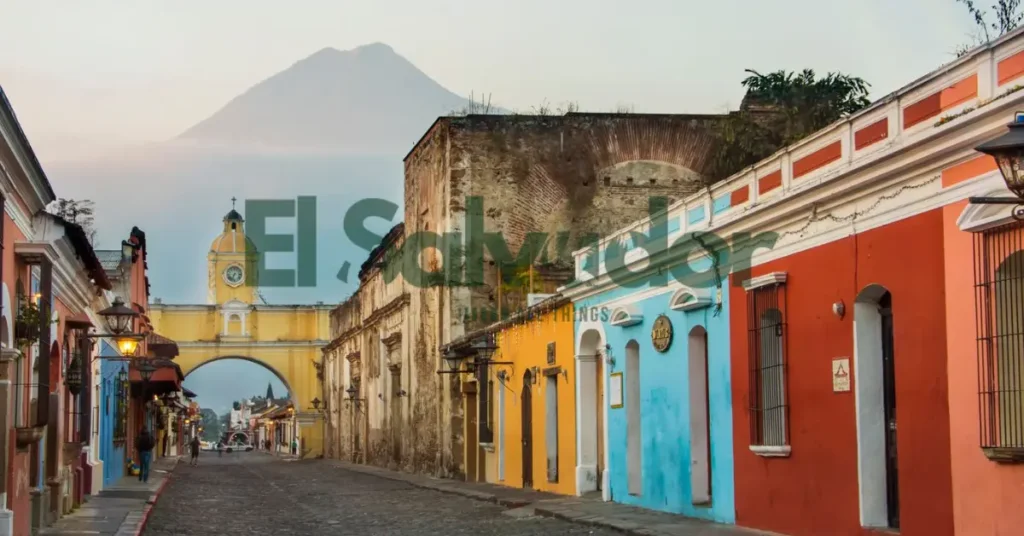
Antigua is the best example. The cobblestone streets, bright buildings, and church ruins make it easy to settle in fast, and I remember hearing tuk-tuks, church bells, and people chatting outside tiny shops while the smell of coffee drifted by.
What really helps first-timers is how much gets handled for you. You can book lodging, join tours, and set up transport from one simple base, so you spend less time making five different plans and more time enjoying the trip. Even a taxi driver or hotel staff member can point you toward the right tour desk or shuttle, which takes the edge off decision fatigue.
And if you want bigger outings, Antigua also works well for Volcano Adventures in Guatemala. That mix of comfort and adventure is why Guatemala often feels like an easier yes than a trip where every step is on you. For first-timers, that kind of convenience really matters.
Why Many Travelers Visit Both Guatemala and El Salvador
Many travelers pair Guatemala and El Salvador because the two countries sit close together, yet feel wonderfully different. I met a taxi driver in Antigua who called it a “two-flavor trip,” and that stuck with me, because one day you can be by a smoky volcano ridge, and the next you can be hearing waves and watching surfers carry boards under their arms.
Guatemala adds big mountain drama, market color, and long days that leave your boots dusty. El Salvador brings a smaller, easier rhythm, with black sand beaches, surf breaks, and coastal destinations like La Libertad that smell like salt and grilled fish. If you want to compare Which Country Wins for Volcano Adventures with Surf and Coastal Adventure, this combo makes the choice feel less like a tradeoff and more like a good split.
Because the border hop is short, the trip feels richer without eating up all your time. The mix made sense after one high-energy volcano day and one slower coastal recovery day, with cold coconut water, quiet chairs, and the sound of the tide doing most of the work.
Final Thoughts: Guatemala vs. El Salvador, How to Choose
There’s no wrong choice here. I remember standing near a dusty shuttle stop, hearing chicken buses rattle past and smelling fresh tortillas from a tiny shop, and thinking both countries had their own pull.
Guatemala usually fits travelers who want volcanoes, more variety, and deeper culture. El Salvador tends to suit people who want surf, shorter drives, and a compact route that feels easy to piece together.
The volcano-centered takeaway is simple, too. If volcano hikes, lake views, and bigger trip variety matter most, Guatemala usually wins. If you want easy access to the coast and a tighter itinerary, El Salvador makes a lot of sense.
Frequently Asked Questions
Which is better, Guatemala or El Salvador?
It depends on the trip you want. Guatemala usually wins for big ruins, volcano views, and colorful highland towns, while El Salvador feels easier, smaller, and more relaxed for beach time and quick road trips. I still remember a taxi driver in San Salvador saying people come for pace, not pressure, and that felt true.
Is it safe for Americans to go to Guatemala right now?
Safety can vary by area, so it’s smart to check the latest guidance from the U.S. Department of State before you go. I’d also keep an eye on local transport plans, because long rides after dark can feel rough even when the day starts out fine.
What is the #1 attraction in Guatemala?
Antiguo or Tikal usually tops the list, depending on who you ask. Tikal stands out for its huge Maya ruins in the jungle, while Antigua pulls people in with cobblestones, old churches, and that scent of coffee drifting from corner cafes.
Can you wear yellow in El Salvador?
Yes, yellow clothing is fine in El Salvador. There’s no general rule against it, and most travelers wear whatever suits the weather and the day’s plans. I’d focus more on comfort and modesty than color.
Which is safer, Guatemala or El Salvador?
Both countries have areas that feel fine for tourists and areas that need extra caution. I’d check current travel guidance and think more about the neighborhoods, transport, and timing than the country name alone.
What is the best time to visit Guatemala and El Salvador?
The dry season usually makes travel easier, with clearer roads and better views. That said, shoulder months can feel calmer, and I liked how the air smelled after rain in both places.
Do you need a visa for Guatemala or El Salvador?
Many travelers from the U.S. can enter for short stays without a visa, but rules can change. Before booking, I’d confirm entry details with official sources and check your passport validity too.