
Celebrating Día de los Muertos: Honoring the Day of the Dead
Nov. 1 brought warm color and quiet remembrance to the South Park Senior Center altar, where neighbors gathered to honor Día de los Muertos, the Day of the Dead. Britannica notes that the holiday is widely observed across Latin America as a time to remember loved ones with food, flowers, and shared stories, and the Smithsonian National Museum of the American Indian describes the ofrenda as a living altar for memory and connection.
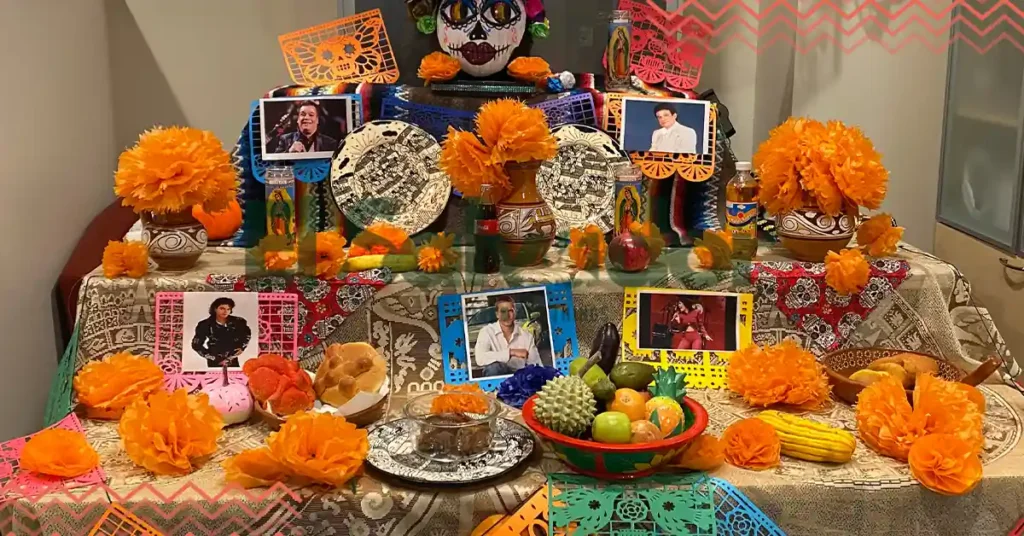
The table glowed with candles, papel picado, and framed photos, while marigolds added a bright, earthy scent to the room. Seniors shared how the holiday looks different in their home countries, with memories from Mexico, Venezuela, Colombia, and El Salvador shaping the way they remember family. Some spoke about altar traditions passed down through generations, and others said the ritual still feels like a bridge between home and here.
Photo caption: Guests and seniors gather around the Nov. 1 altar at South Park Senior Center during the Día de los Muertos celebration.
There was also a butterfly activity, a favorite detail that brought smiles and careful hands to the tables. Special guests stopped by, and the room filled with easy conversation and the smell of shared foods that made the celebration feel like a family meal.
Key Takeaways
- Día de los Muertos honors loved ones with joy, memory, and love.
- The Nov. 1 community altar brings people together to share grief and stories.
- Ofrendas often include candles, flowers, photos, and water for visiting spirits.
- Food offerings matter too, because families share favorite dishes and sweet bread.
- Latin American traditions vary by country, but remembrance stays at the heart.
- Butterflies often stand for returning souls, hope, and gentle renewal.
- These altars help a community heal, one name, one offering, one memory at a time.
Why Día de los Muertos Is More Than Halloween
Día de los Muertos is a remembrance tradition, not a scare-based holiday. Britannica describes it as a cultural practice rooted in honoring loved ones who have died, with altars, photos, flowers, food, and quiet memory at the center. Halloween is about costumes and spooky fun, but Día de los Muertos feels more like a family visit, with observance usually on November 1 and/or November 2 depending on tradition.
How Families Build Ofrendas and Visit Cemeteries
An ofrenda is usually built with photographs, candles, flowers, food, water, and favorite items that remind the family of the person they miss. Families often add a cup of coffee, a toy, a guitar pick, or a sweet snack, because these small things make the altar feel personal and full of memory, which matches the altar and offering traditions described by the Smithsonian National Museum of the American Indian.
Cemetery visits usually work the same way, just outdoors. Families bring candles, flowers, prayers, and stories, then clean the tombstones, brush away dust, and sit quietly or talk about old times, a practice that fits the wider remembrance customs seen across Latin American communities and noted by the Library of Congress.
On one visit, I watched a shop owner point out the best marigolds, and the air smelled like wax and fresh petals, which made the whole place feel calm, even with people talking softly around us.
What the Ofrenda Symbols Mean
An ofrenda is a bridge between the living and the dead, built with items that help guide and welcome loved ones home. Smithsonian and National Museum of Mexican Art sources both describe how photographs keep the person present, while candles give light for the journey, flowers like cempasúchil add color and scent, and favorite foods offer comfort the way a guest would be cared for at the table.
During Nov. 1 and Nov. 2, these offerings matter because they mark the days families remember children and adults, sit near the altar, and share memory through sight, smell, and taste. I remember a local shopkeeper pointing to the bright petals and saying the smell helps “call” people back, and that image stuck with me.
How Salvadoran Day of the Dead Traditions Compare Across Latin America
Across Latin America, Day of the Dead traditions share a common heart, but the details change by country and even by family, as Latin American traditions show. Britannica notes that the region’s customs are shaped by local history and community, and the Library of Congress points out that these practices vary from one country to the next.
In El Salvador, the day often centers on cemetery visits, where families clean graves, bring flowers, pray, and stay together for hours. Quiet and lived-in it feels, with candle smoke, soft music, and the smell of food carried from home, because it is more about being near loved ones than putting on a show.
Oaxaca has its own beautiful split, with children often remembered in one way and adults in another, which shows how deeply family customs can shape the day. Still, from Mexico to Venezuela to Colombia, the shared pieces are easy to spot, altars, flowers, prayers, food, and music, all carrying the same simple message of love and memory.
Food, Music, and Guests That Brought the Celebration to Life
The food carried real meaning, not just flavor. The dishes echoed remembrance traditions where sharing a meal helps people honor love, memory, and family, which Smithsonian notes is common in many cultures. You could taste the care in every bite, and it made the room feel warm, steady, and deeply human.
The violin and Latin American music gave the gathering its heartbeat. The soft strings made space for reflection, while the brighter rhythms lifted the mood and helped people feel connected. The Chilean minister from East Shore Unitarian Church and the Costa Rican musician added a sense of community that felt close and real, like neighbors gathering around a shared story.
And the Monarch butterfly activity fit that feeling too, because Monarchs often stand for transformation and the bond between the living and the dead, a symbol that also reflects their long migration.
Closing Reflection: Community, Memory, and Cultural Preservation
Grief sat in the room, but so did laughter, music, and the smell of warm food. That mix mattered. It gave seniors a place to share memories, pass down traditions, and remind each other that Latino heritage is still living in the stories we keep telling.
When older adults speak, listen, and care for one another, the whole community feels it. UCLA has also noted that cultural continuity helps people stay connected across generations. That felt real here. What stayed behind was more than a memory, it was a shared promise to keep language, customs, and love alive for the next family sitting at the table.
Closing Thoughts
Día de los Muertos is really about honoring loved ones through shared ritual, food, music, and memory. The candles, the pan de muerto, and the laughter around the altar all carry the same quiet message, that the people we miss still belong with us.
What stays with you is how the whole community joins in, with every detail made for remembrance. Comforting that can feel, because even the smallest tradition can make grief feel a little less lonely.
Frequently Asked Questions
Does El Salvador do Day of the Dead?
Yes, many families in El Salvador mark Día de los Muertos, usually with prayers, cemetery visits, and altar offerings. Customs can vary by town and family.
What happens on November 2nd, Day of the Dead?
November 2 is often spent remembering loved ones who have died. Families may clean graves, bring flowers, light candles, and share food or prayers near an ofrenda.
What is Día de los Muertos?
Día de los Muertos is a Mexican and Latin American tradition that honors people who have died. It is a day for remembrance, family connection, and offerings, not a day of fear.
Is Día de los Muertos the same as Halloween?
No, they are different holidays with different meanings. Halloween is linked to costumes and trick-or-treating, while Día de los Muertos focuses on honoring the dead with altars, food, and prayer.
What is an ofrenda?
An ofrenda is an altar built to remember and honor loved ones who have died. It often holds photos, candles, flowers, food, and other items that mattered to the person.
Why do families visit cemeteries for Día de los Muertos?
Families visit cemeteries to clean graves, leave offerings, and spend time in quiet remembrance. It is often a calm, loving visit, with fresh flowers, soft talk, and shared food nearby.
Why are candles and flowers used on Day of the Dead altars?
Candles are used as a symbol of light and remembrance, while flowers, especially marigolds, add color and scent. People believe these offerings help guide and welcome spirits.
Is Día de los Muertos celebrated on November 1 or November 2?
It is often observed on both days. November 1 is commonly linked with remembering children, and November 2 with remembering adults, though traditions can differ by place.
What is the festival in El Salvador in November?
November often includes Catholic observances for All Saints Day and All Souls Day, which connect closely to Día de los Muertos. Local customs can also include family gatherings, cemetery visits, and community remembrance.
How is Día de los Muertos observed in Latin America?
Across Latin America, people may pray, decorate graves, prepare favorite foods, and build altars at home or in public spaces. The details change from country to country, but the heart of the tradition stays the same — honoring family and memory.