
Semana Santa El Salvador: Holy Week Traditions
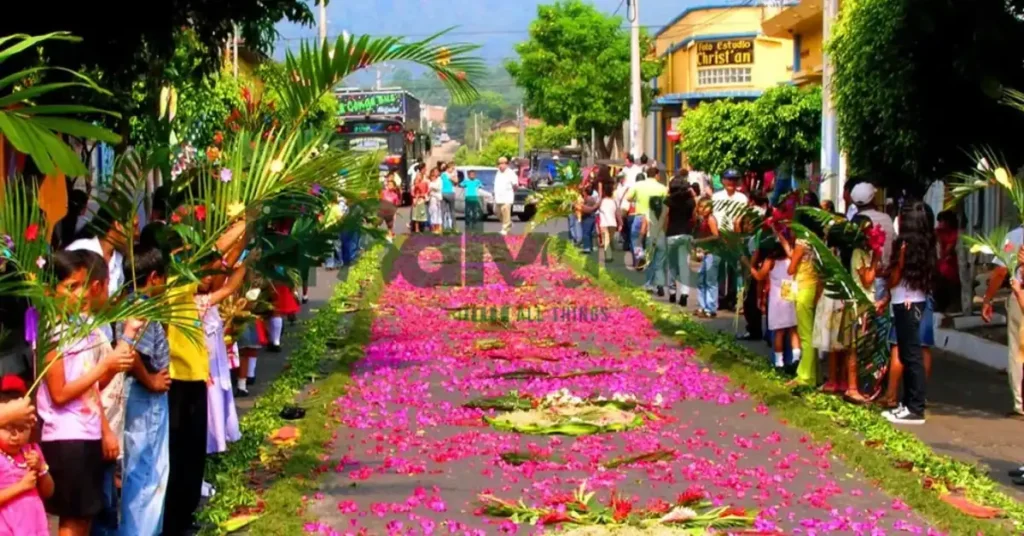
Semana Santa in El Salvador is loud, sacred, and a little chaotic in the best way. Streets fill with processions, incense, drumbeats, and sawdust carpets called alfombras, while buses, beaches, and town centers get packed fast.
Shops close early, traffic crawls, and even a simple taxi ride can turn into a small adventure with a chatty driver and a side of local gossip.
For travelers, it’s both a cultural highlight and a planning headache. That said, if you want to see real Salvadoran tradition, Holy Week is one of the strongest times to be here.
It helps to book early, move slowly, and leave room for surprises. The smell of food from street stalls, the heat on the pavement, and the sound of church bells all make the week feel bigger than a holiday.
Key Takeaways on Semana Santa
- Semana Santa is Holy Week, a major Christian observance before Easter.
- It usually happens in spring, every year, but exact dates change.
- Daily life slows down, with closures, crowds, and road changes in many places.
- The strongest celebrations are often in Seville, Málaga, Granada, and other Andalusian cities.
- Expect processions, church events, packed streets, and a lot of walking.
- Travel plans can get messy fast, so check current parish and municipality notices before you go.
What Semana Santa Means in El Salvador
Semana Santa, or Holy Week, marks the final days before Easter in the Catholic calendar. In El Salvador, it brings church services, processions, and quiet family routines that can feel very different from a normal week.
But here’s the thing, it’s not just a religious pause. It’s also one of the country’s biggest social holidays, when families rest together, travel to see relatives, and leave the city for a few days.
That mix of devotion and daily life is part of what makes it matter culturally. Semana Santa sits right at the center of Salvadoran identity, much like other Salvadoran Catholic traditions and shared cultural holidays, where faith, family, and public custom all show up at once.
When Semana Santa Happens and How the Week Is Structured
Semana Santa follows the Christian calendar, so the dates change every year. In most places, it runs from Palm Sunday through Easter Sunday, and the local parish calendar can feel a little different from town to town. I wish someone had told me that before I showed up early and found a church full of candles, choir practice, and one very patient taxi driver waiting outside.
Here’s the week at a glance, based on the usual Holy Week order:
| Day | What it marks |
|---|---|
| Palm Sunday | Jesus enters Jerusalem |
| Holy Thursday | The Last Supper |
| Good Friday | The crucifixion and death of Jesus |
| Holy Saturday | A quiet day of waiting and reflection |
| Easter Sunday | The resurrection celebration |
Because the dates shift each year, it’s smart to check a religious calendar or yearly holiday dates before you go. And yes, parish events can differ by town, even when they’re only a few streets apart.
Quick note: always verify local schedules with the parish or archdiocese. The big day might be obvious, but the exact processions, masses, and timings can be weirdly specific.
How Holy Week Shifts Business Hours and Public Services
Holy Week can turn a normal weekday into a weird little ghost town. Some places close because of official holiday rules, while others shut down just because the owner, employer, or parish decides to do it.
- Banks and government offices: Many run on shortened hours or close on holy days. I once walked to a bank branch after lunch and found the shutters down, with no apology except the sign.
- Schools: Public and private schools often suspend classes, but the exact dates can vary by municipality and school calendar.
- Shops and restaurants: Smaller businesses may close early, while malls and chain stores often keep limited hours. Ask first, because the answer can change block by block.
- Transport: Buses, ferries, and local rides may run on holiday schedules, with fewer trips and longer waits. Taxi drivers and hotel staff usually know the real-time situation better than any poster on the wall.
Schedules can vary by municipality, employer, and parish, so one town may feel open while the next one goes quiet. I stood outside a bakery, smelling fresh bread I could not buy.
Check local hours before you go out. That tiny five-minute call or message can save you a sweaty, annoyed walk for nothing.
Main Traditions and Religious Practices of Holy Week
Holy Week in El Salvador usually centers on processions, special Masses, and long stretches of prayer. Parish schedules can shift by neighborhood, and archdiocese programs often note that routes and ceremonies are organized locally, so one block can feel very different from the next.
The universal Catholic rhythm is familiar, even if the crowd is not. People go to confession, attend the Stations of the Cross, join prayer vigils, and keep fasts, especially on Good Friday. Churches also hold Passion services and liturgies that draw a quiet, heavy crowd, with candles, incense, and that hush that makes even your shoes sound loud.
In Salvadoran neighborhoods, the street itself becomes part of the devotion. You often see decorated routes, ceremonial displays, flower carpets, altars, and Passion reenactments that pull in families, kids, and the whole block.
- Processions: Local communities carry images through the streets, often with music, prayers, and a very slow pace.
- Stations of the Cross: Common across Catholic parishes, usually prayed inside churches or along neighborhood routes.
- Passion reenactments: Especially visible in Salvadoran towns and neighborhoods, with dramatic scenes of Christ’s suffering.
- Prayer vigils: Quiet nighttime gatherings that can run late, with candles, silence, and a tired-but-faithful crowd.
- Confession and fasting: Standard Holy Week practices for many Catholics, especially before the biggest liturgies.
- Special Masses: Held throughout the week, with the most attended services usually on Holy Thursday, Good Friday, and Easter.
Where to Experience Semana Santa in El Salvador
Semana Santa looks different depending on where you go. In the capital, it leans church-based and solemn. In smaller colonial towns, it feels slower and more traditional. On the coast, the holiday starts to smell like sunscreen, grilled fish, and packed buses.
According to MITUR, municipal tourism offices, and local parish calendars, each place usually highlights a different side of Holy Week. I tried to do everything in one weekend. Bad idea. My feet still remember it.
| Best for | Where to go | What it feels like |
|---|---|---|
| Devotion | San Salvador | Processions, church services, and a more formal Holy Week pace. |
| Family atmosphere | Colonial towns | Quiet plazas, local traditions, and a slower, small-town feel. |
| Photography | Colonial towns | Old streets, candles, incense, and those dramatic evening processions. |
| Beach travel | Beaches | Holiday crowds, road trips, and a louder, more travel-heavy Semana Santa. |
San Salvador is usually the best pick if you want the most church-centered observance. Colonial towns bring the pretty streets and that quieter crowd, where you hear church bells, sandals on stone, and people whispering near the altars. The coast is different again. It’s still Holy Week, but with more coolers, traffic, and families heading for the water after mass.
If you only have time for one stop, choose based on the mood you want. Devotion, family time, photos, or beach chaos with a side of faith, they all count. They just feel nothing alike.
San Salvador and the Metropolitan Area
In the capital area, Holy Week feels busy fast. Churches fill up, processions spill into the streets, and traffic can turn into a slow, honking headache. Parking near major parishes is usually tiny, or basically a myth.
- Church services: Expect packed Masses, especially near well-known parishes.
- Processions: Streets close or shift around church routes, so access can change suddenly.
- Crowding: Sidewalks get tight, and the air feels hot, loud, and a little smoky from incense.
- Traffic changes: Local parish pages and traffic advisories often flag route changes near churches.
- Parking: Limited spaces near major parishes, so arriving early helps a lot.
Check parish social media before you head out. That’s how we almost didn’t miss a procession, and it saved us from circling like tired taxis in the afternoon sun.
Colonial and Smaller Towns
Smaller towns usually feel more traditional, and you notice it fast. The streets are quieter, the church bells carry farther, and people still seem to know who lives on which corner.
- More neighborhood involvement: Parish calendars and municipality tourism pages often show smaller processions with stronger local participation.
- More visual details: You see hand-painted signs, flowers on balconies, and kids in clean clothes lining the route.
- Better cultural immersion: The crowd is smaller, so you hear more разговорs, smell more food, and notice the little rituals.
- More intimate atmosphere: The whole thing felt close, personal, and a bit raw in the best way.
That said, exact times and dates should be verified locally. Parish calendars can change, and a town that looks sleepy on Tuesday can be packed by Sunday morning.
Coastal Areas and Beach Destinations
Holy Week is beach week for a lot of Salvadorans, and the coast gets busy fast. I still remember the steady roar of buses, the smell of sunscreen, and a taxi driver laughing as he warned, “Everyone had the same idea.”
- Expect crowding. Beaches fill up, parking gets tight, and the roads can crawl near holiday peaks.
- Plan your timing. Travel windows before midmorning and late afternoon usually feel less painful.
- Watch the heat. The sun can feel brutal, so shade, water, and breaks matter.
- Be careful in the water. Conditions can change quickly, and local advisories are worth checking.
- Keep an eye on roads. Holiday traffic can shift fast, especially on popular routes to the coast.
One minute it feels like a laid-back beach stop, and the next you’re stuck in a dusty line of cars with kids melting in the back seat.
According to coastal municipal tourism pages and civil protection advisories, crowding and road or water conditions can change quickly during holiday week. That means a little flexibility goes a long way, especially if you want to miss the worst of the traffic and still enjoy the water.
Food, Family Customs, and Everyday Life During Holy Week
Holy Week meals are tied to fasting, so the food often feels lighter, simpler, and very specific to the day. In many homes, that means fish, beans, soups, fruit, or sweet breads instead of heavy meat dishes, though not every household eats the same thing. Salvadoran culinary heritage and cultural sources make one thing clear, customs vary by family, region, and religious practice.
Family gatherings shape the week just as much as the food. People crowd around kitchen tables, share what’s been prepared, and pass down the same recipes like family gossip. I remember the smell of fried fish mixing with coffee and incense, and a taxi driver telling me, half laughing, that “everyone is either cooking or waiting to eat.”
Here’s the thing, everyday life slows down and gets a little weird in the best way. Shops, transport, and services may run on altered schedules, so errands can take longer than usual. That shift is part of the rhythm of the week, along with prayers, visits, and the strong feeling that dinner somehow matters more than normal.
- Fasting shapes the menu. Many families choose lighter meals that fit religious practice.
- Traditional foods carry meaning. Fish, sweets, and simple soups often show up because they fit the season.
- Gathering matters. Meals are a reason to visit relatives and sit together longer.
- Schedules change. Stores, buses, and services may not run as usual.
What Visitors Should Know: Etiquette, Safety, and Logistics
Roads can close fast during services and processions, and that caught us off guard the first time. A taxi driver near the parish said, “Leave early or walk,” which was honestly the best advice of the night.
- At services and processions: Keep your voice low, turn off your flash, and don’t step into the route for photos. If people are praying or carrying an image, wait your turn and move with the crowd.
- Dress modestly: Cover shoulders and knees for churches and religious events. Light clothes help in the heat, but avoid anything too revealing.
- Photography: Ask first if you’re close to parish leaders or worshippers. Avoid flash, and never block the path just for a better shot.
- Plan transport early: MITUR and civil protection advisories can change routes, bus schedules, and pickup spots. Public transport may be limited after events, so have a backup plan.
- Book ahead: Reservations help for popular beach stays and busy holiday dates.
- Beat the heat: Bring water, sunscreen, and a hat. Midday sun can hit hard, especially if you’re standing in a crowd or walking uphill.
- Family safety: Keep kids close, write a meeting spot down, and watch for traffic near parade routes. If someone gets tired, step out early instead of pushing through.
Quick checklist: water, modest clothes, charged phone, cash, sunscreen, and a backup ride home.
How to Attend Processions Respectfully
Holy Week processions are busy, loud, and deeply sacred. The biggest rule first: don’t become part of the parade by accident.
- Stand off the route. Keep to sidewalks, walls, or marked viewing spots so worshippers can pass without squeezing around you.
- Don’t block doorways or corners. Those spots fill fast, and people still need to move through them.
- Stay quiet during prayers and hymns. If the crowd gets still, treat that as your cue to hush up too.
- Photograph carefully. Use no flash, keep your phone low, and don’t step into sacred or crowded areas for a better shot.
- Watch for local customs. Parish guidance and Catholic event norms can vary a lot, so what’s fine in one place may be rude in another.
Common mistakes? The usual stuff, honestly. People wander into the procession route, stand right in front of the altar area, or lift a camera flash like they’re filming a concert. Don’t be that person.
Here’s the thing, I once saw a tourist get waved back by a parish volunteer with the gentlest face and the firmest hand. The bells were ringing, incense hung in the air, and the whole crowd held still. If you follow the flow and keep your distance, you’ll fit in just fine.
What the Road to the Beach Looks Like During Semana Santa
During Semana Santa, the road to the beach can turn into a slow crawl. Beach travel is a major Holy Week pattern in El Salvador, so traffic builds fast, especially on the main coastal routes.
- Peak congestion hits early. If you leave late, you’ll probably sit in a long line of cars, buses, and packed pickups baking in the sun.
- Departure timing matters. People who head out very early usually have a better shot at moving before the worst traffic. Coming back late Sunday is rough too, because everyone seems to leave at once.
- Parking is a mess. Near the beach, spaces fill up fast. Every lot looked full and every curb had a car already half-stuck in it.
- Heat is no joke. The road and the beach both get hot fast, so bring water, shade, and patience. A sweaty kid in the back seat can ruin the vibe in minutes.
- Swimming safety still matters. Beach conditions can change quickly during holiday periods, and civil protection advisories are worth taking seriously. If the sea looks rough, don’t play brave.
- Family trips need extra planning. Snacking, bathroom stops, and a backup plan for parking can save the day.
Truth is, this trip is normal for Holy Week, but normal doesn’t mean easy. The road gets crowded, the sand gets hot, and the whole day goes better when you expect a little chaos.
A Quick Itinerary for Visitors During Holy Week
Holy Week crowds can get loud, slow, and a little sweaty, so I always plan one anchor event and leave space around it.
- Morning: Pick your setting first, urban stay, town visit, or beach base. Check the current parish or tourism schedule before you head out, because procession times can shift.
- Midday: Eat an early meal near your lodging or the route. A simple lunch works best, since long streets, warm weather, and slow traffic can make everything feel heavier than it should.
- Rest window: Go back for a quiet break in the hottest part of the day. Even one hour with water, shade, and a fan helps, especially if you plan to stay out late.
- Evening: Leave early for the procession. In most cases, taxi drivers, tricycles, or a short walk beat last-minute road stress, and you’ll want extra time for blocked streets and big crowds.
- Afterward: Grab a light snack, then head back before the roads get messy. The bells, candles, and incense linger in your clothes, which is half the fun anyway.
For an urban stay, keep the procession close to your hotel and walk if you can. For a town visit, build the day around the main plaza and one church event. For a beach holiday, do the procession in town, then return to the coast before dark so the drive stays calm and safe.
If you want a 3-day plan, repeat the same rhythm: one procession, one good meal, one rest break. That simple pattern keeps the day human, not miserable, and you still get the music, candle smoke, and those odd little street foods locals always seem to know first.
Why Semana Santa Still Matters Today
Semana Santa in El Salvador is still a religious observance first, but it’s also a huge cultural week. Streets get quieter in some places, then suddenly packed around church schedules, family plans, and processions that can smell like incense, food, and hot pavement all at once.
It also changes the rhythm of daily life. Travel slows, some businesses close early or shut down, and whole neighborhoods shift around parish events and local customs. Before you head out, check parish schedules, municipality notices, tourism updates, and transport advisories, since official updates can change by location and year.
Frequently Asked Questions
How do they celebrate Holy Week in El Salvador?
Streets fill with processions, prayer, incense, and music. In many towns, people also make colored sawdust carpets, and the smell of food and candle smoke hangs in the air.
What is Semana Santa in El Salvador and when does it happen?
Semana Santa is Holy Week, the week before Easter. It changes every year because it follows the Catholic calendar, so check local parish notices before you go.
What are the main traditions and religious activities?
The biggest ones are processions, church services, prayer vigils, and decorating streets with carpets. The good viewing spots disappear fast, so arrive early.
Which towns or cities have the best celebrations and processions?
San Salvador gets strong turnout, and many visitors also like towns with deep Catholic traditions and older centers. Local parish schedules matter most, so ask around once you arrive.
Is everything closed during Holy Week in El Salvador?
Not everything, but many offices, banks, and small businesses may close or shorten hours. Beach areas, food stalls, and tourist spots often stay open, though schedules can be unpredictable.
How crowded, expensive, or difficult is travel during this week?
Travel gets crowded fast, especially on roads to beaches and popular towns. Prices can rise, buses can fill up, and traffic gets ugly, so plan early.
What foods are traditionally eaten during Semana Santa?
People often eat fish, seafood, beans, tropical fruit, and sweets tied to the season. Fried fish and fresh curtido are common plates you’ll smell before you see them.
How should visitors dress and behave at religious events?
Wear modest clothes, cover your shoulders if you can, and keep your voice low. Turn off loud notifications and avoid blocking the procession.
What should beach travelers expect during Holy Week?
Beaches get packed, loud, and a little chaotic, with more traffic, more vendors, and more people than usual. If you want a quiet trip, Holy Week is not the time for it.
What are the safety and logistics considerations for beaches, roads, and towns?
Follow local civil protection alerts, watch the water, and don’t assume every beach has easy rescue access. Roads can clog hard, so build in extra time and check official holiday notices before moving around.