
How to Rent a Car in El Salvador in 2026, Scam-Free
Hidden fees, fuzzy insurance, and pickup drama are the usual traps. We stood in a hot lot, keys in hand, while a guy in a polo shirt pointed at tiny contract lines like they were ancient runes.
The first question is simple: do you actually need a car? If you’re staying in San Salvador, using shuttles, or just hitting one beach town, a car can be more headache than help. But if you want surf spots, volcano stops, or flexible day trips, renting can make sense.
Here’s what mattered most for us: book with clear insurance terms, photograph everything at pickup, and ask about every fee before you sign. The airport desk smell of coffee and printer ink was nice enough, but the surprise charges were not.
- Compare the full price, not the teaser rate. Ask for taxes, fees, and insurance in writing.
- Check the insurance details twice. Basic coverage and liability are often not the same thing.
- Inspect the car like a picky mechanic. Tires, windshield, mirrors, and the bumpers matter most.
- Get pickup and return times confirmed. A few hours can turn into a full extra day.
Key Rental Takeaways
- Renting makes sense when you need freedom and short stays.
- The biggest scam risk is vague pricing and surprise fees.
- Bring your ID, license, passport, and booking confirmation.
- Insurance matters, because one tiny scratch can get pricey fast.
- Pay the deposit, but know when and how it comes back.
- Do a pickup inspection and snap photos before you drive off.
- Get every promise in writing, or it can vanish like bad hotel coffee.
Is Renting a Car in El Salvador Worth It for 2026?
Renting a car makes sense in El Salvador when your trip is spread out. The tourism authority’s route planning by region is real, and the country is not one neat little loop. One day you’re near the surf, the next you’re chasing volcano views, and a taxi starts to feel like a very expensive life choice.
Rent if you want flexibility, faster transfers, and easy access to routes that buses don’t serve well. Don’t rent if you’re staying in one city, using airport transfers, or you hate driving in places where road signs can feel optional. Rent only for part of the trip if you just need a car for a few long hops or a beach day. A one-day rental can be enough for specific routes, instead of paying for the whole trip and parking a car like a sad suitcase.
Here’s the thing, the value is not just price. It’s time saved, route access, and the freedom to leave when the road looks good and the sky smells like rain.
- Rent: you’re doing coast, mountains, and inland stops.
- Don’t rent: you’ll stay in San Salvador or one resort area.
- Rent part-time: you have one long transfer or a day trip.
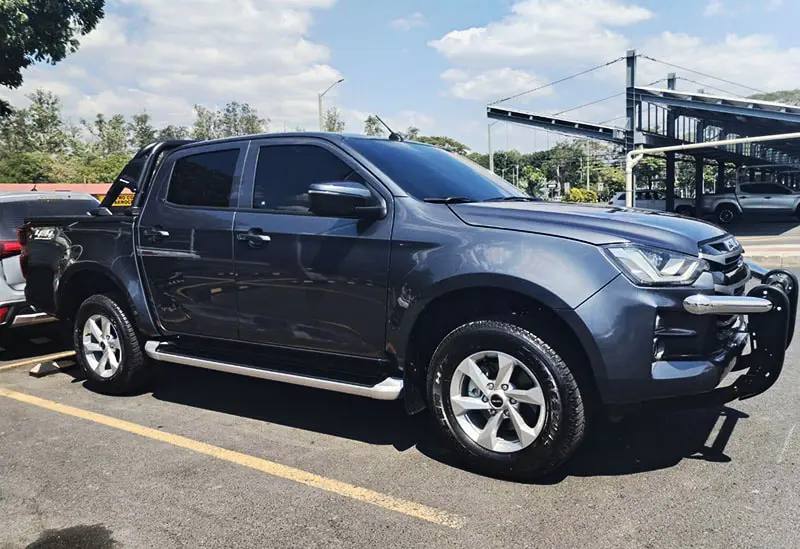
One-Day Rental vs Full-Trip Rental: Which Saves More?
If you only need a car for one driving day, a short rental can save more than it looks like. You pay for fewer days, and you also cut down the time your card has a deposit hold sitting there doing nothing.
That matters in a trip like San Salvador, where you might only need wheels for one volcano run or a beach hop. The rest of the time, a taxi, shuttle, or hotel pickup can be easier than babysitting a parked car in a tight lot.
Full-trip rental makes more sense if your route changes every day, or if you’re moving between towns with awkward bus connections. But if the car would mostly sit in a lot while you eat pupusas and wander around, you’re paying for stress you don’t need.
We almost didn’t do the one-day pickup: parking was the annoying part, not the driving. Small lots, weird angles, and that little moment when you hear a scooter scrape past your mirror? Yeah, no thanks.
What You Need to Rent a Car in El Salvador
Rental pickup usually comes down to two things, legal driving permission and the rental company’s rules. We stood in a hot lobby, staring at a clipboard like it owed us money.
- Valid driver’s license. You need a current license from your home country. According to official IDP guidance, an International Driving Permit can supplement it, but it does not replace it.
- Passport. Many pickup desks ask for it, and the name should match your booking details.
- International Driving Permit, if required. Some suppliers want one, some do not. It depends on the company and your license country.
- Minimum age. Age rules can vary by supplier, car class, and location. Ask before you arrive, because the “sure, no problem” vibe at the counter can change fast.
- Payment card. Most companies want a credit card in the main driver’s name for the deposit hold. Read Credit Card, Deposit Holds, and Debit Card Pitfalls before you show up with the wrong plastic.
- Deposit conditions. Hold amounts, debit card rules, and accepted card types can vary a lot by supplier. Confirm this early, not while your bag is open and your patience is melting.
- Proof of insurance. Some rentals include basic coverage, and some don’t.
- Rental agreement review. I always scan the fine print for fuel rules, mileage limits, and extra driver fees.
One more thing, booking class and pickup location can change the rules. A downtown office and an airport desk may not play by the same script, so confirm everything before arrival.
Driver’s License, Passport, and Age Rules
Bring the booking name match on your driver’s license and passport. If the names don’t line up, the counter staff may send you right back into the airport line, and nobody wants that kind of sticky, sweaty airport drama.
Passport at pickup is commonly required because it proves your identity and helps the company check the reservation details fast. Some suppliers also want a return flight or entry stamp, so keep everything in the same bag instead of playing treasure hunt.
- Booking name must match your license. The renter name on the reservation should match the photo ID you hand over.
- Passport may be needed too. It often confirms identity and travel status at pickup.
- Age rules vary by company. Minimum age, young driver fees, and extra restrictions are supplier-specific.
- Vehicle class limits also vary. Some cars, SUVs, or premium models have higher age requirements.
- Do not rely on damaged or temporary licenses. Nearly expired or worn-out cards can cause a flat-out refusal.
I hit the counter with a slightly bent license and a dead calm smile. The agent barely looked up, then asked for the passport like it was the most normal thing in the world. According to rental company policy pages, these age and document rules are supplier-specific, so always check the exact company rules before you go.
Do You Need an International Driving Permit?
An International Driving Permit, or IDP, can be a handy backup when you’re driving abroad. It may help if a rental desk or local officer wants a translation, but it is never a replacement for your valid driver’s license.
That part matters. According to AAA and other official IDP issuing authorities, the IDP is a supplement to your home license, not a stand-alone license. So if your regular license is expired, the IDP won’t save the day, no matter how neatly it folds up.
Whether you need one depends on your nationality and your destination. Some countries are fine with your home license, while others expect an IDP too, and local consular guidance is usually the safest thing to check before you land with your bags and a slightly panicked look.
An IDP does not automatically guarantee insurance coverage. Rental companies and insurers can still have their own rules, so it’s smart to confirm both before you drive off into the honking, dusty chaos.
Credit Card, Deposit Holds, and Debit Card Traps
The security deposit is there to cover damage, missing fuel, or a late return. The annoying part is the hold can sit on your card and quietly shrink your spending power while you’re trying to pay for hotel coffee, roadside snacks, and that one emergency taxi ride you didn’t plan for.
A pickup in El Salvador: the agent swiped the card, smiled, and the hold felt harmless until I checked my balance and saw less room than expected. According to consumer finance guidance on card holds, authorization holds can temporarily reduce available credit, so it’s not just a number on paper.
Many suppliers also get picky about payment. Debit and prepaid cards are often restricted, and the card usually has to be in the main driver’s name. According to rental company payment policies, debit and prepaid card rules can differ by location, which is a fancy way of saying the rules can change right when you’re standing at the counter.
Before you arrive, confirm the hold amount, the accepted card types, and whose name must be on the card. That quick check can save you from a very awkward face-to-face with a tired rental clerk and a line of people behind you.
What to Check in the Rental Agreement Before You Sign
The signed contract controls the fight, not the pretty website summary. According to rental agreement terms and conditions, the written agreement decides fees, restrictions, and liability.
Before you sign, check the fuel policy, mileage limits, and late return rules. I once watched a tired traveler squint at a paper by the counter while the AC blasted and the clerk tapped the clock like it owed him money.
- Fuel policy: full to full, pre-purchase, or something sneakier.
- Mileage limits: make sure your route fits the cap.
- Late return rules: even one hour can trigger a fee.
- Named drivers: only people listed on the contract should drive.
- Damage responsibility: know what you pay if something gets scratched.
- Extra-driver charges: those fees can pile up fast.
- Cleaning fees: ask what counts as “dirty” before the dust does.
- Unauthorized-use restrictions: off-road, border crossings, and night driving may be banned.
How to Rent a Car in El Salvador Step by Step
Car rental prices in El Salvador can look fine online, then get weird at the counter. The fix is simple: trust the final written price and contract terms, not the smiley conversation.
- Compare the total price. Check the full cost, not just the daily rate. Look for insurance, taxes, extra driver fees, fuel rules, and mileage limits so the bill does not jump later.
- Choose the pickup location carefully. Airport pickup is easy, but hotel or city pickup can be cheaper or less rushed. I once picked the wrong spot and spent half a morning chasing a guy with keys while a taxi driver watched and laughed.
- Read the insurance terms before you sign. Ask what is covered, what is excluded, and what the deductible is. If it is not written in the contract, it does not matter what the counter person said over the loud AC and the ringing phone.
- Inspect and photograph the car at pickup. Check bumps, scratches, tires, glass, lights, and the fuel level before you leave.
- Return the car the right way. Fill the tank if the contract says full-to-full, arrive on time, and get a written return receipt. Save every paper and photo until the final charge matches.
Consumer guidance on rental agreements is pretty clear, keep written proof and document the car. That boring little habit is what saves you when someone points at a scratch you swear was already there.
Compare Total Price, Not Just the Daily Rate
The cheapest daily rate can look like a steal, then airport surcharges, taxes, insurance, and deposits show up like rude cousins at the door. I’ve seen a quote look tiny on screen, then balloon fast once the full-price display kicks in.
That’s why the real comparison is the total amount you’ll pay, not the headline number. According to booking platforms and comparison guidance, full-price display is the best basis for comparison when it’s available, because the base rate alone can be misleading.
Step 2: Pick the Right Pickup Spot
Airport pickup is usually the easiest if you land tired, sweaty, and carrying a bag that suddenly feels illegal. You grab the keys, drag your stuff to the lot, and you’re gone.
- Airport pickup: Best for convenience, especially after a long flight. I remember standing there next to a guy with three carry-ons and a broken suitcase wheel, and we both looked done.
- City office pickup: Better if your hotel is nearby and your arrival is normal business hours. It can save airport fees, but it means one more stop after a flight.
- After-hours rules: Airport counters and city offices often have different closing times, and local facility rules can change by location. I showed up with a late landing and a very tired face.
- Late arrivals: If you land late, you may see more upsell pressure or less stock, especially at smaller counters. The desk person may offer a nicer class because the cheap cars are already gone.
According to airport rental pages and local facility info, pickup rules and hours vary by location, so don’t assume the desk will wait for you just because your plane did.
Step 3: Read the Insurance Terms Before You Pay
The insurance fine print matters more than the loud guy at the counter waving his hands around. We almost signed for the wrong coverage in a hot, noisy rental office.
Check what is included, what is optional, and what is required. Look for the deductible or excess amount first, because that’s the part you may still pay if something happens.
Then scan the exclusions. Some policies skip certain damage, like tires, glass, underbody, or acts of theft if the car was left unlocked. We heard a clerk say, “Don’t worry, it’s fine,” but verbal promises at the counter do not count unless they are written into the contract.
Make sure the contract spells out theft protection, third-party liability, and roadside assistance. If you’re relying on a card benefit, compare it with Is Your Credit Card Insurance Enough?, because card coverage can have limits and exclusions too.
Step 4: Inspect and Photograph the Car at Pickup
This is the boring part that saves your wallet later. We almost didn’t do it, because the lot was hot, the keys were in hand, and everyone looked rushed.
Walk around the car slowly and check the body, windshield, tires, rims, roof, and underbody if you can see it safely. Then open every door and close it again, because a sticky latch or weird clunk is the kind of drama you want to catch now, not after a mystery charge.
Inside, inspect the interior, dashboard warnings, spare tire, and tools. Note every scratch, chip, dent, scuff, and stain on the paperwork before you leave, even the tiny stuff that looks too small to matter.
Then take time-stamped photos and video of the whole car, inside and out. Slow down here, because a few extra minutes can save a messy pickup dispute later.
If the agent seems impatient, stay polite and stubborn. Rental company inspection checklists usually say existing damage should be recorded before departure, and consumer dispute prevention guidance treats photo documentation and written notes as strong evidence.
Step 5: Return the Car Without Surprise Charges
Return the car on time. Rental companies can bill you for late returns, and the clock can be annoyingly literal, like a taxi meter with a grudge.
Before you hand over the keys, snap a few photos of the car, the dashboard, and the fuel level. If fuel or damage gets argued later, those pictures help. That’s the same headache people run into with the most common car rental scams and hidden fees to avoid and fuel policy traps, damage disputes, and cleaning fees.
Ask for a return receipt or a signed final inspection note before you walk away. Keep the contract, fuel receipts if they matter, the final invoice, and any photos in one place.
Insurance in El Salvador: What You Need
Rental desks love the phrase full coverage, but that still can mean a deductible, exclusions, or weird little limits. I heard one agent say it so fast, it sounded like a blender full of marbles.
Liability covers damage you cause to other people, cars, or property. CDW/LDW usually covers damage to the rental car itself, while theft protection helps if the car gets stolen. Roadside assistance is the “my tire died on a hot road and I’m sweating through my shirt” backup.
Here’s the quick decision model I wish someone had shoved in my hand at the counter:
- What risk are you trying to kill? A dent, theft, a tow, or liability to others.
- What does your card cover? Many cards are secondary or conditional, and some exclude certain car types or countries.
- What is mandatory for this booking? Read the rental contract, because local rules and company policies can differ from home.
So yes, you can buy “full coverage” and still owe money if there’s a deductible or an excluded part. I stood at a counter with a grumpy fan buzzing overhead and a pen that barely worked.
Insurance Types Explained in Plain English
| Insurance term | What it usually covers | What it usually does not cover |
|---|---|---|
| CDW Collision Damage Waiver | Damage from a crash, scrape, or some vehicle damage after an accident. It often lowers what you owe for repairs. | Usually does not cover tires, windshields, the undercarriage, lost keys, or damage from reckless driving. It may also exclude rule-breaking stuff. |
| LDW Loss Damage Waiver | Usually broader than CDW. It can cover damage plus theft of the rental car, so the name sounds extra fancy for a reason. | Usually does not cover personal items, injuries, traffic tickets, or damage from misuse. Some suppliers still have separate exclusions. |
| Liability insurance | Damage or injury you cause to other people, their cars, or their property. This is the stuff that gets ugly fast. | Usually does not cover damage to your rental car, your own medical bills, or stolen bags. Limits vary by rental company and country. |
| Theft protection | Helps if the rental car is stolen, or if parts are taken in a covered theft claim. | Usually does not cover your phone, wallet, or stuff left inside the car. If you left it in the glove box, yeah, that can sting. |
| Deductible | The amount you pay first before the insurance or waiver pays the rest. Think of it as your share of the bill. | It is not extra coverage. It does not protect against damage by itself, and it can still apply even if the claim is covered. |
Rental company FAQ pages and policy documents often use these terms a little differently, so the desk agent’s version may sound like legal soup. I stood there, jet-lagged, hearing “partial waiver” and wondering if I needed a translator.
Truth is, CDW and LDW are usually about the car itself. Liability insurance is about other people. And theft protection is for the car going missing, not your souvenir snacks or the sunglasses you forgot in the cupholder.
Is Your Credit Card Insurance Enough?
Credit card insurance can look generous right until you read the fine print. In many cases, the coverage is secondary, which means your card pays only after other insurance has been used. Some cards also limit protection by country, vehicle type, or the way you booked the rental.
I stared at a tiny desk in a hot rental office, with a fan rattling and a clerk sliding papers at me like, sign here, friend. The card in my wallet was not a magic shield. It came with conditions, and those conditions mattered.
According to credit card benefits guides and issuer terms and conditions, exclusions, payment method requirements, and booking rules can affect eligibility. That means the car you choose, the country you drive in, or even which card you used at checkout can change what’s covered.
So don’t assume automatic protection. Call the card issuer, read the benefits guide, and ask what’s excluded before you rely on it.
Red Flags: When Insurance Offers Sound Suspicious
Pressure is the first bad smell. If a clerk keeps pushing you to buy right now, pause. I once heard a desk agent say it like my suitcase was on fire, and honestly, that little rush was the warning.
Vague claims about “mandatory insurance” are another red flag. If something is required, ask where it says so in writing. That line saved us from a pricey add-on we almost took just because the lobby was loud and the line was long.
Watch for anyone who won’t show the deductible or exclusions on paper. Written proof matters more than a smooth voice, according to consumer protection guidance and rental documentation standards. If they dodge the details, that’s your cue to slow down and read carefully, not sign faster.
Most Common Car Rental Scams and Hidden Fees to Avoid
Counter upsells are the classic trap. You walk in tired, the desk smells like coffee and printer paper, and suddenly your “reserved” car needs better insurance, a toll package, or a mystery fee that wasn’t in the quote.
Fake mandatory add-ons are a close cousin. Things like “airport concession fees,” “young driver fees,” or “required coverage” can be real, but only if they’re clearly written in your contract or fee schedule. Consumer protection agency guidance says unclear add-ons are a common dispute area, and rental company fee schedules usually back that up in black and white. If it’s not in writing, it gets shaky fast.
Fuel-policy abuse is another sneaky one. A full-to-full rule should mean full to full, not “close enough, pay us anyway.” Same with cleaning charges and damage claims, where a dusty seat or old scratch can suddenly become your problem.
Here’s the short script I’d use at the counter: “Please show me the total price, every fee, and what’s required in writing. If it’s not on my reservation or contract, I’m not adding it.” Calm voice. No drama. Just enough steel.
If extra charges show up later, ask for the itemized bill, photos, and the exact contract clause. Then reply in writing, keep every receipt, and escalate to the manager or corporate support if needed.
Counter Upsells and “Mandatory” Add-Ons
The rental counter is where the sneaky stuff usually shows up, right when your bag is digging into your shoulder and the agent is sliding papers at you fast. Common upsells include insurance, roadside assistance, GPS, extra driver, and fuel upgrades.
According to rental terms and consumer protection principles, optional add-ons should be confirmed before payment. So if the agent says it’s “required,” ask for it in writing.
- Insurance: “Please show me where this is required in the rental terms.”
- Roadside assistance: “No thanks. Please remove it from the quote.”
- GPS: “I don’t need that. Please decline it.”
- Extra driver: “We’ll add this only if I approve it in writing.”
- Fuel upgrade: “I’ll return it full. Please keep the standard fuel option.”
If they keep pushing, stay calm and blunt. “I’m not approving any add-on I can’t see in writing.” That usually ends the little sales dance pretty fast.
Fuel Policy Traps, Damage Disputes, and Cleaning Fees
Fuel rules are where a lot of rental car drama starts. With full-to-full, you pick up the car full and bring it back full, so keep the receipt if the station is near the airport and you’re sweating in line like everyone else.
With prepaid fuel, you pay upfront and usually return the tank empty or nearly empty. It can be handy, but only if you’ll use most of it. Otherwise, you may pay for gas you never burn.
Cleaning fees can hit hard, too. Mud on the floor mats, sand in the seats, smoke smell, or an interior that looks like a snack graveyard can all trigger charges. The car does not need to be showroom-perfect, but it should come back reasonably clean.
We almost didn’t save our return paperwork once, and that would’ve been a mess. Keep your fuel receipt, take a quick photo of the dashboard and fuel gauge, and save the return check-in note or email.
What to Do If the Rental Company Tries to Charge You Extra
Extra charges after pickup or return usually start with a vague line on the receipt. Ask for the written reason right away, and don’t let it stay fuzzy. The first time, because the desk guy was already tapping the screen like the answer lived in there.
Then compare the charge to your rental contract. If it’s not listed, or the fee does not match the terms, say so calmly and ask them to show the clause. Keep every receipt, photo, fuel slip, return timestamp, and any damage pictures, because written evidence matters in charge disputes.
Here’s the order I’ve seen work best:
- Counter staff: Ask for the exact reason and a printed breakdown.
- Branch manager: Escalate if the first answer is vague or wrong.
- Customer support: Open a case and save the case number.
- Broker or card issuer: Dispute the charge with your paperwork if the company won’t fix it.
Best Car Type for El Salvador’s Roads and Itineraries
The right rental in El Salvador depends more on your route than your ego. For city runs and budget trips, a compact car usually works fine, and parking in San Salvador is less of a sweaty little nightmare. If you’re planning mixed roads, mountain drives, or rural detours, a higher-clearance vehicle or SUV gives you more breathing room.
I watched a tiny sedan crawl over a rough patch like it was auditioning for a sad car commercial. Local road and destination guides usually point to the same thing, vehicle choice should match the surface and the trip.
If you’re staying mostly in San Salvador, a compact automatic is often the easiest pick, though manual cars are also common. If you’re heading toward beaches, volcanoes, or rural areas, check the road first and lean toward an SUV or other higher-clearance option. You’ll feel the difference on steep climbs, broken pavement, and those surprise dips that make everyone in the car go quiet.
Here’s the tradeoff, plain and simple. Bigger vehicles can be harder to park, especially in busy towns, and they usually cost more to rent and fuel up. So if your plans are mostly paved and urban, don’t rent a tank just to look prepared.
If You’re Staying Mostly in San Salvador
If you’re mostly hanging around San Salvador, a smaller car usually makes life easier. Parking can be tight, streets can feel busy, and a big vehicle just adds extra stress for no good reason.
I remember sitting in traffic with the windows cracked, hearing horns, seeing delivery scooters squeeze by, and thinking. For a city-only trip, that kind of driving gets old fast. A compact car is usually cheaper to run too, which is nice when you’d rather spend money on pupusas and coffee.
If you won’t be leaving the city much, ride-hailing or prearranged transfers can be a calmer choice. That way you skip the parking hunt, the stop-and-go traffic, and the tiny headache of finding a space near your hotel after dark. The front desk guy just laughed when I asked about parking on a busy night.
According to city transport and travel guides, urban driving and parking can be a big factor on city-only trips. For San Salvador, keeping it simple usually means less stress and more time actually enjoying the city.
If You’re Driving to Beaches, Volcanoes, or Rural Spots
- Higher clearance helps on rough patches. On uneven roads, potholes, ruts, and washboard sections can scrape the bottom of a low car. A bit more clearance gave us less drama when the road turned bumpy and dusty.
- Daylight driving is a big deal. Rough roads look very different after dark. In daylight, you can spot rocks, sharp turns, washed-out edges, and random goats before they become your problem.
- Route planning matters more than the map makes it seem. A short drive can still be slow, narrow, or annoying in real life. The map says 18 miles, but your shoulders will say 45 minutes of stress.
- Check local route advisories before you leave. According to tourism destination pages and local route advisories, road quality can change across travel corridors. One stretch may be smooth, then suddenly turn into a dirt lane with no warning.
- Ask about the road, not just the destination. A hotel clerk once told me, very calmly, “Yes, you can go there,” which somehow meant “maybe if you’re patient and don’t mind bumping around.” That tiny question saved us from guessing.
Truth is, beaches, volcanoes, and rural areas often look close on a map and feel far on the ground. We rattled along a road that smelled like hot dust and brake pads for what felt like forever.
Driving in El Salvador: Safety, Rules, and Road Conditions
Road signs are usually straightforward, but the pavement can get weird fast. One minute it’s smooth city driving, and the next it’s a pothole buffet, especially after rain or out in rural areas.
According to El Salvador transport and road safety authorities, local road rules and signs should be followed carefully. Speed control matters too, because drivers may brake hard for buses, pedestrians, or sudden bends, and some roads feel tighter than they look.
The weather changes the road fast. A dry stretch can turn slick after a storm, and gravel, mud, or broken edges show up without warning.
Parking is often simple in busy areas, but don’t leave the car where it looks vaguely fine. Ask the hotel staff or a local shopkeeper if a spot is safe, because the answer is usually more honest than a map pin.
Navigation apps help, but they don’t always know about road damage, closures, or sudden weather mess. Tell yourself to leave early and build in slack, since government travel advisories stress that timing matters for road safety.
If a police officer stops you, stay calm, keep your hands visible, and wait for instructions. Have your documents ready, answer briefly, and don’t reach around the car like you’re searching for buried treasure.
For night driving and stormy weather, take the risk seriously and slow down even more.
- Watch the signs. They can change by area, and local markings may be faded or oddly placed.
- Slow down after rain. Traction drops fast, and road edges can wash out.
- Be picky about parking. Use secure lots or ask locals where it feels safe.
- Expect surprise delays. Rural roads and detours can add more time than maps show.
Night Driving and Weather Risks
Night driving gets tricky fast, especially on roads you do not know. Headlights only show so much, and that dark shoulder can hide a sharp bend, a pothole, or a deer with terrible timing.
Rain makes it worse. Wet pavement cuts traction, slows braking, and turns lane paint into a little skating rink.
Unfamiliar roads add another layer of stress. Signs are easier to miss, exits sneak up on you, and sudden road issues like standing water or debris are harder to spot until you are already on top of them. According to weather and road safety authorities, nighttime and wet-road conditions can increase driving difficulty.
If you can, aim to arrive in daylight, especially if it is your first time driving the route. It gives you a better read on curves, traffic patterns, and where the road gets weird. That calm first look can save you from a lot of white-knuckle guessing later.
Parking, Tolls, and Navigation Tricks
- Park in bright, busy spots. The dark side street smelled like hot dust and old exhaust.
- Watch for informal parking confusion. A guy waving cars into a dirt lot might not be “official,” so ask at the hotel or nearby shop first.
- Download offline maps before you leave. Map provider guidance says saved maps help when signal is weak or routes get fuzzy, which happens more than you’d think.
- Carry cash or a backup payment method. Some tolls, parking spots, or tiny lots still want notes, not cards.
- Pre-plan remote drives. Navigation apps can get flaky out in the sticks, so don’t trust the blue dot like it’s gospel.
A local parking attendant can be the best GPS you’ll meet. One taxi driver pointed out a hidden lot for us, and saved us a long, sweaty loop around the block.
Keep the route in mind, keep a little cash handy, and don’t wait until the bars disappear to check the map. That tiny habit saves a lot of stress.
Where to Book, Airport, City, or Online Broker?
Airport desks are the easiest place to book, especially when your flight lands late and your brain is mush. You can grab the keys fast, but that convenience often comes with higher fees and fewer chances to compare prices.
City agencies can be cheaper, and sometimes the cars look less beaten up. But you need extra time to get there, and that taxi ride can wipe out the savings if the office is far from your hotel.
The catch is support can get muddy if the seller is a broker and the car comes from a different operator. For cancellations, claims, and dispute handling, the name on the booking page may not match the rental company holding the keys, and that matters a lot.
- Airport desk: best for speed and after-flight convenience, but usually pricier.
- City agency: can save money, but pickup takes more time and planning.
- Direct booking: clearer support, since the seller and operator are often the same.
- Broker booking: easier price comparison, but read the support rules twice.
Here’s the thing, the cheapest rate is not always the cleanest deal. I once stood in a fluorescent office that smelled like coffee and old paper while a clerk explained, very calmly, that the broker handled my cancellation, not them. That tiny detail can save you a headache later.
Direct Booking vs Third-Party Broker
Direct booking usually gives you clearer support. If something changes, the hotel or operator can often handle it faster, and modifications tend to be less messy.
Third-party brokers make comparison shopping easier, which is handy when your brain is fried and you’re staring at ten tabs. But they can hide exclusions, and sometimes the booking policy gets split between the broker and the operator.
- Direct booking: easier changes, clearer support, and fewer middlemen.
- Third-party broker: easier price comparison, but exclusions can sneak in.
- Cancellations and disputes: check who owns the booking, because support responsibility can differ from the marketplace listing.
I wish someone had told me to read the cancellation rules twice. The desk staff may smile and help, but if the broker owns the ticket, you might still be stuck emailing support while your coffee goes cold.
Airport Pickup Pros and Cons
- Convenient after landing: You grab the car right at the airport and get moving fast. No extra shuttle stop, no dragging bags across town.
- Can cost more: Airport rental pages often add separate fees, and the total can creep up fast.
- Limited inventory: The best cars can disappear quicker there, especially late in the day.
- Rushed decisions: After a long flight, tired brains make dumb choices.
Airport pickup works best if you want speed and don’t mind checking the final price twice. If you’re tired, hungry, and just want coffee, slow down anyway. That tired-airport brain is how people end up saying yes to stuff they didn’t need.
City Pickup Pros and Cons
City office pickup can be cheaper than airport desks, and the vibe is usually less rushed. I’ve had staff actually smile there, which at an airport counter feels like spotting a unicorn.
- Lower prices sometimes. City branches can cost less than airport pickup, especially on busy travel days.
- Less pressure. The desk is usually calmer, so you’re not juggling bags and a queue of grumpy travelers.
- Extra transport needed. You still have to get to the office first, which can mean a taxi, train, or a long walk with luggage.
- Hours matter. According to local branch pages, office hours and vehicle availability vary by location, so check before you go.
City pickup works best if you’re fine with a little more planning. If you like a simpler desk experience and don’t mind the extra logistics, this option tends to be a good fit.
Final Verdict: How to Rent a Car in El Salvador Without Getting Burned
The safest rental move is pretty boring, which is exactly why it works. Compare the total price, get the insurance in writing, photograph the car from every angle, and return it clean and documented with proof.
That last part matters more than people think. Consumer protection guidance and rental policy paperwork both point to the same thing, written proof is your shield when a desk agent tries the classic “there’s a new scratch” routine.
Frequently Asked Questions
What do I need to rent a car?
Most rental companies want a valid driver’s license, a credit card, and a driver who meets the age rules. Some also ask for an international driving permit, depending on where you’re renting. The rental requirements section has the usual checklist.
Can I use a debit card?
Sometimes, but card policies vary a lot by location and company. A debit card may trigger extra checks, a larger hold, or extra proof of travel. See the payment and deposit section for the safer bet.
Is insurance required?
Basic coverage rules depend on the country, the car, and your own travel insurance. Rental staff usually offer add-ons at pickup, and those can get pricey fast. Check the insurance and coverage section before you decide.
Can I drive the car to another country?
Usually only with written approval from the rental company. Cross-border travel can be restricted by vehicle class, destination, or local rules. The cross-border and driving rules section explains the common limits.
What happens if my flight is delayed?
Some companies hold bookings for a while, but not all do. If you’re arriving late, it’s smart to share your flight details and confirm the pickup policy. The pickup and return section covers the usual timing issues.
Can someone else drive the rental?
Yes, if they’re listed as an extra driver and meet the company’s rules. Unlisted drivers can void coverage, and that gets messy very fast. See the additional drivers section for the usual paperwork.